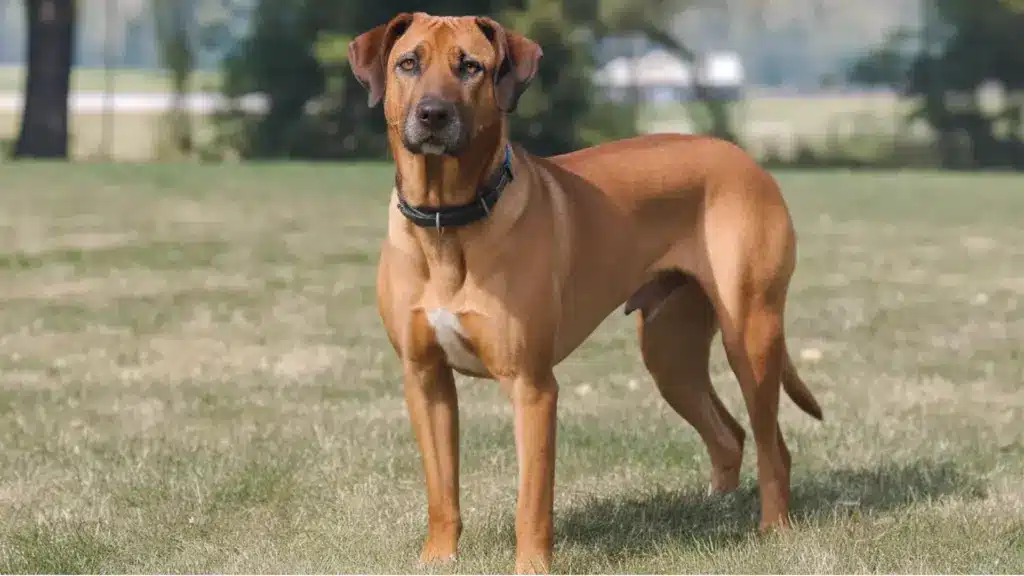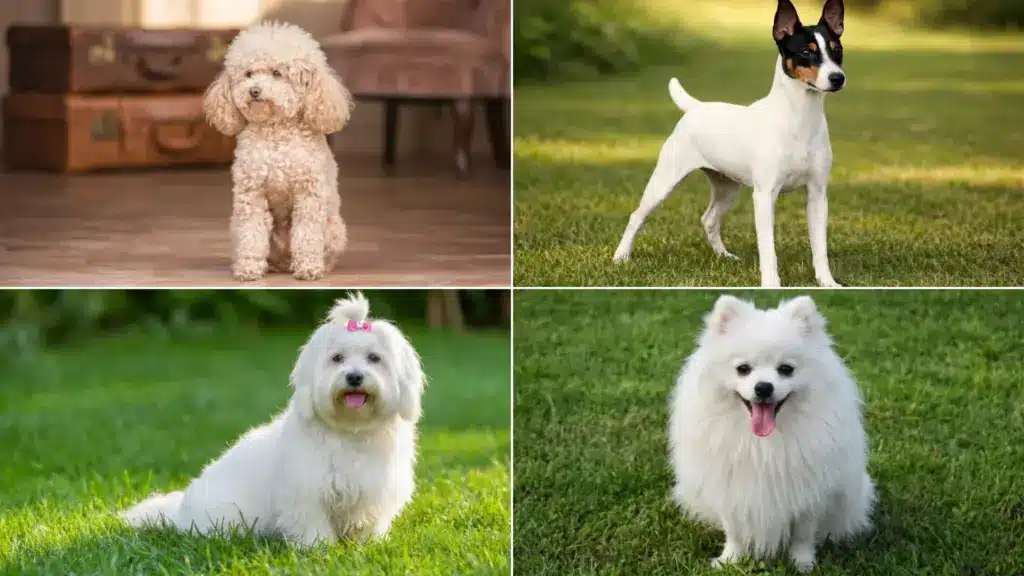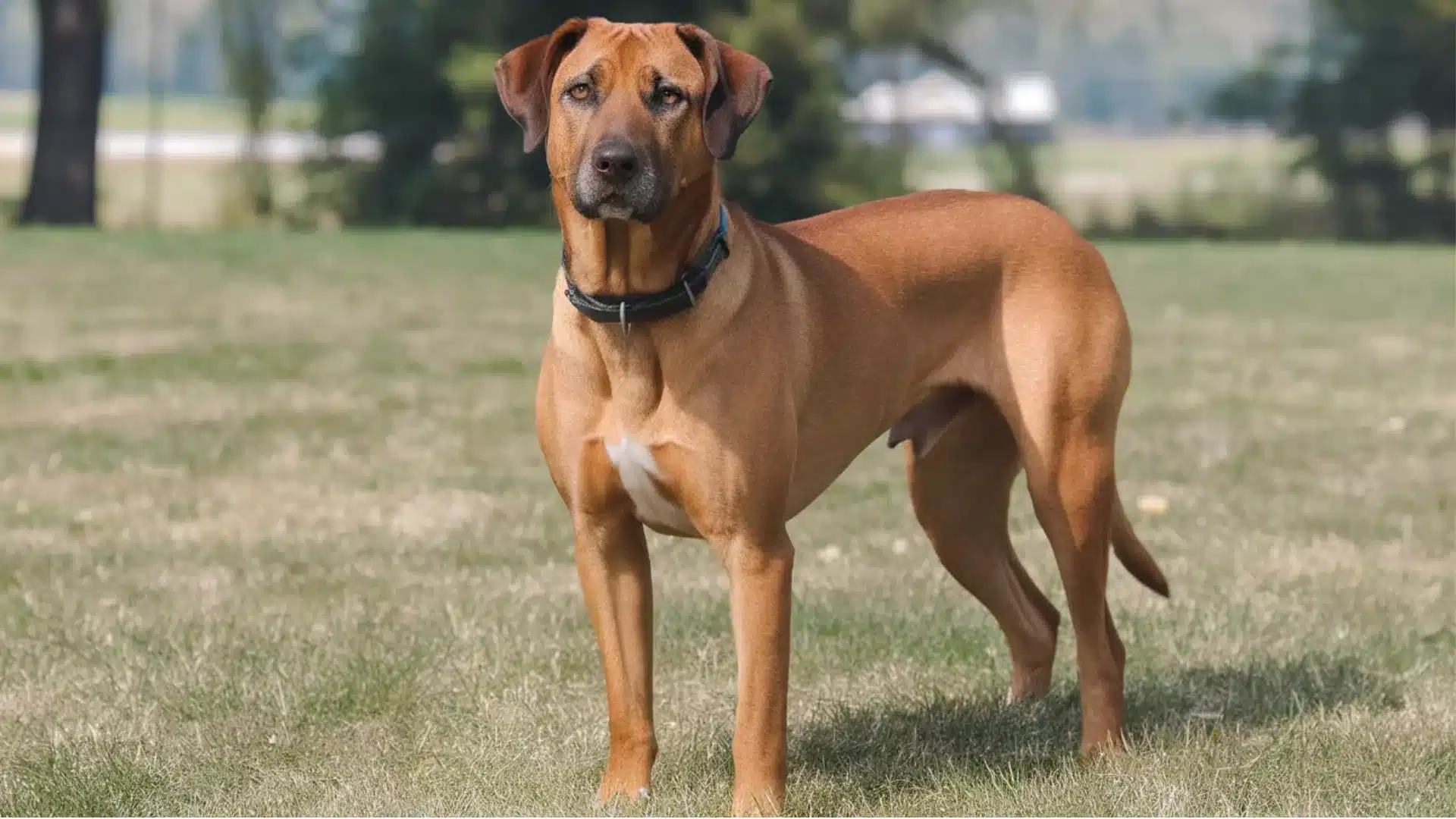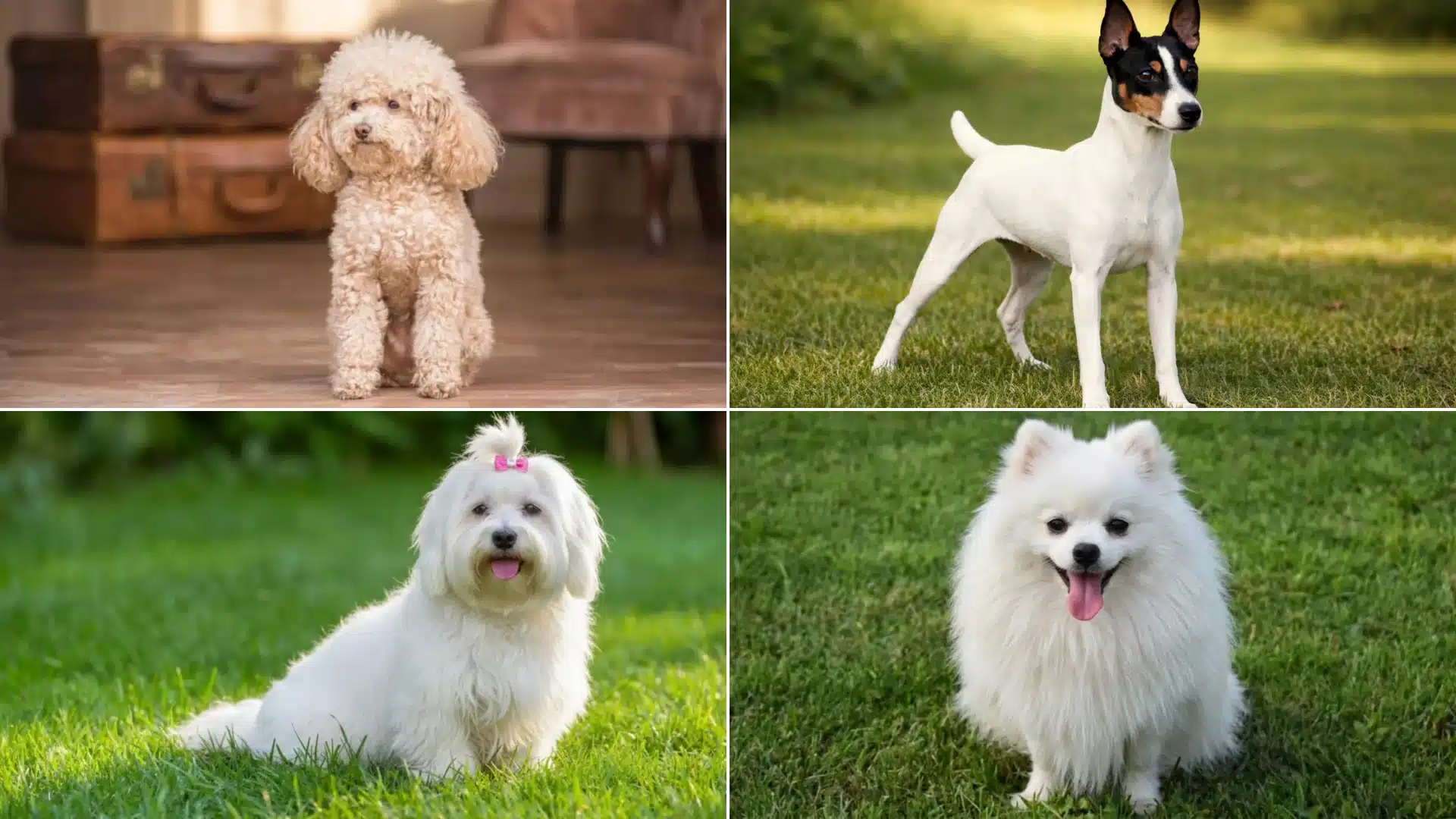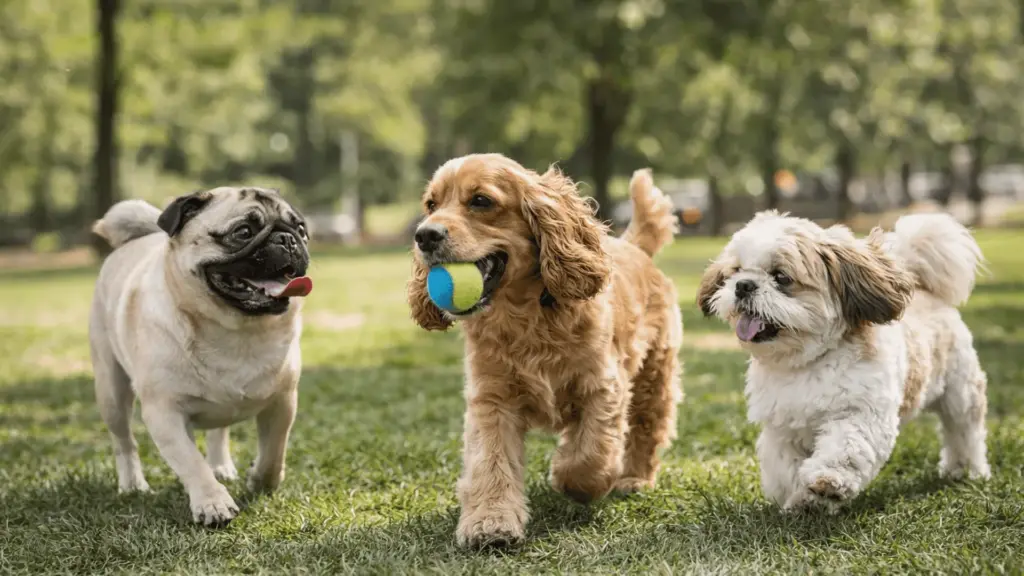
Bringing a dog into a peaceful home should feel comforting, not chaotic. Many families worry about choosing a pet that matches a relaxed lifestyle, especially with children in the house.
Energy levels, temperament, and daily habits all play a major role in long-term harmony.
That is why calm dog breeds are often at the top of the search list for parents and first-time owners.
The calmest dog breeds are known for steady behavior, gentle reactions, and an easygoing nature that fits well into structured family routines.
From small lap companions to larger gentle giants, the calmest dogs can adapt beautifully to quiet evenings and active weekends alike.
This blog features carefully selected dog breeds known for balanced personalities and dependable temperaments, helping families confidently choose a loyal companion for a peaceful home.
Why Families Prefer Calm Dog Breeds?
Family life often includes tight schedules, shared spaces, and constant activity. Bringing in a high-energy pet can increase daily pressure.
Calm dog breeds are often preferred because they adapt smoothly to structured routines and household expectations.
Dogs with steady temperaments are generally more tolerant of noise and quick movements, supporting safer interaction with children.
This stability helps build trust between pets and kids over time. The calmest dogs also respond well to consistent training and clear boundaries.
They adjust comfortably to predictable schedules, relaxed evenings, and social gatherings, helping maintain balance and ease within the home.
Best Calm Dog Breeds for Families
Many calm dog breeds combine a stable temperament, moderate energy, and strong social bonds, making them well-suited to structured family environments.
1. Labrador Retriever
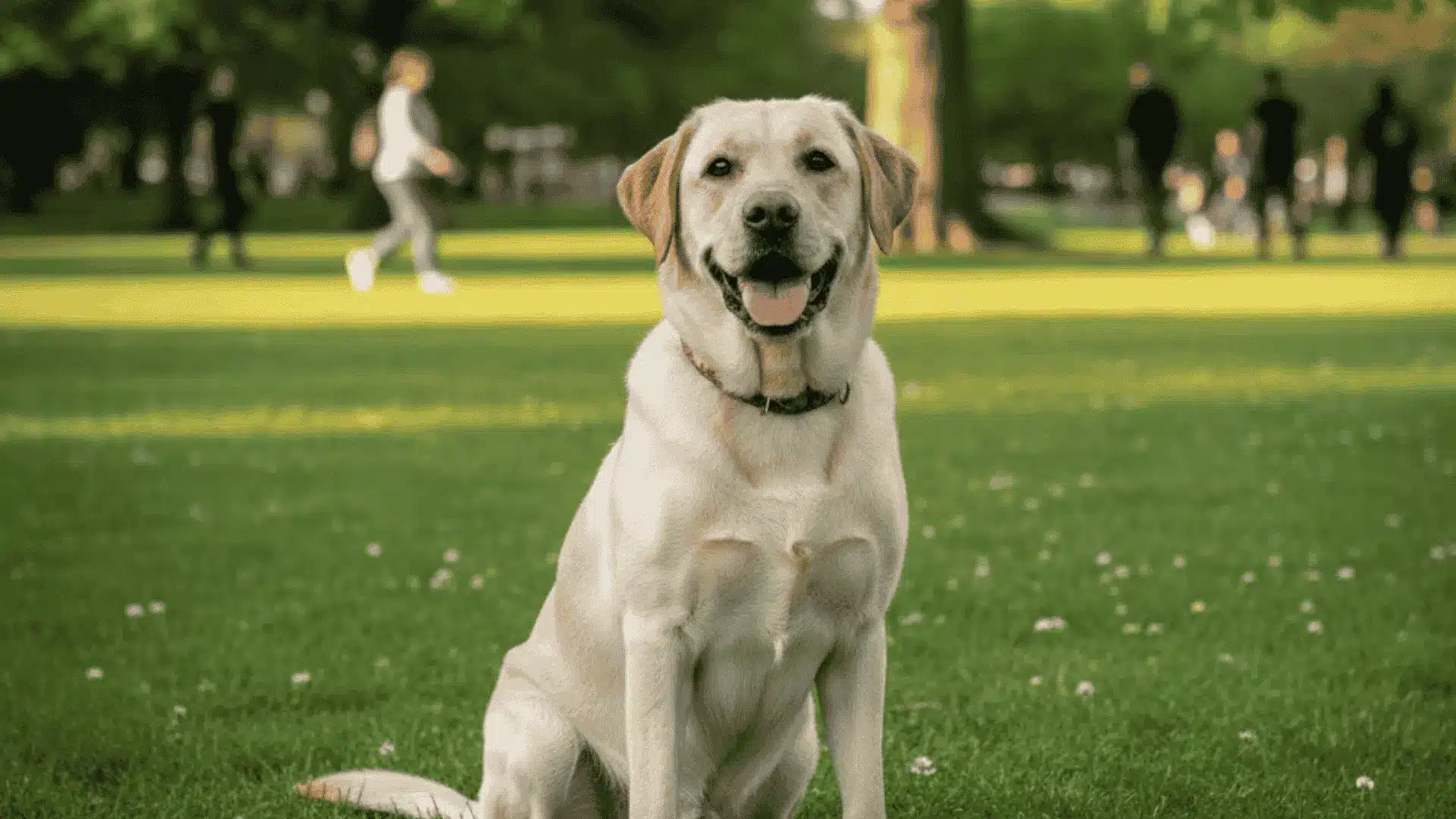
The Labrador Retriever demonstrates a stable temperament, high sociability, and strong working drive derived from its sporting lineage.
Adult males weigh 65 to 80 pounds, while females range from 55 to 70 pounds.
This breed requires approximately 60 minutes of structured physical activity daily to regulate energy output and prevent behavioral excess.
Labradors exhibit low aggression incidence and strong affiliative bonding with family members.
Consistent obedience training enhances impulse control, ensuring predictable behavior in active households with children.
2. Golden Retriever
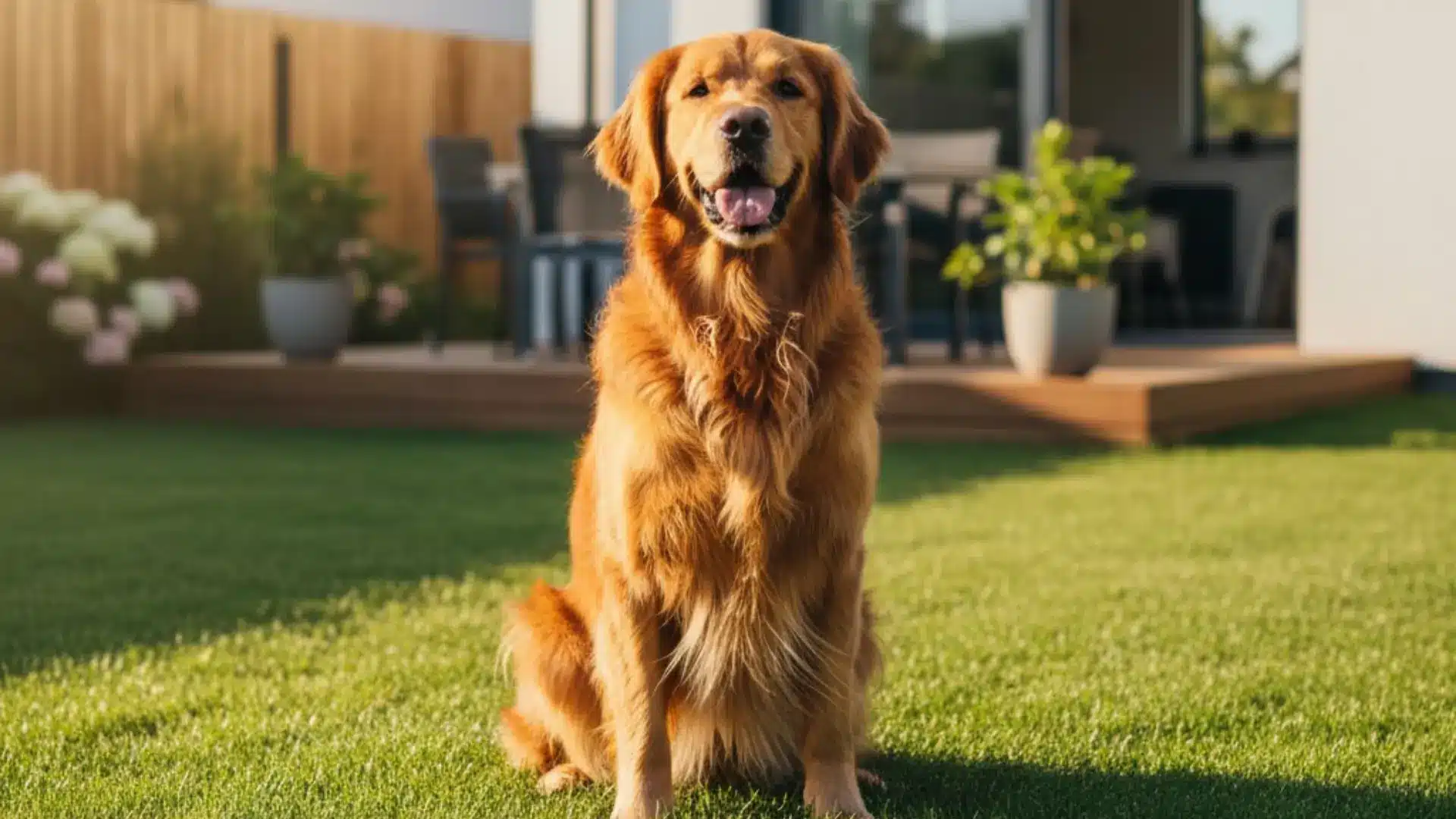
Golden Retrievers are classified as sporting dogs with balanced musculature and adults weighing 55 to 75 pounds.
They require 45 to 60 minutes of moderate aerobic exercise daily to maintain behavioral stability.
This breed shows low reactivity thresholds and high trainability, responding reliably to structured commands.
Golden Retrievers exhibit strong social attachment patterns and low defensive aggression, which support safe child interactions.
Early social conditioning maintains consistent emotional regulation within family environments.
3. Cavalier King Charles Spaniel
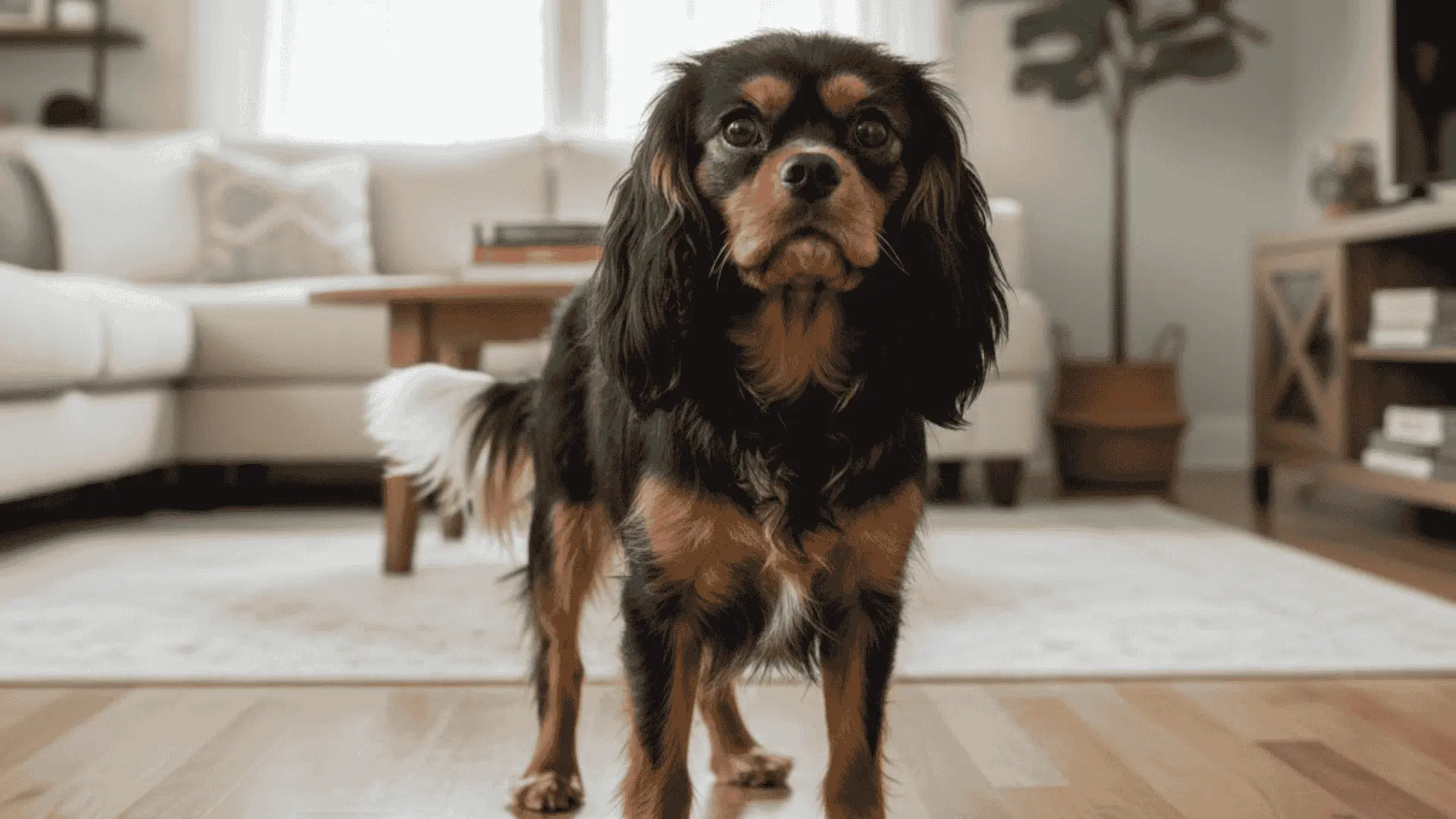
The Cavalier King Charles Spaniel weighs 13 to 18 pounds and exhibits low to moderate energy output.
As a companion breed, it demonstrates high social dependency and stable affective responses. Daily activity requirements are modest, typically met through short walks and indoor stimulation.
A low startle response and minimal territorial aggression support safe interactions with supervised children.
Predictable routines and reinforcement training maintain emotional equilibrium and reduce separation-related stress behaviors.
4. Pug

Pugs weigh between 14 and 18 pounds and are characterized by a brachycephalic skull structure.
Their energy output is moderate but expressed in short bursts of activity rather than prolonged exertion.
Pugs display stable social behavior and low aggression levels, adapting efficiently to indoor living conditions.
Supervised child interaction is generally positive due to their tolerant disposition.
Caloric monitoring and regulated exercise are essential to prevent obesity and respiratory strain associated with brachycephalic anatomy.
5. Great Dane
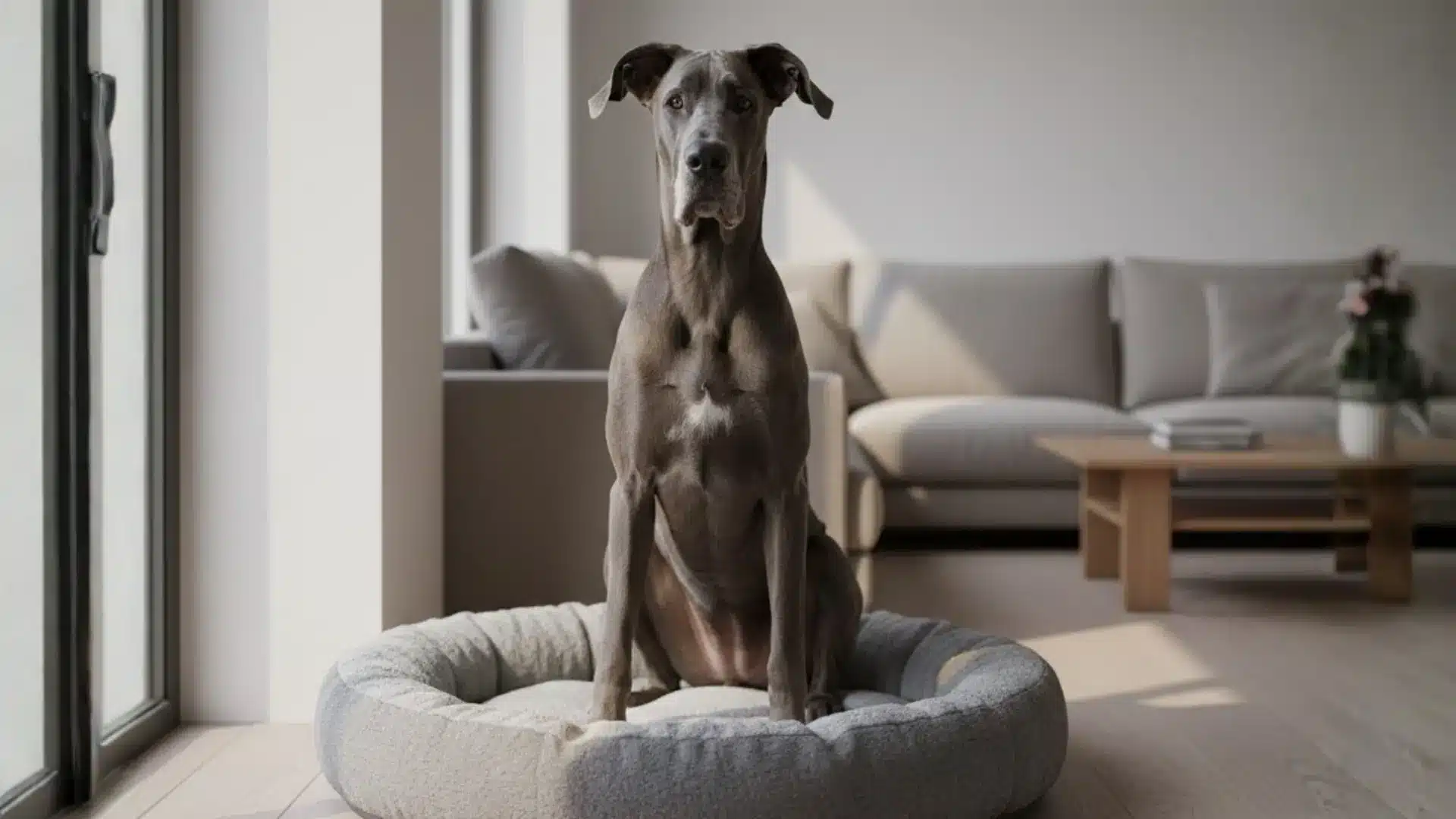
Great Danes weigh 110 to 175 pounds and are categorized as giant working dogs.
Despite their size, they exhibit low reactivity and composed behavioral responses. Daily structured walks support musculoskeletal health and moderate energy regulation.
This breed forms strong attachment bonds and demonstrates protective awareness without excessive territorial aggression.
Early leash training and obedience conditioning are critical for safe handling. With supervision, their gentle disposition supports stable interaction with children.
6. Bernese Mountain Dog
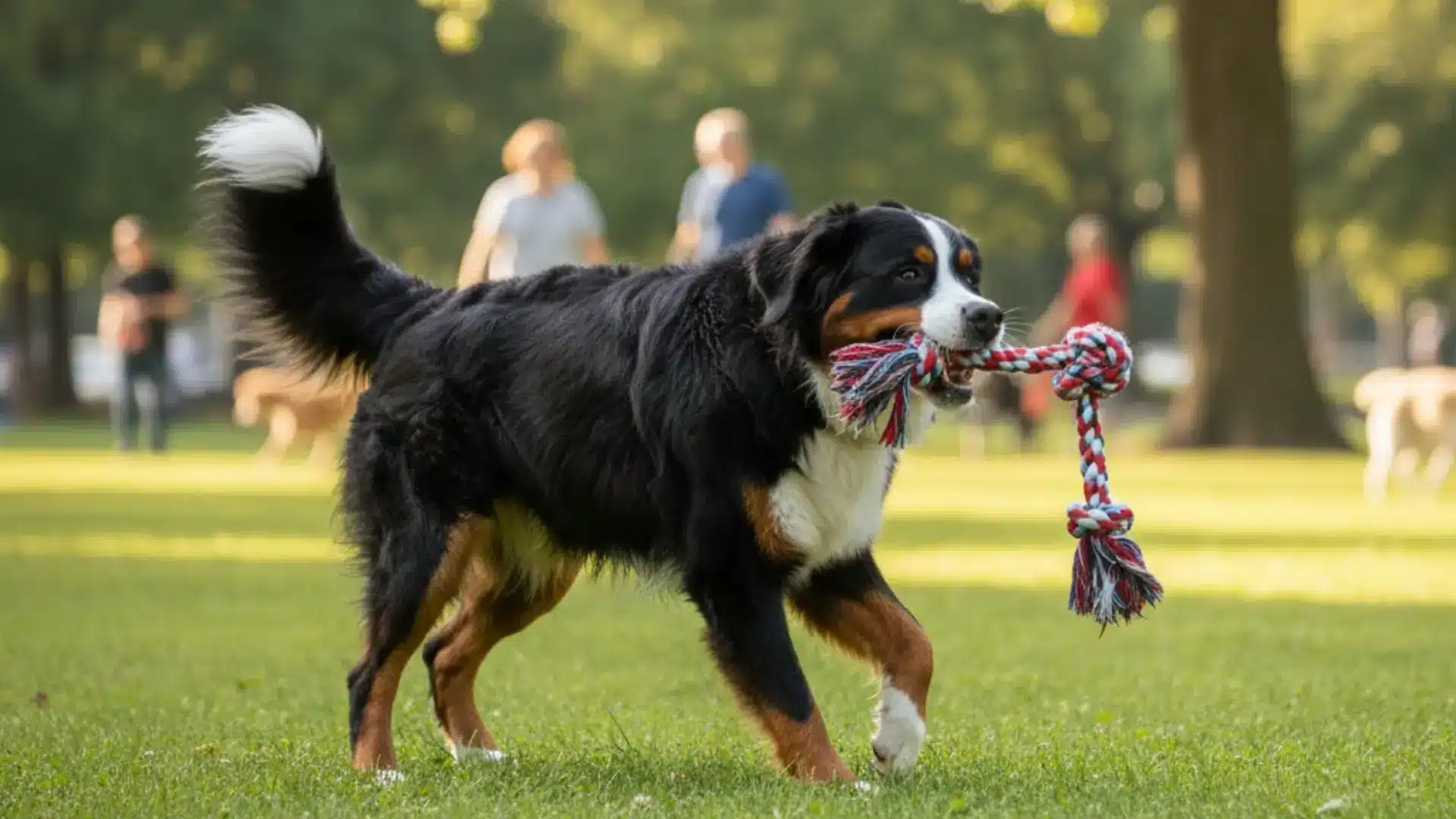
The Bernese Mountain Dog weighs 70 to 115 pounds and displays balanced energy with steady emotional regulation.
Classified as a working breed, it requires approximately 45 minutes of structured physical activity daily.
Bernese dogs exhibit dependable social engagement and low impulsivity, supporting child-friendly environments.
Routine grooming is necessary due to a dense double coat that requires consistent maintenance to prevent matting and excessive shedding.
7. Cocker Spaniel
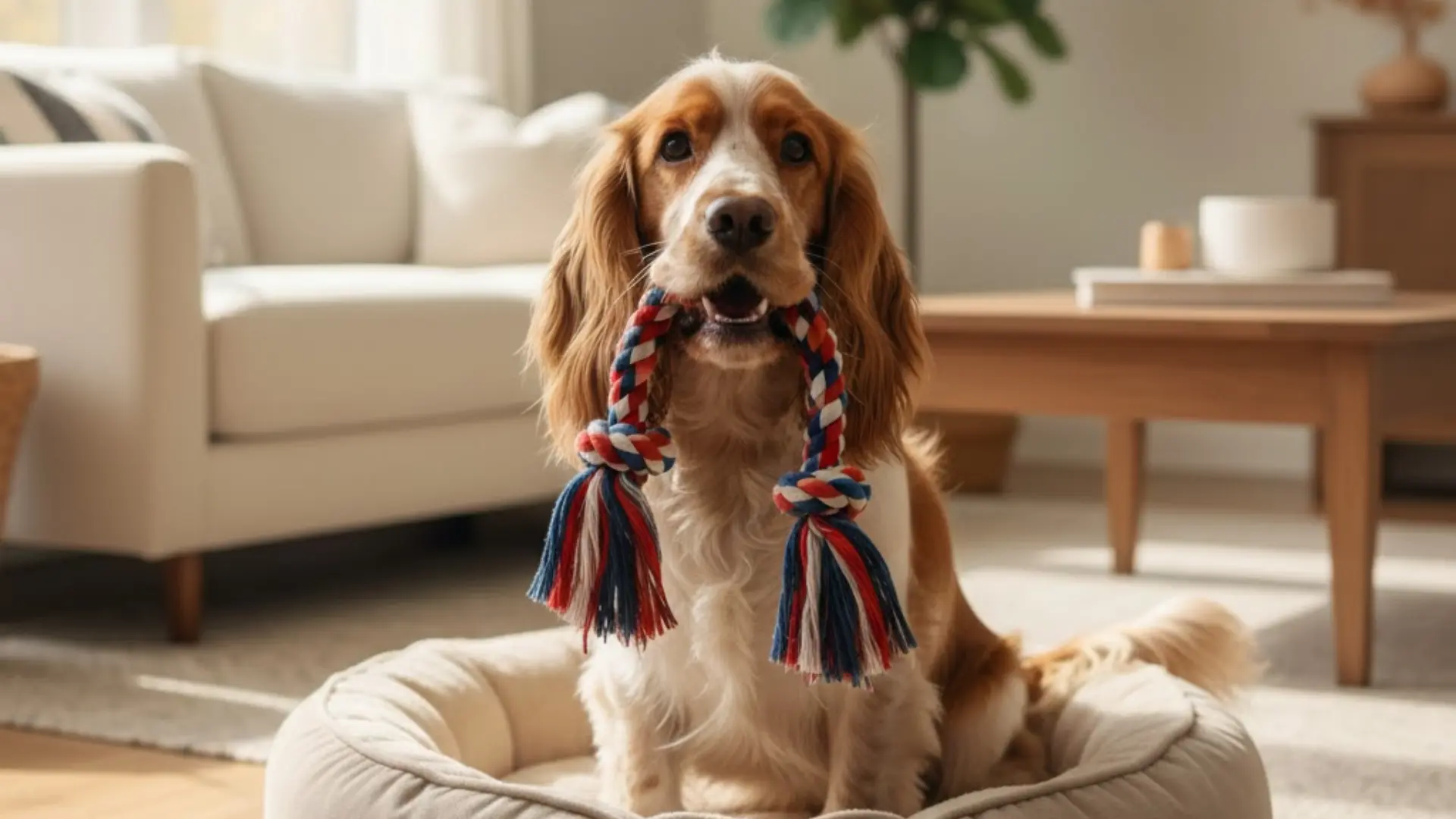
Cocker Spaniels typically weigh 20 to 30 pounds and present moderate energy combined with high cognitive responsiveness.
They benefit from 30 to 45 minutes of structured activity daily to maintain behavioral balance.
This breed demonstrates strong affiliative behavior and low defensive aggression when properly socialized.
Supervised interaction with children is generally positive, provided early exposure and clear boundaries are established within the household.
8. Newfoundland
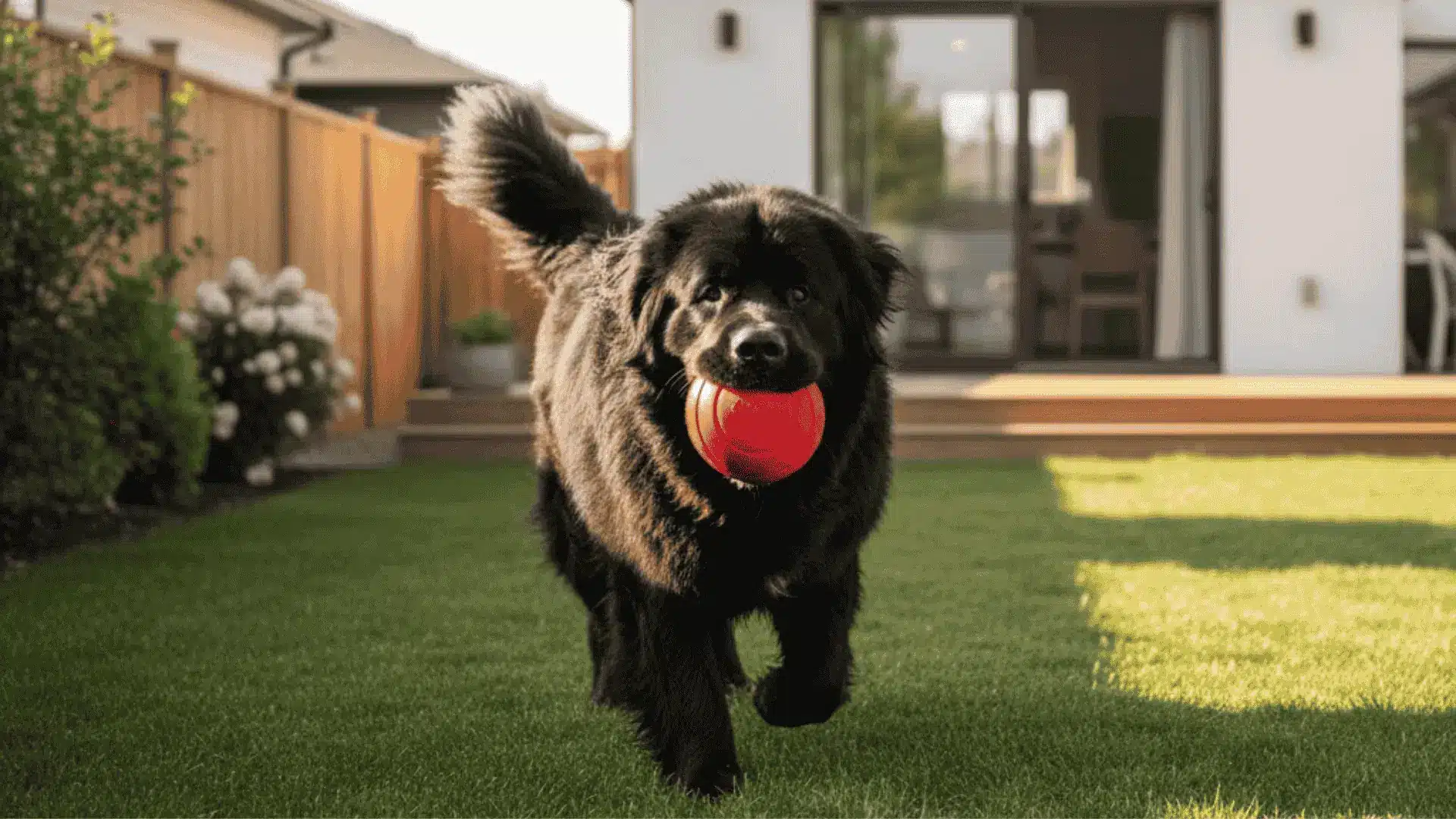
Newfoundlands weigh 100 to 150 pounds and are classified as working water rescue dogs.
They demonstrate a low incidence of aggression and high tolerance thresholds, particularly around children.
Moderate daily exercise supports joint integrity and emotional balance. Indoors, they display calm and controlled behavior despite their substantial size.
Early obedience training and leash conditioning are essential for safe integration into the household.
Their patient disposition supports structured family environments with adequate space.
9. Irish Wolfhound
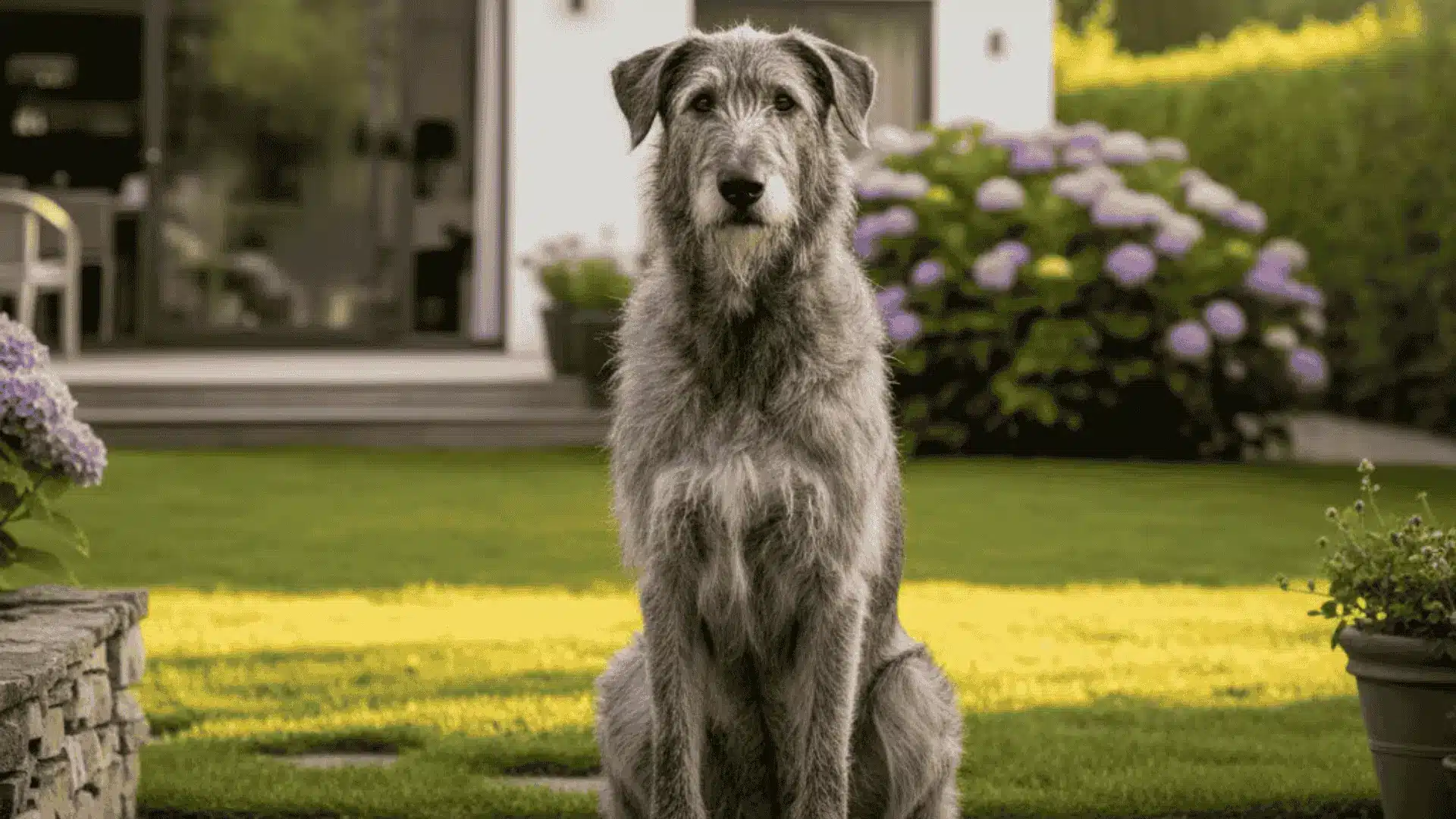
Irish Wolfhounds often exceed 140 pounds and are among the tallest recognized breeds.
Despite their imposing stature, they exhibit low reactivity and reserved social responses. Moderate daily walks meet exercise requirements without overstimulation.
This sighthound breed demonstrates low territorial aggression and gentle interaction patterns when socialized early.
Adequate living space and structured supervision are necessary due to the size. Consistent reinforcement supports behavioral stability in family settings.
10. Shih Tzu
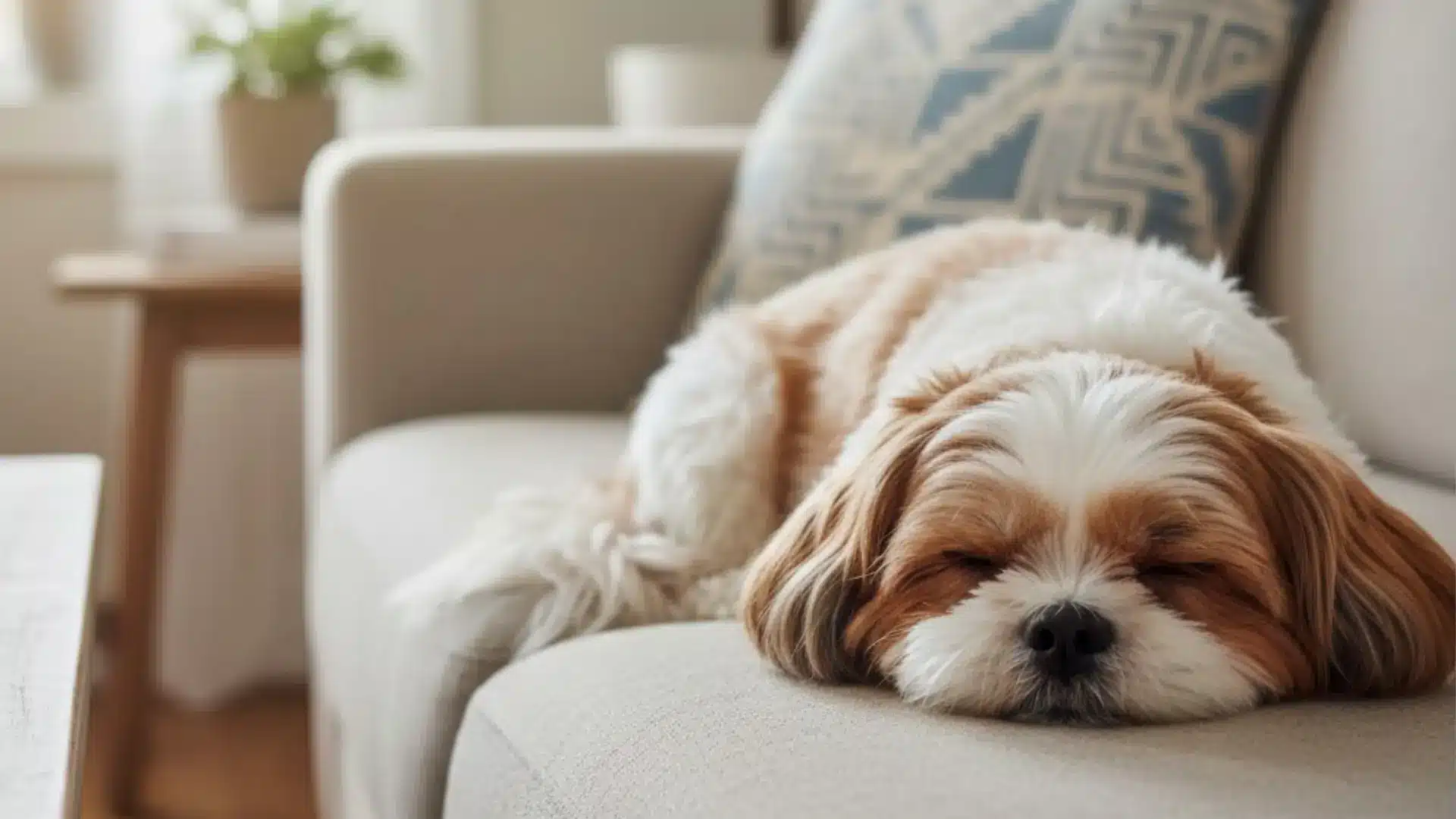
The Shih Tzu weighs 9 to 16 pounds and was historically developed as a companion breed.
It exhibits low to moderate activity demands and stable indoor behavior patterns.
Short daily walks and structured play sessions maintain physical health. This breed demonstrates strong attachment bonding and minimal territorial aggression.
Regular grooming is required to manage coat density and prevent dermatological issues.
Predictable routines enhance behavioral consistency in family households.
11. Greyhound
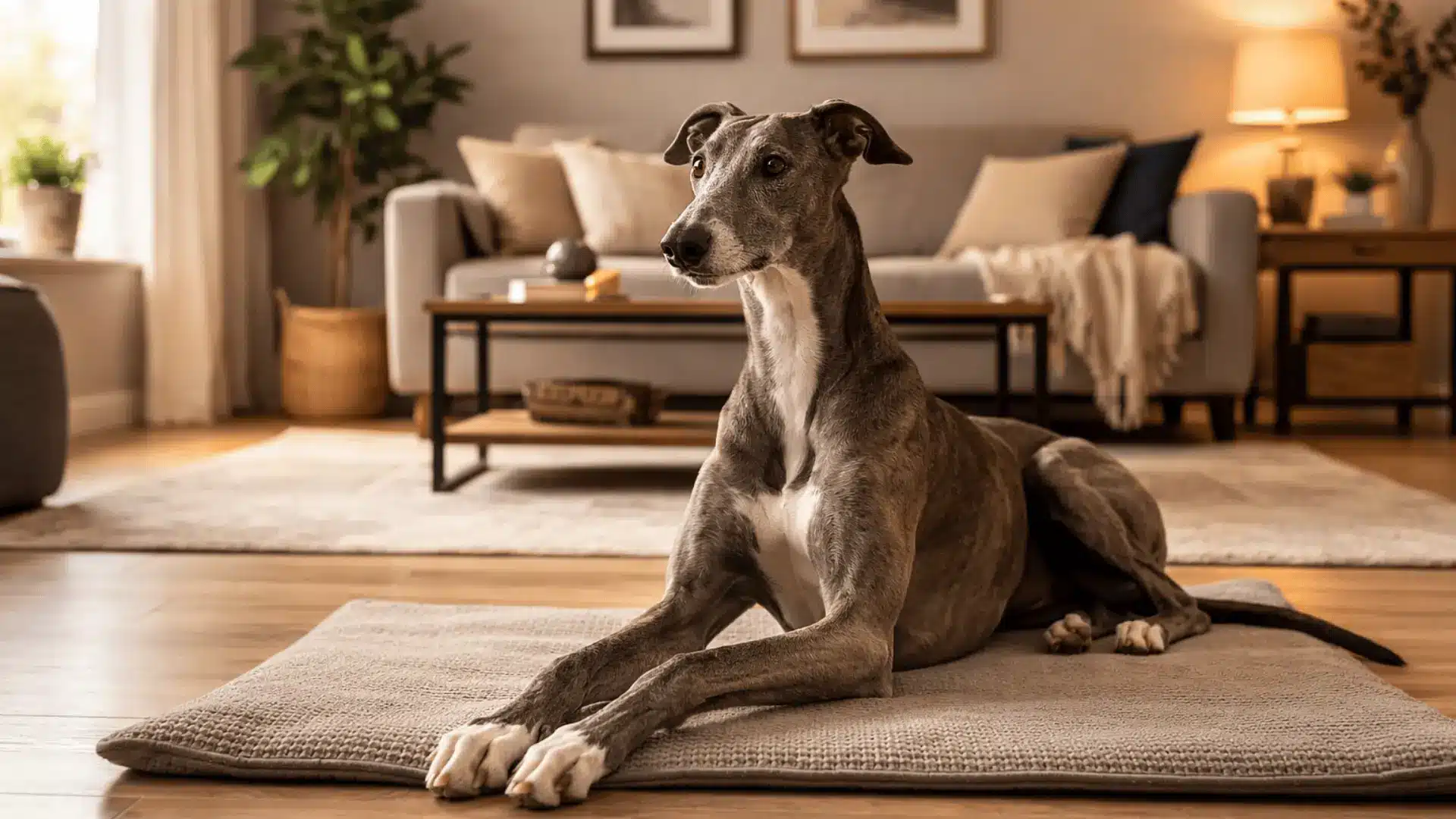
Greyhounds weigh 60 to 70 pounds and are physiologically adapted for high-speed sprinting.
Despite athletic capacity, they display low baseline activity indoors and prefer extended rest periods. Short daily exercise sessions regulate muscle tone without overstimulation.
Greyhounds exhibit quiet social behavior and minimal aggression when properly socialized.
Structured routines and controlled exposure support stable interaction with older children in calm household environments.
Factors To Consider Before Choosing A Calm Dog
Choosing from calm dog breeds requires careful evaluation of care needs, health factors, space, and long-term family commitment.
- Grooming Needs: Long-coated, calm dog breeds require routine brushing and coat maintenance, while short-coated breeds still need regular skin, ear, and nail care.
- Health Concerns: Large breeds may face orthopedic risks such as hip dysplasia, while brachycephalic breeds can experience respiratory limitations that require monitoring.
- Space Requirements: Even the calmest dogs with low reactivity need adequate indoor movement space and structured outdoor exercise to maintain physical balance.
- Exercise Commitment: Moderate daily activity, including controlled walks and mental stimulation, supports stable behavior patterns.
- Long-term Responsibility: Families should assess their financial readiness, veterinary care costs, work schedules, and daily routines before selecting a calm dog breed.
The Importance of Training and Socialization
Even the calmest dog breeds need structured training to maintain steady behavior. A naturally stable temperament does not replace clear rules and consistent reinforcement.
Boundaries, routine commands, and predictable expectations help calm dog breeds respond reliably in different situations.
Early socialization, especially between 8 and 16 weeks, plays a key role in behavioral development.
Controlled exposure to people, environments, and other animals reduces fear-based reactions later in life. Positive reinforcement and consistent cue repetition strengthen desired behaviors.
When all family members apply the same approach, calmest dogs develop lasting stability and balanced household behavior.
Conclusion
Calm dog breeds can bring a strong sense of balance and comfort into family life.
Their steady temperament, predictable behavior, and moderate energy levels often make daily routines feel smoother and more manageable.
Many of the calmest dog breeds adapt well to children, structured schedules, and shared living spaces, which supports a peaceful home environment.
At the same time, even the calmest dogs need consistent training, proper healthcare, regular exercise, and clear household boundaries. Stability does not happen automatically.
It develops through responsible ownership, early socialization, and ongoing guidance. Choosing the right breed is only the first step; maintaining structure and care ensures long-term harmony.
Which of these calm dog breeds fits your home best? Share your thoughts and favorite calm companion in the comments below.