Tiny dog breeds that stay small are perfect for people who live in apartments, small homes, or just do not want a big dog taking over the couch.
Not everyone has a backyard or hours every day for long walks. Some people want a pet that fits into a busy routine and still brings joy, fun, and comfort without needing too much space.
This guide breaks down the best small breeds that remain small even as adults. It covers their size, personality, grooming needs, and what kind of home suits them best.
It also shares things to think about before bringing one home. This list is for first-time owners, city dwellers, seniors, and anyone who prefers a compact companion that stays cute and manageable for years.
Tiny Dog Breeds That Stay Small for Life
Below is a complete list of tiny dog breeds that stay small, covering size, temperament, grooming needs, and overall lifestyle compatibility.
1. Chihuahua
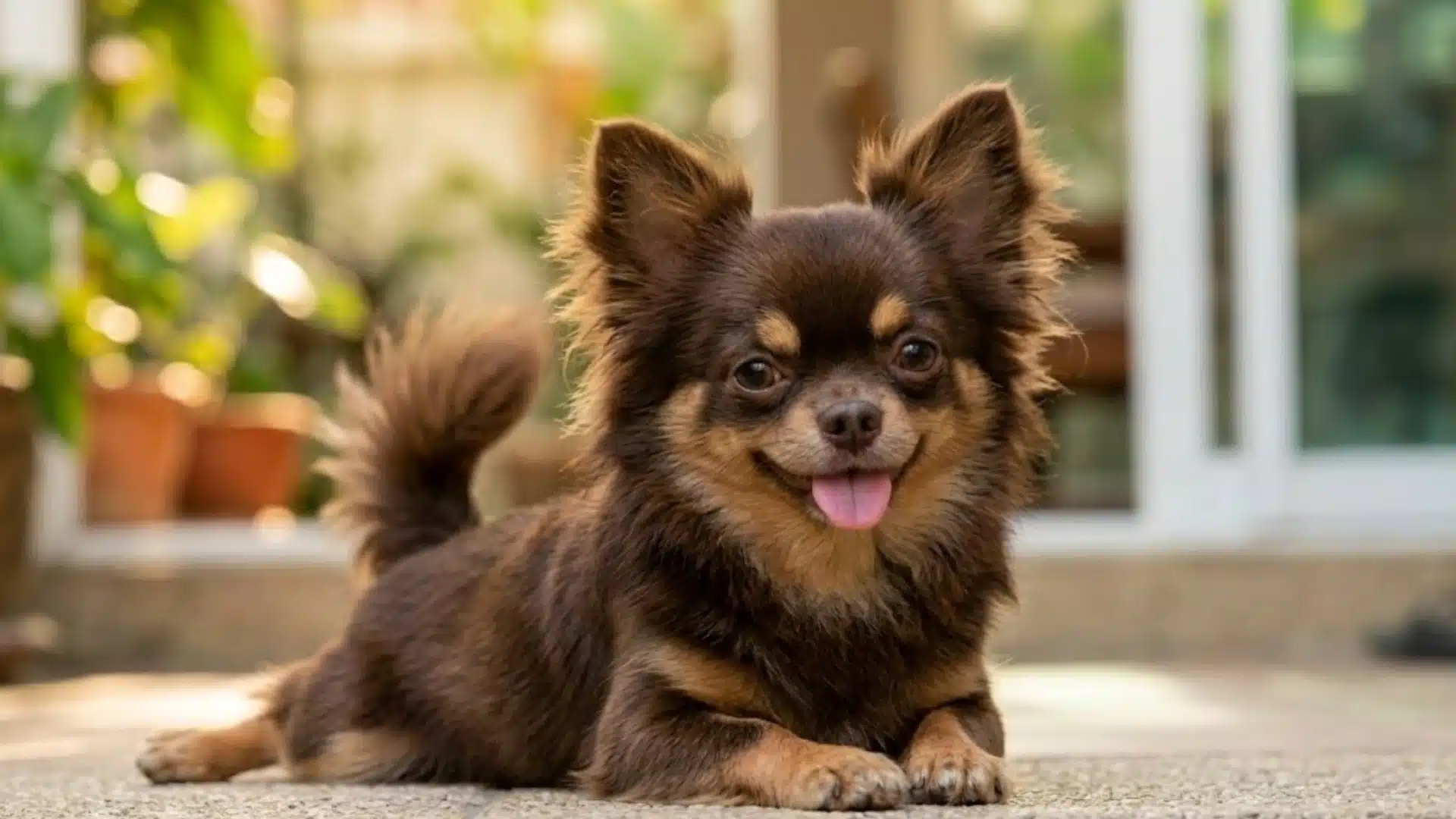
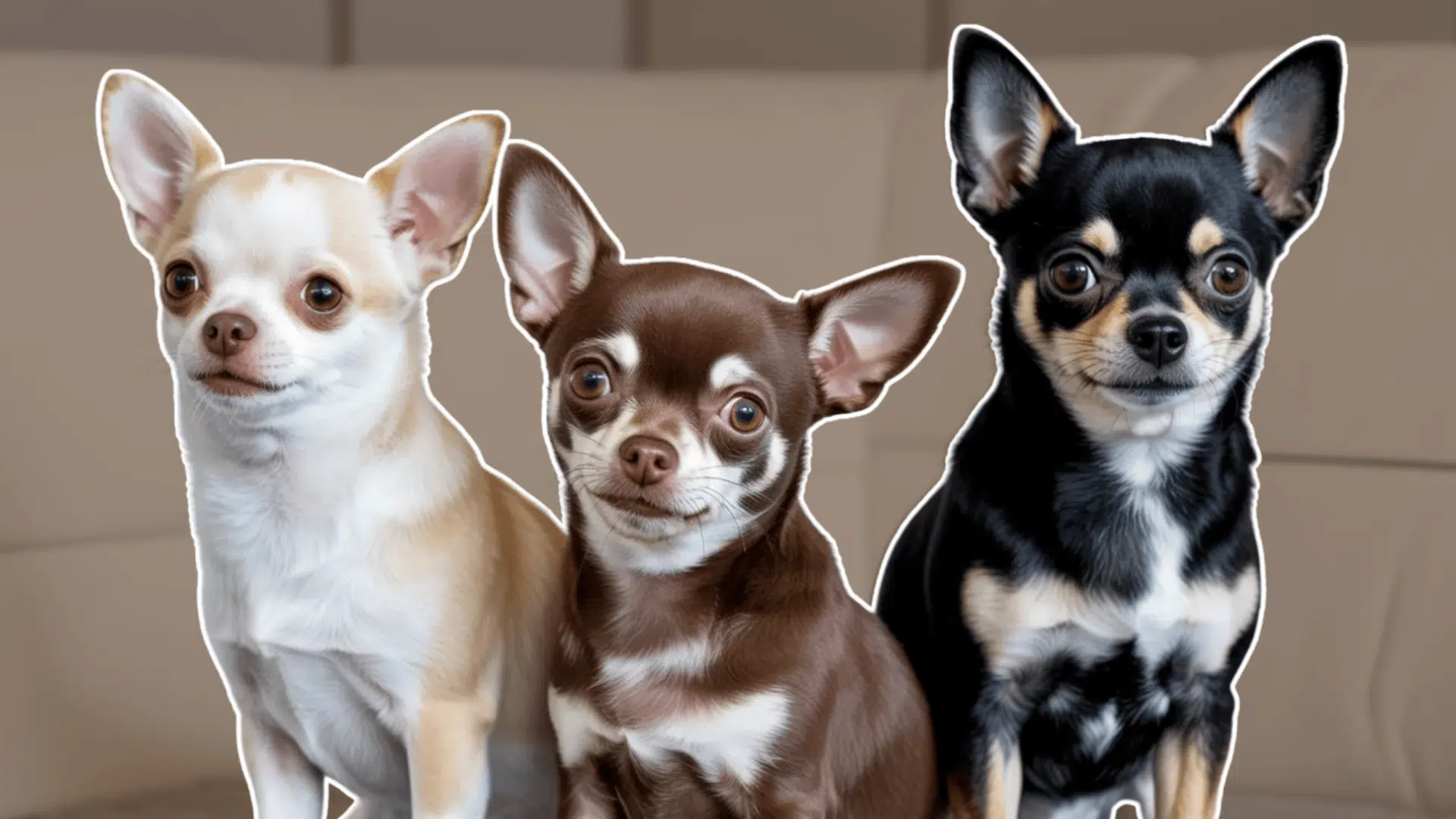
The Chihuahua is one of the oldest dog breeds in the Americas and remains one of the tiniest even as an adult. Most weigh between 2 to 6 pounds and stay very compact for life.
They may be small, but their personality is bold and confident. Many form a deep bond with one favorite person and prefer to stay close at all times.
Cold weather does not suit them well, so warm clothing is often needed during winter. With proper care, they can live up to 18 years, which makes them one of the longest living tiny dog breeds that stay small.
2. Pomeranian
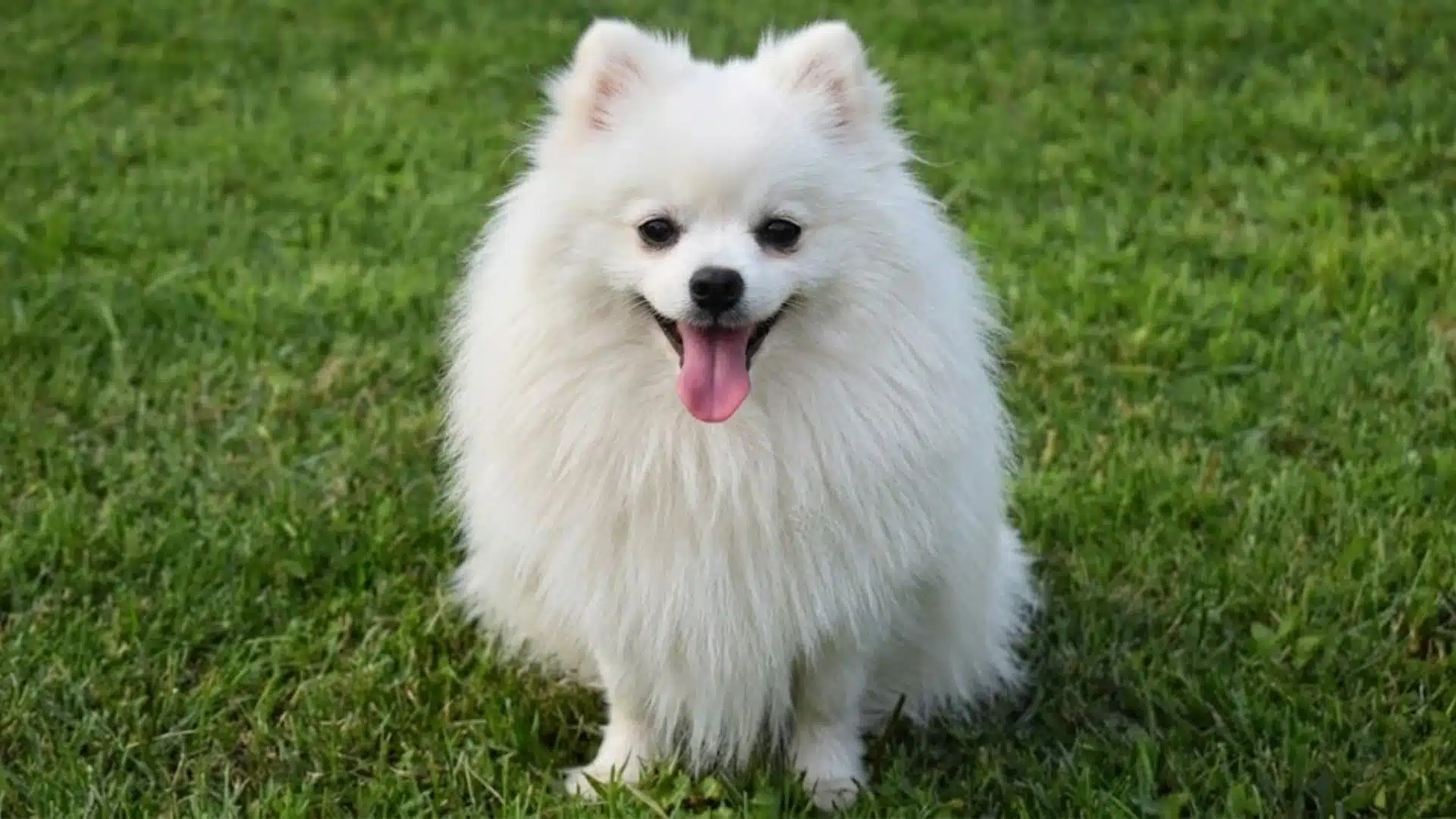
Pomeranians may look soft and fluffy, but they are sharp and alert. Their weight usually falls between 3 to 7 pounds, yet they carry themselves like much bigger dogs.
They are quick to bark when something catches their attention, which makes them good little watchdogs.
Their thick double coat sheds more than expected, so brushing several times a week helps keep it under control. They tend to do well with older children who understand how to handle small dogs gently.
3. Yorkshire Terrier
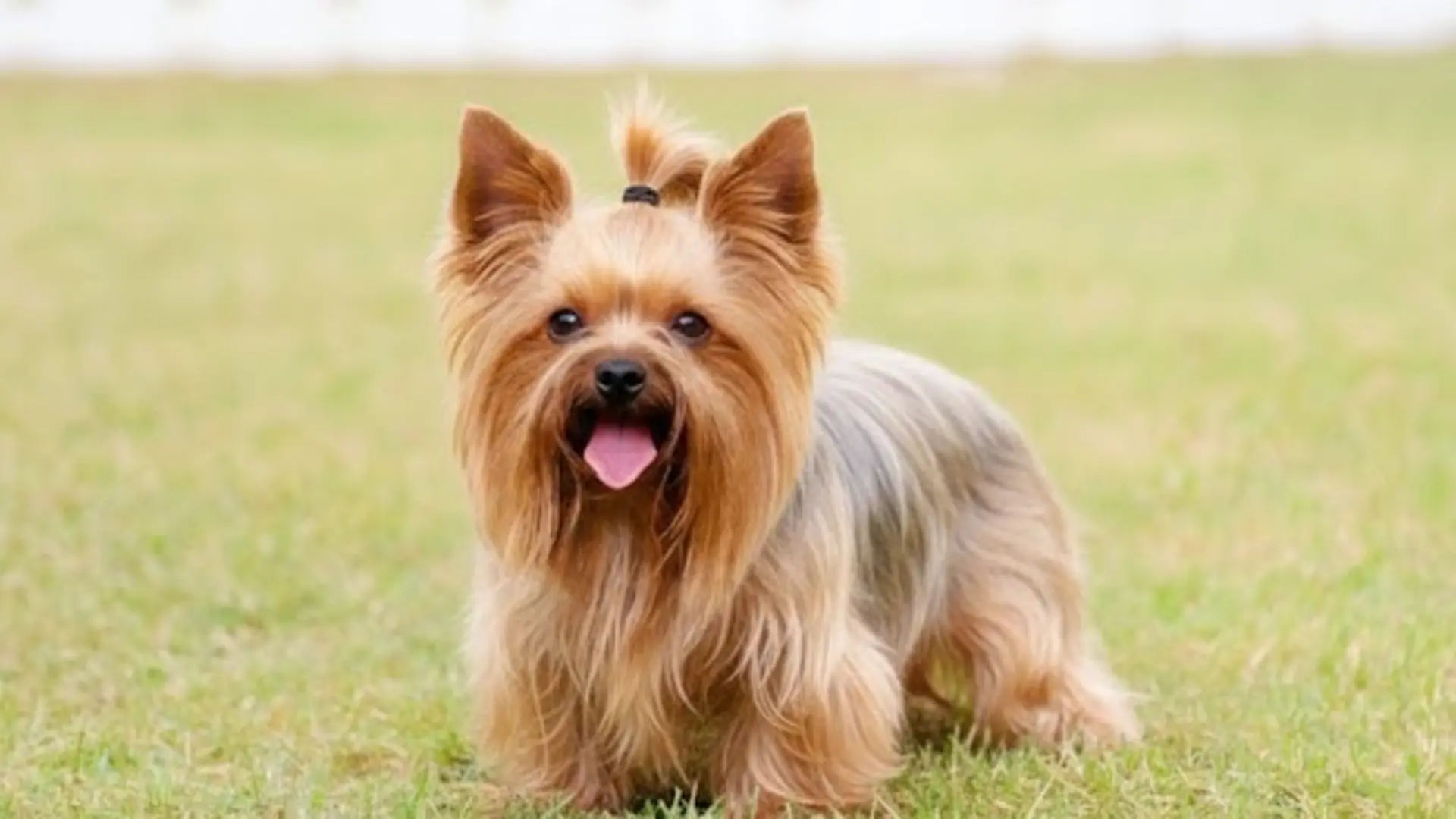
Yorkshire Terriers were once working dogs in 19th-century England, where they helped control rats in mills. Today, they are better known as companion dogs, but their confident spirit is still there.
They usually weigh under 7 pounds and have a silky coat that keeps growing, similar to human hair. Regular grooming or trims are needed to maintain it.
Training can take patience because they can be stubborn, yet they become very devoted once they trust their owner.
4. Maltese
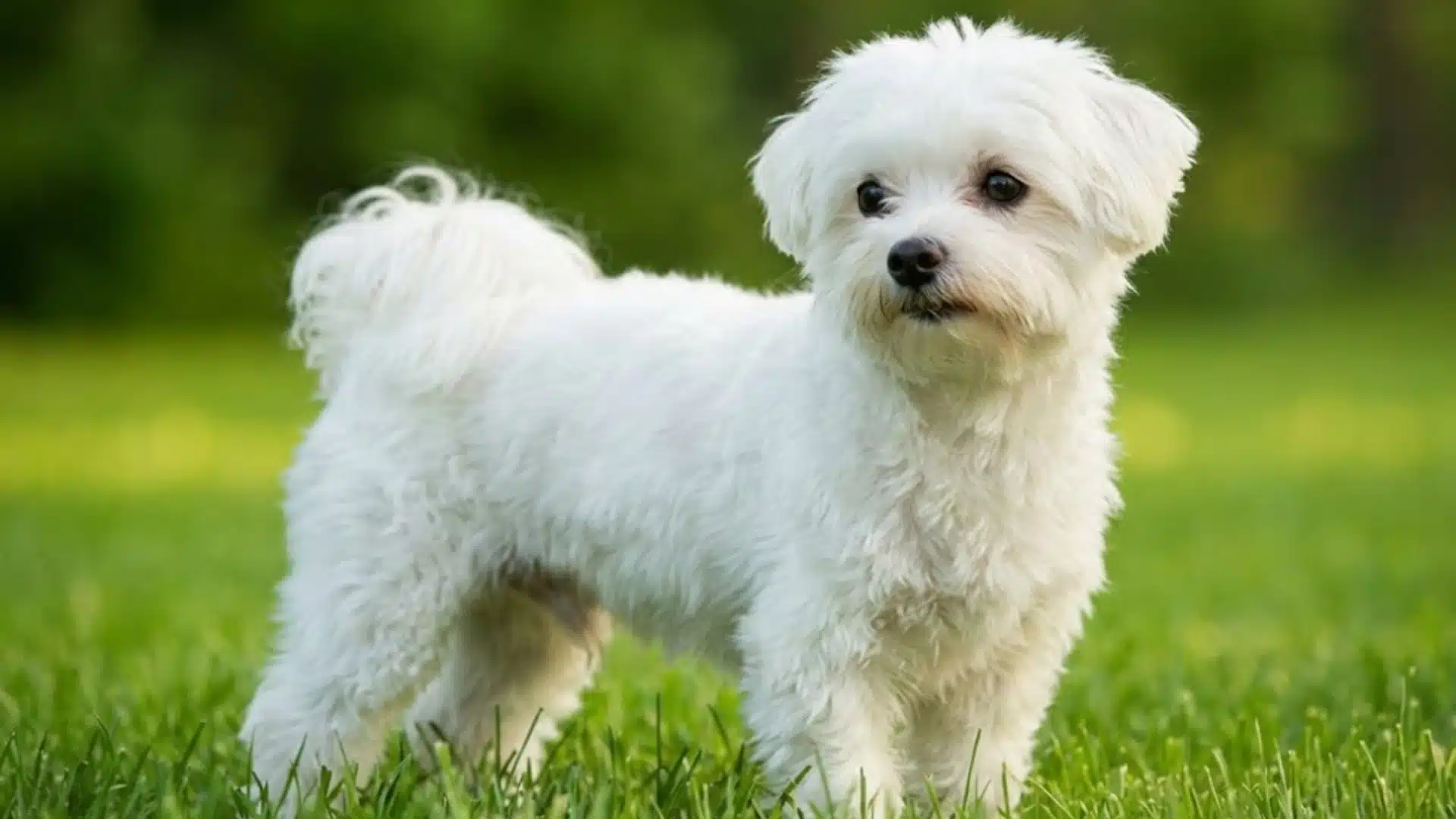
The Maltese has a long history that goes back over 2,000 years and was once popular among wealthy families in ancient times.
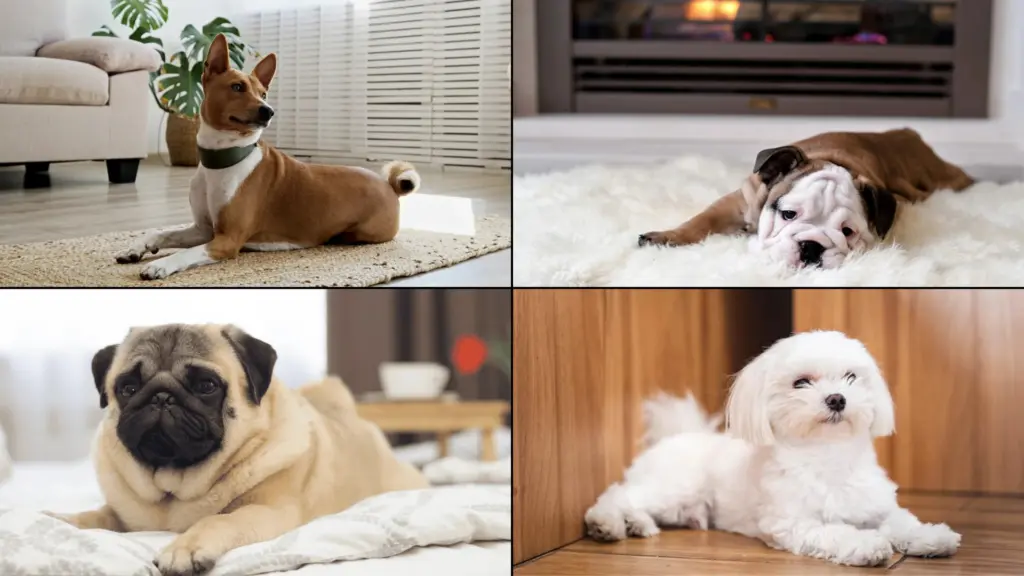
Adults weigh between 4 to 7 pounds and are known for their bright white coat. They are not heavy shedders, but daily brushing helps prevent tangles and knots.
Maltese dogs enjoy being around people and often struggle when left alone for long hours. Homes where someone is present most of the day suit them best.
5. Shih Tzu
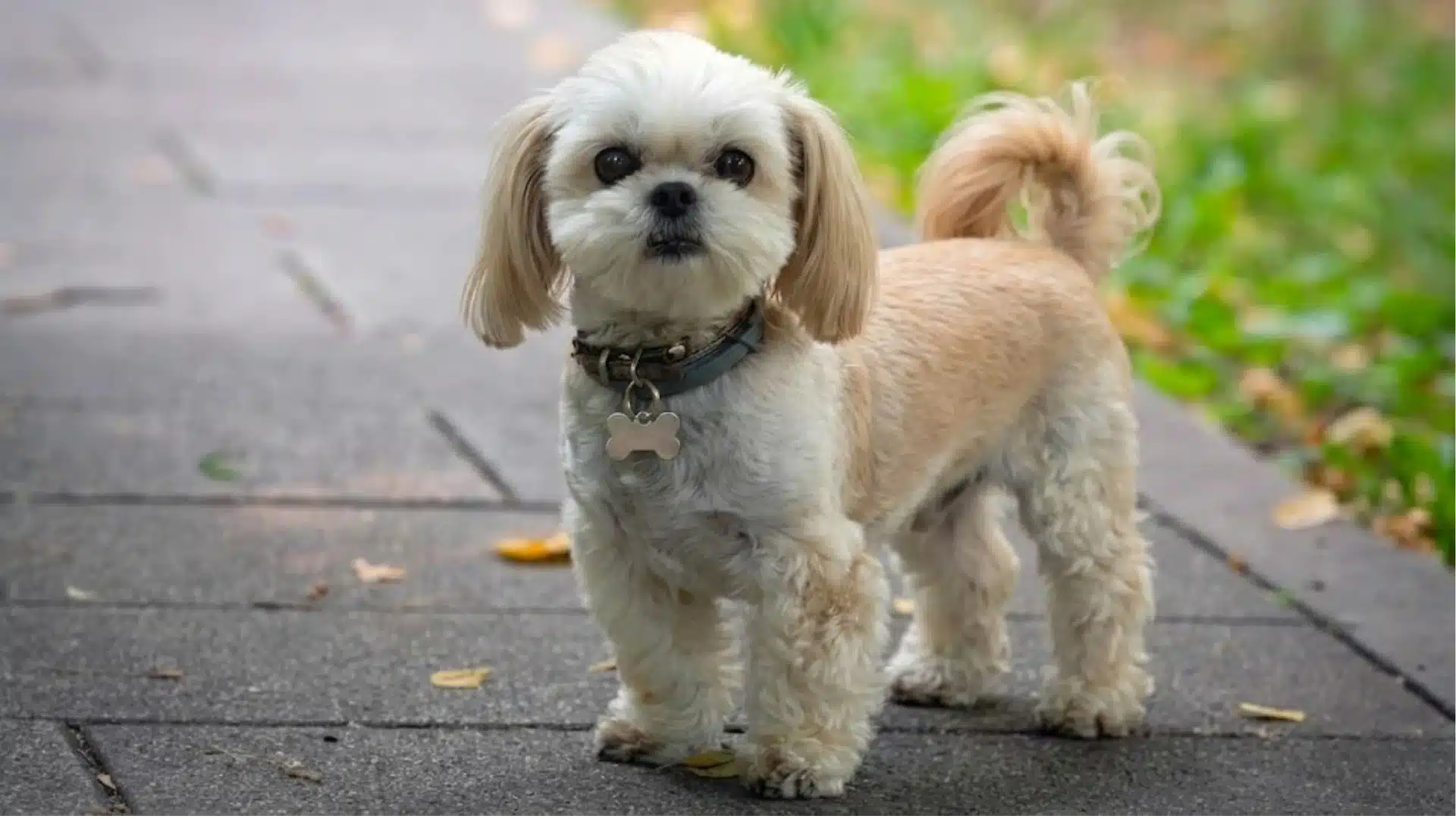
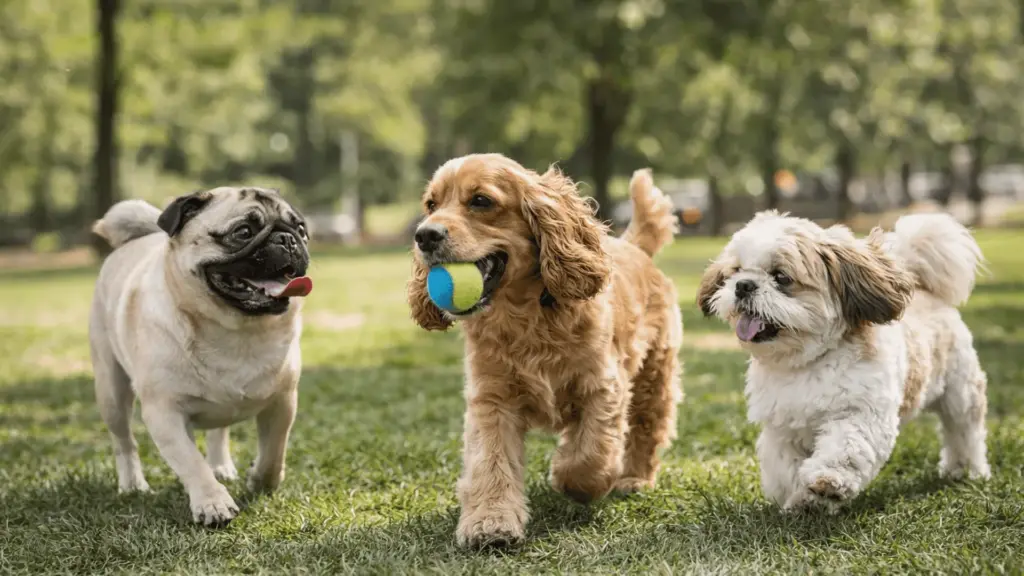
Shih Tzus are small companion dogs that weigh between 9 and 16 pounds and are known for their friendly nature.
Because of their flat face, they can have trouble in very hot weather and are not built for long or intense exercise. Short walks and indoor play are usually enough to keep them content.
Their coat grows quickly and needs regular grooming to stay neat. Many owners choose a shorter trim to make daily care easier.
6. Toy Poodle
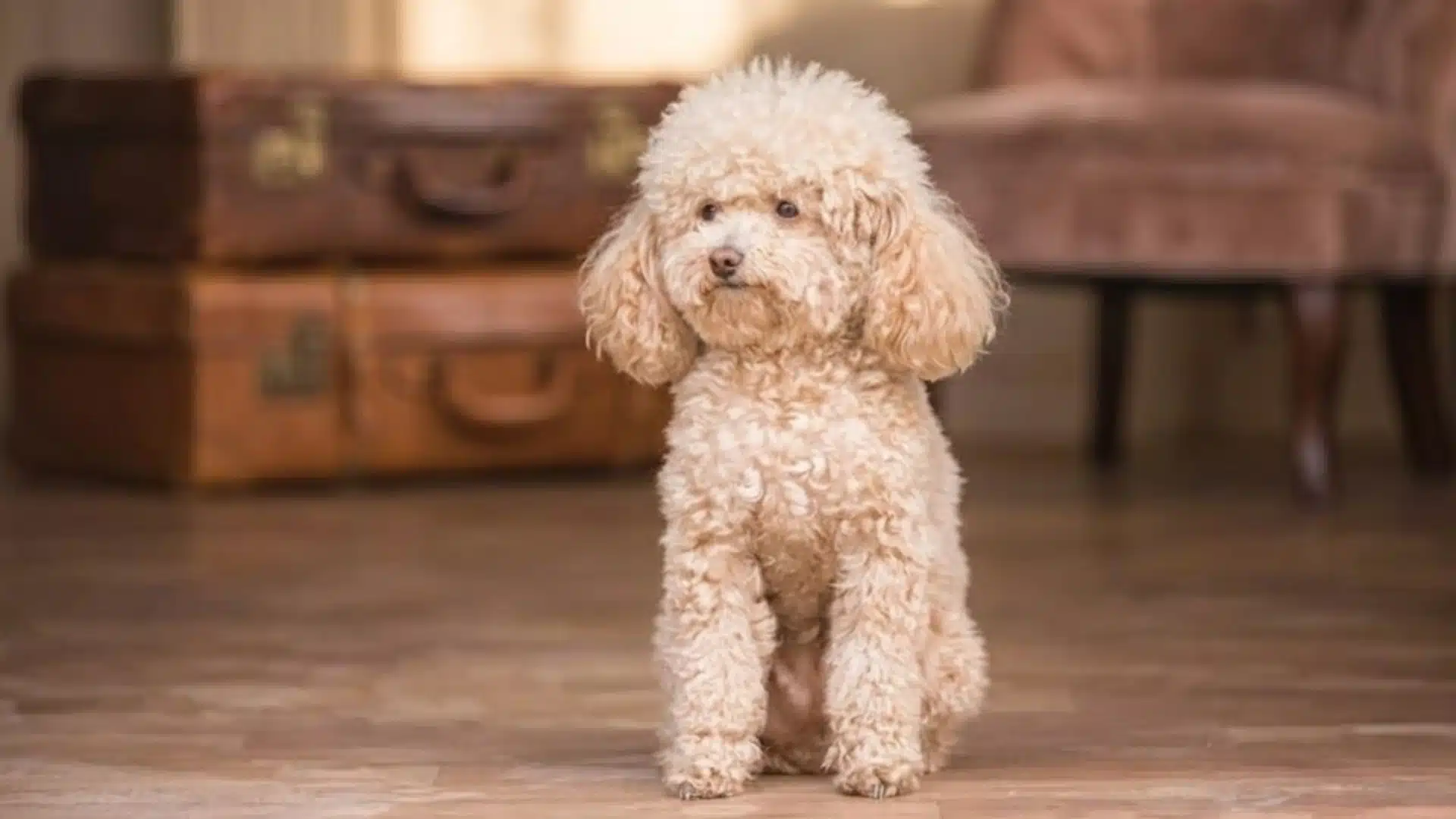
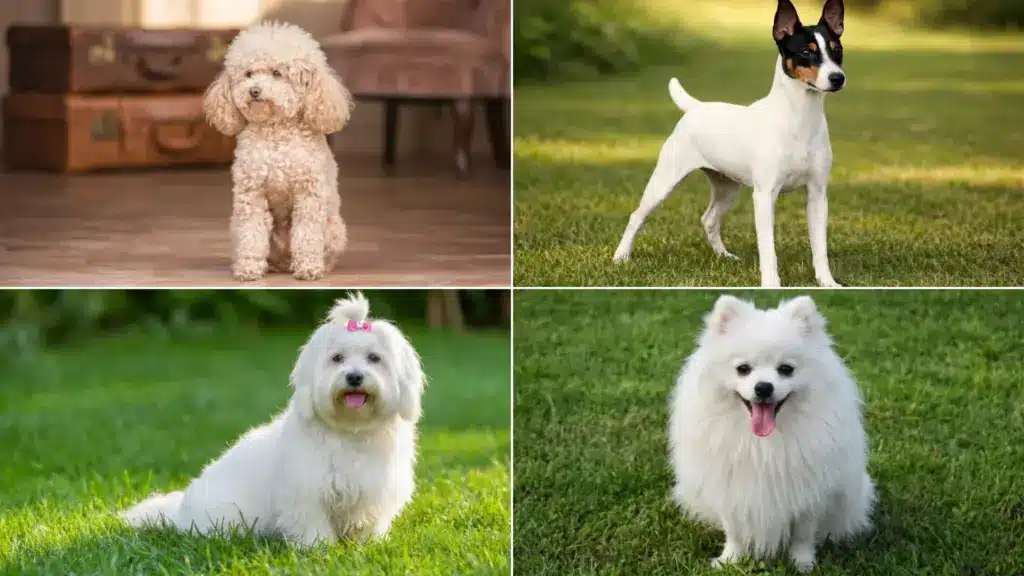
Toy Poodles are often praised for their intelligence and quick learning ability. They typically weigh around 4 to 6 pounds and respond well to consistent training from a young age.
Their curly coat sheds very little, which is why many allergy-sensitive owners consider them. Regular grooming is still needed to prevent matting.
They enjoy mental challenges such as learning new tricks or playing with puzzle toys, and without enough activity, they can become restless.
7. Papillon
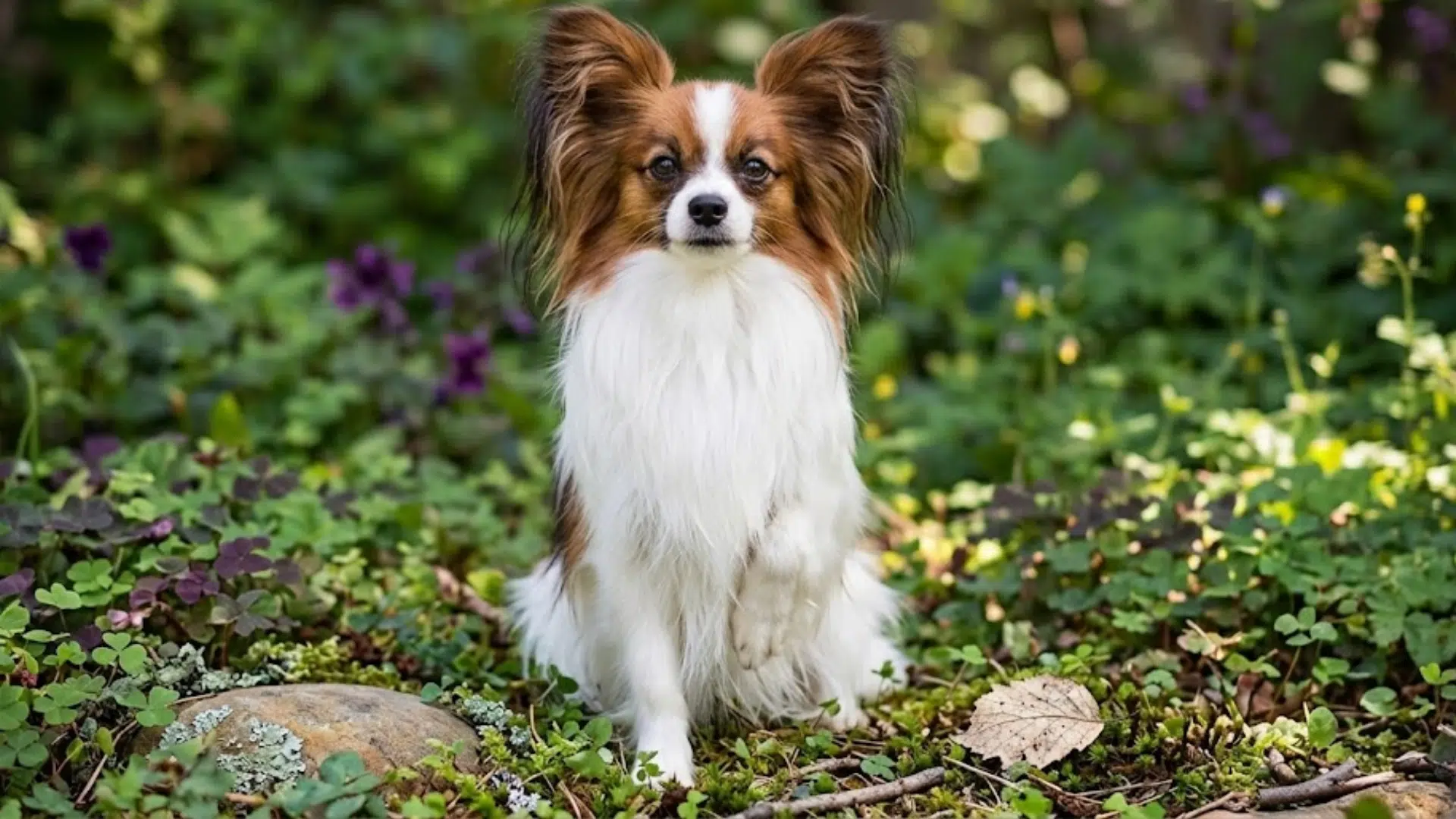
Papillons weigh between 5 to 10 pounds but are full of energy and movement. They are easy to recognize because of their butterfly-shaped ears.
Despite their small size, they perform very well in agility activities and enjoy staying active. They are social dogs that learn quickly and adapt well to different living spaces, whether it is a small apartment or a larger home.
Compared to many small breeds, they are not known for constant barking, which makes them pleasant indoor companions.
8. Italian Greyhound
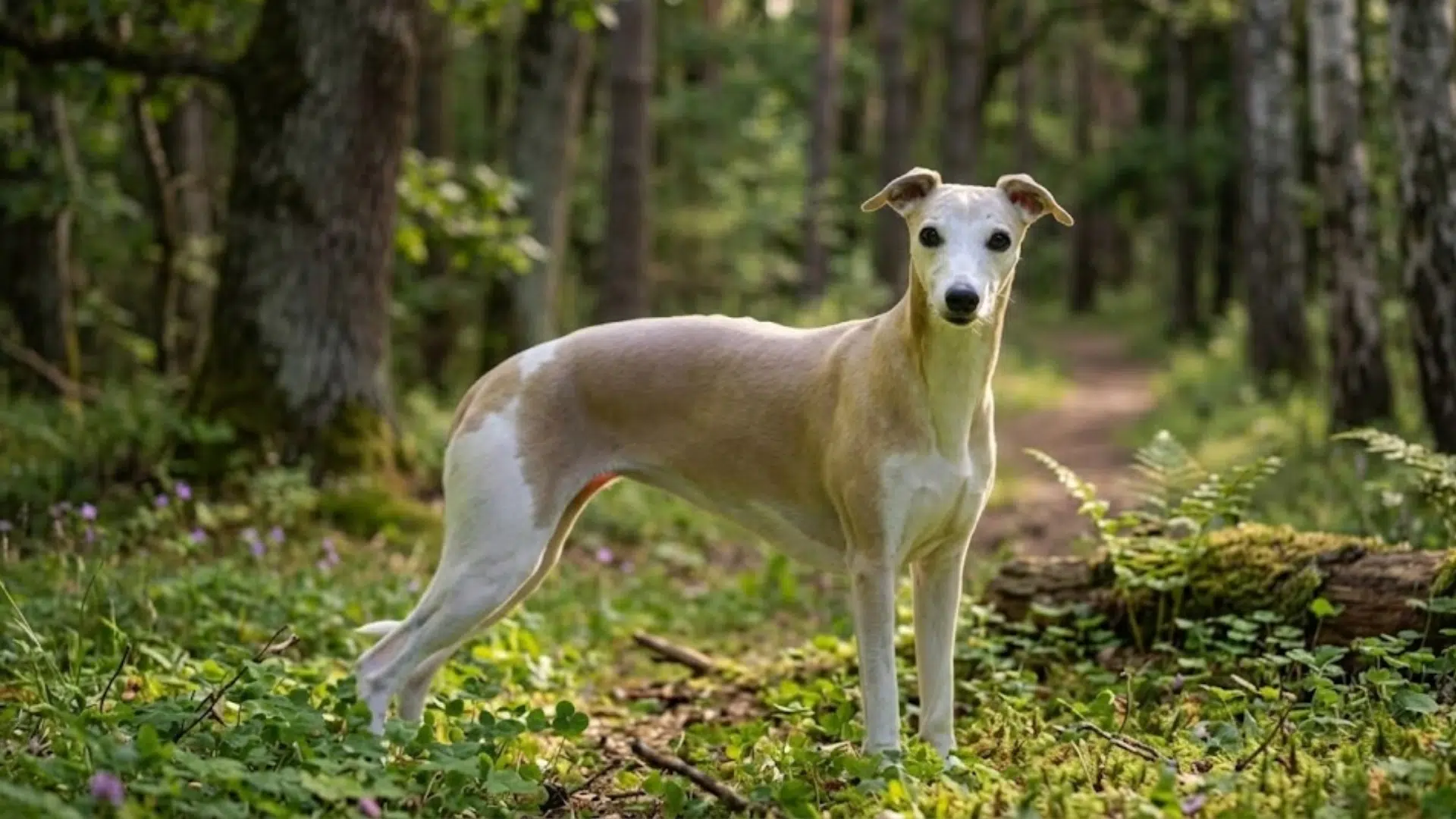
Italian Greyhounds are the smallest members of the sighthound group and usually weigh between 7 and 14 pounds.
Their slim build and low body fat mean they get cold easily, so warm blankets and clothing are common in their daily life.
They are capable of impressive speed in short bursts, yet they spend much of their time relaxing indoors. Because their bones are delicate, careful handling is important, especially around young children or larger pets.
9. Japanese Chin
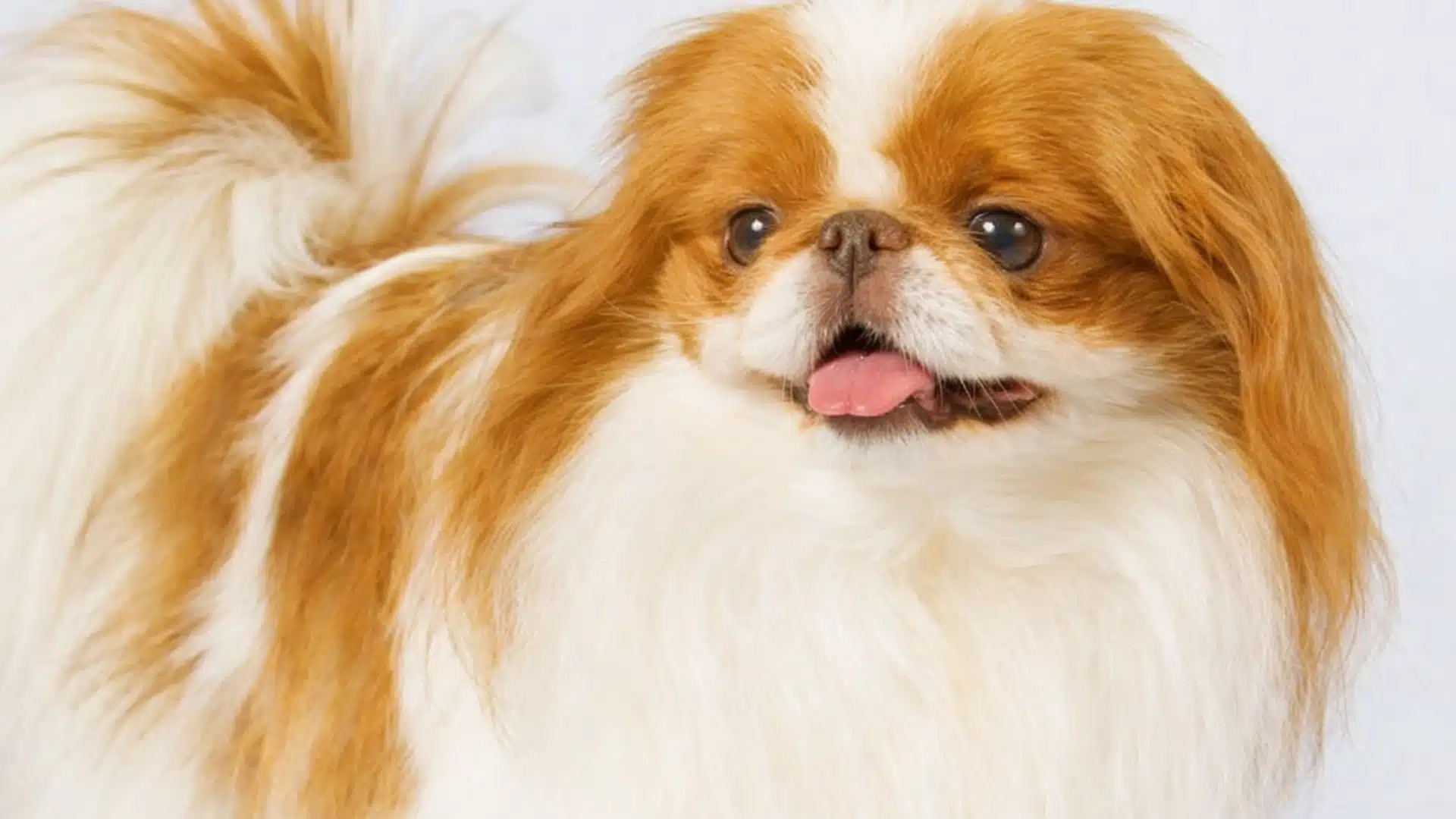
Japanese Chin dogs weigh around 7 to 11 pounds and are known for their calm and quiet personality.
They often display cat-like behaviors, such as using their paws to wipe their face or sitting on higher surfaces to observe their surroundings.
Exercise needs are low, and they fit well into peaceful households. Their flat face can lead to light snoring, which some owners find charming.
10. Affenpinscher
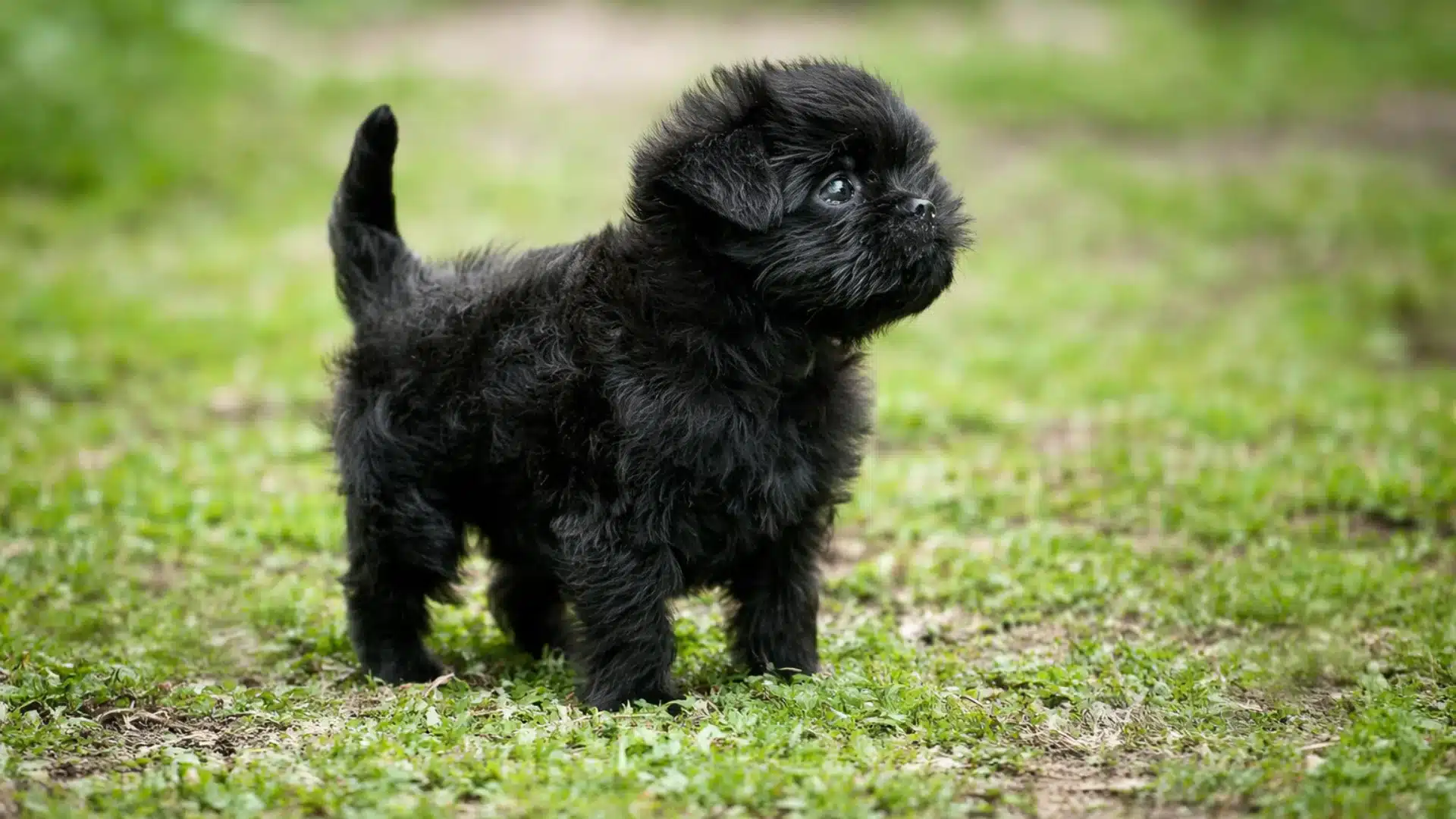
The Affenpinscher gets its name from the German term for monkey terrier, which fits its scruffy face and expressive look.
Adults usually weigh between 7 to 10 pounds and were originally bred to hunt rats in homes and stables. That fearless attitude is still part of their personality today.
They are bold, lively, and often stubborn, which can make training a test of patience. Early socialization helps them adjust better to other pets, especially smaller animals.
11. Brussels Griffon
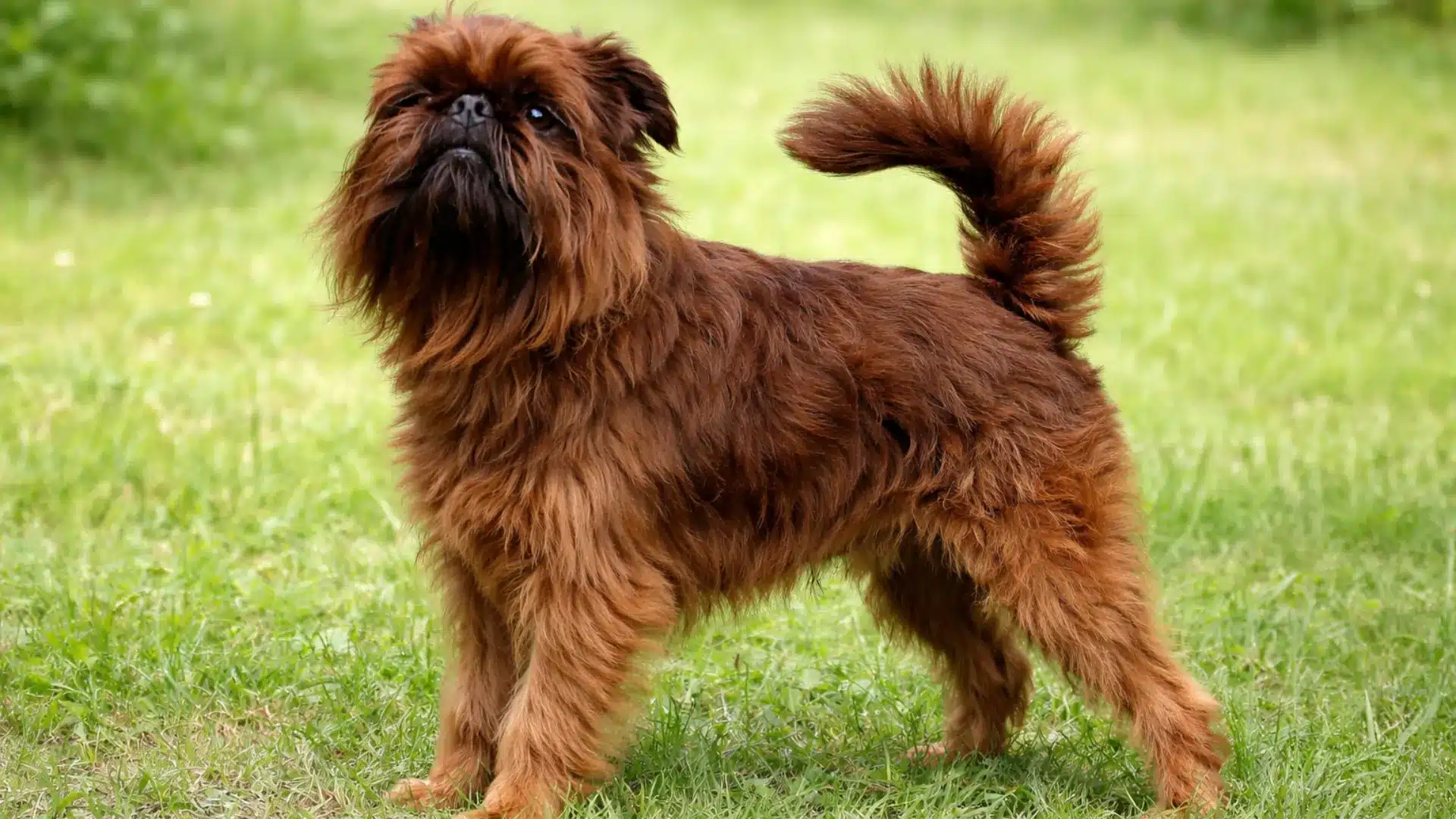
Brussels Griffons weigh around 8 to 10 pounds and are known for their almost human-like facial expressions.
They come in both smooth and rough coat types, giving owners grooming options. These dogs are emotionally sensitive and respond best to gentle, consistent training.
They tend to form a very close bond with one person and prefer constant companionship. Being left alone for long periods can make them anxious.
12. Cavalier King Charles Spaniel
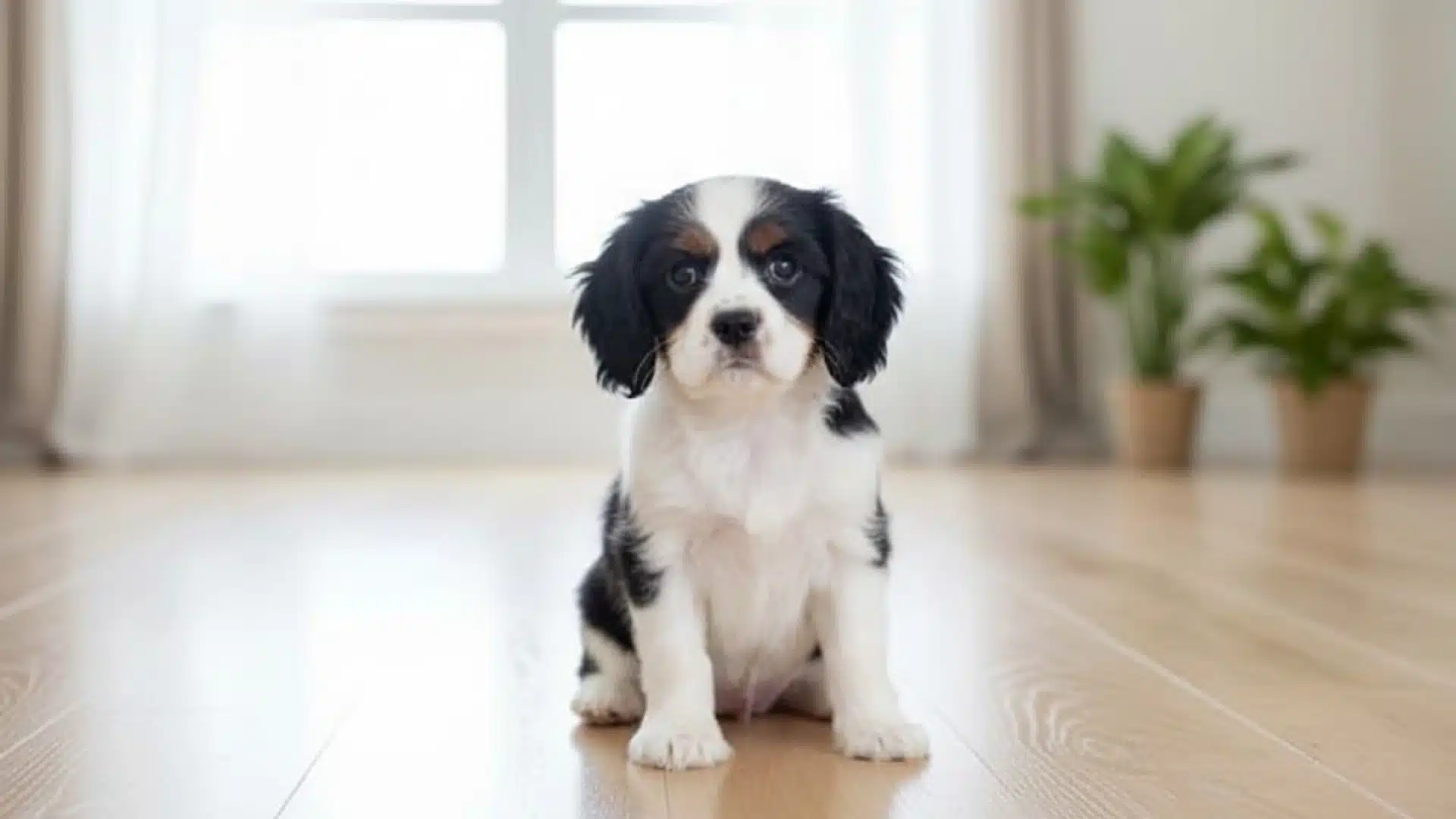
Cavalier King Charles Spaniels usually weigh between 12 to 18 pounds, placing them on the higher end of tiny dog breeds that stay small.
They are highly adaptable and often mirror their owner’s lifestyle. Active homes bring out their playful side, while quieter settings highlight their calm and affectionate nature.
They enjoy outdoor activities more than many small breeds. Regular vet visits are important since they are prone to heart-related issues.
13. Miniature Pinscher
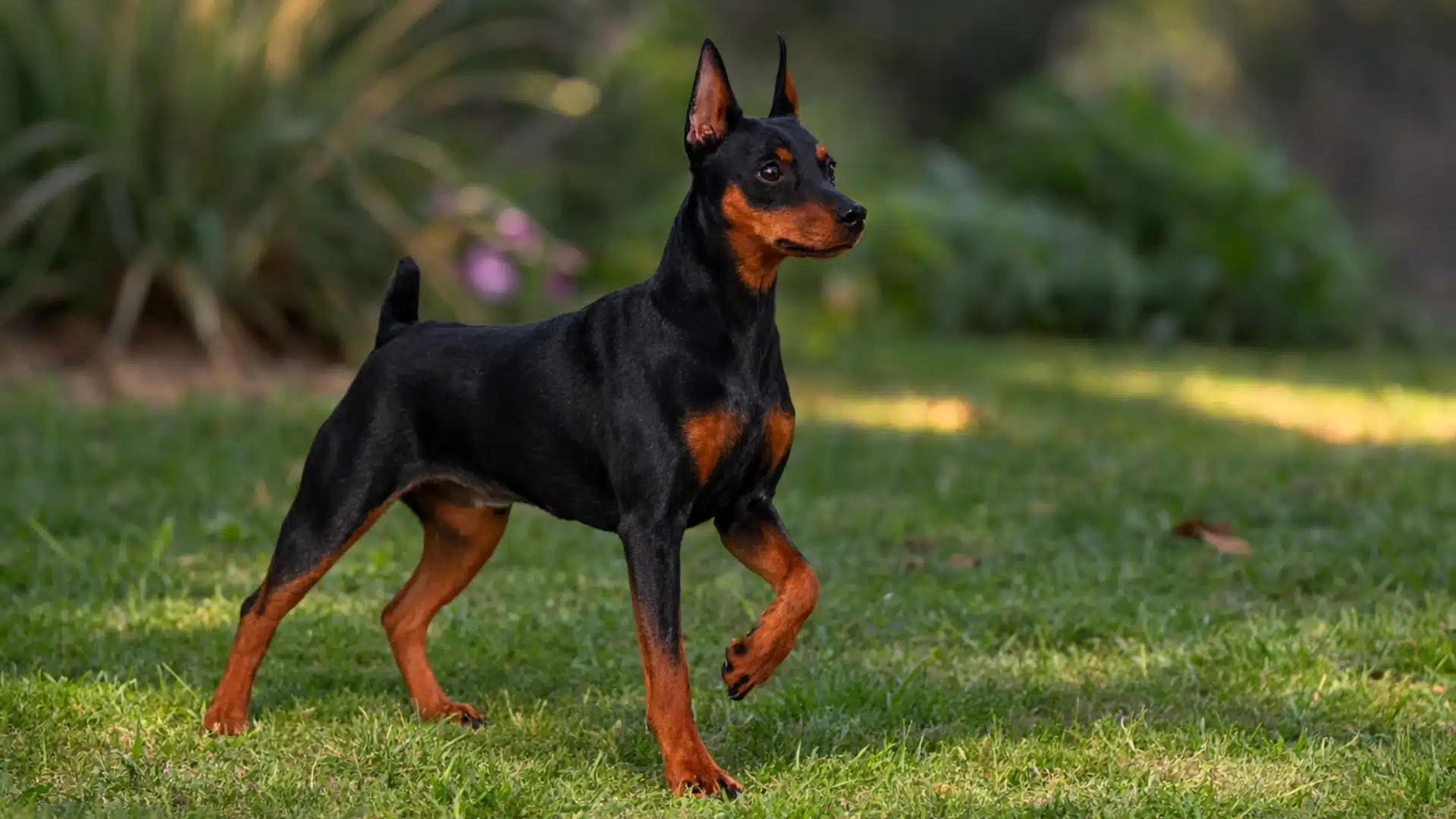
The Miniature Pinscher is a separate breed with its own long history and is not a smaller version of the Doberman.
Adults weigh between 8 to 10 pounds and are known for their confident stride and alert expression. They are curious and bold, often testing boundaries if not trained properly.
Secure fencing and careful supervision are important since they are skilled escape artists. Their strong personality may be challenging for first-time owners.
14. Toy Fox Terrier
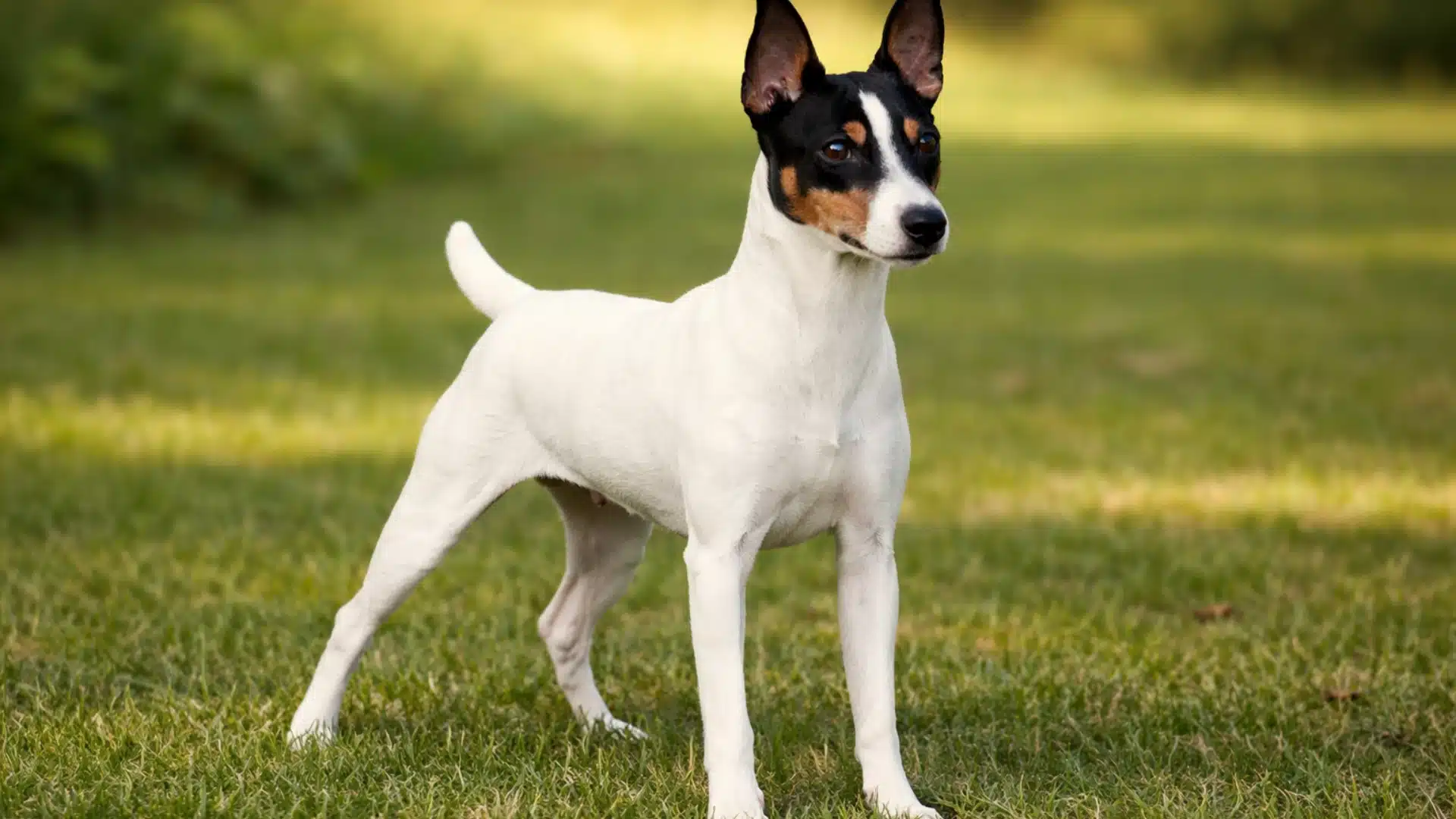
The Toy Fox Terrier is a small American breed that weighs between 3.5 to 7 pounds. They are intelligent and quick learners, which once made them popular in circus acts.
They enjoy mental challenges and consistent engagement. Without enough stimulation, they can become restless and develop unwanted behaviors.
They are also quite vocal, so apartment dwellers should consider noise levels before choosing this breed.
15. Russian Toy
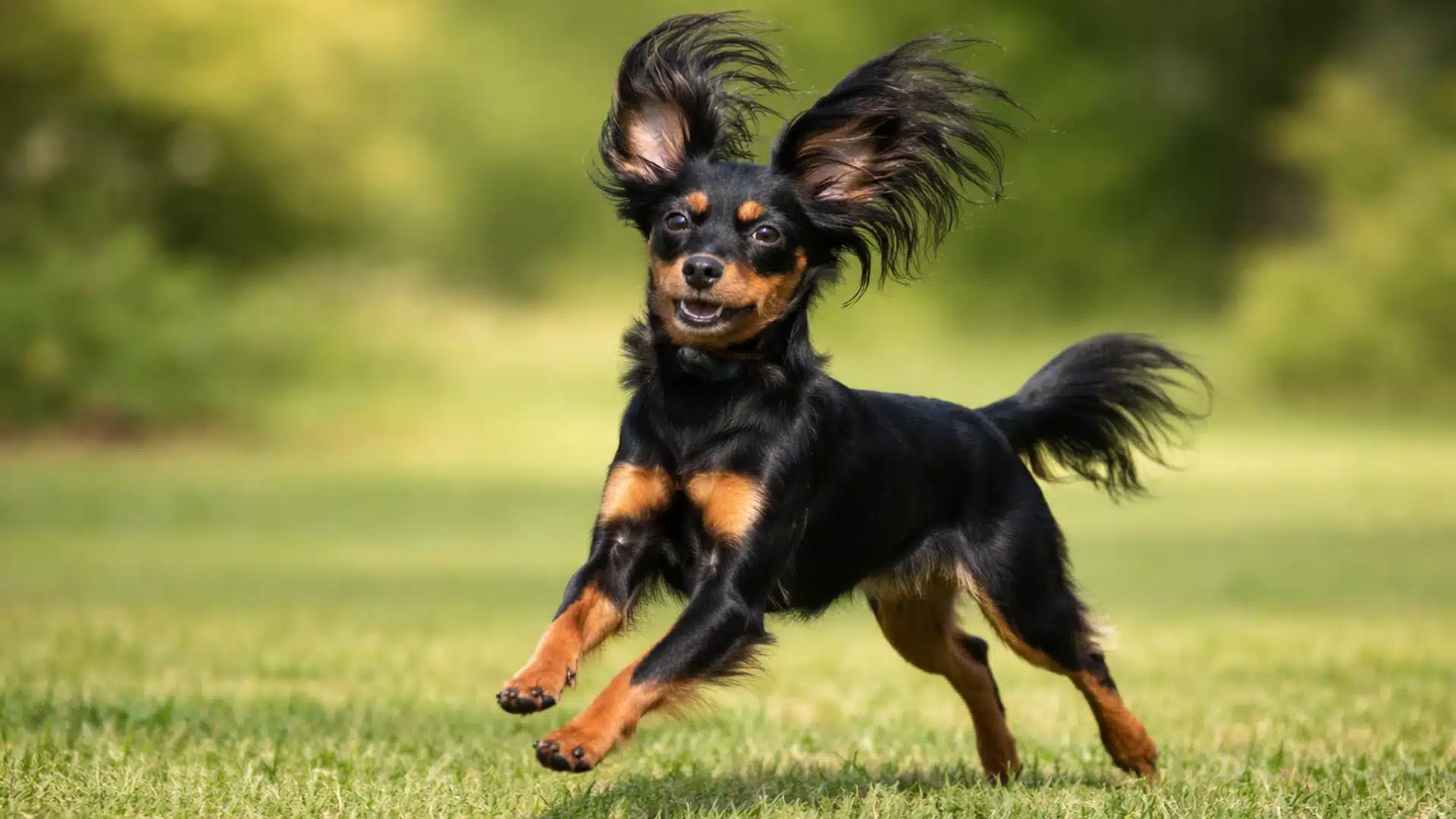
The Russian Toy is one of the smallest breeds in the world, with adults weighing as little as 3 pounds. They come in smooth and long-coated varieties and have a delicate build.
The breed nearly disappeared during the Soviet period but has since regained stability.
They are lively and affectionate with their families but may be cautious around unfamiliar people at first. With time and gentle handling, they warm up quickly.
16. Bolognese
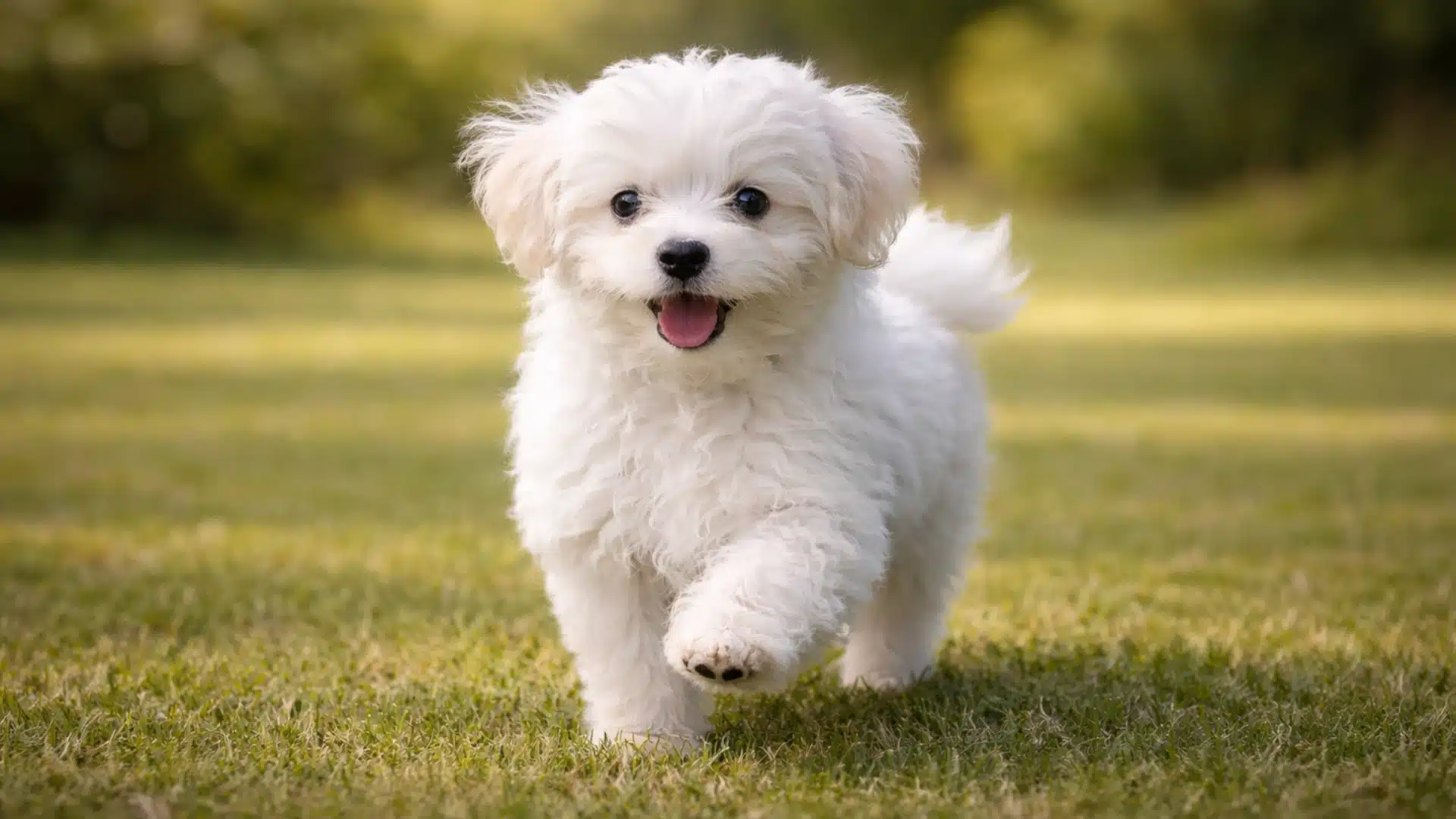
The Bolognese weighs between 5 to 9 pounds and has a soft white coat with a cotton-like texture.
They are calm and low-energy compared to many other tiny dog breeds that stay small. Shedding is minimal, which helps keep homes cleaner.
Short daily walks are usually enough to meet their activity needs. They are loyal companions who enjoy staying close to their owner throughout the day.
17. Havanese
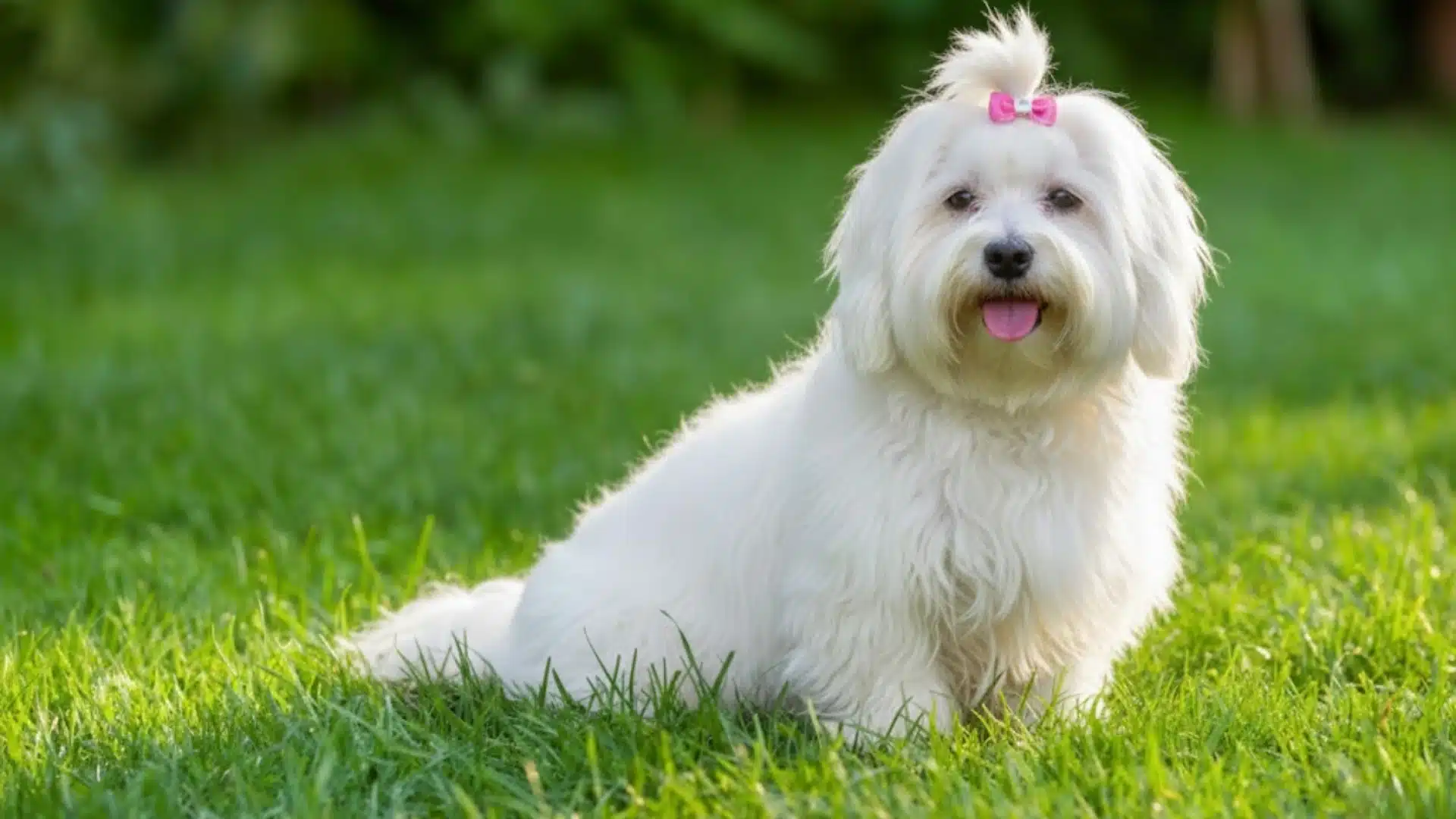
The Havanese weighs between 7 and 13 pounds and is known for a cheerful and outgoing nature. This breed has roots in Cuba and was once popular among wealthy families there.
Unlike many small dogs, they are usually confident around strangers and do not show nervous behavior easily.
Their silky coat can be kept long and flowing or trimmed shorter for easier upkeep, depending on how much grooming time is available.
18. Chinese Crested
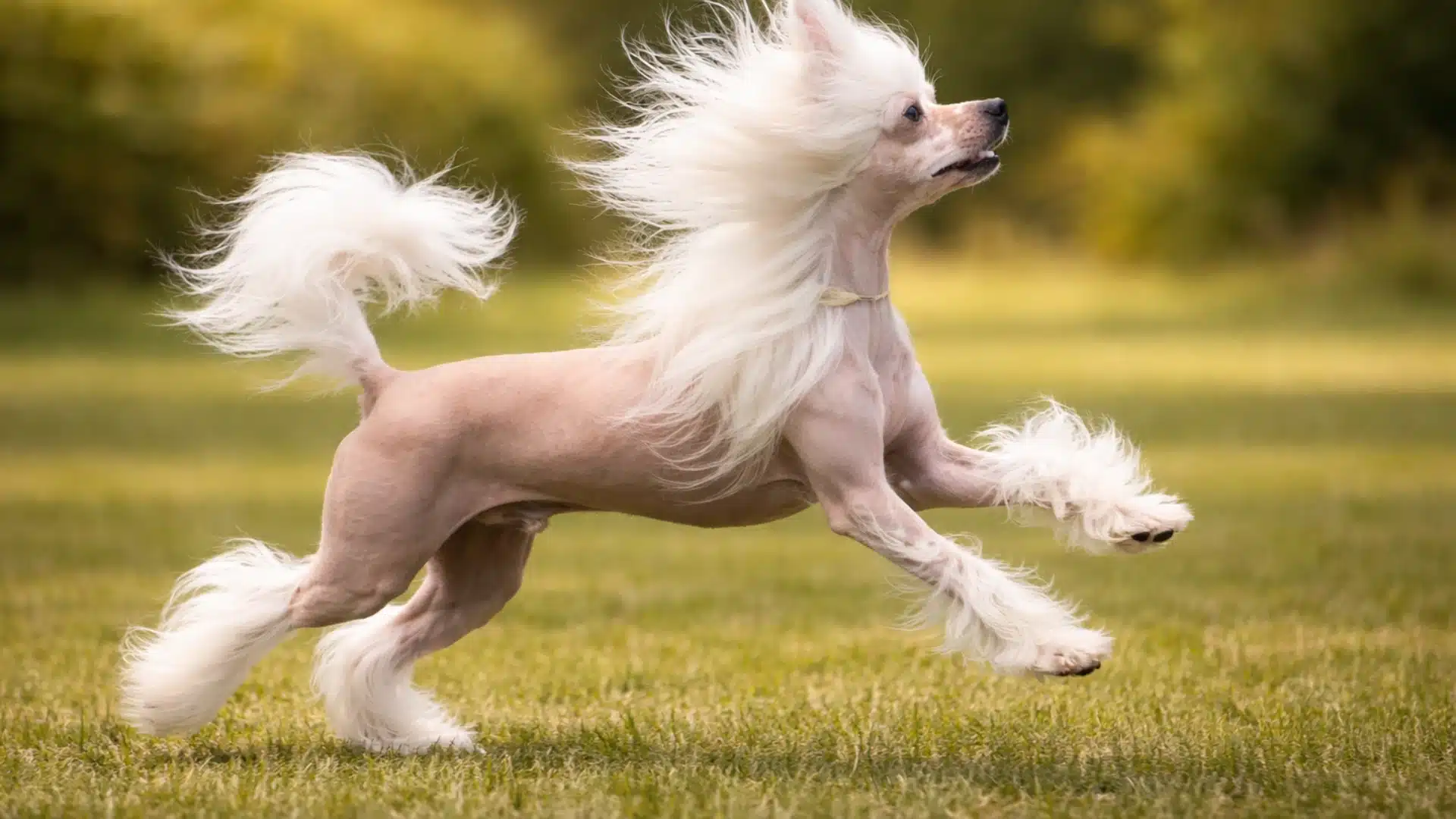
The Chinese Crested typically weighs between 8 to 12 pounds and comes in two distinct varieties, hairless and Powderpuff.
Both types can be born in the same litter, which makes the breed unique. The hairless variety has smooth exposed skin with tufts of hair on the head, paws, and tail, while the Powderpuff has a full soft coat.
Hairless dogs need extra skin care, including protection from sun exposure and cold weather. They are gentle, affectionate companions that bond closely with their families.
19. Miniature Dachshund
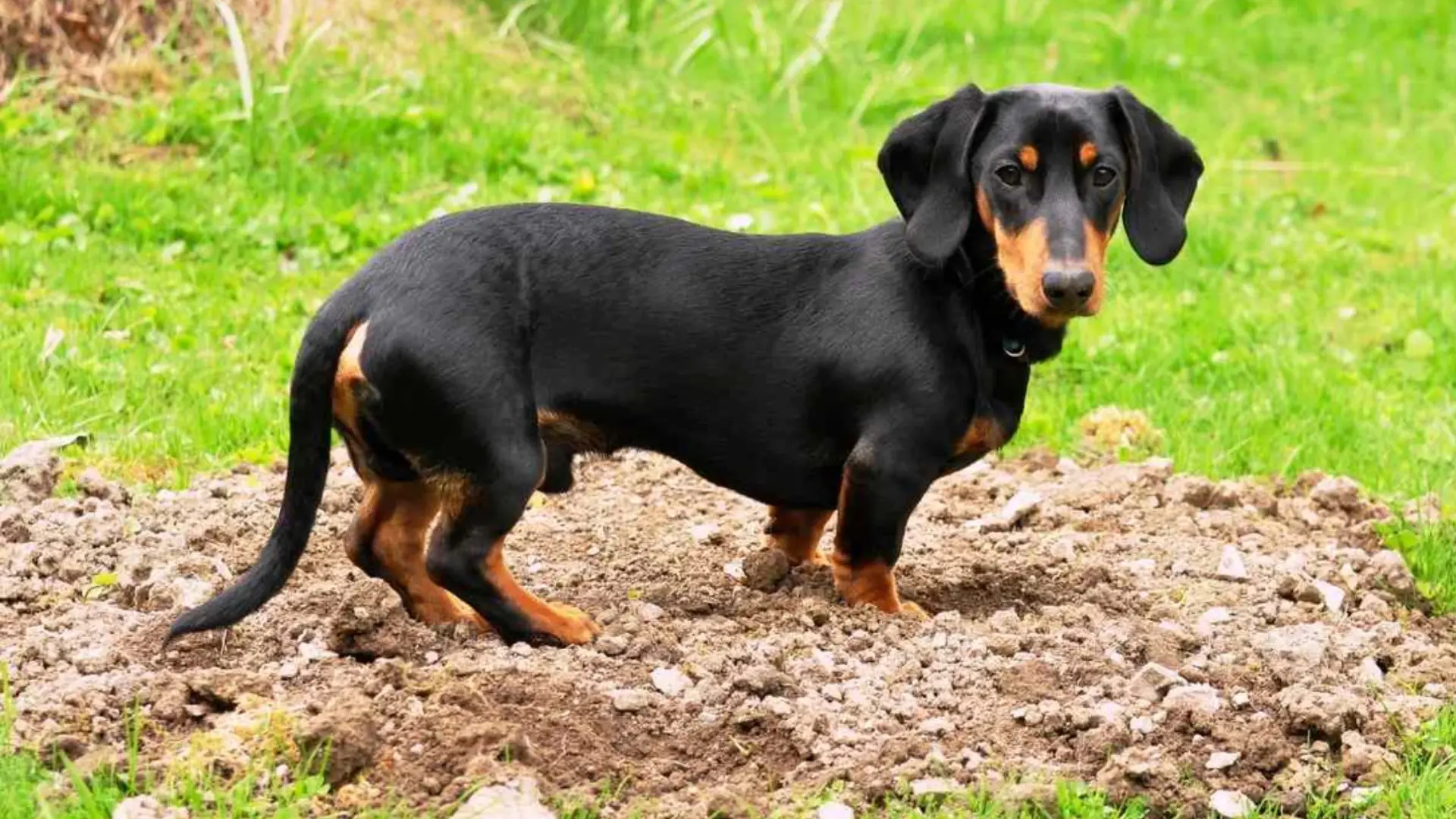
The Miniature Dachshund usually weighs under 11 pounds and is easy to spot because of its long body and short legs.
That body shape was developed for a purpose, since they were bred to dig into burrows and hunt badgers.
Their long spine makes them more prone to back problems, especially if they jump on and off furniture often. Ramps and careful handling can help reduce strain and lower the risk of injury over time.
20. Pekingese
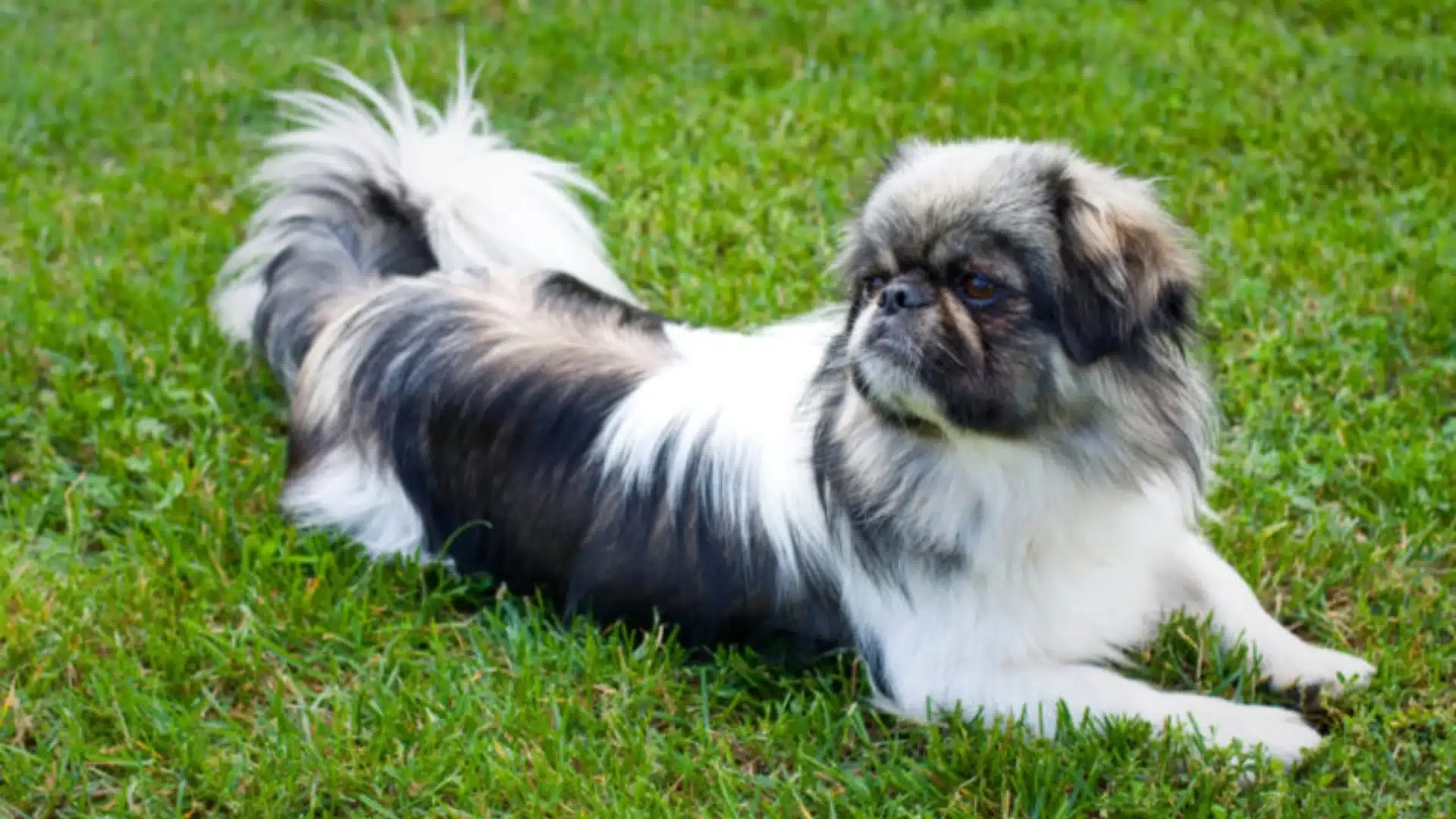
The Pekingese weighs between 7 to 14 pounds and has a long history tied to ancient Chinese royalty. They were once considered sacred and lived only in imperial households.
This breed carries itself with a calm and confident presence. They are not overly playful and tend to prefer a quiet home environment.
Because of their flat face and thick coat, they are sensitive to heat and need cooler indoor spaces. They can be selective about strangers and often bond closely with their main caregiver.
21. Bichon Frise
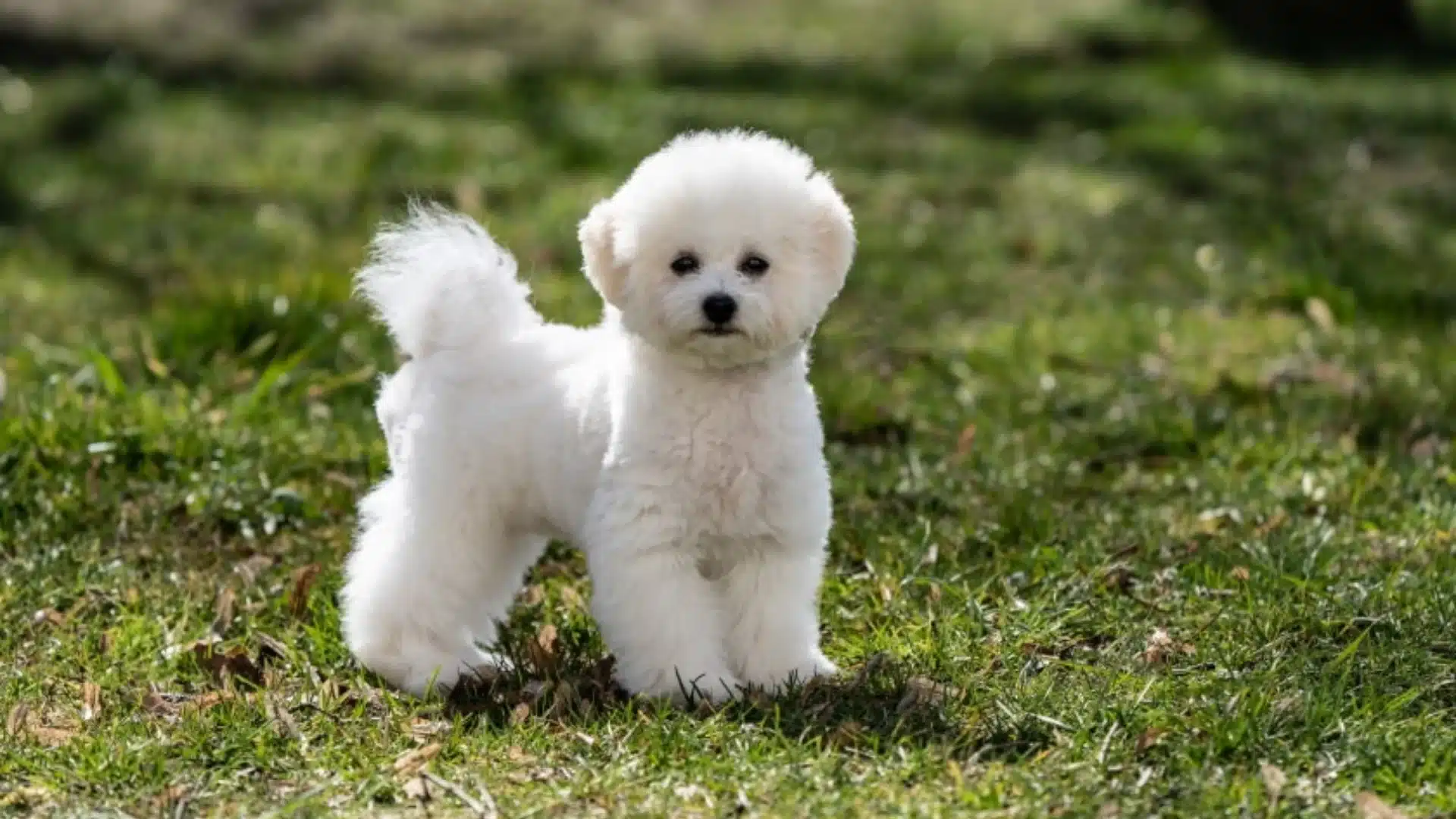
The Bichon Frise weighs between 12 to 18 pounds and is known for its bright white coat and cheerful look. They are highly social and generally get along well with people and other pets.
Their coat does not shed much in the usual way, but it tangles easily without frequent brushing and professional grooming.
Skin sensitivity and allergies are common concerns, so careful attention to diet and grooming products is helpful.
22. Coton de Tulear
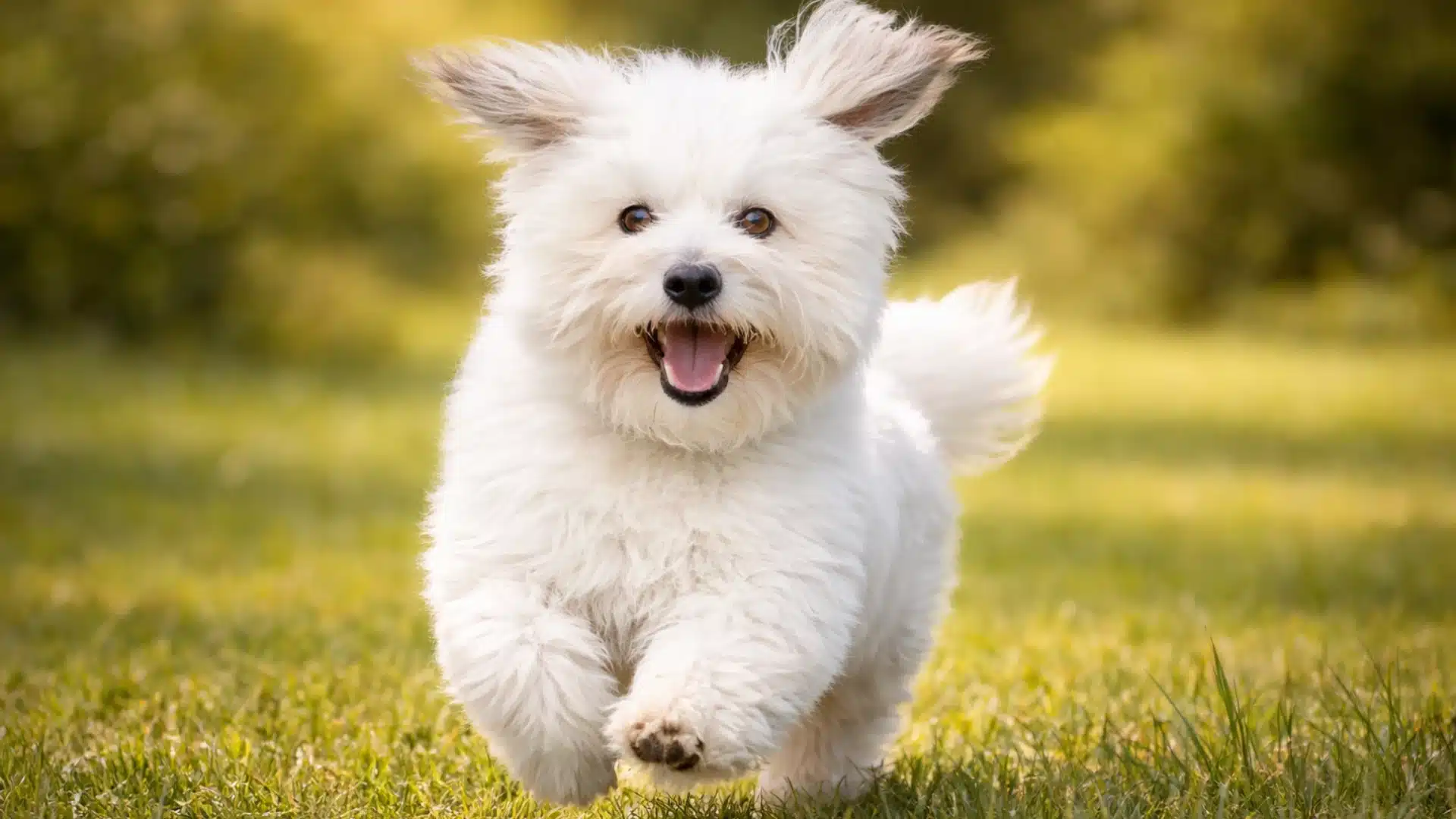
The Coton de Tulear weighs between 8 and 13 pounds and was developed in Madagascar, where it remained relatively isolated for many years.
Its soft cotton-like coat is the feature most people notice first. Cats are adaptable and tend to adjust well to changes in schedule or environment.
They are playful without being overly demanding and often show quirky behaviors, such as briefly walking on their hind legs to get attention.
23. Miniature Schnauzer
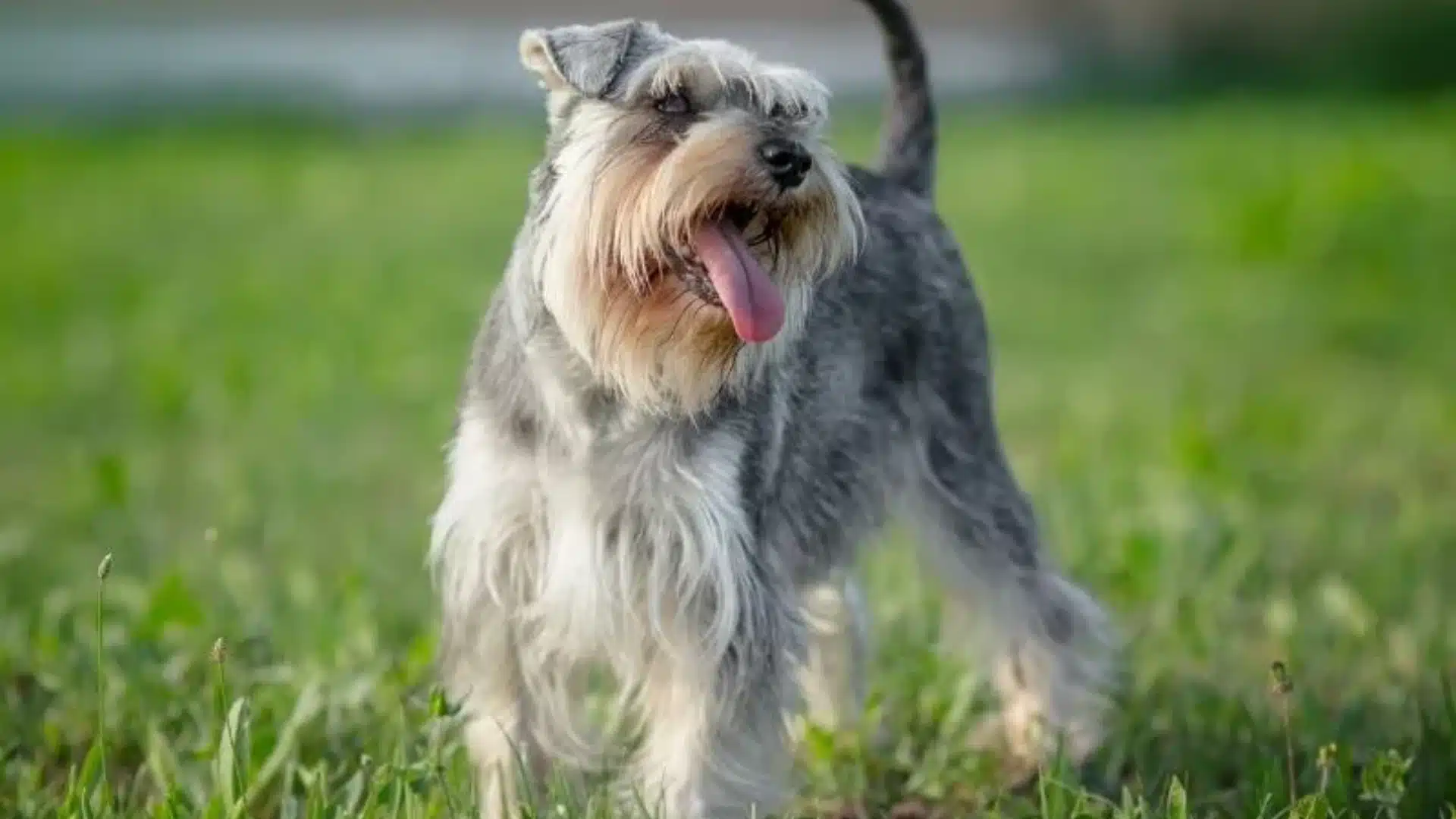
The Miniature Schnauzer weighs between 11 to 20 pounds and is recognized by its bearded face and thick eyebrows.
Unlike many lap-focused small dogs, this breed was developed as a working farm dog. That background shows in their alert and energetic personality.
They enjoy having tasks and staying mentally engaged. Territorial behavior and barking at unfamiliar sounds are common traits.
24. Löwchen
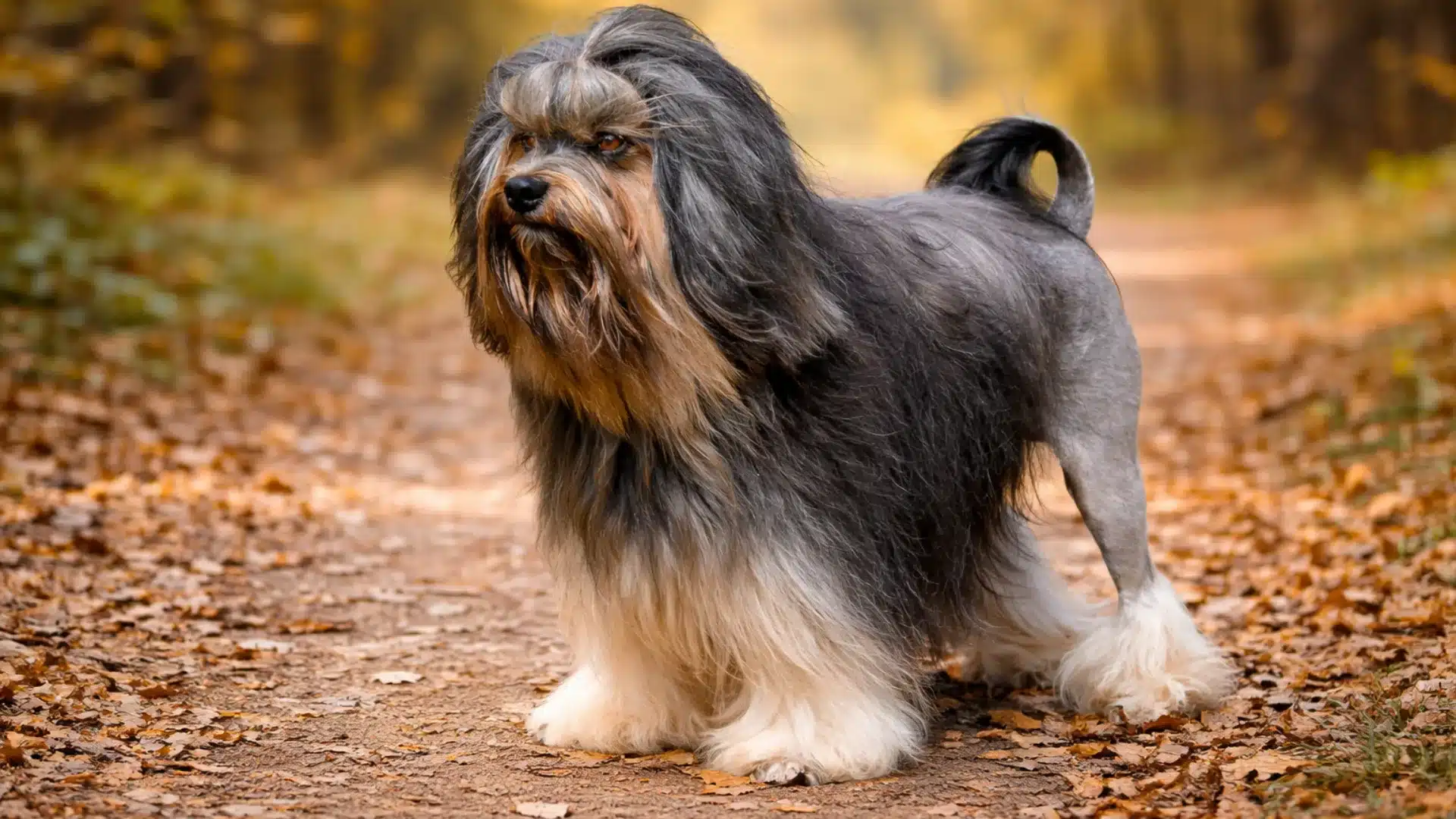
The Löwchen weighs between 9 and 18 pounds and is considered one of the rarest breeds in the world. In the 1970s, their numbers dropped to extremely low levels before recovery efforts helped stabilize the population.
They are often groomed in a traditional lion style, with shorter hair on the back half of the body and longer hair around the chest and head.
Despite their distinct look, they are friendly and easygoing. They adjust well to different home environments and tend to be affectionate without being overly demanding.
25. Silky Terrier
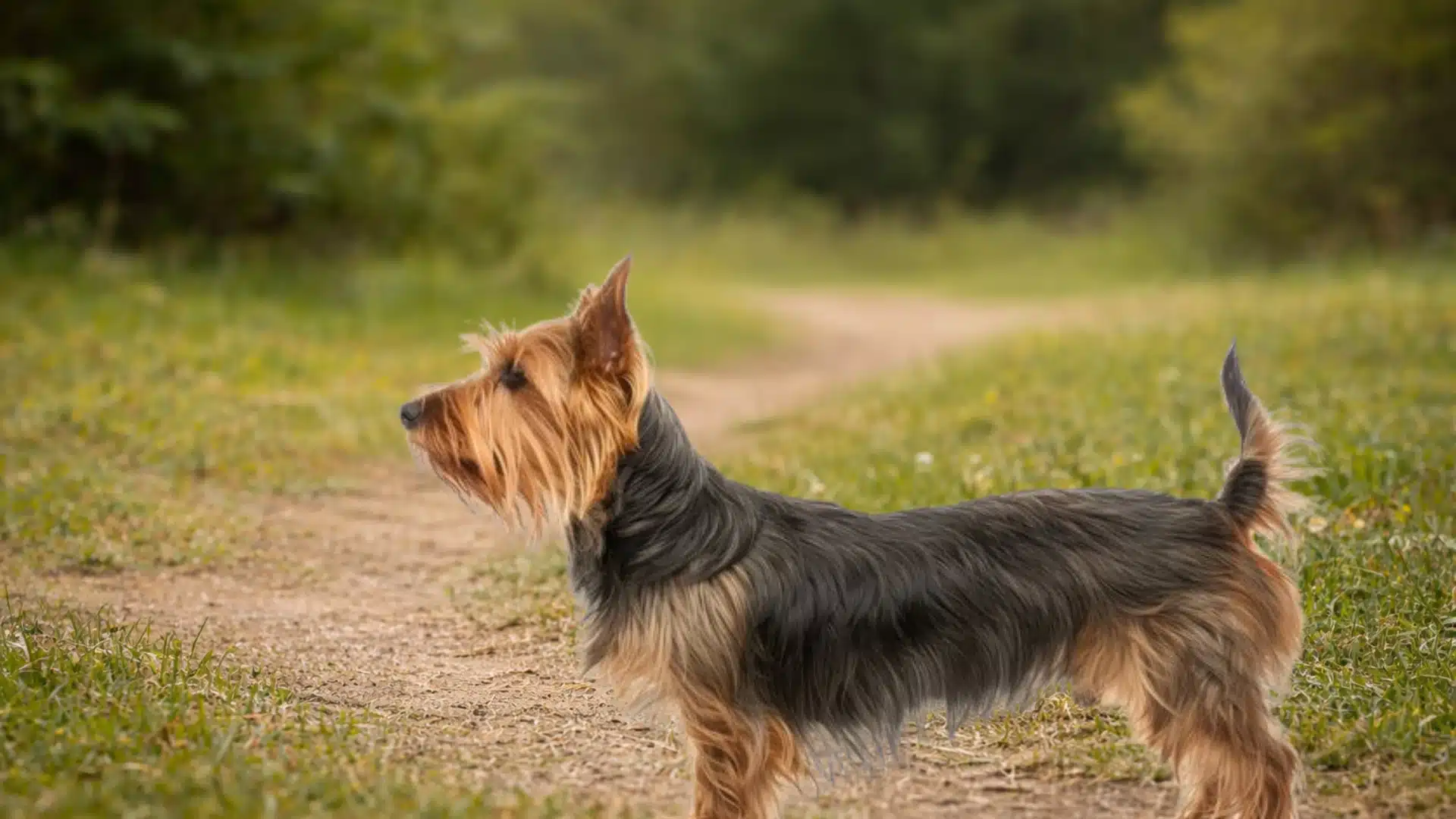
The Silky Terrier weighs between 8 to 10 pounds and was developed in Australia by crossing Yorkshire Terriers with Australian Terriers.
Although they resemble Yorkies at first glance, their coat lies flatter and has a different texture. They have strong terrier instincts and enjoy chasing small moving objects.
Regular exercise is important since they have more energy than many expect from a dog their size. Homes with small pets should be cautious due to their high prey drive.
26. Norwich Terrier
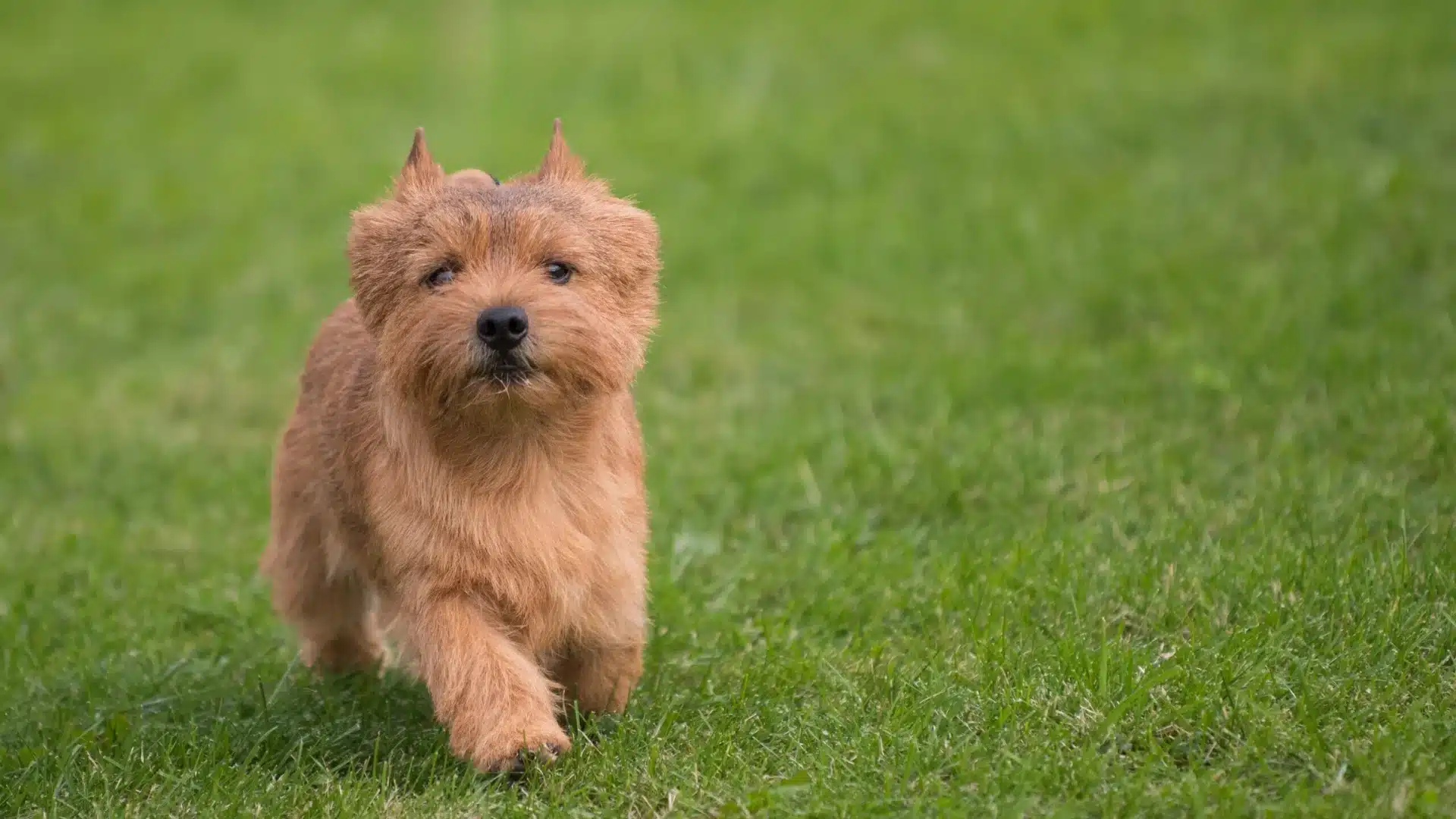
The Norwich Terrier weighs between 8 and 12 pounds and is one of the smaller working terriers. Their wiry coat and upright ears give them a sharp and alert appearance.
Originally bred to hunt alongside horses, they are tougher and more energetic than they seem.
They are generally social and cheerful but still carry a brave streak. They may not start conflicts, yet they are unlikely to retreat if challenged by another dog.
27. Border Terrier
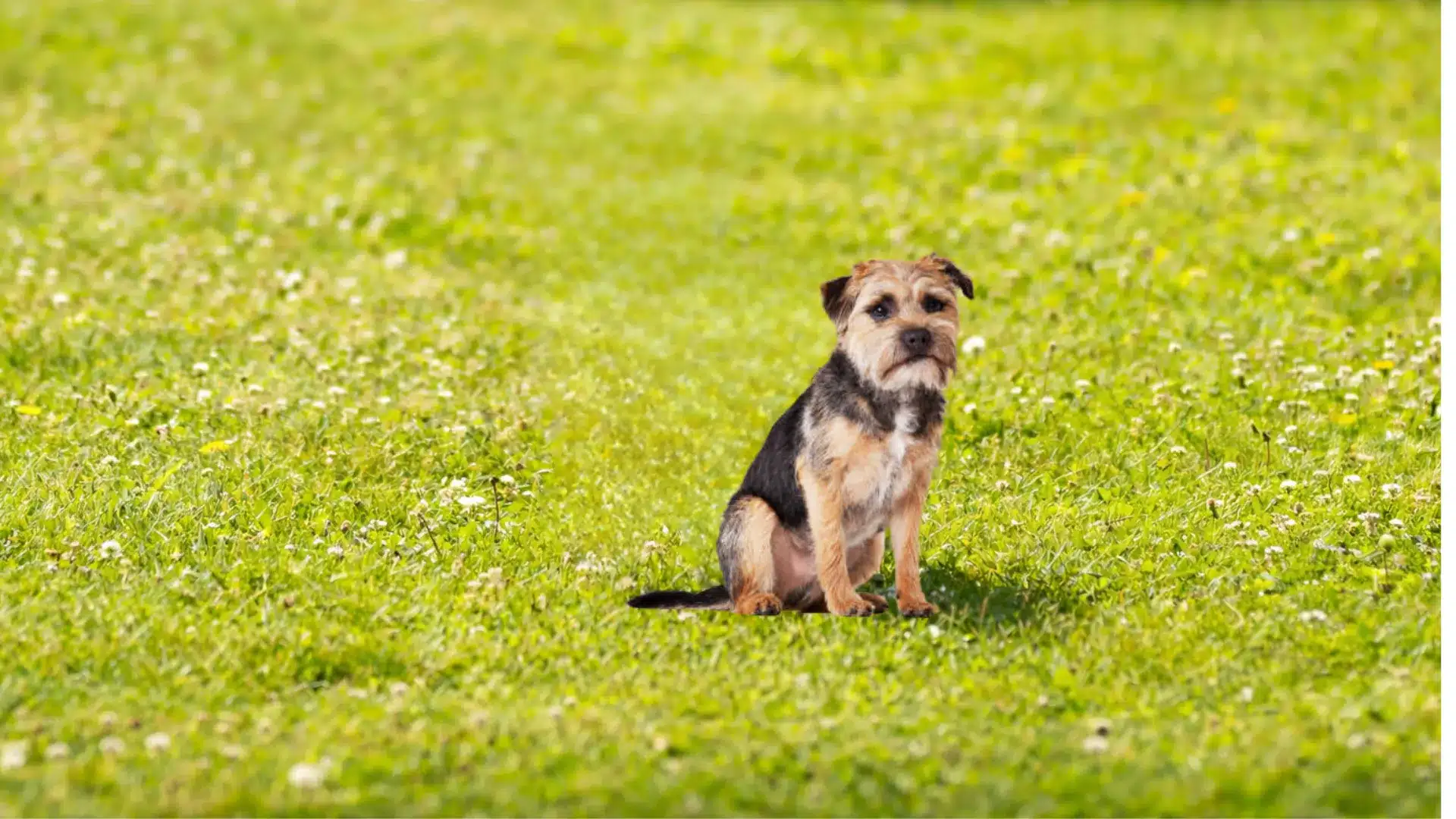
The Border Terrier weighs between 11 and 16 pounds and was bred to work along the border of England and Scotland during fox hunts.
Their rough coat requires hand stripping rather than simple clipping to maintain its texture. Compared to many other terriers, they are relatively trainable, though independence remains part of their nature.
Daily physical activity is important to prevent boredom. Without enough stimulation, they may turn to digging or other unwanted behaviors to occupy themselves.
28. Cairn Terrier
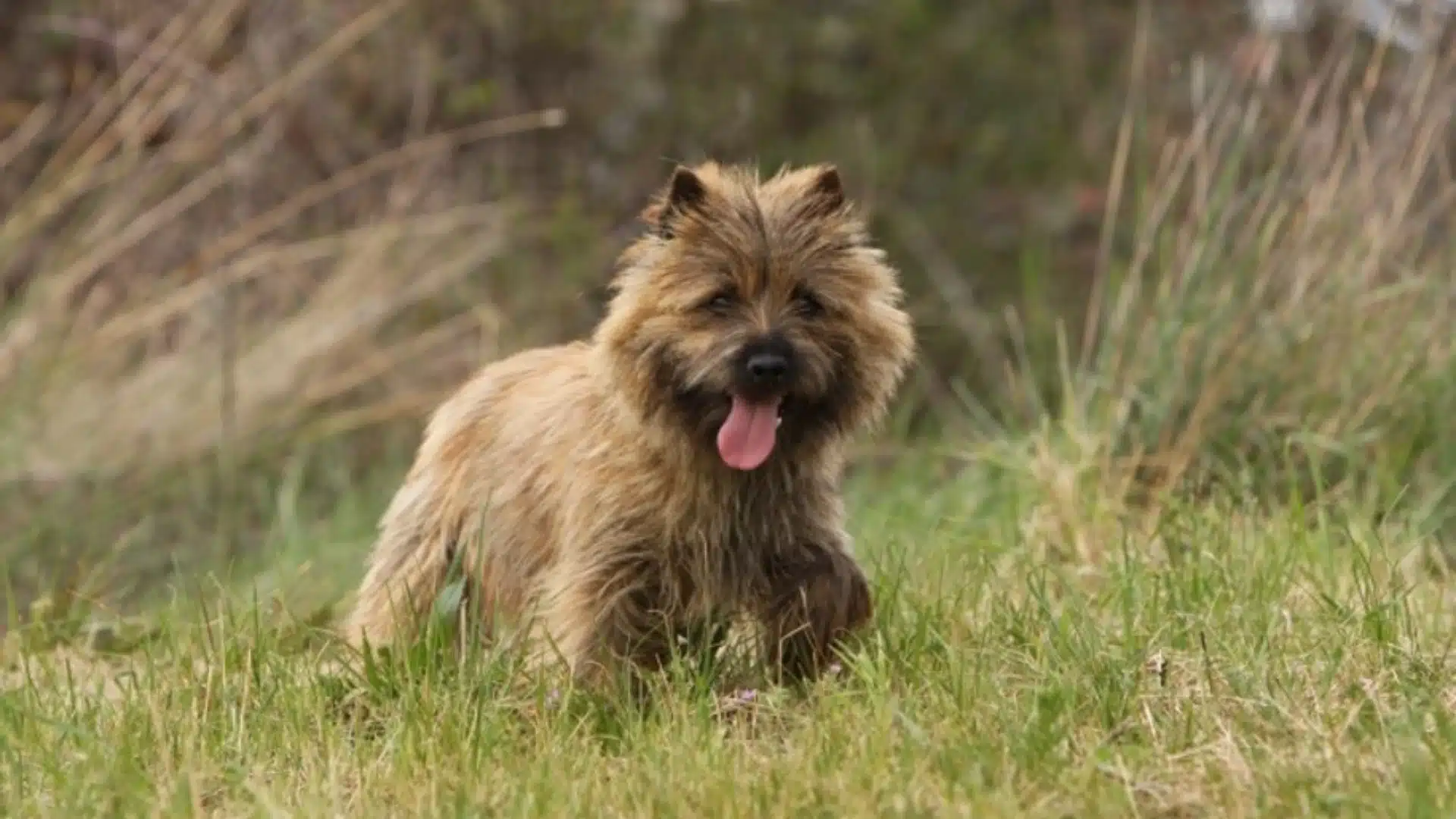
The Cairn Terrier weighs between 13 and 14 pounds and was originally bred in the Scottish Highlands to hunt small prey hiding among rocky piles known as cairns.
Many people recognize the breed from its role as Toto in The Wizard of Oz, but its working roots run deep. Cairns have a shaggy, weather-resistant coat that requires only moderate grooming.
They are confident and independent, which can make training slower than expected. Patience and steady guidance work better than strict methods with this breed.
29. Scottish Terrier
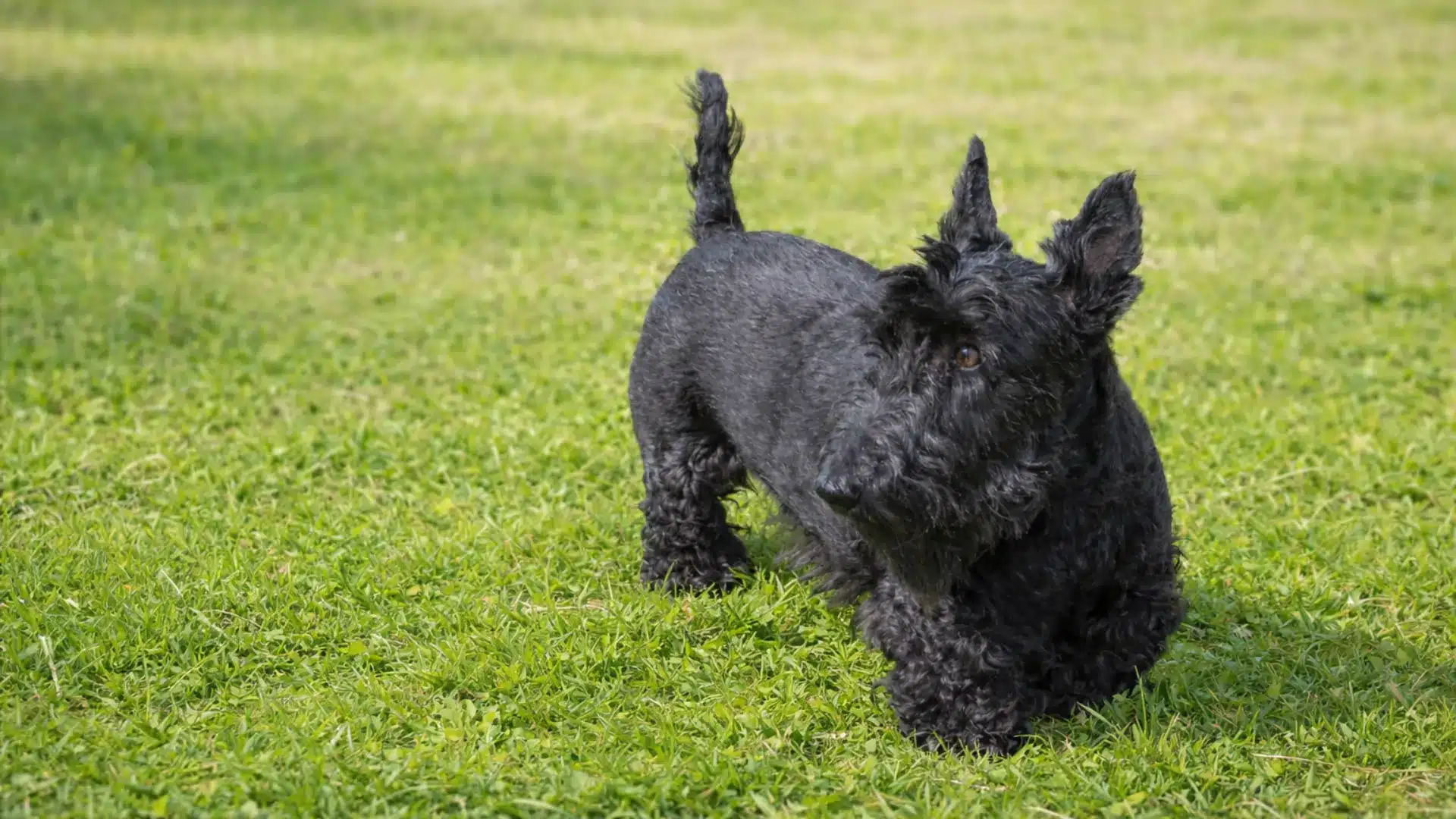
The Scottish Terrier, often called the Scottie, weighs between 18 and 22 pounds and has a distinct outline with a long face, upright ears, and a solid build.
They tend to be reserved around strangers and are not overly excitable. Compared to many terriers, they are quieter and more self-contained.
Scotties form strong bonds with their family but prefer affection on their own terms. Their independent personality means they value personal space and consistent leadership.
30. West Highland White Terrier
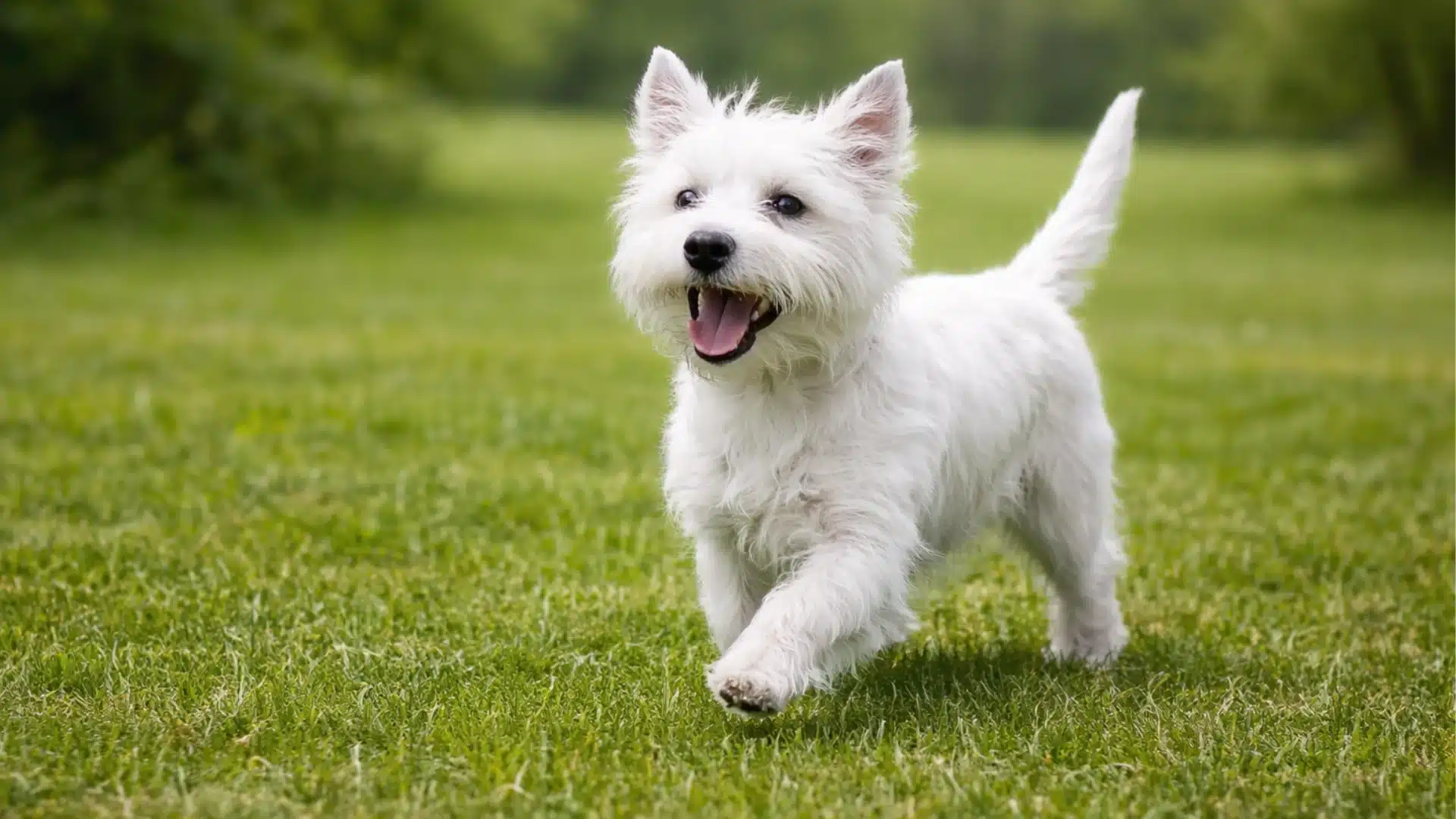
The West Highland White Terrier weighs between 15 and 22 pounds and is known for its bright white coat and alert expression.
Originally bred in Scotland to hunt vermin, they still carry a determined and confident spirit. They are friendly and social, but can show stubborn behavior during training.
Skin issues and digestive sensitivities are relatively common, so careful diet planning and grooming routines are important.
31. Lakeland Terrier
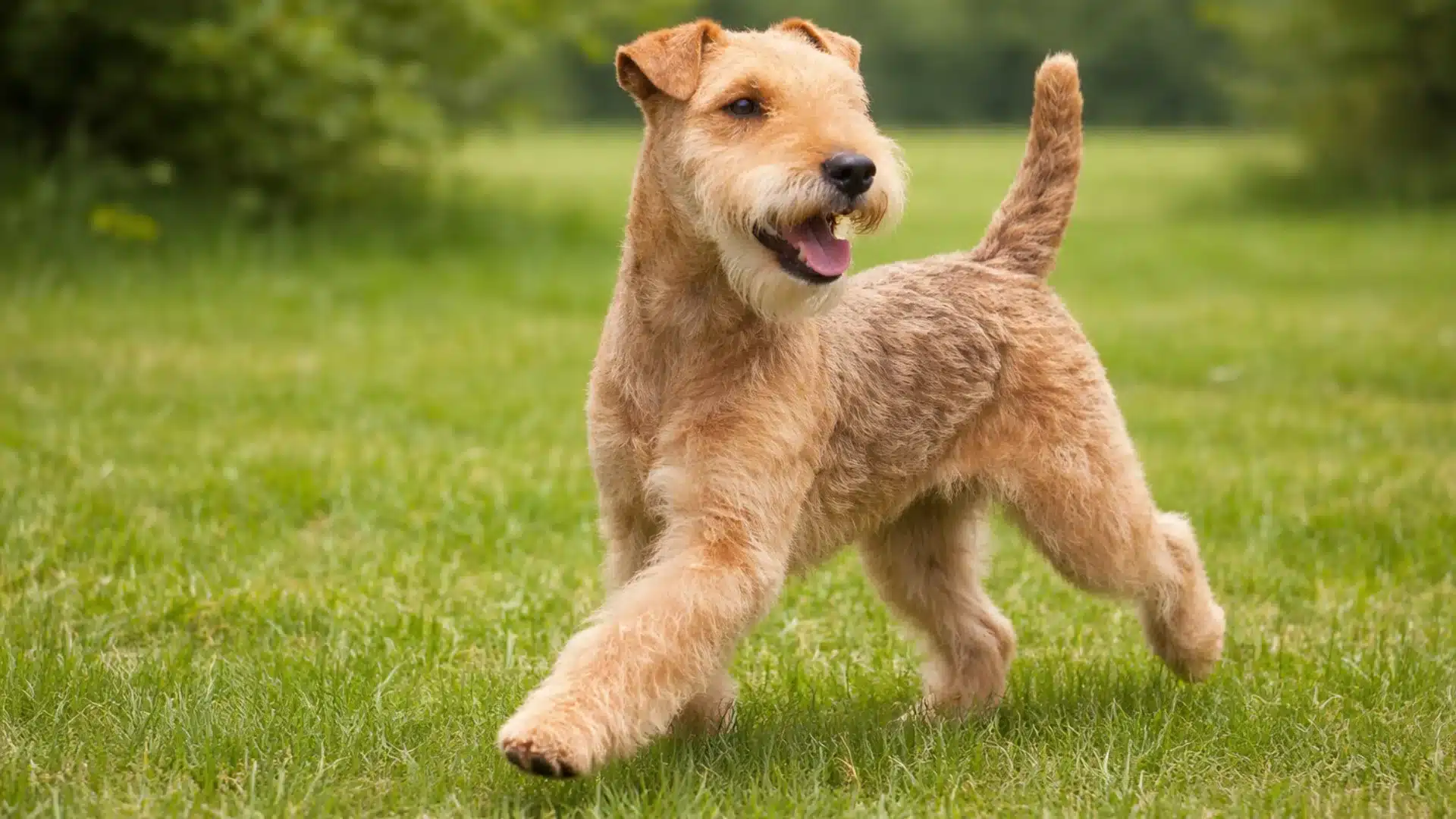
The Lakeland Terrier weighs between 15 and 17 pounds and comes from the Lake District of England, where it was used to protect livestock from foxes.
Their wiry double coat needs regular hand stripping to maintain proper texture and health. They have a flexible temperament and can switch between playful affection and independent focus.
Mental and physical activity are important for this breed. Without enough stimulation, they may invent their own ways to stay busy, which does not always suit a tidy home.
32. Manchester Terrier (Toy)
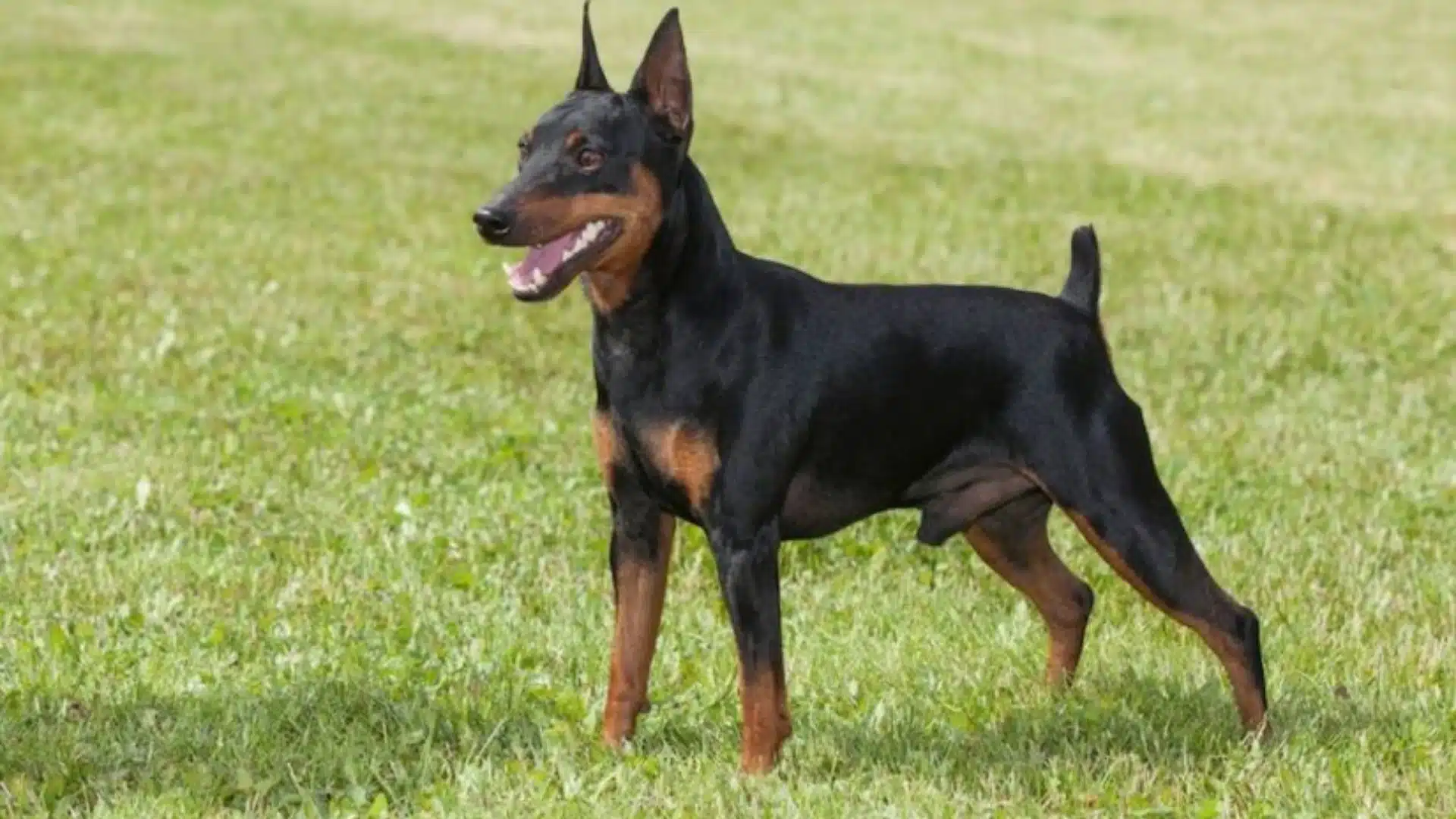
The Toy Manchester Terrier weighs under 12 pounds and has a sleek black and tan coat that requires minimal grooming.
The breed developed from rat-hunting dogs in 19th-century England, and that alert nature is still present. They are quick, observant, and sensitive to changes in their surroundings.
Because of their sharp awareness, they respond strongly to tension or instability in the home. A calm and structured environment helps them feel secure and balanced.
33. English Toy Spaniel
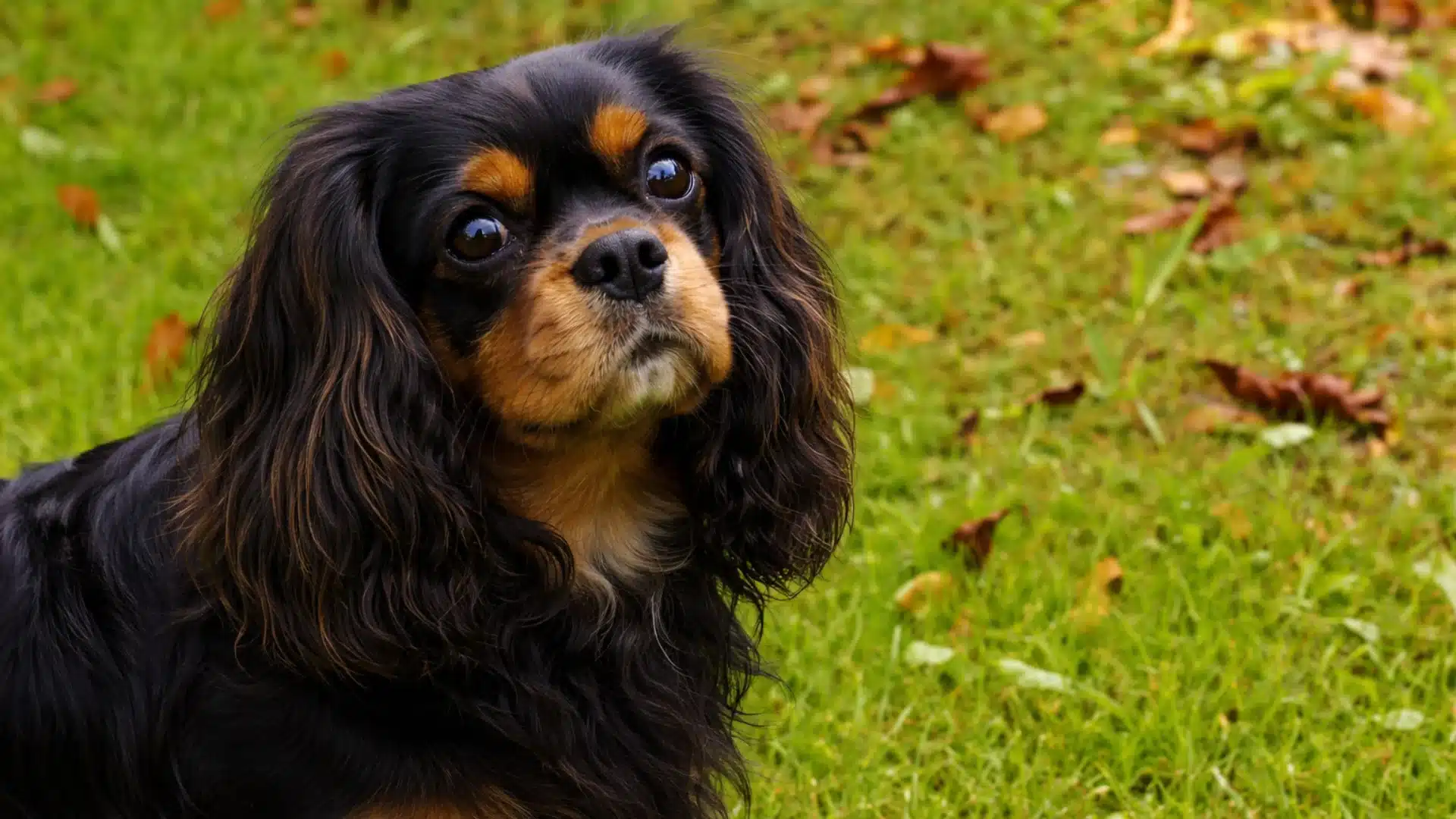
The English Toy Spaniel weighs between 8 and 14 pounds and was once favored by British royalty. They have a domed head and a short face that gives them a soft, expressive look.
This breed prefers a steady routine and a peaceful setting. Exercise needs are modest, which makes them suitable for smaller homes.
Their long coat requires regular brushing, and facial folds should be cleaned often to prevent irritation. They thrive in households that value quiet companionship.
34. Prague Ratter
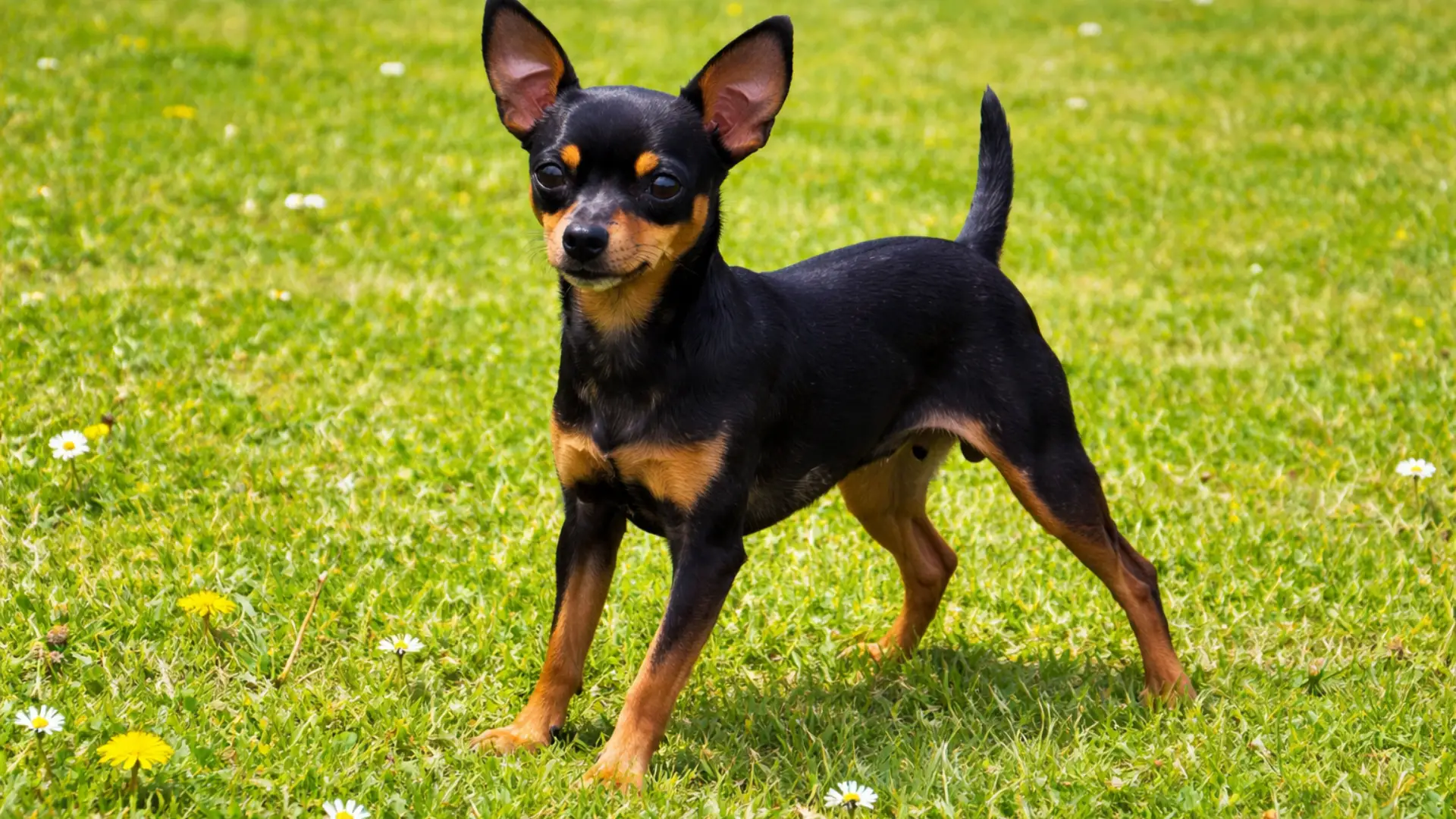
The Prague Ratter typically weighs between 3.5 and 7 pounds and ranks among the smallest dogs by body size.
Despite their tiny frame, they are athletic and surprisingly quick. Historically used in castles to control rodent populations, they remain lively and alert today.
They build strong bonds with their owners and enjoy being involved in daily life. Their short coat is easy to maintain, though they are sensitive to cold weather and benefit from added warmth during the winter months.
35. Biewer Terrier
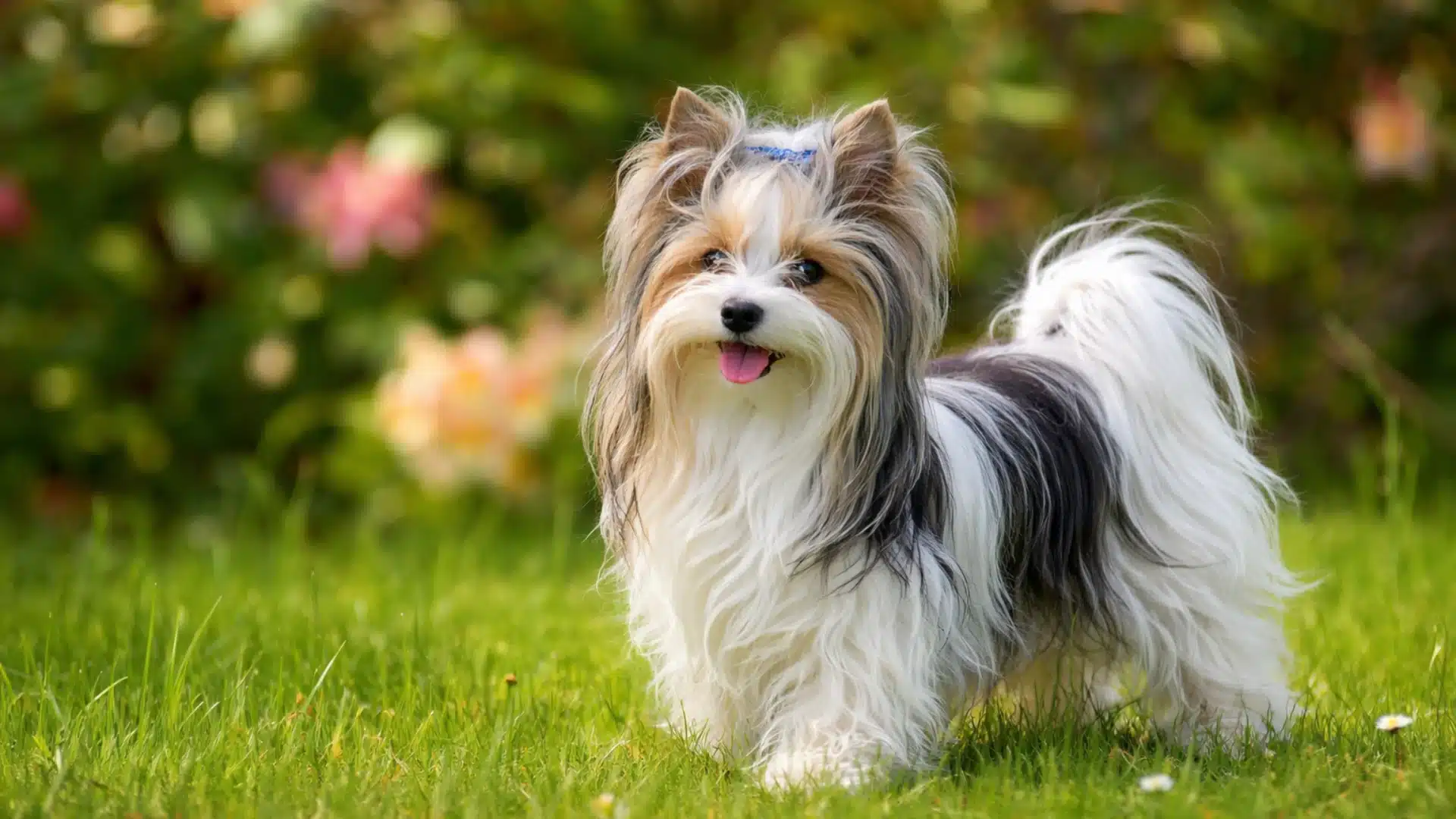
The Biewer Terrier weighs between 4 and 8 pounds and was developed in Germany from a piebald Yorkshire Terrier line.
Recognized officially in recent years, the breed has gained steady popularity. Their long tri colored coat requires daily brushing to prevent tangles and keep it smooth.
Compared to the traditional Yorkshire Terrier, Biewers are often described as slightly more relaxed in temperament.
36. Miniature Bull Terrier
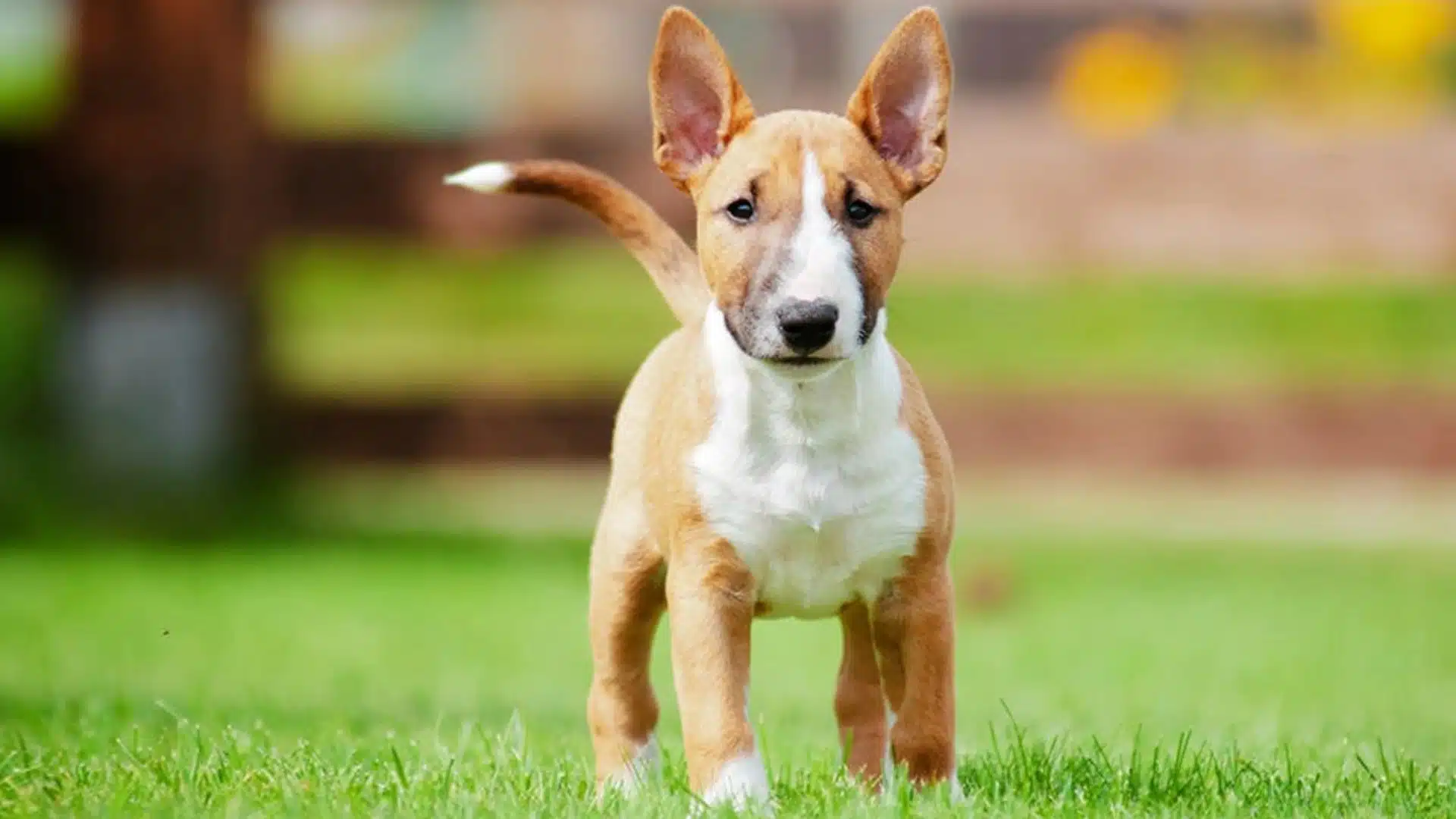
The Miniature Bull Terrier weighs between 18 and 28 pounds and shares the same distinctive egg-shaped head as the standard version.
Though smaller in size, they are muscular and surprisingly strong. Their energy level remains high well into adulthood, and they often display a playful but stubborn streak.
Consistent training and clear boundaries are important from an early age. Because of their strength and lively personality, they are better suited to owners who have prior dog handling experience.
37. American Hairless Terrier
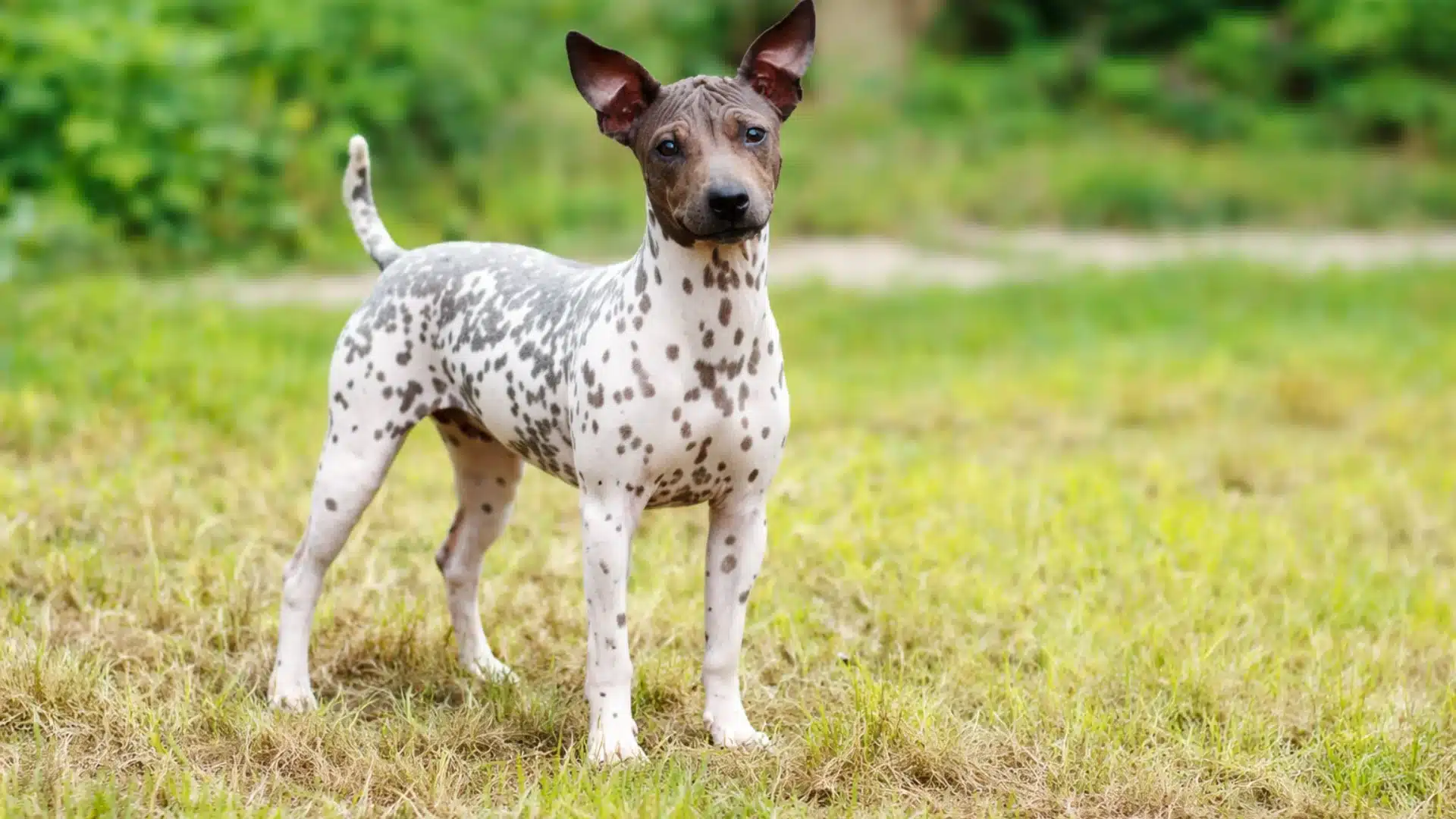
The American Hairless Terrier weighs between 12 and 16 pounds and is the only hairless breed developed in the United States.
It comes in both hairless and coated varieties, giving owners a choice based on preference. The hairless type can be helpful for people who are sensitive to dog fur, since there is no coat to shed around the house.
Their exposed skin needs care, including sunscreen during long outdoor time and moisture in dry climates.
38. Teddy Roosevelt Terrier
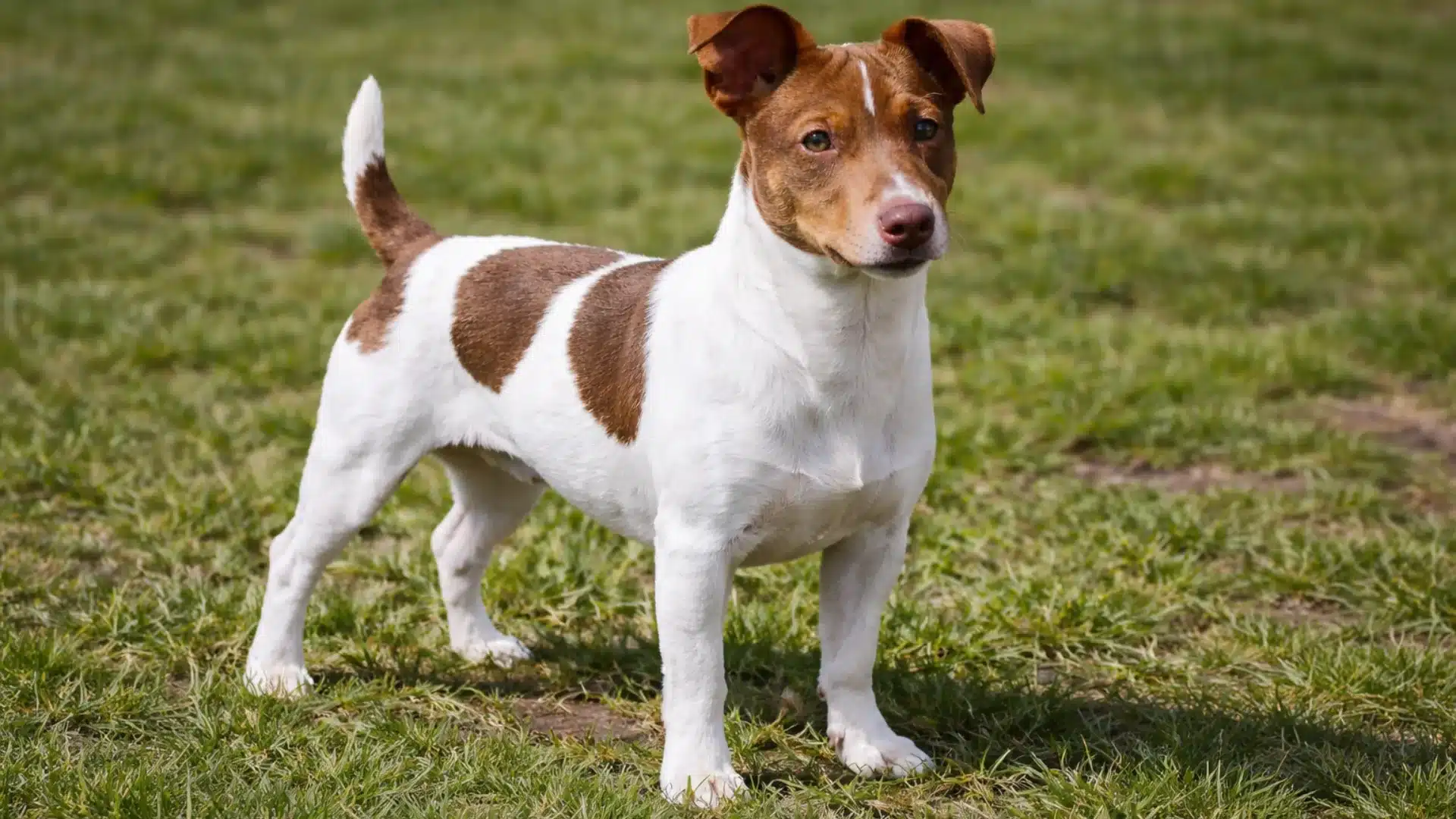
The Teddy Roosevelt Terrier weighs between 8 and 25 pounds, depending on the size line. Named after the president who kept similar ratting terriers, this breed has strong working roots.
They are still used on farms for hunting small game and pest control. Despite that background, they settle well indoors and form close bonds with their household.
Their sturdy build and generally solid health make them stand out among many tiny dog breeds that stay small.
39. Toy American Eskimo
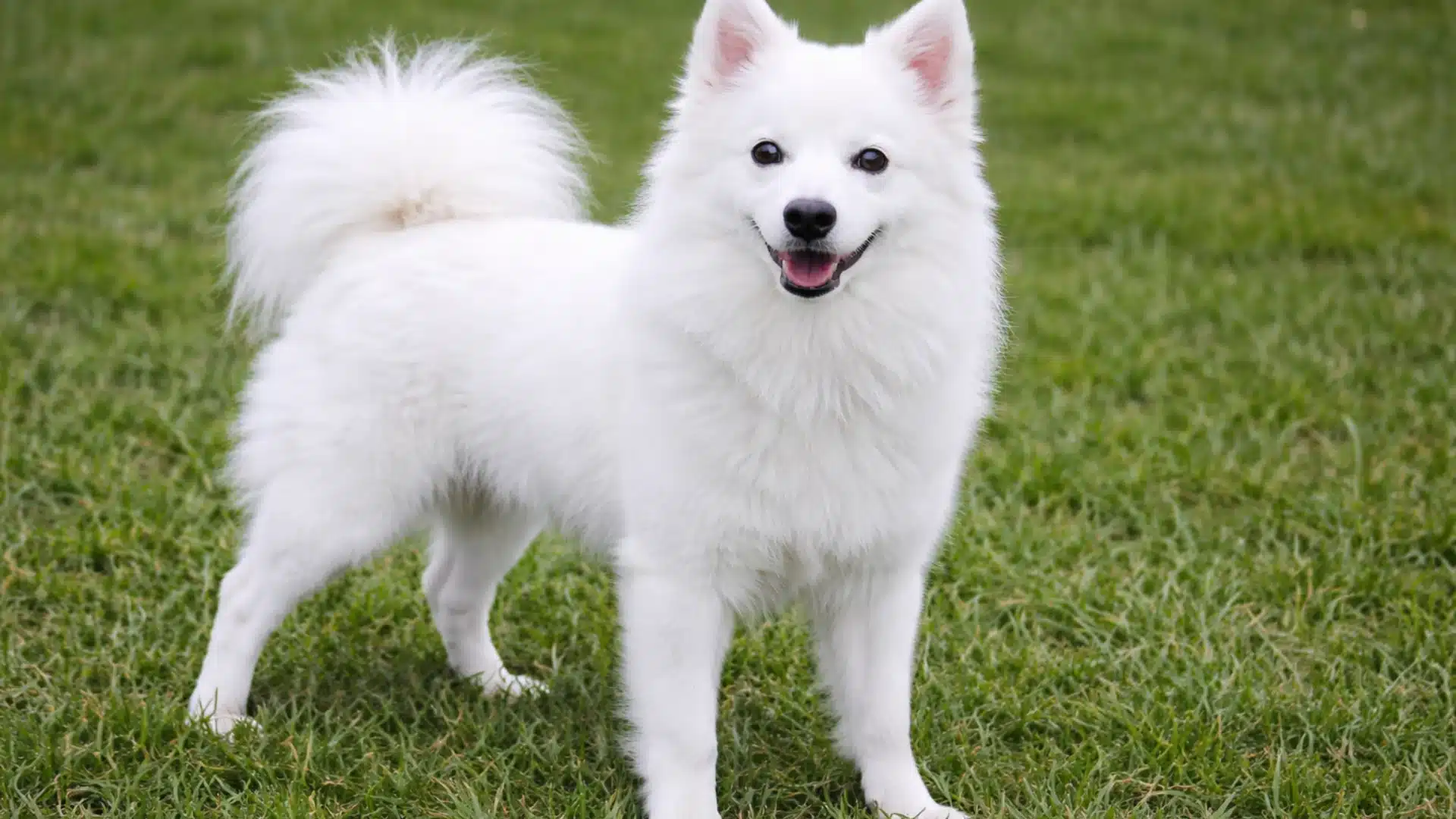
The Toy American Eskimo weighs between 6 and 10 pounds and is the smallest version of the breed. Their bright white coat and dark eyes give them a sharp and expressive look.
They gained popularity in traveling circuses during the 19th century because of their ability to learn complex tricks. That intelligence is still clear today.
They need steady mental stimulation to stay balanced. Without enough engagement, they may become noisy or develop repetitive habits.
40. Miniature American Eskimo
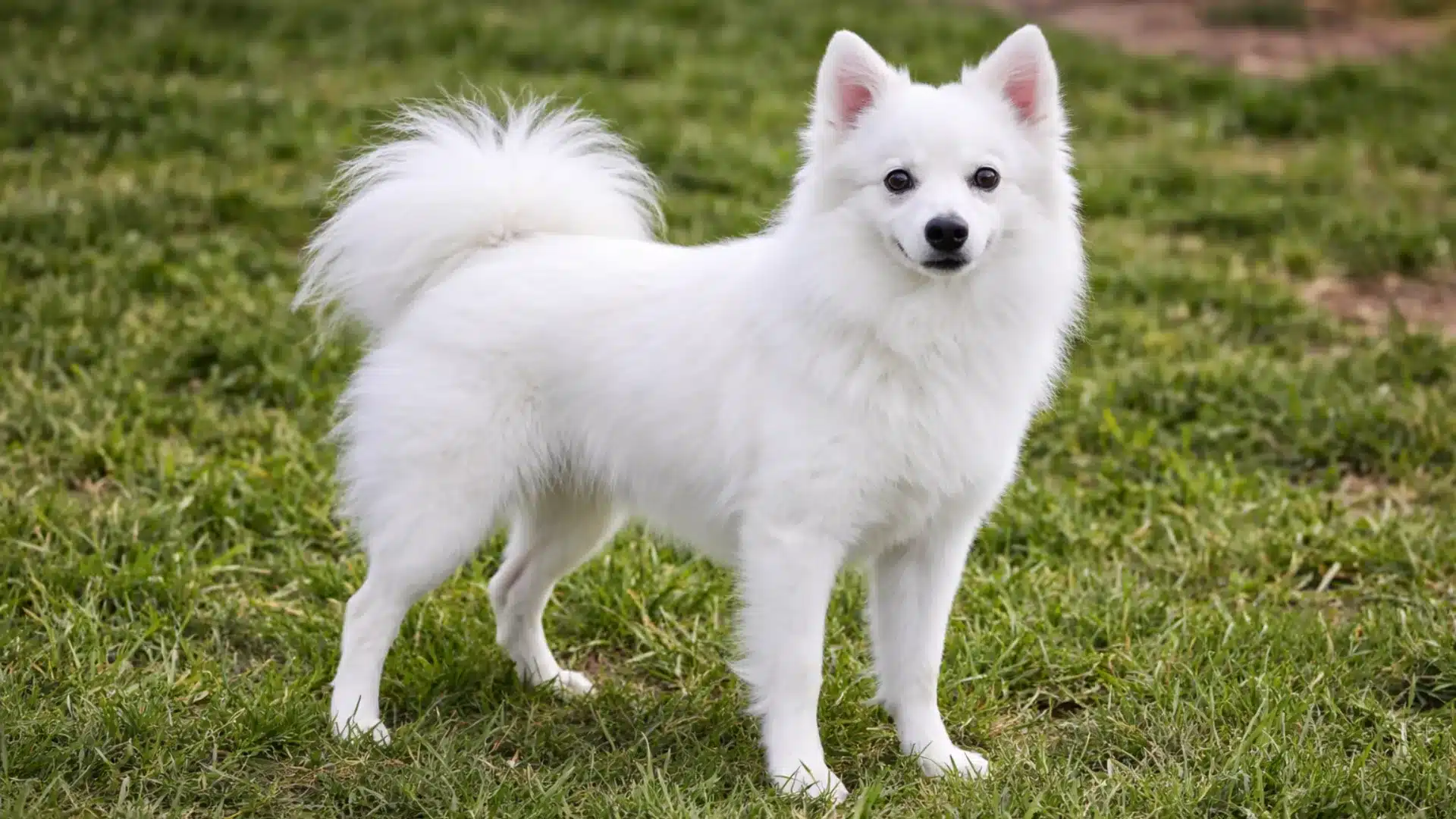
The Miniature American Eskimo weighs between 10 and 20 pounds and shares the same white double coat and alert personality as the Toy variety.
Their slightly larger and sturdier frame often makes them a better fit for active families. They are social and prefer homes where they are included in daily routines.
Isolation does not suit them well. Their coat sheds heavily during seasonal changes and requires consistent brushing throughout the year.
41. Schipperke
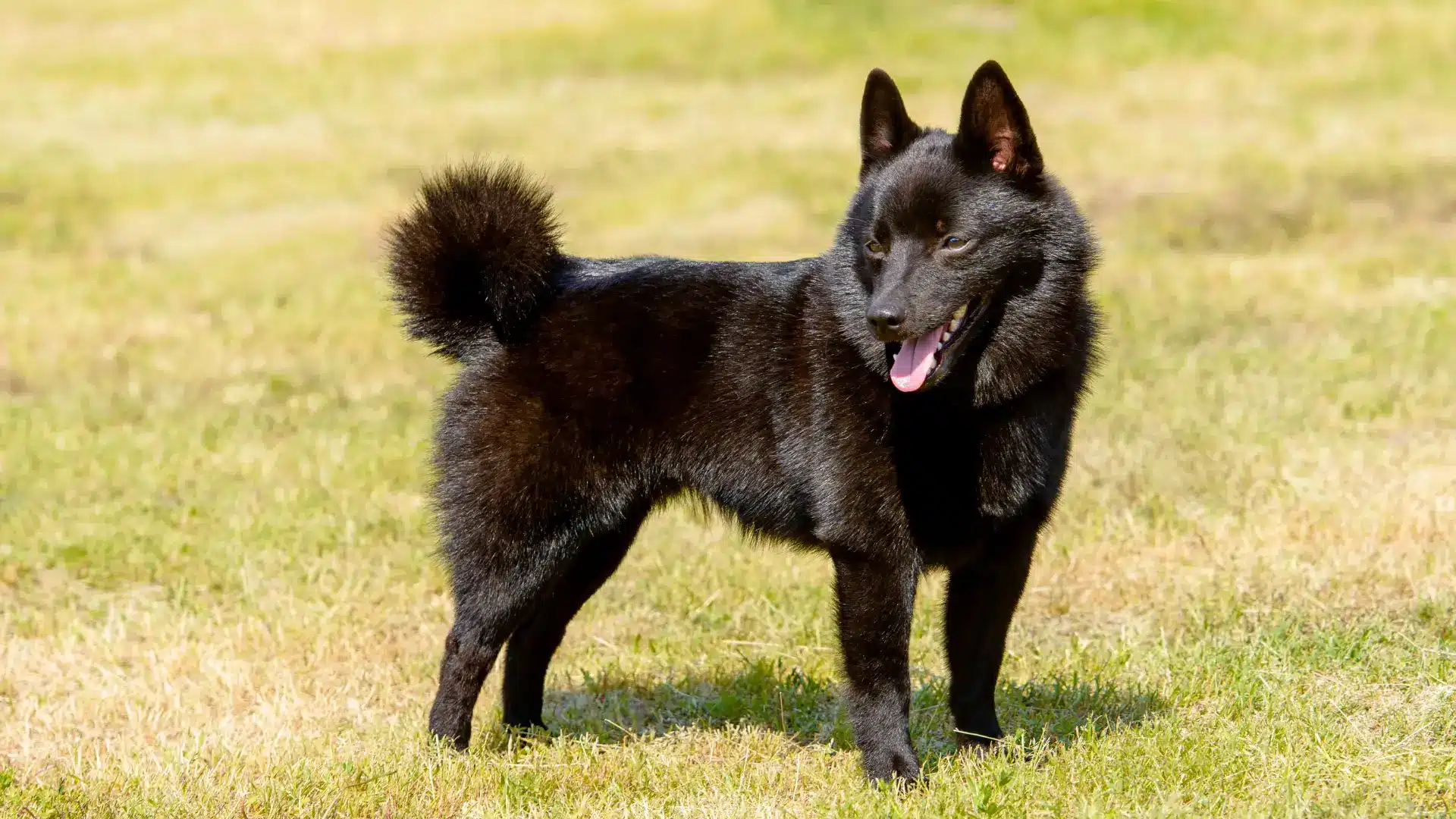
The Schipperke weighs between 10 and 16 pounds and originated in Belgium as a watchdog and ratter on canal boats.
Their thick black coat and mane around the neck give them a fox-like appearance. They are intensely curious and always alert to changes in their surroundings.
Schipperkes are agile and clever, which also makes them skilled escape artists if fencing is not secure. They are loyal to their family but can be cautious with strangers.
42. Pumi
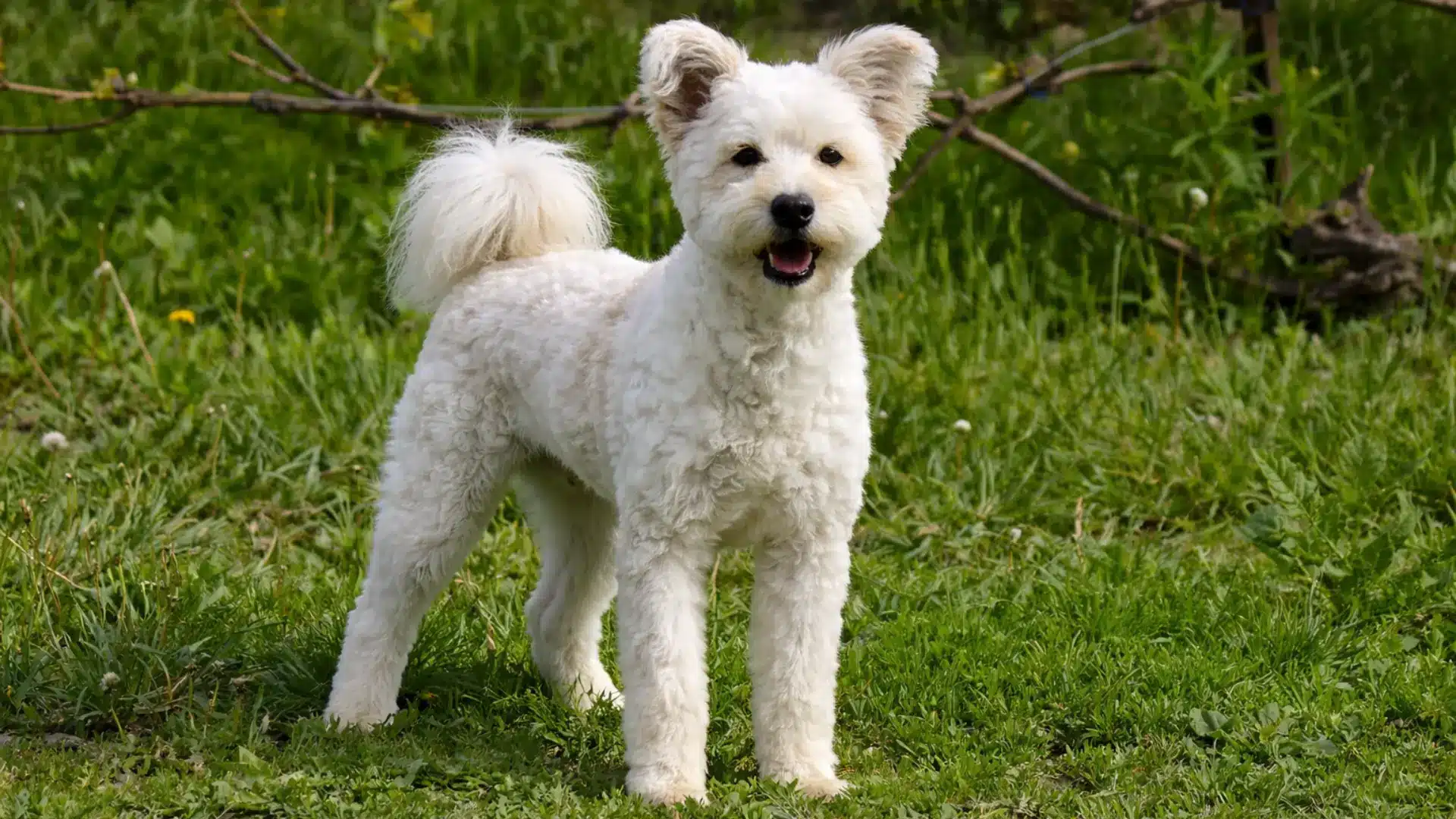
The Pumi weighs between 18 and 29 pounds and was developed in Hungary as a herding dog. Their curly coat and semi-erect ears give them a distinct look that blends terrier and herding traits.
They have high energy and strong stamina due to their working background. Daily exercise and mental tasks are necessary to prevent restlessness.
They are vocal and often communicate through barking or other sounds. Owners who enjoy active routines are usually better matched with this breed than those seeking a quiet companion.
43. Xoloitzcuintli (Toy)
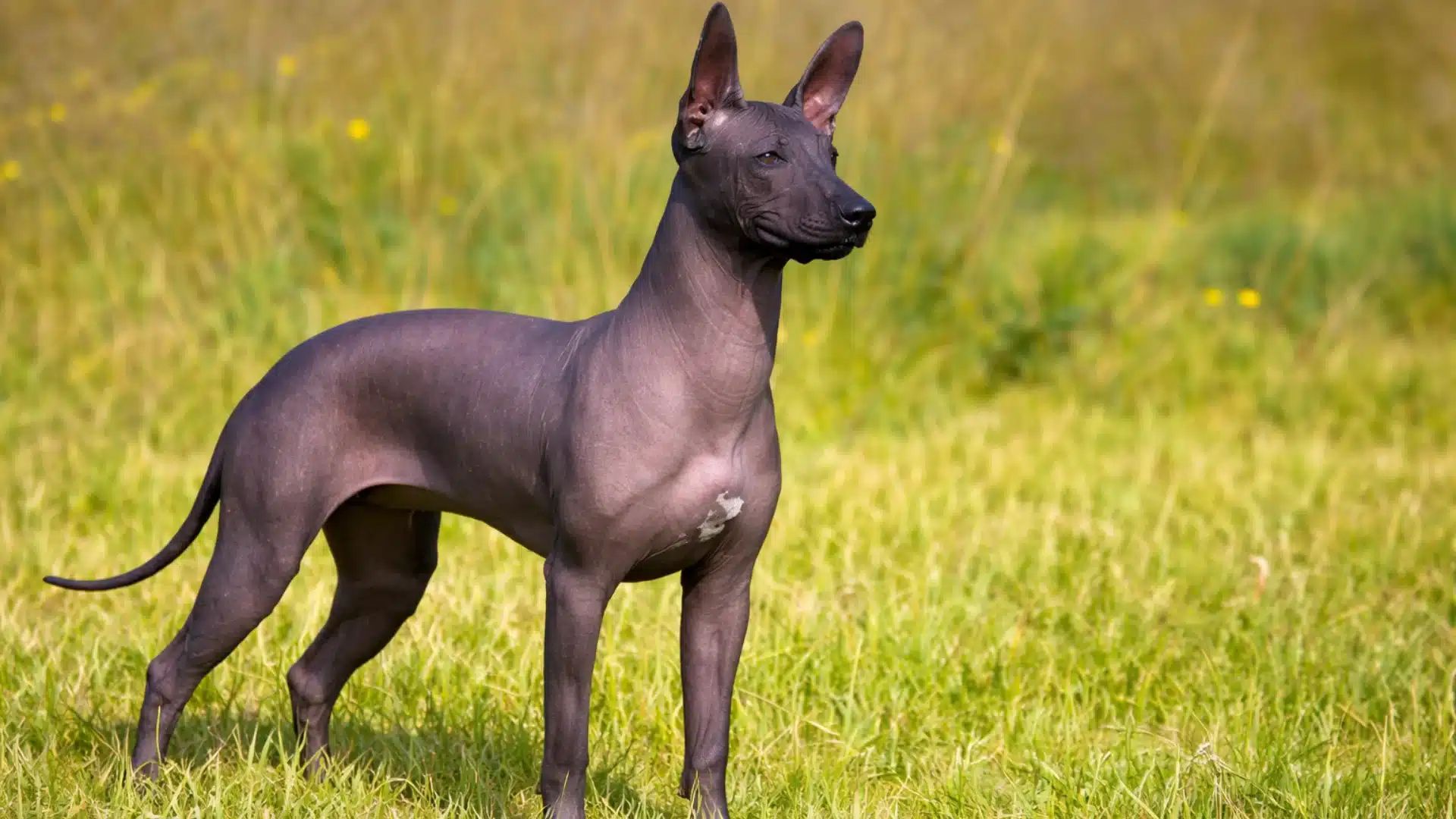
The Toy Xoloitzcuintli weighs between 10 and 15 pounds and has a history that goes back more than 3,000 years in Mexico.
This breed comes in both hairless and coated forms. In ancient times, they were believed to provide comfort and warmth, and their naturally warm skin still makes them pleasant lap companions.
They are calm and loyal, often forming a strong bond with one person. Their skin requires basic care to stay healthy, especially in sunny or dry climates.
44. Cesky Terrier
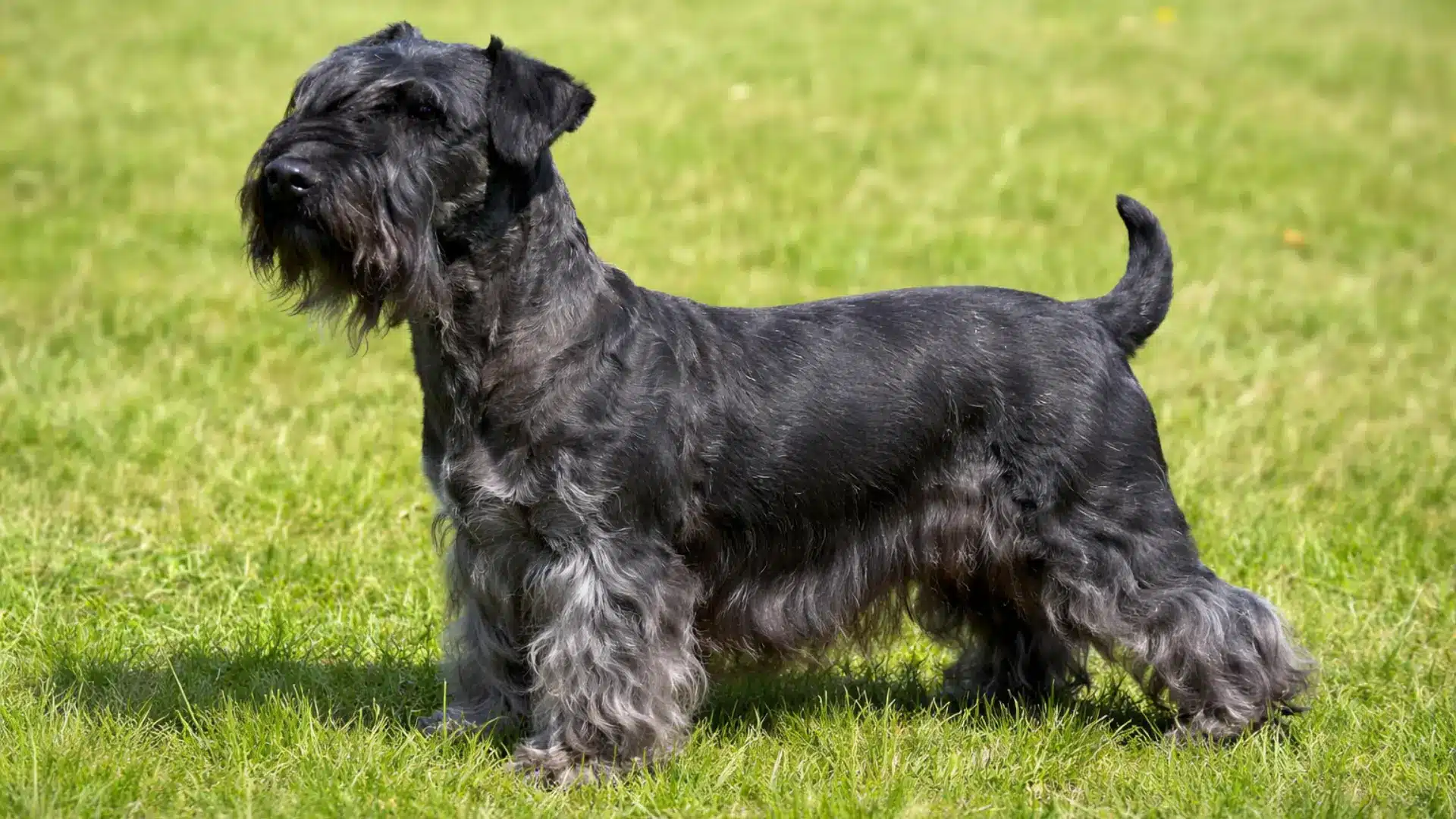
The Cesky Terrier weighs between 13 and 22 pounds and was created in 1948 by crossing a Scottish Terrier with a Sealyham Terrier.
Unlike many terriers, their soft and slightly wavy coat is clipped rather than hand stripped, which simplifies grooming.
They are calmer and somewhat less stubborn than other terrier types. While they still carry independence, they are often easier to manage for those who appreciate the terrier look without the full intensity.
45. Dandie Dinmont Terrier
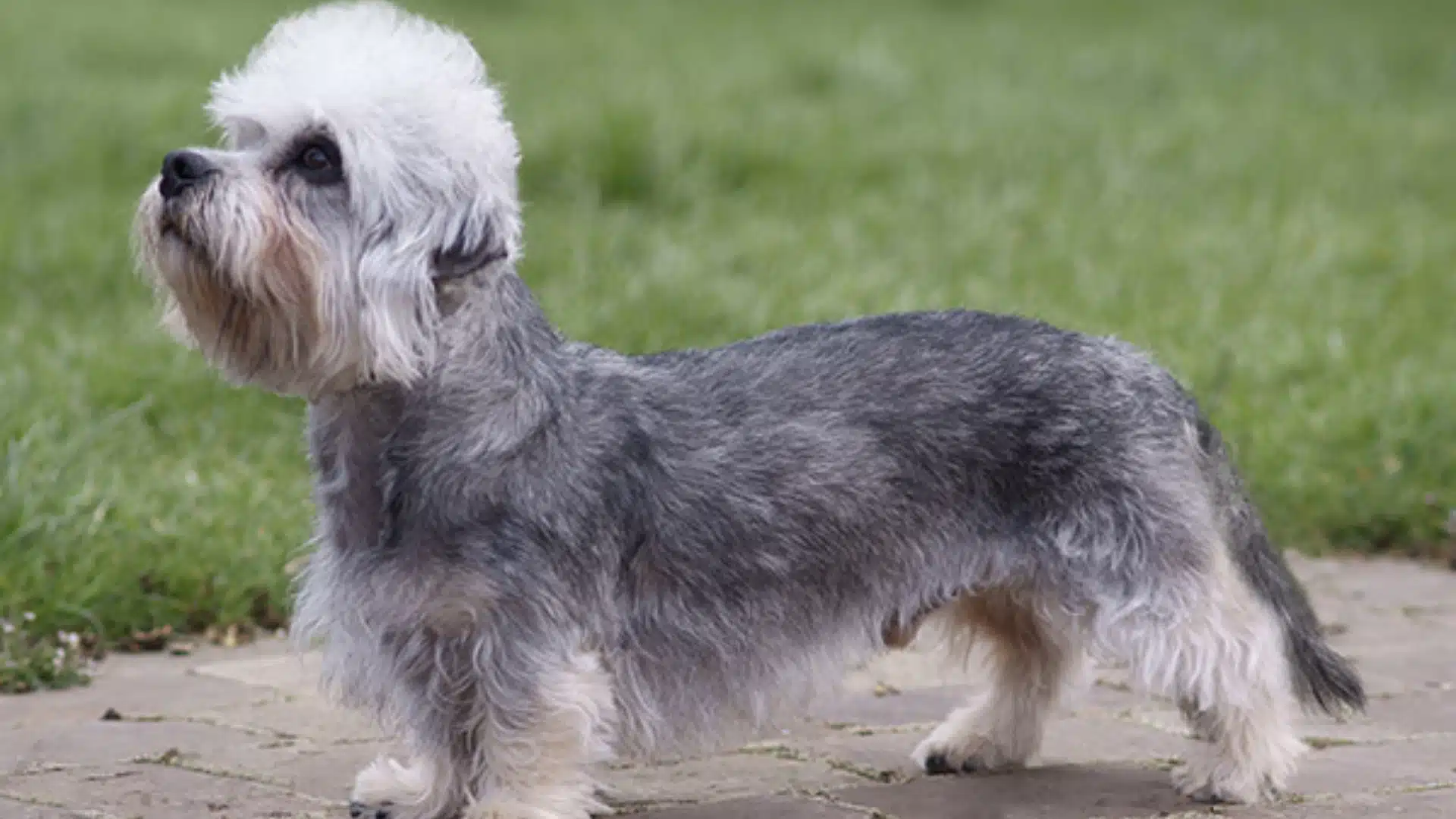
The Dandie Dinmont Terrier weighs between 18 and 24 pounds and is the only breed named after a literary character.
Their long body and rounded heads covered in soft hair give them a unique appearance. Originally bred to hunt otters and badgers, they still carry determination beneath their quiet exterior.
They are generally calmer than many terriers but remain independent in nature. Today, they are considered rare and are listed as a vulnerable native breed in the United Kingdom.
46. Lancashire Heeler
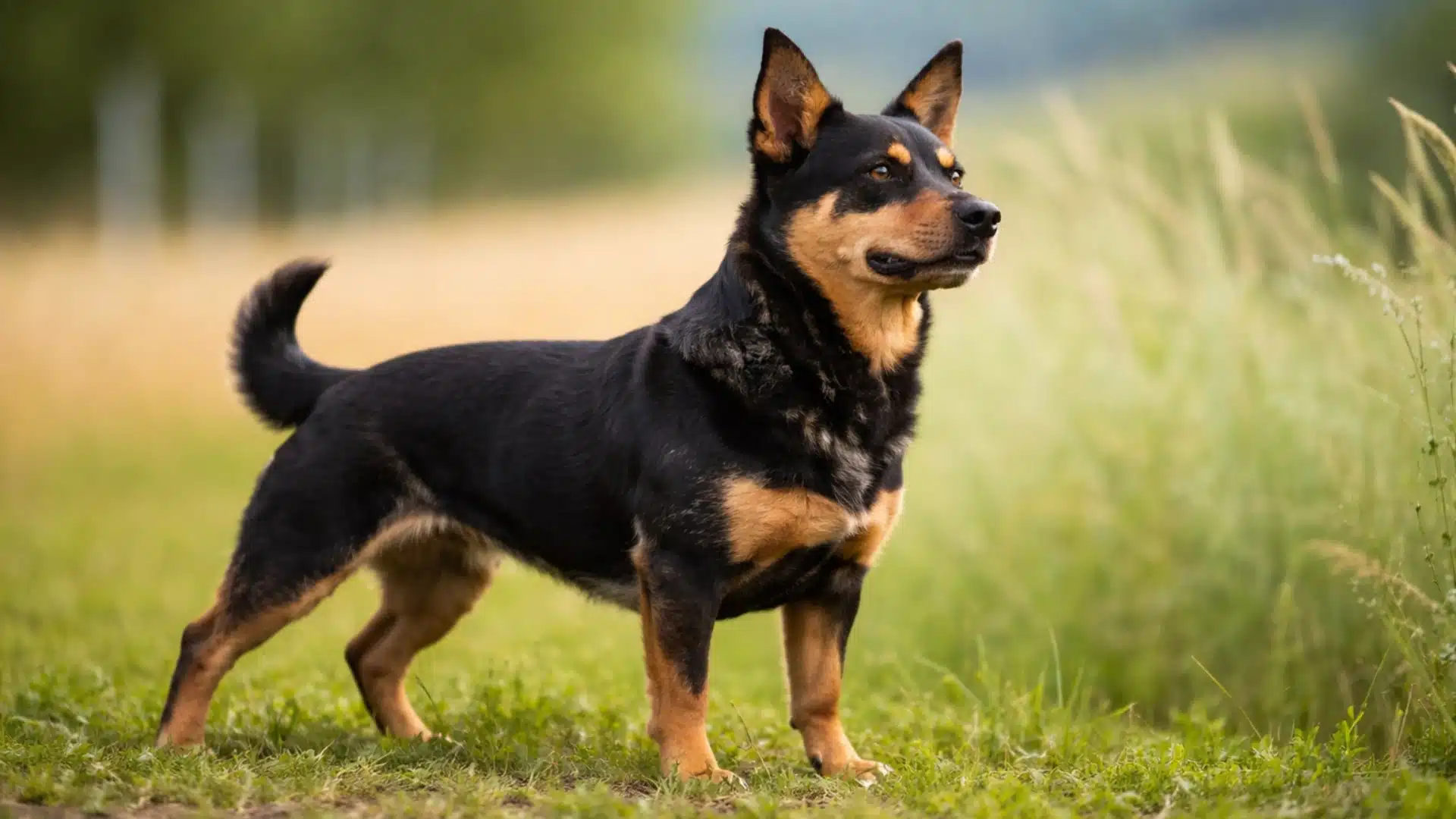
The Lancashire Heeler weighs between 13 and 18 pounds and was developed in England for herding cattle and controlling rodents.
This dual-purpose background makes them versatile working dogs. They are intelligent and quick to learn, though they can show a playful and independent streak.
Their short coat is easy to maintain and requires minimal grooming. With proper activity and engagement, they adapt well to family life while still enjoying structured tasks.
47. Volpino Italiano
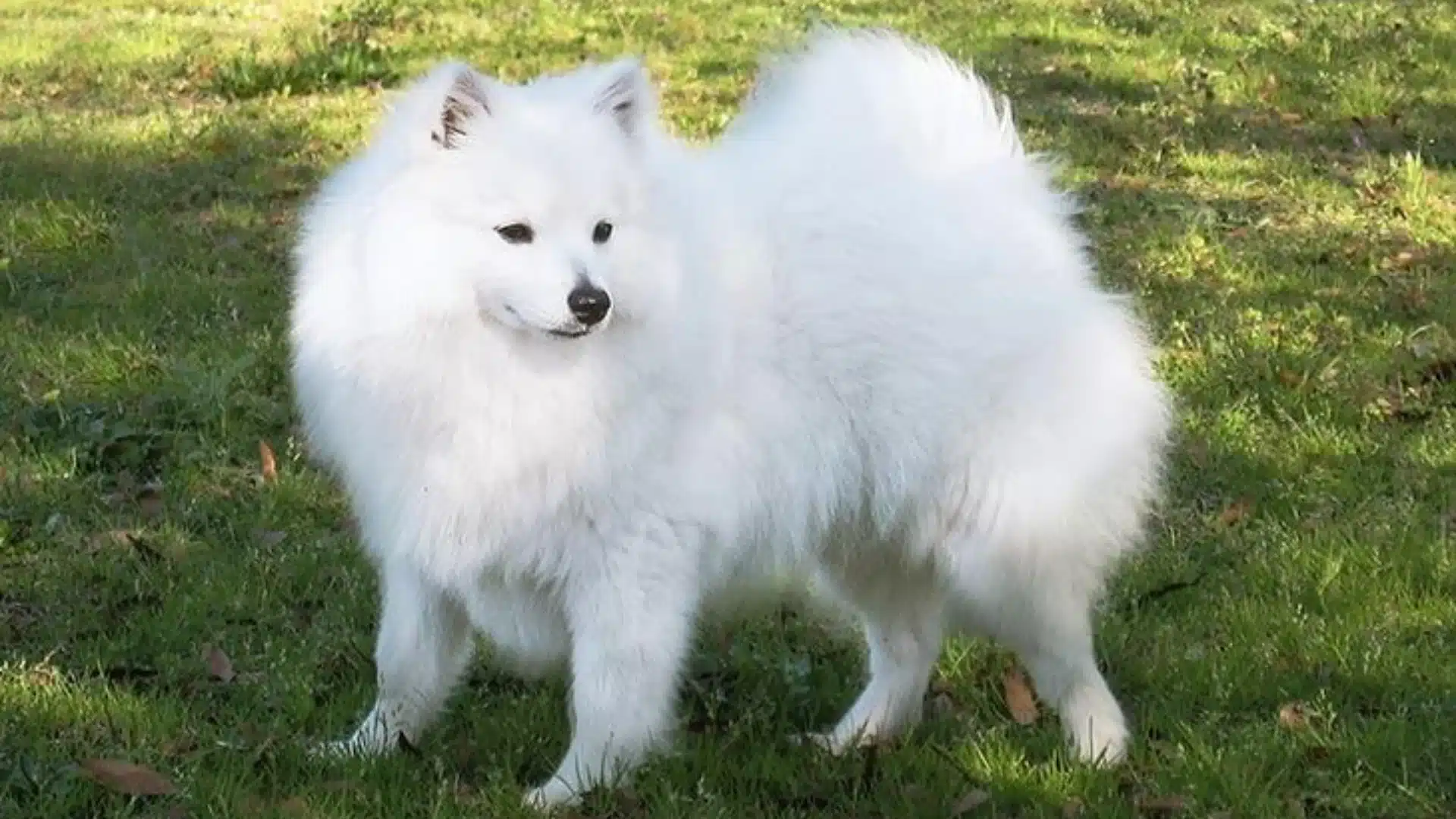
The Volpino Italiano weighs between 9 and 12 pounds and is an ancient Italian Spitz-type breed. Historical records and artwork suggest it has existed for thousands of years.
Their thick white coat stands away from the body, giving them a full and rounded look. They were kept both as companions in noble households and as alert farm dogs.
They are lively and affectionate with their families but may be reserved and quiet around unfamiliar people.
Benefits of Choosing Tiny Dog Breeds That Stay Small
These compact companions fit modern lifestyles with ease and offer practical advantages that larger breeds often cannot match in daily living.
- Apartment-friendly: Their small size makes them comfortable in limited spaces, and most adapt well to indoor living without needing a large yard.
- Lower food costs: Smaller bodies require less food, which helps reduce monthly expenses compared to medium or large breeds.
- Minimal space needs: Beds, crates, and play areas take up less room, making them easier to accommodate in smaller homes.
- Travel convenience: Many can fit in airline-approved carriers and are easier to manage during road trips or public transport.
- Beginner and senior suitable: Their manageable size and lighter strength make handling, grooming, and daily care simpler for first-time owners or older adults.
How to Choose the Right Tiny Breed for Your Lifestyle
Choosing among tiny dog breeds that stay small starts with an honest look at daily life. Activity level matters more than size alone.
Some small breeds are calm and content with short walks, while others need regular play and mental tasks to stay balanced.
Matching energy levels prevents frustration on both sides. Grooming is another factor to weigh carefully. Long or curly coats require frequent brushing and professional trims, while short coats are easier to maintain.
Noise tolerance also deserves attention, since certain small breeds bark more than others and may not suit apartment living.
The budget should cover more than food. Regular vet visits, grooming, training, and unexpected health costs all add up over time.
Conclusion
Tiny dog breeds that stay small can be a great match for the right home and lifestyle.
Throughout this guide, the focus has been on breeds that remain compact as adults, along with their size range, temperament, grooming needs, and potential health concerns.
Some are energetic and bold, while others are calm and suited for quiet households. A few require frequent brushing, while others need more mental activity than physical space.
The key is not just choosing the smallest dog, but choosing one whose personality and care needs align with daily routines, living space, and budget.
When size, energy, and expectations are balanced, ownership becomes far more rewarding.
Which of these breeds feels like the right fit for your home and routine? Share your thoughts or experiences in the comments below.