
A single tick bite can turn into a big health problem for your dog.
That reality hits differently when you have seen it firsthand.
In my years of veterinary practice in Minnesota, I have treated dogs that came in limping, lethargic, or running unexplained fevers, and in more cases than I can count, a tick was at the root of it.
The state sits squarely in a high-risk zone for several tick-borne diseases, and the number of positive test results I see each spring and summer has been steadily climbing.
Tick diseases in dogs affect thousands of pets across the United States every year. Some of these illnesses show up within days.
Others take weeks or even months to cause trouble. The scary part is that many dog owners miss the early signs.
This article covers common tick-borne diseases in dogs, including symptoms, health effects, and at-risk breeds, as well as how veterinarians test for these conditions to protect your pet.
What Are Tick-Borne Diseases?
Tick-borne diseases are infections transmitted to dogs by ticks.
Ticks acquire harmful bacteria, viruses, or parasites from wild animals and transfer these germs into a dog’s body when feeding on its blood.
Most tick-borne diseases in dogs require the tick to be attached for 24 to 48 hours for infection to spread. However, diseases such as ehrlichiosis and Rocky Mountain spotted fever can be transmitted within 3 to 6 hours.
Ticks live across the United States, but they are most active in wooded areas, tall grass, and warm-weather regions. The Southeast, Northeast, Midwest, and West Coast tend to have the highest tick populations.
It is also worth knowing that a single tick on a dog can transmit more than one organism at the same time. This is called coinfection.
When multiple organisms enter the body simultaneously, they can act in concert to trigger the immune system and complicate recovery.
Some of these organisms can even help each other survive within the dog’s body, increasing the risk of recurring or chronic illness.
In my clinic, coinfected patients are among the most challenging cases to manage.
A dog that tests positive for both Lyme disease and anaplasmosis, for example, needs a longer treatment course and closer follow-up than a dog dealing with a single infection.
Common Symptoms of Tick-Borne Disease in Dogs
Tick-borne diseases share many overlapping symptoms, which can make them hard to distinguish without testing. Paying attention to changes in a dog’s behavior or body is the first step toward catching these illnesses early.
Common warning signs of tick diseases in dogs:
- Joint pain, stiffness, or sudden limping
- Loss of appetite or unexplained weight loss
- Nose bleeds, bruising, or pale gums
- Vomiting or ongoing diarrhea
- Dark or bloody urine
Some dogs may not show visible signs, especially in the early stages. Young, senior, and immunocompromised dogs can get sick quickly. Always consult a vet after known tick bites, even if the dog seems fine.
Common Types of Tick-Borne Diseases
Tick-borne illnesses affect dogs in the US and are caused by different organisms carried by specific ticks. Symptoms can overlap, complicating diagnosis. Here are the most commonly reported tick diseases in dogs.
1. Lyme Disease
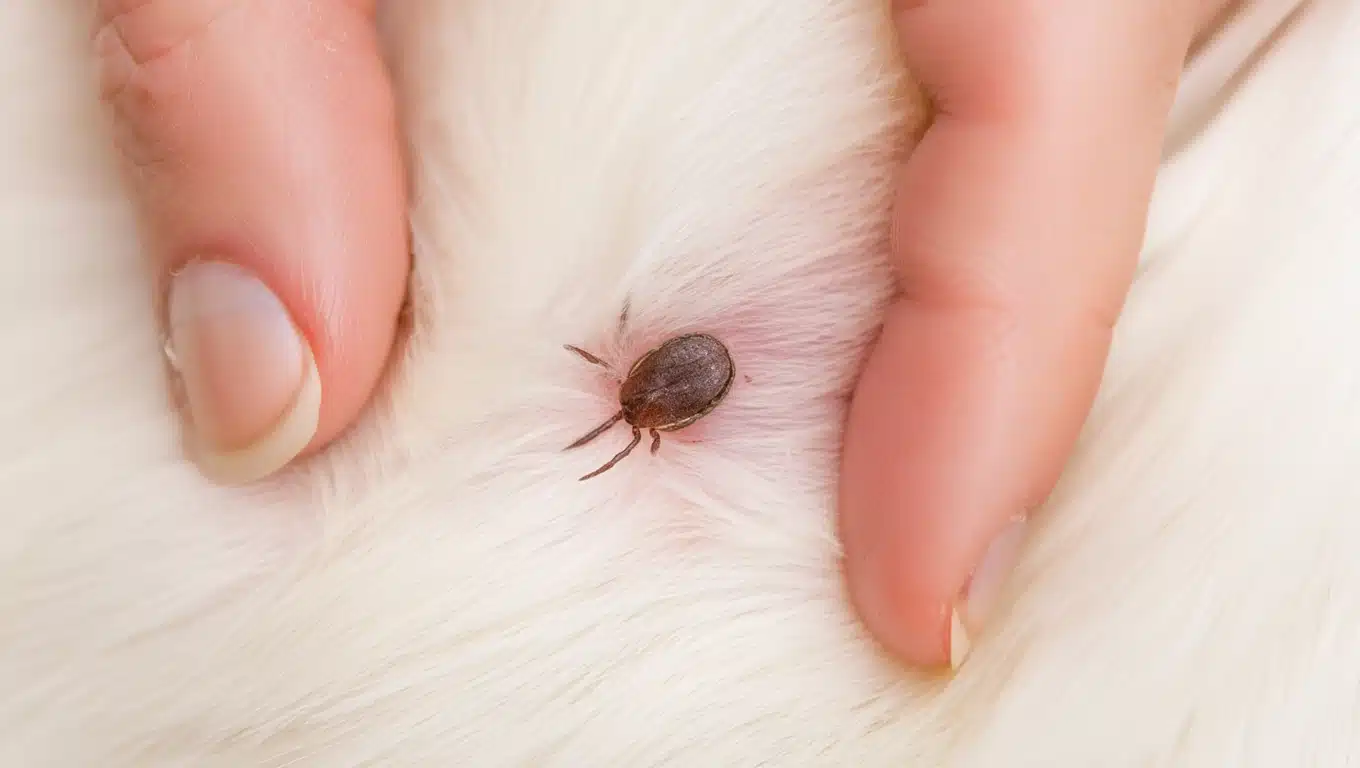
Lyme disease is caused by the bacteria Borrelia burgdorferi. It spreads through black-legged ticks, also called deer ticks.
A tick on a dog’s skin must feed for 36 to 48 hours before the bacteria enter the bloodstream.
Symptoms often appear months after the bite. Common signs include joint pain, lameness, fever, swollen lymph nodes, and loss of energy.
Untreated Lyme disease can lead to kidney failure and joint damage. According to the American Kennel Club, this is one of the most widely recognized tick-borne diseases in dogs.
Lyme disease is the tick-borne condition I see most frequently in Minnesota patients, particularly in dogs that spend time near lakes, rivers, or forested trails during spring and early fall.
The deer tick population in the upper Midwest has expanded noticeably over the past decade, and I recommend the Lyme vaccine for dogs in our region as a standard part of their preventive care plan, in addition to year-round tick preventives.
2. Canine Ehrlichiosis
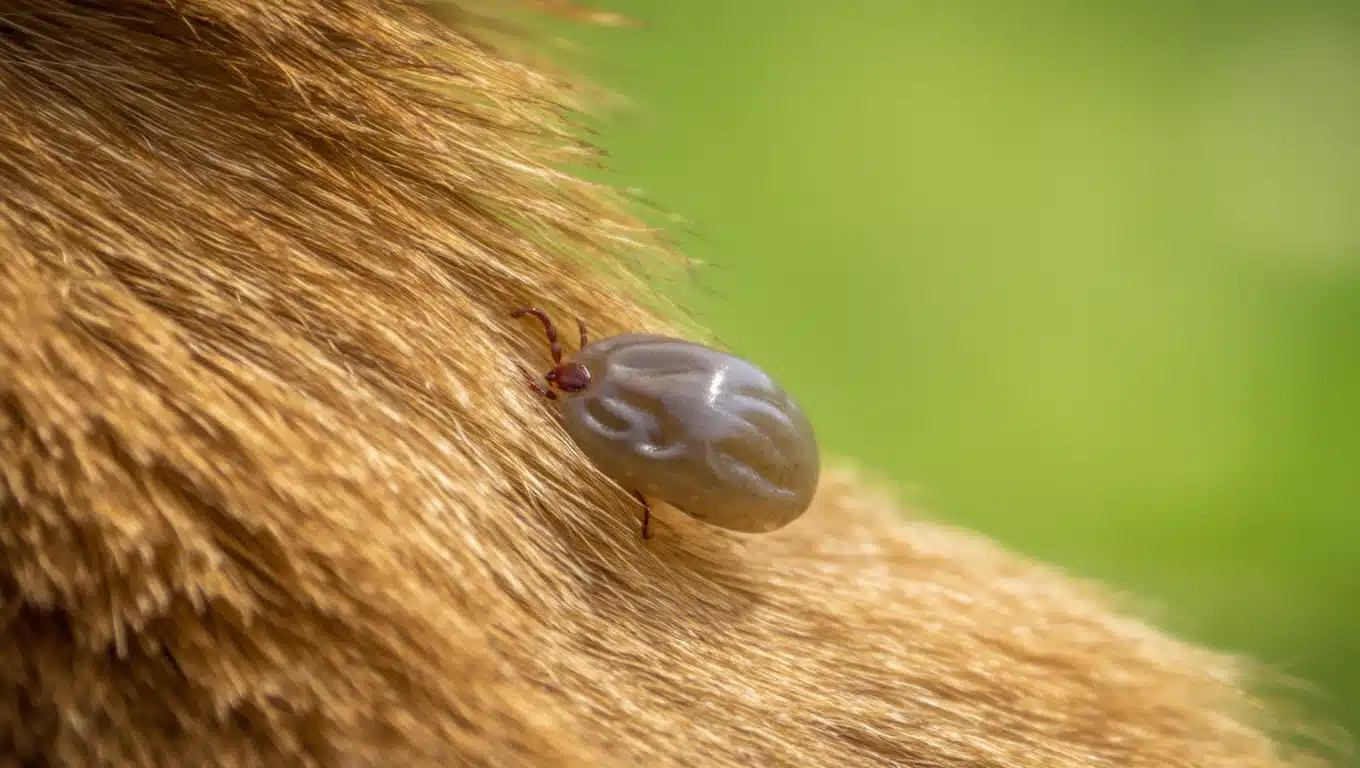
Ehrlichia bacteria cause ehrlichiosis and are transmitted by the brown dog tick, the lone star tick, and the American dog tick. Symptoms usually appear 1 to 3 weeks after a bite.
Fever, poor appetite, nose bleeds, and bruising are early warning signs.
As noted by VCA Animal Hospitals, this illness can progress through three stages: acute, subclinical, and chronic. Early treatment leads to better outcomes. Dogs that reach the chronic stage face a much harder recovery.
3. Anaplasmosis
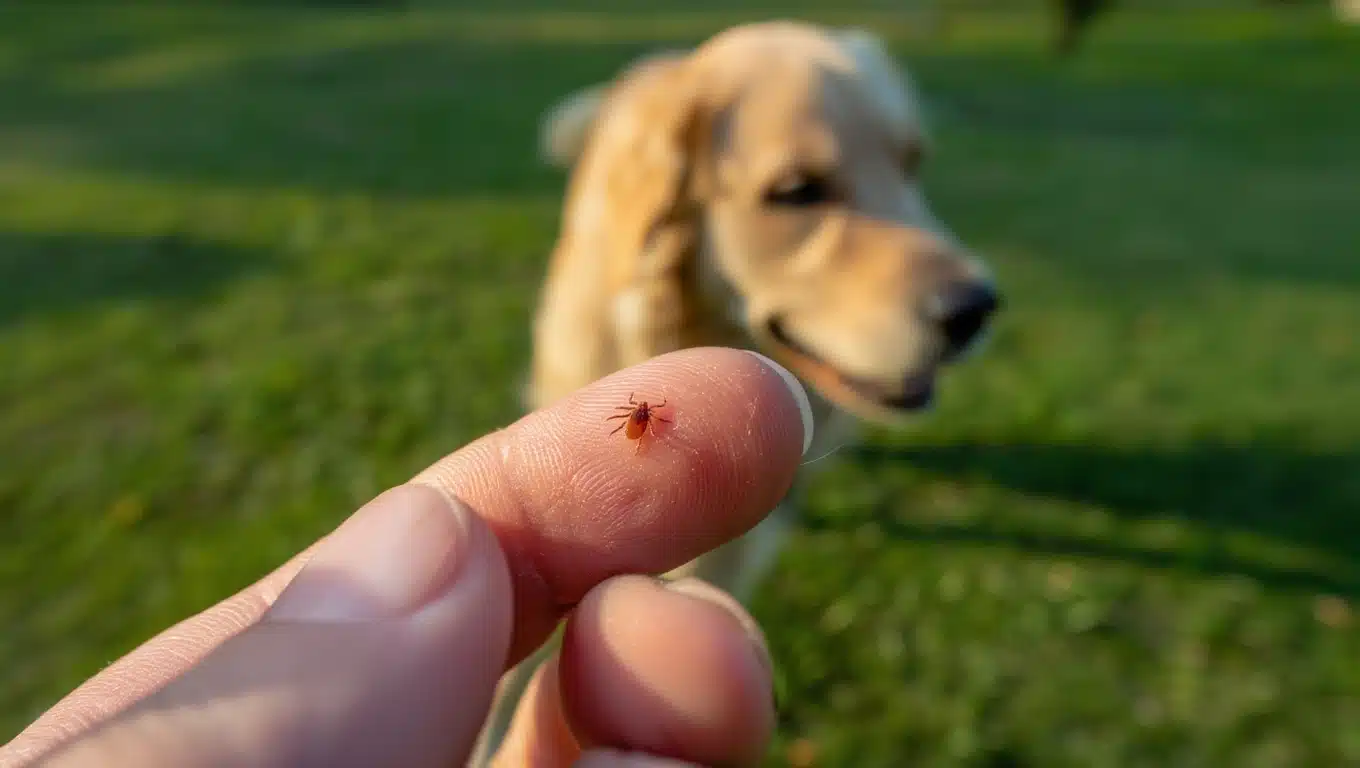
Also known as dog tick fever, the deer tick transmits anaplasmosis. It is caused by the bacterium Anaplasma phagocytophilum.
Symptoms include stiff joints, fever, tiredness, loss of appetite, vomiting, and diarrhea.
In severe cases, tick-borne diseases in dogs, such as anaplasmosis, can cause seizures. Many dogs respond well to antibiotics when caught early.
According to Cornell University’s College of Veterinary Medicine, the tick must stay attached for 24 to 48 hours before transmitting the bacteria.
4. Rocky Mountain Spotted Fever

Rocky Mountain spotted fever (RMSF) is carried by the American dog tick, the wood tick, and the lone star tick.
It is one of the more well-known tick diseases in dogs across North and South America. Symptoms include fever, joint pain, swollen lymph nodes, low platelet counts, and poor appetite.
Some dogs develop weakness in their limbs or balance problems.
RMSF bacteria can pass from a tick to a dog within just 3 to 6 hours of attachment, making it one of the fastest-spreading tick-borne infections.
5. Babesiosis and Hepatozoonosis
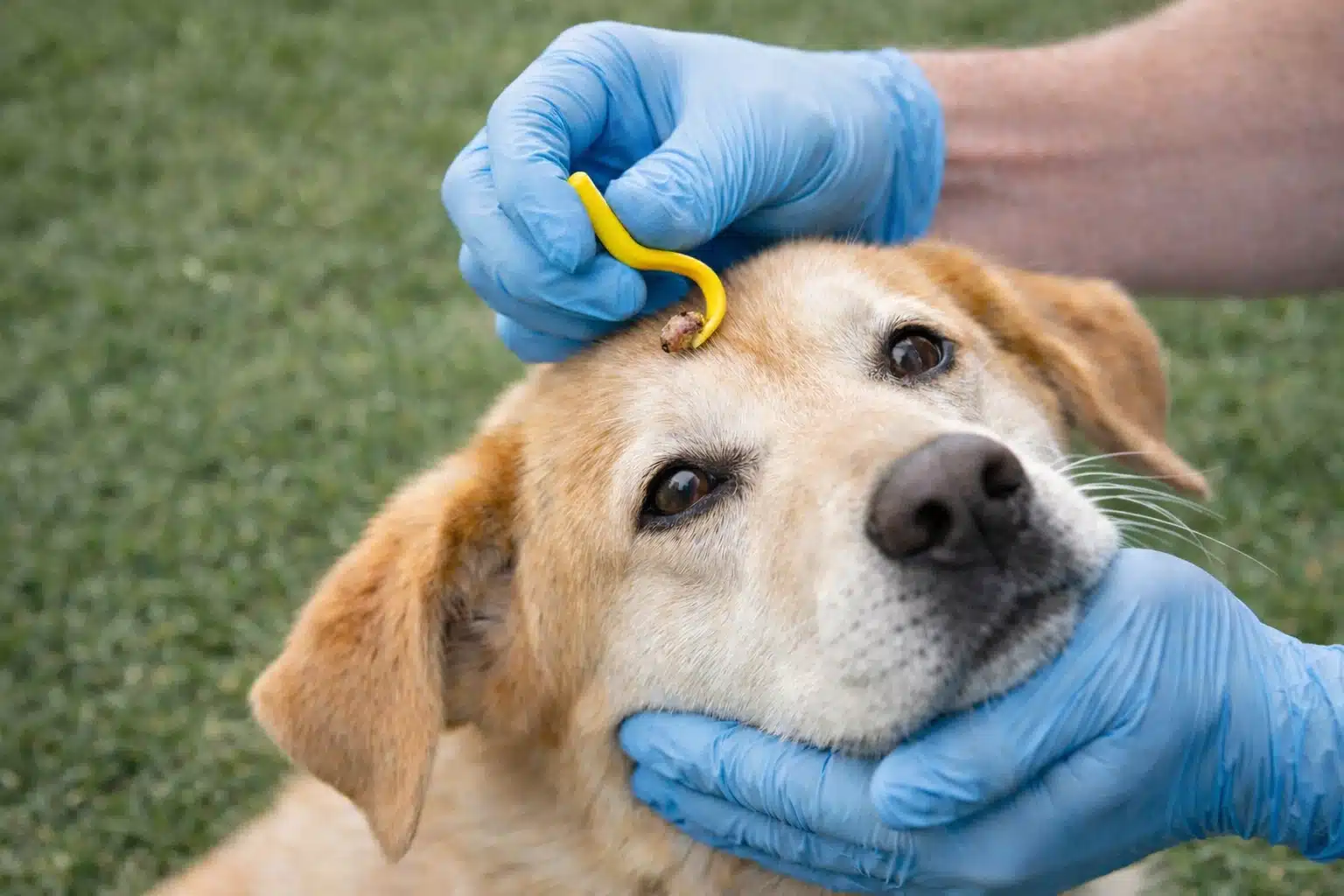
Babesiosis is a protozoal disease that attacks a dog’s red blood cells. It spreads mainly through the American dog tick and the brown dog tick.
Pale gums, weakness, dark urine, and vomiting are typical signs.
Hepatozoonosis differs from most tick diseases in dogs because it spreads when a dog eats an infected tick rather than through a bite.
It can cause muscle pain, fever, and weight loss. Both conditions need prompt veterinary attention to prevent lasting damage.
6. Canine Bartonellosis
Canine bartonellosis is less common than the diseases listed above, but its symptoms can be serious. Early signs include intermittent fever and lameness. If left untreated, the condition can progress to heart or liver disease.
According to the AKC Canine Health Foundation, Bartonella bacteria are primarily transmitted through tick bites, although fleas and lice can also carry them.
This disease can also affect humans, so early identification and treatment are important for the entire household.
I have seen bartonellosis present as an unexplained heart murmur in a previously healthy dog, with the owner completely unaware any tick-borne infection was involved.
It is not the first thing most people think of, but it belongs on the differential list whenever a dog has recurring lameness or fever that does not resolve cleanly with standard treatment.
How Do Dogs Get Tick-Borne Diseases?
Dogs pick up ticks while walking through tall grass, wooded trails, or brushy areas.
A tick climbs onto a dog’s fur, bites into the skin, and feeds on blood, passing germs into the dog’s bloodstream through its saliva.
Most tick diseases in dogs require the tick to stay attached for several hours before infection occurs. However, the timeline varies depending on the specific disease.
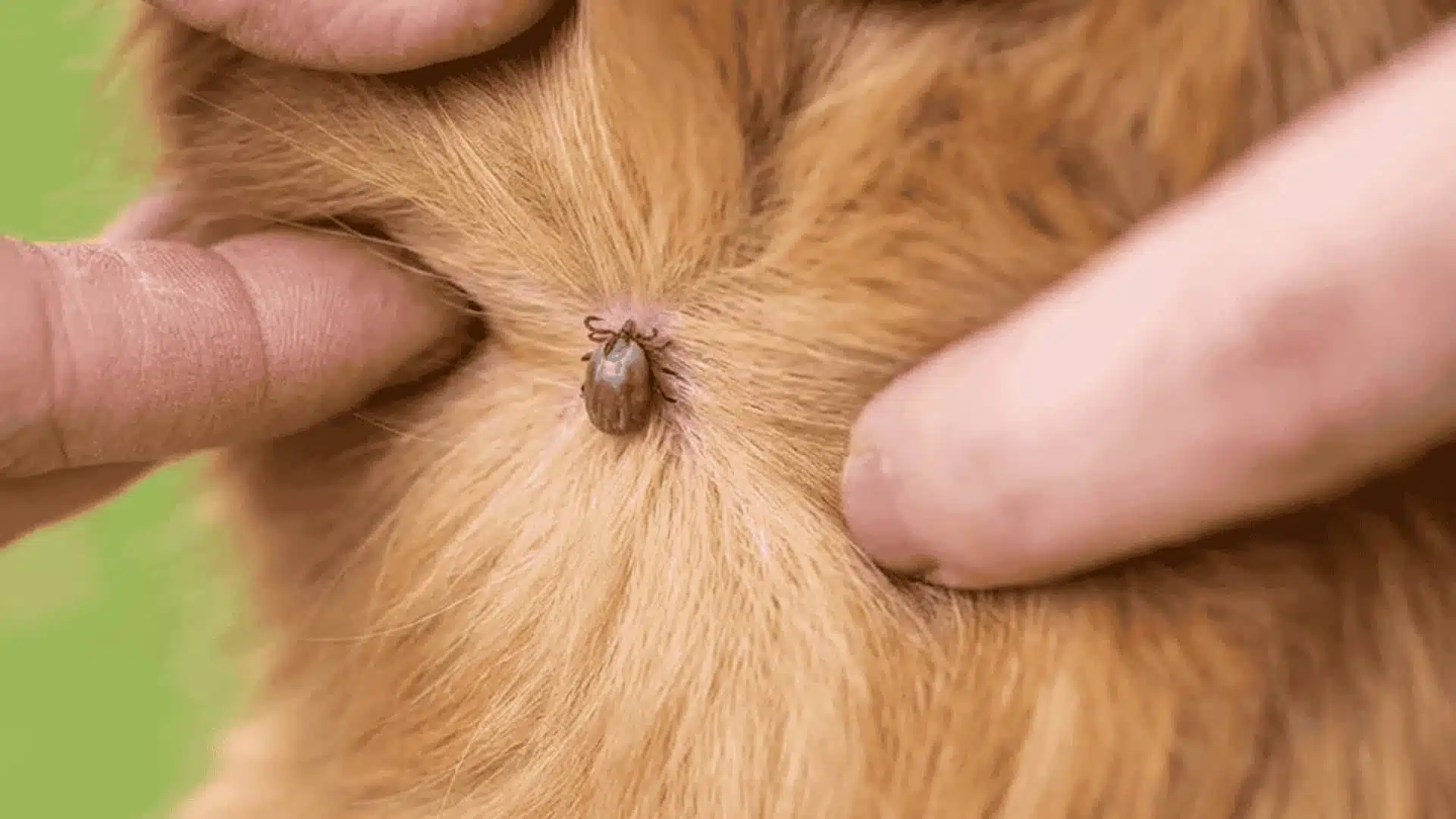
A tick on dog fur may go unnoticed for days, especially on pets with thick or dark coats.
Knowing exactly where to look and what a feeding tick looks and feels like can make the difference between catching it early and missing it entirely, which is something our guide on spotting a tick under dog skin covers in detail.
How Are Tick-Borne Diseases in Dogs Treated?
Most tick-borne illnesses in dogs are treated with a course of broad-spectrum antibiotics.
Doxycycline is the most commonly prescribed option and is effective against Lyme disease, ehrlichiosis, anaplasmosis, and Rocky Mountain spotted fever.
Because antibiotics can disrupt healthy gut bacteria alongside harmful ones, veterinarians often recommend giving probiotics alongside antibiotic treatment to prevent gastrointestinal issues.
Depending on the severity of the illness, additional support may include anti-inflammatory medications for joint pain, intravenous fluids for dehydrated dogs, and, in serious cases of babesiosis, hospitalization or a blood transfusion.
Most dogs begin to feel better within 1 to 2 days of starting treatment, though a full course typically lasts 2 to 4 weeks.
Dogs treated early for tick-borne diseases generally recover well. Dogs with advanced or chronic infections face a harder road, and some may require ongoing monitoring.
Even after a dog appears to have fully recovered, follow-up bloodwork is important.
Tick-borne infections can rebound if treatment only suppresses rather than fully clears the pathogen. Regular testing helps catch any recurrence before symptoms return.
How Vets Diagnose Tick-Borne Diseases
Vets start by reviewing the dog’s health history and any known tick exposure. A physical exam helps spot swollen lymph nodes, joint tenderness, or fever.
Blood tests are the main tool for confirming tick diseases in dogs.
| Test Name | Function & Purpose |
| SNAP 4Dx | A quick in-office screening test that checks for Lyme disease, ehrlichiosis, and anaplasmosis simultaneously. |
| Complete Blood Count (CBC) | Measures the levels of red blood cells, white blood cells, and platelets to evaluate overall health and detect abnormalities. |
| Serology / PCR | Specialized tests are sent to an external laboratory to detect specific antibodies or the genetic material (DNA) of the infectious agent. |
| Urinalysis | Assesses kidney function and detects protein loss (proteinuria), which can be a complication of certain tick-borne illnesses. |
Can Tick-Borne Diseases Spread to Humans?
This is a question many dog owners have after finding a tick on their pet. The good news is that tick-borne diseases cannot spread directly from a dog to a person.
Diseases like ehrlichiosis and Lyme disease require a tick bite to infect a human. A sick dog poses no direct transmission risk to the people around it.
However, dogs can indirectly increase human exposure. When a dog walks through tall grass or brush, it can carry ticks into the home on its fur. Those ticks can then detach and bite a person.
This makes thorough tick checks on both the dog and the people in the household an important part of protecting everyone.
I have had patients whose owners later called to say they also tested positive for a tick-borne illness, not because the dog passed it to them, but because the same tick population that infected the dog was also getting into the house.
Checking both the dog and every person in the household after outdoor time is a straightforward habit that protects the whole family.
Tips to Keep Your Dog Safe
Preventing tick bites on dogs is the best way to avoid these illnesses. A few simple habits can reduce the risk of infection and help keep a dog healthy year-round.
- Use tick preventives year-round. Oral chews, topical treatments, and tick collars are all effective options. A vet can recommend the best fit for each dog.
- Check your dog after outdoor time. Run your hands through the fur and feel for small bumps after every walk or hike.
- Stay on cleared paths. Avoid tall grass and thick brush where ticks like to hide and wait for a host.
- Remove ticks right away. Use fine-tipped tweezers to grasp the tick close to the skin and pull it out gently without twisting.
- Keep up with vet visits. Annual blood screenings can detect tick-borne diseases in dogs before symptoms appear.
- Ask about the Lyme vaccine. For dogs in high-risk regions, the Lyme vaccine provides an additional layer of protection on top of tick preventives. Keeping this vaccine current fits naturally into a broader preventive care plan; understanding which core vaccines dogs need and when they need them helps ensure your dog stays protected on all fronts.
Conclusion
Tick diseases in dogs are a real concern, but knowing the signs and risks puts you in a much better spot to protect your pet.
This guide has covered the most common illnesses, from Lyme disease and ehrlichiosis to anaplasmosis, bartonellosis, and beyond, along with what treatment looks like and how to reduce risk at home.
Early detection matters a lot. A quick trip to the vet after finding a tick on your dog can make a big difference in how well your pet recovers.
Stay consistent with tick prevention, check your dog’s coat regularly, and do not skip annual checkups.
These small steps go a long way in keeping your pet healthy and comfortable throughout the year. If you found this article helpful, share it with other dog owners who could benefit from it.
Feel free to leave a comment below with your own experience or questions about tick-borne illnesses.