Noticing sudden lumps on your dog under the skin can be alarming. As pet owners, it’s easy to jump to conclusions, but understanding the reasons behind these lumps is important.
Lumps can appear for many reasons, and they aren’t always a sign of something serious. Some might be harmless, like fatty tumors, while others could indicate a more concerning issue.
In this blog, you’ll learn about the common causes of lumps, how to tell if they’re dangerous, and when it’s time to seek help from a vet.
You’ll also learn how vets diagnose these lumps and the treatment options available.
By the end of this post, you’ll have a clearer idea of what could be happening with your dog and how to handle it calmly and effectively.
Understanding Lumps Under the Skin in Dogs
Lumps under your dog’s skin can vary in type, and understanding what they are can help you assess the situation.
Fatty tumors, or lipomas, are common and usually soft, movable, and painless. Cysts are fluid-filled sacs that may feel firm and sometimes tender.
Abscesses, on the other hand, are swollen, painful lumps caused by infections, often with redness and warmth.
You might also find tumors that feel hard or irregular, which could indicate something more serious, like cancer.
Each type of lump can look and feel different, making it important to pay attention to the size, shape, and texture.
While most lumps are harmless, any sudden changes in size, texture, or behavior should be taken seriously. Keeping track of these details can help your vet make an accurate diagnosis.
Common Causes of Lumps Under the Skin in Dogs
Sudden lumps under a dog’s skin can occur for several reasons, including fatty tumors (lipomas), cysts, abscesses from infections, allergic reactions, or insect bites. Many lumps are harmless and may feel soft or movable, but others can be firm, painful, or grow quickly, which may signal infection or a tumor. Because lumps can vary widely in cause and seriousness, any new or rapidly changing lump should be checked by a veterinarian to confirm the diagnosis and determine if treatment is needed.

Lumps under the skin in dogs can develop for various reasons. These are some of the most common causes:
1. Fatty Tumors (Lipomas)
Fatty tumors are non-cancerous growths that are usually soft, movable, and often appear in older dogs.
While they can show up suddenly, they typically grow slowly over time, with the lump often becoming noticeable once it reaches a certain size.
Lipomas don’t generally cause pain unless they press on surrounding tissues. Though they’re usually harmless, some may need to be removed if they become too large or cause discomfort to the dog.
2. Cysts
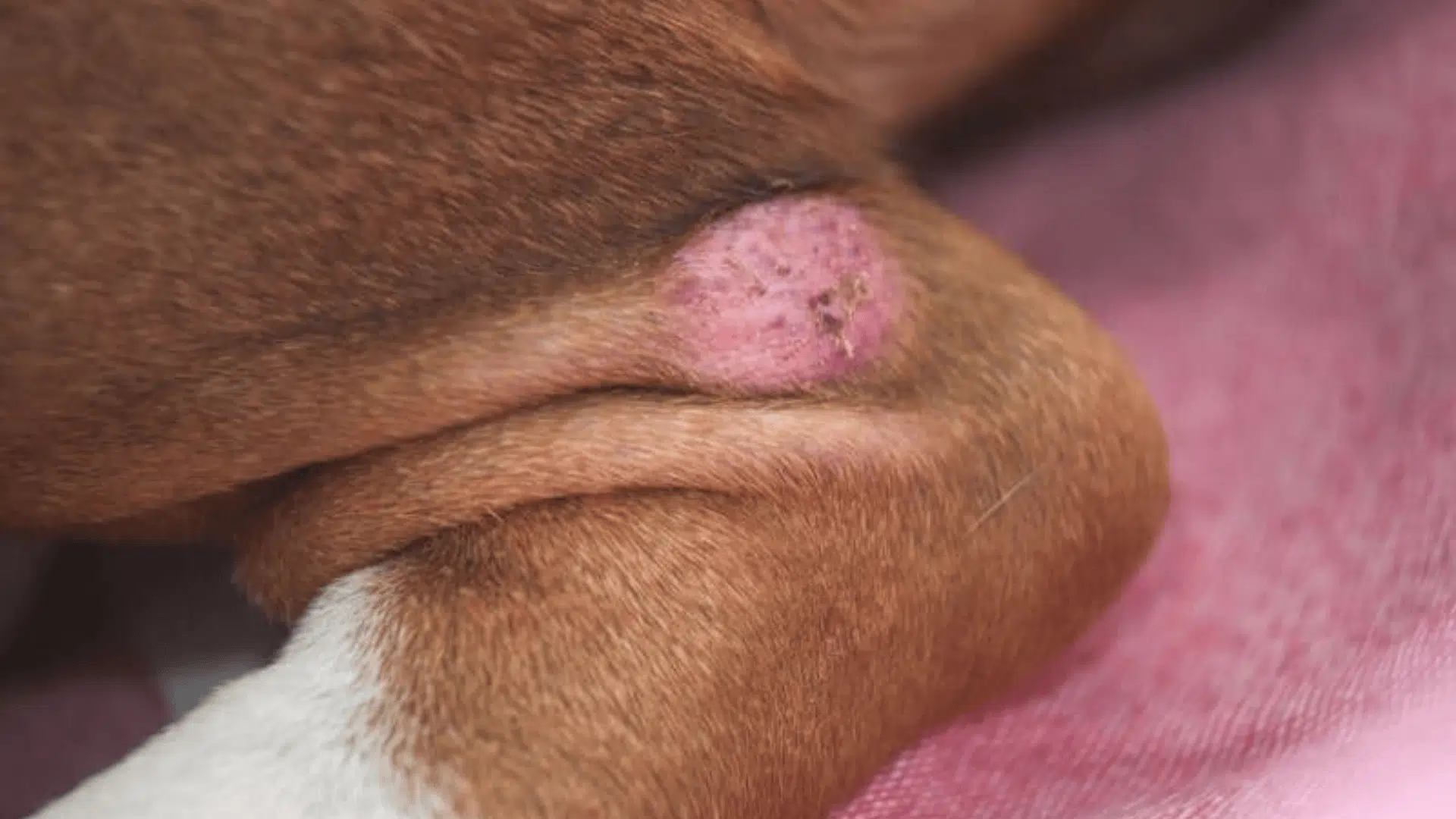
Cysts are fluid-filled sacs that form when hair follicles or sebaceous glands become blocked. These lumps can appear suddenly and vary in size, sometimes growing quickly if left untreated.
Cysts may be firm or soft to the touch and often become infected, causing redness, swelling, and warmth around the lump.
While they aren’t always dangerous, they can be uncomfortable for your dog and may require drainage or removal if they grow too large or cause ongoing irritation.
3. Infections
Infections caused by injuries, bites, or scratches can lead to abscesses, which are painful lumps filled with pus.
These lumps can develop quickly, often within hours after the injury or infection occurs. The lump will be swollen, warm, and may be tender to the touch.
If the infection is left untreated, the abscess can grow rapidly, becoming more painful or even rupturing.
4. Allergic Reactions
Dogs can develop lumps due to allergic reactions to food or environmental allergens. These lumps often appear suddenly, particularly after exposure to the allergen.
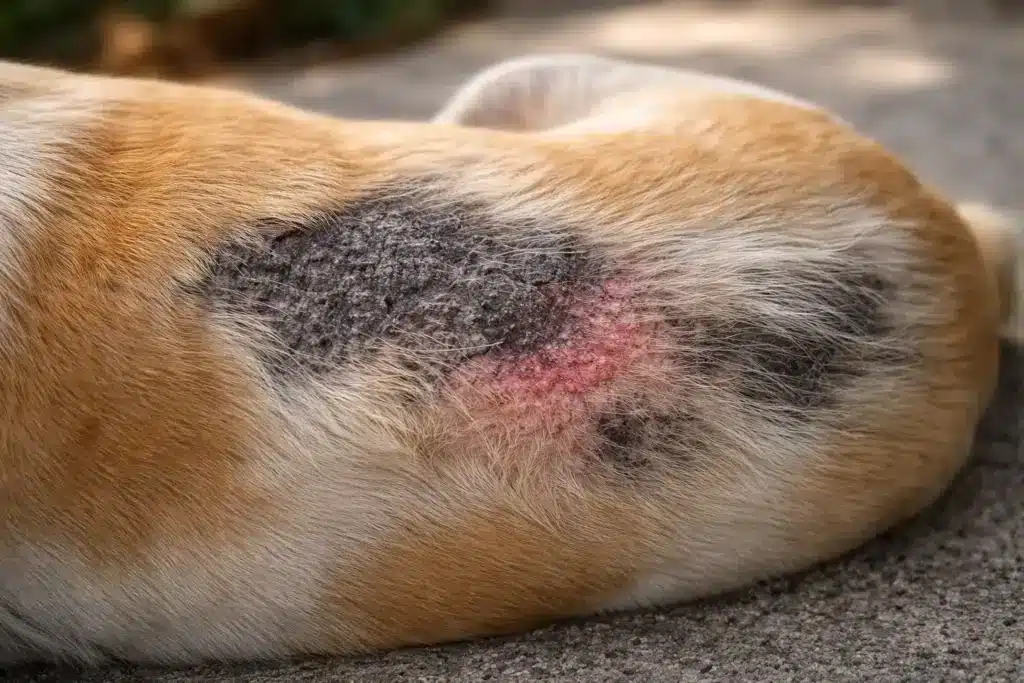
They tend to be red, swollen, and itchy, and your dog may scratch or lick the area frequently. The size of the lump may fluctuate depending on the severity of the allergic reaction.
Treatment usually involves removing the allergen and, in some cases, administering antihistamines or steroids to reduce swelling.
5. Insect Bites or Stings
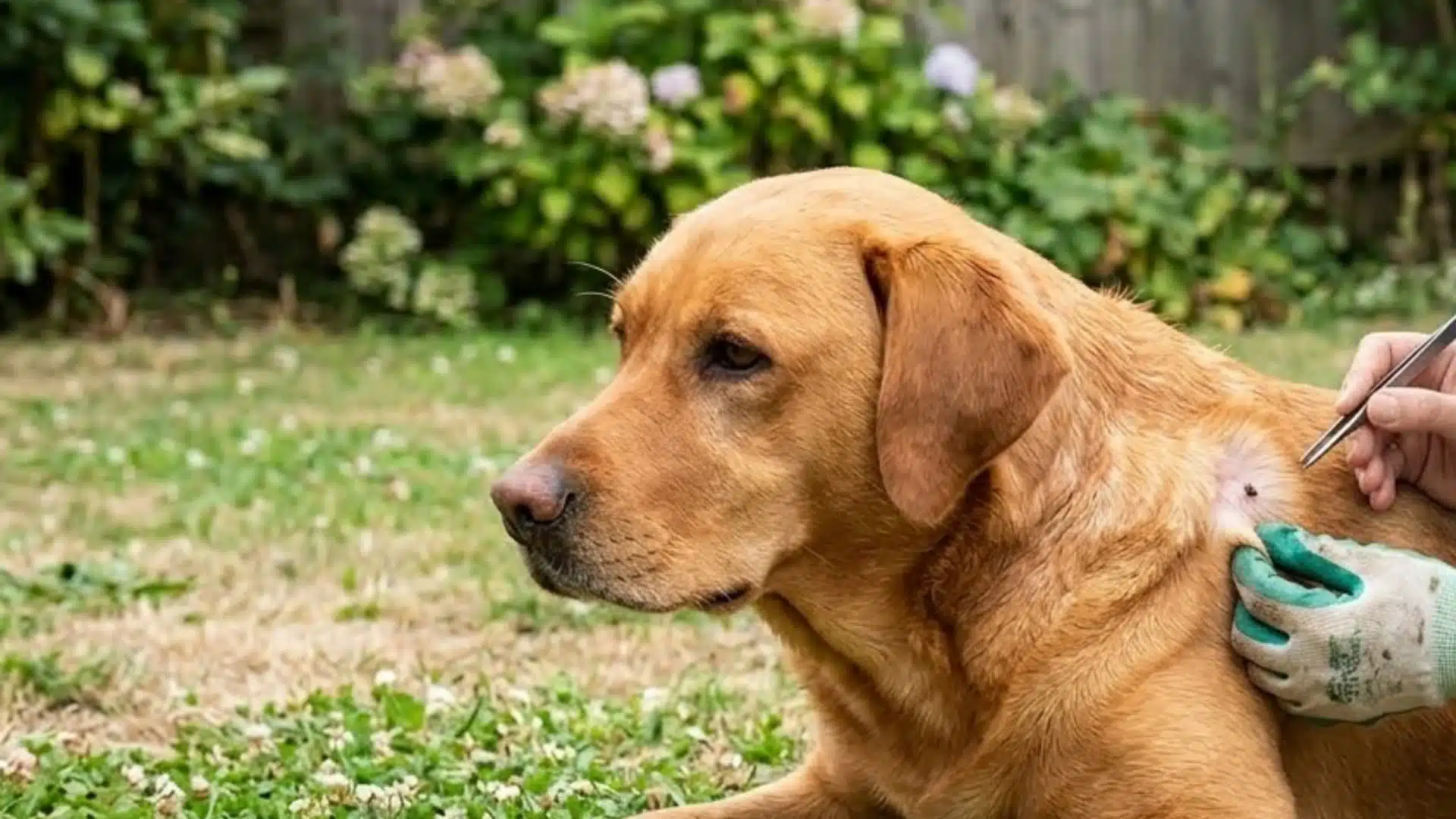
Lumps from insect bites or stings, such as from bees or ants, can appear rapidly, often within minutes of the bite. These lumps are typically swollen, red, and painful to the touch.
While they usually shrink and resolve on their own within a few days, they can become larger if your dog has an allergic reaction to the insect venom.
Severe reactions may require veterinary care, especially if the lump doesn’t go away or your dog shows signs of distress.
Warning Signs That Need Immediate Attention

If you notice any changes in your dog’s lumps, it might indicate a more serious issue. Here are some warning signs that require immediate veterinary attention:
- Rapid growth: If a lump grows quickly, it could be a sign of an aggressive tumor or infection that needs to be addressed right away.
- Changes in color or texture: Lumps that change color, turn red, or develop an unusual texture may indicate infection or cancer.
- Pain or discomfort: If your dog seems in pain, shows tenderness, or avoids touching the lump, it could indicate a more serious issue, such as an abscess or tumor.
- Multiple lumps appearing at once: If several lumps appear suddenly or over a short period, it could be a sign of a systemic issue, such as an infection or an immune response.
- Loss of appetite: A sudden decrease in appetite, especially if accompanied by lumps, could indicate that the lumps are affecting your dog’s overall health, possibly due to pain or infection.
Treatment Options Based on Lump Type
The treatment your dog needs depends on the type of lump and its underlying cause. Here’s a breakdown of common treatment options based on lump type:
1. Surgical Removal
Surgical removal is often the go-to treatment when a lump is large, growing rapidly, or suspected to be malignant.
This allows the vet to completely remove the lump, ensuring that it doesn’t cause further issues. After surgery, the tissue is typically sent for biopsy to check if it’s cancerous.
Recovery time varies, but most dogs heal relatively quickly, especially if the lump was benign and the procedure went smoothly.
2. Drainage
Lumps caused by abscesses or infections may need drainage. The vet will make a small incision in the lump to drain out the pus and relieve pressure.
This helps with pain relief and reduces the risk of further infection. After the procedure, your dog may need antibiotics to ensure the infection is fully cleared.
The area should be kept clean and monitored for any signs of additional swelling or complications.
3. Medications
If the lump is caused by an infection, inflammation, or an allergic reaction, medications like antibiotics or steroids may be prescribed.
Antibiotics will help combat any infections, while steroids can reduce swelling and discomfort. In the case of allergic reactions, antihistamines might be used to manage symptoms.
The length of medication will depend on the severity of the lump and its underlying cause, and your vet will guide you on the appropriate course of treatment.
4. Monitoring
In some cases, the lump may not require immediate treatment if it is benign or not causing discomfort.
If the lump isn’t growing or affecting your dog’s health, the vet may recommend monitoring it over time. You’ll be advised to check the lump regularly for any changes in size, shape, or texture.
If you notice any alterations, it’s important to have your vet reassess it. Regular checkups will ensure that any issues are caught early.
How Do Vets Diagnose These Lumps?
When you bring your dog to the vet for a lump, they’ll start with a physical examination to assess its size, shape, and texture.
Based on their findings, they may perform a fine-needle aspiration, in which a small needle is used to collect a sample of the lump’s cells.
This helps the vet identify if the lump is benign or malignant. In some cases, a biopsy may be recommended, in which a larger tissue sample is taken for more detailed analysis.
If needed, imaging techniques such as X-rays or ultrasound may be used to determine whether the lump is affecting nearby structures or organs.
These diagnostic methods help the vet make an accurate diagnosis and choose the best course of treatment, ensuring your dog receives the right care.
Essential Steps to Prevent Future Lumps
While it’s not always possible to prevent lumps from forming, keeping your dog healthy and maintaining good habits can help minimize the risk. Here are some tips to help:
- Regular vet check-ups: Visits to the vet allow early detection of lumps or other health issues, making treatment easier if needed.
- Healthy diet: Feeding your dog a balanced diet rich in essential nutrients can boost their immune system and help maintain healthy skin.
- Exercise: Consistent physical activity can help your dog maintain a healthy weight and prevent obesity-related lumps like fatty tumors.
- Proper grooming: Regular grooming helps detect lumps early and keeps your dog’s skin free from infections or irritation that could lead to cysts or abscesses.
- Avoid insect stings: Preventing exposure to insects, especially if your dog has allergic reactions, can reduce the risk of insect-bite lumps.
Conclusion
Finding sudden lumps on your dog under the skin can be concerning, but it’s important to remember that most lumps are harmless and not a cause for panic.
Many lumps, like fatty tumors or cysts, are common and non-threatening, though they should still be monitored for any changes.
However, some lumps can be signs of a more serious issue, which is why it’s essential to seek prompt veterinary care for an accurate diagnosis.
Keep an eye on your dog’s lumps, and don’t hesitate to schedule a vet visit if anything seems unusual. Being observant and proactive about your dog’s health can make a big difference in their well-being.
Have you ever noticed a lump on your dog? Let us know in the comments and share your experiences!