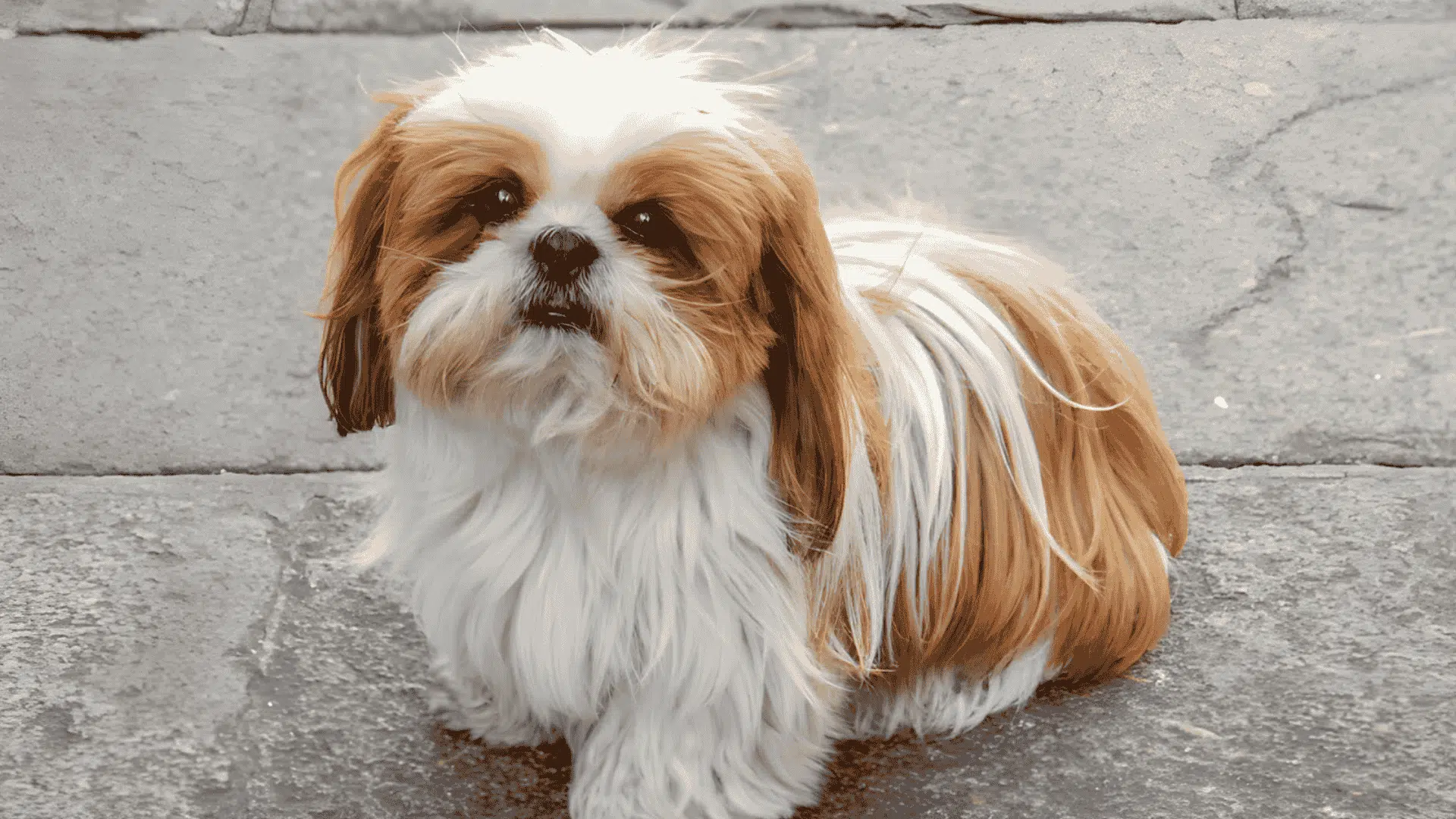
Shih Tzu colors have a quiet way of drawing people in, especially when a familiar coat slowly begins to look different over time.
What once felt predictable starts to feel more layered as the dog grows.
The coat that once appeared bold may grow lighter, or gentle patterns may slowly emerge as the dog matures, creating a sense of change that feels natural and meaningful.
This transformation often feels unexpected, yet deeply fascinating to watch over time.
Shih Tzu coat colors are shaped by genetics, coat growth, and natural development, making each stage feel special in its own way.
The long, flowing fur reflects light differently as it grows, adding depth and variation that was not noticeable before, turning simple color into something that feels personal and ever-evolving.
Do Shih Tzu Colors Change as They Grow?
Yes, Shih Tzu colors do change over time, and this is a normal part of the coat development.
Many Shih Tzu puppies are born with darker, richer, or more defined shades that do not always stay the same into adulthood.
As the puppy grows, the coat often begins to look lighter or more blended. These changes usually start between 6 months and 1 year of age.
During this stage, owners may notice shifts around the face, ears, or back first. The color transition does not happen all at once.
Instead, it occurs gradually as the coat grows longer and fuller. For most Shih Tzus, coat colors continue to settle and become more consistent by the time they reach two to three years old.
By adulthood, the overall appearance becomes more stable, even if subtle changes still appear with grooming.
Why Shih Tzu Colors Change Over Time?
Shih Tzu coat colors often change as part of the breed’s natural coat development. These changes can appear slowly and may surprise owners, especially during the first few years.
- Genetic Factors: Inherited color genes can cause it to fade, darken, or blend as the coat matures.
- Puppy to Adult Coat Transition: The soft puppy coat is replaced by a thicker adult coat, which often shows color differently.
- Sun Exposure: Regular sunlight can naturally lighten certain areas of the coat over time.
- Grooming and Coat Length: Trimming, brushing, and coat length affect how light reflects, changing how colors appear.
- Overall Coat Health: Nutrition, hormones, and skin condition influence how evenly and clearly colors show as the dog ages.
Most Common Shih Tzu Colors
Shih Tzus are known for their wide range of beautiful colours, and understanding the most common Shih Tzu colors helps owners recognize what to expect as their dog grows.
1. Black
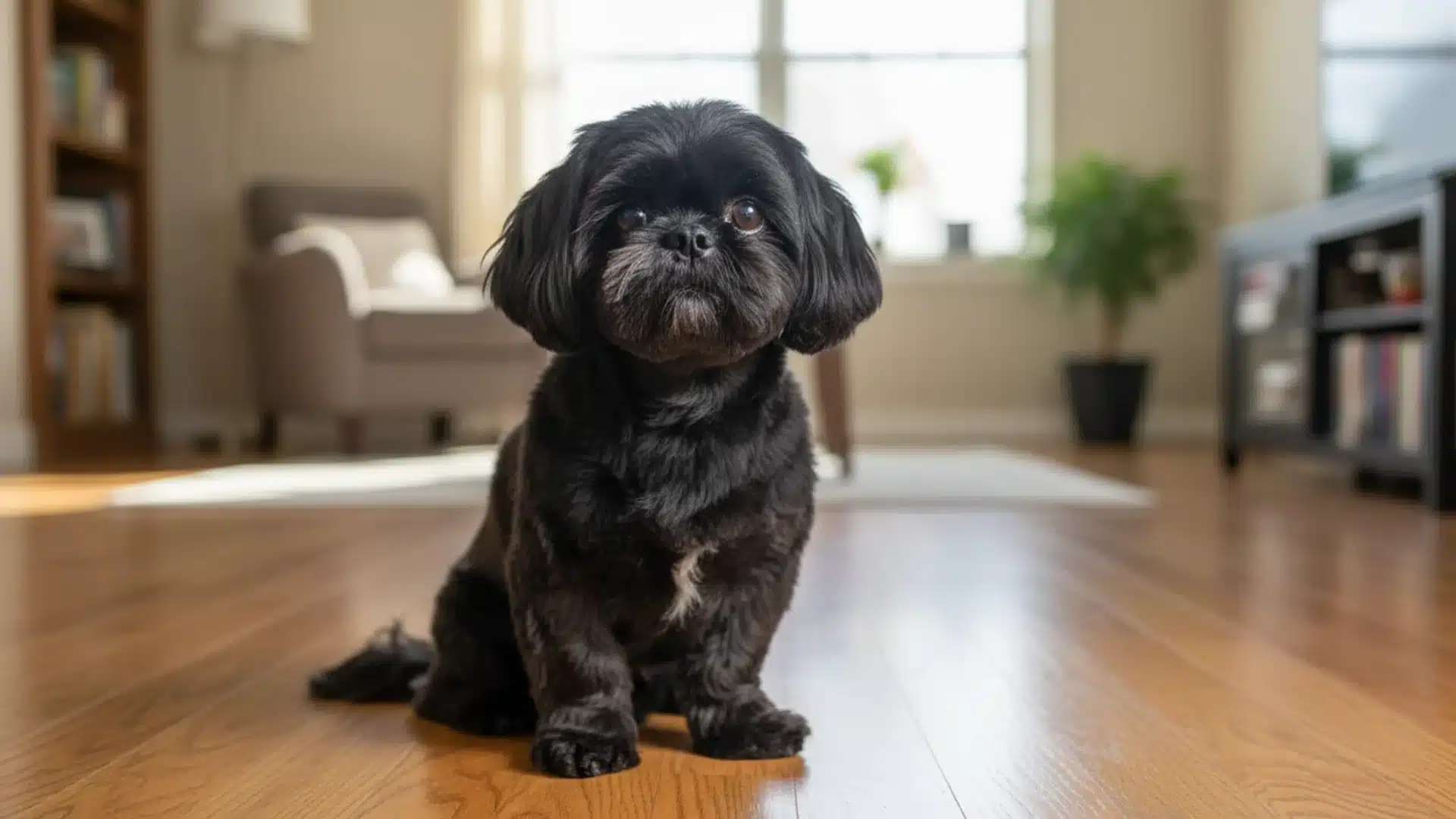
Black Shih Tzu puppies usually have a deep, glossy coat that looks rich and solid during the early months.
As the dog grows, the color may stay dark or slowly soften into a charcoal shade. Some black coats also develop lighter strands with age.
This solid black colour is often considered rare among Shih Tzus, and puppies with black coats typically range in price from $1,000 to $1,500, depending on breeder reputation and lineage.
2. White
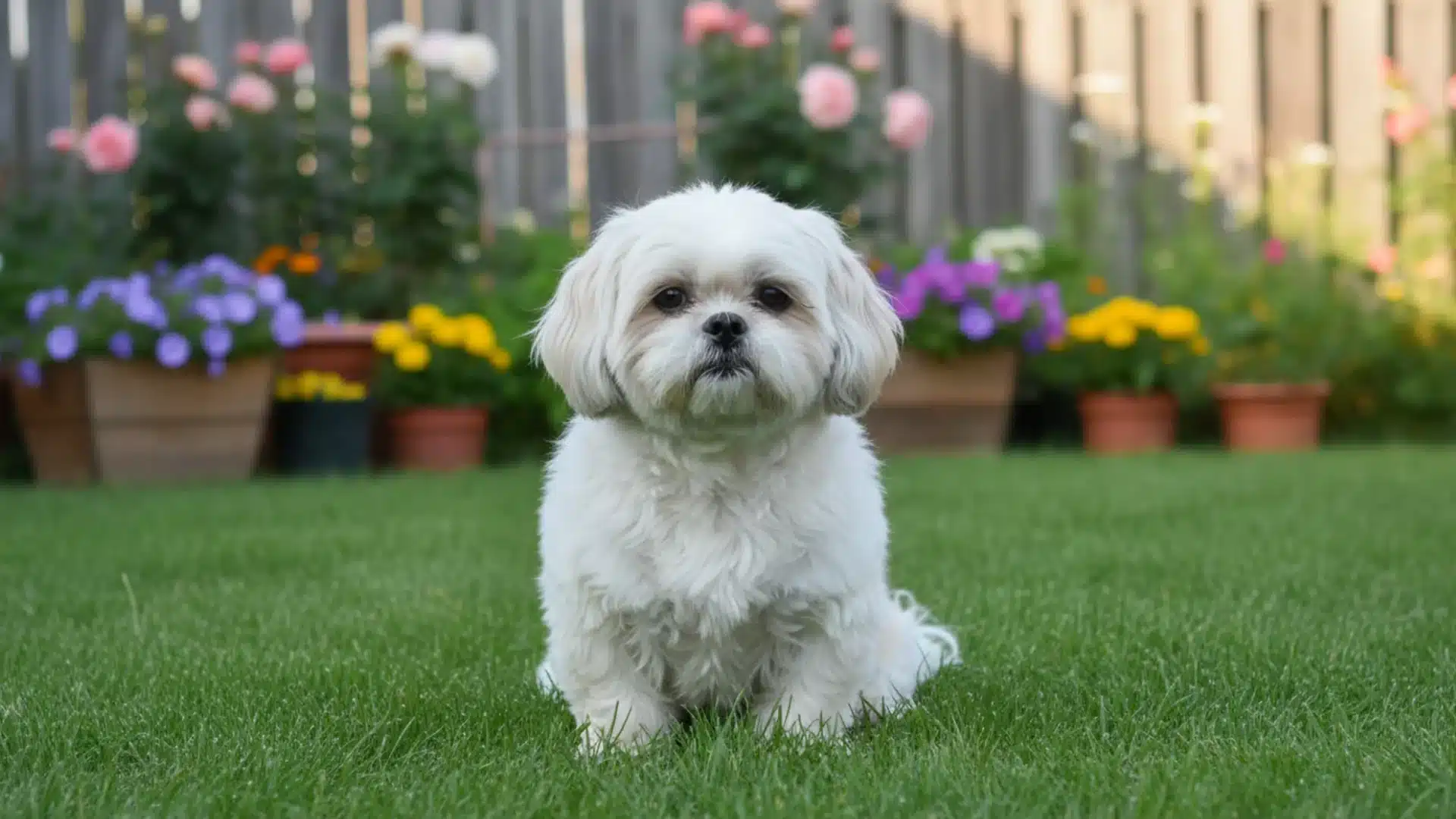
White Shih Tzu puppies appear bright and fluffy, often with a clean and soft-looking coat.
This color usually remains consistent as the dog grows, although some coats may develop light cream tones over time.
White coats can also appear brighter after grooming because the long hair reflects light easily. Their price usually falls between $500 and $3,000 based on breeder quality.
3. Gold
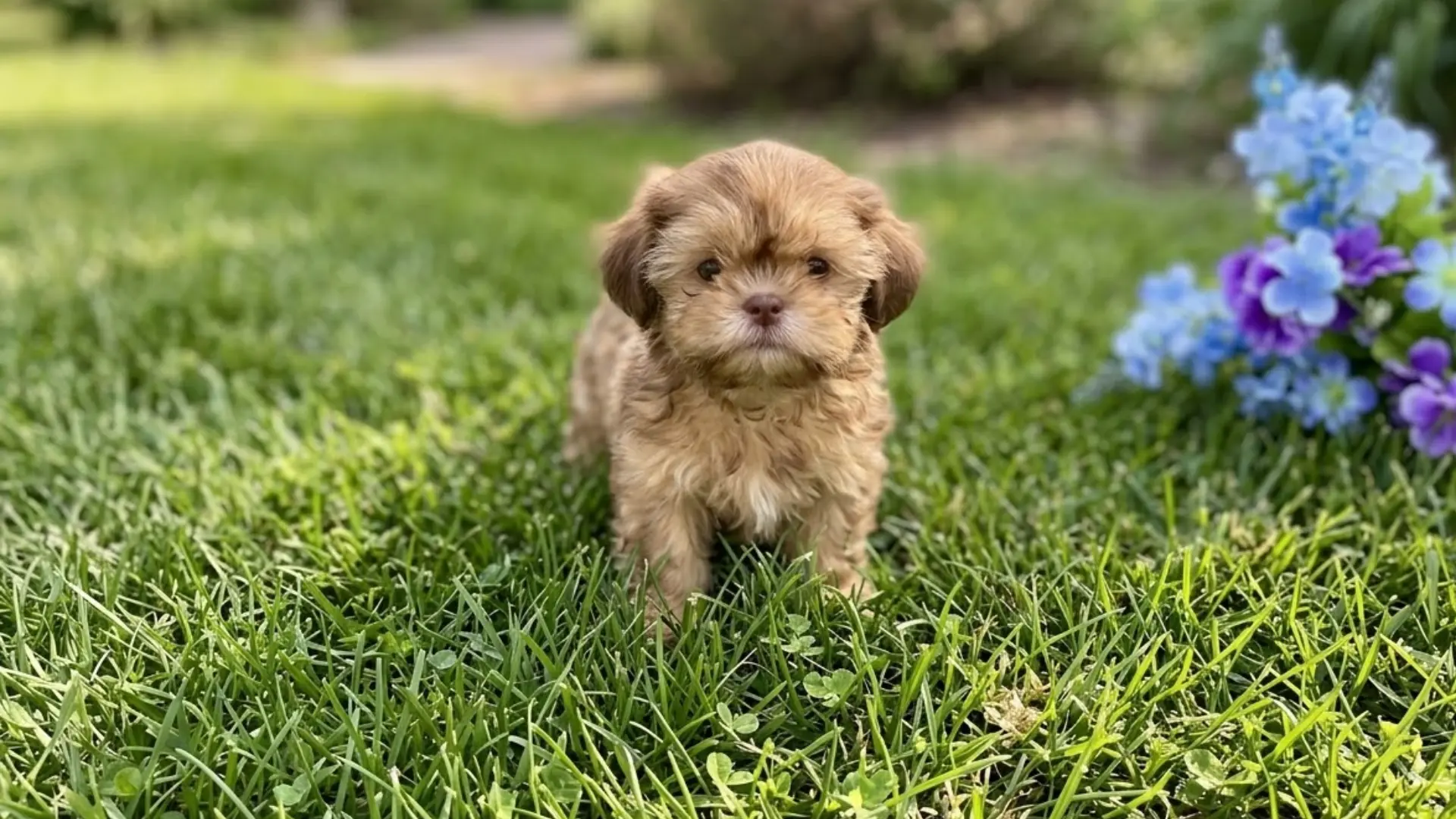
Puppies often start with a deeper golden tone that gradually becomes lighter as the coat matures.
Some dogs develop soft cream shades while others keep a warm golden appearance. Gold coats tend to look richer when the hair grows longer.
This popular color typically comes with a price range of $1,000 to $3,000, depending on breeder and pedigree.
4. Red
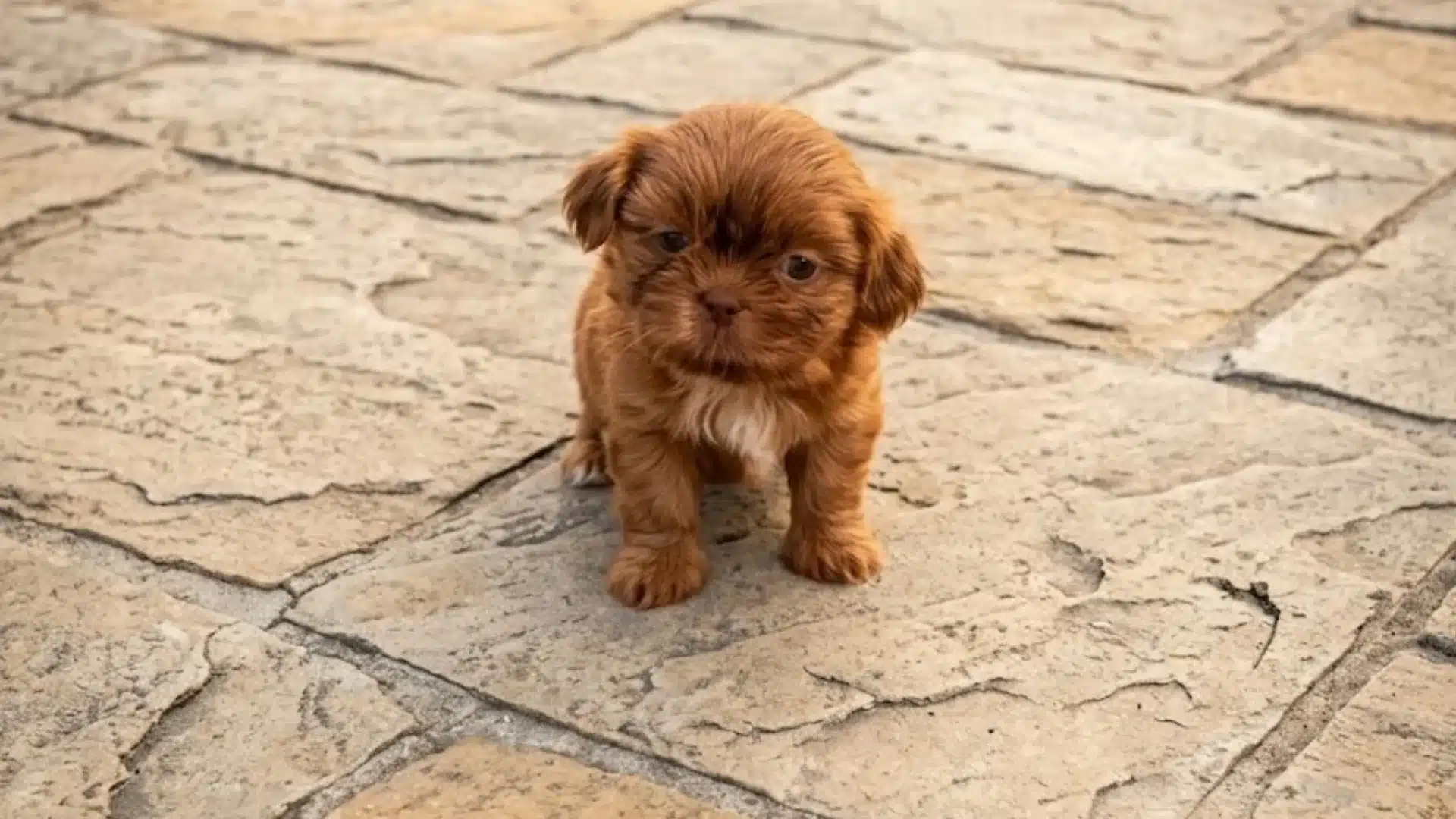
Red Shih Tzu puppies often appear with a rich reddish coat that stands out among common colors.
Over time, the shade may soften into a lighter red or golden tone as the dog matures. Grooming and coat length can also affect how vibrant the color looks.
Red coats are attractive and moderately common in the breed. Prices for red Shih Tzu puppies typically range from $500 to $3,000.
5. Gold and White
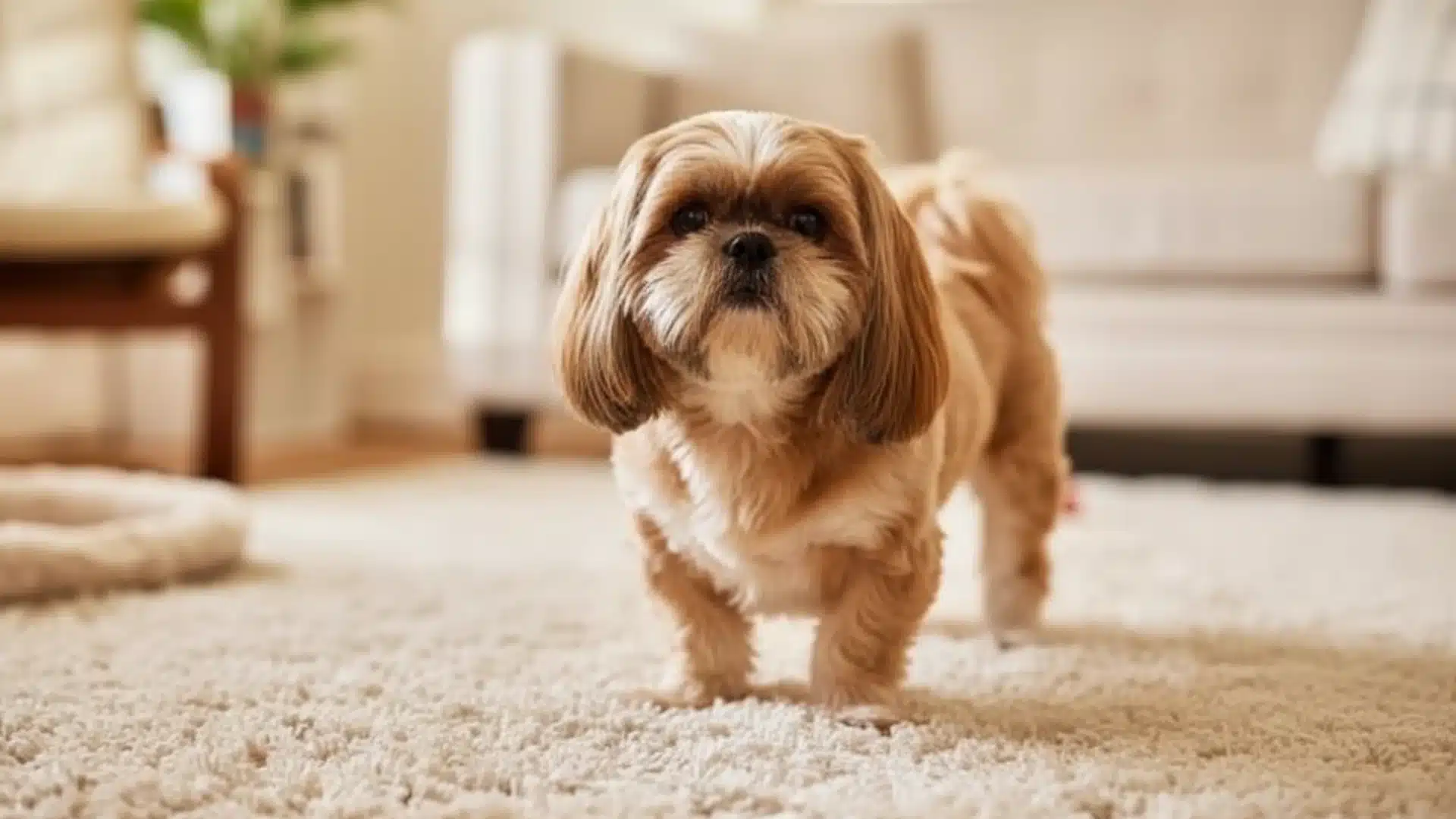
Gold and white Shih Tzu puppies usually have a balanced mix of warm golden patches and bright white fur. These markings often appear clearly on the face, back, and ears.
As the dog grows, the golden shade may lighten slightly while the white areas stay bright.
Puppies with gold and white coats often cost between $500 and $3,000, depending on the breeder’s reputation.
6. Red and White
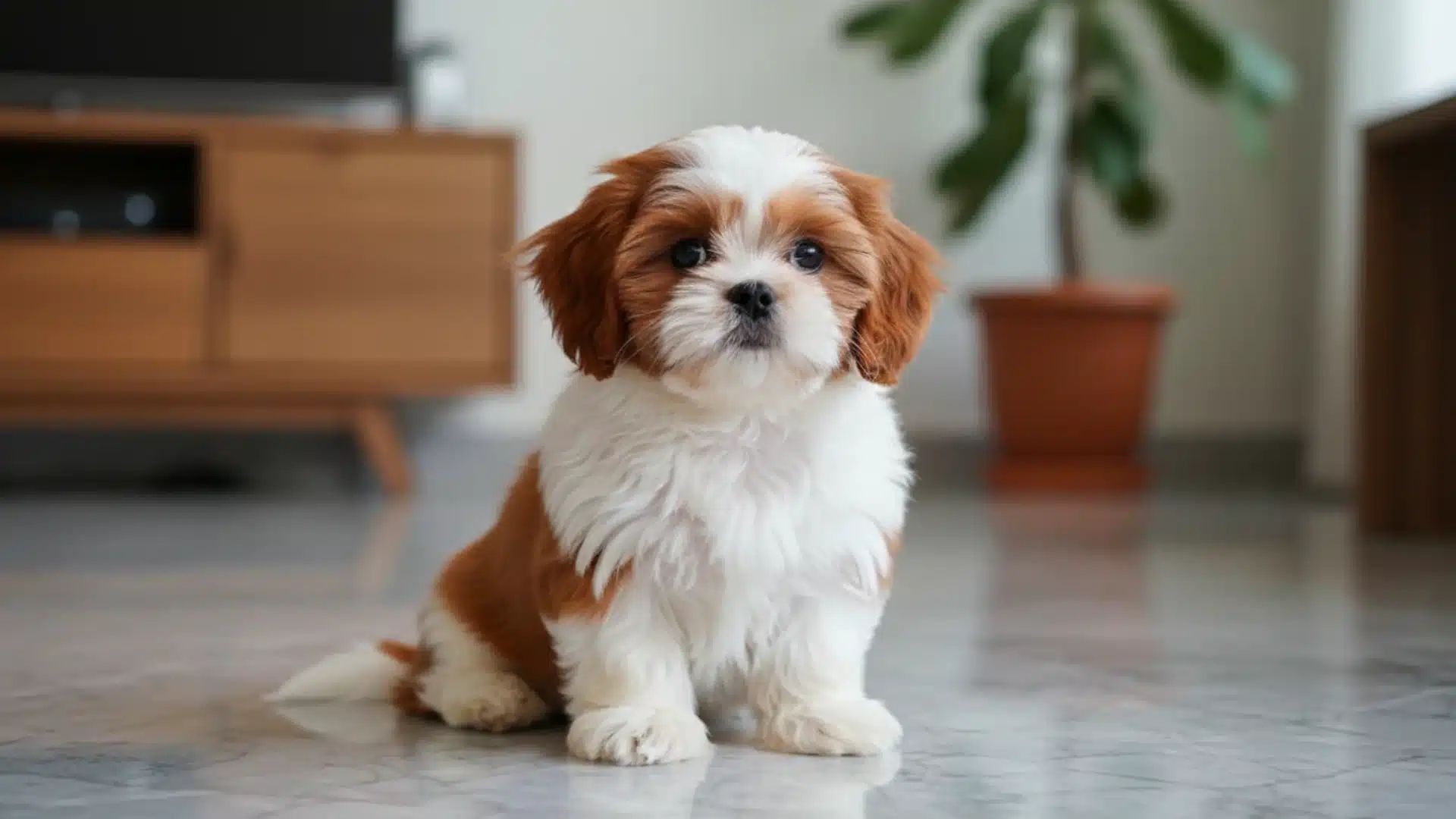
Red and white Shih Tzu puppies show a striking contrast between reddish patches and soft white areas.
The red tone may start darker during puppyhood and slowly become lighter as the coat matures. Markings may also look different after grooming because coat length affects color visibility.
Puppies usually range in price from $600 to $2,000, depending on lineage and breeder quality.
Types of Shih Tzu Coat Colors
Shih Tzu colors come in a wide range of colors and patterns, where some coats appear solid at first glance, while others show clear color combinations that change as the dog grows.
1. Solid Shih Tzu Coats
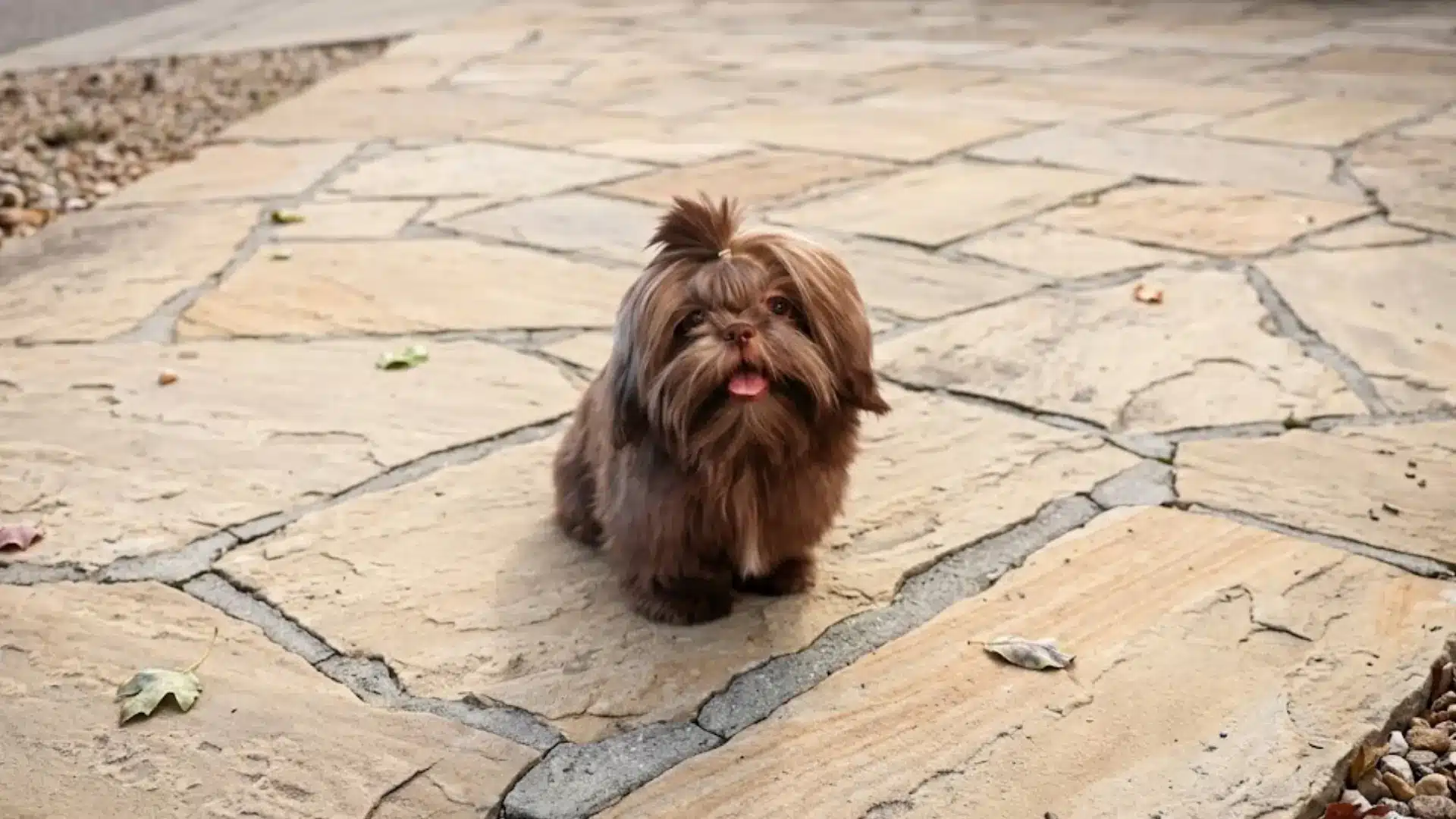
Even though these coats are called solid, many still have soft undertones or lighter areas that become more visible as the coat grows longer.
Solid Shih Tzu coat colors include shades like black, white, gold, or liver.
Puppies may appear darker at first, then slowly lighten with age. Grooming can also bring out hidden tones in the coat. Among many colors, solid coats are popular and widely available.
Price ranges for solid colored Shih Tzu puppies usually fall between $500 and $1,800, depending on breeder quality and lineage.
2. Bi-Color Shih Tzu Coats
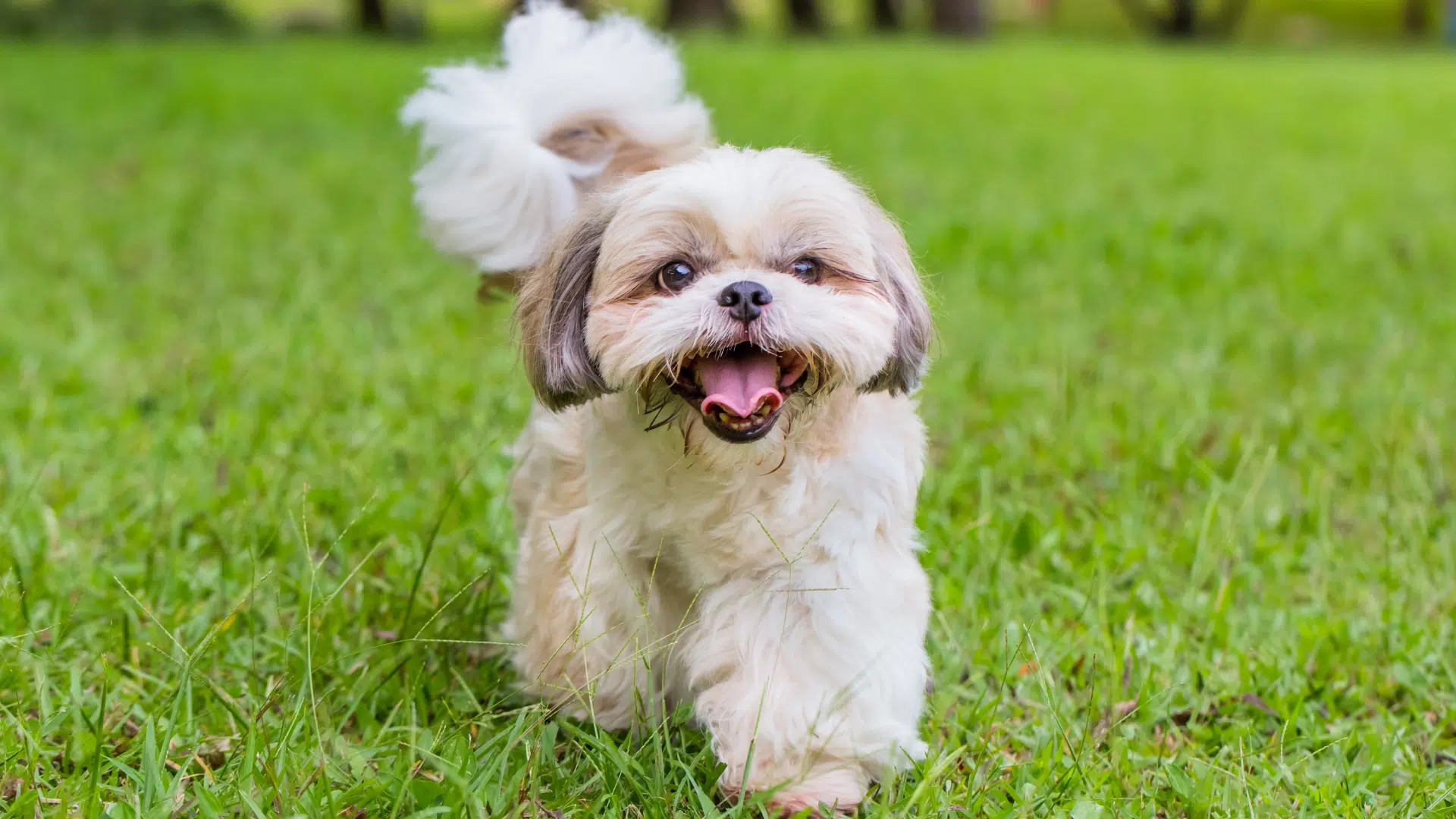
Bi-colored Shih Tzus have two clearly visible colors, most often white paired with black, gold, brown, or gray. These coats usually have defined markings on the face, ears, or back.
As the dog matures, markings may soften or spread, making the coat look slightly different from puppyhood. Some darker patches may fade over time.
Shih tzu colors in bicolor coats are very common and easy to recognize.
Puppies with bicolor coats typically cost between $1,000 and $2,500, based on markings and breeding standards.
3. Tri-Color Shih Tzu Coats
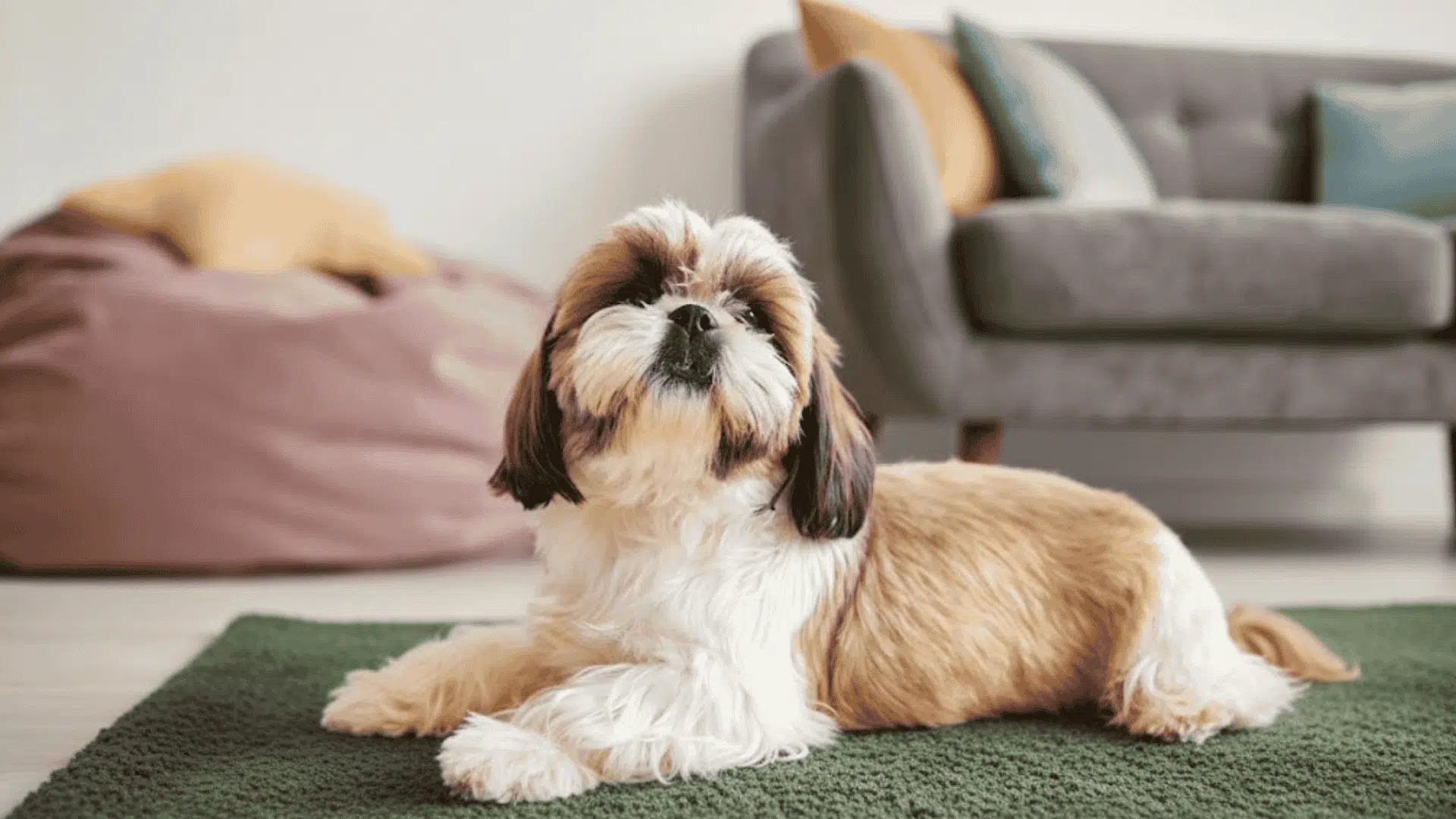
Tri-colored Shih Tzus display three colors, usually white combined with black and gold or brown.
These colors are often spread across the face, body, and legs in uneven patterns. Grooming plays a big role in how these coats look, since trimming can change how each color stands out.
As the coat grows back, colors may appear blended or softer. Among shih tzu colors, tri-color coats are eye-catching and slightly less common.
Price ranges for tri-colored Shih Tzu puppies often fall between $1,000 and $3,000, depending on pattern clarity.
Rare Shih Tzu Colors and What Makes Them Unique?
Rare Shih Tzu coat colors and patterns stand out because they are caused by specific genetic combinations that do not appear often.
A blue Shih Tzu is not truly blue but shows a diluted black shade caused by a dilution gene, giving the coat a soft gray or steel tone.
This color can look darker indoors and lighter in sunlight, sometimes with a silver shine.
Silver Shih Tzus have a cool gray coat that often starts darker in puppyhood and gradually lightens as the dog grows.
Chocolate Shih Tzus display a rich brown coat with matching brown noses and lighter eyes, which makes them easy to recognize.
Lavender and Isabella shades are even less common and are often confused with each other.
Lavender usually has a gray tone with a slight purple cast, while Isabella appears as a pale beige or soft gray-brown mix.
These colors are uncommon because they require both parents to carry rare dilution genes, making them harder to produce through responsible breeding.
Types of Shih Tzu Coat Patterns
Beyond basic shades, many Shih Tzus have distinct coat patterns that describe how Shih Tzu colors are placed on the face and body rather than the colors themselves.
1. Mask Patterns
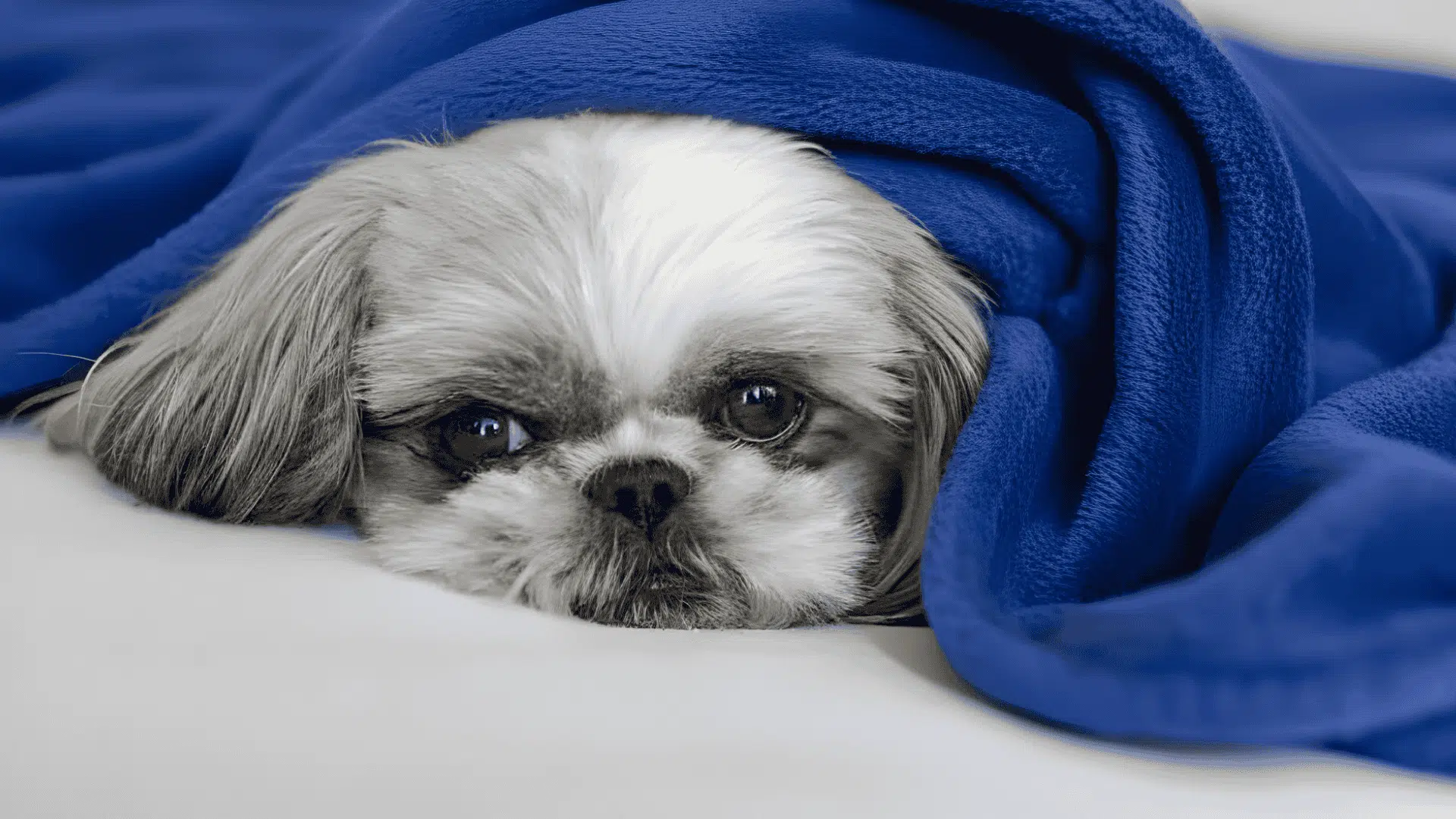
Mask patterns appear when darker Shih Tzu colors cover parts of the face, usually around the eyes, ears, and muzzle. This creates a contrast against a lighter base coat.
Masks are most noticeable in puppies and may fade or blend as the dog grows. Some masks stay bold, while others soften with age and grooming.
Coat length also affects how sharp the mask appears, and these are popular among buyers.
2. Blaze Markings
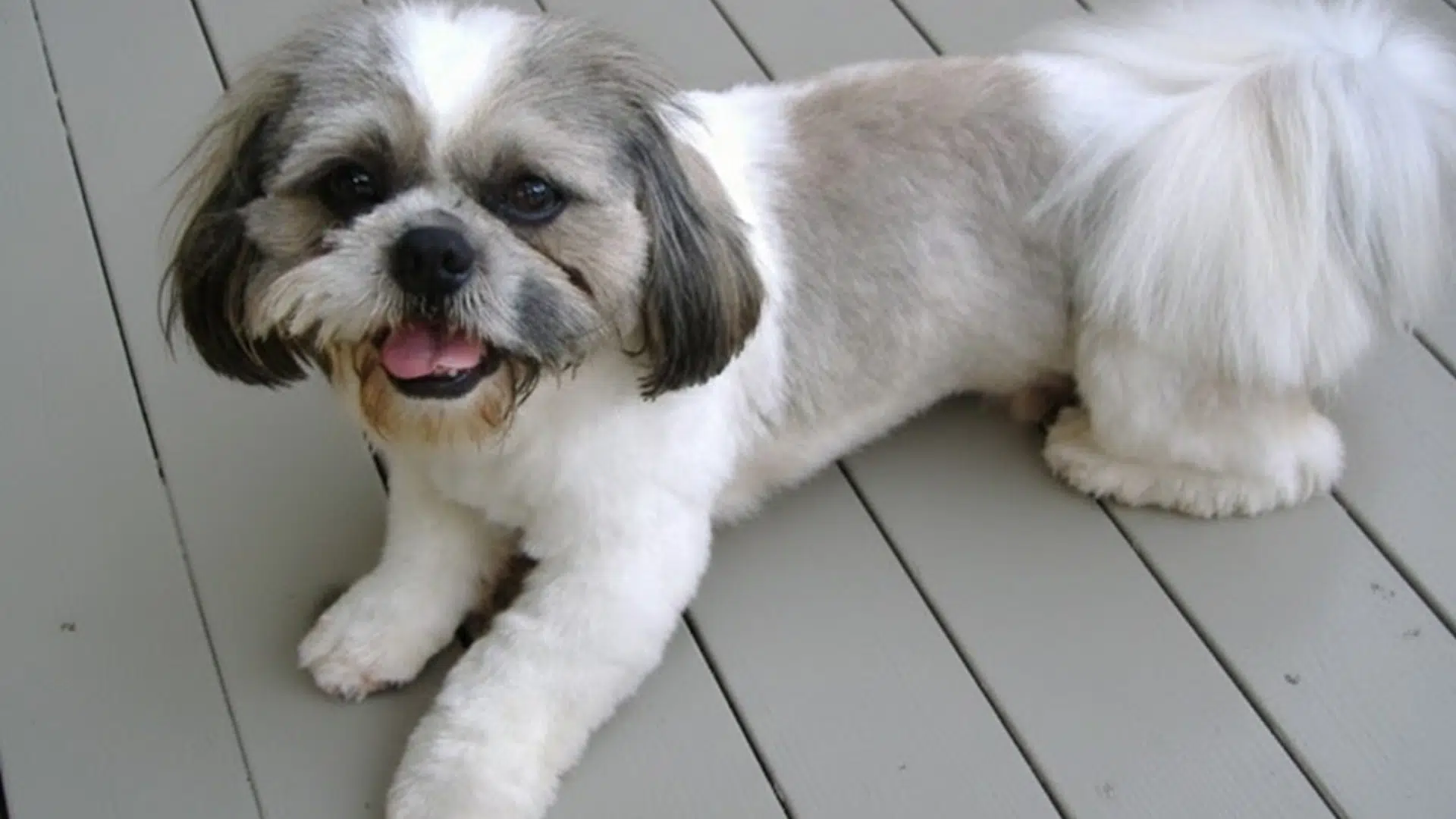
Blaze markings are identified by a lighter stripe running down the center of the face, often starting at the forehead and reaching the nose.
This marking creates a clean, eye-catching look and is commonly paired with darker colors on the rest of the face.
Blaze markings can become more noticeable as the coat grows longer, though grooming can change their appearance. Over time, the blaze may widen or soften slightly.
3. Tuxedo Style Coats
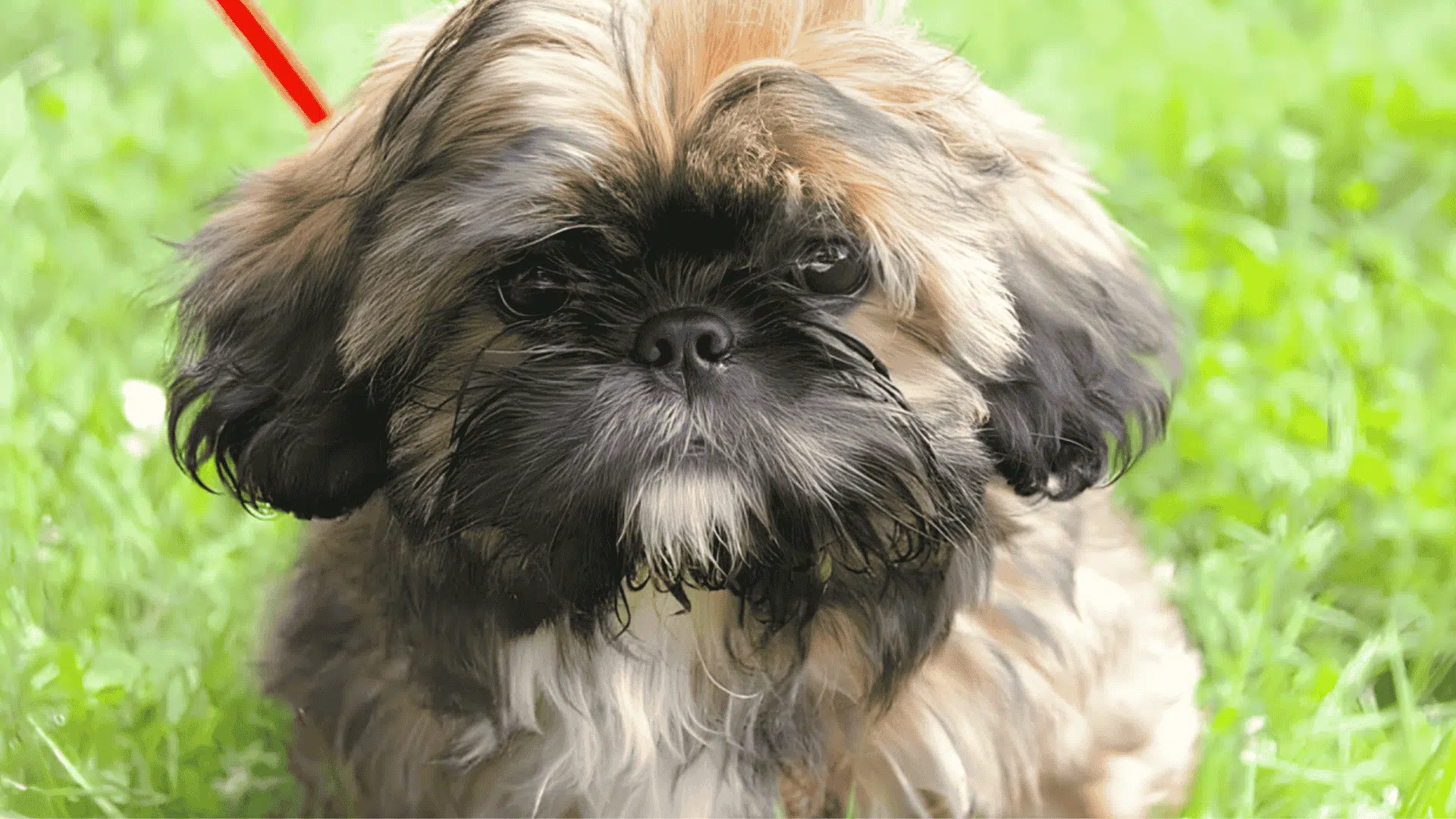
Tuxedo-style coats feature a darker main coat with lighter shih tzu colors on the chest, chin, or paws, creating a dressed-up look.
This pattern often becomes more visible as the coat matures and fills out. Grooming plays a strong role in defining the contrast between light and dark areas.
Some tuxedo patterns stay sharp, while others blend slightly with age.
Does Coat Color Affect Shih Tzu Health?
Coat color does not directly affect a Shih Tzu’s health, and no shade is naturally healthier than another color.
A dog’s well-being depends more on genetics, care, and breeding practices than appearance. Some myths suggest rare colors are linked to health problems, but color alone is not the cause.
Issues arise when breeders focus on producing specific shades without proper health screening.
Poor breeding choices can increase the risk of eye, skin, or joint problems, regardless of coat color. Ethical breeding plays a key role in maintaining healthy Shih Tzus.
Responsible breeders test parent dogs, prioritize strong bloodlines, and avoid breeding solely for looks. When bred correctly, Shih Tzus of any color can live healthy lives.
Choosing a puppy based on breeder standards and overall condition matters far more than choosing one based on coat shade.
Factors That Can Change the Way Shih Tzu Colors Look
Grooming plays a major role in how Shih Tzu coat colors appear. Even when the actual color stays the same, grooming choices can make the coat look lighter, darker, or more defined.
- Regular Grooming and Shine: Frequent brushing removes dull hair and improves shine, which helps colors look clearer and more even.
- Bathing Products Used: Shampoos and conditioners can slightly affect tone, especially in lighter or mixed colored coats.
- Matting and Coat Texture: Matted or tangled hair can hide true color and make the coat look uneven or darker.
- Professional Grooming Styles: Different cuts change how light hits the coat, which can alter how colors and patterns are seen.
- Coat Length and Color Depth: Longer coats often make colors look softer and lighter, while shorter trims can make shades appear deeper and more noticeable.
Conclusion
Shih Tzu colors naturally change over time, and this is a normal part of the coat development.
Many owners are surprised when puppy shades soften, blend, or shift as the coat matures, but these changes are expected and healthy.
With such a wide variety of shades and patterns, no two Shih Tzus look exactly alike.
Each coat tells its own story as it evolves through different stages of growth and grooming.
Instead of focusing only on puppy color, appreciating how the coat develops over time helps create realistic expectations.
Have you noticed color changes in your Shih Tzu or seen an unusual coat pattern? Share your experience or thoughts in the comments and join the conversation with other dog lovers.