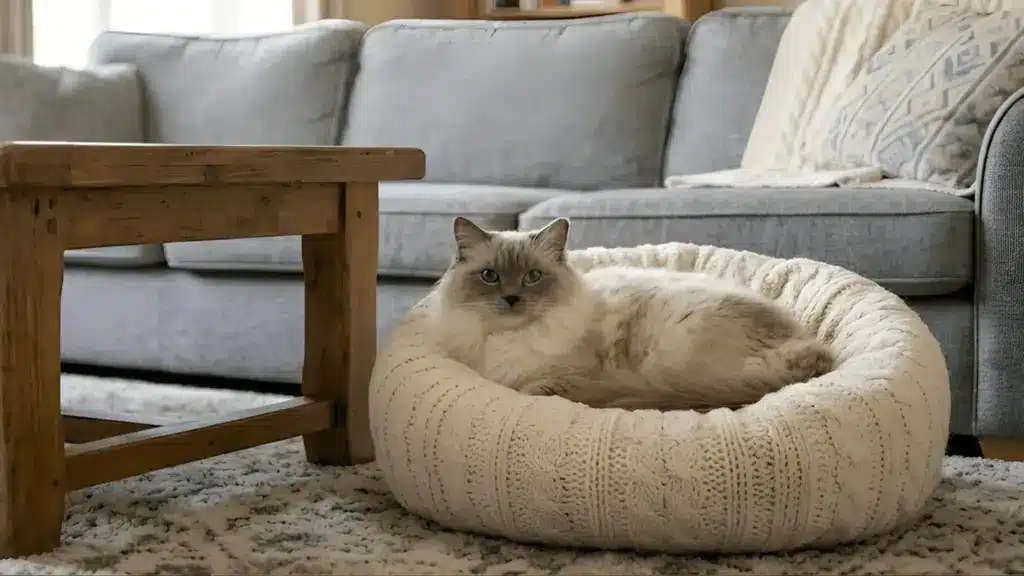
A pair of striking blue eyes follows every step, a soft body flops into waiting arms, and suddenly the house feels different.
Ragdolls have a quiet way of becoming the center of daily life without ever demanding attention.
That deep attachment naturally leads to one pressing question: how long will this gentle companion be around?
The ragdoll cat’s lifespan is often discussed, yet answers online can feel inconsistent.
Some sources list broad averages, while owner stories reveal much wider ranges shaped by health, genetics, and care.
Understanding what truly influences longevity goes beyond a simple number. Factors such as heart health, diet, weight control, and routine veterinary visits all play a role in shaping those years.
For anyone considering this breed or already sharing life with one, knowing what to expect helps set realistic goals and encourages responsible care from kittenhood through the senior stage.
What is the Average Ragdoll Cat Lifespan?
The average lifespan of a ragdoll cat is typically 12 to 17 years.
Many well-cared-for indoor Ragdolls commonly live around 14 to 15 years, and some even reach 18 years or more with excellent care and favorable genetics.
Most indoor Ragdolls tend to live toward the higher end of that range. Living indoors reduces risks such as traffic accidents, infections, parasites, and injuries from other animals.
Indoor cats also benefit from regular feeding schedules, controlled nutrition, and consistent medical checkups, all of which support a longer lifespan.
When compared to other domestic cats, the ragdoll cat’s lifespan is similar to the general house cat’s average, which is typically 12 to 16 years.
Signs of Aging in Ragdoll Cats
As Ragdolls enter their senior years, subtle physical and behavioral changes begin to appear. Recognizing these signs early helps owners adjust care and maintain comfort.
- Changes in Energy Levels: Older Ragdolls often sleep more and show less interest in active play. Slower movement and longer rest periods are common.
- Appetite and Weight Shifts: Metabolism changes with age. Some cats gain weight due to reduced activity, while others may lose weight from dental or health issues.
- Coat and Grooming Changes: The coat may appear less glossy, and self-grooming can decrease. Stiff joints or dental discomfort may contribute to reduced grooming habits.
- Litter Box Habit Changes: Increased urination, difficulty using the litter box, or accidents outside the box may signal kidney problems, arthritis, or other medical concerns.
- Behavior and Mood Changes: Senior cats may become more vocal, clingy, withdrawn, or sensitive to changes in routine. Cognitive decline can also lead to confusion or altered sleep patterns.
Key Factors that Affect Ragdoll Cat Lifespan
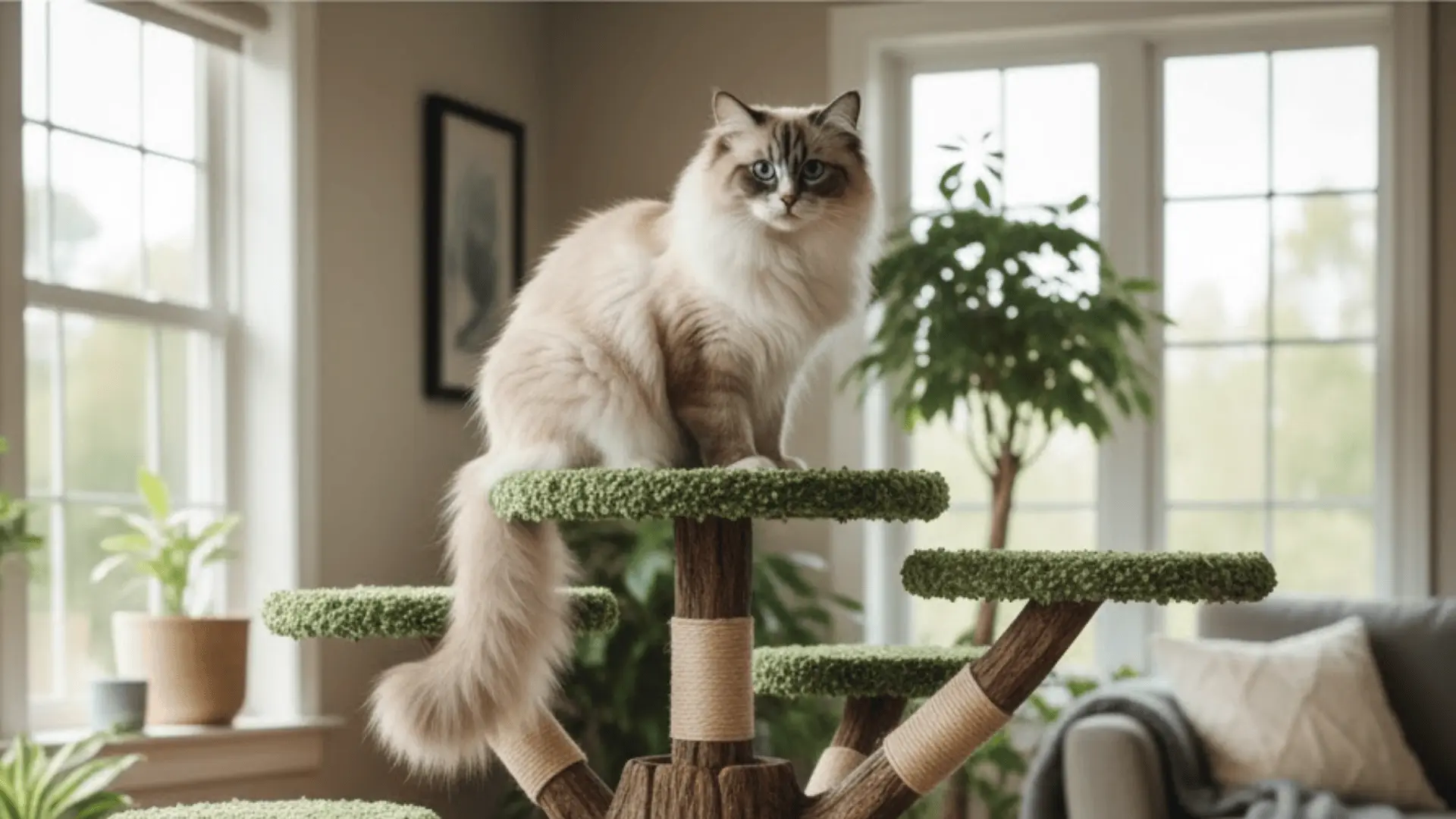
Several important factors influence a ragdoll cat’s lifespan. Understanding these factors helps owners make informed decisions that support long-term health.
1. Genetics and Breeding Quality
Inherited traits play a major role in overall longevity. Ragdolls are prone to certain genetic conditions, including hypertrophic cardiomyopathy, a heart disease that can affect lifespan.
Responsible breeders screen parent cats for known hereditary issues and avoid breeding affected lines.
Choosing a kitten from health-tested parents can significantly reduce the risk of inherited disorders and support a longer, healthier life.
2. Diet and Nutritional Balance
Proper nutrition directly affects organ health, immune strength, and energy levels.
High-quality cat food with appropriate protein levels supports muscle maintenance and heart health. Consistent feeding routines also prevent digestive stress.
Over time, poor nutrition can contribute to obesity, diabetes, and kidney strain, all of which may reduce lifespan. Balanced meals appropriate for age and activity level are essential.
3. Weight Management
Obesity is one of the most common preventable health risks in domestic cats.
Excess weight places strain on the heart, joints, and internal organs. It also increases the risk of diabetes and mobility problems.
Maintaining a healthy body condition through portion control and regular monitoring can add years to a Ragdoll’s life and improve comfort during the senior stage.
4. Physical Activity and Play
Although Ragdolls are known for their relaxed temperament, they still require regular movement.
Interactive play helps maintain muscle tone, supports heart health, and prevents unhealthy weight gain.
Gentle daily activities also stimulate the mind and reduce boredom-related behavior issues. Even moderate exercise contributes to better long-term health outcomes.
5. Preventive Veterinary Care
Routine veterinary visits help detect hidden health problems early.
Annual exams, dental checks, blood work, and heart screening can identify concerns before symptoms become severe.
Early treatment often improves outcomes and can extend lifespan. As Ragdolls age, more frequent monitoring becomes especially important.
6. Indoor vs Outdoor Life Differences
The living environment has a significant impact on longevity.
Indoor Ragdolls generally live longer because they are protected from traffic accidents, predators, infectious diseases, and harsh weather.
Outdoor access increases exposure to risks that can shorten life expectancy.
Most veterinarians recommend keeping Ragdolls indoors or providing supervised outdoor time in secure enclosures to promote safety and long term wellbeing.
Reddit Discussions: Ragdoll Cat Lifespan and Care Tips
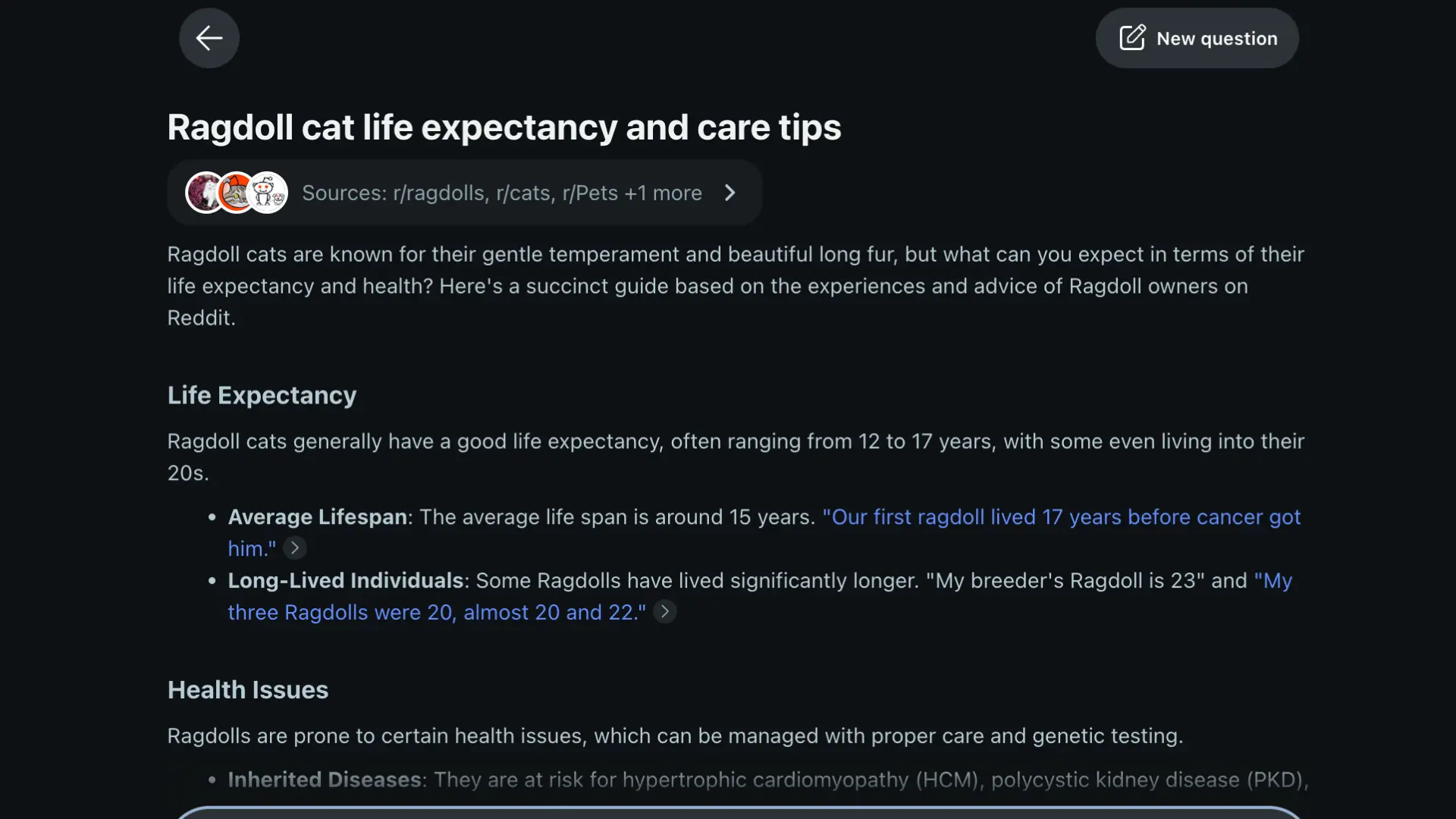
In this Reddit discussion, Ragdoll owners shared personal insights about life expectancy and practical care habits that support long-term health.
Many reported their cats living between 14 and 18 years, with some reaching their early twenties.
Contributors frequently mentioned the importance of indoor living, high-quality wet food, proper hydration, dental care, and routine veterinary visits.
Genetic testing for hypertrophic cardiomyopathy was also emphasized when choosing a breeder.
Overall, the conversation highlights that while ragdoll cat life expectancy varies, attentive daily care and early medical screening can significantly improve both longevity and quality of life.
How to Support a Longer Ragdoll Cat Lifespan?
Supporting a longer lifespan for ragdoll cats begins with creating a safe indoor environment.
Indoor living greatly reduces exposure to traffic accidents, predators, infectious diseases, and harsh weather conditions.
Adding climbing trees, scratching posts, and interactive toys keeps indoor cats mentally stimulated while protecting their physical safety.
Maintaining a consistent feeding schedule is equally important. Offer balanced, age-appropriate nutrition in measured portions to prevent obesity.
Regularly monitor body condition and adjust food amounts as activity levels change. Sudden weight gain or loss should always be discussed with a veterinarian.
Routine health screenings also play a major role in longevity. Annual exams help detect silent issues early.
Common Health Issues in Ragdoll Cats
Ragdolls are generally healthy cats, but certain conditions appear more frequently in this breed. Early awareness and routine medical care can help protect both quality of life and overall lifespan.
- Hypertrophic Cardiomyopathy (HCM): A genetic heart condition that causes thickening of the heart muscle. Echocardiograms and genetic testing help identify risk.
- Kidney and Urinary Concerns: Kidney disease can develop as cats age, leading to increased thirst, changes in appetite, and weight loss. Urinary tract issues may also occur. Routine blood and urine tests help detect problems early.
- Dental Disease: Plaque and gum inflammation can progress into infection if untreated. Oral bacteria may affect other organs over time.
- Joint and Mobility Problems: Arthritis and stiffness are common in senior Ragdolls. Signs include reduced jumping and slower movement.
Conclusion
Ragdoll cat lifespan typically ranges from 12 to 17 years, with many living well into their mid to late teens when given proper care.
Genetics, nutrition, weight control, routine veterinary visits, and a safe indoor lifestyle all influence how those years unfold.
While numbers provide guidance, no chart can predict an individual cat’s future with certainty. Some Ragdolls remain playful at 17, while others may face health challenges earlier.
Setting realistic expectations helps owners focus on what truly matters: consistent care, early medical attention, and daily affection.
Quality of life should always be the priority, especially as cats enter their senior stage. Every Ragdoll has a unique story.
How old is yours, and what habits have helped maintain good health? Share your experience in the comments and join the conversation.