Your cat has been having loose stools for 2 weeks now, and despite trying everything from bland food to pumpkin puree, nothing seems to help.
The litter box visits are constant, the smell is getting worse, and you’re watching your feline friend slowly lose weight. If this sounds like you, you’re not alone.
Thousands of cat parents face this same confusing situation every year, and the culprit is often a microscopic parasite called Giardia.
Giardia in cats is more common than most owners realize, especially in kittens and households with multiple cats.
But the good news is that with prompt diagnosis and treatment, most cats recover completely.
I’ll explain the key symptoms to watch for and exactly how veterinarians diagnose this tricky parasite so you can get your cat back to their playful self.
What Is Giardia in Cats?
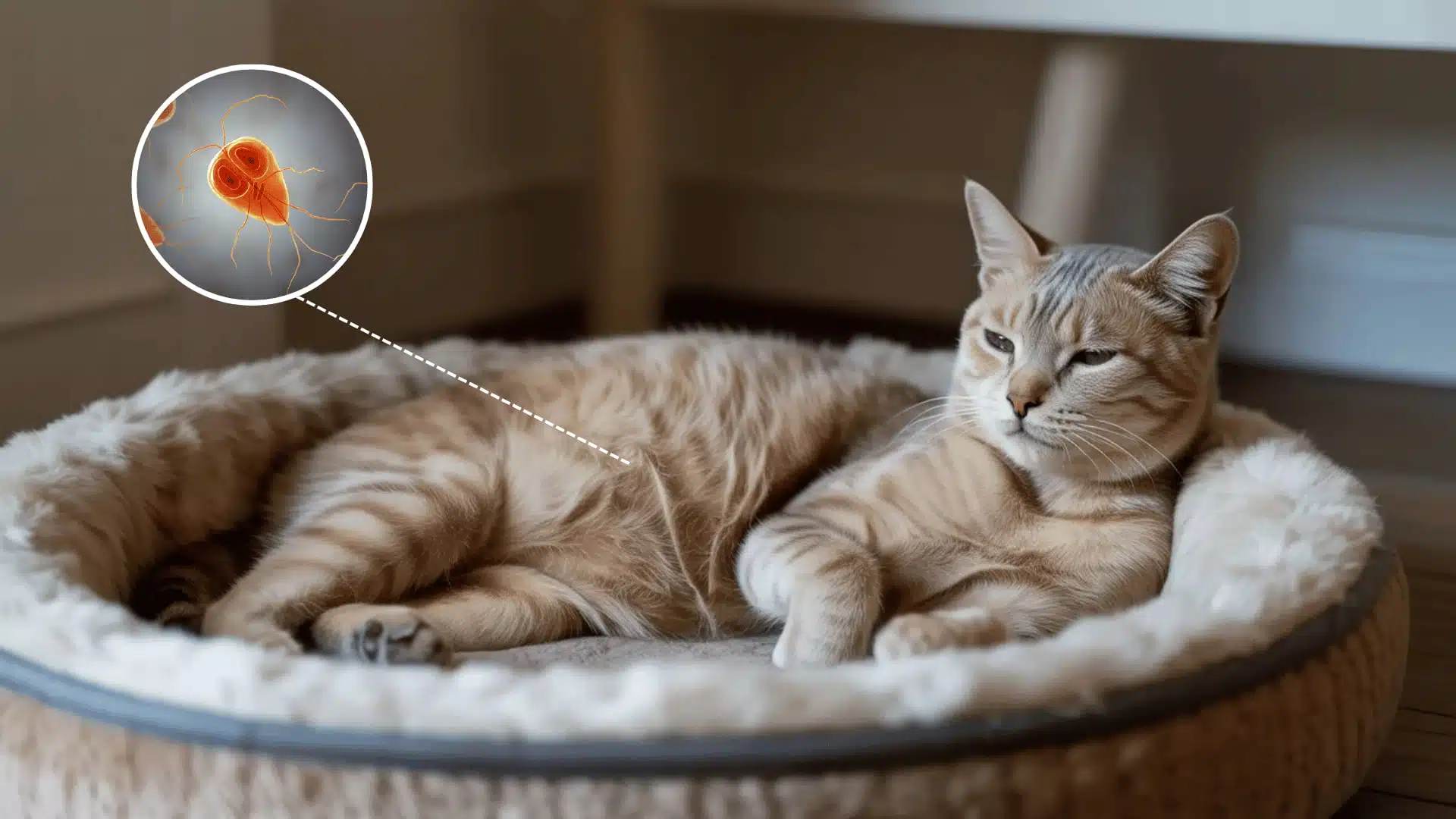
Giardia is a tiny parasite that lives in your cat’s intestine and causes an infection called giardiasis.
Unlike worm infections, Giardia can’t be seen with the naked eye because it’s microscopic.
It has 2 main forms during its life cycle. The trophozoite is the active form that attaches to the lining of your cat’s intestines and feeds on nutrients from digested food.
According to the Centers for Disease Control and Prevention (CDC), these cysts survive in the environment and spread between animals and people.
The cyst is the tough, inactive form that passes out in your cat’s stool. These cysts can survive for weeks or even months in water, soil, or litter boxes.
Cats can become infected by drinking contaminated water, eating contaminated food, or grooming fur that has come into contact with infected stool.
What Causes Giardia in Cats?
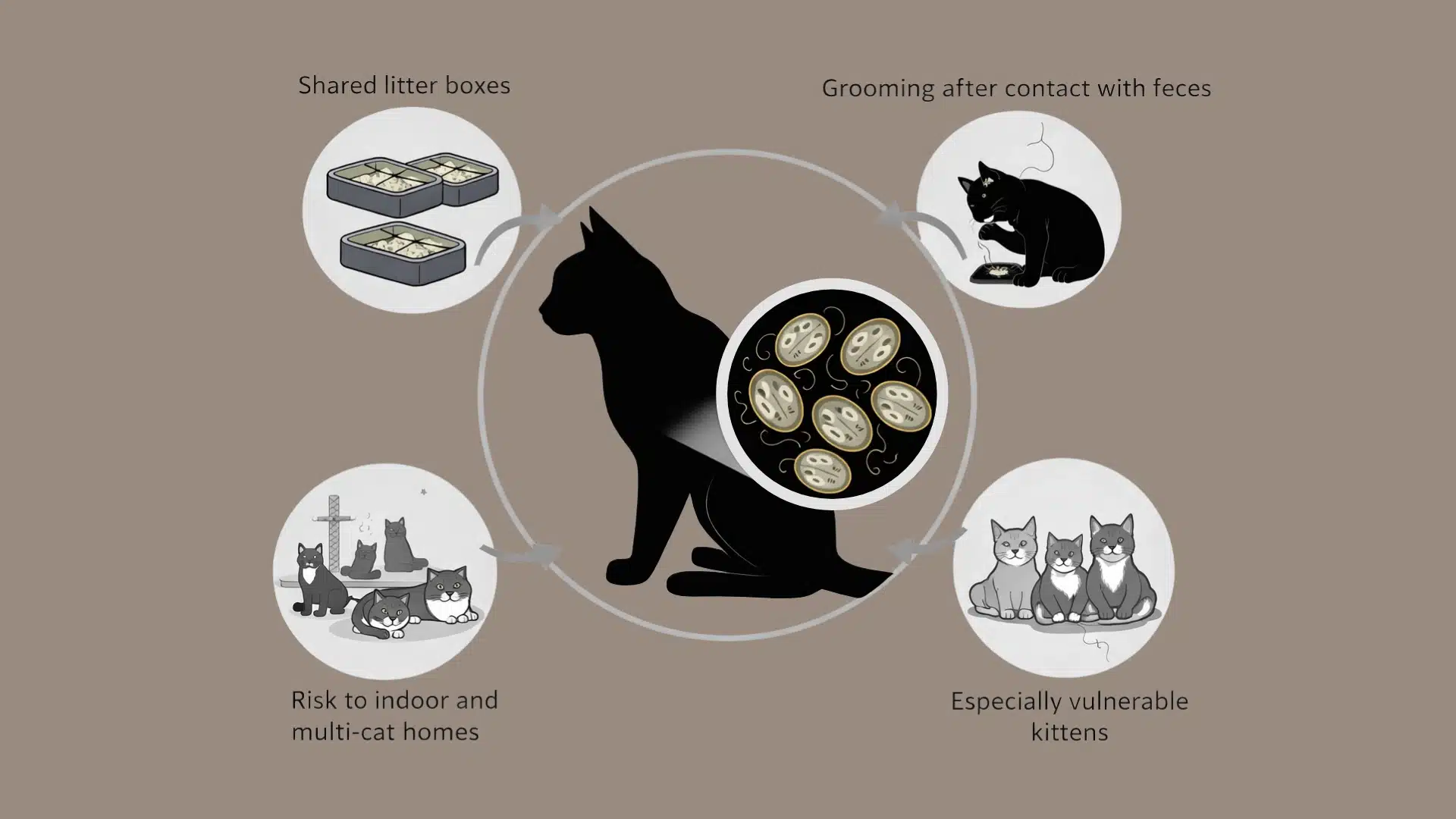
Cats become infected with Giardia when they accidentally swallow the microscopic cysts that live in contaminated environments around your home or neighborhood.
Giardia spreads from several common and often overlooked ways:
- Contaminated water or soil: Swallowing microscopic cysts from dirty water, soil, or surfaces around the home can lead to infection.
- Contact with infected feces: Touching contaminated feces and then grooming themselves allows cysts to enter the body easily.
- Shared litter boxes: Using the same litter box lets cysts survive for weeks and spread between cats.
- Multi-cat households: Living with several cats increases exposure through shared food bowls and resting areas.
- Shelters or catteries: Close contact in crowded environments increases the risk of rapid transmission.
- Young age: Kittens under one year have developing immune systems and are more vulnerable to infection.
Key Symptoms & Signs of Giardia in Cats to Watch For
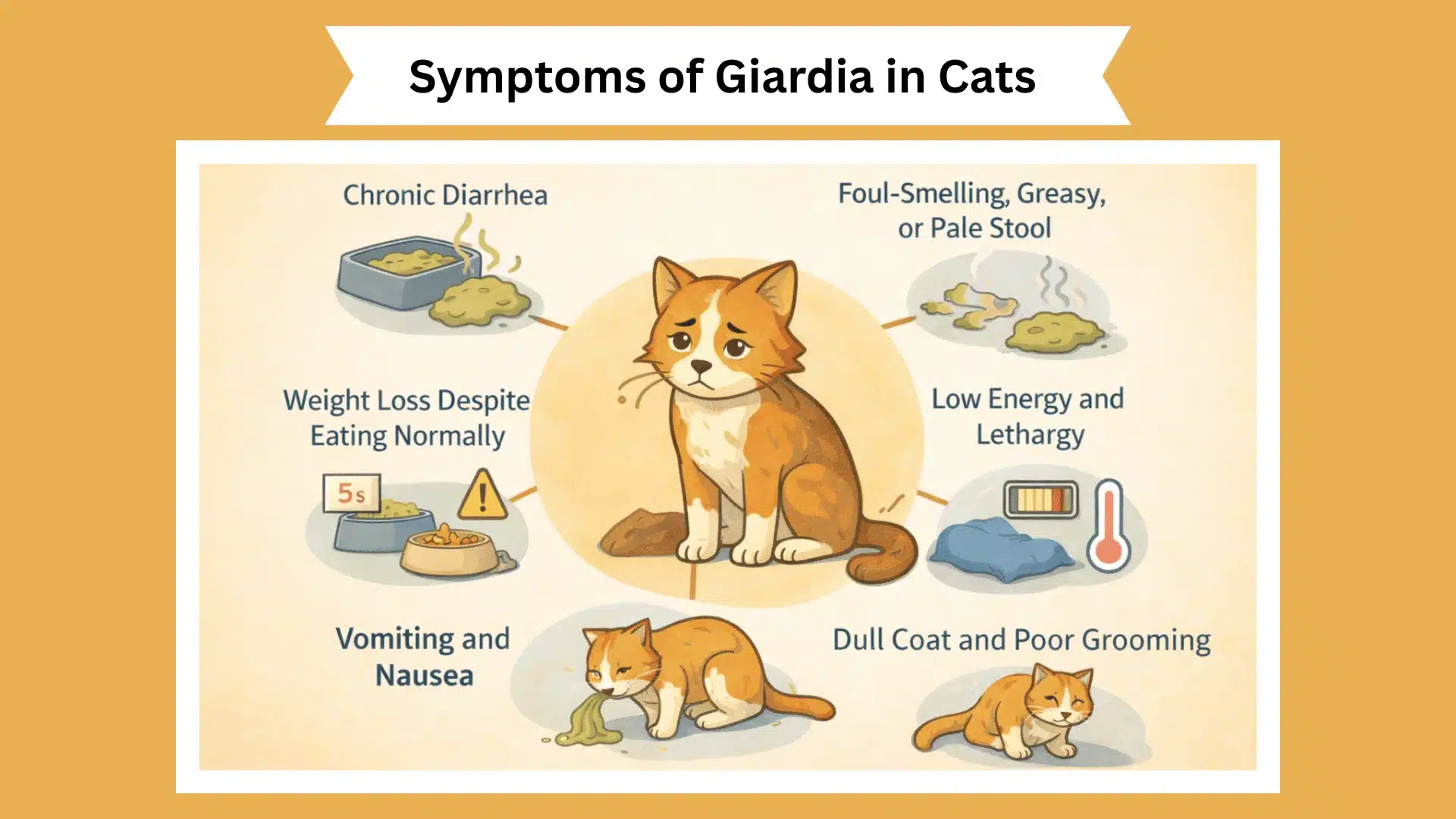
Persistent diarrhea is the hallmark symptom, but Giardia often presents in subtle ways that many cat owners miss until the infection has been ongoing for weeks.
1. Chronic Diarrhea That Comes and Goes
Your cat’s stool becomes softer than usual, and the problem refuses to go away, no matter what you try at home.
What makes Giardia particularly frustrating is that the diarrhea is often intermittent, meaning your cat might have normal bowel movements for a few days before the loose stools return.
The consistency typically ranges from soft and unformed to completely watery, and you’ll likely spot mucus throughout the stool, giving it a slimy appearance.
2. Foul-Smelling, Greasy, or Pale Stool
Giardia often causes stool that smells much worse than usual. Many pet parents describe the odor as unusually strong or rancid.
Giardia interferes with fat digestion, and the stool may look greasy or oily. You might also notice a pale gray, greenish, or lighter-than-normal brown color.
The greasy texture occurs when undigested fats pass through the digestive system without being properly absorbed.
3. Weight Loss Despite Eating Normally
If your cat continues eating their regular meals or has an even increased appetite but is losing weight, this might point to a Giardia infection.
Over time, you might notice their ribs or spine becoming more visible. This happens because Giardia damages the intestinal lining, reducing nutrient absorption.
Even though your cat consumes enough calories, their body cannot fully absorb the nutrients. A tucked-up belly or thinner overall appearance can signal that something deeper is going on.
4. Low Energy and Lethargy
Your normally playful and active cat starts sleeping more throughout the day and shows less interest in their favorite toys or activities around the house.
The combination of poor nutrient absorption and ongoing digestive distress leaves your cat feeling drained and uncomfortable most of the time.
Their body is fighting the infection while struggling to get proper nourishment, which can noticeably lower their energy levels.
5. Vomiting and Nausea
While not as common as diarrhea, some cats with Giardia may vomit occasionally or show signs of nausea, such as excessive lip licking and drooling.
You might notice small amounts of bile or undigested food, especially in the morning. Signs of nausea, such as lip licking or drooling, may appear.
The parasite irritates the digestive tract, which can trigger these symptoms. Appetite may fluctuate, with normal eating between bouts of nausea.
6. Dull Coat and Poor Grooming
As the infection continues, your cat’s coat may lose its shine and look greasy or unkempt. Cats usually groom carefully, so reduced grooming is often noticeable.
Fatigue and discomfort can reduce their interest in self-care. The malnutrition caused by poor nutrient absorption affects the quality and texture of their fur, making it appear dry or brittle.
You might notice clumps of fur or mats forming in areas your cat would normally keep clean through regular self-grooming.
Giardia Diagnosis in Cats
Diagnosing Giardia requires specific veterinary tests because the microscopic parasites cannot be detected by a regular physical examination alone.
When to Consult a Veterinarian?
You should contact your veterinarian if diarrhea persists for more than 2 to 3 days or if you notice your cat losing weight despite maintaining their appetite.
Immediate veterinary attention is critical if your cat shows signs of severe dehydration, such as sunken eyes, dry gums, or skin that remains tented when gently pinched.
Kittens under 6 months old need faster intervention because they can become dangerously dehydrated within just 24 hours of experiencing watery diarrhea.
You should also seek prompt care if your cat stops eating entirely, becomes extremely lethargic, or if you notice blood mixed into their stool during bathroom visits.
How Veterinarians Test for Giardia?
To check for Giardia, your veterinarian will usually start with a fresh stool sample. It’s examined under a microscope using a special fecal flotation method with zinc sulfate.
Giardia cysts are tiny and not always shed consistently. So your vet may ask for samples from 3 consecutive days to improve accuracy.
Many clinics also use a SNAP Giardia antigen test, which detects parasite proteins and provides results in about ten minutes.
If results remain unclear and symptoms persist, a PCR test may be recommended. This advanced test looks for Giardia DNA and offers the highest accuracy.
Treatment and Recovery from Giardia in Cats
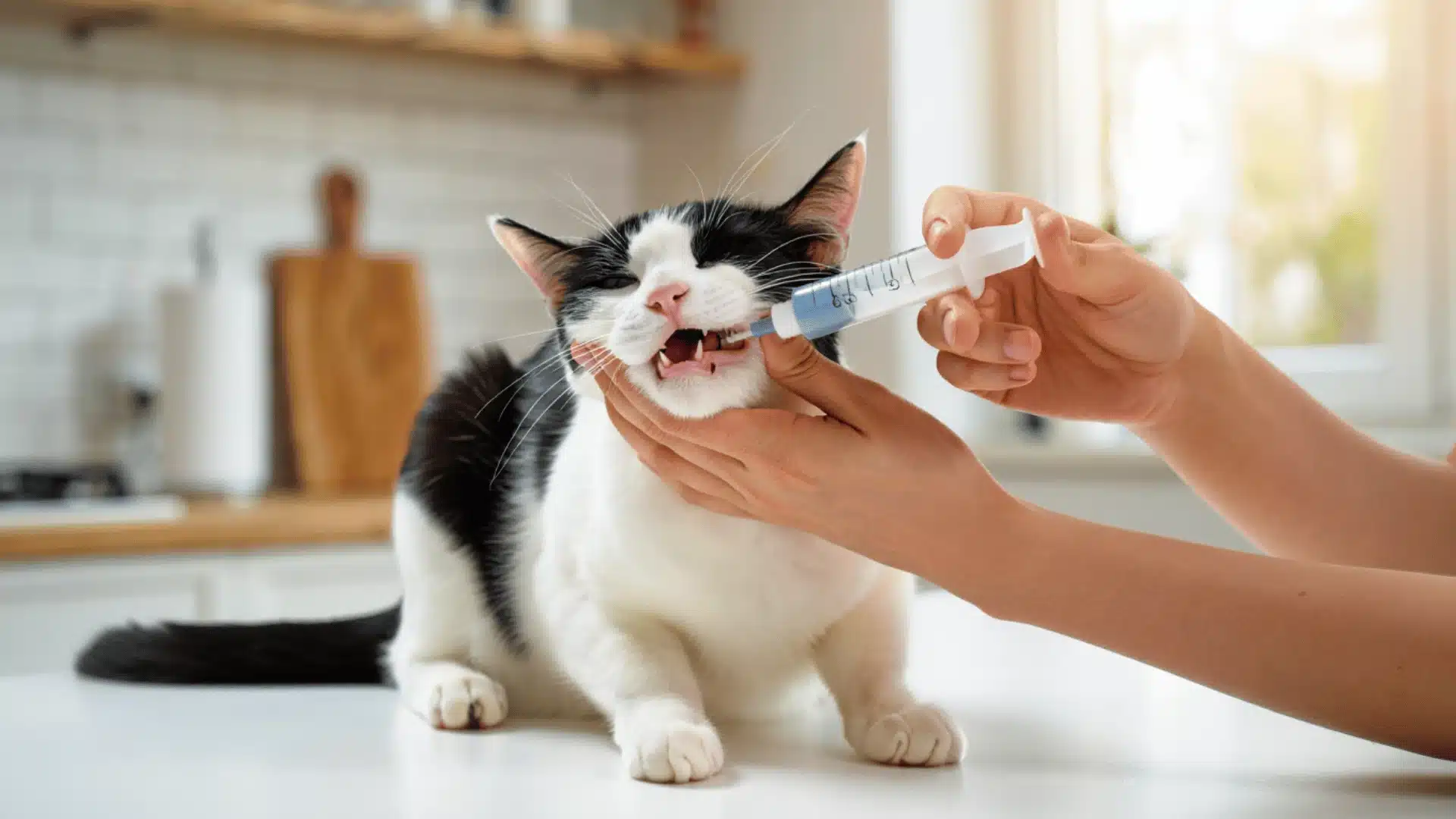
Your veterinarian will typically prescribe antiparasitic medications like fenbendazole or metronidazole for 5 to 7 days, and sometimes both drugs are used together for stubborn infections.
Alongside medication, your cat might receive subcutaneous fluids if they’re dehydrated, and probiotics can help restore healthy gut bacteria during recovery.
You’ll need to bathe your cat regularly during treatment to remove infectious cysts clinging to their fur that could cause reinfection through grooming.
Daily litter box scooping and weekly disinfection with a diluted bleach solution help prevent cysts from lingering in your home.
Most healthy adult cats recover completely within 2 to 4 weeks, though your vet will retest to confirm the parasites are gone before stopping treatment.
Can Giardia Spread from Cats to People?
Yes, Giardia can spread from cats to people, but its very rare.
So if your cat is showing signs of Giardia and you are worried about yourself and your family members, you can take a sigh of relief.
The strain of Giardia that typically infects cats, known as Assemblage F, very rarely causes illness in humans.
According to the Centers for Disease Control and Prevention (CDC), cats and humans usually carry different genetic types of this parasite that prefer their specific hosts.
However, if you have family members with weakened immune systems due to chemotherapy, HIV, or other conditions, taking extra precautions makes good sense.
Wash your hands thoroughly after handling the litter box or touching your infected cat, and consider wearing disposable gloves during cleaning tasks until treatment is complete.
Simple Tips to Prevent Giardia in Cats
Preventing Giardia infection requires consistent attention to hygiene practices and environmental management, especially in households with multiple cats.
- Scoop litter boxes daily: Removing feces promptly prevents cysts from becoming infectious.
- Disinfect Boxes Weekly: Use a diluted bleach solution to kill stubborn Giardia cysts that regular soap cannot eliminate.
- Schedule Annual Fecal Tests: Regular veterinary screening catches Giardia early before symptoms become severe or spread occurs.
- Bathe New Cats Immediately: Washing removes any cysts on fur before spreading.
- Provide Individual Water Bowls: Separate drinking stations reduce the risk of contamination in households with multiple cats living together.
- Quarantine New Additions: Isolate rescue cats for 2 weeks and test them before introducing them to your existing pets.
Conclusion
Watching your cat struggle with ongoing digestive issues can feel overwhelming, but understanding Giardia puts you in a much stronger position to help your cat recover quickly.
The key takeaway is that persistent diarrhea in cats deserves veterinary attention, not just home remedies and waiting it out.
Early diagnosis through proper fecal testing saves your cat from weeks of discomfort and prevents the infection from spreading to other pets in your household.
Remember that Giardia is highly treatable, and most cats bounce back to their normal, energetic selves within a month of starting medication.
If you notice any of the symptoms we’ve discussed, schedule that vet appointment today rather than hoping the problem resolves on its own.
Have you dealt with Giardia in your cat?
Share your experience in the comments below to help other worried cat parents tackle this challenging situation.