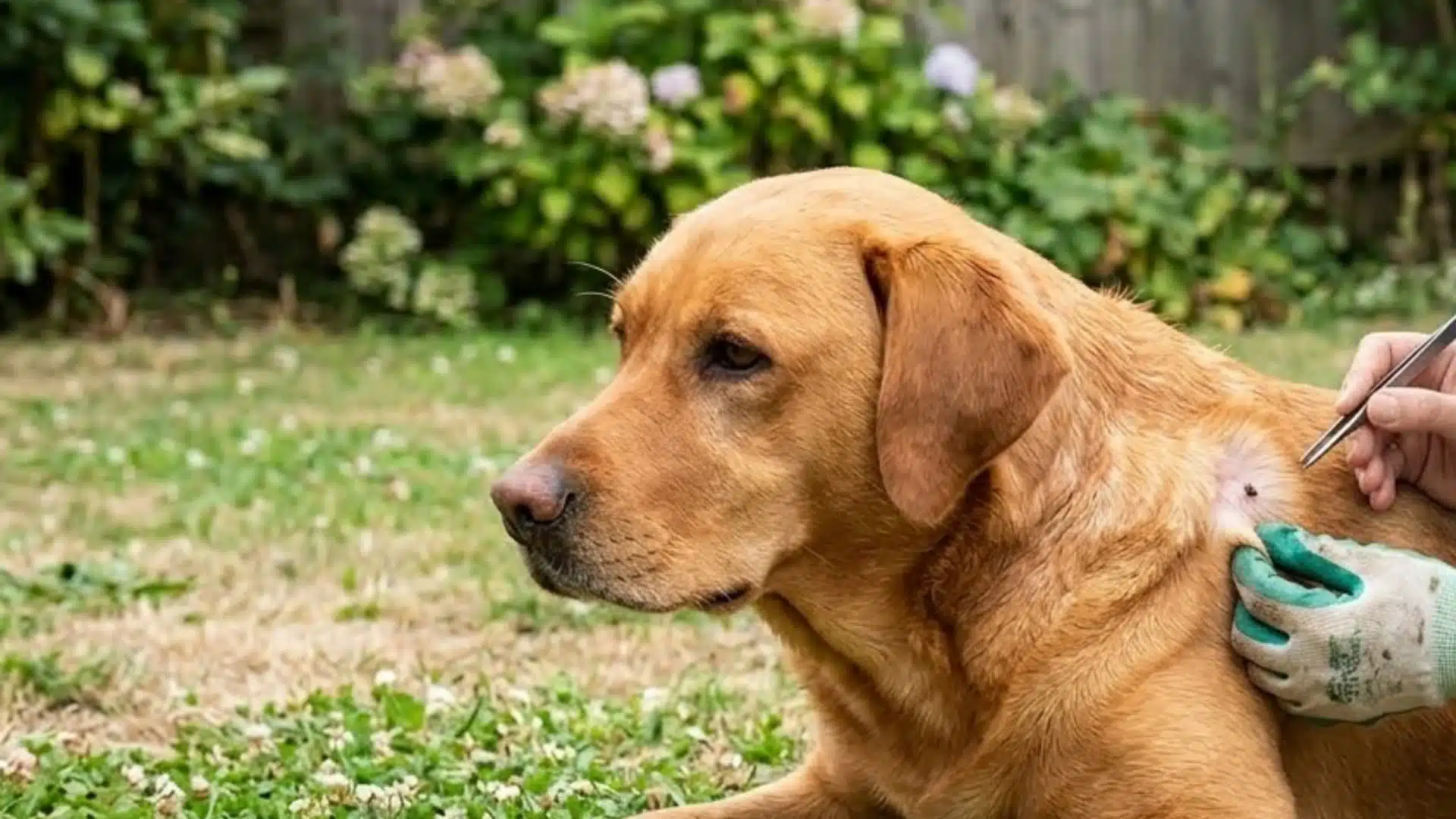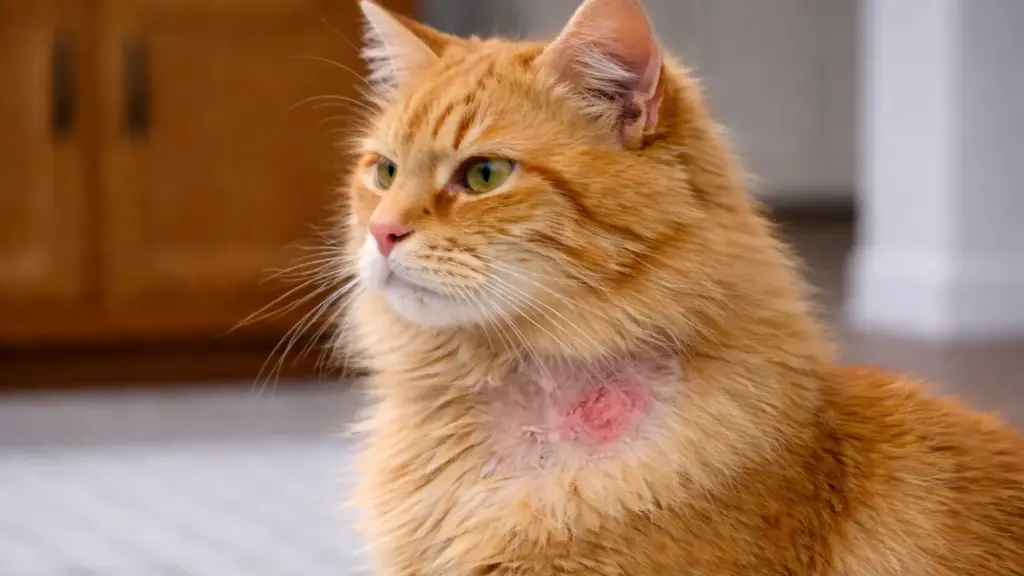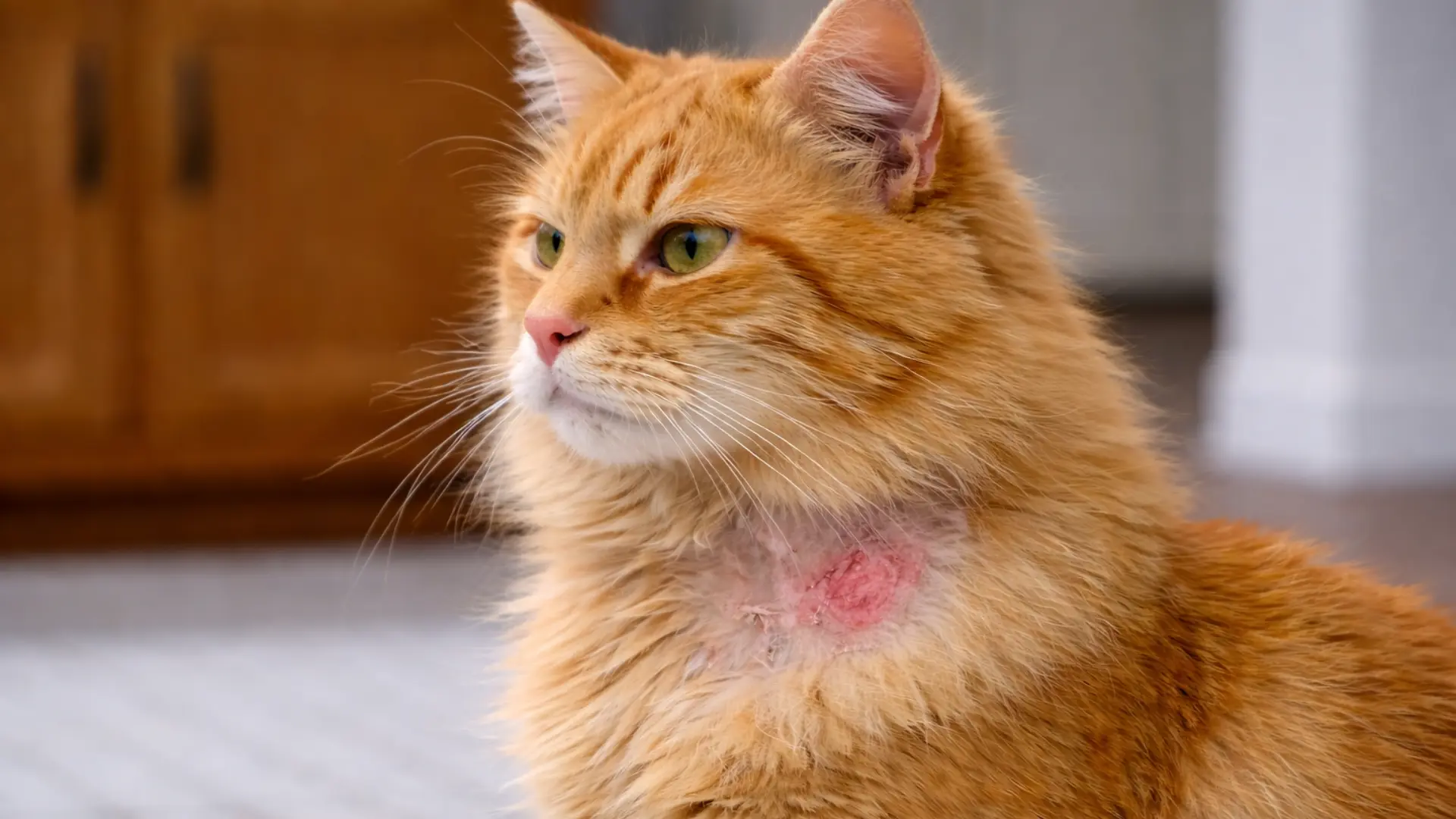
If your dog keeps scratching, licking, or biting at their skin, something is likely off. I know how worrying it can be to spot a strange rash, bald patch, or red bump on your pet.
Dog skin conditions are one of the most frequently reported reasons for vet visits each year, and they can range from mild allergies to serious infections that affect your dog’s quality of life.
The tricky part is that many of these problems look similar on the surface. A red patch could be a hot spot, an allergy, or even a fungal infection.
This visual slideshow walks you through the most common dog skin conditions, slide by slide, so you can see exactly what each one looks like, where it typically appears on the body, and how to tell it apart from similar-looking issues.
I have also covered what causes them, what signs to watch for, key treatment approaches, and when to call the vet.
You will find it easier to act fast once you know what you are looking at.
Indicators of Your Dog’s Skin Health
Recognizing the general red flags of poor skin health is an important first step before diving into specific dog skin conditions.
A healthy dog’s skin should be smooth, free of bumps, flakes, or sores. Any deviation from this standard, especially the appearance of dog skin lesions, redness, or hair loss, should be noted and monitored.
Common signs of skin conditions include scabs, crusts, flaky skin, bumps, blisters, or raised sores.
Additionally, a foul odor emanating from the skin or ears, a greasy or oily coat texture, and oozing or bleeding skin lesions are all indicators of potential problems.
According to the ASPCA, skin disorders in dogs can arise from a wide range of causes, including parasites, allergies, bacterial or fungal infections, and hormonal imbalances.
Early detection simplifies treatment and helps keep your dog comfortable.
Slide 1: Allergic Dermatitis
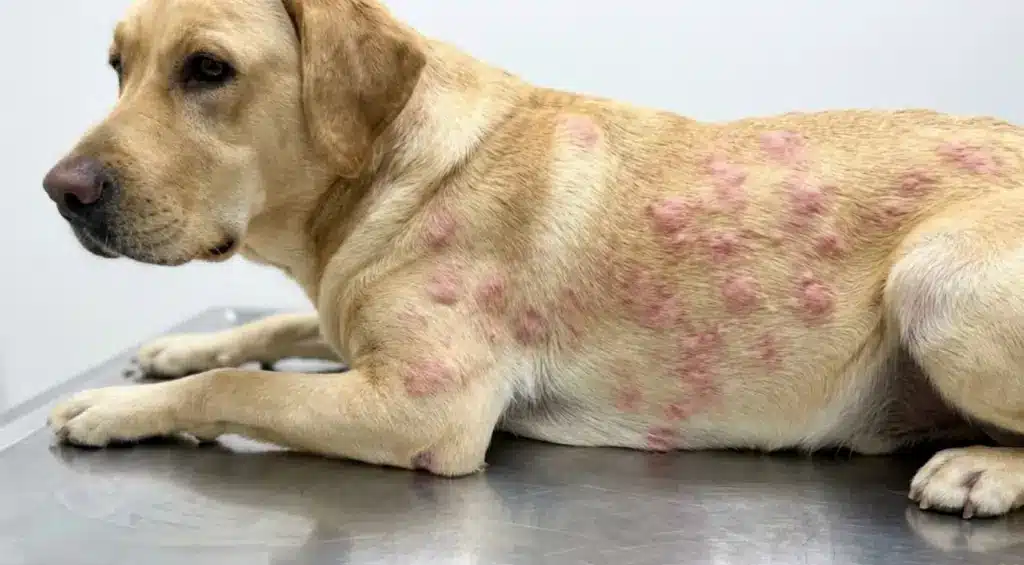
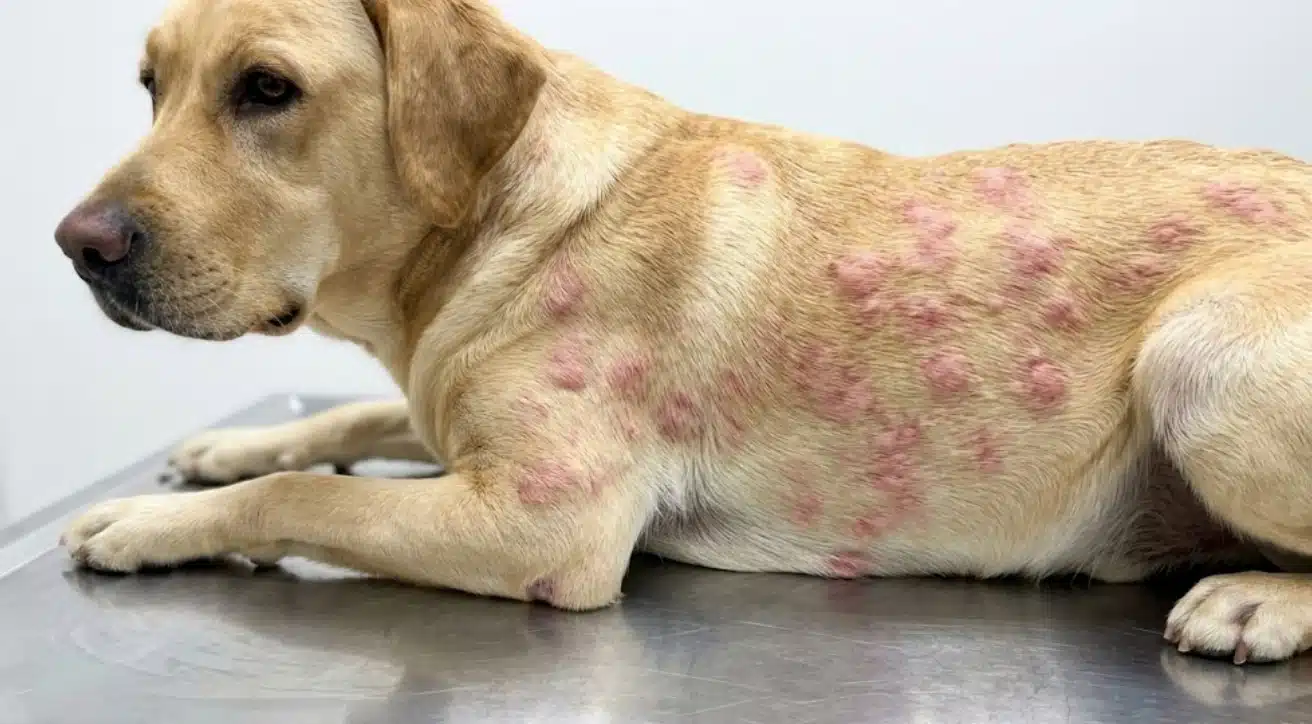
Allergic dermatitis is a common skin condition in dogs, caused by the immune system overreacting to triggers such as pollen, dust mites, certain foods, or flea bites.
Visually, it presents as red, inflamed skin with a slightly swollen appearance, most often on the belly, inner thighs, paws, and around the ears and face.
The skin may look raw or weepy in more severe cases, and you may notice darkened, hyperpigmented patches in dogs with long-standing allergies.
The three main types of dog allergies are environmental (from pollen, mold, or dust), food allergies (to proteins like chicken or beef), and flea allergy dermatitis (caused by a flea bite).
Breeds commonly affected include Labrador Retrievers, Golden Retrievers, French Bulldogs, and West Highland White Terriers.
How to tell it apart: Unlike mange, allergic dermatitis typically does not cause widespread, patchy hair loss. Unlike hot spots, it tends to affect multiple areas simultaneously rather than one concentrated moist patch.
Treatment typically involves identifying and avoiding the allergen, antihistamines or corticosteroids for symptom relief, and in chronic cases, allergy testing or immunotherapy.
Medicated shampoos formulated for sensitive skin can also help manage flare-ups.
Slide 2: Hot Spots (Acute Moist Dermatitis)
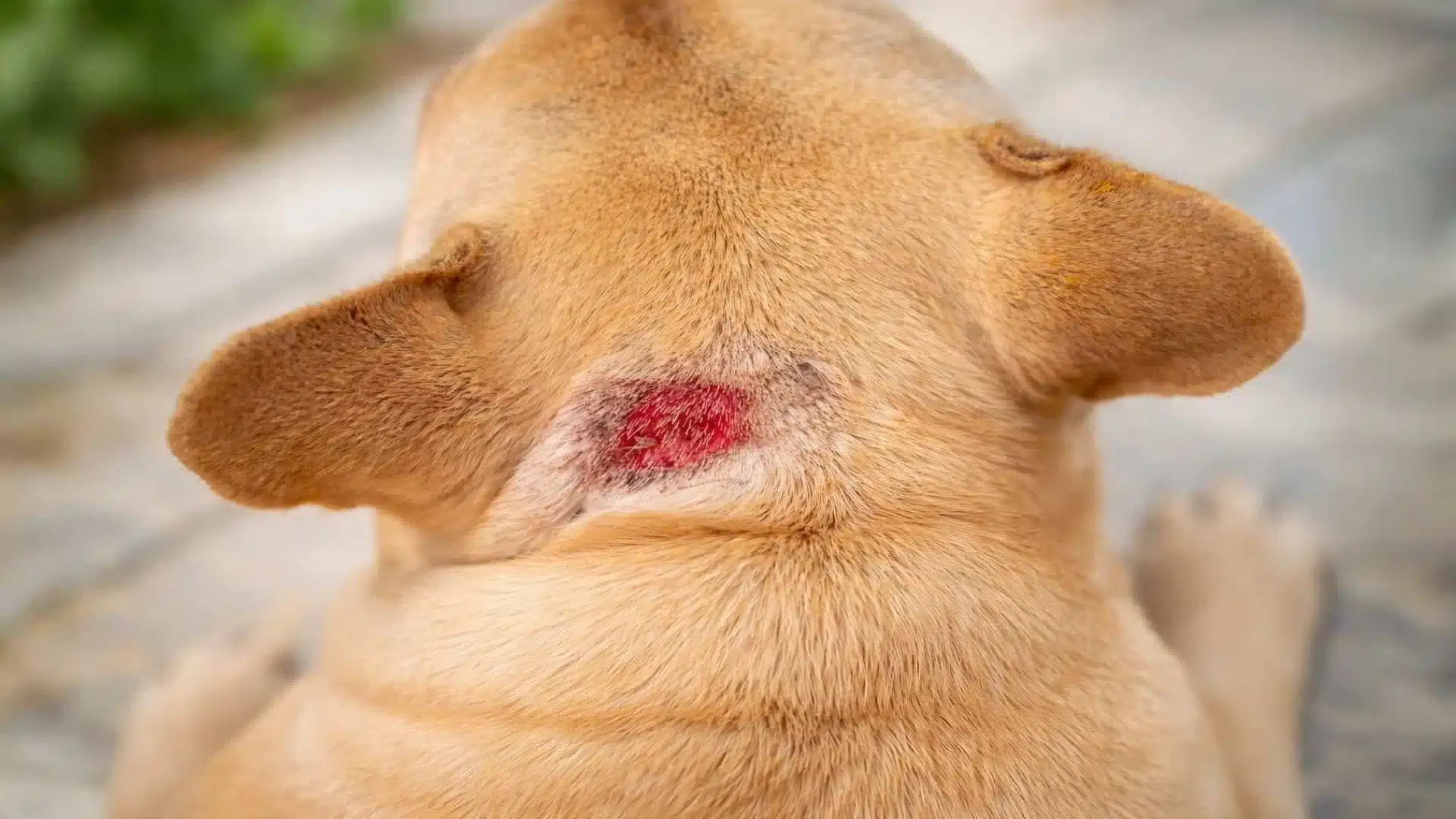
Hot spots are painful, inflamed skin patches in dogs that appear red and moist, primarily affecting breeds with thick coats, such as Golden Retrievers and German Shepherds.
These sores typically present as raw, oozing areas covered with matted fur, and the surrounding skin often emits an unpleasant odor.
They can appear anywhere on the body, but most commonly develop on the neck, hip area, and the sides of the face. Hot spots can expand from the size of a coin to the size of a hand within 24 hours if left untreated.
Untreated hot spots can spread quickly and can result from insect bites, allergies, ear infections, or excessive licking due to boredom or stress, with moisture in thick fur fostering bacterial growth.
How to tell it apart: A hot spot is a single, localized, moist lesion. If you see multiple dry or scaly patches spread across the body, it is more likely an allergy or mange.
Treatment involves clipping the fur around the area, cleaning it with a mild antiseptic, and applying topical antibiotics or anti-itch medication.
A veterinarian may prescribe oral antibiotics for larger or deeper infections. An Elizabethan collar can prevent further licking while the area heals.
Slide 3: Mange in Dogs
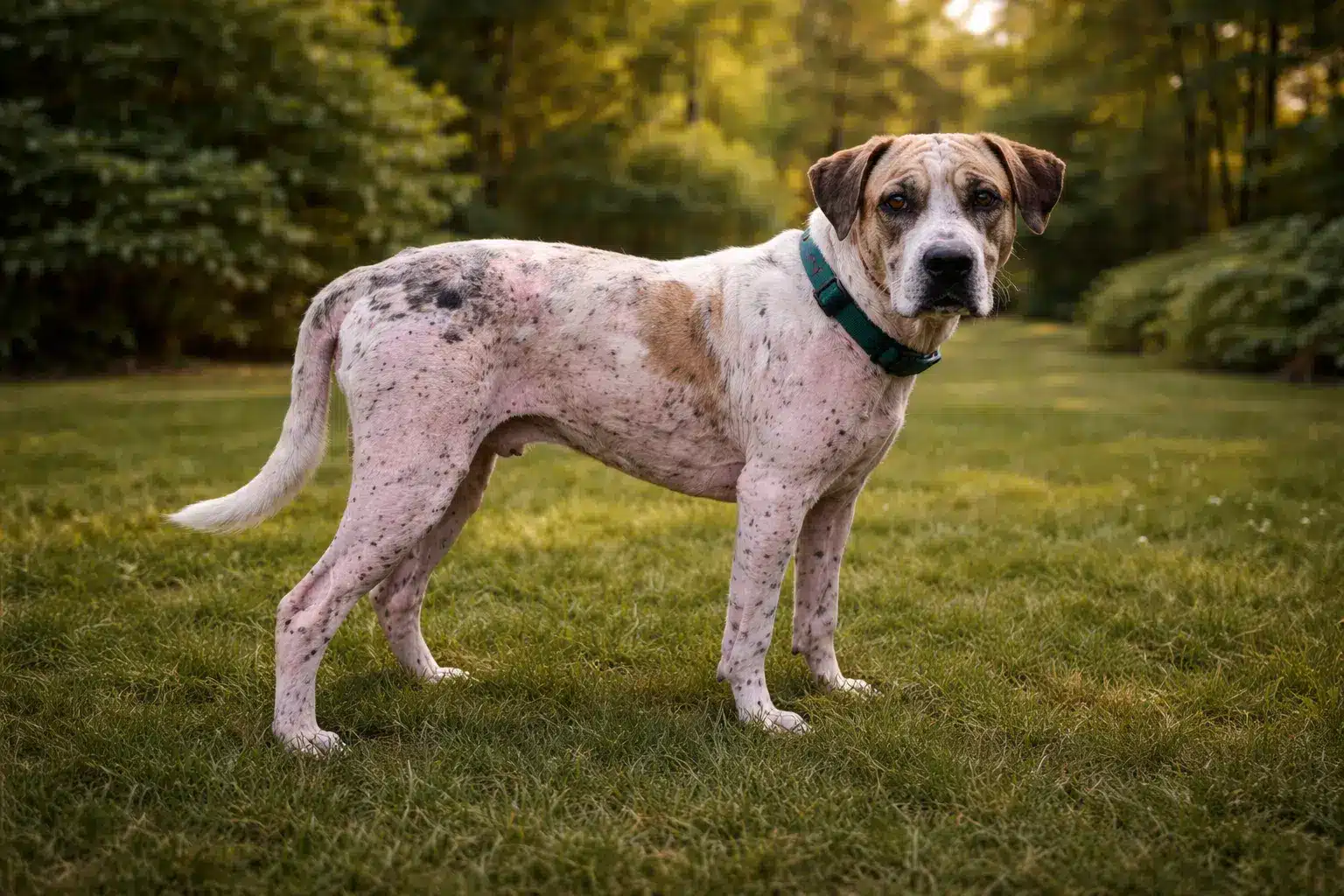
Mange is a skin disease in dogs caused by tiny mites that burrow into or live on their skin, leading to intense itching, hair loss, and visible skin lesions.
There are two main types of mange: Sarcoptic Mange (Scabies) and Demodectic Mange.
Sarcoptic Mange, caused by the Sarcoptes mite, is highly contagious to other dogs and can also temporarily affect humans.
It causes intense itching, crusty sores, and redness, typically starting around the ears, elbows, and abdomen.
Demodectic Mange occurs when Demodex mites, which are naturally present on most dogs’ skin, multiply due to a weakened immune system.
It presents as patchy hair loss, scaly or reddened skin, and in severe cases, widespread sores. Unlike sarcoptic mange, it is not contagious.
How to tell it apart: Sarcoptic mange causes intense, frantic itching across multiple areas of the body. Demodectic mange is often localized at first, appearing as small circular bald patches without the severe itch.
A vet confirms both types through a skin scraping test, which is examined under a microscope. Treatment includes prescription antiparasitic medications and medicated baths.
Slide 4: Ringworm and Yeast Infections
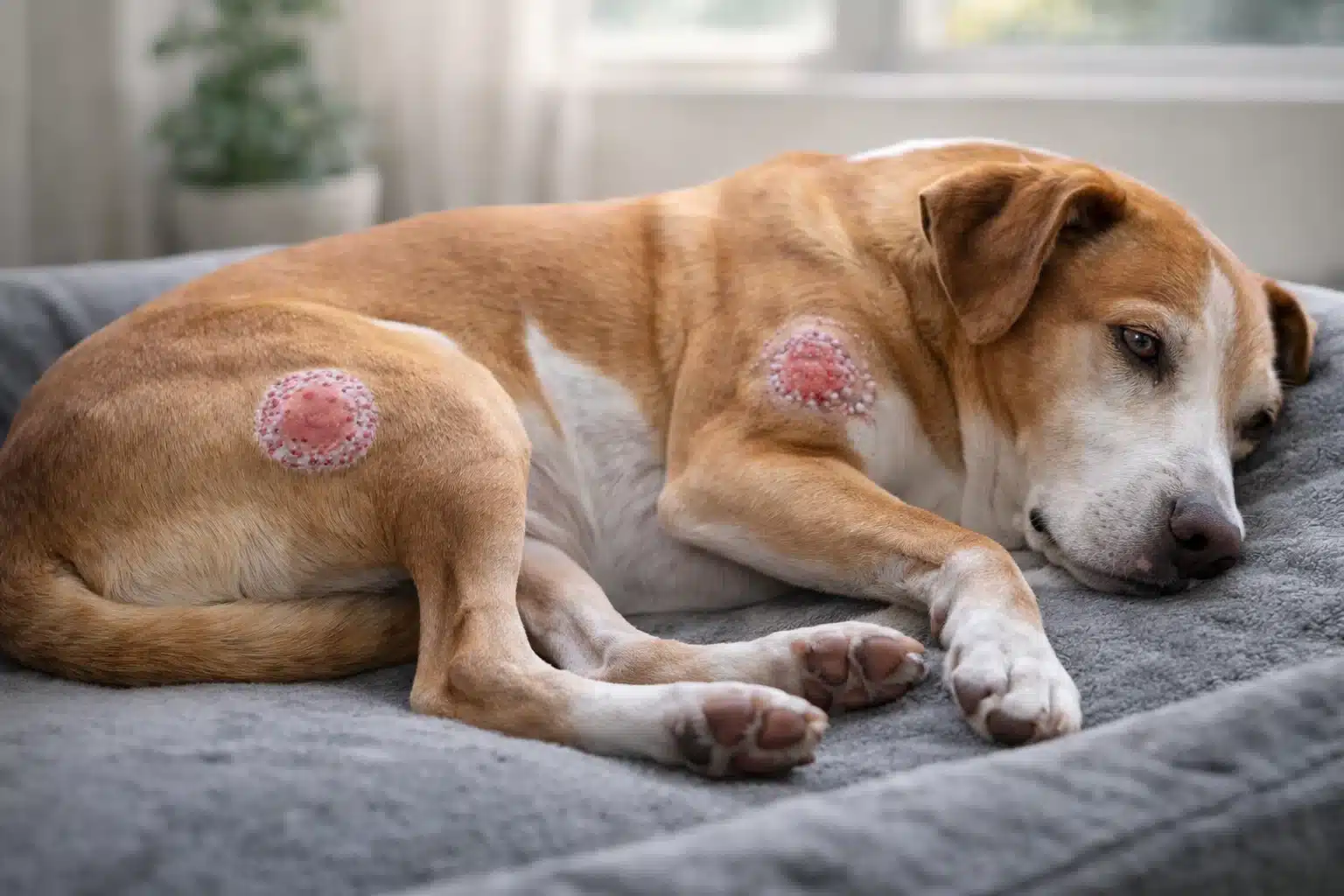
Fungal infections represent a common category of dog skin conditions that can often resemble allergies or bacterial issues, making proper diagnosis by a veterinarian essential.
Ringworm is a fungal infection, despite its misleading name. It presents as circular, scaly hair loss with reddish, crusty skin, affecting areas like the head, paws, and ears.
The ring-shaped bald patch is the most distinctive visual marker of ringworm. The border of the ring often looks slightly raised and redder than the center.
This fungal infection is contagious to other pets and humans, so early diagnosis is important. A yeast infection occurs when Malassezia yeast overgrows in warm, moist areas such as the ears and skin folds.
Signs include greasy or discolored skin with a musty or corn chip-like odor, redness, and, in chronic cases, dark, thickened skin.
Skin lesions in dogs caused by yeast infections are most common in the groin, armpits, between the toes, and around neck folds.
Recurring yeast infections may point to an underlying allergy or immune issue, according to the Merck Veterinary Manual.
Treatment for ringworm typically includes antifungal shampoos, creams, or oral antifungal medication, alongside thorough cleaning of bedding and the dog’s environment to prevent reinfection.
Yeast infections are treated with topical or oral antifungals, and if recurrent, with an investigation into the underlying cause.
Slide 5: Folliculitis and Impetigo
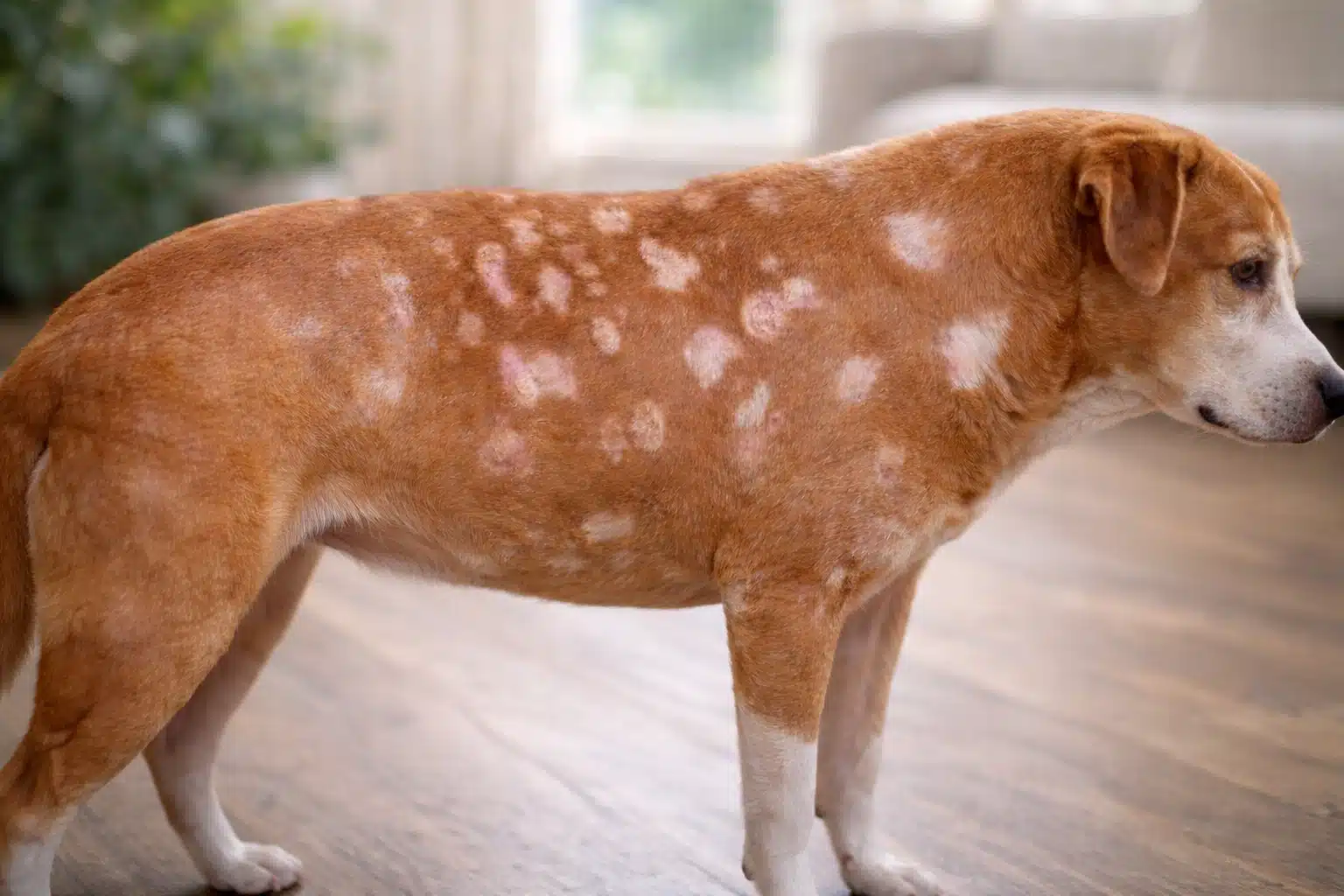
Bacterial skin infections in dogs can cause sores, scabs, and bumps.
Folliculitis occurs when bacteria infect hair follicles, resulting in small red bumps or pustules, often in areas with less hair, such as the belly and groin.
In short-haired breeds, it can also appear as a patchy or moth-eaten coat, with tufts of fur standing up or falling out around the bumps.
If left untreated, the pustules can rupture, leaving crusty, circular lesions on the surface of the dog’s skin.
Impetigo mainly affects puppies, appearing as pus-filled blisters on the belly. It usually clears up with topical antibacterial ointments or as the immune system matures.
Visually, impetigo blisters look like small, clear or fluid-filled bumps grouped on hairless areas. They are usually painless at first but can burst and become crusty, leaving a yellowish residue.
Both conditions require proper care to prevent worsening, and keeping the skin clean and dry is essential.
Treatment for folliculitis typically involves oral antibiotics, medicated shampoos containing chlorhexidine, and addressing any underlying causes, such as allergies or friction.
A culture test may be needed if the infection does not respond to initial treatment.
Slide 6: Seborrhea and Dry Skin
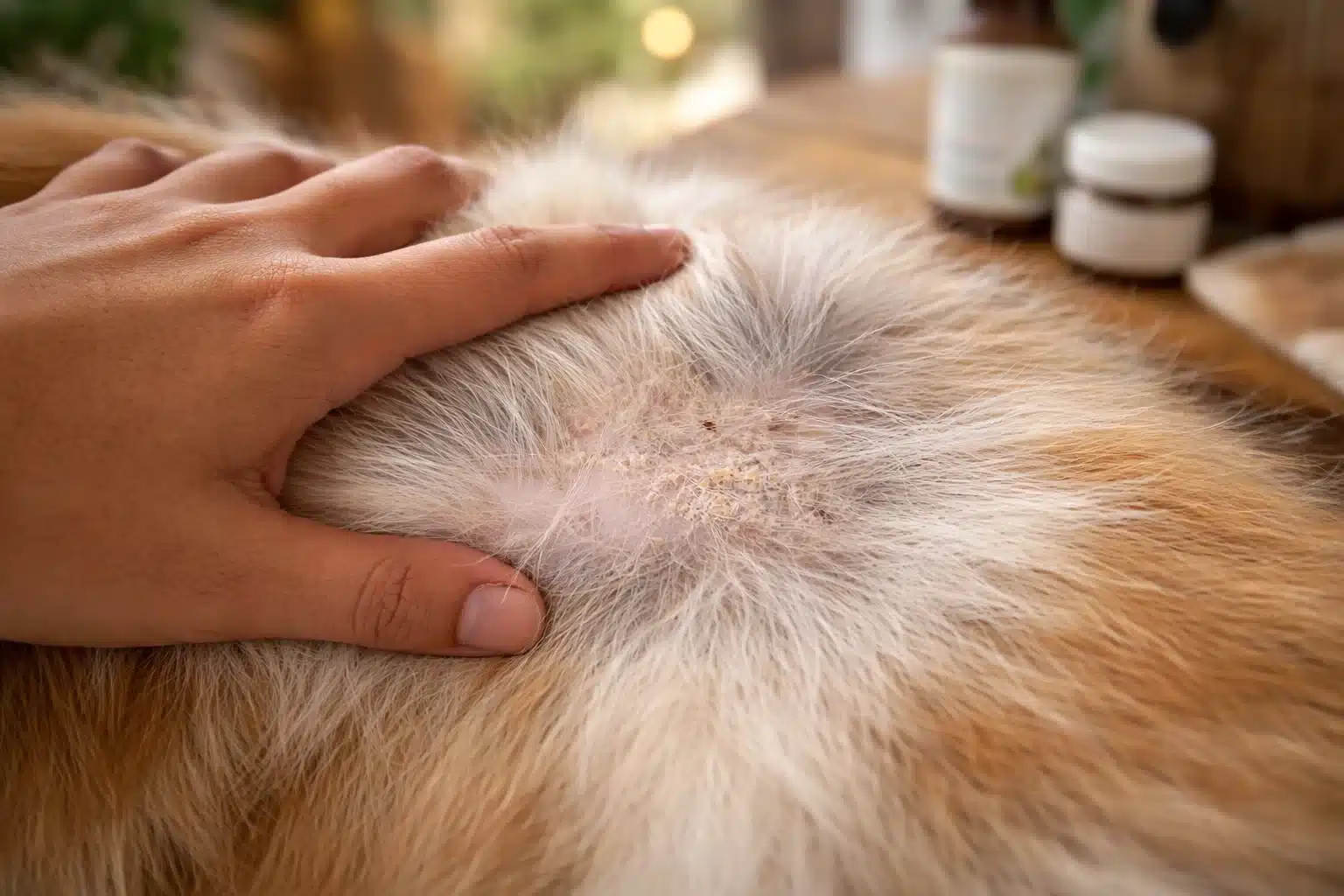
Seborrhea in dogs is a skin condition that causes flaky, scaly, or greasy skin, affecting coat appearance.
There are two types: dry seborrhea, characterized by white flakes and crusts, often due to dry weather or diet, and oily seborrhea, marked by a greasy coat and odor, typically due to hormonal issues or allergies.
Dry seborrhea resembles dandruff, with fine, white or grayish flakes visible on the coat and bedding. Oily seborrhea gives the coat a slick, clumped look and is often accompanied by a stale or sour odor.
In both types, the skin may feel thickened in chronic cases.
Breeds like Cocker Spaniels and Basset Hounds are more prone to it, but allergies or infections can also cause it.
How to tell it apart: Seborrhea-related flaking is typically more widespread and persistent than the isolated scabbing seen with folliculitis or hot spots. The odor is also a distinguishing factor, particularly with the oily form.
Treatment may include medicated shampoos and omega-3 fatty acid supplements for better skin health.
Slide 7: Skin Lesions, Lumps, and Tumors
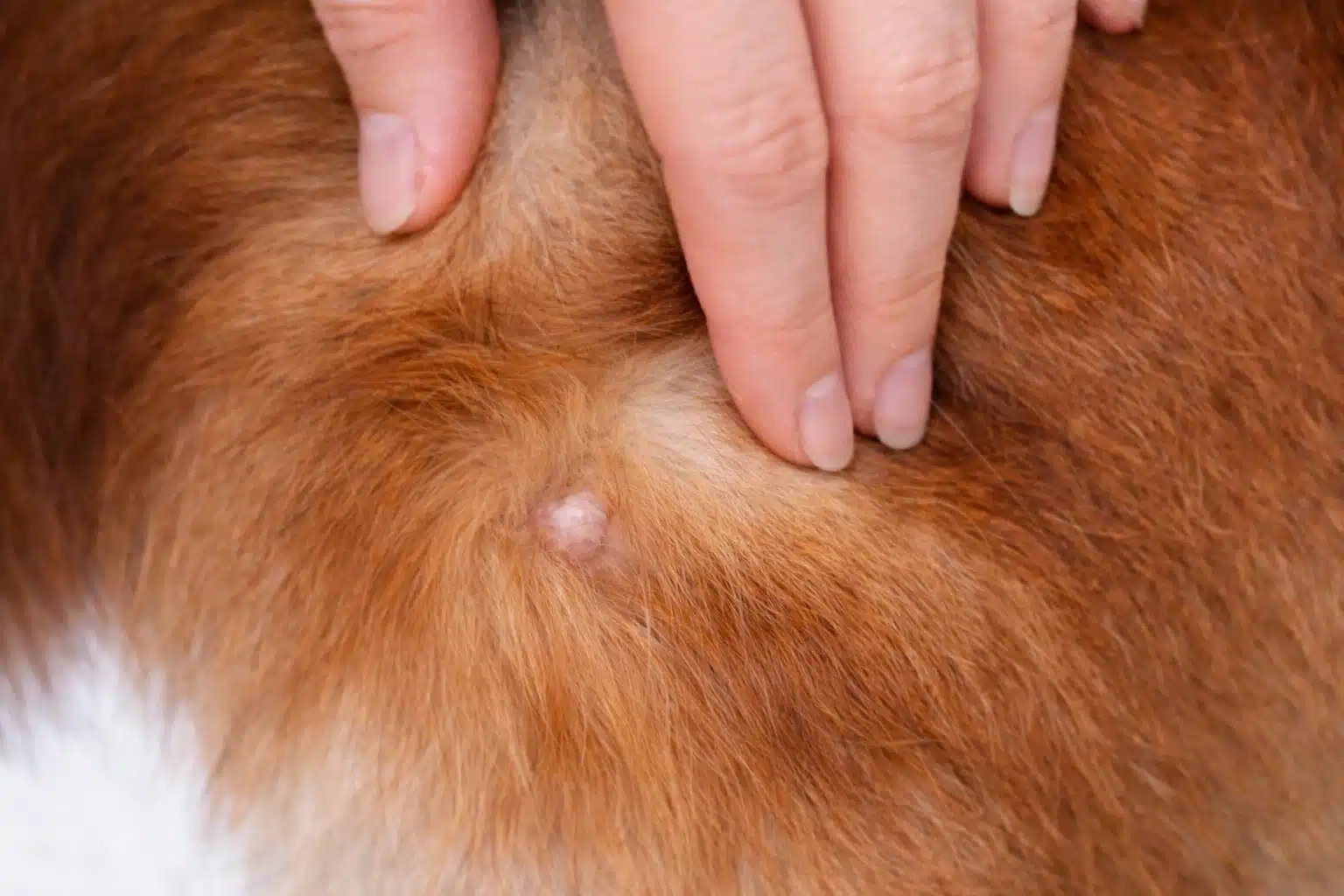
Finding a lump on your dog can be concerning, but not all growths are cancerous. It’s crucial to have any new bump or skin lesion examined by a veterinarian.
Dog skin lesions that are growths or tumors vary widely in appearance. Lipomas typically feel soft, smooth, and movable under the skin.
Warts appear as rough, cauliflower-textured bumps, most often on the face, paws, and lips.
Mast cell tumors can look deceptively benign, resembling a soft lump, but they may rapidly enlarge and often appear red or ulcerated.
Other skin cancers in dogs include malignant melanoma, which often appears as dark, irregular spots or raised nodules on the skin, and squamous cell carcinoma, which presents as firm, raised, and sometimes ulcerated skin lesions in areas with less pigmentation, such as the abdomen or nose.
The only way to confirm if a lump is harmful is with a biopsy.
If you notice changes in size, shape, or color, or if it bleeds, schedule a vet appointment promptly for the best outcomes.
Slide 8: Acral Lick Dermatitis
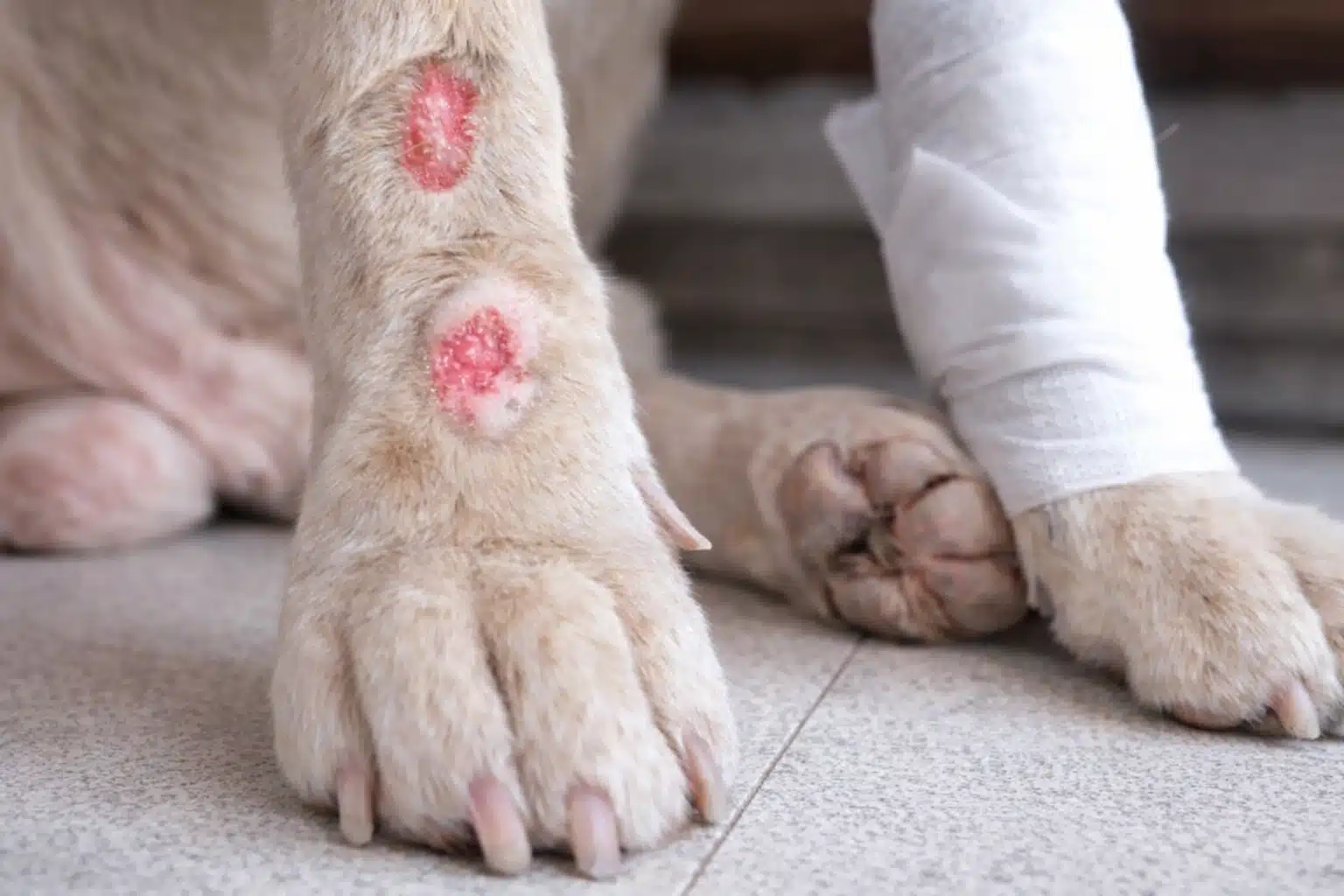
Acral lick dermatitis, or lick granuloma, occurs when a dog obsessively licks one spot, typically on the front of a lower leg.
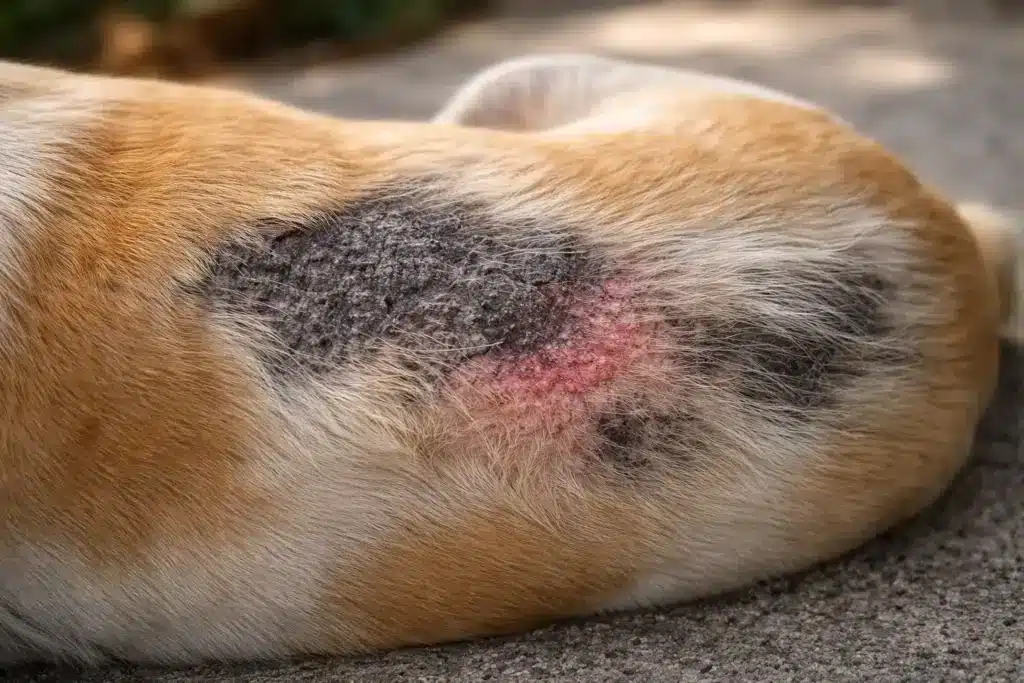
Visually, the affected area appears as a firm, hairless, raised plaque with a shiny or ulcerated surface. The skin is often thick, darkened, and moist in the center, surrounded by inflamed, reddened edges.
It is one of the most visually distinct dog skin lesions because of its specific location and the characteristic raised, leathery texture.
This leads to thick, raw skin that is hard to heal, creating a cycle of pain and itching.
Triggers can include boredom, anxiety, joint pain, allergies, or past injuries, and it’s common in breeds like Dobermans, Labradors, and Great Danes.
To break the licking habit, use bitter sprays, protective wraps, or an Elizabethan collar.
Treatment often requires a combination of physical barriers, behavioral interventions such as increased exercise and enrichment, and addressing any underlying causes.
Your vet may prescribe antibiotics for secondary infection, anti-anxiety medication if stress is a contributing factor, or pain management if joint disease is involved.
Slide 9: Alopecia (Hair Loss in Dogs)
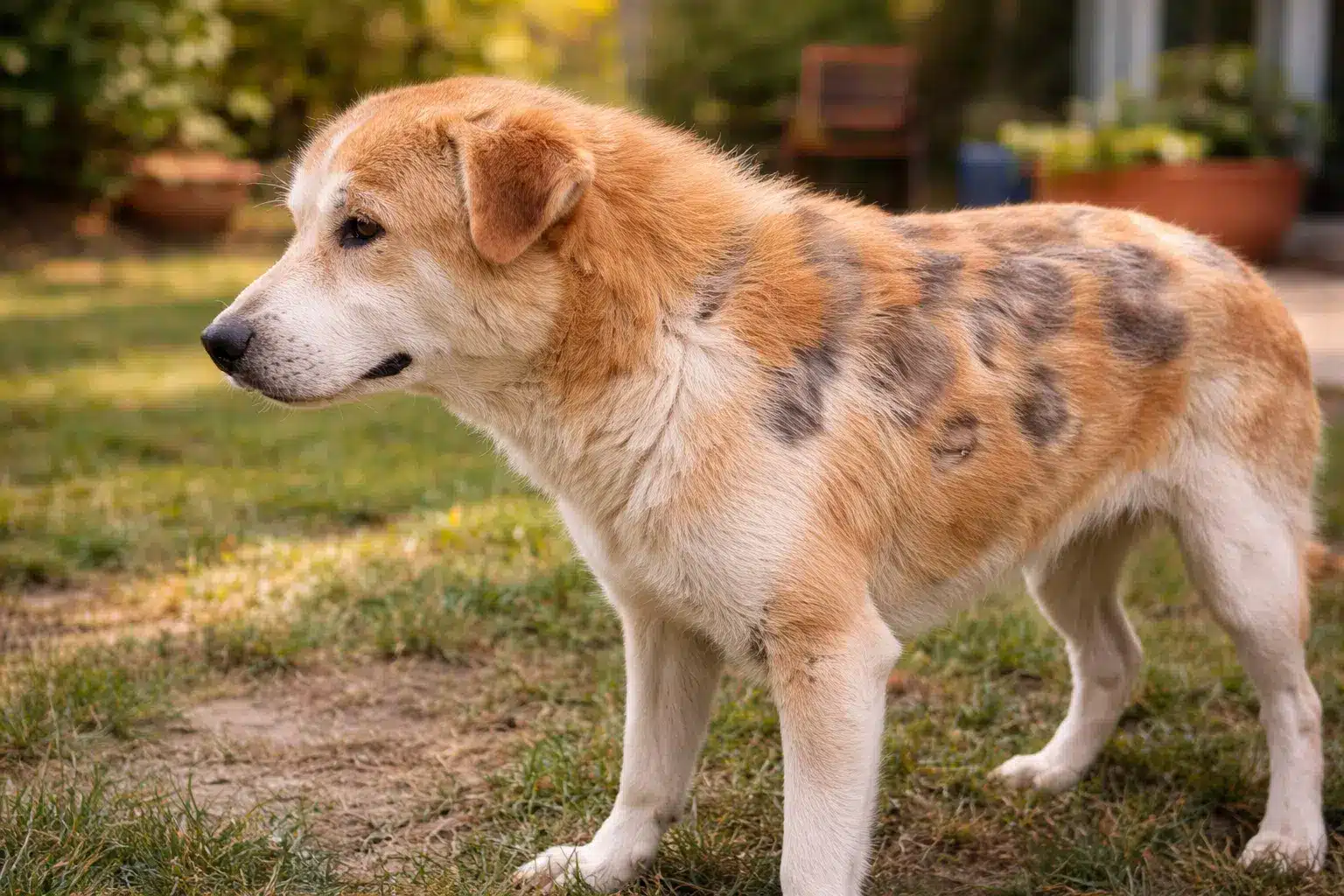
Alopecia, the medical term for hair loss in dogs, is one of the most common signs of an underlying skin or health problem.
It can appear as small bald patches, widespread thinning, or complete loss of fur in certain areas of the body.
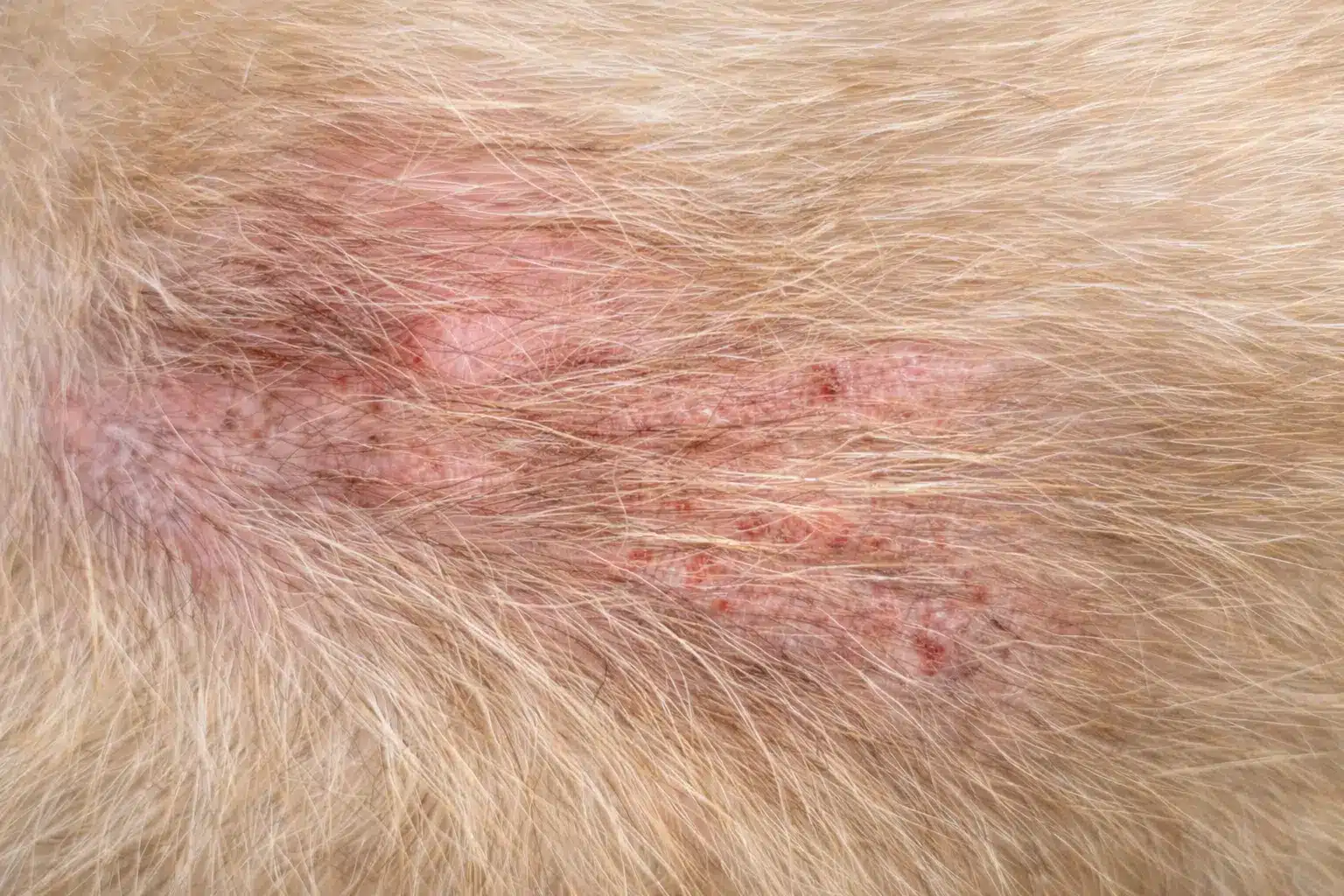
Visually, alopecia from allergies or parasites often produces irregular, patchy bald areas with redness or scaling at the borders.
Hormonal causes such as hypothyroidism or Cushing’s disease tend to produce more symmetrical hair loss on both sides of the body, often without any associated itching.
Alopecia X is a genetic form of hair loss, more commonly seen in Pomeranians, Chow Chows, and Alaskan Malamutes. It causes progressive coat loss without obvious skin irritation or discomfort.
How to tell it apart: Mange-related hair loss is accompanied by intense itching and visible skin crusting. Allergy-related hair loss is often accompanied by redness and inflammation at the site.
Hormonal hair loss is typically symmetrical and non-itchy.
Diagnosis involves blood tests to check for thyroid or adrenal disorders, skin scrapings, and, sometimes, a biopsy.
Treatment depends entirely on the underlying cause, so a proper diagnosis from your vet is essential before beginning any treatment plan.
When To See a Vet for Dog Skin Conditions?
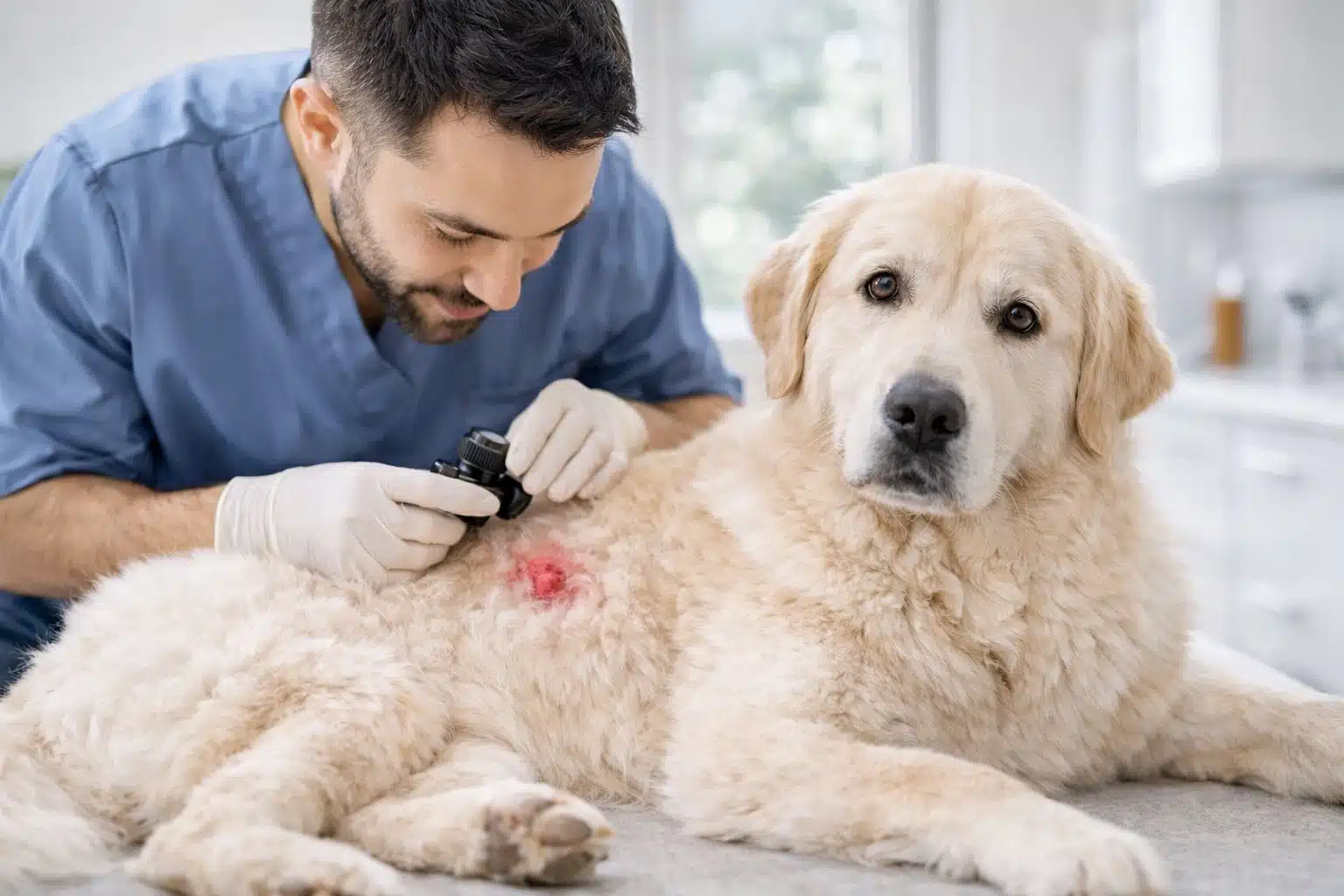
Some skin problems in dogs can be managed with basic home care, while others require immediate professional attention to prevent unnecessary pain.
- Non-healing wounds: A sore or wound that does not improve within a few days may indicate a deeper issue.
- Sudden hair loss: Rapid hair loss across large areas without a clear cause needs professional evaluation.
- Severe skin lesions: Bleeding, pus, or foul-smelling skin issues should not be left untreated.
- Excessive scratching: Intense itching that leads to broken skin or injury requires immediate care.
- New or changing lumps: Any lump that grows quickly, changes, or bleeds should be checked by a vet.
Conclusion
I hope this visual guide helped you get a clearer picture of the most common dog skin conditions, including what they look like, what causes them, and how they are typically treated.
From allergies and hot spots to mange and fungal infections, each one shows up differently on your dog’s body.
The key takeaway is this: pay close attention to your dog’s skin and act quickly when something looks off. Most dog skin conditions respond well to treatment when caught early.
If you spot changes such as redness, new lumps, constant scratching, or unusual skin lesions on your dog, do not wait too long before calling a vet.
A quick visit can make a meaningful difference in your dog’s recovery and comfort.
I encourage you to bookmark this post and come back to it whenever you need a quick reference.
Share it with other dog owners who might find it useful, and feel free to drop your questions or experiences in the comments below.
Frequently Asked Questions
Can Dog Skin Conditions Spread to Humans?
Some can. Ringworm and sarcoptic mange (scabies) are contagious to people. Wash your hands after handling an infected dog and consult a doctor if you develop any skin irritation.
When Should I Worry About a Lump on My Dog’s Skin?
Any lump that grows quickly, changes color, bleeds, or causes a vet should evaluate your dog visible discomfort. A biopsy is the best way to rule out cancer.
How Can I Prevent Dog Skin Conditions?
Regular grooming, year-round flea prevention, a diet with essential fatty acids, and vet checkups help reduce your dog’s health risks and catch issues early.