The best dogs for apartments are not just small breeds that can fit into a tight living room. Many people live in flats or compact homes and still want a dog to come home to after a long day.
The challenge is that space is limited, neighbors live close by, and daily routines can get busy, which means not every breed will adjust well to this kind of setup.
Some dogs need large yards and constant activity, while others are calm, quiet, and satisfied with short walks and indoor playtime.
Size alone does not decide whether a dog will thrive in a smaller home. In this blog, you will learn what makes a dog apartment-friendly and which breeds adjust well to smaller homes.
You will also see how energy levels, barking habits, and lifestyle fit into the decision, so you can choose a dog that feels right for your space and schedule.
What Makes a Dog Good for Apartments?
Size is not everything when choosing a dog for apartment living, as a small breed with high energy can feel harder to manage than a medium dog that prefers lounging indoors.
What matters more is temperament and daily energy level. Dogs that stay calm, adjust easily, and do not get anxious in small spaces tend to do better in apartments.
Barking tendencies also play a big role, especially when walls are thin and neighbors live close by. A dog that barks at every sound can create stress for both the owner and others nearby.
Exercise needs are another factor, as breeds that are satisfied with short walks and simple indoor play sessions usually fit apartment life more comfortably than dogs that require long runs and open yards.
Best Dogs for Apartments for Calm and Easy Indoor Living
The best dogs for apartments are breeds that stay calm indoors, need manageable exercise, and adjust comfortably to smaller homes and close neighbors
1. French Bulldog
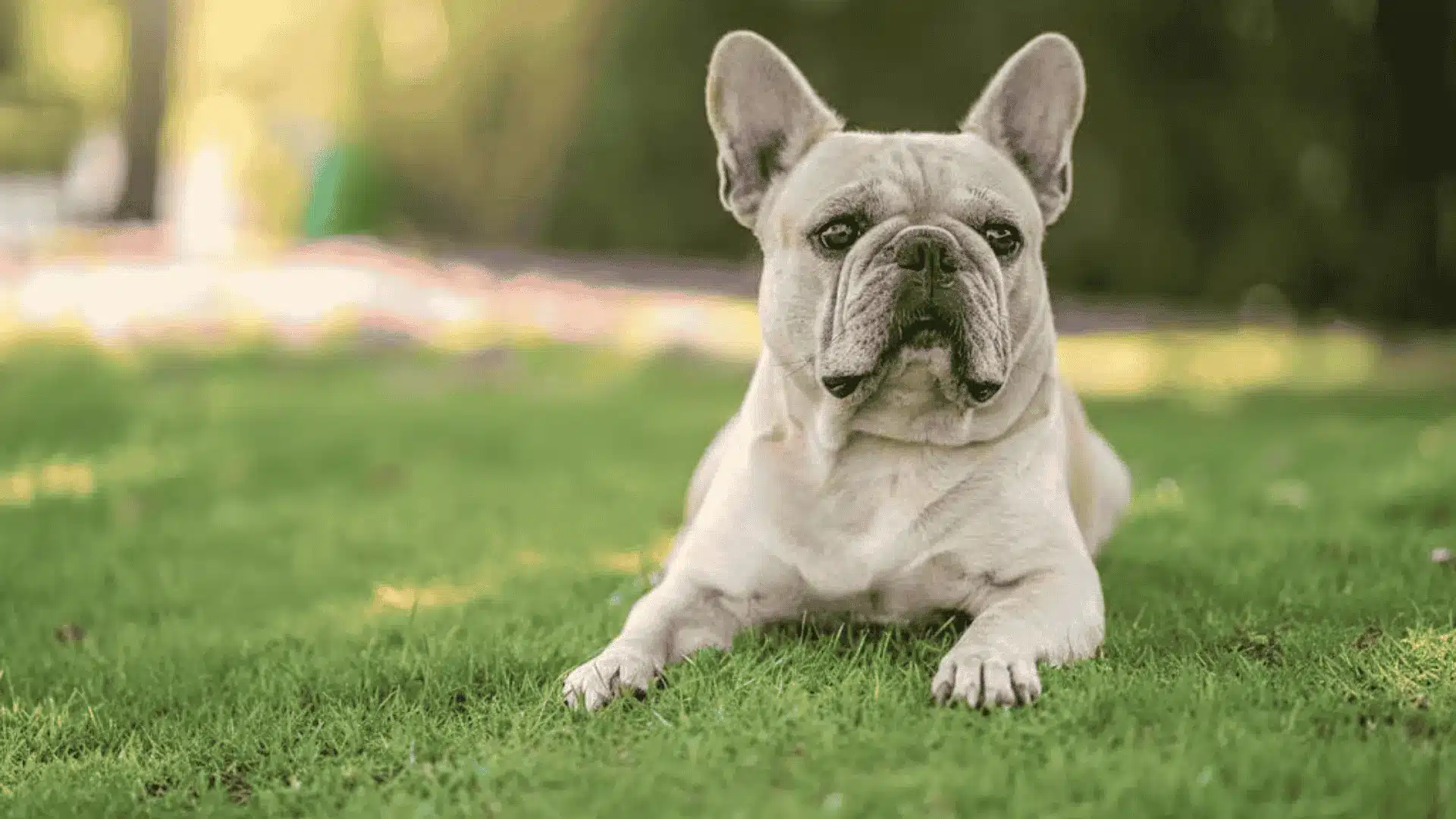
French Bulldogs often rank high among the best dogs for apartments because they do not need intense exercise. Their stocky build makes them tire quickly, so a 15 to 20 minute walk usually keeps them satisfied.
They stay fairly quiet and rarely bark without reason, which helps in buildings with close neighbors. Their flat faces make them sensitive to heat, so indoor living with climate control suits them well.
Frenchies are social but not overly clingy, and they are comfortable giving their owners space when needed.
2. Cavalier King Charles Spaniel
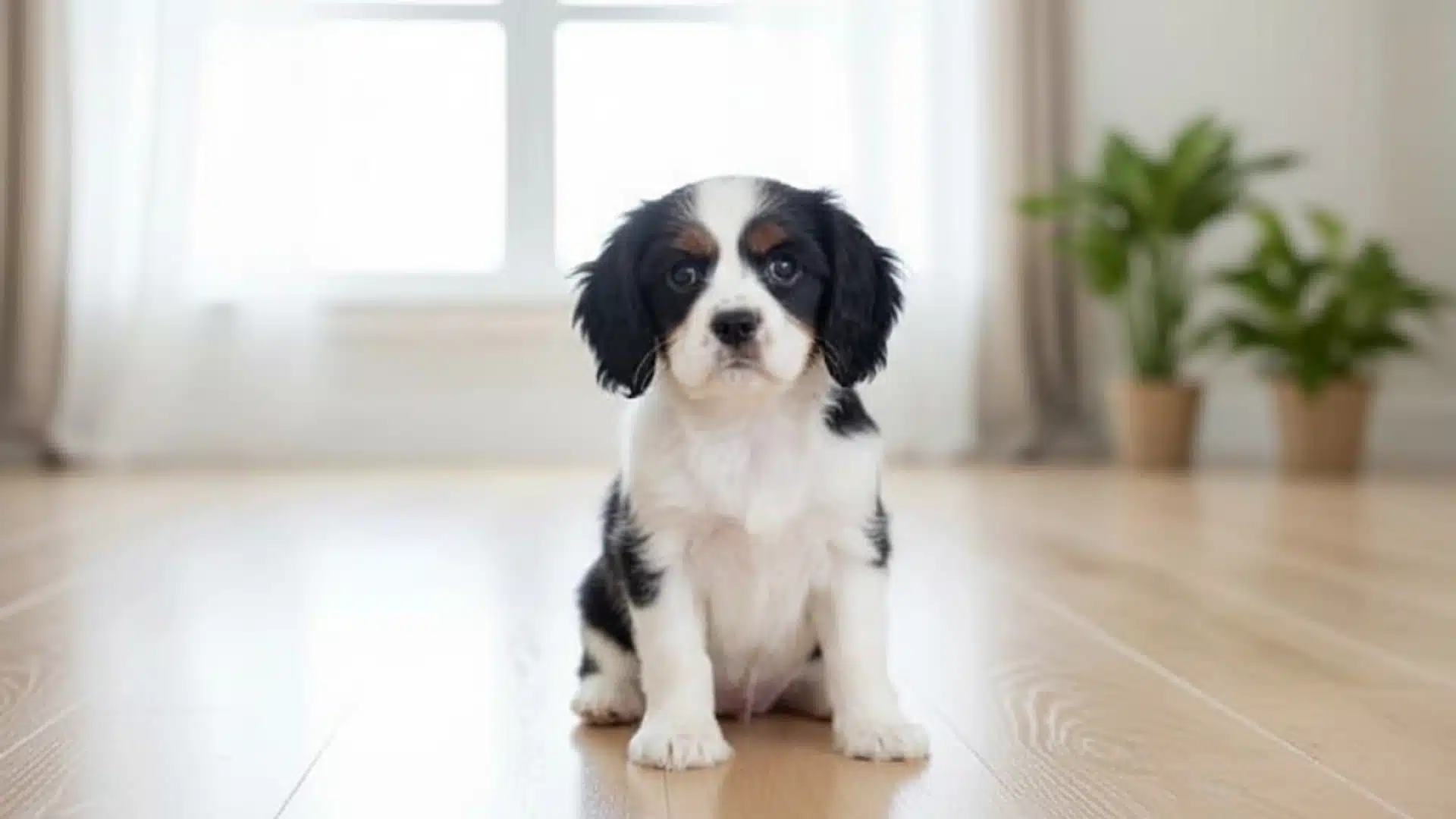
Cavaliers stand out for their ability to adjust to the mood of the home. They tend to match their energy to their surroundings and remain calm during quiet hours.
Two moderate walks a day are enough for their physical needs. They are friendly with guests and usually show very little aggression.
Their silky coat sheds seasonally but does not require extreme upkeep. Cavaliers can struggle with separation anxiety, so they fit better with owners who spend more time at home.
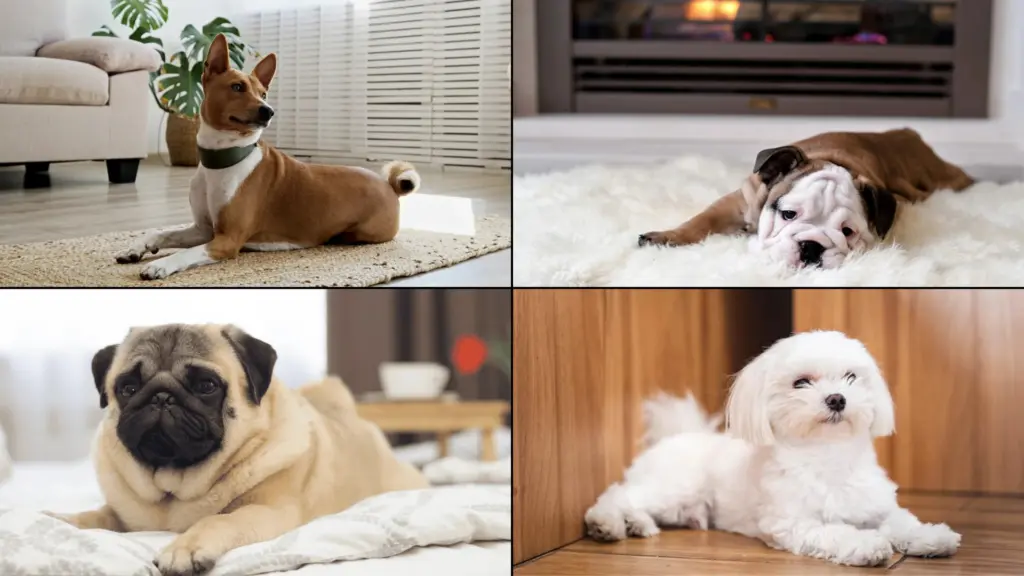
3. Pug
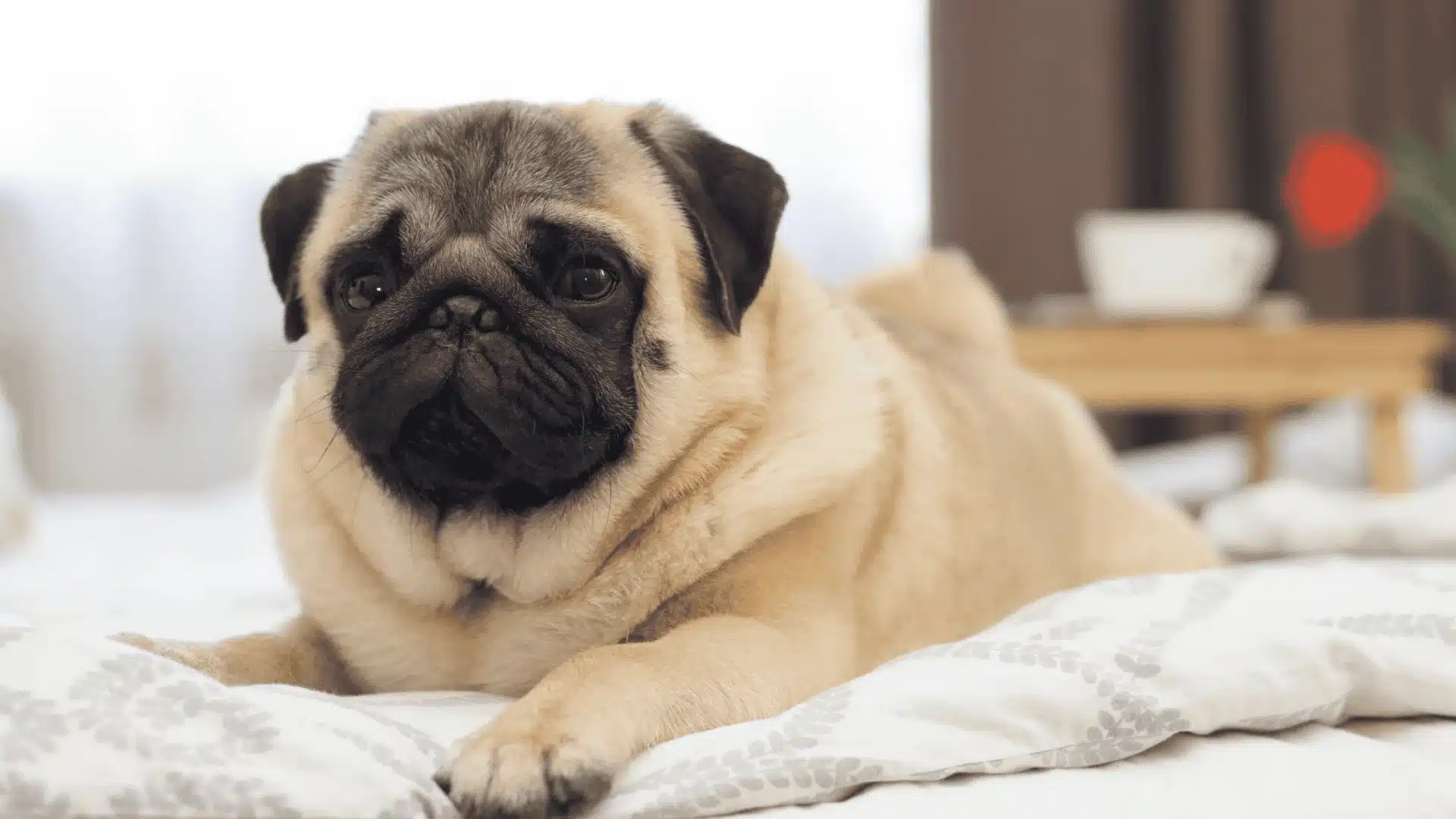
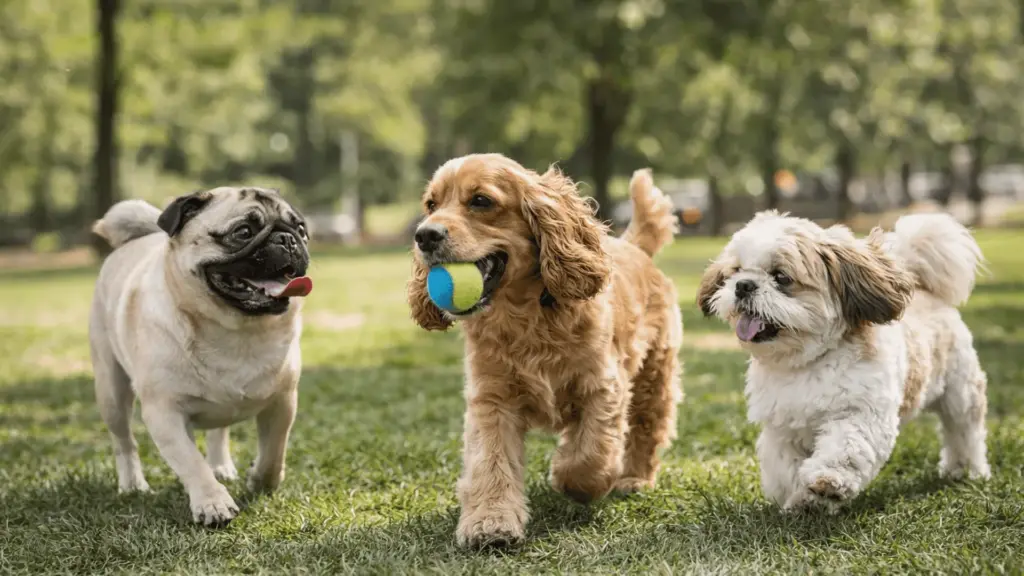
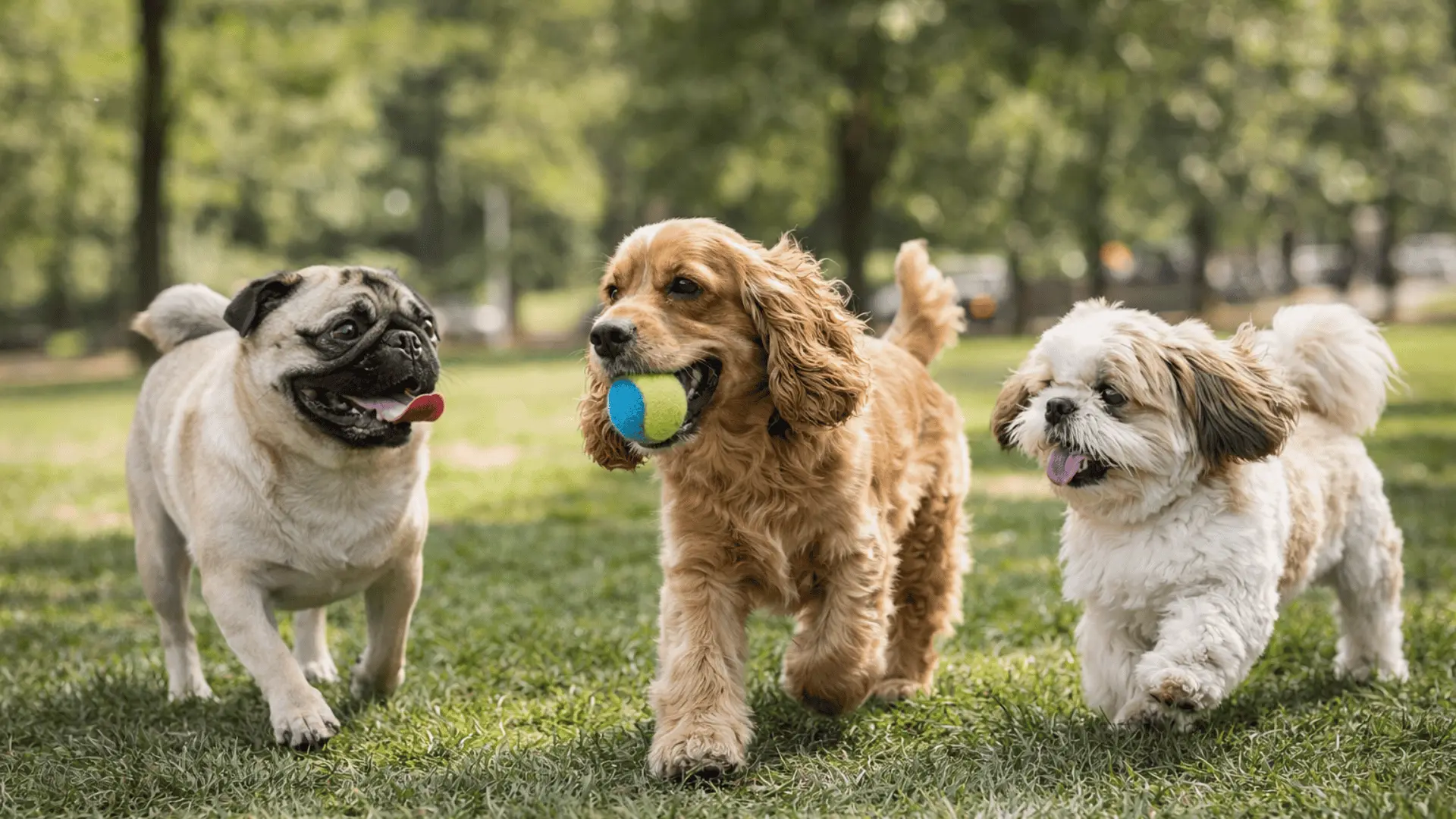
Pugs bring personality into small spaces without needing much room to move. Around 20 to 30 minutes of daily walking keeps them content.
Because they are sensitive to heat, they do not enjoy long outdoor time anyway. Their compact size helps them move easily through tight spaces.
They snore, shed throughout the year, and may face breathing issues, so regular care is important. Cleaning their face wrinkles helps prevent skin problems.
4. Boston Terrier
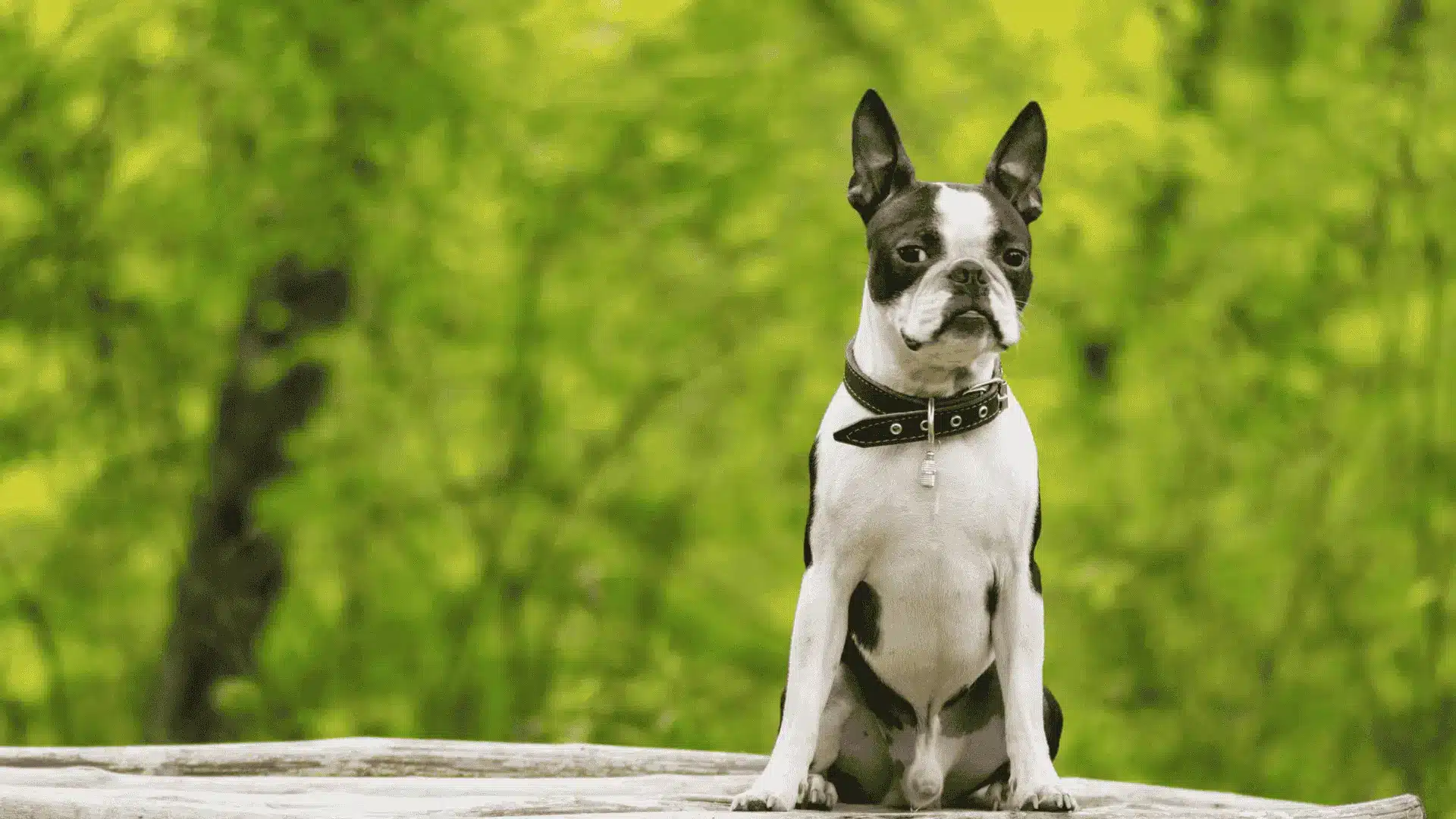
Boston Terriers are often called the American Gentleman because of their markings and steady behavior.
Unlike many terriers, they are not overly noisy or restless. They respond well to training, especially since they are motivated by food.
Their short muzzles make them sensitive to extreme temperatures. Bostons adapt quickly to routines and settle into apartment life with ease.
5. ShihTzu
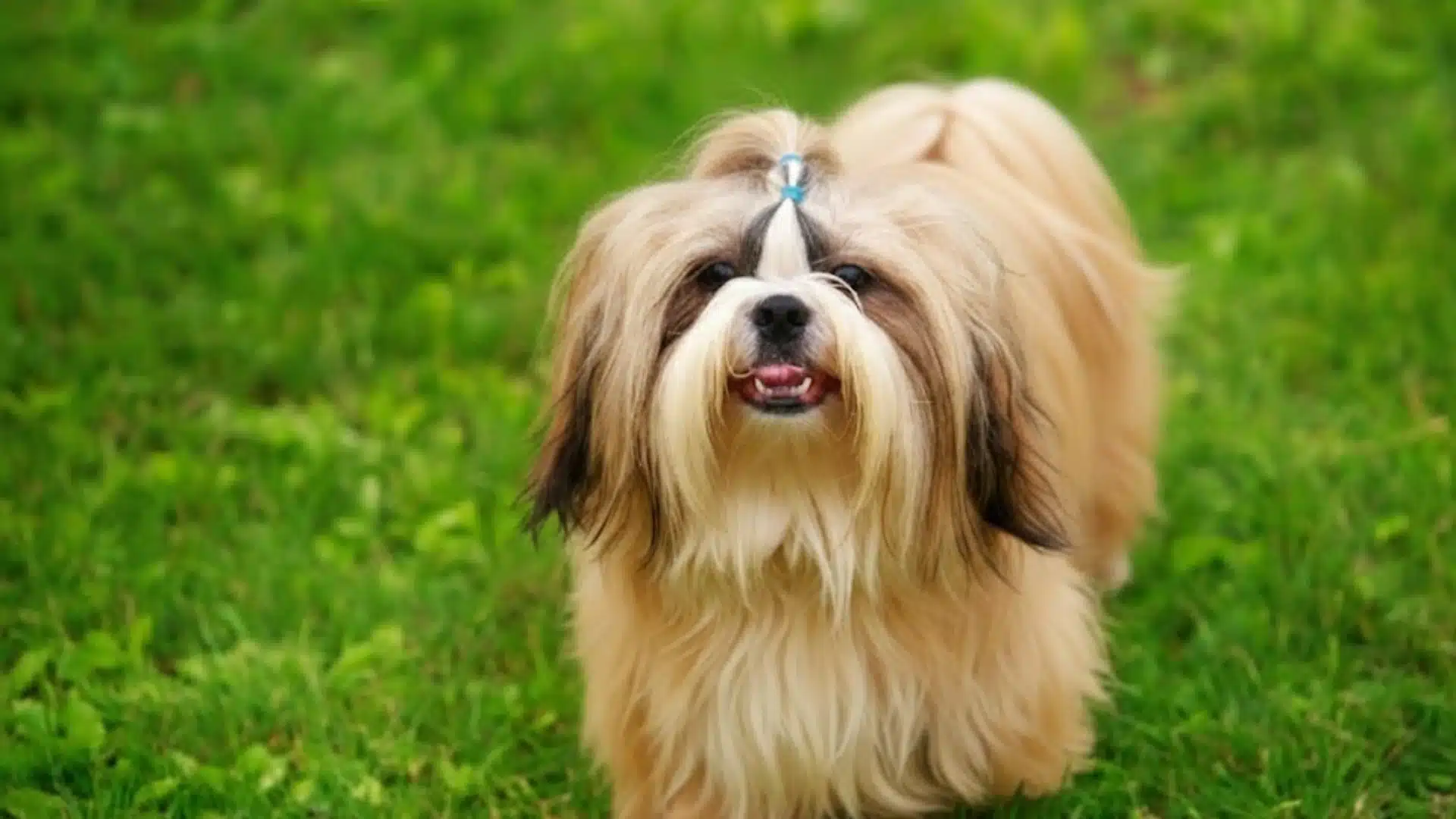
Shih Tzus were bred for indoor companionship, which makes them a natural fit for apartment living. They do not have a strong urge to hunt or roam.
Some days, a short walk is enough to meet their needs. Their sturdy build handles small bumps better than more fragile toy breeds.
Regular brushing or keeping the coat trimmed short helps manage grooming. They are content spending quiet time indoors and can stay relaxed without constant activity.
6. Bulldog
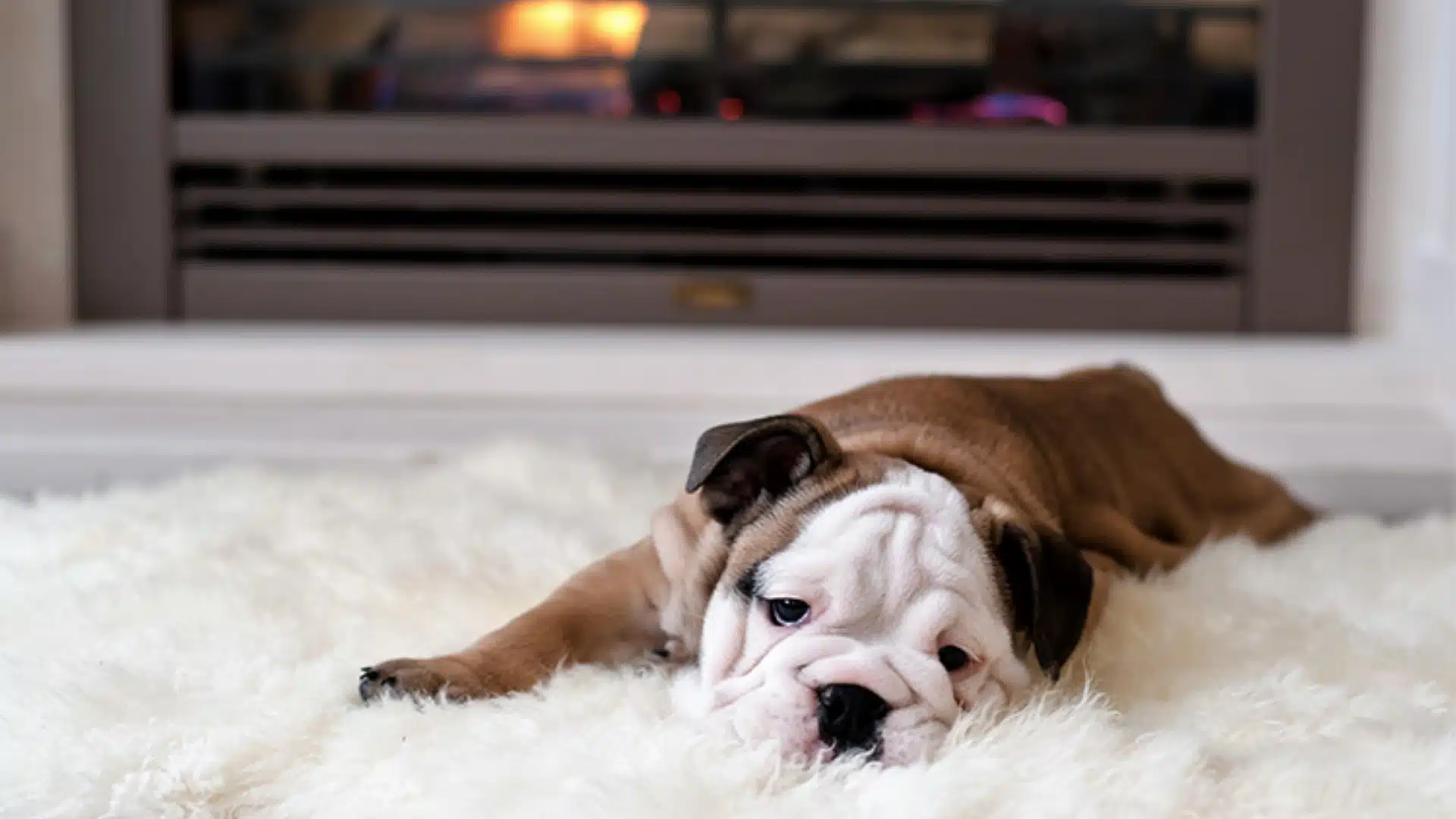
Bulldogs are known for their low energy and calm presence. They spend many hours resting and do not seek intense exercise.
Because of their short noses, they can overheat easily and prefer cooler indoor environments. Training may require patience due to a stubborn side, but their mellow nature balances it out.
They are not prone to racing around the house. Drooling and snoring are common traits to expect.
7. Basenji
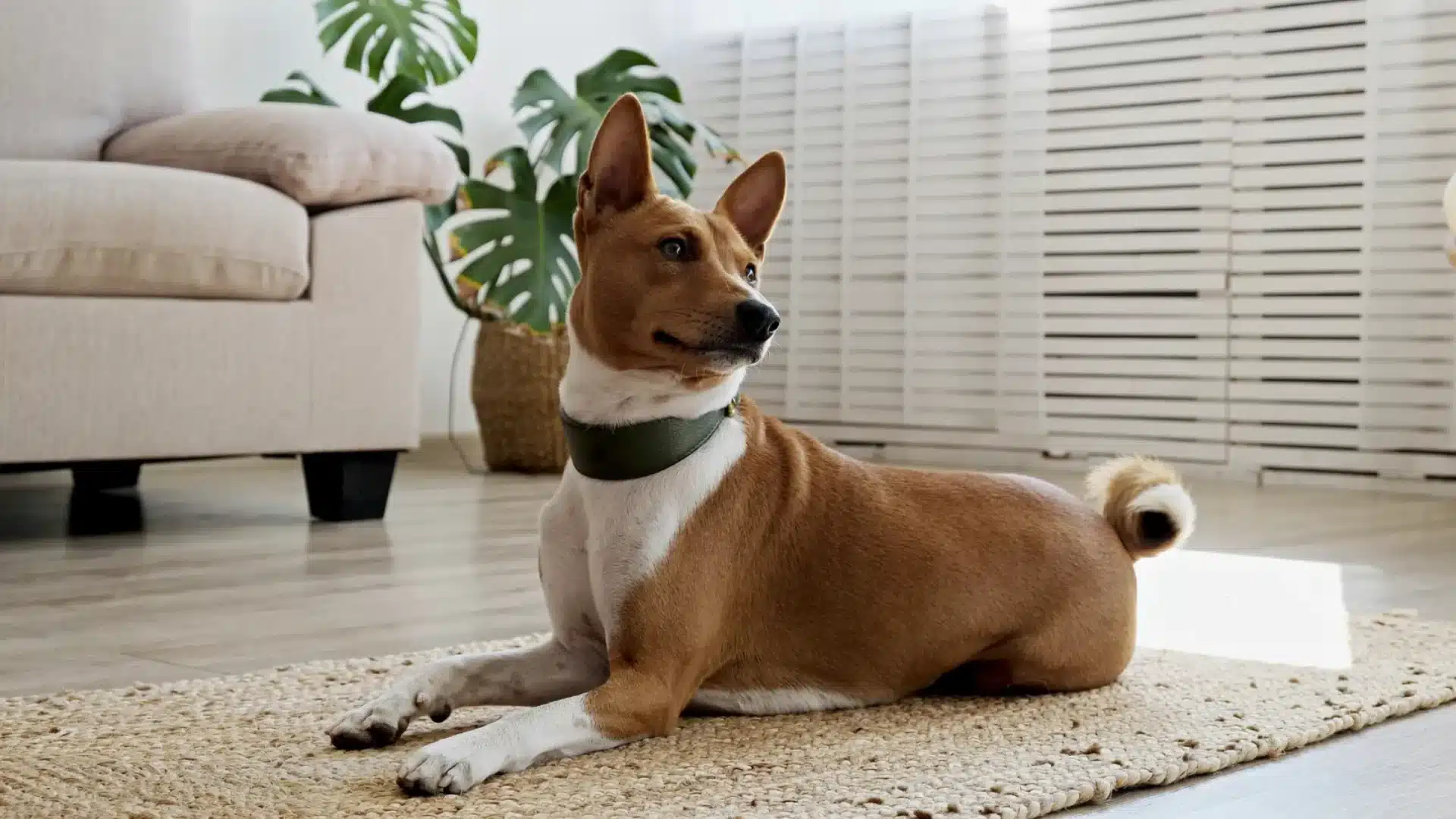
Basenjis are known for being barkless, which solves one of the biggest apartment concerns. Instead of barking, they make soft yodel-like sounds when excited.
They are clean dogs and often groom themselves, with very little odor. They need more exercise than many small breeds, and around 45 minutes of activity keeps them steady.
They can slip out of small openings, so leash control is important. Their independent personality allows them to stay occupied without constant attention.
8. Whippet
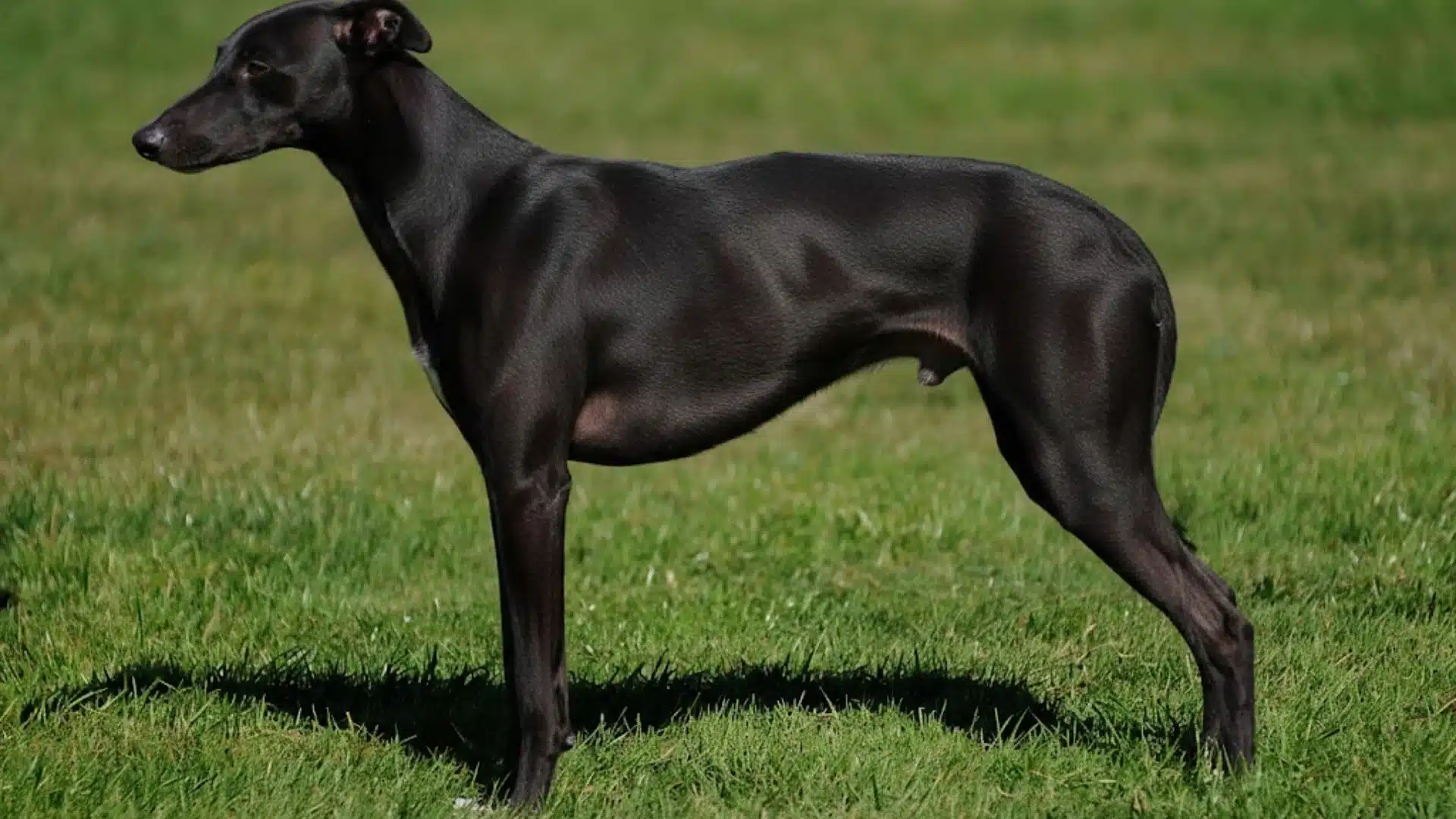
Whippets may look like racing dogs, but indoors, they are calm and relaxed. They settle well into apartment life and usually stay quiet.
A good walk or short run each day keeps them satisfied, and after that, they are happy to rest. They are gentle and respond better to soft training methods.
With proper socialization, they get along with families and other pets. Their thin coat makes them sensitive to cold, so warm corners and soft bedding help them feel comfortable.
9. Greyhound
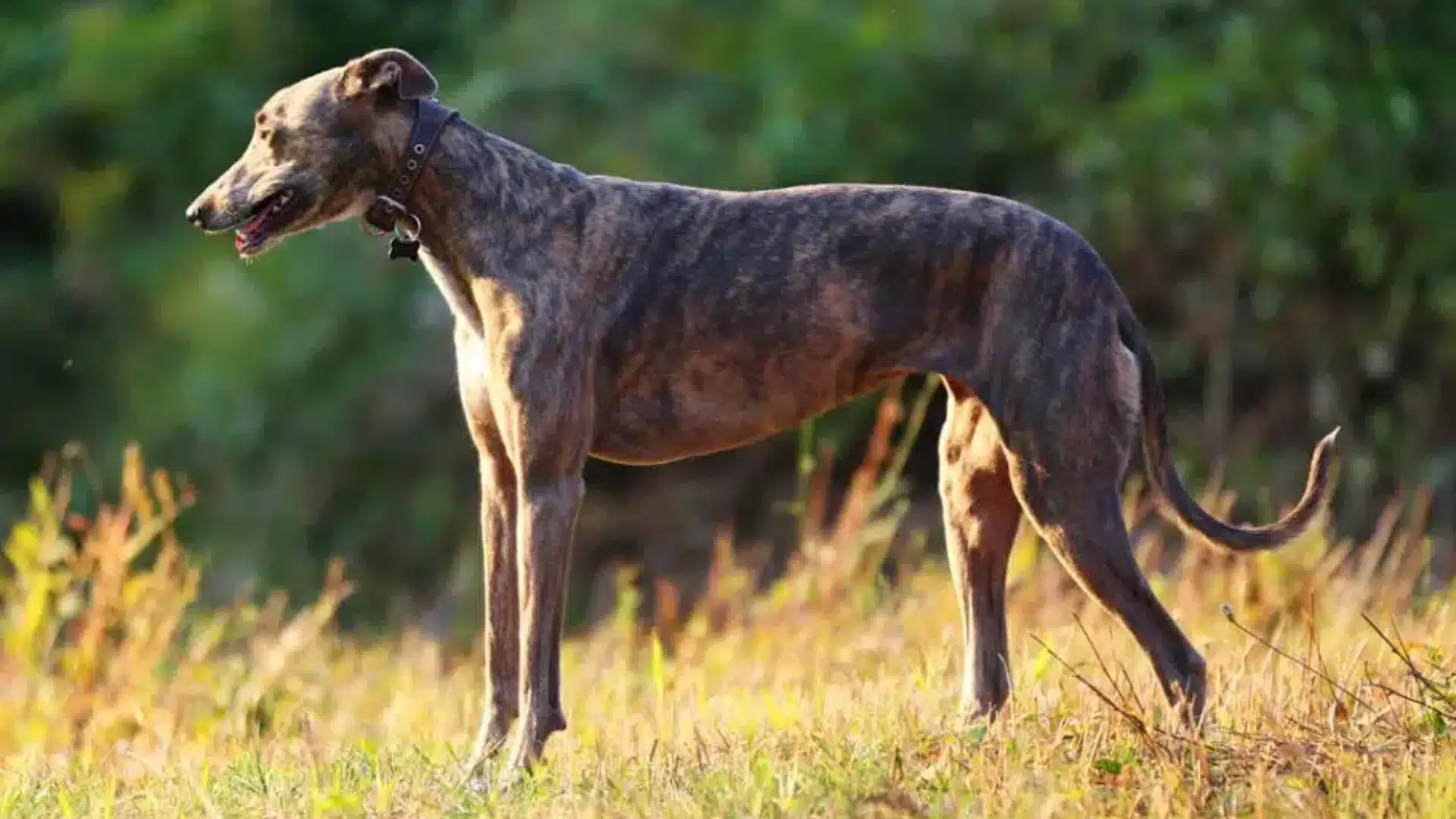
Greyhounds often surprise people who assume they need large yards. They are built for short bursts of speed, not long runs.
They stay calm indoors and rarely draw attention. Their short coat sheds very little and has minimal odor.
Because their skin is thin, soft bedding is important to keep them comfortable. They rarely bark and usually handle city noise without stress.
10. Bichon Frise
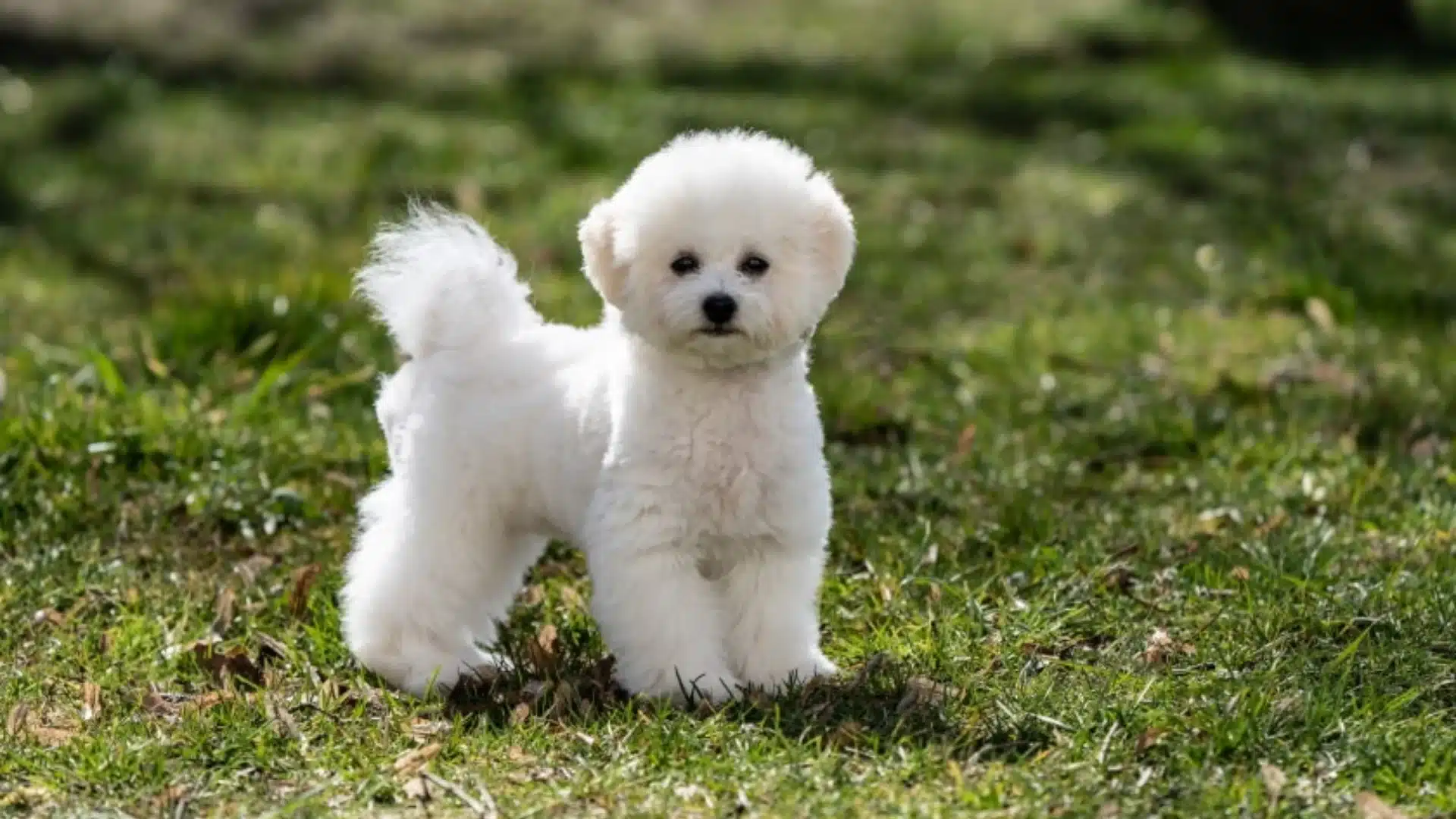
Bichon Frises are often chosen by people who struggle with allergies, as they shed very little. Their fluffy coat needs grooming every four to six weeks to avoid tangles.
These dogs tend to stay cheerful and friendly throughout the day. Unlike many small breeds, they are not overly nervous or noisy.
They adjust their activity level to the space available. They do not handle long hours alone very well and may act out if bored. Since they love treats, training works best with food rewards.
11. Maltese
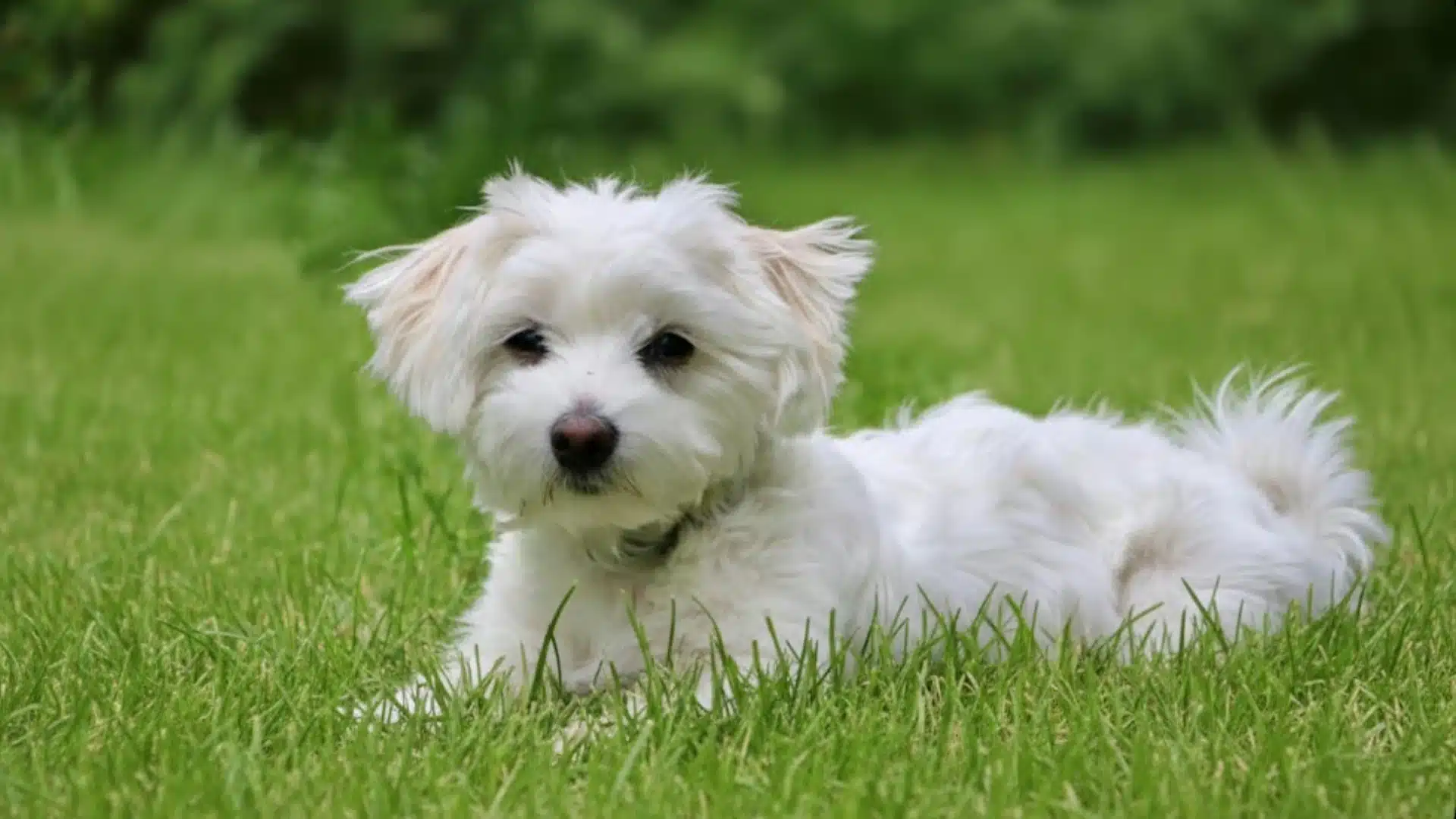
Maltese dogs have long been companion pets and fit easily into small homes. Their silky white coat sheds lightly but needs daily care to prevent knots.
Weighing only a few pounds, they travel easily and do not take up much space. They enjoy short bursts of play despite their small size.
Maltese often struggle with being left alone for long hours. They respond better to gentle training rather than strict correction. Because of their small bladder, more frequent potty breaks are usually needed.
12. Chihuahua
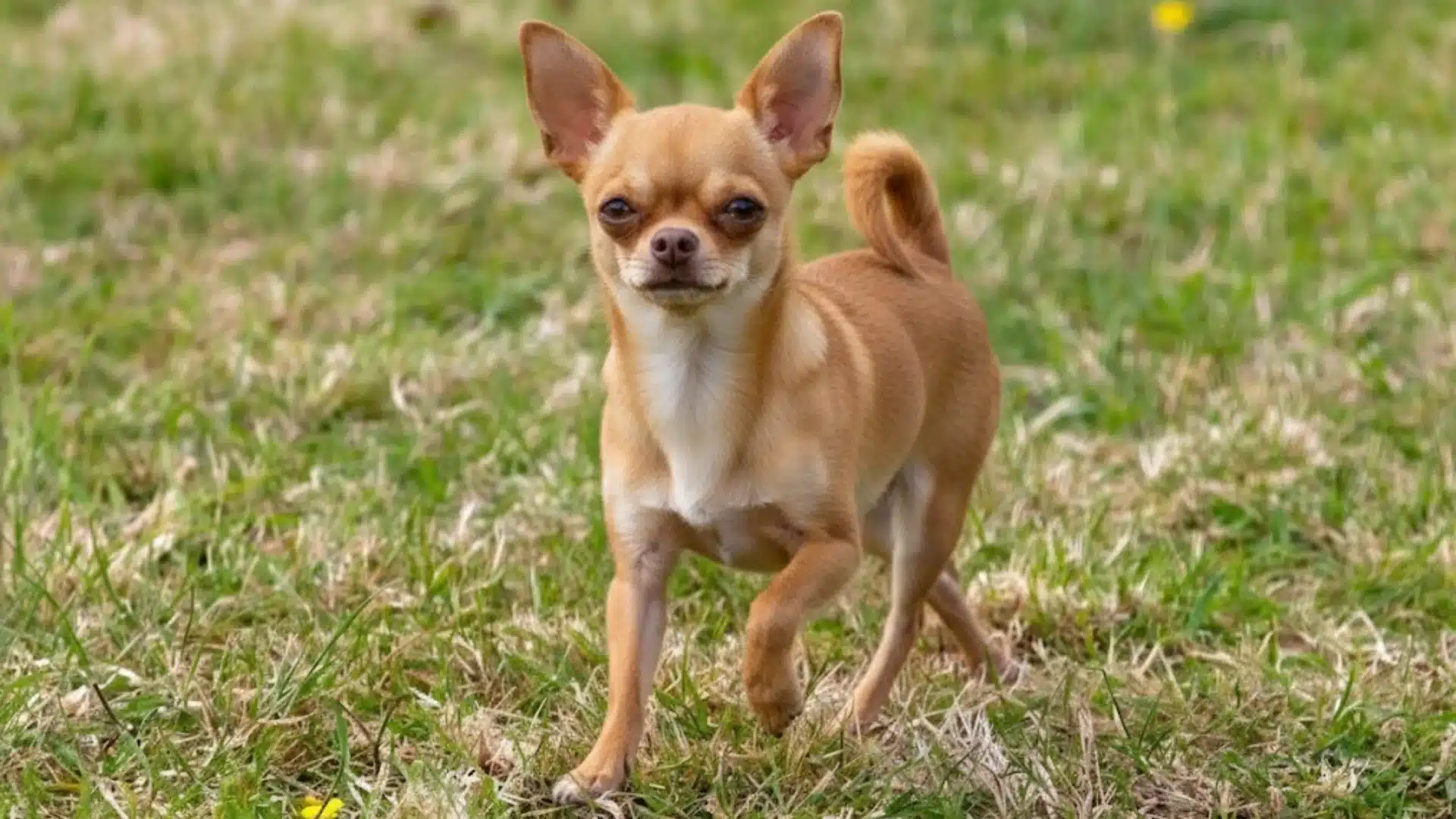
Chihuahuas are among the smallest breeds, making them easy to manage in tight spaces. They can meet much of their exercise needs by moving around indoors.
These dogs are deeply loyal and often bond strongly with one or two people, but they may be cautious with strangers.
Cold weather affects them easily, so warm clothing helps during winter. They have long lifespans, often reaching well into their teens. With consistent routines, potty training can go smoothly.
13. Yorkshire Terrier
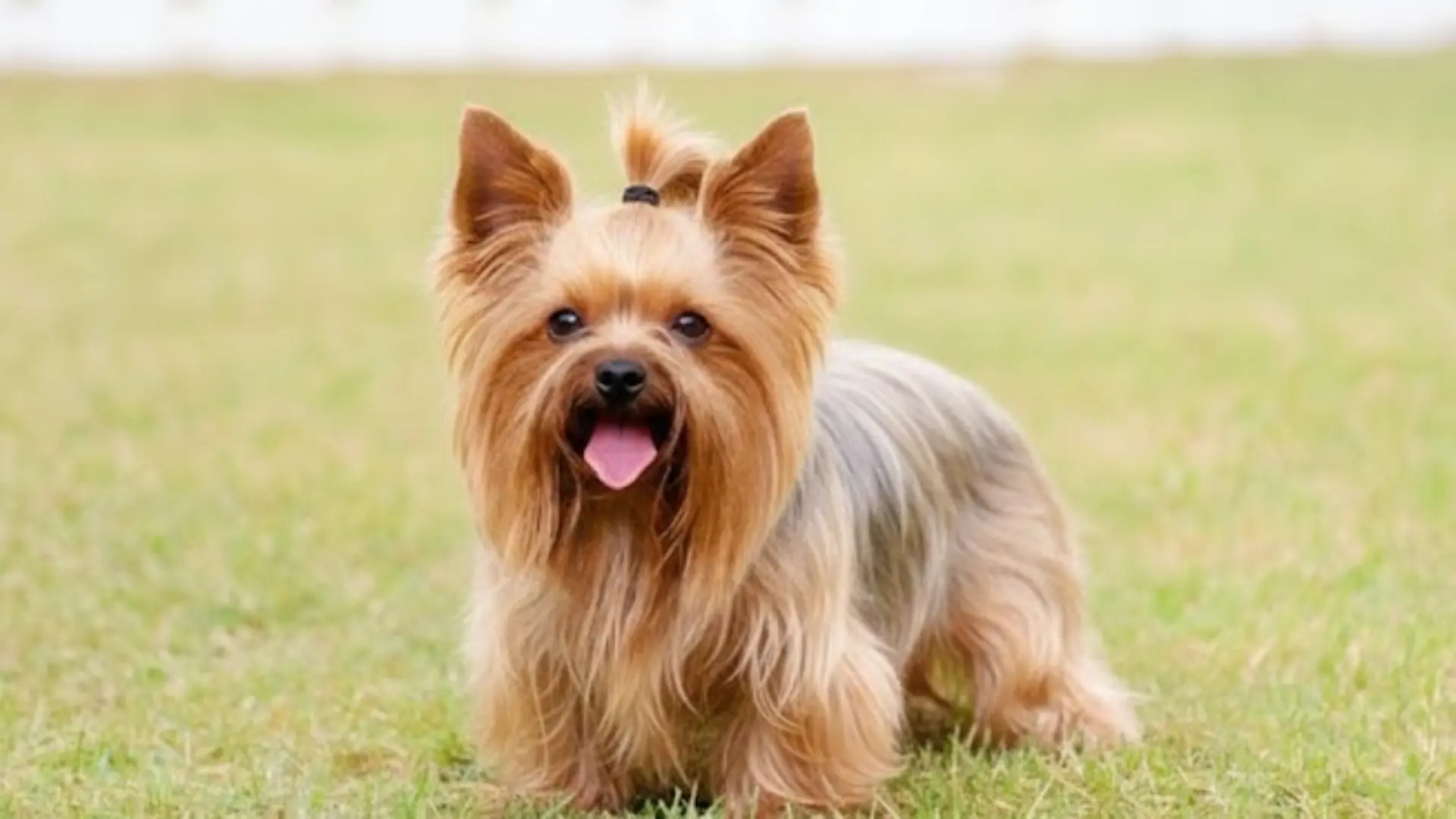
Yorkshire Terriers bring bold personalities into small bodies. They enjoy finding and staying alert to their surroundings.
Yorkies tend to act as watchdogs and may bark at unfamiliar sounds, so early guidance is helpful. Their coat sheds lightly but needs regular grooming since it grows like hair.
They are intelligent and capable of learning advanced tricks. Without firm boundaries, they may develop pushy behavior.
14. Havanese
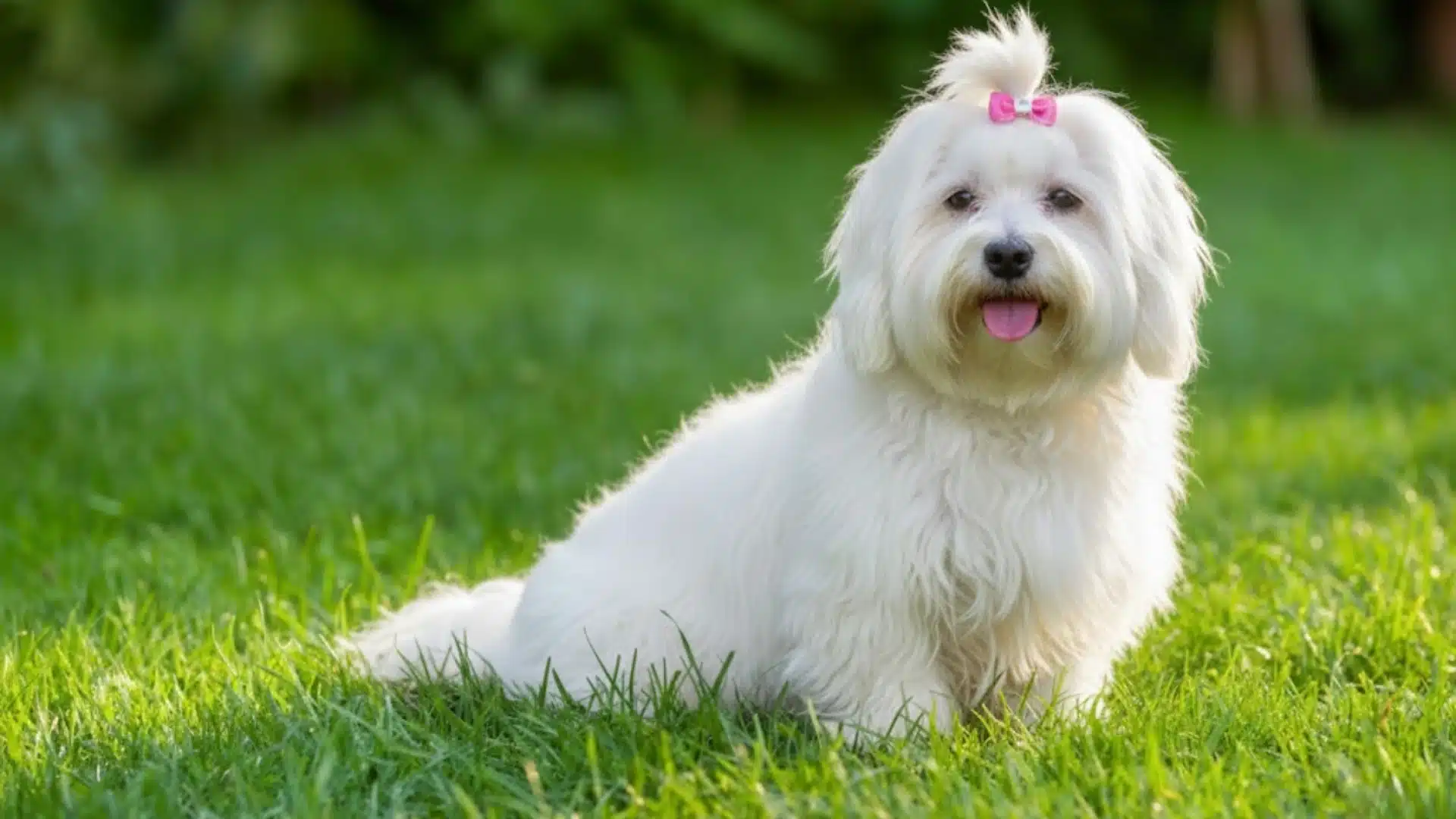
Havanese dogs were bred as companion animals and stay close to their owners throughout the day. They form strong attachments and prefer homes where someone is around often.
This breed responds well to training and enjoys learning tricks. Their energy level is moderate and can be managed with indoor play and short outdoor walks.
Their long coat can be trimmed shorter to make grooming easier. They often show playful behavior and enjoy attention from family members.
15. Pomeranian
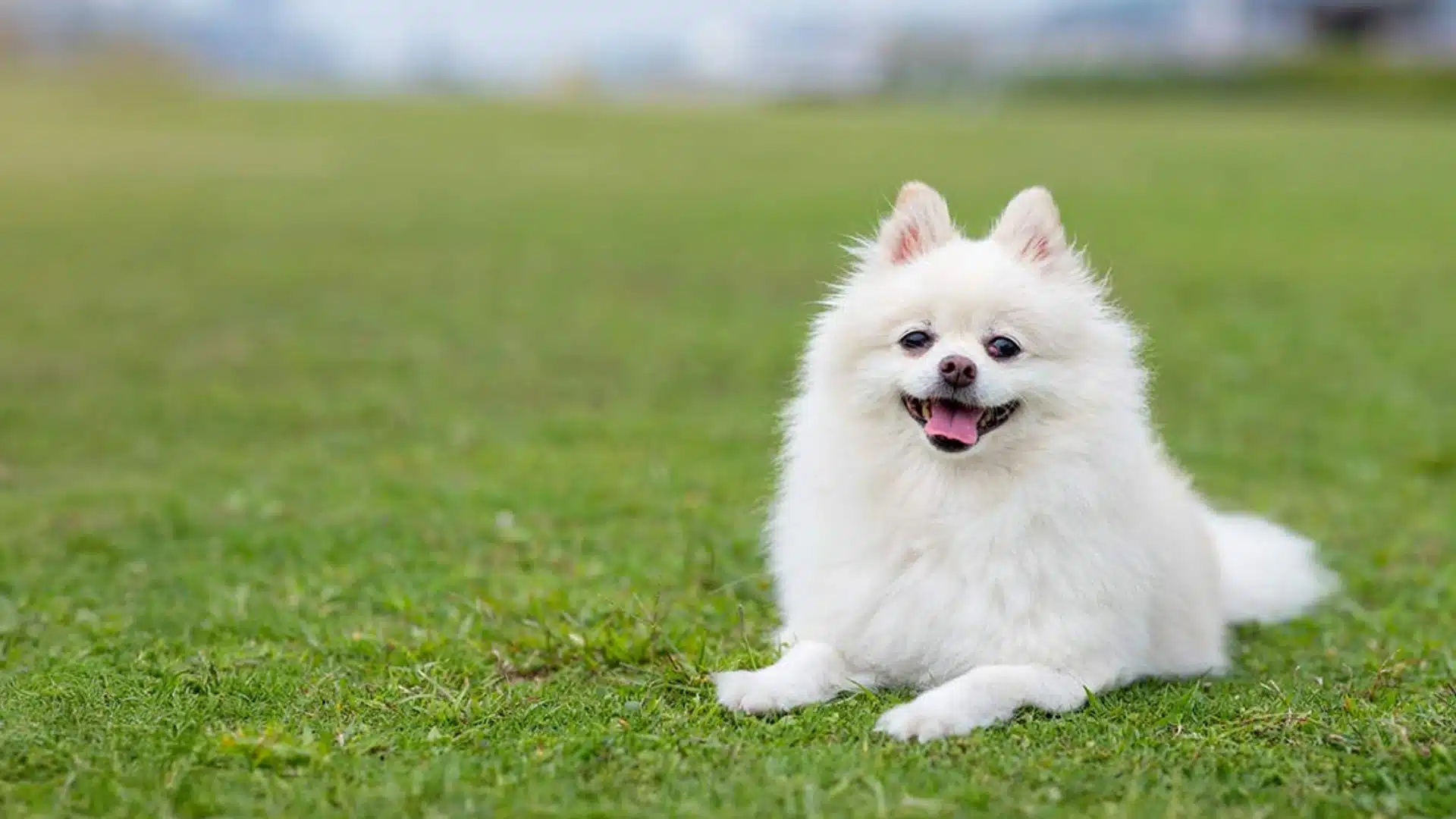
Pomeranians may be small, but their personality is bold. Their thick coat makes them appear larger than they are. Although tiny, they have steady stamina and enjoy staying active.
They tend to be vocal, so training helps reduce unnecessary barking. They are intelligent and need consistent boundaries to avoid stubborn behavior.
Mental challenges like puzzle toys and short training sessions help keep them balanced in apartment settings.
16. Cocker Spaniel

Cocker Spaniels are medium-sized dogs that adjust well to indoor living when given proper exercise. Around an hour of daily activity keeps them steady.
Their long ears require weekly cleaning to prevent infection. They are sensitive by nature and respond better to gentle training methods.
Since they enjoy food, portion control is important to prevent weight gain. With regular walks and structure, they settle well into apartment routines.
17. Dachshund

Dachshunds were bred for hunting underground, which explains their long bodies and short legs. Their spine needs protection, so jumping from furniture should be limited.
They require about 30 to 40 minutes of daily exercise despite their small size. Training may take patience because they can ignore commands at times.
They come in smooth, long-haired, and wire-haired varieties, each with different grooming needs. They tend to bark at unfamiliar sounds, so early training helps manage noise.
Tips for Keeping a Dog Happy in an Apartment
Apartment dogs can live calm and fulfilling lives when their daily needs are met with the right balance of activity, comfort, and attention.
- Daily walks: Regular walks help release built-up energy, maintain a healthy weight, and give dogs a chance to experience new smells and surroundings outside the apartment.
- Indoor play: Simple games like fetch in a hallway or tug sessions keep the body active without needing large open spaces.
- Mental stimulation: Puzzle toys, basic obedience practice, and short training sessions keep the mind engaged and prevent boredom-related behavior.
- Training to reduce barking: Consistent commands and positive reinforcement help control unnecessary barking, which is especially important in buildings with close neighbors.
- Creating a cozy corner: A quiet space with a soft bed and familiar toys gives dogs a sense of security and a place to relax peacefully.
Things to Avoid When Choosing an Apartment Dog
Not every breed will adjust well to small living spaces, and choosing the wrong type can create stress for both the dog and the owner.
Very high-energy working breeds often struggle in apartments because they were bred for constant activity and large open areas.
Without enough physical and mental outlets, they can become restless or destructive indoors. Dogs that bark often can also cause problems in buildings where neighbors live close by.
Frequent noise complaints can quickly turn into tension. Breeds that need large yards to run freely may feel confined in a small home.
Limited space can lead to frustration if their exercise needs are not fully met. Selecting from the best dogs for apartments usually means focusing on calm, adaptable breeds instead of high-drive outdoor types.
Conclusion
The best dogs for apartments are not only about size but also about energy level, temperament, and daily needs.
Throughout this blog, the focus has been on breeds that stay calm indoors, need moderate exercise, and adjust well to smaller spaces.
From low-energy companions like Bulldogs to surprisingly relaxed options like Greyhounds, the right match depends on routine, schedule, and living setup.
Barking habits, grooming needs, and time for walks also matter just as much as appearance. Choosing a dog based only on looks can lead to frustration later.
A breed that fits daily life will feel easier to manage and more enjoyable in the long run. With the right choice, apartment living can be comfortable and fulfilling for both dog and owner.
Which of these breeds feels like the right fit for your home? Share your thoughts or experience in the comments below.