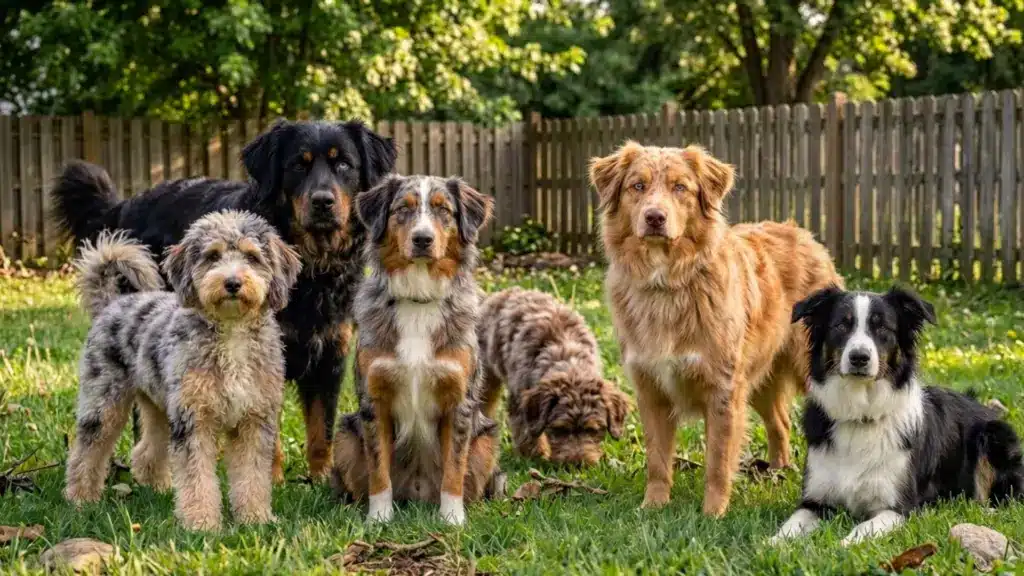
Choosing a dog sounds easy until every breed starts looking perfect. One is playful, one is calm, one fits apartments, and one looks made for a family photo.
That is why the most popular dog breeds get so much attention. They are not just trending names.
They are dogs people keep choosing because they fit real homes, real routines, and real personalities.
I always look past the cute face first, because popularity does not show how much exercise, grooming, training, or patience a dog may need.
This blog breaks down the top breeds right now so you can understand which ones truly match your lifestyle before bringing a new dog home for years.
What Makes a Dog Breed Popular?
A dog breed becomes popular when it fits the daily life of many owners.
People usually look for dogs that are friendly, easy to train, safe around kids, and able to live well in their home.
Some breeds become favorites because they are loyal family pets, while others stand out because they are small, cute, low-maintenance, or good for apartments.
Health, grooming needs, exercise level, and behavior also matter a lot. A breed that is too active, too noisy, or too hard to care for may not suit every home.
Media, movies, celebrities, and social media can also raise demand for certain breeds.
In the end, popularity usually comes from a mix of looks, personality, care needs, and how well the dog matches modern lifestyles for most families.
The Top Most Popular Dog Breeds
Here are the most popular dog breeds right now, based on AKC-style rankings and everyday owner appeal. Each breed has its own charm, care needs, health concerns, and ideal home type.
1. French Bulldog
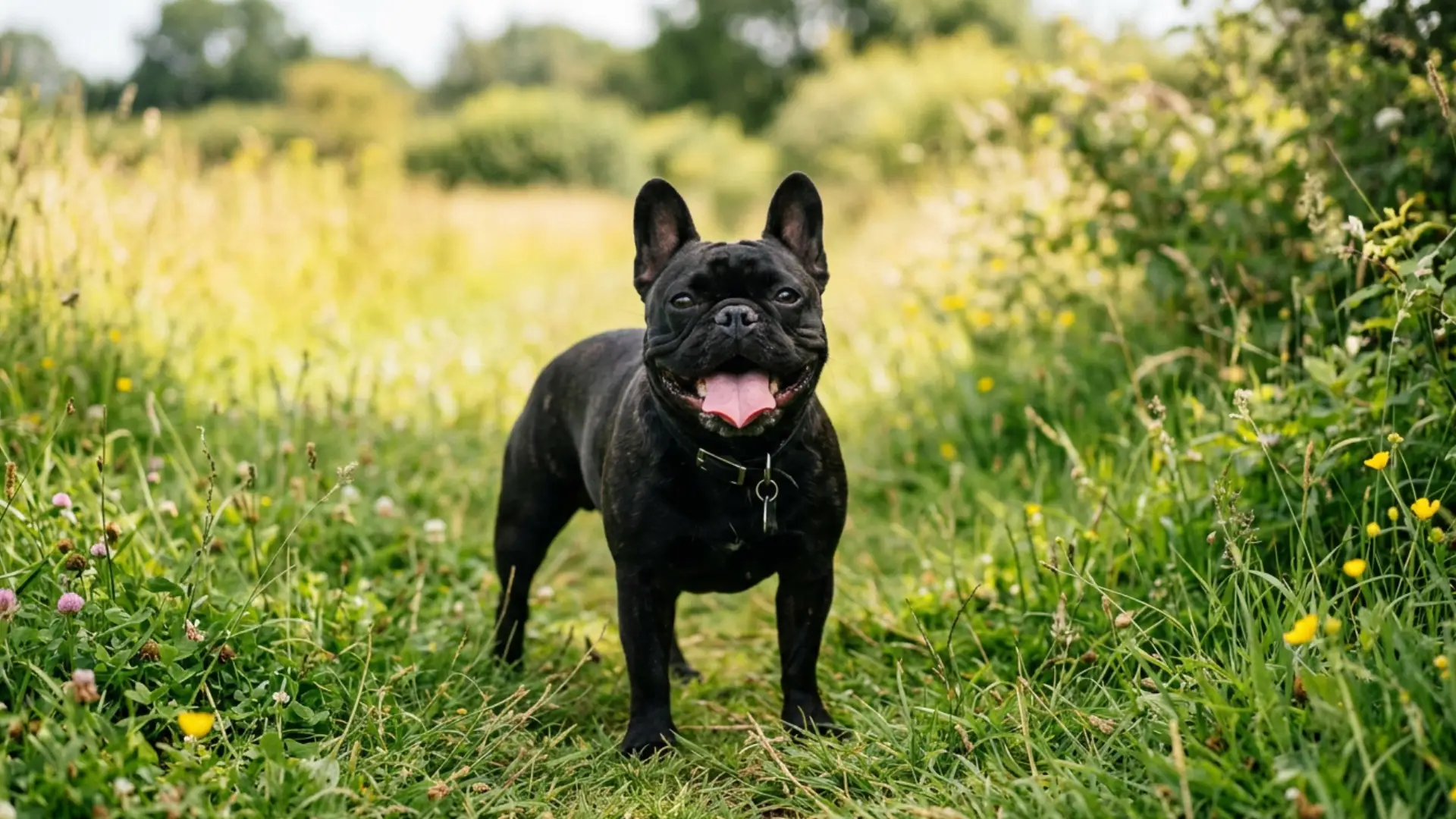
The French Bulldog has been America’s most registered breed since it ended the Labrador Retriever’s long run at the top.
Frenchies are low-energy, affectionate, and genuinely funny to live with. They are compact enough for apartments, happy with short daily walks, and deeply attached to their people.
According to Humane World for Animals, around 50% of French Bulldogs and Pugs show clinically significant signs of brachycephalic obstructive airway syndrome.
If you’re drawn to a Frenchie, buy from a breeder who health-tests for BOAS, and expect the budget for potential vet costs to be above what you’d expect from other small dogs.
2. Labrador Retriever
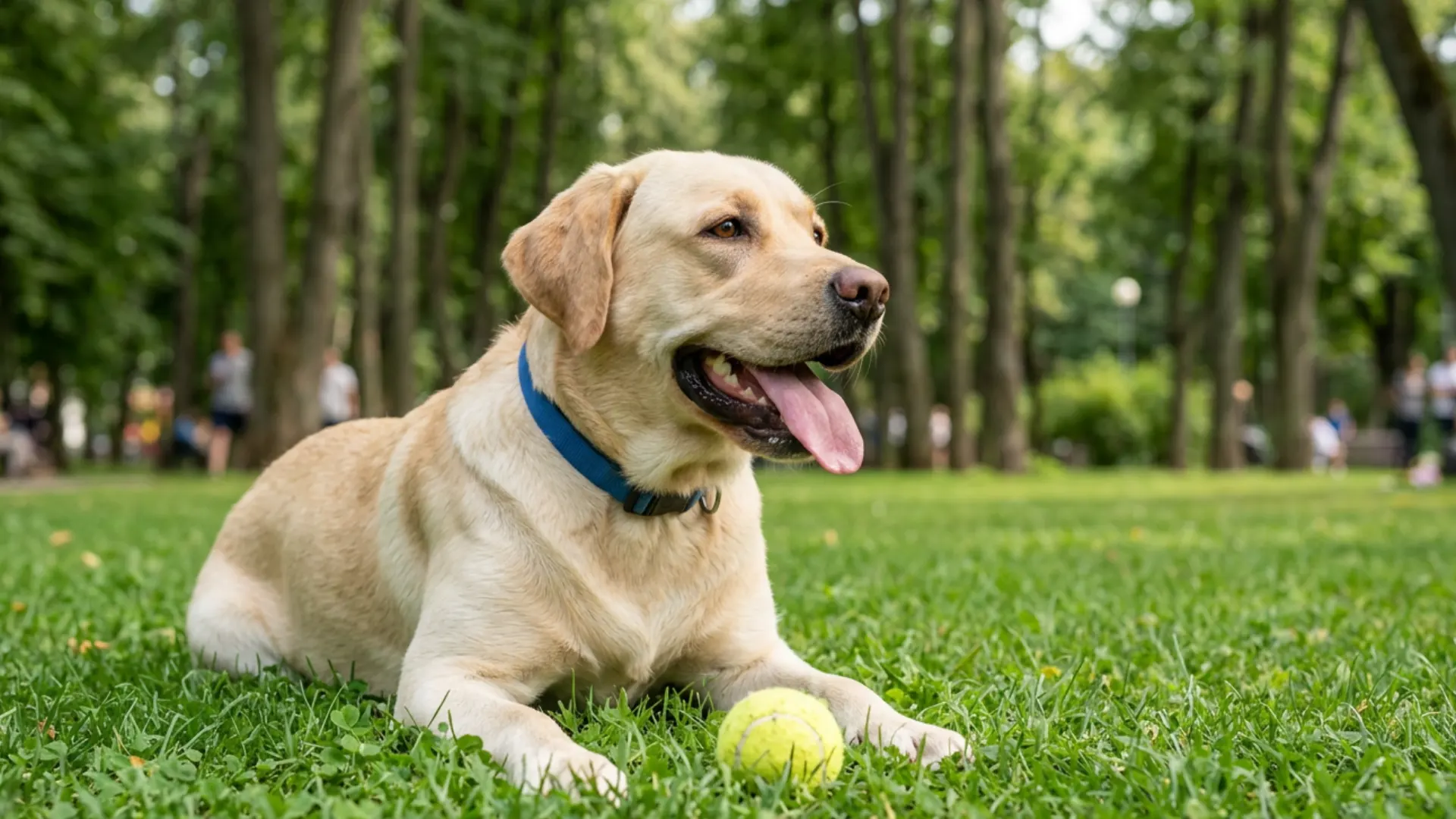
The Labrador held the top spot, and it still belongs comfortably in the number two position.
This is a dog that genuinely earns its reputation. Labs are friendly with kids, good with other pets, easy to train, and built for an active lifestyle.
They’re medium-to-large (55 to 80 pounds), so they need real daily exercise. Without enough activity, they chew. A lot. Hip dysplasia is the most common health concern in the breed.
3. Golden Retriever
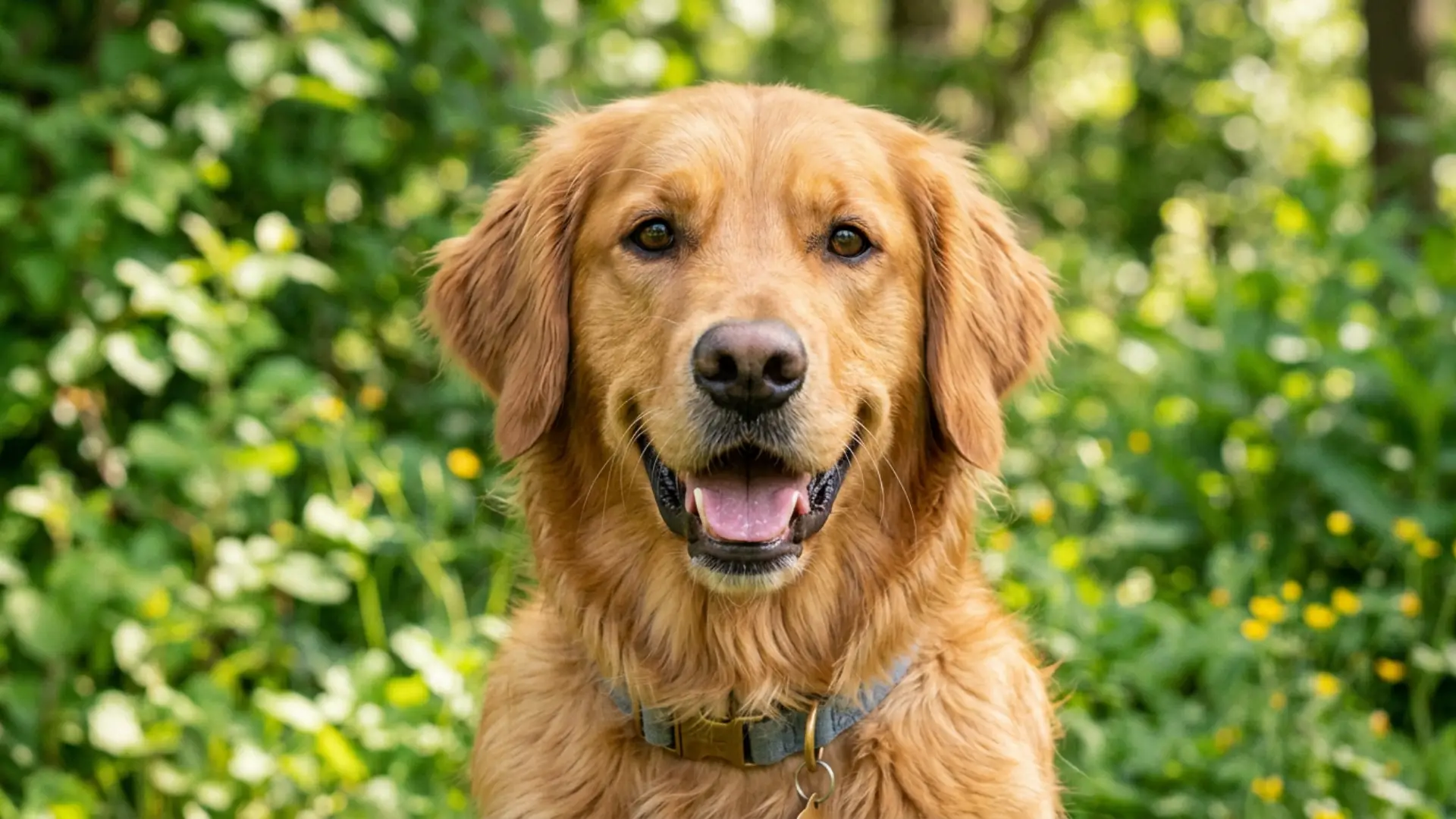
Goldens are almost unfairly easygoing. They’re patient with toddlers, enthusiastic about fetch, gentle enough for first-time owners, and smart enough to pick up commands quickly. They’re also shedding machines.
That double coat deposits hair on everything year-round, with two heavy seasonal shed cycles on top. Grooming is a real commitment.
Goldens are prone to hip dysplasia and cancer at higher rates than many other breeds, so health screenings from responsible breeders matter here too.
None of that stops families from choosing them, and honestly, once you’ve had a Golden, it’s hard to picture a different dog in the house.
4. German Shepherd
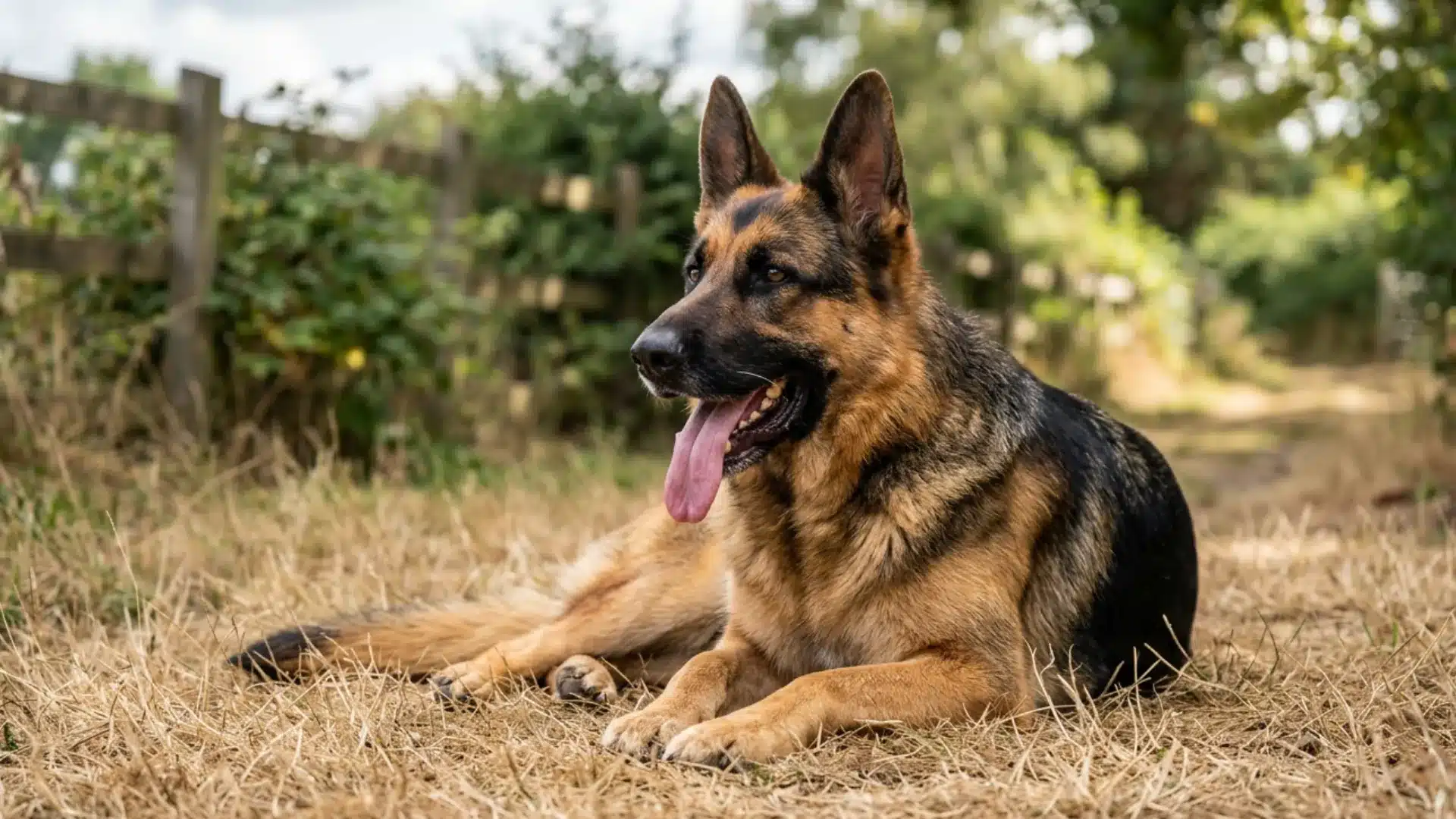
German Shepherds are loyal, intelligent, and intensely bonded to their people. There are also many dogs.
They need structured daily exercise, consistent training from a young age, and regular mental work to stay even-tempered.
Without that structure, they can develop anxiety and destructive habits. They’re natural protectors, which makes them excellent guard dogs and working dogs, but they need an owner who’s confident and consistent.
Apartment living is possible if the exercise requirement is met, though they genuinely do better with space.
5. Dachshund

Their signature long-and-low build is instantly recognizable and endlessly charming. Personality-wise, they’re curious, stubborn, and surprisingly bold for a small dog.
The body shape that makes them so distinctive also makes them vulnerable.
Dachshunds have a significantly elevated risk of intervertebral disc disease (IVDD), a spinal condition that can cause pain or paralysis.
6. Poodle
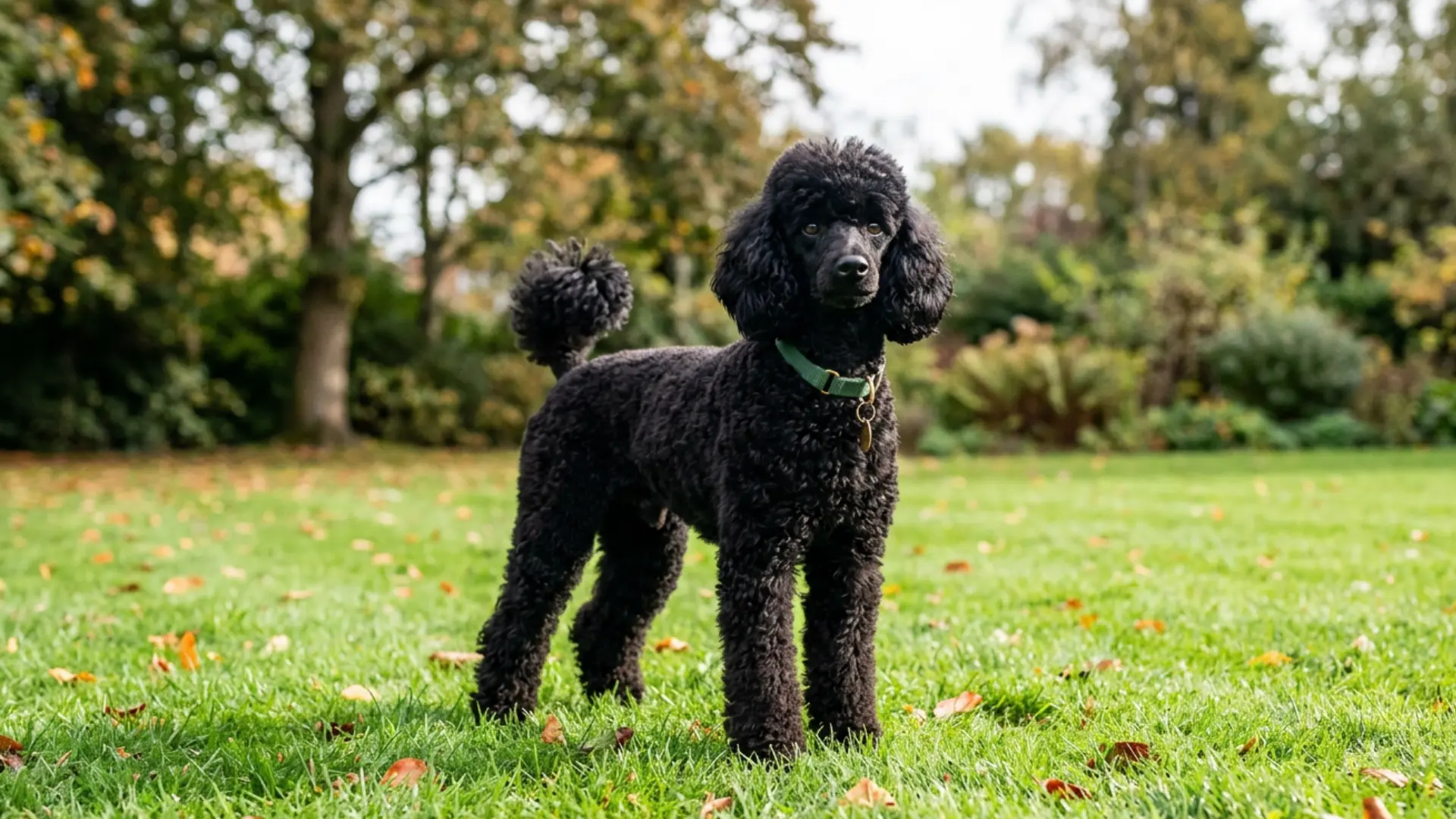
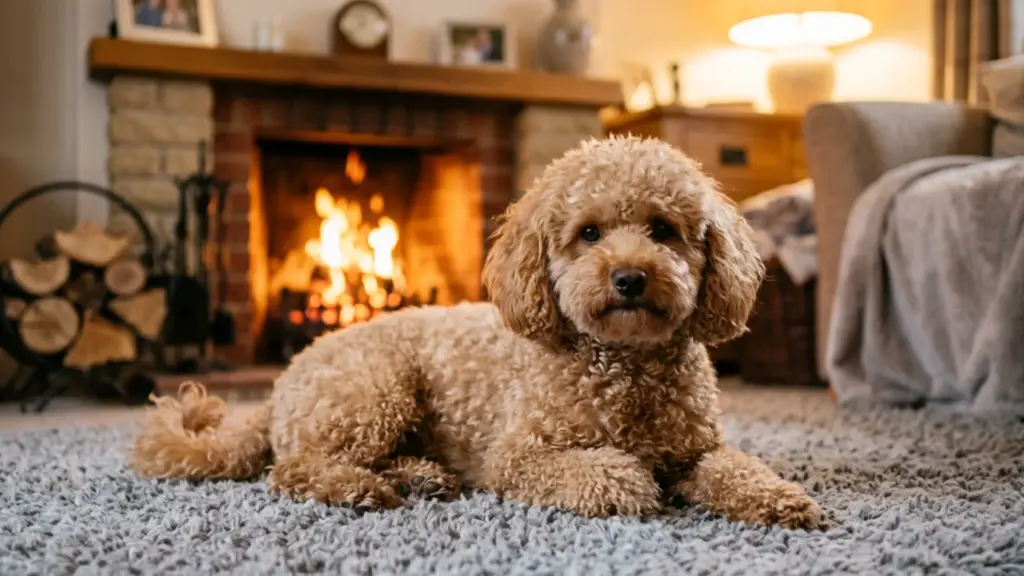
Poodles rank among the smartest dog breeds. Standard, Miniature, and Toy sizes give potential owners real flexibility to choose.
They shed minimally (good for allergy-prone households), they train quickly, and they are athletic enough for owners who want an active companion.
The tradeoff is grooming. That curly coat needs professional grooming every 6 to 8 weeks without exception.
Poodles also need consistent mental stimulation. A bored Poodle will find its own entertainment, and you probably will not love what it chooses.
7. Beagle
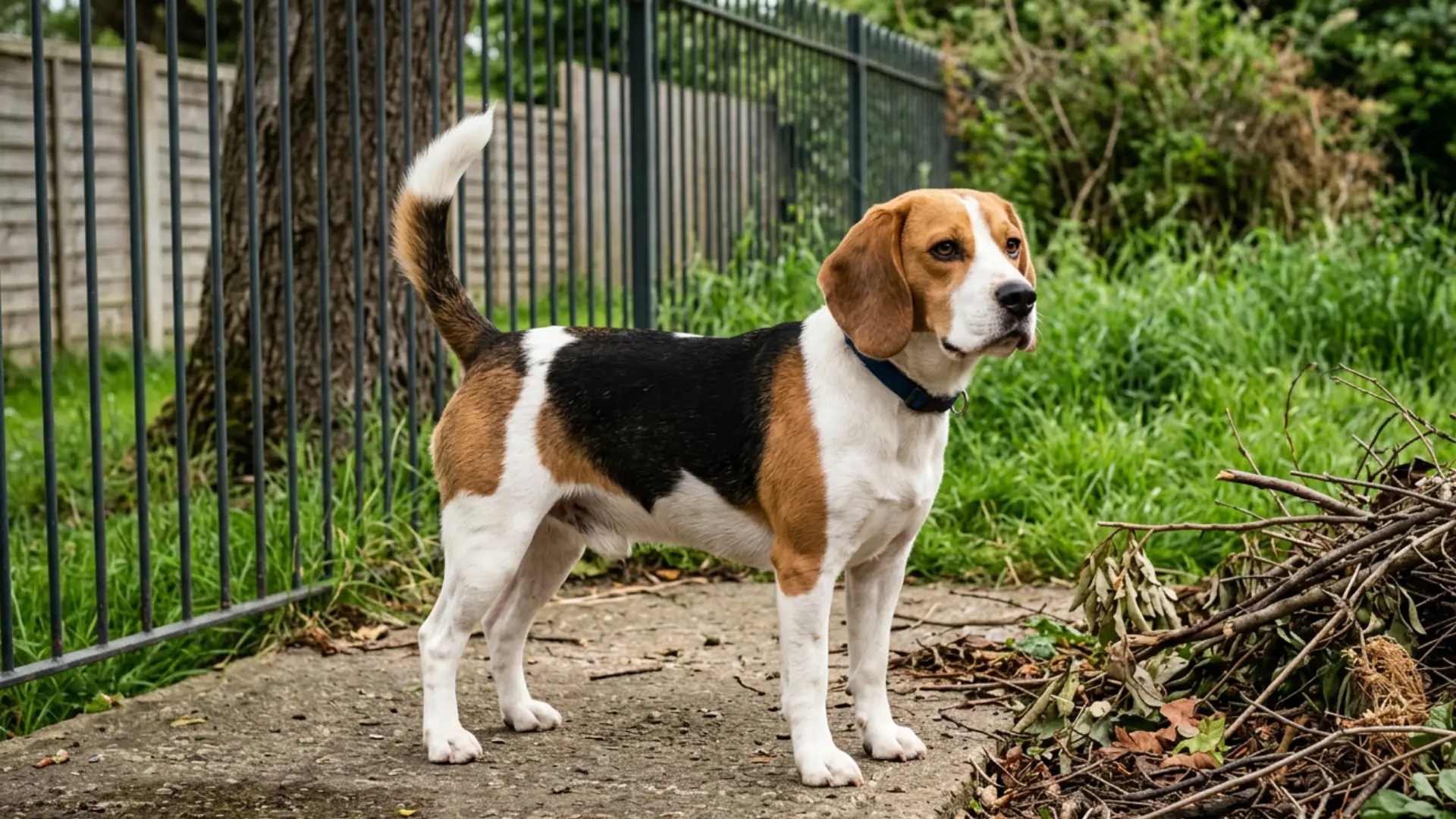
Beagles are merry, sturdy, and genuinely good-natured with kids and other dogs. They were bred as scent hounds, and that ancestry is very much alive in them.
A Beagle off-leash in an unfenced yard will follow its nose until it’s completely lost. Recall training is challenging.
They’re also vocal, and that distinctive howl carries. In apartments or close-knit neighborhoods, this can become a real problem.
For families with fenced yards who can work consistently on training, a Beagle is an affectionate and entertaining companion that doesn’t require excessive grooming.
8. Rottweiler

Rottweilers have a reputation that doesn’t quite match the reality of a well-bred, well-raised dog. They’re loyal, calm, and highly trainable when in the right hands.
Rotties are powerful dogs that need an experienced owner who can establish confident leadership early.
They’re not the breed for someone who’s never owned a dog before. With proper training and socialization from puppyhood, they’re devoted family dogs.
Without it, their protective instincts can tip into overguarding. Exercise needs are moderate to high. They do best in homes with space rather than small apartments.
9. German Shorthaired Pointer
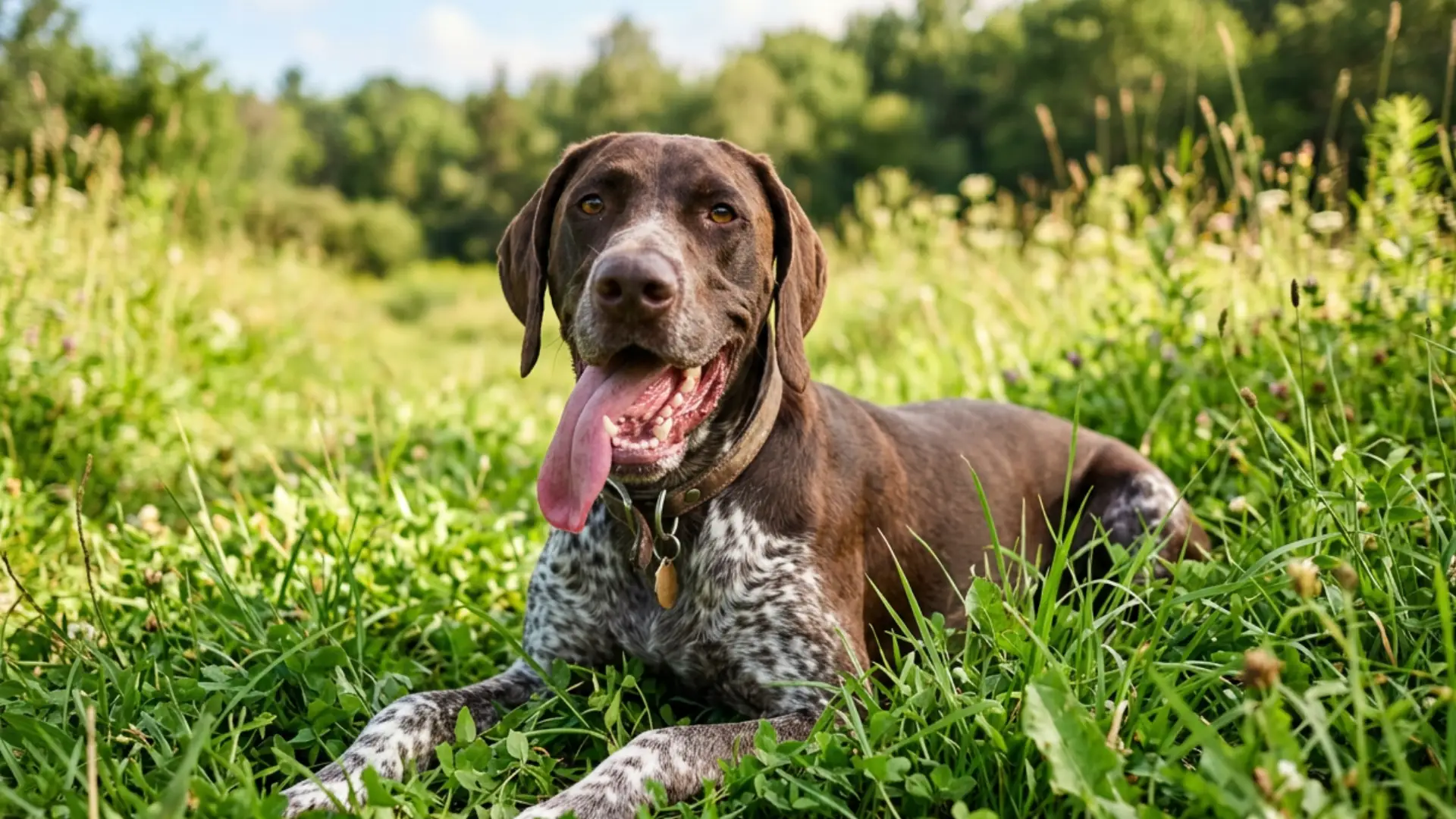
The German Shorthaired Pointer climbed higher in the rankings, and that rise makes sense. GSPs are built for active owners.
They’re athletic, eager to please, and genuinely joyful when they’re moving. They need substantial daily exercise.
A short walk does not cut it. Underchallenged dogs become restless and destructive. For runners, hunters, and active families with space, this is an exceptional breed.
For apartment dwellers or low-activity owners, it is the wrong fit, and the dog will let you know.
10. Bulldog
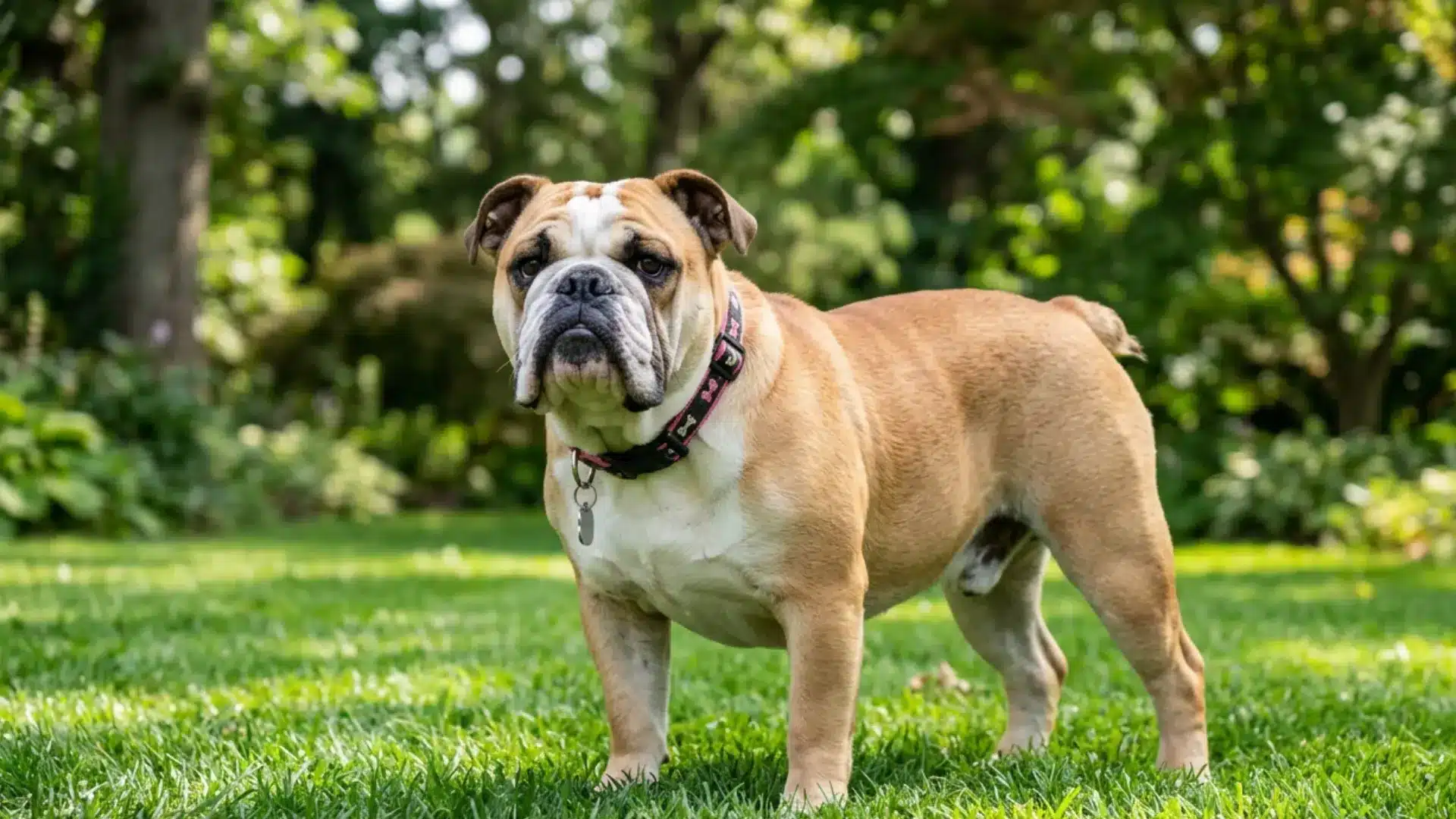
The English Bulldog is the opposite of the German Shorthaired Pointer in almost every way. Bulldogs are calm, low-energy, and content with short daily walks.
They’re good with kids and adapt well to apartment living. Like the French Bulldog, they’re brachycephalic, so the same health cautions apply.
Bulldogs can struggle with heat, breathing, and skin-fold infections. They also tend to have shorter lifespans. Still, with proper care, they are loving, calm, and easy to live with every day.
11. Pembroke Welsh Corgi
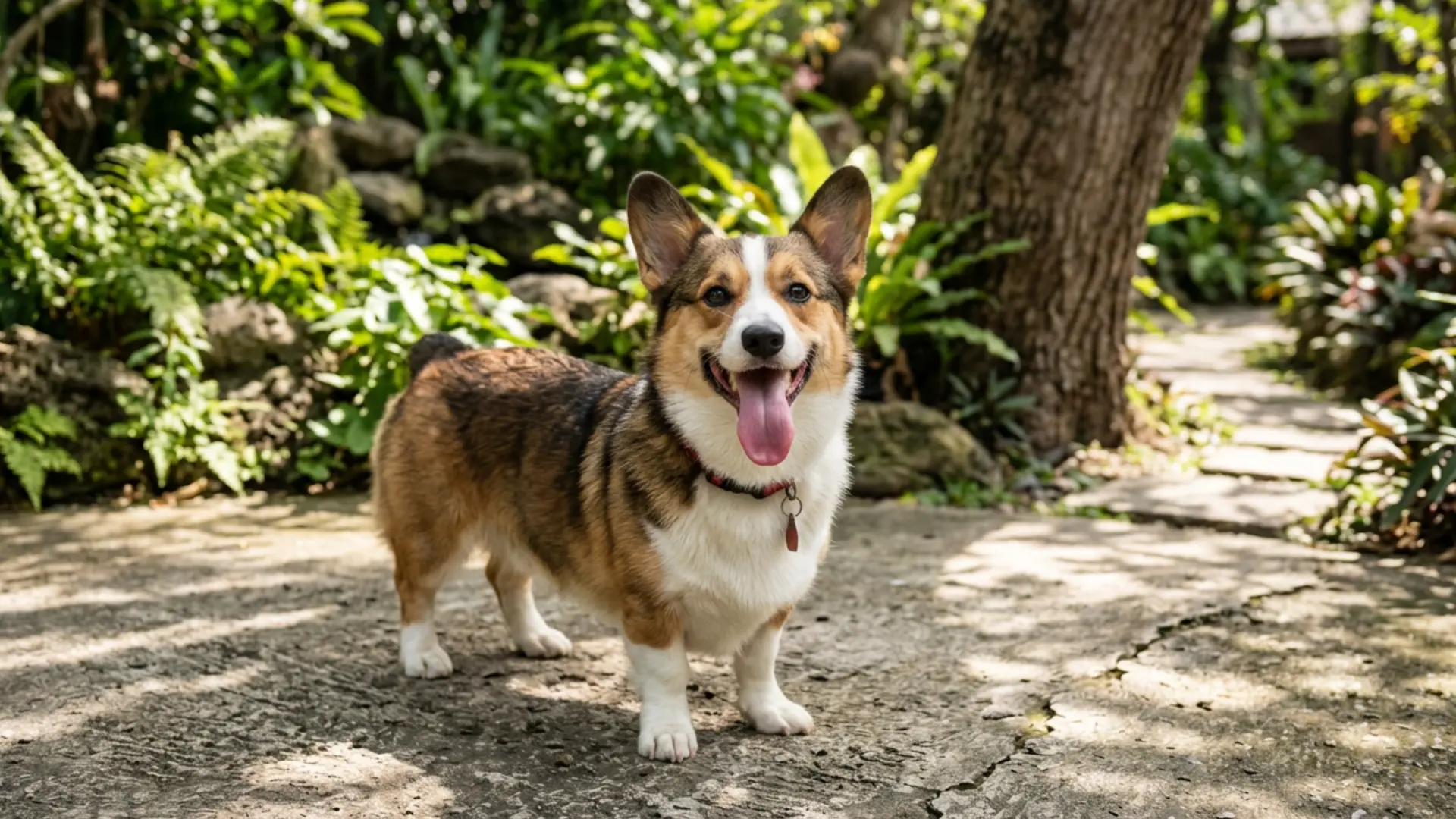
Corgis pack a large-dog personality into a medium-small frame. They’re herding dogs by origin, which means they’re smart, energetic, and occasionally opinionated. They need more exercise than their size suggests.
Corgis are loyal and generally good with kids, though their herding instinct sometimes expresses itself as nipping at heels, which needs to be addressed early.
They’re adaptable to apartment living as long as daily exercise is consistent. Their double coat sheds more than most small breeds, so regular brushing is non-negotiable.
12. Australian Shepherd
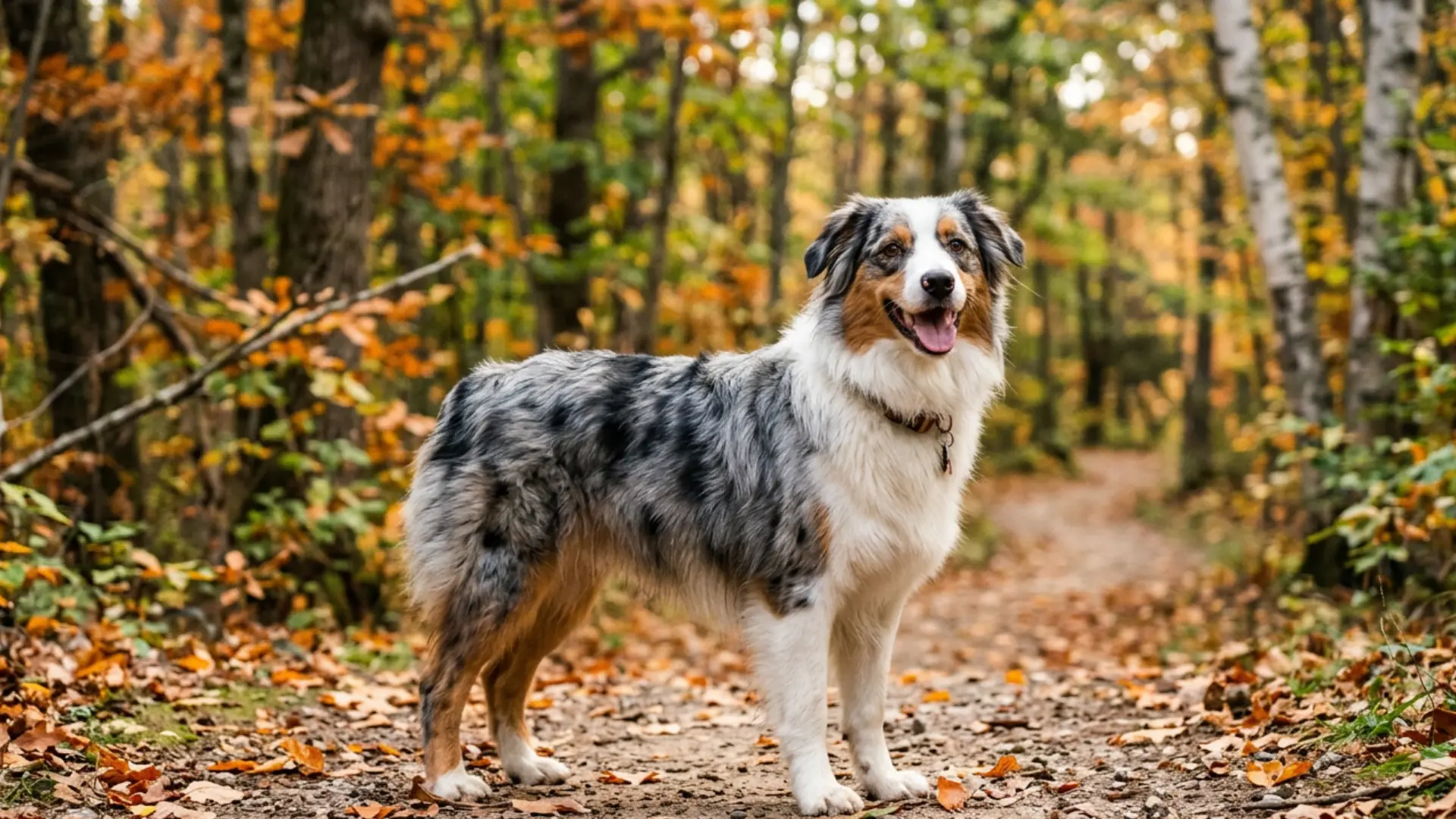
Australian Shepherds are brilliant dogs, and that’s simultaneously their best feature and their biggest challenge.
They were bred to work all day. They need physical exercise plus mental work, and when they don’t get it, they redirect that energy into problem-solving in ways that most owners find maddening.
Aussies are not a good match for first-time dog owners or anyone with a low-activity lifestyle.
For active families, hikers, and people who enjoy dog sports, they’re extraordinary companions. Their intelligence makes training a genuine pleasure for owners who commit to it.
13. Yorkshire Terrier
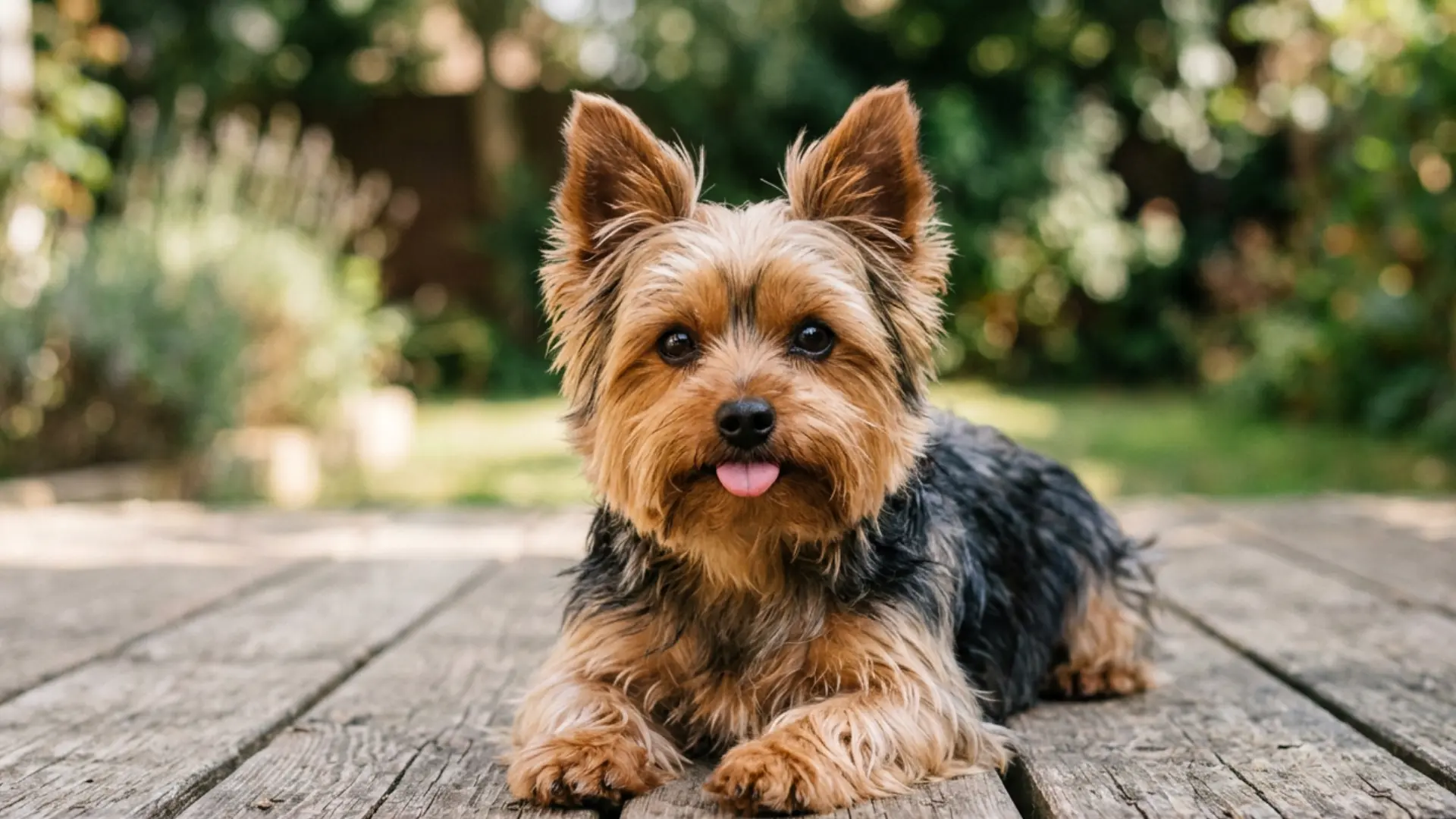
Yorkshire Terriers are small in size but carry themselves as if they weren’t informed of it. They’re confident, vocal, and deeply attached to their people. Yorkies adapt well to apartment living, don’t need intense exercise, and travel easily.
The long, silky coat is beautiful and high-maintenance in equal measure. Many owners keep their Yorkies in a shorter “puppy cut” to reduce grooming demands.
They can be stubborn to train and are known to be a bit picky about other animals and children, so early socialization matters.
14. Cavalier King Charles Spaniel

Cavaliers are among the most genuinely sweet-natured dogs on this list. They are calm, affectionate, and adapt to almost any living situation. They do well with kids, with seniors, and with other pets.
If you are shopping for a companion breed for an older adult, our roundup of the best dog breeds for seniors covers the Cavalier in depth, alongside other low-key options.
Cavalier King Charles Spaniels are prone to mitral valve disease, a common heart condition. Ask breeders for cardiac health clearances before bringing home a puppy.
15. Doberman Pinscher
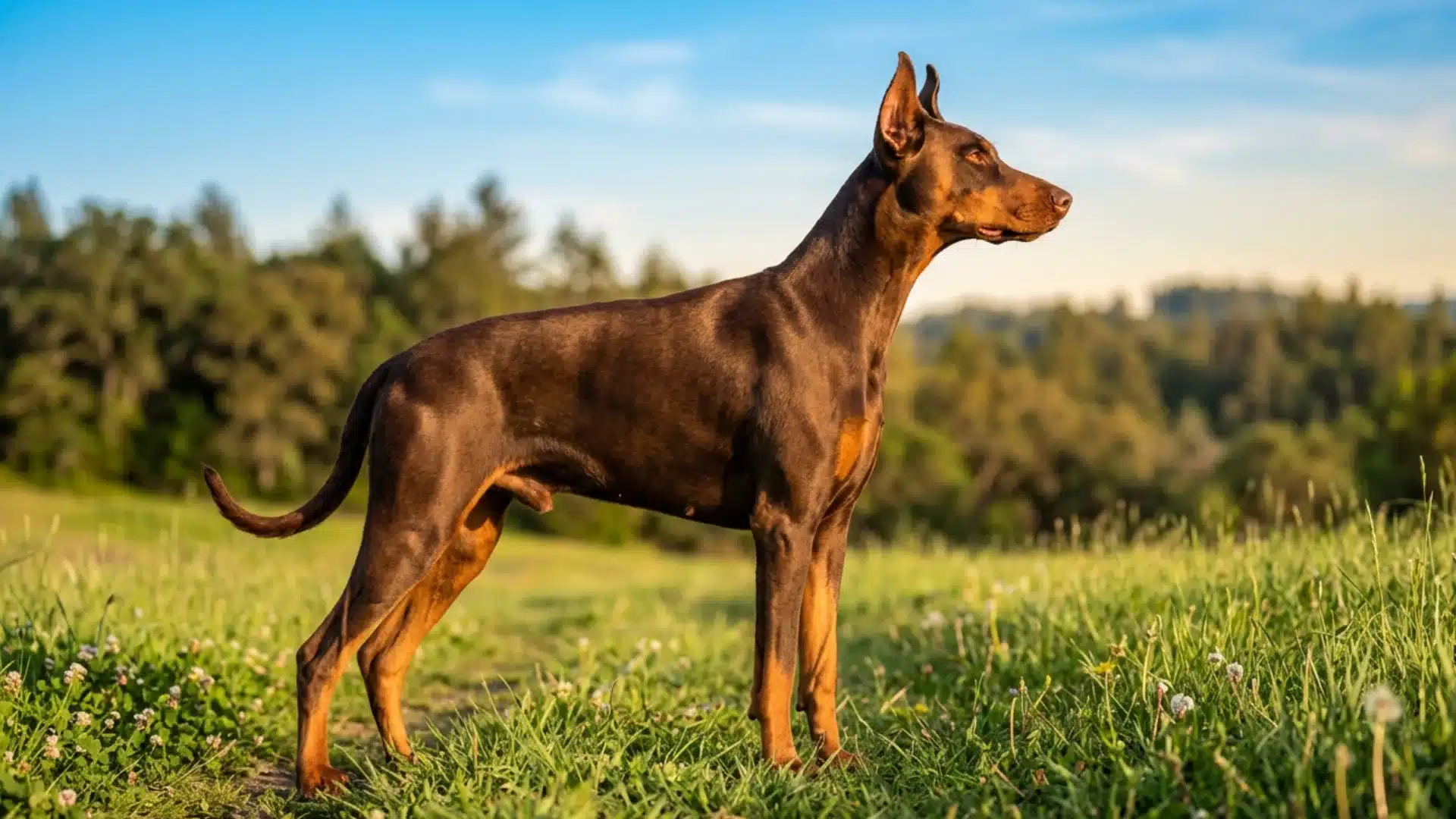
Dobermans are athletic, intensely loyal, and smarter than most people expect. They bond fiercely to their families and are natural protectors.
Training is non-negotiable with a Doberman. They’re responsive and capable students, but a Doberman without proper obedience training is a lot of dog in the wrong direction.
They need significant daily exercise and don’t do well when left alone for long stretches. For experienced owners willing to invest in training, a Doberman is one of the most rewarding dogs on this list.
16. Cane Corso
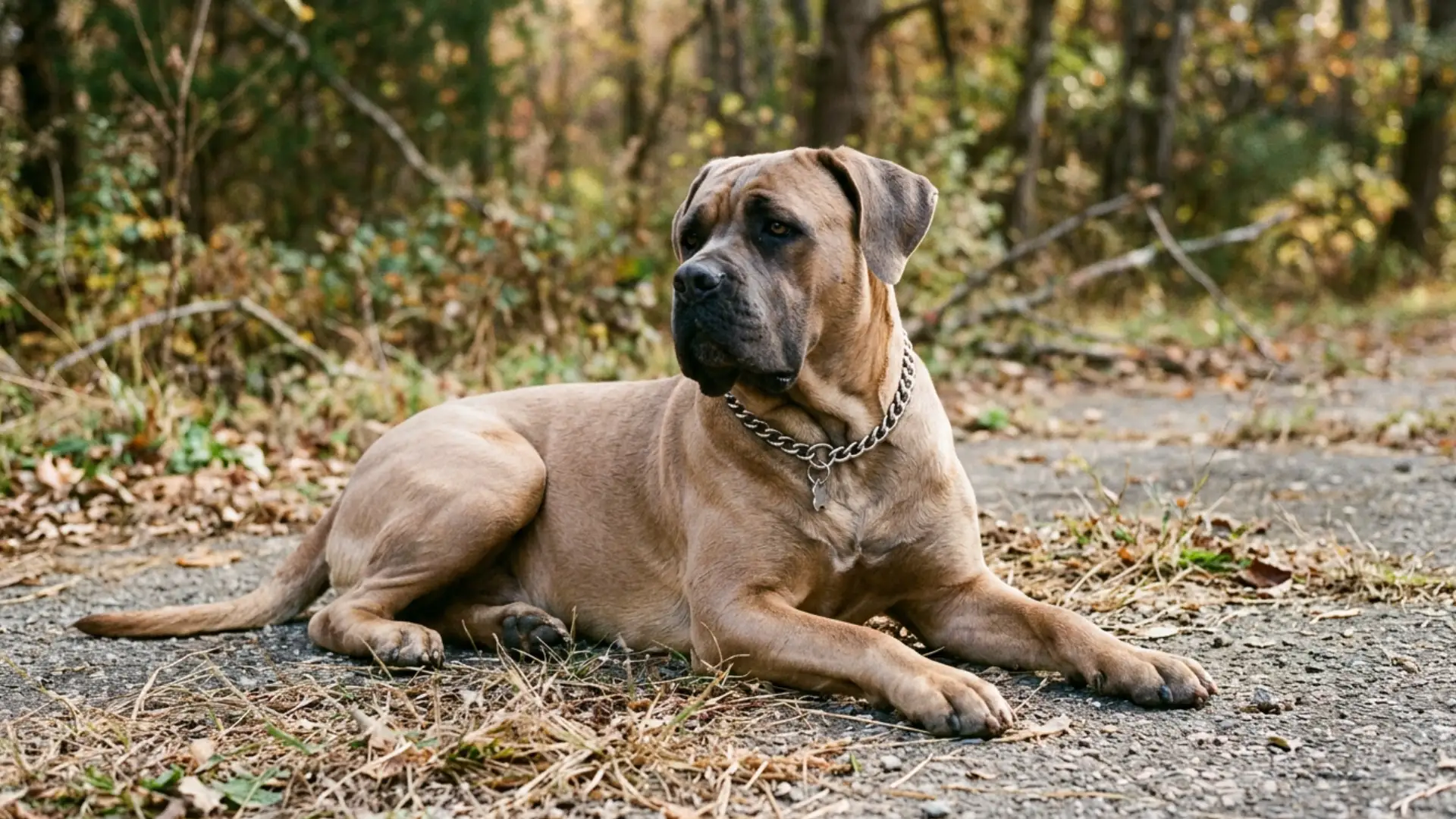
The Cane Corso has been climbing the AKC rankings steadily and has nearly broken into the top. It’s a massive, powerful breed with strong protective instincts. Space and exercise requirements are substantial.
More than almost any other breed on this list, the Cane Corso requires an owner who has experience with large, dominant breeds and who will commit to consistent, firm training from day one.
They are not a good match for inexperienced owners, small apartments, or homes with very young children who can’t be supervised around a large guardian breed. With the right owner, they’re deeply devoted.
17. Miniature Schnauzer
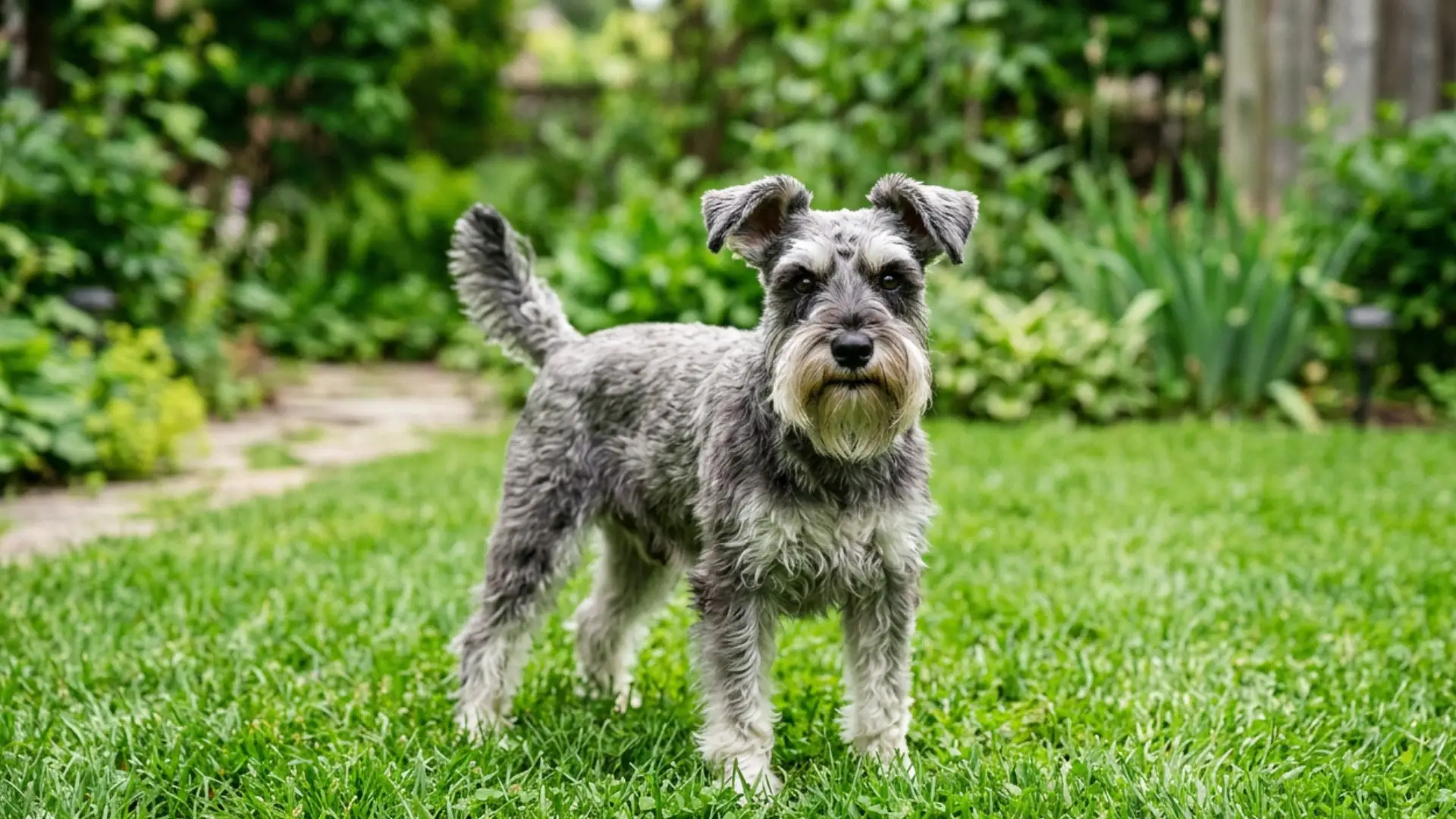
Miniature Schnauzers are adaptable, alert, and genuinely fun to own. They’re one of the few breeds in this list that work well across a wide range of living situations, from studio apartments to large homes.
They don’t shed much, they’re good with kids, and they respond well to training.
The double coat needs professional grooming every 6 to 8 weeks, and their natural alertness can tip into excessive barking if not managed early.
Overall, the Mini Schnauzer is an underrated choice for first-time owners who want a compact, spirited dog without extreme exercise demands.
Things to Consider Before Choosing a Popular Dog Breed
Choosing a popular dog breed should be more than following a trend. Each breed has different care needs, habits, energy levels, and health concerns. Before bringing one home, compare the breed with your real lifestyle, budget, home space, and long-term commitment.
- Lifestyle fit: Choose a breed that matches your schedule, home size, energy level, and daily routine before following popularity rankings.
- Exercise needs: Check how much walking, playing, and training the breed needs so daily care does not feel overwhelming later.
- Grooming level: Some popular breeds shed heavily or need regular trimming, so plan time, costs, and coat care carefully beforehand.
- Health risks: Research common breed health problems because vet bills and care needs can change the real cost of ownership.
- Home space: Match the dog to apartment size, yard access, noise limits, and family movement for a comfortable daily life.
- Training time: Smart and strong breeds need steady training, clear rules, and patience to become safe, well-behaved companions.
- Long-term cost: Food, grooming, vet care, toys, insurance, and boarding can make popular breeds more expensive than expected.
Conclusion
Popularity can influence the final reason to bring a dog home, as it can point readers toward breeds that many owners already trust.
The most popular dog breeds often stand out because they balance charm, loyalty, training ability, and family comfort.
The top 10 dog breeds also show how different needs shape each choice, from active homes that want a running partner to quiet spaces that need a calmer companion.
A strong match comes from looking beyond rank and asking what daily care, exercise, grooming, and patience each breed requires.
When that choice is made with honesty, both owner and dog benefit.
Which breed would you choose from this list? Share your favorite dog breed in the comments and tell us why it stands out to you.
Frequently Asked Questions
Are Popular Dog Breeds Harder to Find from Breeders?
Yes, popular breeds can be harder to find from responsible breeders. Waitlists are common, while immediate availability should raise questions about breeding practices.
Do Popular Dog Breeds Cost More to Own?
Popular breeds can cost more in the long term. Flat-faced dogs often require more veterinary care, while large breeds usually cost more for food and prevention.
Which Color Attracts Dogs?
Dogs are most attracted to blue and yellow because they see these colors clearly, while red and green usually appear dull or gray to them.