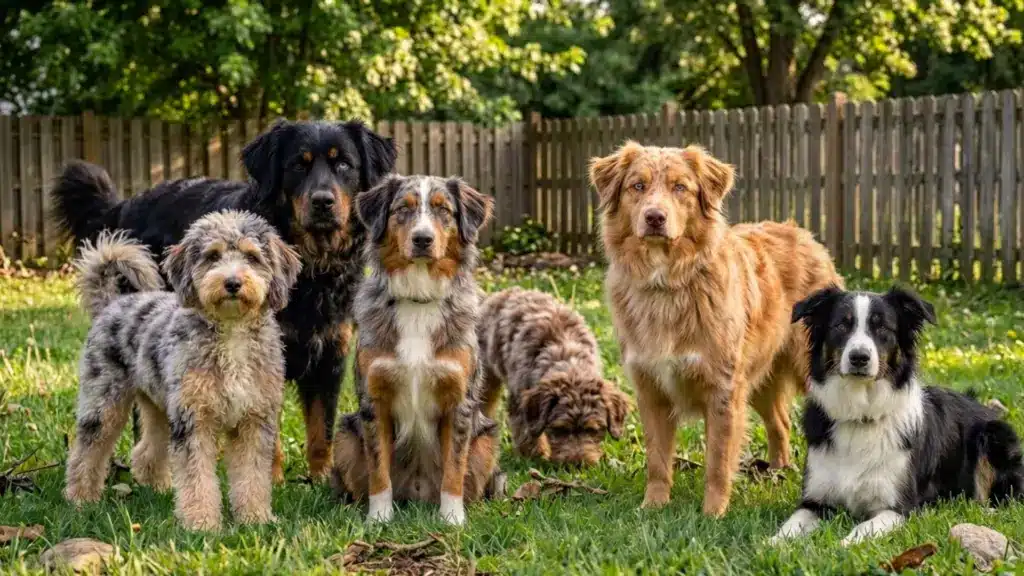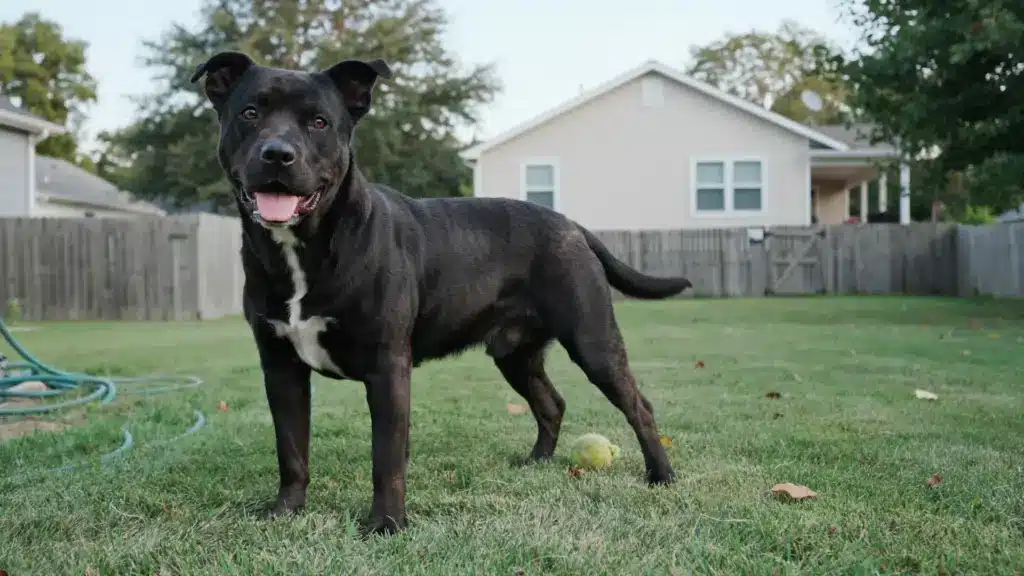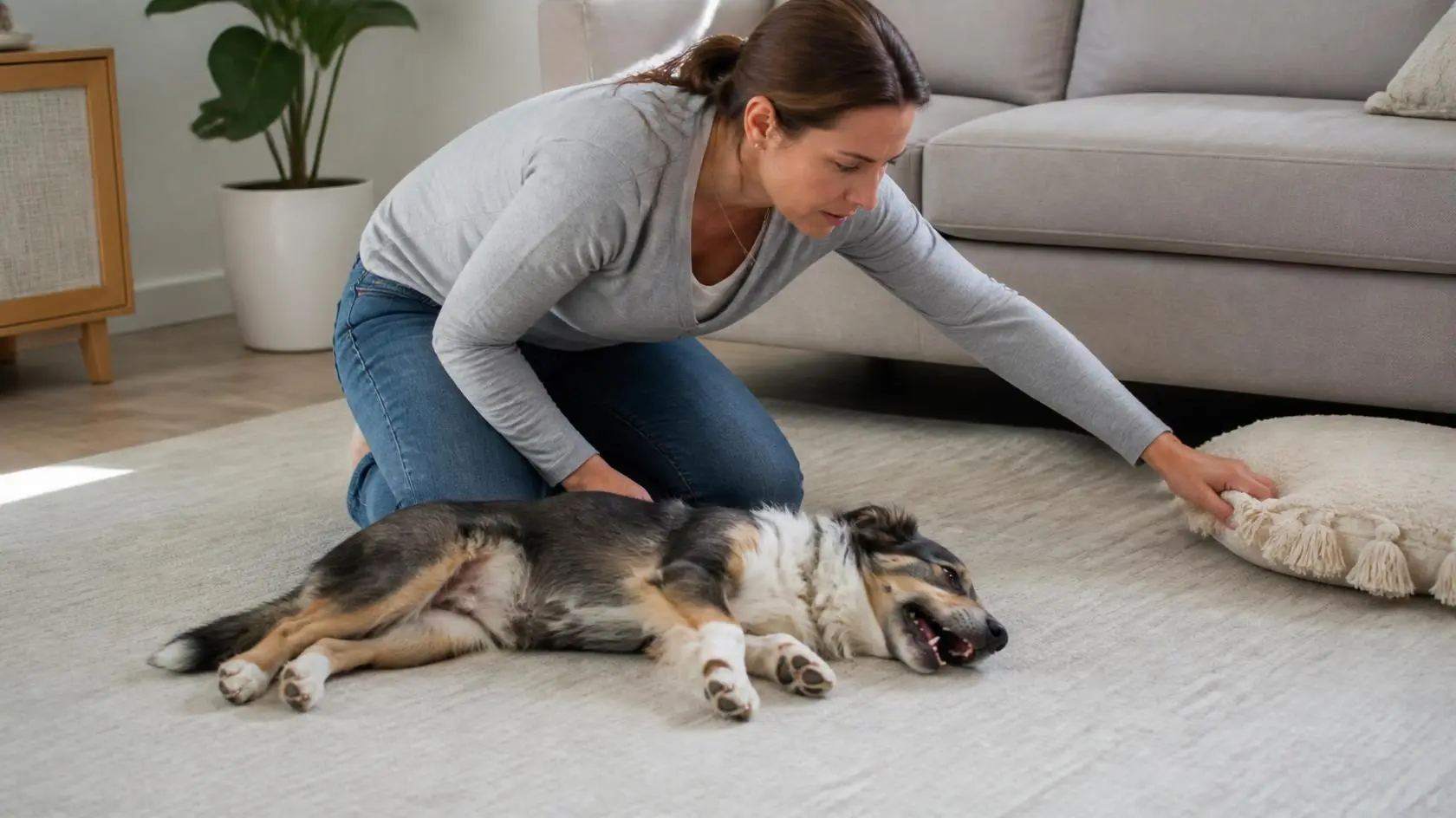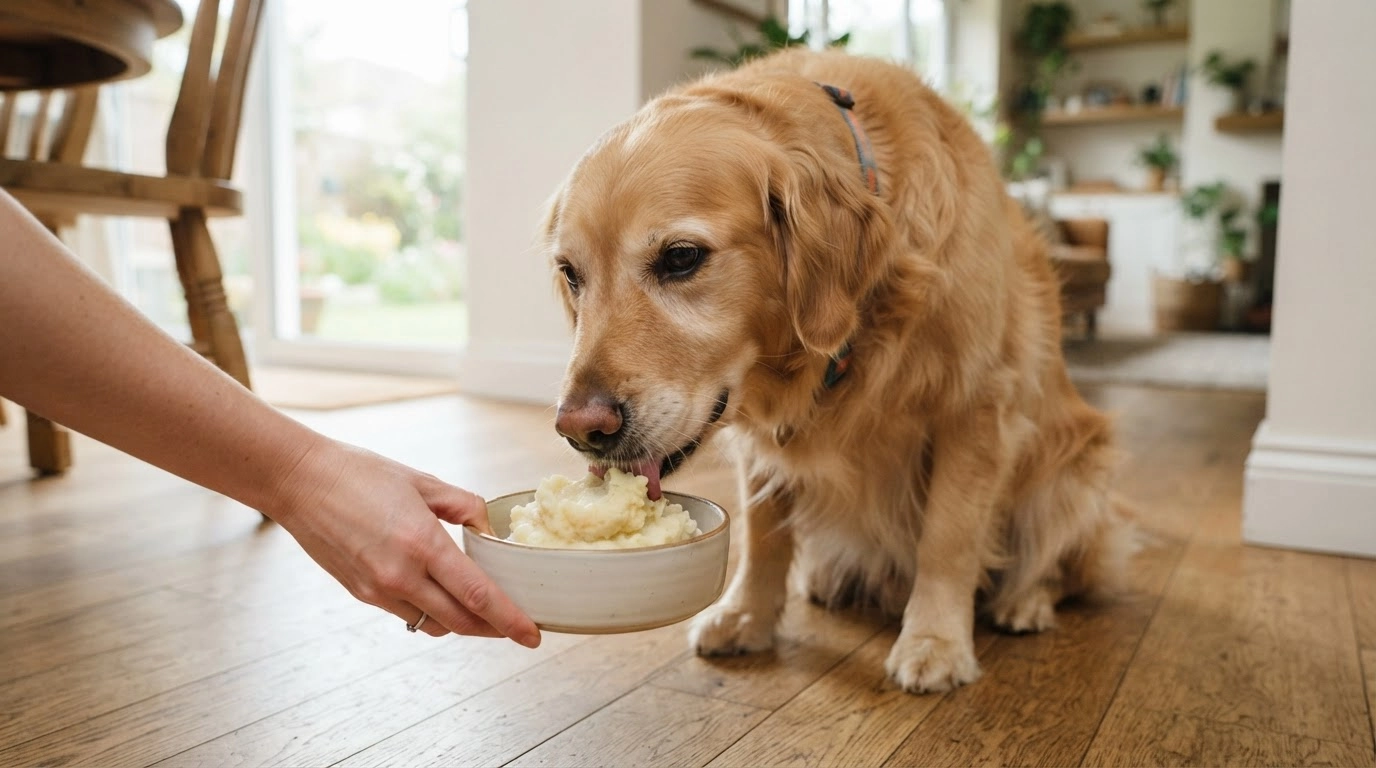
Choosing a dog should feel exciting, not confusing. Some dogs naturally pick up routines faster, respond better to praise, and make training easier for new owners.
That is why many first-time pet parents look for easy-to-train dog breeds before bringing a puppy or rescue dog home.
I have spent years studying breed behavior, speaking with trainers, and volunteering around rescue dogs, and one thing is clear: the right breed can make daily life smoother.
Still, no dog is perfectly trained from day one. Each one needs patience, structure, exercise, and kindness. In this blog post, you will find beginner-friendly breeds that are known for being smart, responsive, and easier to guide at home.
What Makes a Dog Breed Easy to Train?
Not all dogs learn at the same pace. Breeds that are easier to train often share certain traits that help them understand commands, follow routines, and respond well to guidance.
- Strong Desire to Please: Dogs that naturally enjoy working with people tend to pay closer attention during training and are more willing to follow instructions.
- High-Reward Motivation: Breeds that are motivated by treats, toys, or praise usually learn faster because they quickly associate good behavior with positive outcomes.
- Good Focus and Attention Span: Dogs that can stay engaged without becoming easily distracted often make faster progress with obedience and everyday training.
- Quick Learning Ability: Intelligent breeds are generally able to recognize patterns, remember commands, and understand routines with fewer repetitions.
- Balanced Energy Level: A dog that receives enough physical exercise and mental stimulation is more likely to stay calm, focused, and responsive during training sessions.
Top Easy-to-Train Dog Breeds for First-Time Owners
For beginners, the best choices are usually friendly, reward-motivated, and adaptable. These dogs still need daily training, exercise, grooming, and socialization, but they tend to respond well when owners use clear rules and positive reinforcement.
1. Golden Retriever
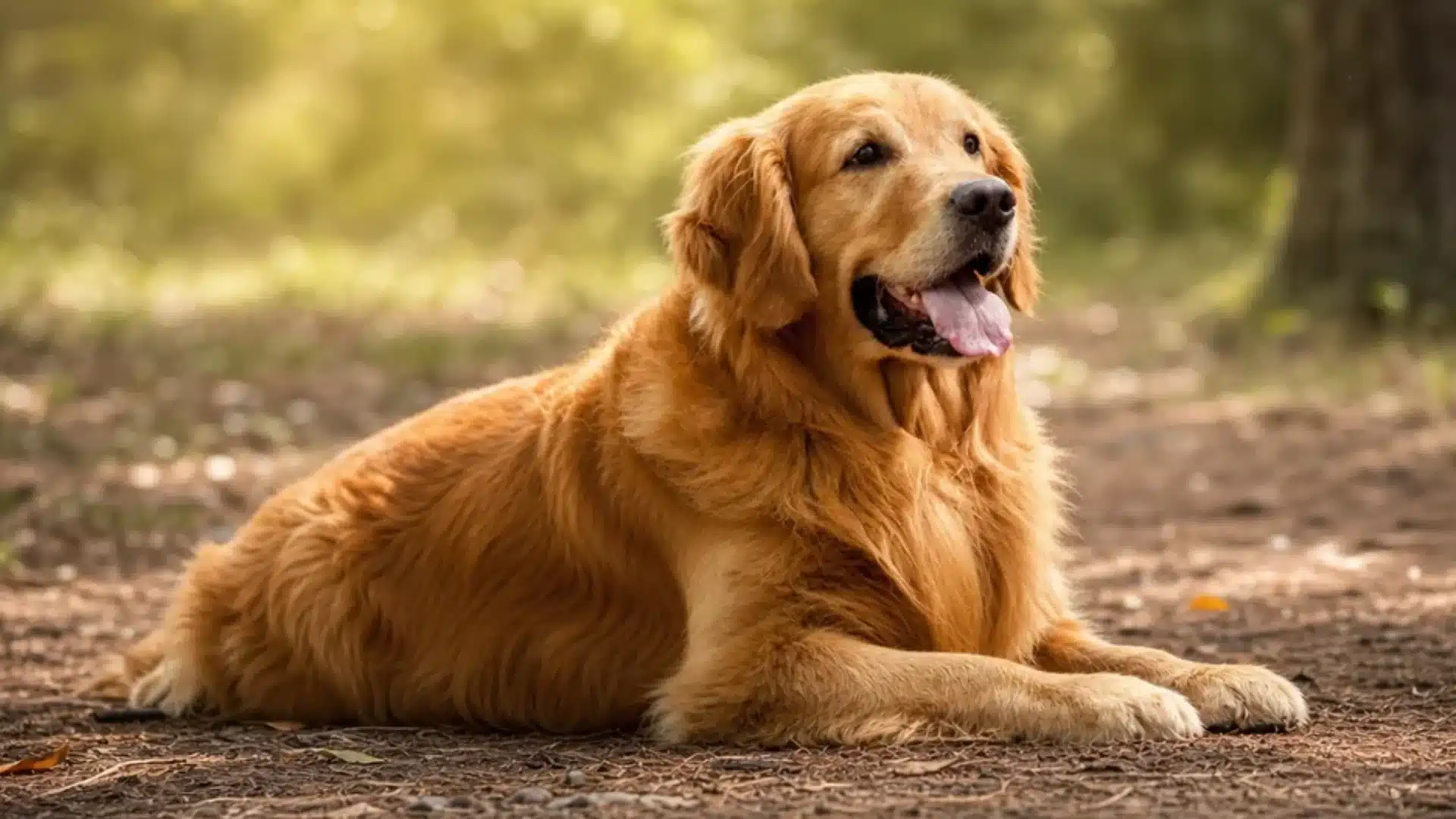
Golden Retrievers are friendly, patient, and eager to work with people, which makes them one of the best breeds for beginners.
They usually respond well to praise, food rewards, and short daily training sessions. Their soft temperament also makes them a strong choice for families with children.
However, they need regular exercise and brushing, as they are active dogs with thick coats.
Before committing to this breed, it is worth reviewing common Golden Retriever health issues so you can plan ahead for long-term care.
- Best for: Families, first-time owners, therapy work
- Important to know: Heavy shedding and mouthy puppy behavior need early management.
2. Labrador Retriever
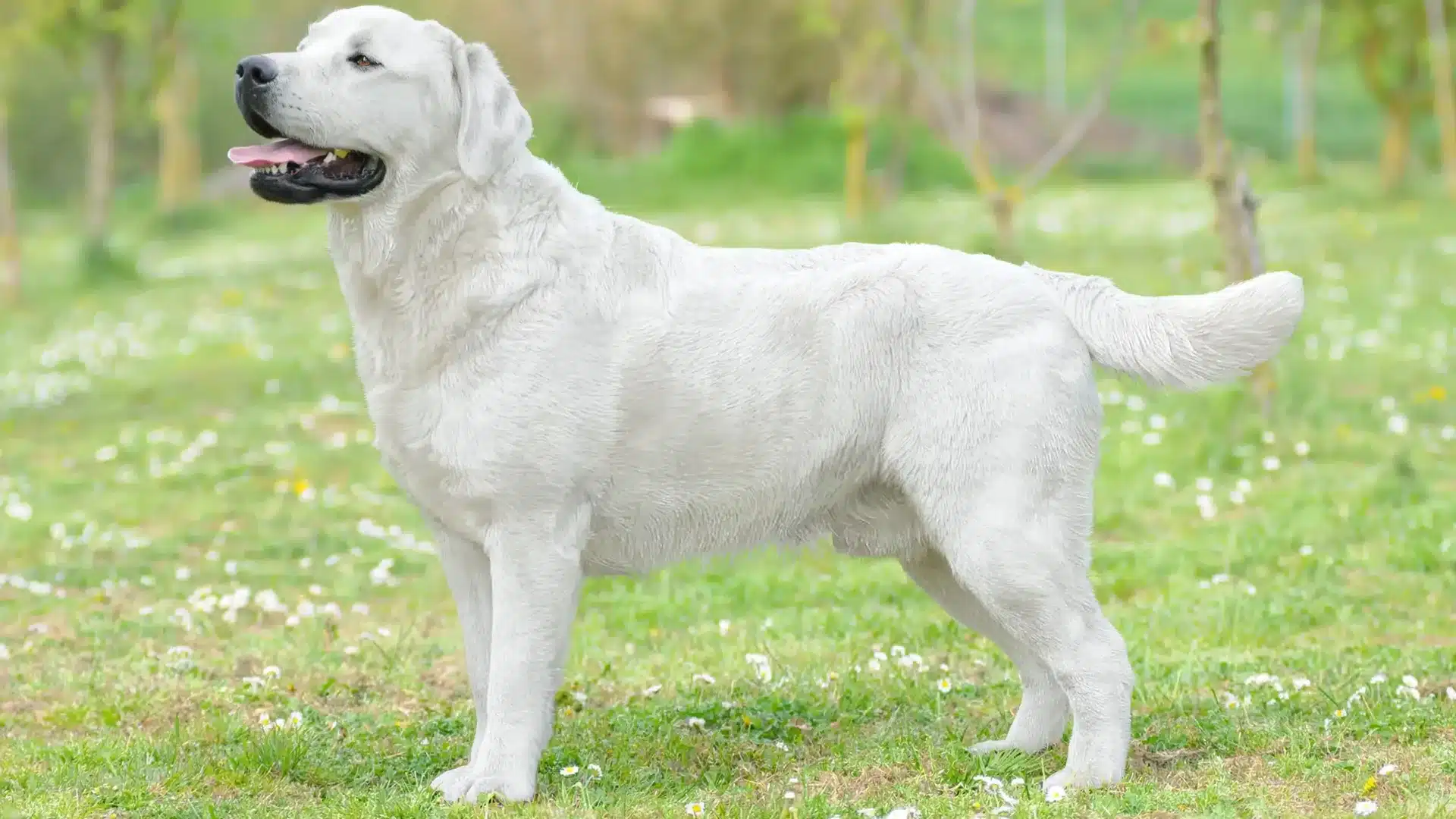
Labrador Retrievers are intelligent, outgoing, and forgiving, which makes them one of the strongest beginner choices for new dog owners.
They are commonly used in service, detection, and assistance work because they learn quickly, enjoy tasks, and respond well to rewards. Labs need daily exercise, structure, and safe chew outlets.
Counter-surfing in particular is one of the most common complaints I hear from Lab owners, and it’s almost always a sign the dog is under-exercised, not poorly trained.
- Best for: Families, first-time owners, active households, and people looking for a friendly, trainable companion
- Important to know: Labs are highly food motivated, so weight control and kitchen manners need early attention.
3. Poodle
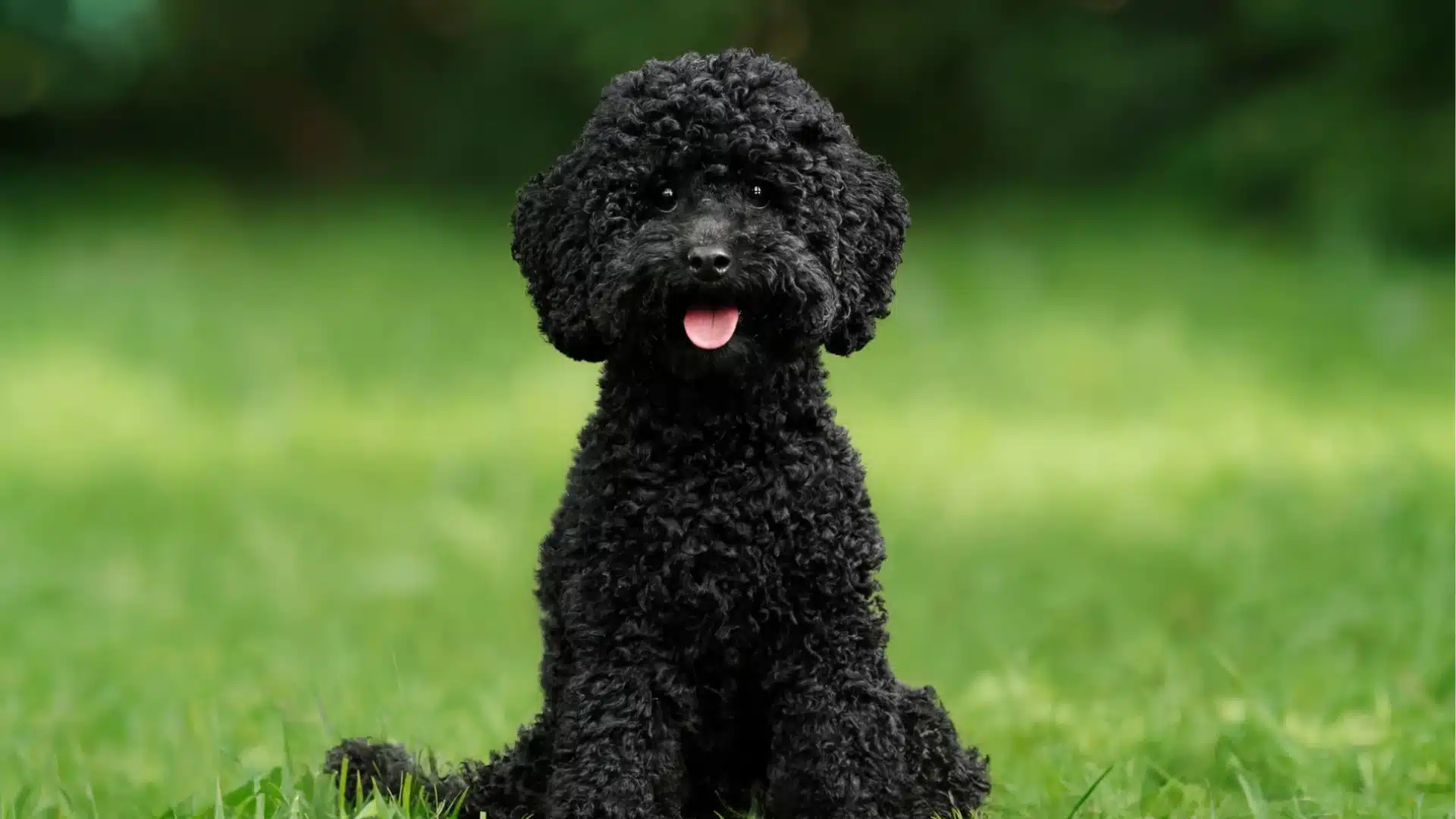
Poodles come in Toy, Miniature, and Standard sizes, giving owners options for apartments, families, and active homes.
They are sharp, responsive, and versatile. Their low-shedding coat appeals to many owners, but grooming is a serious commitment.
Poodles need mental stimulation, not just walks, so teach tricks, scent games, recall, and impulse control early.
- Best for: Active owners, allergy-conscious households, and families looking for a highly trainable companion
- Important to know: Poodles are sensitive thinkers and may become anxious or demanding without calm, steady handling.
4. Cavalier King Charles Spaniels
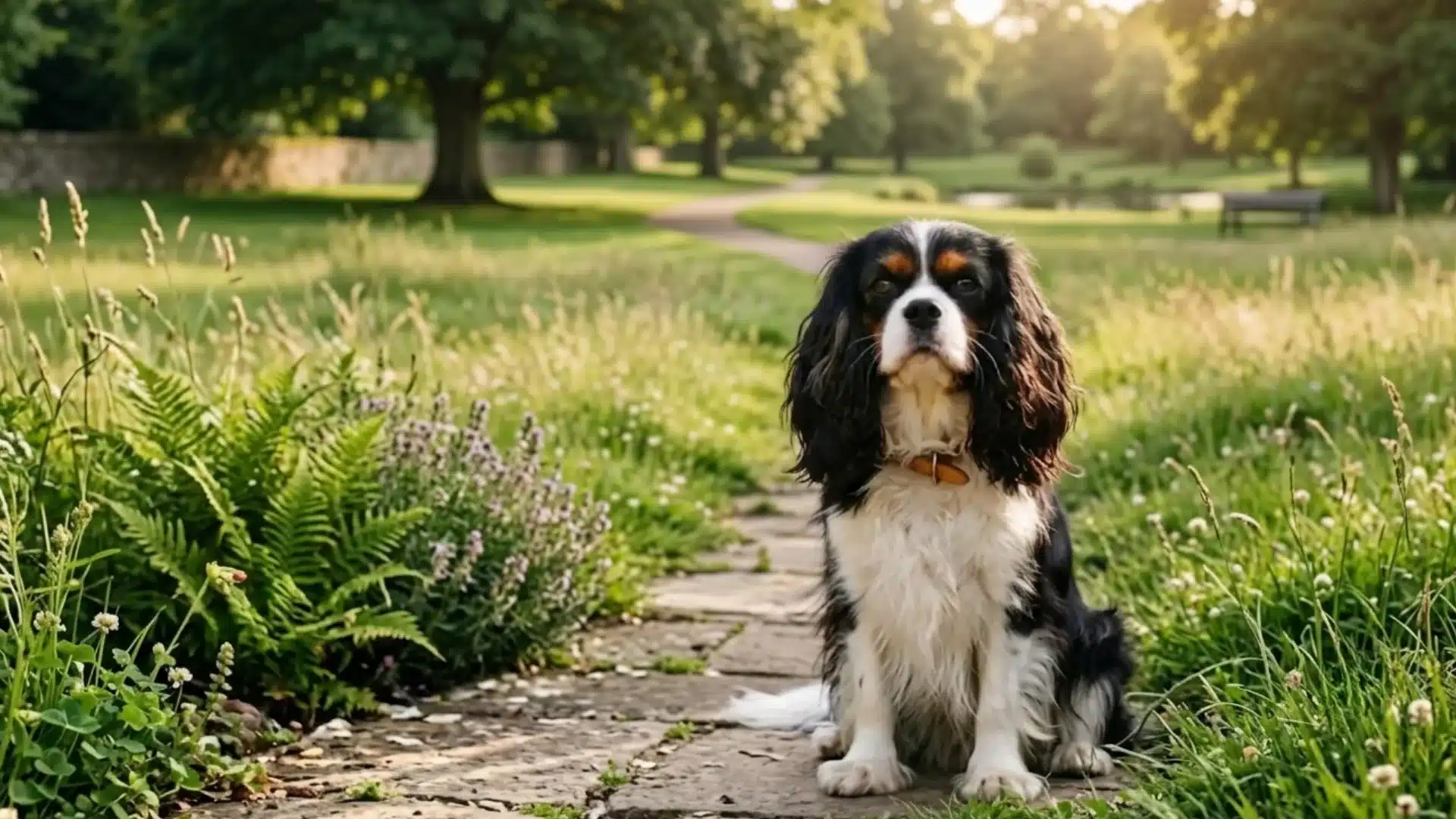
Cavalier King Charles Spaniels are affectionate, gentle, and highly adaptable, making them a strong choice for many first-time dog owners.
While they are friendly and eager to please, they still need regular walks, basic obedience, and early socialization to build confidence and prevent clingy behavior.
Because this breed tends to bond closely with its people, it’s worth reading up on easing separation anxiety before bringing one home.
- Best for: First-time dog owners, apartment living, families, seniors, and people seeking a devoted companion
- Important to know: Cavaliers need gentle independence training because they can become overly attached.
5. Papillons
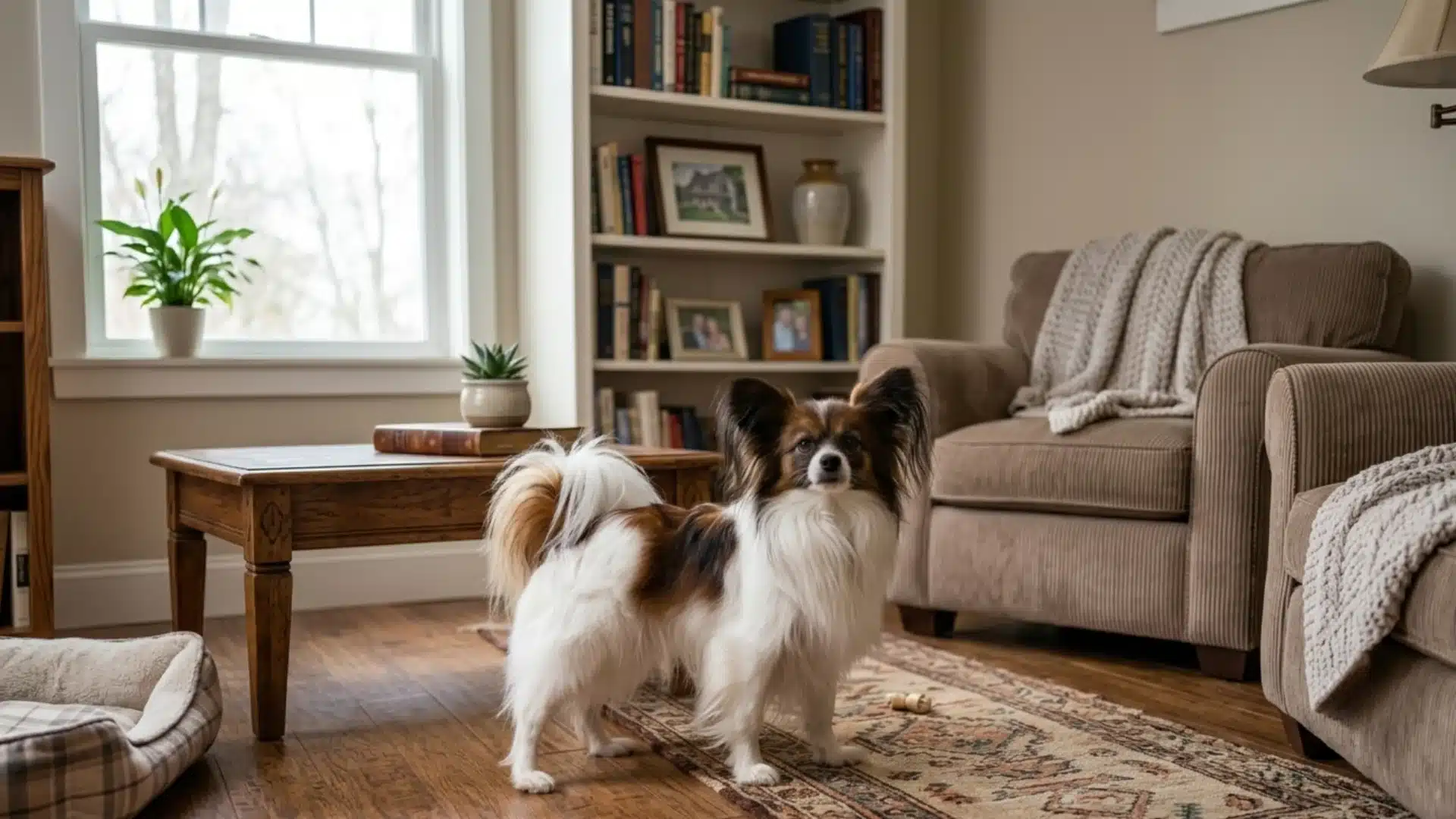
Papillons are small, alert, and surprisingly energetic for their size.
They are bright dogs that often learn quickly, which can make training enjoyable for beginners who use positive reinforcement.
As they are sensitive and observant, they do best with calm, consistent guidance. Papillons still need daily activity, socialization, and boundaries so their alert nature does not turn into excessive barking.
- Best for: Apartment dwellers, first-time owners, active individuals, and people interested in training or dog sports
- Important to know: Papillons are tiny but bold, so early leash manners and barking control matter.
6. Bichon Frises
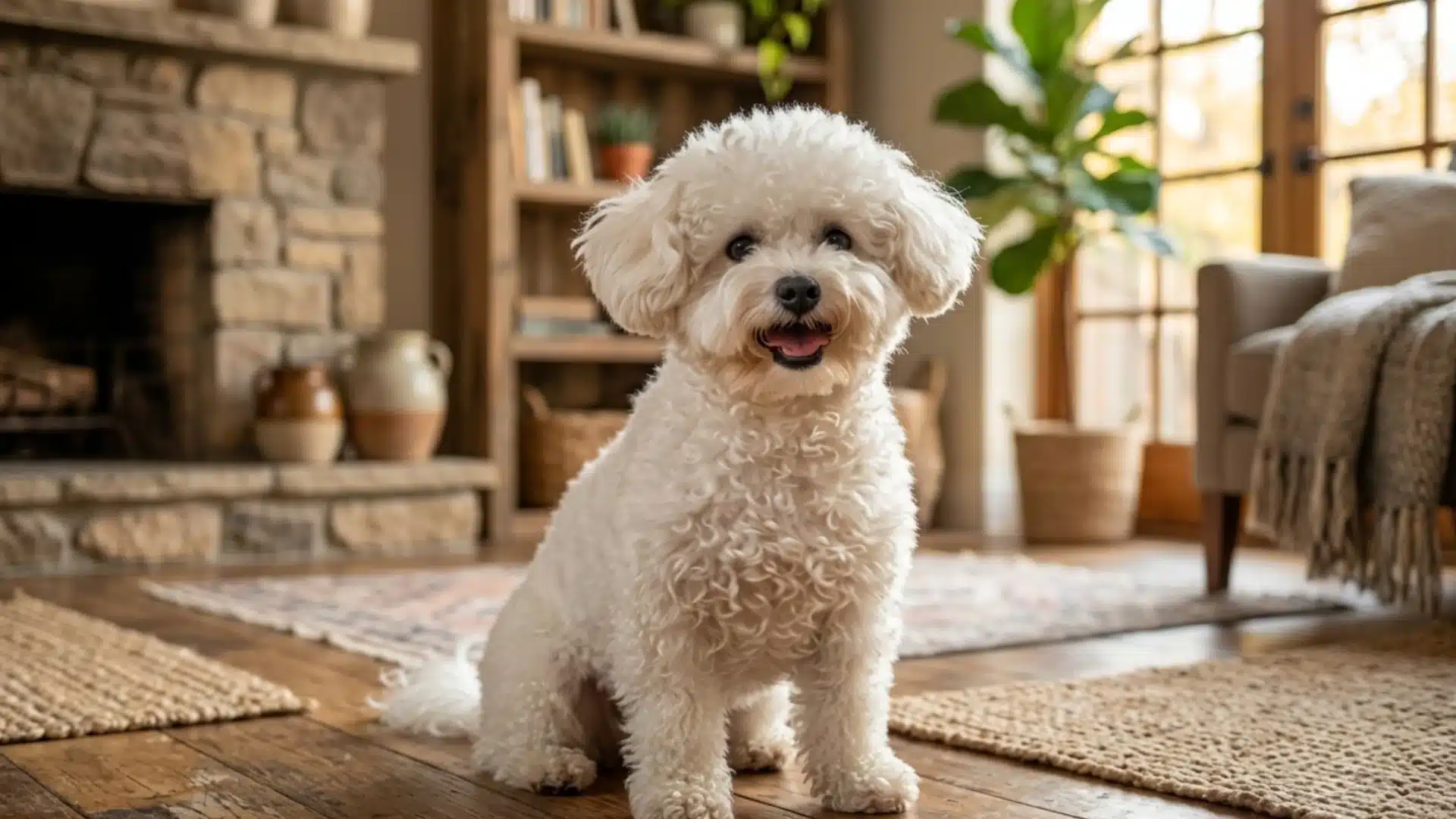
Bichon Frises are cheerful, affectionate dogs that are often well-suited to first-time owners.
They respond well to reward-based training and enjoy spending time with their families. Daily walks, socialization, and consistent house training help them develop into well-mannered companions.
Their curly coat needs regular brushing and professional grooming to stay healthy and mat-free.
- Best for: First-time owners, apartment living, families, and people looking for a friendly companion.
- Important to know: Bichons can be slow with house training, so patience and a strict potty routine help.
7. Shih Tzus
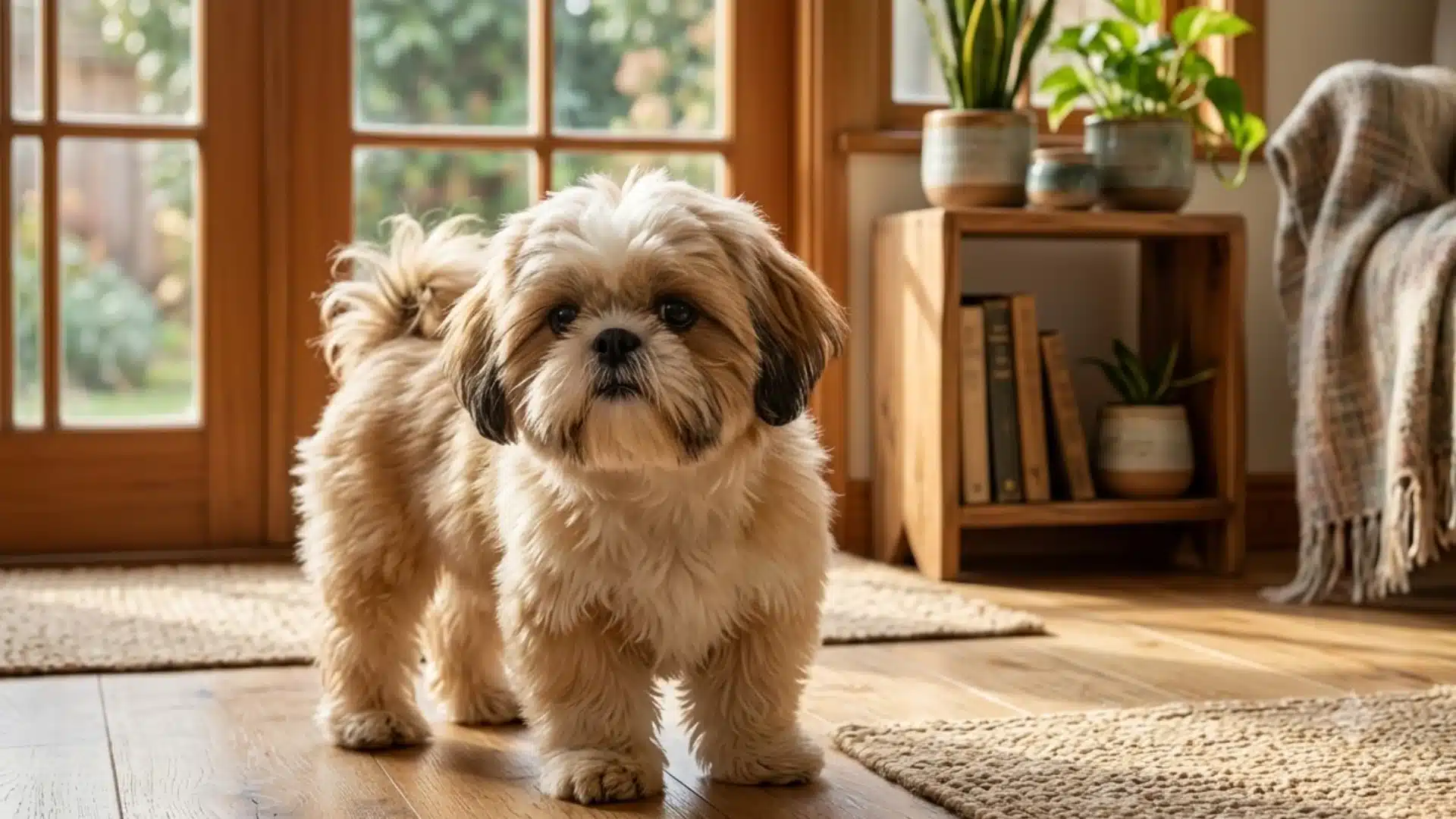
Shih Tzus are affectionate companion dogs that can be a great fit for beginners, especially in calmer households.
They enjoy close companionship and respond well to patient, reward-based training. Consistent routines help build good manners and confidence.
Their long coat requires regular grooming, and early training helps prevent stubborn habits and excessive dependence.
- Best for: Apartment living, seniors, first-time owners, and people looking for a devoted lap dog.
- Important to know: Shih Tzus can be stubborn during training, so short sessions work better than long lessons.
Highly Trainable Breeds for All Experience Levels
Some breeds are extremely trainable but not always easy for beginners. They may learn fast, but they also need more exercise, enrichment, and leadership.
These dogs often excel in agility, obedience, herding, protection sports, search work, or advanced trick training. In the wrong home, their intelligence can become a problem.
8. Border Collie
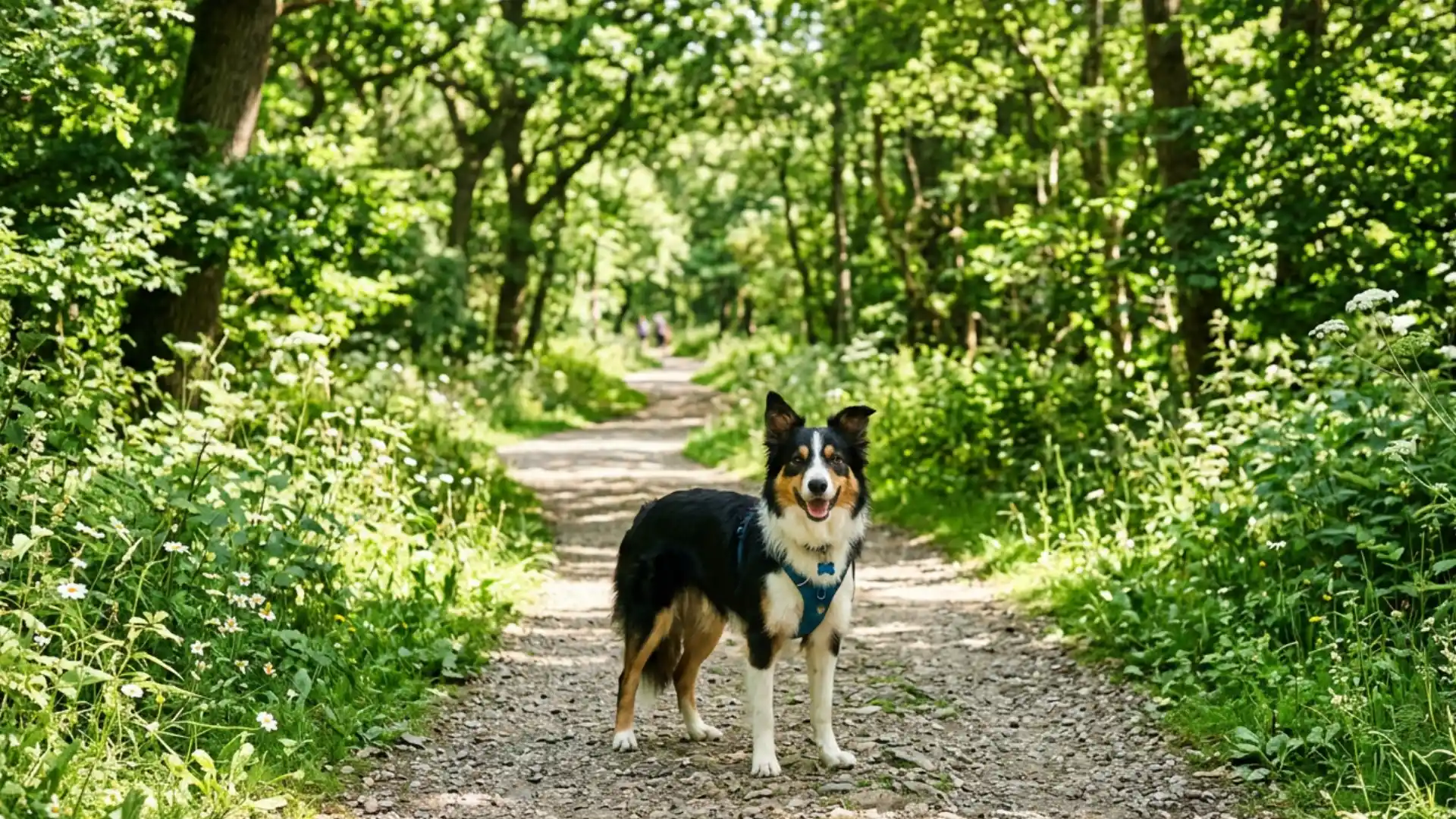
Border Collies are often considered the smartest working dogs. They excel in herding, agility, obedience, and complex tasks. Their challenge is intensity. They need mental work, movement, and clear boundaries.
Without enough outlets, they may chase cars, herd children, bark, or become obsessive. They are best for active, training-focused homes.
I’ve worked with Border Collies whose owners were wonderful people who simply didn’t have enough hours in the day for them.
- Best for: Highly active owners, experienced trainers, dog sports enthusiasts, and homes that can provide daily mental and physical challenges
- Important to know: Border Collies may create their own “jobs” if bored, such as chasing, stalking, or controlling movement.
9. German Shepherd
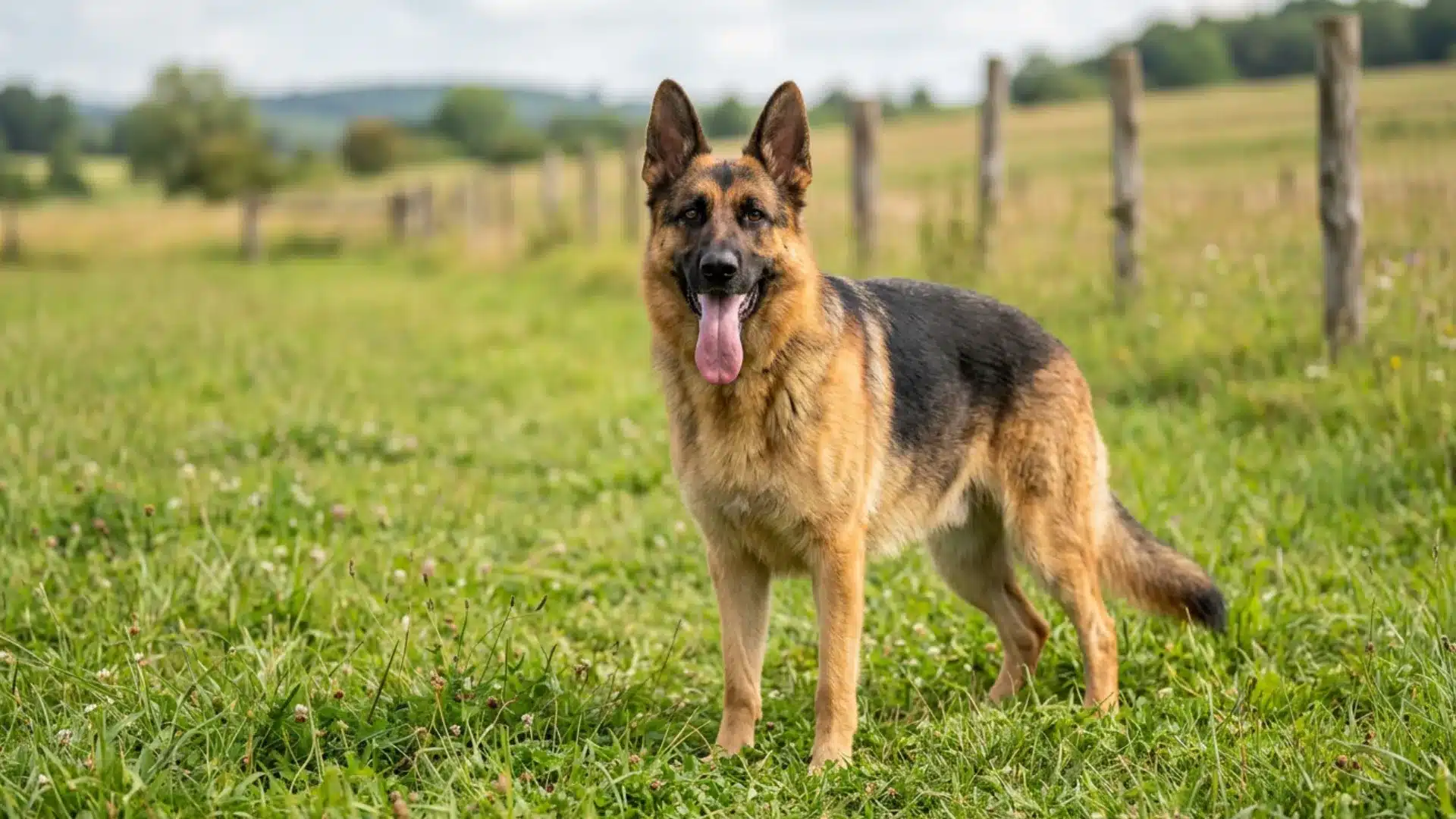
German Shepherds are loyal, intelligent, and highly trainable. They excel in obedience, service work, scent work, and protection training when given structure and clear guidance.
They benefit from early socialization, consistent training, and confident handling. Responsible breeding and positive training methods are important for developing a stable temperament.
- Best for: Active owners, experienced handlers, families committed to training, and people interested in working or dog sport activities.
- Important to know: German Shepherds need early exposure to people, places, and sounds to build confidence.
10. Shetland Sheepdog
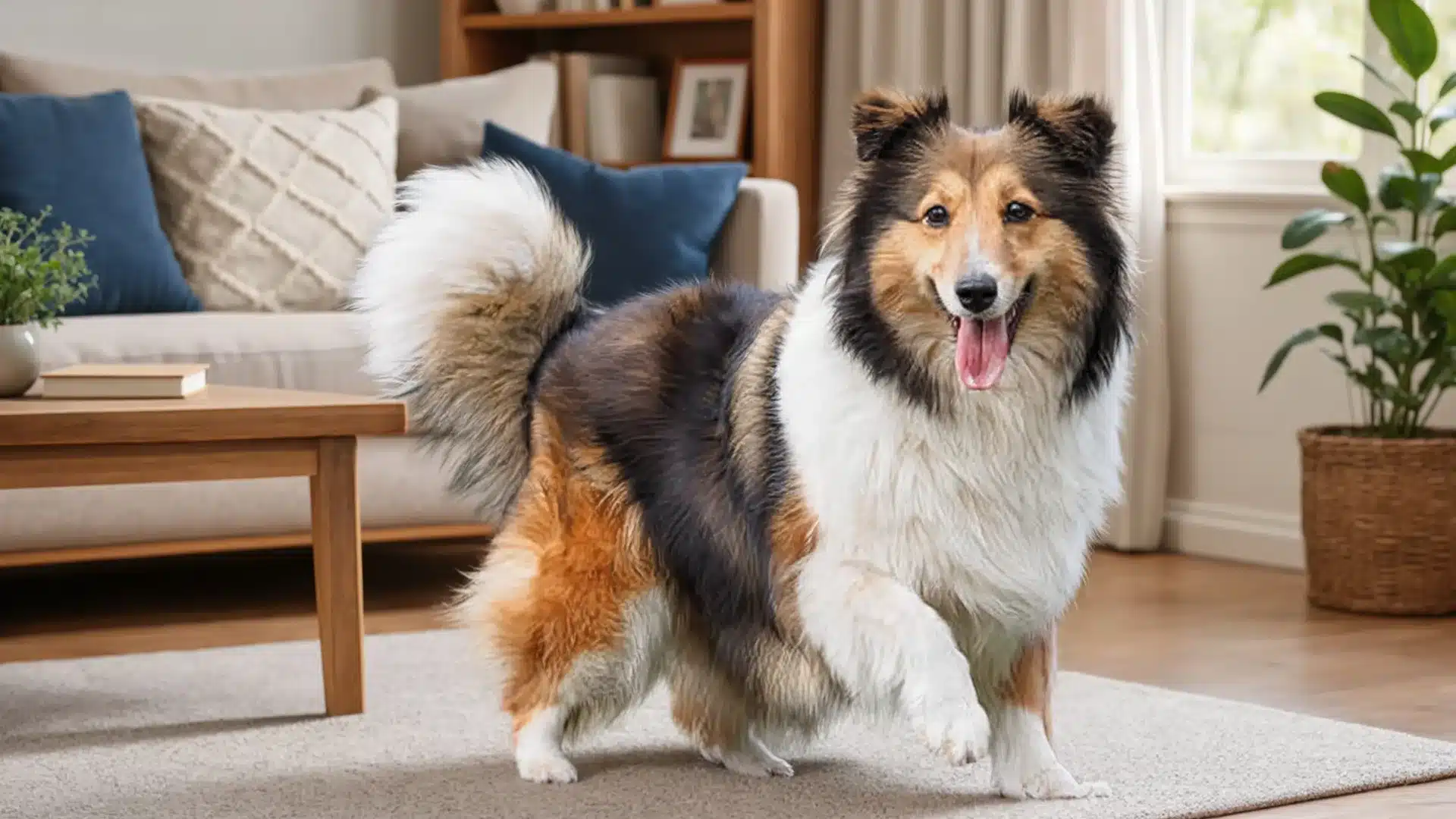
Shetland Sheepdogs, or Shelties, are intelligent, sensitive, and eager to work with their owners.
They learn commands quickly and often excel in obedience, agility, and trick training. Their herding instincts can make them vocal and alert to movement or noise.
Calm handling, early socialization, and consistent routines help them become well-mannered companions.
- Best for: Active families, first-time owners committed to training, and people interested in dog sports.
- Important to know: Shelties are noise-sensitive and alert, so barking habits should be managed early.
11. Australian Shepherd
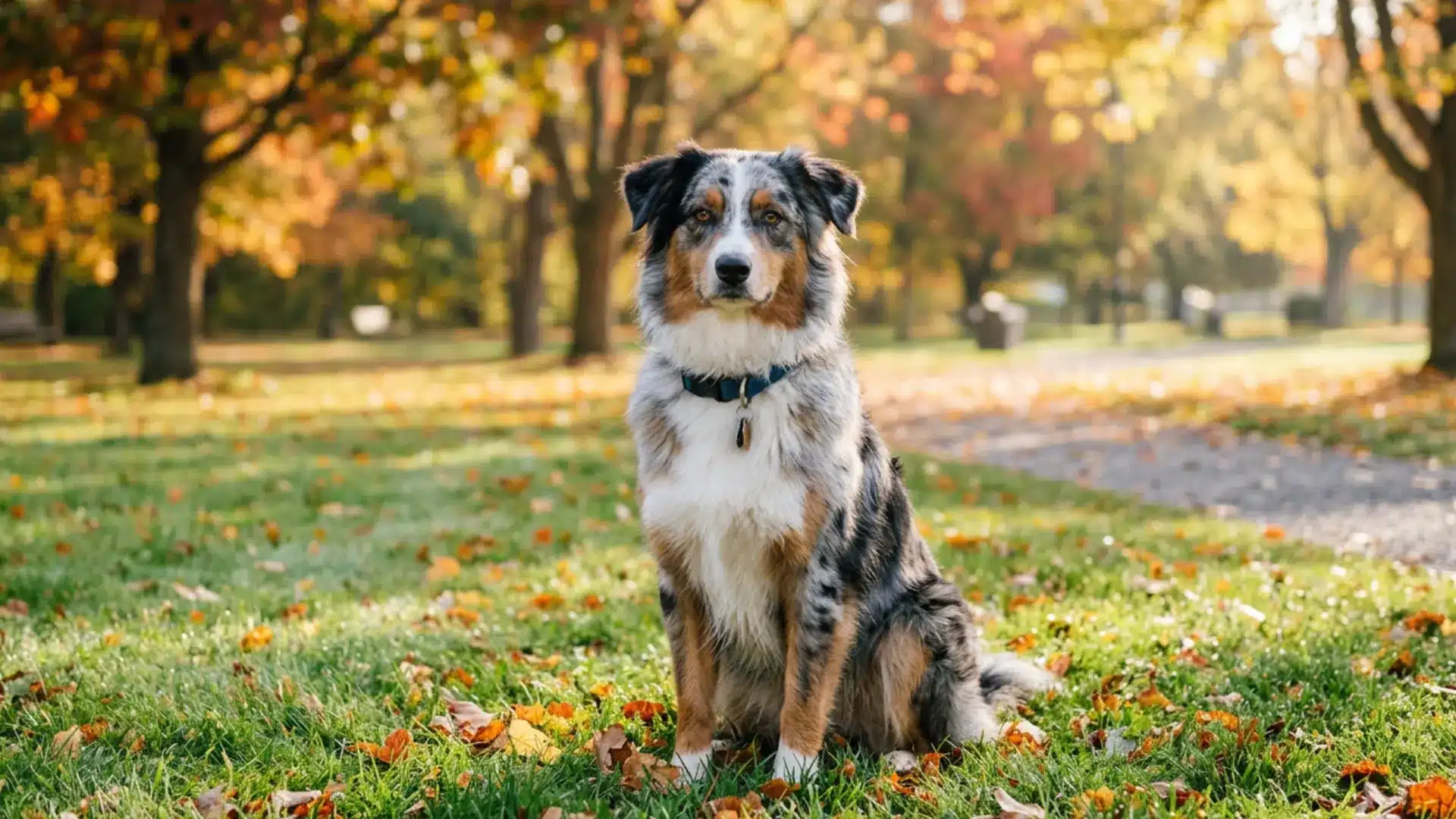
Australian Shepherds are intelligent, energetic, and highly driven working dogs that thrive when given a job to do.
They learn quickly and often excel in obedience, agility, herding, and advanced training activities.
Their eagerness to work and strong bond with their owners can make them rewarding companions for dedicated handlers.
- Best for: Active owners, dog sports enthusiasts, experienced handlers, and families committed to daily exercise and training.
- Important to know: Australian Shepherds may nip or herd people if those instincts are not redirected early.
How to Choose an Easy-to-Train Dog Breed That Fits Your Life
Trainability is important, but the best dog for you is one whose exercise, grooming, and companionship needs fit comfortably into your daily routine.
Matching a breed’s temperament and energy level to your lifestyle will make training easier and more enjoyable for both you and your dog.
- Match the breed to your lifestyle: A highly intelligent breed like a Border Collie may excel in training but can be overwhelming for busy owners or apartment dwellers.
- Consider your living situation: Apartment owners often do well with Papillons, Toy Poodles, Bichon Frises, and Cavalier King Charles Spaniels because these breeds can adapt comfortably to smaller living spaces.
- Think about your activity level: Active owners may enjoy Border Collies, Australian Shepherds, and Standard Poodles. These breeds thrive when given plenty of exercise, training, and mental stimulation.
- Look beyond intelligence: When comparing easy-to-train breeds, consider energy levels, grooming demands, health concerns, and the time you can realistically dedicate to training and enrichment each day.
Simple Ways to Keep Dog Training on Track
Good training lasts when owners prevent confusion, reward the right moments, and make lessons simple enough for dogs to understand every single day at home.
- Use one cue per action: Pick one word for each command, such as “sit” or “stay,” so the dog does not hear mixed signals.
- Reward at the right second: Give praise or a treat within two seconds of the correct behavior, so the dog knows exactly what worked.
- Keep lessons short: Train for 5 to 10 minutes at a time to avoid frustration and keep the dog interested.
- Stop bad habits early: Use gates, leashes, toy swaps, or food storage to prevent chewing, jumping, stealing food, or chasing before these habits grow.
- Track problem patterns: Note when issues happen, such as barking near windows or pulling near other dogs, then train around those exact triggers.
Conclusion
Choosing a dog becomes easier when you look beyond looks and focus on daily care, temperament, and training needs.
The most suitable breed is the one that matches your schedule, home, activity level, and patience. Some dogs learn commands quickly but need more structure, while others may be calmer but require steady routines and gentle guidance.
Health needs, grooming, exercise, and social habits should all be part of the decision before bringing a dog home.
The best easy-to-train dog breeds still need time, praise, practice, and clear rules to grow into well-mannered companions.
Start with a breed that fits real life, not just an ideal picture. Have a favorite trainable breed or personal experience? Share your comment below.
Frequently Asked Questions
Do Smart Breeds Need More Exercise?
Often, yes. Smart working breeds need both physical exercise and mental work. A walk may not be enough for Border Collies, Aussies, or Shelties.
Are Small Dogs Harder to Train Than Big Dogs?
Small dogs are not less trainable, but owners often skip rules because problems seem minor. Clear boundaries help small breeds learn manners just like larger dogs.
What Should a Dog Learn First?
Start with name response, recall, sit, leash basics, and calm handling. These early skills make daily care, vet visits, walks, and home routines easier.