You set your drink down for two minutes, turn back around, and your dog is happily lapping from your glass with zero shame and maximum enthusiasm. In the moment, it’s almost endearing.
Then the panic sets in.
I’ve had more than a few frantic calls at my clinic that started exactly like this.
I can tell you that moment of “wait, did they just drink that?” is more common than most pet parents want to admit. You’re not alone, and you’re not overreacting.
Your mind races. Was that enough to hurt them? Should you call someone? Or are you blowing this out of proportion over a few licks?
Here’s what I’ve learned from treating thousands of patients: most pet parents have no idea where the line actually is.
And by the time symptoms show up, you’re already behind the clock. What you do in the next few minutes matters more than you’d think.
So before you brush it off or spiral into a full emergency, read this first. I’ll walk you through exactly what’s happening inside your dog’s body, and what to do about it.
Why Alcohol is Toxic to Dogs
Alcohol is toxic to dogs because their bodies cannot safely process ethanol, leading to rapid poisoning that affects the brain, blood sugar, and vital organs.
Dogs simply don’t have the metabolic machinery to break down ethanol.
Once alcohol enters their system, it is absorbed into the bloodstream quickly and heads straight for the central nervous system.
The result is a condition called metabolic acidosis, in which the body’s tissues are flooded with acid.
Blood sugar drops, breathing slows, and the heart loses its steady rhythm. Beer and wine bring extra risks beyond just the alcohol content.
Beer contains hops, which are toxic to dogs on their own, independent of the ethanol.
Wine is made from grapes, which carry a well-documented risk of kidney damage in dogs. So the concern with either drink isn’t just the percentage you see on the label. It’s the whole package.
I know it can feel overwhelming when you realize how many everyday things can hurt our dogs. It’s a pattern that comes up a lot in conversations about pet nutrition, too.
Just as the discussion around grain-free food risks shows, ingredients that seem completely harmless to us can quietly cause real harm in dogs who lack the biology to handle them. Alcohol is the same story.
What Happens if a Dog Drinks Alcohol?
This is the part where many pet parents get caught off guard. Symptoms don’t always appear dramatically or immediately, and that delay can make the situation more dangerous than it appears.
1. Early Symptoms (30 to 90 Minutes in)
According to the Pet Poison Helpline, signs of alcohol poisoning can appear in as little as 30 minutes after ingestion, and sometimes sooner, depending on how much was consumed.
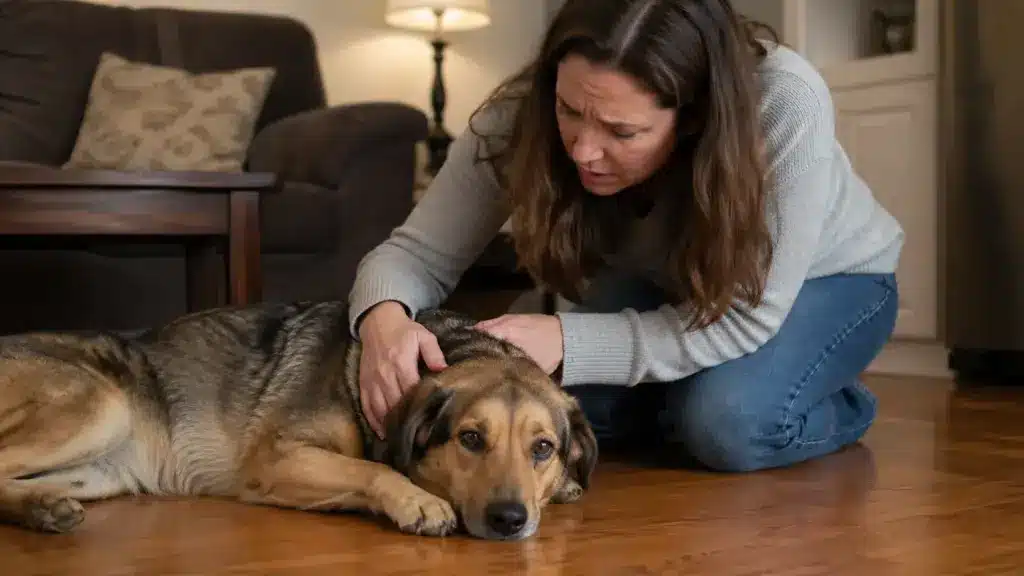
In my experience, the first thing owners notice is a change in the way their dog moves.
That wobbly, uncoordinated gait is a tell-tale sign that the central nervous system is already being affected. Other early signs to watch for include vomiting, excessive drooling, unusual lethargy, and increased urination.
If your usually energetic pup is suddenly sluggish and stumbling around after you’ve had guests over, trust your gut. You know your dog better than anyone.
2. Severe Symptoms
If a dog doesn’t receive treatment, symptoms can escalate fast.
Slowed or irregular breathing, tremors, a dangerous drop in body temperature, critically low blood sugar, and ultimately collapse or unresponsiveness are all possible outcomes.
What surprises a lot of people is that respiratory failure is the most common cause of death in dogs with serious alcohol poisoning.
It’s the breathing that goes first, not the vomiting and aspiration that you might expect from human cases.
I’ve seen dogs come in at this stage when their owners waited too long because things “didn’t seem that bad.” Please don’t wait.
3. The Deceptive “They Seem Fine” Window
This one is so important that I want to say it plainly: in the first few minutes after a dog drinks alcohol, they can look completely normal.
Ethanol takes time to absorb, and that calm window feels reassuring when it absolutely should not.
By the time visible symptoms appear, the alcohol is already in the bloodstream and at work.
If you know your dog consumed any alcohol, call your vet right away, even if they seem perfectly fine right now.
How Much Alcohol is Dangerous for a Dog?
According to the American Kennel Club, the lethal dose of ethanol in dogs is roughly 5.5 to 7.9 grams per kilogram of body weight. For a 10-pound dog, that threshold is frighteningly low.
A single can of beer or a full glass of wine can push a small breed dangerously close to a critical point.
Even well below the lethal threshold, alcohol causes metabolic stress that deserves veterinary attention. The amount consumed and your dog’s weight together determine how serious the situation becomes.
But here’s the honest answer: no amount is safe. Hard liquor, craft beers, and full-strength wines carry more risk per ounce than light beer, but “lower risk” is not the same as “safe.”
If your dog experienced stomach upset from the incident, a bland diet for a day or two after can help settle their digestion while they recover.
Can Dogs Have Beer?
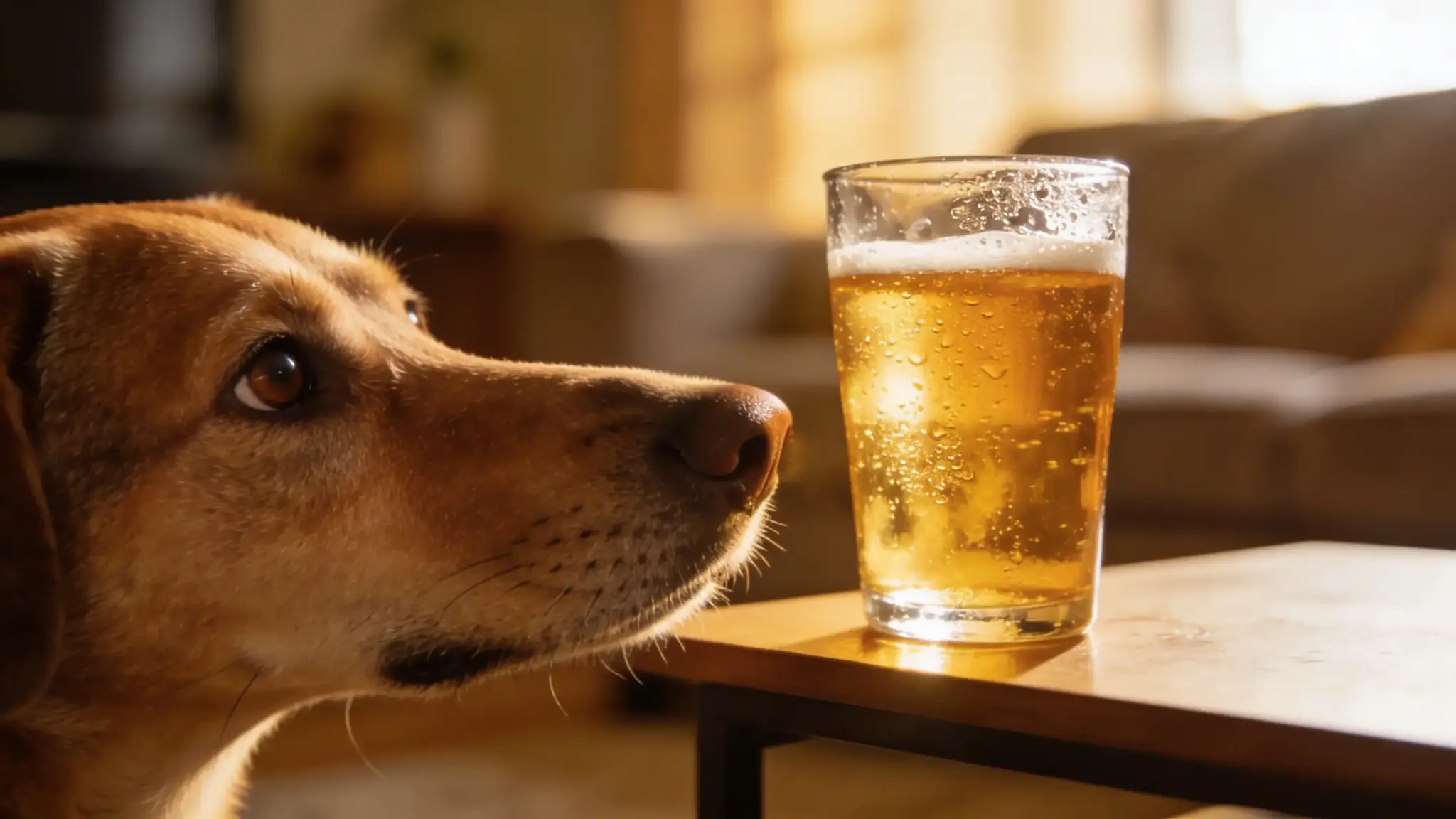
No, there’s no version of regular beer that’s safe for your dog, no matter how small the sip or how low the alcohol percentage.
Beer actually carries a double threat. The ethanol is the obvious problem, but hops are toxic to dogs entirely on their own.
Hops toxicity can cause rapid breathing, dangerously high fever, seizures, and a potentially fatal condition called malignant hyperthermia.
That combination makes beer one of the riskier forms of alcohol for dogs, and it’s why I always tell pet parents: don’t leave your beer unattended at a party, even for a minute.
I completely understand the scene. Your dog is socializing with guests, looking up at you with those eyes, clearly wanting to be part of the fun.
They’re family, and it feels natural to want to include them. But their body genuinely can’t handle it, no matter how much their tail wags at the sight of your can.
There are genuinely great alternatives. Some pet brands now make alcohol-free “dog beer” crafted from bone broth, vegetables, and malt barley with zero ethanol.
You can also whip up your own healthy homemade dog treats so your pup can be part of the celebration without any risk.
What to Do if Your Dog Drinks Alcohol
Take a breath and then move fast. These steps apply whether your dog had a few licks or drank a full serving.
First, get your dog away from the source. If there’s a spill on the floor or a glass within reach, remove your dog first.
Call your vet or the Pet Poison Helpline immediately at (855) 764-7661. They’re available 24/7 and will ask for your dog’s approximate weight, what they drank, and roughly how much.
If the drink had mixers, check the label for xylitol.
That artificial sweetener, common in diet sodas and certain cocktail mixers, is separately toxic to dogs and will change how urgently your vet wants to see your pup.
Do not try to induce vomiting at home unless your vet tells you to.
It feels like the right move, but it can make things significantly worse, depending on where your dog is in the progression of symptoms.
While you wait for guidance, keep your dog warm and still. Alcohol lowers body temperature in dogs, so warmth matters. Offer fresh water, but don’t force it.
If your dog is already stumbling badly, breathing slowly, or unresponsive, skip the call and go straight to an emergency vet.
How Vets Treat Alcohol Poisoning in Dogs
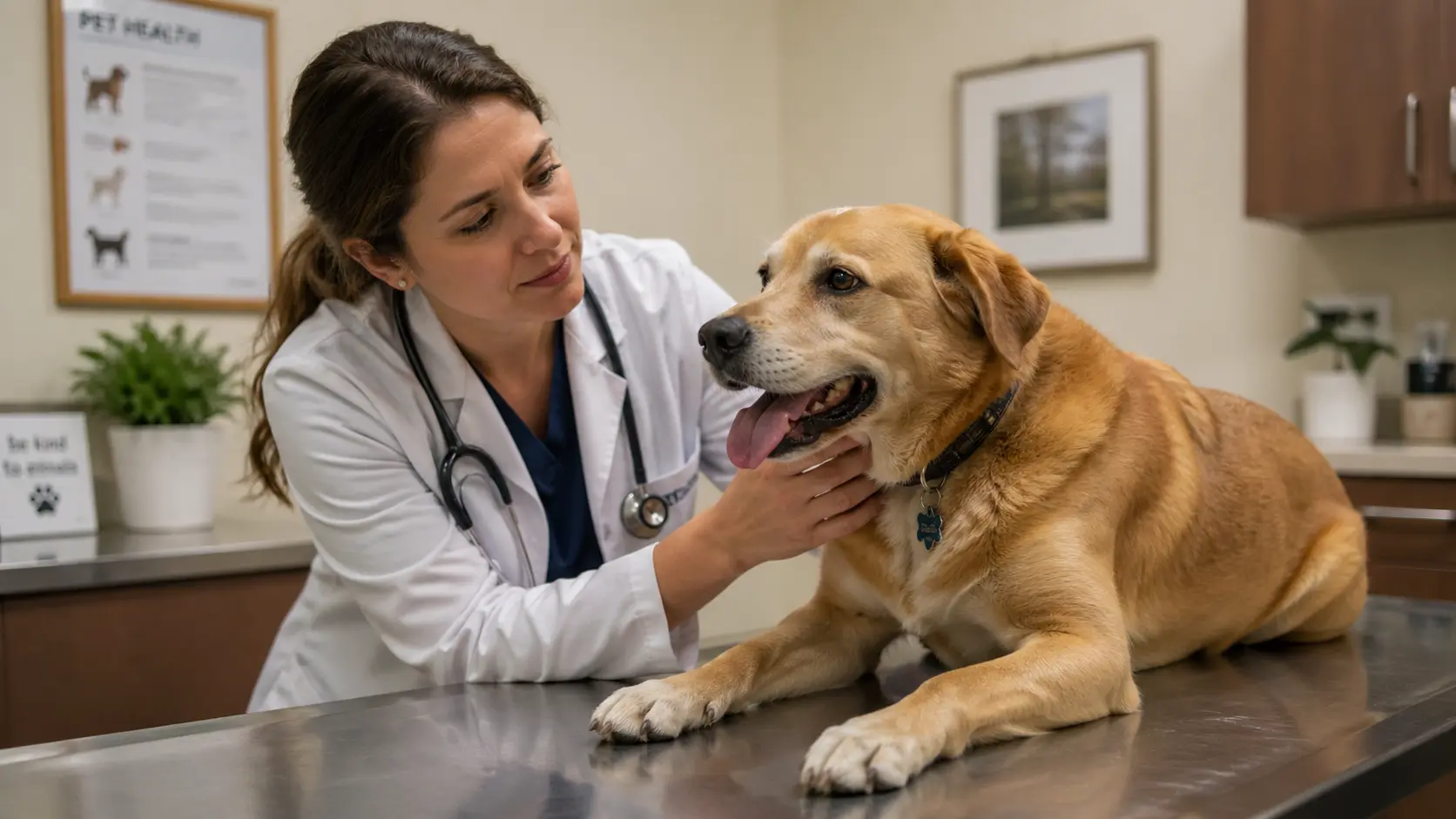
When you bring your dog in, the vet’s first priority is stabilization. Treatment depends on timing and how severe the symptoms are when your dog arrives.
If ingestion was very recent, a vet may induce vomiting to remove alcohol still sitting in the stomach. After that window closes, supportive care takes over.
That typically means intravenous fluids to help the kidneys flush the alcohol from the blood, blood glucose monitoring to catch any dangerous drops in blood sugar, temperature regulation to address hypothermia, and seizure medication if needed. In more severe cases, intubation to support breathing may be necessary.
With quick treatment, most dogs with mild to moderate alcohol poisoning recover within a few hours. I’ve seen dogs bounce back from scary situations when their owners acted fast.
Severe cases take longer, but full recovery is absolutely possible when treatment starts before organ systems are seriously stressed. Your quick thinking makes all the difference.
Hidden Sources of Alcohol that Can Harm Your Dog
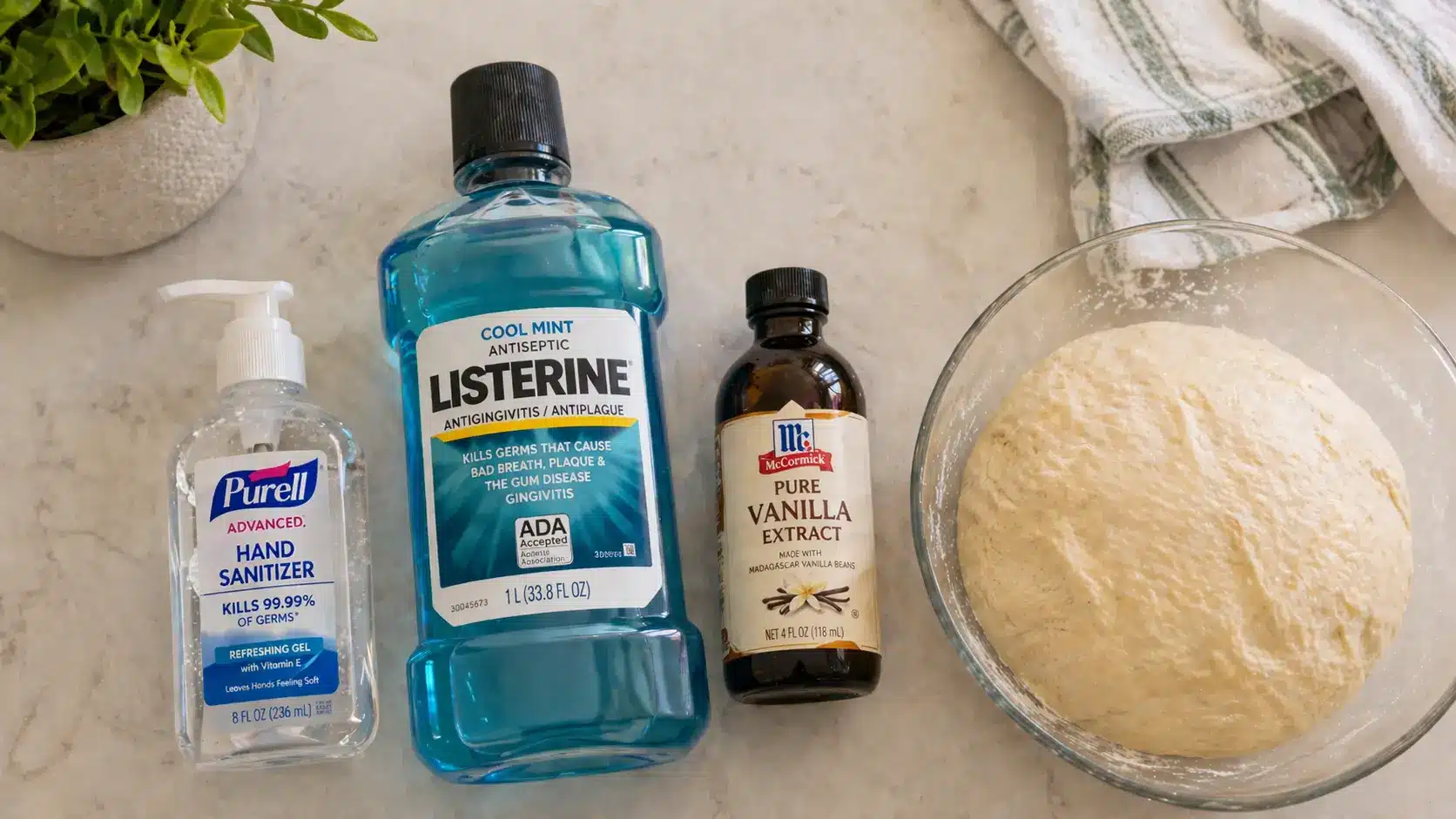
Alcoholic drinks are the obvious concern. But ethanol shows up in places most people wouldn’t think to worry about, and that’s where many incidents actually occur.
Raw bread dough is one of the most common culprits in my experience.
When yeast ferments inside a warm stomach, it produces ethanol, and a dog that eats unbaked dough can develop alcohol poisoning without going near a single drink.
Hand sanitizers and rubbing alcohol are far more concentrated than any beverage and are seriously dangerous if licked from skin or surfaces.
Mouthwash, some cough syrups, flavored vanilla extract, and certain alcohol-based flea sprays all contain ethanol in amounts that can hurt a dog.
During the holidays, especially, rum cake, tiramisu, and alcohol-soaked fruit desserts are best kept well off the floor and away from low tables.
The rule of thumb is simple: anything listing alcohol or fermenting yeast as an ingredient is off-limits.
Conclusion
Keeping your dog safe around alcohol comes down to simple awareness and a few clear rules.
Most problems start when a glass is left within reach or when a guest does not realize that even small amounts can harm a dog. Now that you know the risks, you are better positioned to prevent them.
Set boundaries before guests arrive. Keep drinks on higher surfaces, use lids when possible, and remind everyone not to share sips or leave glasses unattended.
It also helps to give your dog a safe, quiet space with toys, so they are less curious about what is on the table.
If you host often, make these habits part of your routine. A little planning goes a long way in keeping your pet safe and stress-free.
Share this with another dog owner and tell us how you manage things when people come over safely.
Frequently Asked Questions
Can Dogs Smell Alcohol, and Are They Attracted to It?
Dogs aren’t naturally drawn to the scent of alcohol. Most actually find the smell of straight spirits off-putting. They’re more likely to show curiosity around sweet or fruity mixed drinks, ciders, and punches.
Is Rubbing Alcohol More Dangerous than Beer for Dogs?
Yes, significantly so. Rubbing alcohol contains isopropanol rather than ethanol, and it’s considerably more toxic than what’s found in any beverage. Even a small amount licked from skin or a surface can cause serious harm quickly.
Can a Dog Fully Recover from Alcohol Poisoning?
Most dogs recover fully with prompt veterinary care, especially when the situation is caught early. Mild to moderate cases typically improve within a few hours of supportive treatment. Severe cases take longer, but full recovery is possible when treatment begins before the organ systems are subjected to prolonged stress. Speed really is everything here.