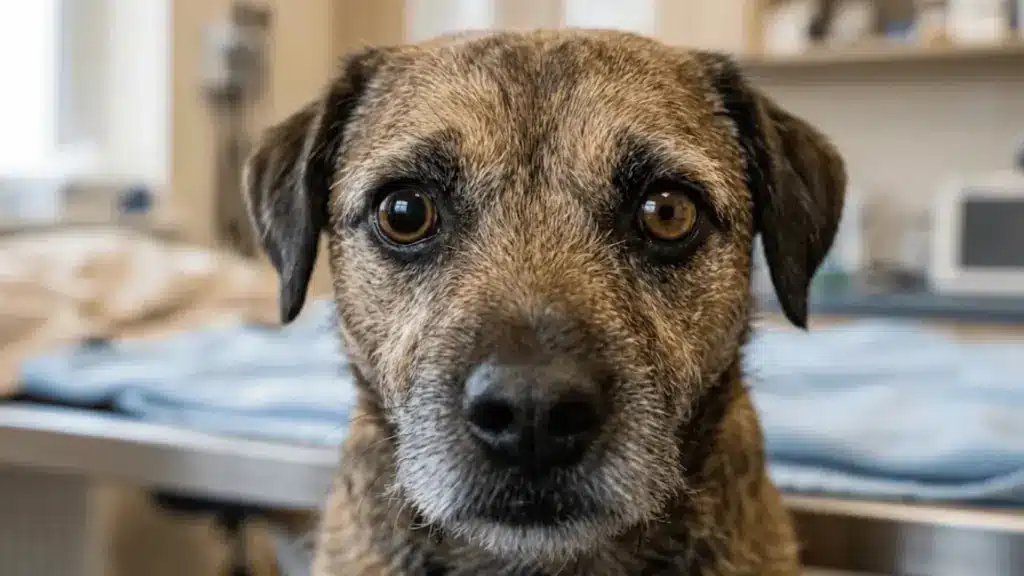
You might not notice your dog’s eyes every day, but small changes can mean a lot. One thing that stands out quickly is when the pupils are not the same size.
This condition, called anisocoria in dogs, can look odd and sometimes worrying. In some cases, it may not cause much trouble.
In my years working with pet owners, I have seen this catch people off guard more than almost any other eye change.
It looks strange, and the instinct is usually right: this is worth paying attention to. A sudden change can signal pain, injury, or illness.
Some dogs may act normally, while others show clear discomfort. In this blog, you will learn what causes this condition, how it affects dogs, the signs to watch for, and when to seek help.
What is Anisocoria in Dogs?
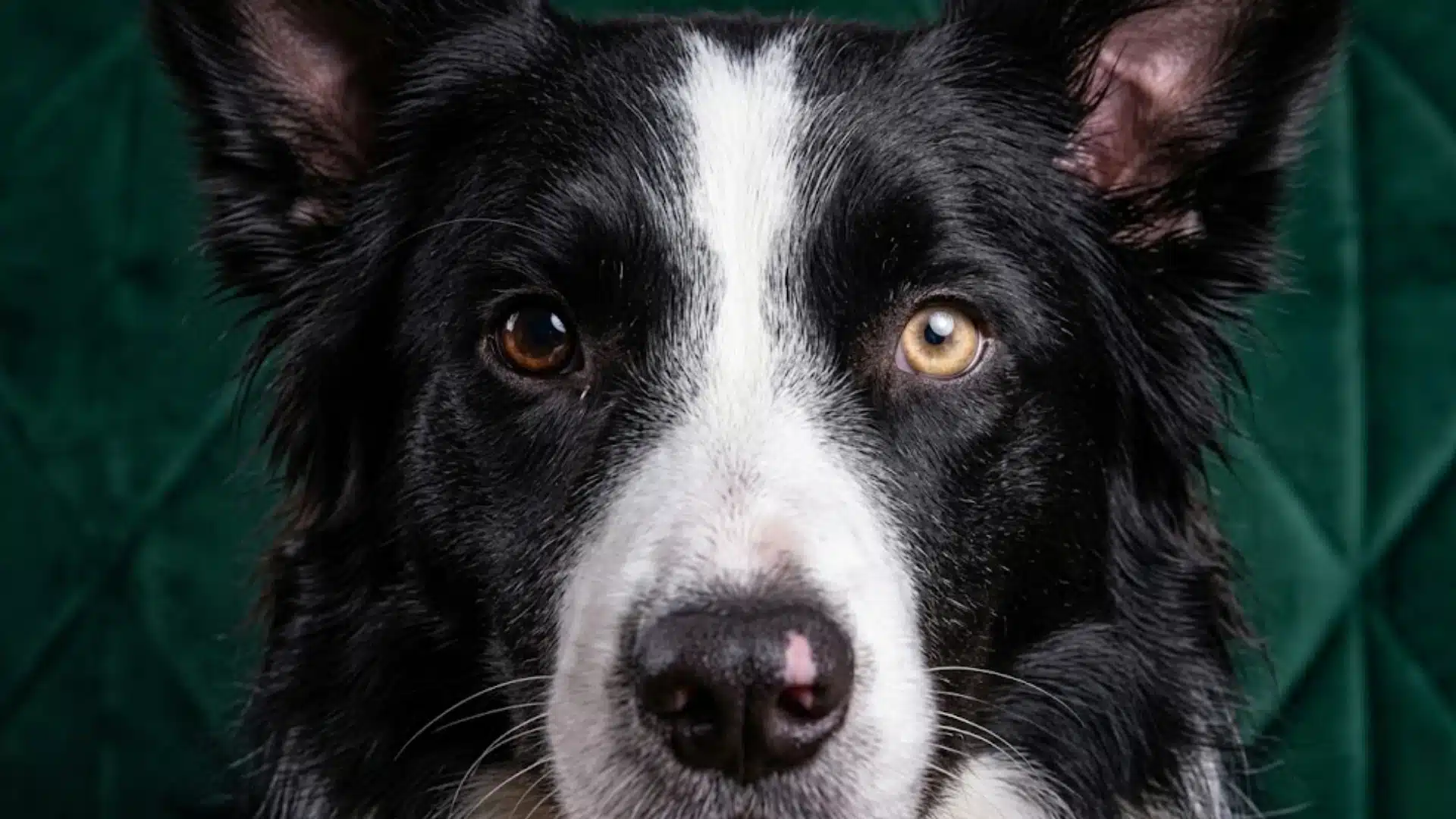
Anisocoria means that one pupil is larger than the other. In a healthy dog, both pupils usually stay the same size and react evenly to changes in light.
When light enters the eye, the pupils shrink. In dim settings, they grow larger to let in more light. This response helps dogs see clearly in different conditions.
When this balance is off, it becomes noticeable right away. One pupil may stay wide while the other reacts normally. This uneven look is what defines the condition.
Some cases are temporary and may happen due to minor irritation or a brief reaction to light or stress. These often go away on their own.
Persistent cases last longer and may point to an issue with the eye, nerves, or brain. These need closer attention to find the cause.
How This Condition Can Change Your Dog’s Behavior and Vision
Uneven pupil size can affect dogs in different ways, and the impact often depends on the cause. Some dogs may experience slight vision problems, especially if one eye does not adjust to light properly.
This can make it harder to judge distance, which may affect movement and confidence during normal activities. In some cases, mild discomfort or a feeling of strain in the affected eye may also occur.
Sensitivity to light is another common effect, as one pupil may not shrink as it should in bright conditions. Dogs may avoid well-lit areas or spend more time in darker spaces.
Behavior can shift as well, with some dogs showing confusion, hesitation, or slower reactions while walking or playing.
In mild situations, daily routines may remain mostly unchanged without clear signs of distress.
Common Causes of Anisocoria in Dogs
Uneven pupils can happen for several reasons, ranging from mild eye problems to more serious nerve or brain conditions that need quick medical attention.
- Eye injuries or trauma: A scratch, blow, or other injury to the eye can affect how the pupil reacts. Swelling, pain, or damage inside the eye may also cause one pupil to look different from the other.
- Glaucoma: Glaucoma happens when pressure builds inside the eye. This can lead to pain, redness, vision loss, and changes in pupil size. It is a serious condition that often needs fast treatment. Dogs with recurring eye infections may also be at higher risk for developing secondary pressure changes.
- Uveitis: Uveitis is inflammation inside the eye. It can make the eye painful and sensitive to light. In many cases, the affected pupil may become smaller than normal.
- Nerve issues (Horner’s syndrome): This condition affects the nerves that control parts of the eye and face. It can cause a smaller pupil, drooping eyelid, and a sunken look in the eye.
- Brain-related conditions: Problems involving the brain or nervous system can sometimes affect pupil size. These cases may come with other signs, such as weakness, confusion, or trouble walking.
- Reaction to certain medications: Some drugs or eye medications can change how the pupils respond. This effect may be temporary, but it should still be checked if it appears suddenly.
Signs and Symptoms of Anisocoria in Dogs
Changes in the eyes or behavior can show early signs of a problem, and spotting these signs in time can help prevent the condition from getting worse.
- Uneven pupil size: One pupil looks larger or smaller than the other, and the difference stays noticeable even when light conditions change.
- Redness in the eye: The white part of the eye may appear red or irritated, which can point to inflammation or infection.
- Squinting or blinking more than usual: Frequent blinking or keeping the eye partly closed can signal discomfort or sensitivity to light.
- Discharge from the eye: Fluid, mucus, or pus coming from the eye may suggest irritation, infection, or injury.
- Change in vision or movement: A dog may bump into objects, move slowly, or seem unsure while walking, showing possible vision issues.
- Pain or rubbing the eye: Pawing at the eye or rubbing the face against surfaces can be a clear sign of pain or irritation.
When to See a Vet for Anisocoria in Dogs
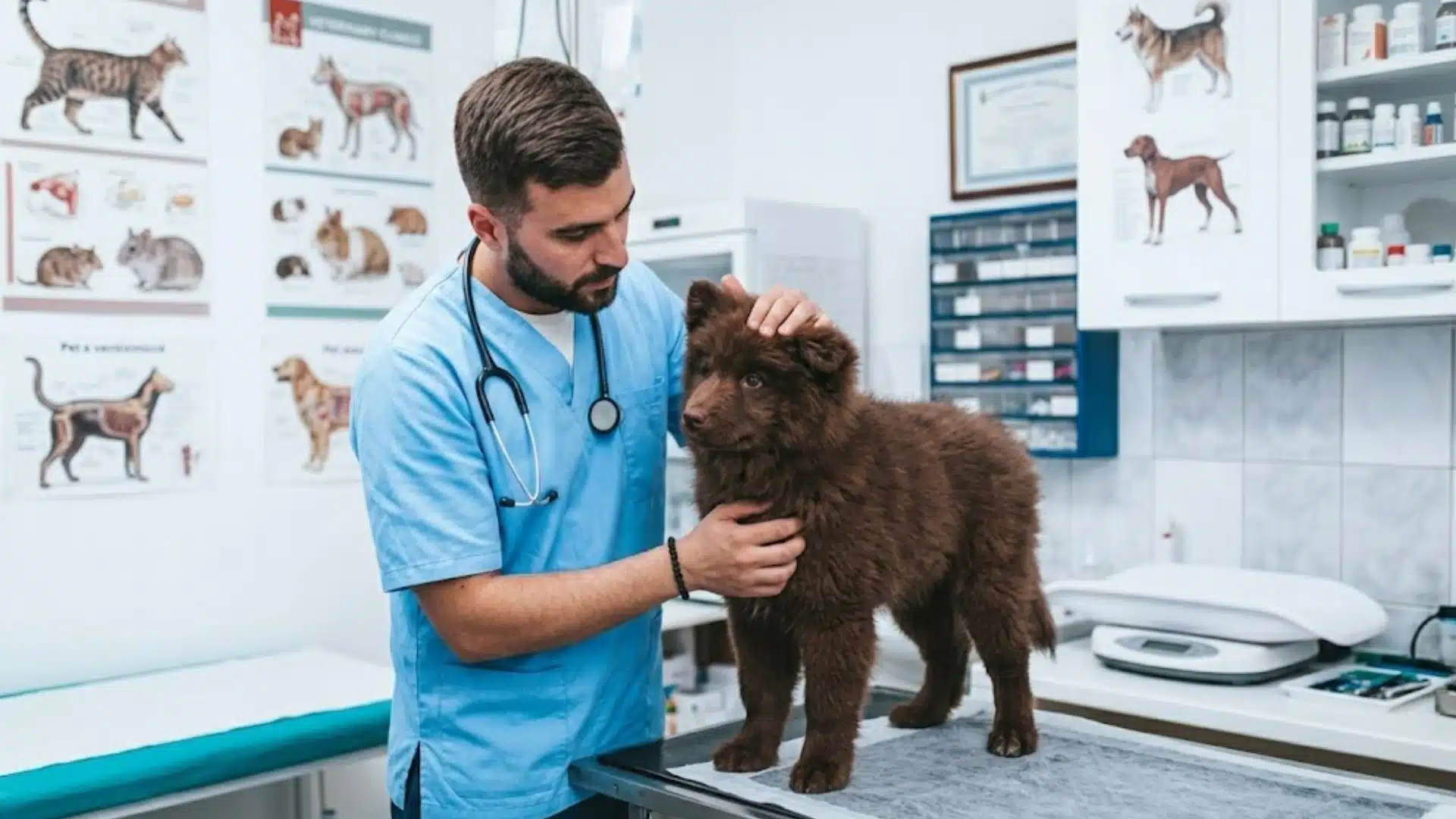
Different-sized pupils should never be ignored, even if a dog seems calm at first.
A veterinary visit should be scheduled as soon as the change is noticed, since some eye problems can worsen more quickly than they appear from the outside.
The situation becomes more urgent when the change happens suddenly or appears with other warning signs.
Squinting, redness, discharge, pain, or keeping the eye closed can point to pressure, injury, or inflammation.
Vomiting, weakness, confusion, or poor balance may suggest the problem is linked to the nervous system rather than the eye alone.
Sudden cases are more likely to involve serious conditions such as trauma, acute glaucoma, or a neurological event, all of which may worsen quickly without treatment.
If trauma is suspected, vets may also check for signs of an infected dog wound near the head or face, since injuries in that area can affect the eye and surrounding nerves.
Even gradual changes still require prompt care, as underlying diseases can progress in silence. Early diagnosis offers the best chance to protect vision, ease discomfort, and prevent permanent damage.
How Vets Diagnose the Condition
Vets use a step-by-step approach to find the cause of uneven pupils, starting with basic checks and moving to detailed tests if needed.
A penlight or ophthalmoscope is used to test the pupillary light reflex in each eye separately. The speed and degree of the response give important information about nerve function.
This helps rule out surface-level problems. Light response tests are then done to see how each pupil reacts when exposed to light, which gives clues about nerve function and eye health.
An eye pressure check may follow to detect conditions such as glaucoma, in which pressure inside the eye is higher than normal.
If the cause remains unclear, blood tests or imaging, such as X-rays, may be performed. These help identify deeper issues, including infections, nerve damage, or problems linked to the brain.
Best Treatment Options for Anisocoria in Dogs
Treatment for this condition depends on the cause, so the right option can vary from one dog to another. The main goal is to treat the problem behind the uneven pupils rather than the pupil change alone.
In many cases, vets may prescribe eye drops or medications to reduce pain, swelling, pressure, or infection. These can help improve comfort and prevent the eye from getting worse.
If the condition is linked to a more serious problem, treatment may need to go beyond basic medicine.
Surgery is sometimes required in severe cases, especially when there is major eye damage or dangerous pressure inside the eye.
Some dogs may also need long-term care for underlying conditions such as nerve problems, inflammation, or brain-related issues. Early treatment often gives a better chance of protecting vision and overall health.
The earlier the cause is identified, the more treatment options stay open. Conditions like glaucoma and uveitis can move fast.
Starting the right treatment within the first 24 to 48 hours can be the difference between preserved vision and permanent loss.
Can Anisocoria in Dogs Be Prevented?
Not every case can be prevented, but simple care steps can lower the risk of eye problems and help catch changes before they become more serious.
- Regular eye checks: Routine vet visits can help spot early eye changes before they become more serious. These checks are useful for both young and older dogs.
- Avoiding injuries: Keeping dogs away from sharp objects, rough play, or unsafe spaces can reduce the chance of eye trauma that may affect pupil size.
- Early treatment of infections: Eye infections should be treated as soon as possible. Quick care can stop irritation or inflammation from getting worse and affecting the eyes further.
- Monitoring changes at home: A weekly quick look at both eyes in consistent lighting takes about 10 seconds and can catch early changes before they become harder to treat. I recommend making it part of a regular grooming check.
- Managing existing health conditions: Dogs with nerve issues, eye disease, or other medical problems need regular care, since these conditions can raise the risk of uneven pupils.
Conclusion
Uneven pupils in a dog may look like a small change, but they can point to anything from mild irritation to a more serious health problem.
This blog covered what this condition means, how it can affect vision and behavior, the common causes behind it, the signs to watch for, and how vets diagnose and treat it.
It also explained when anisocoria in dogs may become a bigger concern and what steps may help lower the risk.
Some cases are easier to manage than others, especially when the cause is found early, and treatment starts on time.
That is why sudden pupil changes, pain, or other unusual symptoms should never be brushed aside.
Has your dog ever shown any of these signs? Share your thoughts or experience in the comments below.
Frequently Asked Questions
Can Anisocoria in Dogs Be Normal in Some Breeds?
Yes, in rare cases, some dogs may naturally have slight differences in pupil size without any health issues. This is uncommon and usually presents from a young age. A vet should still confirm it is harmless.
Does Age Play a Role in Anisocoria in Dogs?
Older dogs may be more likely to develop this condition due to age-related changes in the eyes or nerve issues. However, it can still appear in younger dogs due to injury or infection.
Can Stress or Fear Cause Temporary Pupil Size Differences in Dogs?
Strong emotions like fear or stress can affect pupil size for a short time. However, this usually affects both pupils. If only one pupil changes, it is not likely due to stress alone.