You’ve probably never thought twice about lighting a candle, cooking garlic, or spritzing air freshener, but if there’s a rabbit nearby, those everyday moments matter more than you’d expect.
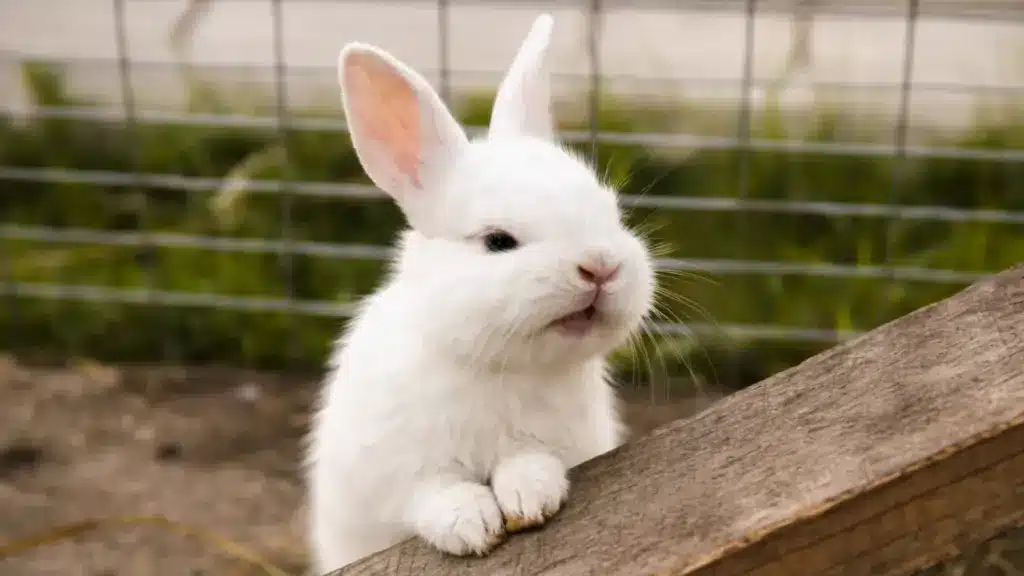
Rabbits experience the world almost entirely through their nose. With up to 100 million scent receptors working around the clock, a smell you find pleasant can register as overwhelming, threatening, or even physically harmful to them.
Whether you’re protecting a garden from wild rabbits or creating a calmer home for a pet bunny, the answer starts with knowing which smells they genuinely hate, and which ones cross from unpleasant into dangerous.
Why a Rabbit’s Sense of Smell Makes Scent Deterrents So Effective
Rabbits are prey animals, and their olfactory system evolved as a survival tool to detect predators, identify safe food, and navigate their environment.
Their nasal membrane is acutely sensitive to chemicals, dust, and synthetic compounds, and that constant nose-twitching you see? It’s actively pulling more scent molecules across their receptors.
When a strong or threatening smell hits, the reaction goes beyond mild annoyance. It can trigger a genuine stress response, going motionless, pressing flat to the floor, thumping, or hiding.
In my practice, a surprising number of cases of sudden lethargy or anxious behavior trace back to something as simple as a new plug-in air freshener in the room.
5 Scents That Really Work

Rabbits rely heavily on their sense of smell to decide where it feels safe to feed, making scent-based deterrents among the most effective ways to protect plants.
The following scents work by either irritating their sensitive noses or mimicking danger in their environment.
1. Garlic and Onion
The sharp allium smell irritates rabbit scent receptors, and both foods are also toxic if ingested, creating a double deterrent. If you’re ever unsure about which other common foods pose a similar risk, you should know about the foods you should avoid for your rabbit.
To use: crush a few cloves, mix with water, and spray around the perimeter of plants (not directly on edible leaves). Reapply every 5–7 days and after rain.
2. White Vinegar
The acetic acid in white vinegar produces a sharp smell that rabbits find deeply unpleasant.
Dilute 50/50 with water in a spray bottle, or soak cotton balls and place them near targeted plants. Corn cobs soaked in vinegar hold the smell longer than cotton. Once it dries completely, it’s safe for use around pet bunnies, too.
3. Chili Powder and Cayenne
Capsaicin, the compound that gives chili its heat, overwhelms a rabbit’s nasal cavity. Sprinkle dried red pepper flakes around plant bases, or make a spray by gently heating ⅓ cup of oil with ½ cup of chili flakes, then straining and diluting with water.
Avoid contact with your eyes and wash your hands after handling. Do not use this inside a home with a pet rabbit.
4. Predator Urine (Fox, Coyote, Bobcat)
This works by triggering a rabbit’s hardwired fear response. The scent of a predator’s territory signals danger, not just discomfort. Available at garden centers and sporting goods stores.
For the best results, choose a predator native to your region of the US. Coyote urine works broadly across the South and Southwest, while fox urine is effective throughout the Northeast and Midwest.
5. Blood Meal and Bone Meal
Blood meal signals that a nearby predator kill occurred. It’s safe around children and pets, widely available at garden centers, and requires only a few applications to establish the “danger zone” message.
Bone meal works similarly and doubles as a garden fertilizer.
Safe Scents for Homes With a Pet Rabbit
Keeping a home fresh with a pet rabbit starts with avoiding strong artificial scents that can irritate their sensitive system. Safe alternatives for keeping your home fresh without stressing your bunny:
- Unscented, paper-based litter in their tray: controls odor without fragrance
- Diluted white vinegar for cleaning their space: The smell dissipates completely as it dries
- Baking soda: As an odorless deodorizer for carpets and litter boxes
- Fresh air: Simply opening a window is more effective and safer than any air freshener
- Dried chamomile or dandelion in their hay: Smells they actually enjoy
The same attention that goes into scent choices should go into diet. Even seemingly harmless vegetables can be a gray area. For example, if you’ve ever wondered whether rabbits can safely eat radishes, the answer is more nuanced than a simple yes or no.
Common Mistakes That Make Scent Deterrents Fail
Rabbits quickly adapt to repeated smells, ignore misplaced applications, and won’t respond to scents that don’t signal real danger.
- Using one scent for weeks without rotating. Rabbits habituate and stop responding.
- Spraying into the air rather than onto soil and surfaces where rabbits travel.
- Running an essential oil diffuser in the same room as a pet rabbit.
- Choosing predator urine from a species not native to your local area.
- Relying on scent alone without any physical barrier, especially in areas with heavy rabbit traffic
Conclusion
Scent is one of the most underestimated tools you have, whether you’re protecting a garden bed or building a safer space for a pet rabbit.
The good news is that none of this requires expensive products or complicated setups. A few strategic rotations, the right application method, and one solid physical barrier go further than any single repellent ever will.
Start with what you already have at home: white vinegar, coffee grounds, or a handful of herbs, and build from there.
Small adjustments in what you spray, burn, or diffuse can make a real difference to your rabbit’s stress levels and your garden’s survival rate.
Tried one of these methods? Drop a comment below and let us know what worked and what surprised you.
Frequently Asked Questions
Can Rabbits Smell Through Walls or From a Distance?
Yes, rabbits can detect scents from a surprising range, sometimes several hundred feet away, under the right conditions. This is why placing scent deterrents at the garden perimeter, rather than just around individual plants, is more effective.
Will Using Scent Deterrents Harm Other Garden Wildlife or Pets?
It Depends on The Deterrent. Chili-Based Sprays Can Irritate the Eyes and Paws of Dogs Who Sniff Treated Soil. If You Have Other Outdoor Pets, Stick to Herb-Based Deterrents and Physical Barriers as Your Primary Line of Defence.
How Do I Know if a Smell is Stressing My Pet Rabbit?
Rabbits rarely vocalize discomfort, which makes it easy to miss. Watch for these behavioral signs: going unusually still or flat, frequent thumping with hind legs, repeated attempts to move away from a spot, reduced appetite, or labored breathing