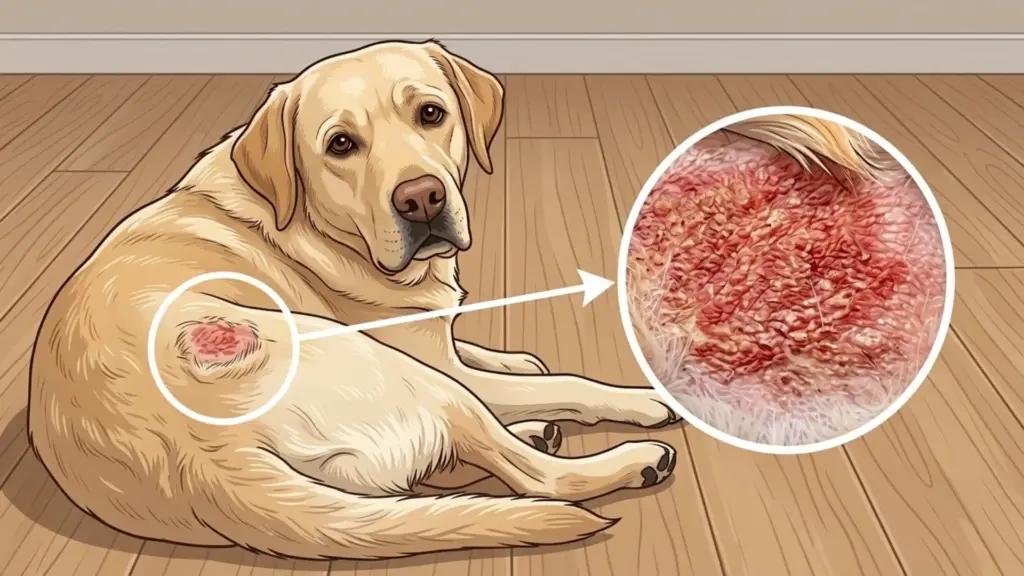
It usually begins with a small change that is easy to overlook, like a bit more scratching than usual or a dog licking the same spot again and again.
But over time, that discomfort starts to grow and becomes harder to ignore.
Many pet owners reach a point where concern turns into worry, especially when their dog seems restless, irritated, or unable to settle down comfortably.
Allergic dermatitis in dogs often develops this way, slowly affecting not just the skin but also the dog’s overall behavior and mood.
Watching a pet go through that kind of discomfort can feel frustrating and confusing, particularly when the cause is not immediately clear.
However, these signs are not random, and understanding them can lead to real, practical solutions that help restore comfort and improve a dog’s daily life.
What is Allergic Dermatitis in Dogs?
Allergic dermatitis is a chronic inflammatory skin condition where a dog’s body reacts strongly to things that are usually harmless, like pollen, fleas, or certain foods.
It happens because the immune system becomes overactive and treats these substances as threats, leading to itching, redness, and irritation.
Unlike humans, who typically develop nasal symptoms and hives, dogs react primarily through their skin.
This is because dogs have a higher concentration of mast cells in their skin, which release histamines and other inflammatory substances when triggered by an allergen.
Dogs may scratch, lick, or chew the same spots repeatedly, which can damage the skin.
This condition is not caused by a single factor in many cases. A dog can react to more than one trigger at the same time, making it harder to identify the exact cause.
According to the American Kennel Club, skin allergies are, in fact, the most common type of allergic reaction in dogs, with fleas, food, and environmental allergens being the three primary causes.
In my clinical practice, I have found that most moderate-to-severe cases involve at least 2 overlapping allergens, which is one of the main reasons symptoms persist even after owners address what seems like the obvious trigger.
Common Causes of Allergic Dermatitis in Dogs
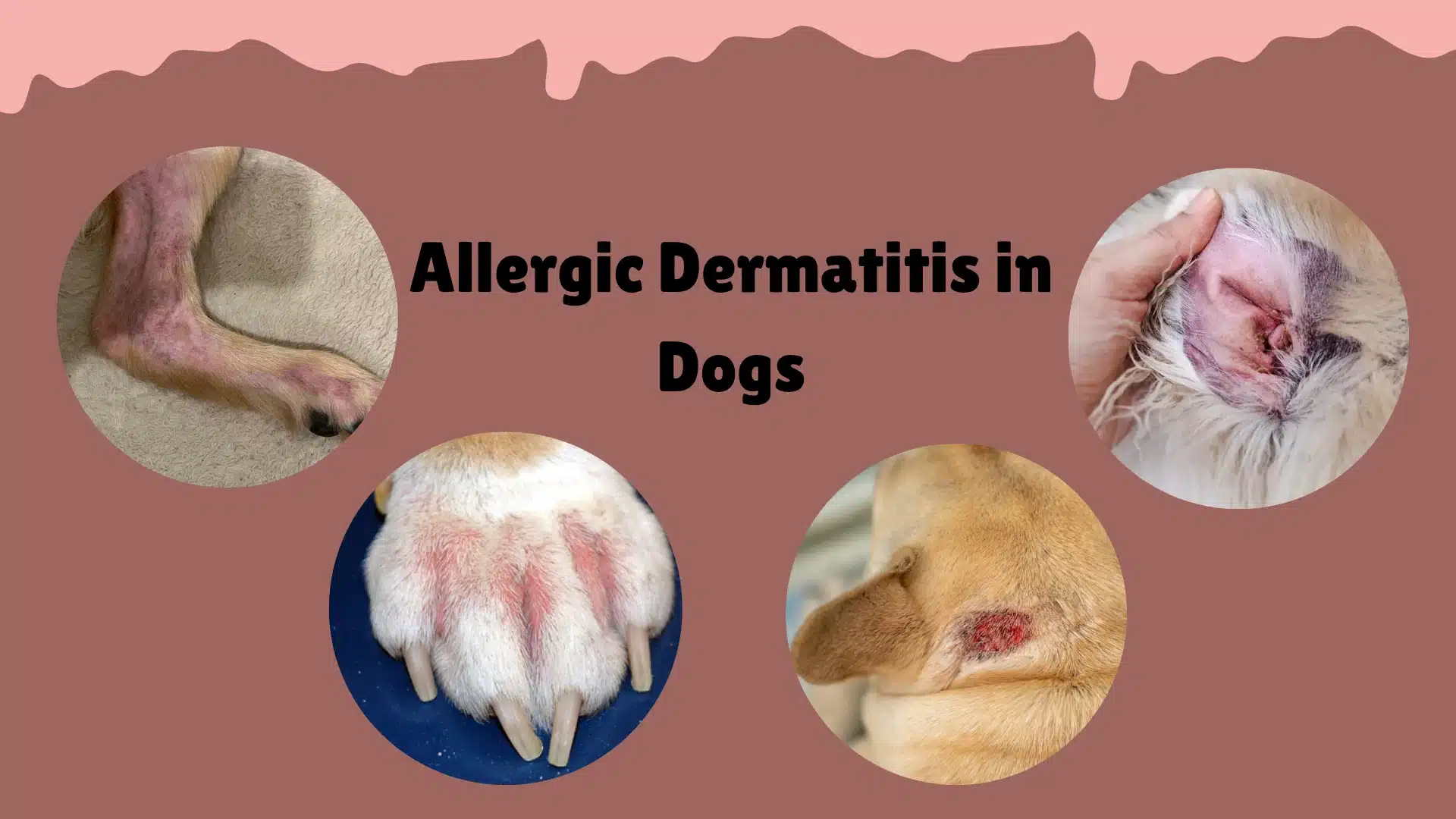
It is triggered by substances called allergens, and these are everyday things in a dog’s environment that the immune system mistakenly treats as harmful. The causes can depend on lifestyle, location, diet, and even the time of year.
1. Flea Allergy Dermatitis (FAD)
The reaction is not to the flea itself but to the saliva injected during a bite. Even a single bite can trigger intense itching and irritation, especially in sensitive dogs.
This can lead to constant scratching, hair loss, and inflamed skin, often around the tail and back. Flea allergy dermatitis is more common in warmer regions where fleas thrive year-round.
Intermittent exposure prevents the immune system from building any tolerance, making each bite more reactive.
I remind owners at my clinic that even well-groomed dogs can suffer severe flare-ups if flea prevention is inconsistent; even a single missed month can be enough.
For owners who want to stay ahead of infestations without relying only on commercial products, adding simple homemade flea prevention methods can support a well-rounded routine.
2. Food Allergies
Food allergies are another major cause of allergic dermatitis and can be difficult to identify. Common triggers include proteins like beef, chicken, dairy, and grains such as wheat.
Unlike sudden reactions, food allergies often develop slowly over time, making symptoms appear chronic rather than immediate.
Dogs may show signs like itchy skin, ear infections, or digestive issues. Because symptoms overlap with other allergies, diagnosis usually requires a controlled diet trial.
In Minnesota, I have found that many cases labeled as general skin irritation are later linked back to long-term dietary triggers.
3. Environmental Allergies
Environmental allergies, also known as atopic dermatitis, are triggered by substances like pollen, dust mites, mold, and grass.
An important and often overlooked mechanism here is skin barrier dysfunction. In atopic dogs, the skin barrier does not function properly, which allows allergens to penetrate more easily.
This also makes the skin more vulnerable to secondary infections from bacteria and yeast, creating a cycle where the allergy worsens the skin, and the damaged skin further worsens the allergy.
The Cornell University College of Veterinary Medicine notes that atopic dermatitis may affect as much as 10–15% of the dog population and is a lifelong condition with no cure
In Minnesota, I see a noticeable spike in atopic cases during spring and again in early fall when pollen counts peak, but I also see many dogs struggle through winter due to indoor heating concentrating dust and mold.
4. Contact Allergies
Contact allergies occur when a dog’s skin reacts directly to something it touches.
This form of allergic dermatitis in dogs is often linked to products like shampoos, cleaning chemicals, certain fabrics, or even grass.
Unlike other allergies, the reaction is usually limited to specific areas such as the paws, belly, or muzzle. Symptoms may include redness, irritation, and localized itching.
Because the exposure is direct, identifying the trigger can sometimes be easier.
5. Bacterial Hypersensitivity
A less commonly discussed but clinically significant cause of dermatitis in dogs is bacterial hypersensitivity.
This occurs when a dog’s immune system overreacts to the normal Staphylococcus (Staph) bacteria that naturally live on the skin.
Unlike a typical bacterial infection, this is an immune-driven response, meaning the skin becomes sensitive to its own resident bacteria.
Dogs with underlying conditions such as hypothyroidism, flea allergies, or atopic dermatitis are more likely to develop this issue.
Symptoms of Allergic Dermatitis in Dogs
Recognizing the symptoms early can make a big difference in managing dermatitis in dogs. The signs may start small but can quickly become more serious if left untreated.
1. Skin-Related Symptoms
Skin changes are often the first visible signs of dermatitis. You may notice redness, swelling, or small rashes on areas like the belly, paws, or ears.
Over time, constant irritation can lead to hair loss or a thinning coat.
Some dogs develop scabs or hot spots, which are painful, inflamed patches caused by repeated scratching or licking.
When inflammation becomes chronic, the skin can thicken, darken, and take on a leathery texture, a change called lichenification, which signals long-term, poorly managed disease.
2. Behavioral Signs
I have observed that many owners first notice allergies through changes in behavior rather than visible skin issues, making these signs important to track early.
Dogs may scratch, lick, or chew certain areas repeatedly, sometimes to the point of causing injury.
You might also see scooting or rubbing against furniture, carpets, or walls to relieve discomfort. Restlessness is common, especially at night when itching feels more intense.
3. Secondary Infections
If allergic dermatitis in dogs is not managed properly, secondary infections can develop. Constant scratching damages the skin, allowing bacteria or yeast to grow.
Yeast infections, a naturally occurring fungus on dog skin, are among the most common secondary complications I see in dogs with long-term allergic dermatitis.
This can lead to a strong, unpleasant odor from the skin or ears. Infected areas may appear greasy, swollen, or unusually dark.
Over time, the skin can become thickened or hardened, especially in chronic cases.
When to See a Veterinarian?
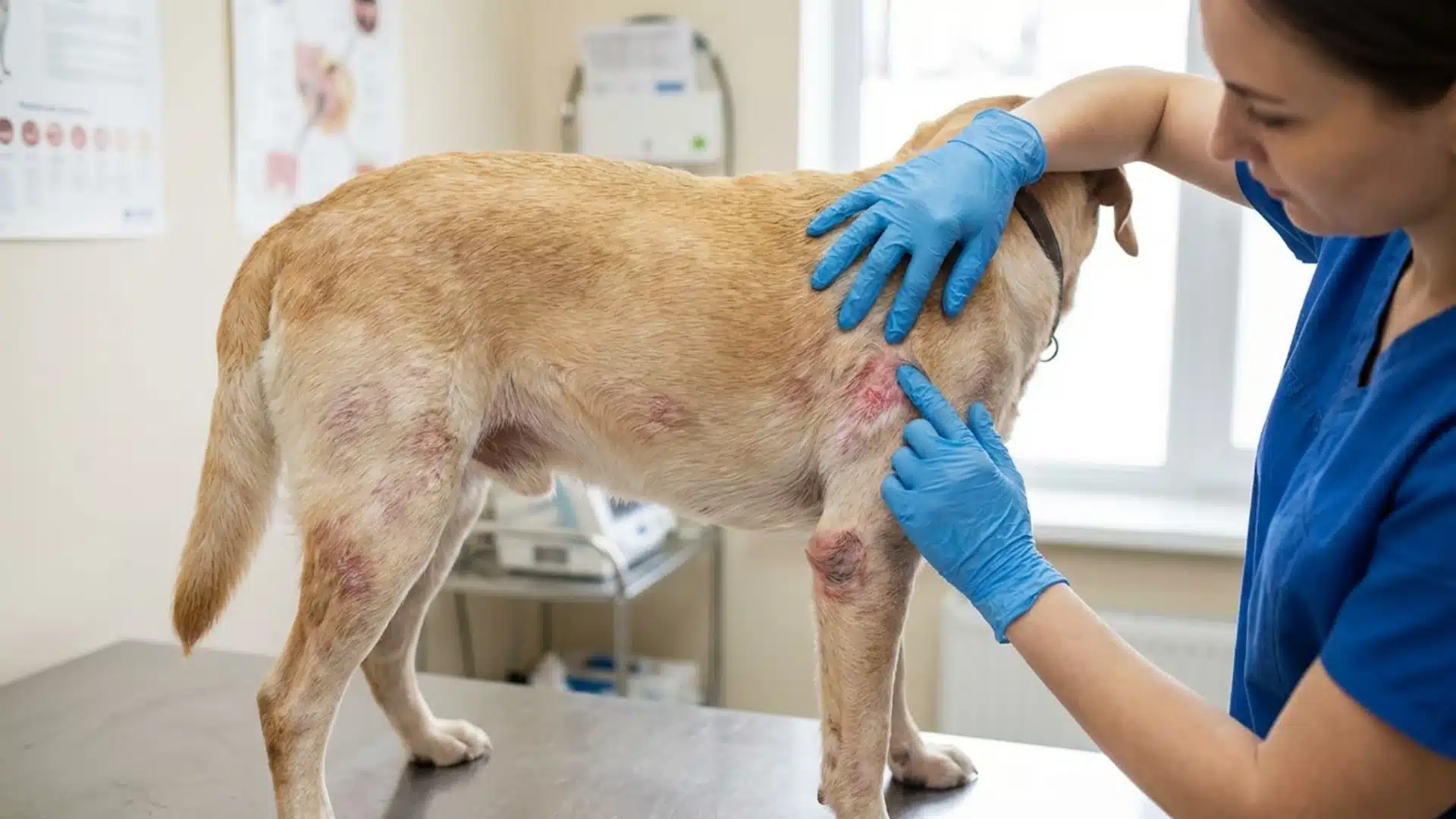
One should see a veterinarian when symptoms of allergic dermatitis in dogs do not improve or start getting worse.
If a dog keeps scratching, licking, or chewing the same areas for days, it is a clear sign that something more serious is going on.
One practical habit I recommend to every pet owner at my clinic is starting a simple symptom log.
Note the date, the affected area, the severity on a scale of 1 to 10, and any environmental changes such as new food, a shift in season, or a new product.
Even keeping consistent notes for just two weeks can make a big difference. It often helps speed up diagnosis and allows your vet to spot patterns that are easy to miss during a single visit.
Watch for warning signs like a bad odor from the skin or ears, unusual discharge, swelling, or red, irritated patches.
Sudden changes in behavior, such as restlessness or loss of sleep, can also point to growing discomfort.
Allergic dermatitis can progress quickly if left untreated, so early intervention matters.
How is Allergic Dermatitis Diagnosed?
Diagnosing allergic dermatitis in dogs requires a careful and step-by-step approach, which is why a veterinary evaluation is important.
There is no single test that confirms all types of allergies, so vets often use a rule-out process to narrow down the cause.
It usually begins with a physical examination, where the skin is checked for redness, irritation, and signs of fleas or flea dirt.
An important point many owners misunderstand: allergy testing, whether blood tests or intradermal skin testing, is not a diagnostic tool for confirming allergic dermatitis.
It is done after the diagnosis has already been made clinically, to identify specific triggers so that a customised immunotherapy plan can be developed. The diagnosis itself is based on symptoms, history, and ruling out other causes.
For suspected food-related allergic dermatitis, elimination diet trials are considered the most reliable method.
This involves feeding a strict, limited diet for several weeks to observe any improvement. Consistency is key during this phase, as even small changes can affect results.
Treatment Options for Allergic Dermatitis in Dogs
Treating allergic dermatitis is not about a single cure but a combination of approaches that work together. Every dog reacts differently, so treatment plans are often adjusted based on the cause and severity of symptoms.
| Treatment | Best For | Key Consideration |
|---|---|---|
| Apoquel (oclacitinib) | Fast itch relief, long-term management | Prescription only; works within 4 hours |
| Cytopoint (lokivetmab) | Long-term itch control via injection | Given every 4–8 weeks by a vet |
| Corticosteroids | Acute flare-ups | Short-term use only; long-term use carries risks |
| Cyclosporine | Chronic atopic dermatitis | Takes ~4 weeks to reach full effect |
| Immunotherapy (allergy shots) | Long-term desensitisation | Most effective option; takes 6–12 months to show results |
| Medicated shampoos/topicals | Mild to moderate symptoms, secondary infections | Useful alongside systemic treatment |
| Dietary management | Food allergy-related dermatitis | Requires a strict 8–12 week elimination trial |
1. Medications
Medications are commonly used to manage allergic dermatitis in dogs, especially when symptoms are severe or persistent.
The 2023 AAHA guidelines recommend a multimodal approach, using short-term treatments such as glucocorticoids for flare-ups.
For longer-term options like antihistamines, cyclosporine, oclacitinib (Apoquel), lokivetmab (Cytopoint), for ongoing management.
Apoquel works within hours and is effective for both short and long-term itch control. Cytopoint is an injectable biologic given every 4 to 8 weeks that targets a key itch-signalling protein without suppressing the immune system broadly.
Both are prescription medications that require veterinary oversight.
Corticosteroids are effective for acute flare-ups but carry real risks with prolonged use, including increased thirst and urination, weight gain, and, in long-term cases, a higher susceptibility to infection or diabetes.
They should be used at the lowest effective dose for the shortest necessary duration.
2. Topical Treatments
Topical treatments play an important role in soothing the skin in dermatitis in dogs.
Medicated shampoos, sprays, and creams help reduce inflammation, remove allergens from the coat, and support skin healing.
If your dog has a particularly sensitive coat, then gentle shampoo alternatives at home are less likely to irritate or worsen already inflamed skin.
Regular bathing with vet-approved products can provide relief from itching and prevent the buildup of irritants.
These treatments are especially helpful for dogs with mild to moderate symptoms or as part of a larger care plan.
3. Flea Control Treatments
Monthly preventive treatments help protect against flea bites, which can trigger strong allergic reactions in sensitive dogs.
It is also important to treat the home environment, including bedding, carpets, and furniture, to prevent reinfestation. Skipping even one dose can lead to flare-ups.
Skipping even one month of flea prevention can be enough to trigger a significant flare-up in an allergic dog.
In my practice, cases of flea allergy dermatitis that keep coming back almost always trace back to inconsistent prevention rather than treatment failure.
4. Dietary Management
Dietary changes are often part of long-term care for allergic dermatitis in dogs, especially when food allergies are suspected.
Hypoallergenic or limited-ingredient diets help reduce exposure to common triggers.
These diets usually focus on novel proteins or specially processed ingredients that are less likely to cause reactions. Long-term feeding plans may be needed to maintain results.
Home Remedies and Daily Management Tips
The ASPCA recommends a consistent combination of regular bathing, year-round flea prevention, omega-3 supplementation, a hypoallergenic diet, and keeping the home environment free of dust and fragranced products as the foundation of daily allergy management in dogs
- Regular bathing routine: Use vet-approved, gentle shampoos to wash away allergens like pollen, dust, and dirt from the skin and coat.
- Clean living environment: Wash bedding, vacuum carpets, and reduce dust buildup to limit allergen exposure indoors.
- Omega-3 supplements: Both Omega-3 and Omega-6 fatty acids support skin barrier health and help reduce inflammation from the inside out.
- Paw cleaning after walks: Wipe paws to remove grass, pollen, and outdoor irritants that may trigger allergic dermatitis in dogs.
- Avoid harsh products: Choose mild grooming and cleaning products to prevent skin irritation from chemicals.
- Routine grooming: Keep the coat clean and trimmed to reduce the buildup of allergens and improve skin airflow.
- Air quality control: HEPA air purifiers in rooms where your dog spends the most time can reduce airborne allergen levels, particularly during high-pollen months or in homes with known dust mite issues.
Conclusion
Allergic dermatitis in dogs is one of the most common and genuinely manageable conditions I see in practice, but it requires an accurate diagnosis before the most effective treatment plan can be put in place.
From identifying triggers like fleas, food, or environmental factors to recognizing early symptoms, every step plays a role in keeping your dog comfortable.
Consistent care, proper treatment, and simple daily habits can make a real difference over time.
Allergic dermatitis is not something that goes away overnight, but with patience and the right approach, it can be controlled effectively.
Paying attention to small changes and acting early can prevent bigger issues later.
Have you dealt with allergic dermatitis in your dogs, or are you currently managing it? Share your thoughts and tips in the comments below and be part of the conversation.
Frequently Asked Questions
Is Allergic Dermatitis in Dogs Contagious to Other Pets or Humans?
No, allergic dermatitis is not contagious. It is caused by an immune response to allergens, not by bacteria or viruses that can spread between animals or people. However, secondary infections may need attention.
What Dog Breeds Are More Prone to Allergic Dermatitis?
Certain breeds are more likely to develop allergic dermatitis, including Bulldogs, Golden Retrievers, Labrador Retrievers, Terriers, and Boxers. Genetics can play a role, but any dog can develop allergies.
What Foods Worsen Dermatitis in Dogs?
Foods like beef, chicken, dairy, wheat, and soy can worsen dermatitis in dogs. These ingredients may trigger immune reactions, leading to itching, skin irritation, and recurring flare-ups.