Your cat skips dinner for the first time in months. She seems quieter than usual. Later, you hear a soft cough that was not there before.
Most cat owners brush these signs off as a temporary mood change. But sometimes these small signals point to something more serious, and pneumonia in cats is one condition where early recognition genuinely changes the outcome.
According to Dr. Daniel Fletcher of Cornell University’s College of Veterinary Medicine, feline pneumonia is rare, but when it does occur, it can become life-threatening quickly if not caught and treated early.
The tricky part is that early cat pneumonia symptoms can look mild and overlap with far more common conditions like upper respiratory infections. That is exactly why knowing what to look for matters.
This blog helps you recognize cat pneumonia symptoms and respond quickly, but it is not a replacement for veterinary care. Always consult a licensed veterinarian for diagnosis and treatment.
What is Pneumonia in Cats?
Pneumonia in cats is a condition where the lungs become inflamed due to infection or irritation. When a cat is healthy, the tiny air sacs in the lungs fill with air and help oxygen move into the bloodstream.
With pneumonia, these air sacs can fill with fluid, mucus, or inflammatory cells, making breathing more difficult and reducing the amount of oxygen the body receives.
According to research published in the National Library of Medicine , pneumonia in cats involves inflammation and infection within the lung tissue that interferes with normal breathing and oxygen exchange.
This can happen due to bacteria, viruses, fungi, or even foreign material entering the lungs.
When the infection spreads, the lungs cannot function properly, which is why pneumonia in cats can become serious quickly if left untreated.
Pneumonia can develop in cats of any age, but it is most commonly diagnosed in very young kittens, senior cats, and cats with underlying health conditions or weakened immune systems.
Cats with FIV (feline immunodeficiency virus) or FeLV (feline leukemia virus) are particularly vulnerable, as these conditions suppress immune function and make secondary infections far harder to fight off, something I routinely counsel owners about during wellness visits.
Types of Pneumonia in Cats
Pneumonia in cats can develop from various sources, including infections or inhaled substances. Understanding the type helps to choose the proper treatment.
- Bacterial pneumonia: Caused by harmful bacteria infecting the lung tissue. It often develops after respiratory infections and leads to coughing, fever, and breathing difficulty. Organisms commonly identified include Pasteurella, Bordetella bronchiseptica, Mycoplasma, and Escherichia coli.
- Viral pneumonia: Occurs when respiratory viruses spread into the lungs. It can weaken lung defenses and cause symptoms like sneezing, coughing, and fatigue.
- Aspiration pneumonia: Cats with aspiration pneumonia may also show additional signs such as difficulty swallowing, a noticeably increased heart rate, and vomiting.
- Fungal pneumonia: Develops when cats inhale fungal spores from soil or other contaminated environments, leading to a lung infection that may cause chronic coughing issues. Fungal pneumonia can also cause symptoms beyond the lungs, including skin lesions, runny eyes, and, in some cases, lameness, which can make it harder to identify as a respiratory condition at first.
- Parasitic pneumonia: Caused by lung parasites or migrating worms that irritate lung tissue, leading to coughing, inflammation, and respiratory discomfort. This type is uncommon in most cats but is seen more often in kittens and outdoor or feral cats.
Common Cat Pneumonia Symptoms to Look for
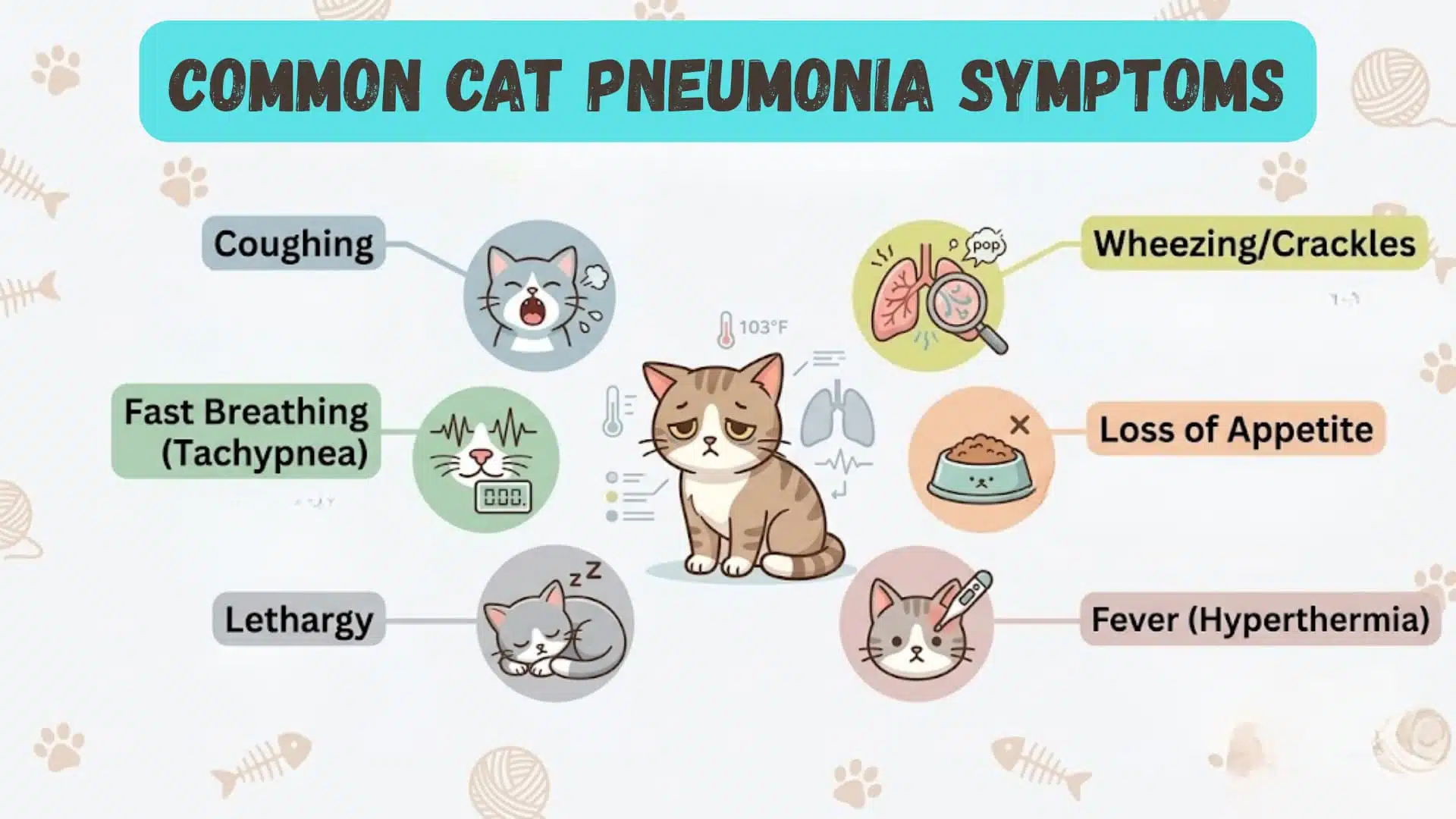
Cats often hide illness well, making pneumonia harder to detect in its early stages.
The signs of pneumonia in cats can also overlap with other respiratory conditions, such as upper respiratory infections or cat colds, which is another reason a veterinary diagnosis is important
Paying attention to changes can help you catch problems sooner.
1. Persistent Coughing
One of the most noticeable cat pneumonia symptoms is a cough that keeps coming back. Some cats cough quietly, while others make a choking or gagging sound.
Unlike a quick cough caused by a hairball, this one happens repeatedly and may sound deeper or harsher.
If your cat continues coughing over multiple days or the cough becomes more frequent, it may indicate irritation or infection developing inside the lungs.
One thing I always tell my clients: do not rely on the cough alone to gauge severity. I have treated cats with significant lung involvement who barely coughed at all.
If your cat has two or more other signs on this list, that matters more than whether the cough sounds bad.
2. Labored or Fast Breathing
Breathing problems are one of the clearest warning signs of pneumonia in cats. Labored breathing occurs when the lungs struggle to deliver enough oxygen to the body.
Your cat may start breathing faster even when resting, or you might notice stronger chest and belly movement with each breath.
Infection, inflammation, and fluid buildup inside the lungs can make normal breathing much more difficult for a cat.
3. Wheezing or Unusual Lung Sounds
Cats with pneumonia may produce wheezing, crackling, or raspy breathing sounds. These noises happen when mucus, fluid, or inflammation blocks the airways.
You might hear these sounds when your cat breathes deeply, sleeps, or moves around.
While mild respiratory noises can occur with other illnesses, repeated wheezing, coughing, or breathing difficulty may signal a more serious lung infection.
4. Lethargy and Weakness
A cat dealing with pneumonia often becomes unusually tired. You may notice your cat sleeping more than usual, avoiding play, or showing little interest in normal activities.
This fatigue happens because the body is working harder to fight infection while receiving less oxygen from the lungs.
When low energy appears alongside breathing symptoms, it may indicate that the infection is affecting overall health.
In my experience, lethargy is one of the earliest and most underestimated signs owners bring up.
They often mention it almost as an afterthought, “she has also been a bit quiet.” In cats, “a bit quiet” combined with any respiratory sign warrants prompt investigation.
5. Loss of Appetite
Loss of appetite is another common symptom seen in cats with pneumonia. Some cats may eat very little, while others stop eating entirely.
Illness can reduce a cat’s desire to eat, and breathing discomfort may make it harder for them to smell food properly.
If your cat refuses food for more than a day and also shows coughing, weakness, or breathing changes, it is important to seek veterinary advice.
6. Fever and Warm Ears
Fever often appears when a cat’s body is fighting an infection, including pneumonia in cats. A fever may also make your cat seem restless, tired, or less interested in food.
While it can be hard to measure temperature at home, owners may notice their cat feels warmer than usual, especially around the ears or paws.
When fever accompanies coughing or breathing problems, it may signal a respiratory infection that requires veterinary attention.
7. Blue or Gray Gums
Blue or grayish discoloration of the gums, lips, or tongue is a sign that a cat is not receiving enough oxygen. If you notice this in your cat, do not wait.
This is a veterinary emergency that requires immediate attention. Bluish mucous membranes mean the lungs are no longer compensating adequately, and the situation can deteriorate rapidly.
Go to an emergency vet clinic immediately, do not wait for a regular appointment.
Cat Pneumonia vs Upper Respiratory Infection: Key Differences
Cat pneumonia and upper respiratory infection may look similar at first, but they differ in severity, symptoms, and the level of care your cat needs.
| Sign | Upper Respiratory Infection (URI) | Pneumonia |
|---|---|---|
| Cough | Mild, occasional | Persistent, deep, or worsening |
| Breathing | Usually normal | Labored, rapid, or shallow at rest |
| Nasal discharge | Clear or slightly cloudy | Green or yellow (sign of deeper infection) |
| Appetite | Mildly reduced | Significantly reduced or absent |
| Energy level | Slightly low | Noticeably lethargic, weak |
| Lung sounds | Normal | Crackling, wheezing, or dull on exam |
| Urgency | Monitor; vet visit within 2 to 3 days | Same-day vet contact required |
Early Signs That Owners Often Miss
Pneumonia often starts with small, easy-to-overlook changes. Many cats hide illness well, so early symptoms can be subtle and only become obvious later.
- Slight breathing changes: Your cat may breathe slightly faster or take deeper breaths while resting. These changes are easy to miss unless you watch closely.
- Less activity than usual: A normally playful cat may move less, avoid jumping, or stop engaging in daily routines due to early fatigue.
- Sleeping more than normal: Cats naturally sleep a lot, but pneumonia may cause longer sleep periods and reduced alertness throughout the day.
- Subtle appetite drop: Your cat may still eat but leave small portions behind or show less excitement at feeding time.
- Mild coughing or throat clearing: Occasional soft coughs or throat sounds may appear early before more noticeable respiratory symptoms develop.
- Subtle nasal discharge: Even faint or slightly colored discharge following a recent respiratory illness can be an early warning that the infection is spreading deeper. I ask about this specifically during every follow-up for cats who have had a recent cold; it is one of the easiest early markers to catch if you know to look for it.
What Causes Pneumonia in Cats?
Pneumonia in cats usually develops when an infection or foreign material enters the lungs and causes inflammation.
This condition can occur in several ways, depending on the source of the infection or irritation affecting the respiratory system.
- Bacterial infections are one of the most common causes. Harmful bacteria can enter the lungs and multiply, leading to inflammation and fluid buildup.
- Viral infections can also trigger pneumonia, especially when a respiratory virus weakens a cat’s immune system and allows other pathogens to spread deeper into the lungs.
- Another cause is aspiration pneumonia, which happens when food, liquid, or vomit accidentally enters the lungs instead of the stomach.
Cats recovering from anesthesia, those with swallowing difficulties, or cats with conditions like megaesophagus face a higher risk of aspiration.
Pneumonia may also develop after untreated respiratory infections or colds, when the infection spreads from the upper airways into the lungs.
For instance, persistent sneezing that goes unaddressed is often the first sign of an upper respiratory infection, and understanding why your cat is sneezing early can help you intervene before the infection reaches the lungs.
This is one of the most important reasons to seek early veterinary care for any respiratory illness in cats, rather than waiting to see if it resolves on its own.
How Veterinarians Diagnose Pneumonia in Cats?
Veterinarians use several methods to confirm pneumonia in cats and to assess the severity of the infection.
The process usually starts with a detailed physical exam, during which the vet listens to the cat’s lungs with a stethoscope.
- Unusual sounds such as crackling or wheezing can indicate inflammation or fluid buildup in the lungs.
- Chest X-rays are commonly used to get a clear picture of the lungs and detect areas filled with fluid or infection.
- Blood tests may also be performed to check for signs of infection and evaluate the cat’s overall health.
Elevated white blood cell levels on a blood test typically indicate that the body is actively fighting an infection.
According to the American Veterinary Medical Association (AVMA), differential diagnosis is essential in feline respiratory illness precisely because several conditions can produce near-identical presentations.
In some cases, veterinarians collect and analyze lung fluid samples. This helps identify the exact bacteria or organism causing the infection, so the most effective treatment can be given.
This procedure, called a tracheal wash, is performed under anesthesia and allows the vet to culture bacteria directly from the airways to guide antibiotic selection.
Treatment Options for Pneumonia in Cats
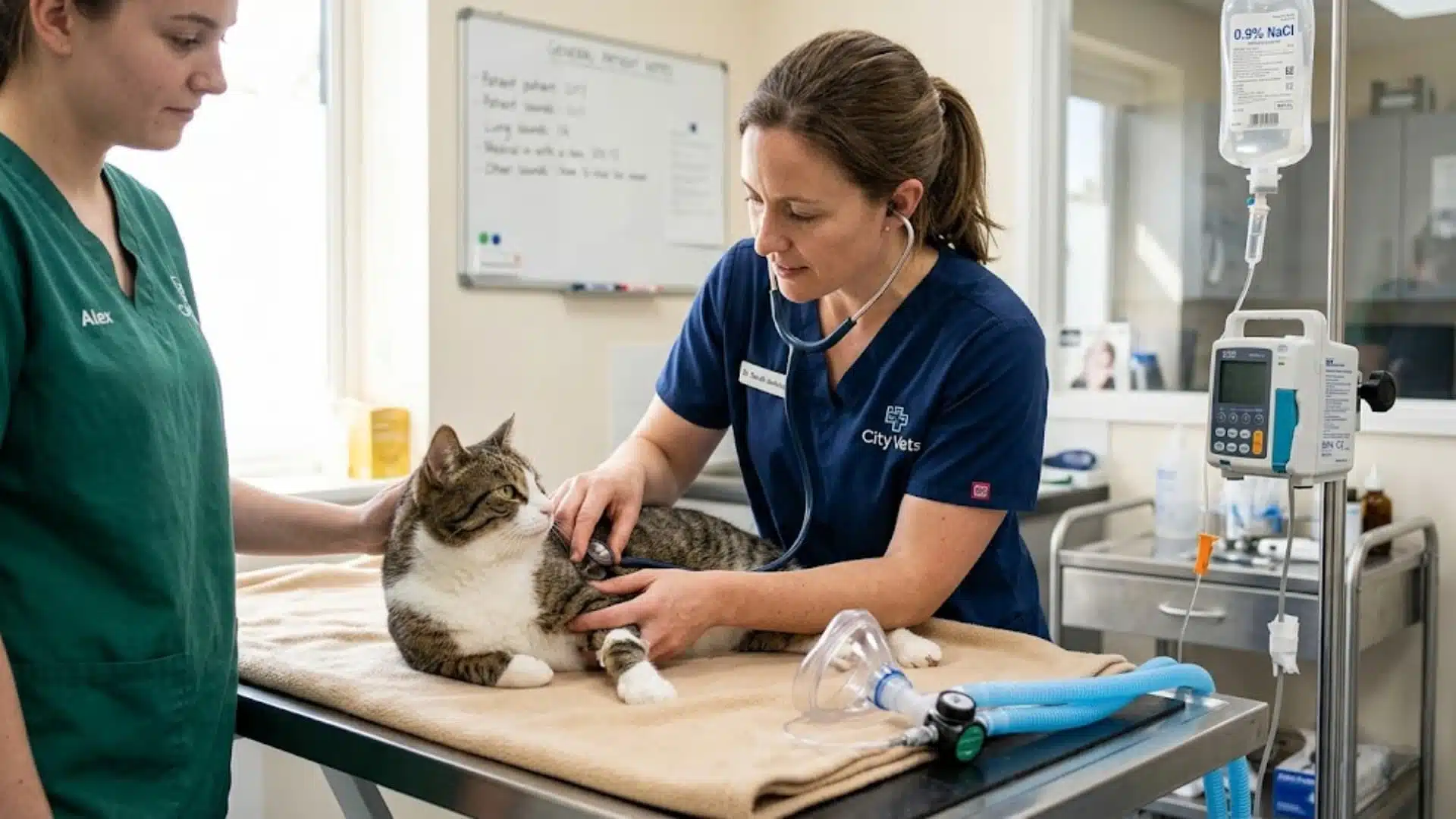
Treatment for pneumonia in cats focuses on fighting the infection and helping the body recover. The exact plan depends on the cause and severity.
1. Antibiotics or Antivirals
Medication is often the first line of treatment for pneumonia in cats. When viruses are involved, antivirals or supportive care may be recommended.
If bacteria are causing the infection, veterinarians typically prescribe antibiotics to stop bacterial growth and reduce inflammation in the lungs.
The specific medication depends on the test results and the type of organism affecting the lungs.
It is important to complete the full antibiotic course prescribed by your veterinarian, even if your cat begins to feel better after just a few days.
This is something I reinforce at every recheck appointment. In years of practice, incomplete antibiotic courses are one of the most preventable reasons I see cats return with a relapsed respiratory infection. Finish the course, even if your cat seems completely back to normal.
2. Oxygen Therapy
Cats with breathing difficulties may require oxygen therapy to stabilize their condition. This treatment helps increase oxygen levels in the bloodstream while the lungs recover from infection.
Oxygen may be provided through an oxygen cage or a small mask, depending on the severity of the breathing problem.
This support allows the cat to breathe more comfortably and reduces stress on the body.
Nebulization is another supportive treatment used alongside oxygen therapy in many cases.
It involves delivering a fine mist of moisture directly into the airways to keep them hydrated and help loosen mucus secretions, making it easier for the lungs to clear. It is commonly used in cats hospitalized with moderate-to-severe pneumonia.
3. IV Fluids
Intravenous fluids are often used to keep a sick cat hydrated and support overall body function. Pneumonia can make cats weak, dehydrated, or unwilling to drink water.
IV fluids help maintain proper circulation and support organ function while the body fights the infection.
Proper hydration also helps thin mucus in the airways, which can make breathing easier during recovery.
For cats managed at home with mild cases, I often suggest adding a small amount of low-sodium chicken broth to water or wet food to encourage drinking.
It is a small thing, but hydration genuinely supports the lungs’ ability to clear infection, and in my experience, cats are far more willing to drink when their water has a little flavor.
4. Rest and Monitoring
Rest plays a major role in recovery from pneumonia in cats. Veterinarians usually recommend keeping the cat in a quiet and comfortable environment with minimal activity.
Close monitoring helps ensure symptoms improve and no complications develop.
Owners may need to watch breathing patterns, appetite, and energy levels while following the medication schedule provided by the veterinarian.
If other cats or pets share the home, keeping the sick cat in a separate room during recovery is strongly advised.
Viral and bacterial pneumonia can spread between cats and, in some cases, to dogs through close contact.
Wash your hands thoroughly after handling a sick cat, and avoid sharing food, water, litter boxes, or toys between the ill cat and healthy pets.
How to Prevent Pneumonia in Cats?
While not all cases can be avoided, a few simple care habits can greatly reduce the chances of pneumonia in cats and support better long-term respiratory health.
- Vaccinations: Routine vaccines protect cats from respiratory viruses that can weaken the lungs and increase the risk of developing pneumonia.
- Keeping cats indoors: Indoor cats face fewer exposure risks from infected animals, harsh weather, and environmental irritants that may trigger respiratory illness.
- Avoiding respiratory infections: Early treatment of coughs, colds, and nasal infections can stop illness from spreading deeper into the lungs.
- Proper nutrition: Balanced diets support the immune system, helping a cat fight infections before they develop into serious lung problems. As part of my holistic approach to feline health, I often recommend omega-3-rich diets for cats with a history of respiratory illness. There is emerging support for their role in reducing airway inflammation, and several of my long-term patients have shown meaningful improvement in respiratory resilience with dietary adjustments.
- Clean living environment: Keeping litter boxes, bedding, and living spaces clean helps reduce bacteria, dust, and irritants that may affect breathing.
Conclusion
Pneumonia in cats is a serious condition, but recognizing the warning signs early can make a major difference in recovery.
By paying attention to common cat pneumonia symptoms such as coughing, breathing changes, weakness, or loss of appetite, cat owners can act before the condition becomes severe.
Since pneumonia in cats often develops after infections or other respiratory problems, early care and quick veterinary attention are extremely important.
The good news is that with proper treatment and monitoring, many cats recover well. Bacterial pneumonia, when caught and treated early, carries a good prognosis.
Viral pneumonia often resolves within one to two weeks with supportive care. Aspiration and fungal pneumonia require more intensive management, but outcomes improve significantly with early diagnosis.
If you have questions or experiences related to cat pneumonia symptoms or pneumonia in cats, drop your comments below and join the discussion.
Frequently Asked Questions
Can Cats Recover from Pneumonia?
Yes, most cats recover if pneumonia is diagnosed early and treated properly. Veterinary care, medication, and supportive treatment help restore breathing and overall health.
What are the First Signs of Pneumonia in Cats?
The earliest signs of pneumonia in cats are often subtle: slightly faster breathing at rest, reduced appetite, increased sleeping, and mild lethargy. These can easily be mistaken for a passing cold. If any of these appear alongside a cough or nasal discharge, contact your vet rather than waiting for symptoms to worsen.
Is Pneumonia in Cats Contagious to Other Pets?
It depends on the type. Bacterial and viral pneumonia can spread between cats and, in some cases, to dogs through close contact with an infected cat’s saliva, mucus, or contaminated belongings. Aspiration and fungal pneumonia are not contagious. If your veterinarian suspects a contagious cause, it is recommended to isolate your sick cat from other household pets until they have recovered.