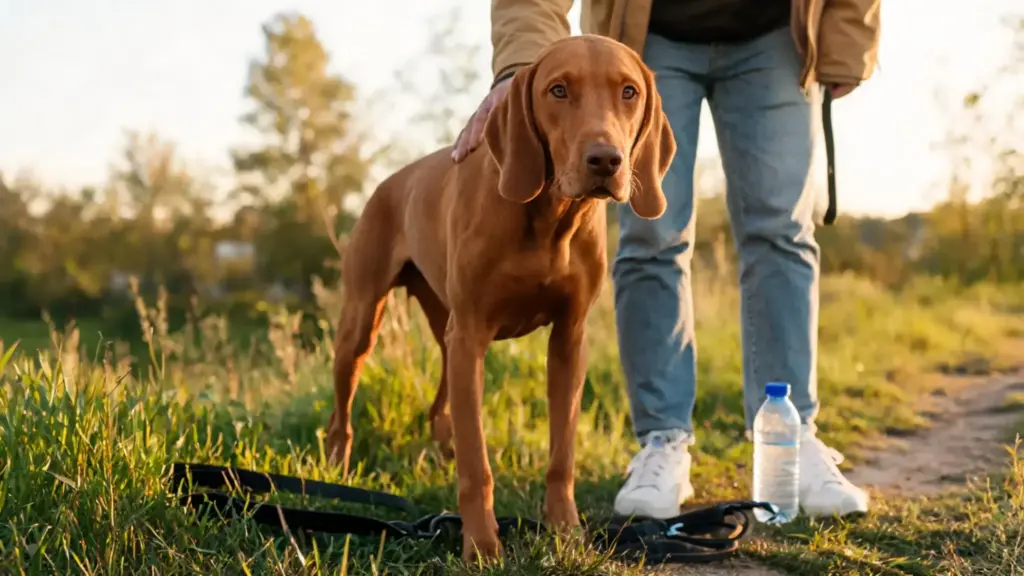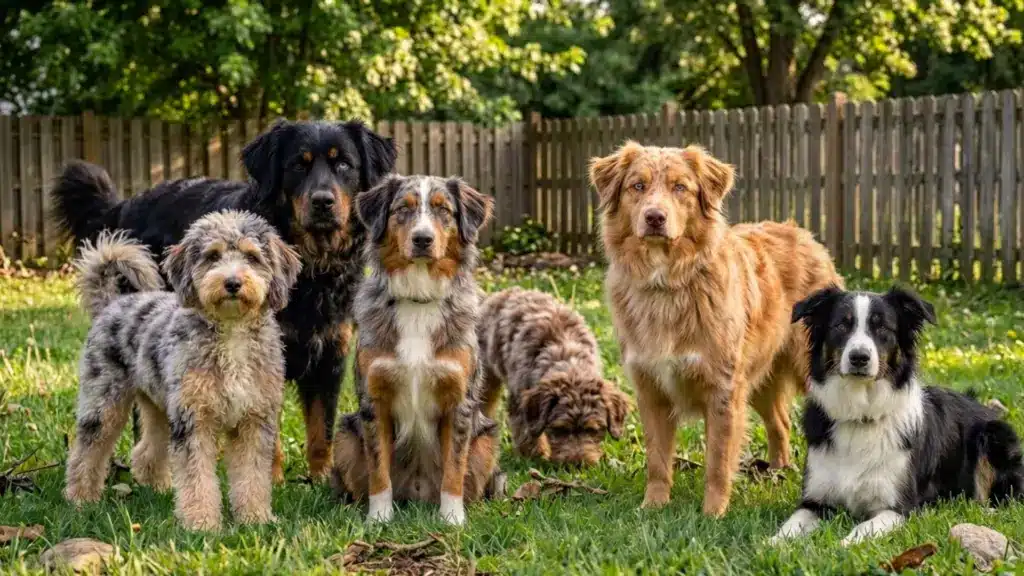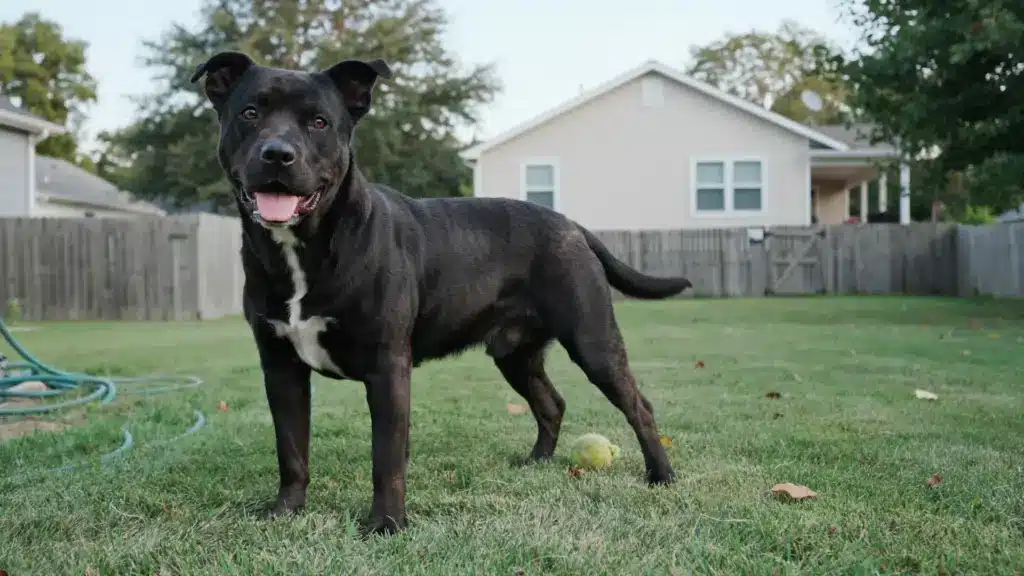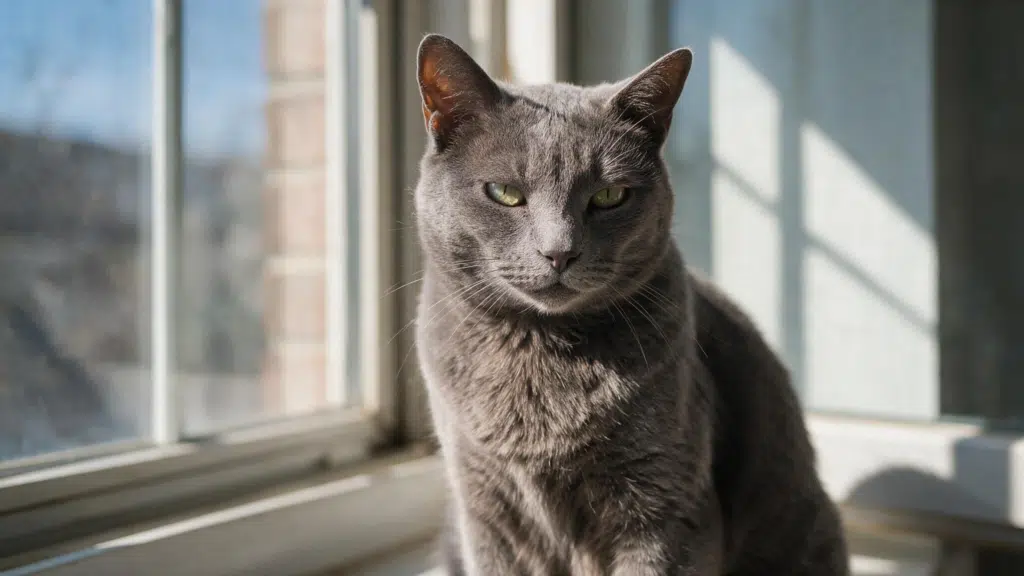



Retirement often brings more free time, but it can also lead to long, quiet days and limited social interaction.
For many older adults, adding a dog to daily life can introduce routine, movement, and meaningful companionship. Regular walks, small responsibilities, and simple moments of connection can make a noticeable difference in overall well-being.
Years of working with rescue shelters and learning from breeders, veterinarians, and trainers show a consistent pattern. A well-matched dog can support both physical activity and emotional balance in later years.
The key is choosing a breed that fits lifestyle, energy level, and living space.
I put together this list of the best dog breeds for seniors so you can find a companion who matches your pace, space, and energy.
Why Dog Ownership Matters for Older Adults?
Owning a dog does more than fill a quiet house. According to Harvard Health Publishing, spending time with a dog can raise serotonin levels and lower cholesterol.
The health data goes further than mood.
A 2019 meta-analysis in Circulation found that dog owners in single-person households had a 33% lower risk of death after a heart attack and a 24% lower risk of all-cause mortality compared to non-owners.
A 2023 cohort study published in JAMA Network Open also found that pet ownership was linked to slower cognitive decline in verbal memory and verbal fluency among older adults living alone.
Between 2021 and 2022, about 10% of Americans aged 50 to 80 adopted a new pet, driving high demand for low-maintenance dogs from shelters.
The best breeds for seniors offer affection, manageable energy levels, and easy daily care, providing joy without stress.
How to Choose the Right Dog for Your Lifestyle?
Before looking at specific breeds, it helps to think through a few practical questions.
When choosing a dog, consider your living space, as some apartments have weight limits or breed bans.
Assess your activity level to match a dog’s needs, and do not overlook grooming requirements. Long-haired breeds require more commitment than short-coated ones.
Climate matters, too; brachycephalic breeds can struggle in heat.
Finally, weigh the benefits of adopting an adult dog versus a puppy. Adult dogs are often housebroken and trained, making them a good match for those looking for a less demanding companion.
Retired adults may find great joy in adopting older dogs. If you are still narrowing down size, there are many small dog breeds worth exploring that suit a range of senior lifestyles, from apartment dwellers to those who enjoy daily walks.
Best Dog Breeds for Seniors
This list details dog breeds by size, energy level, and grooming requirements, covering costs, lifespan, care needs, and fit, with ownership costs ranging from $1,500 to $4,500.
1. Cavalier King Charles Spaniel
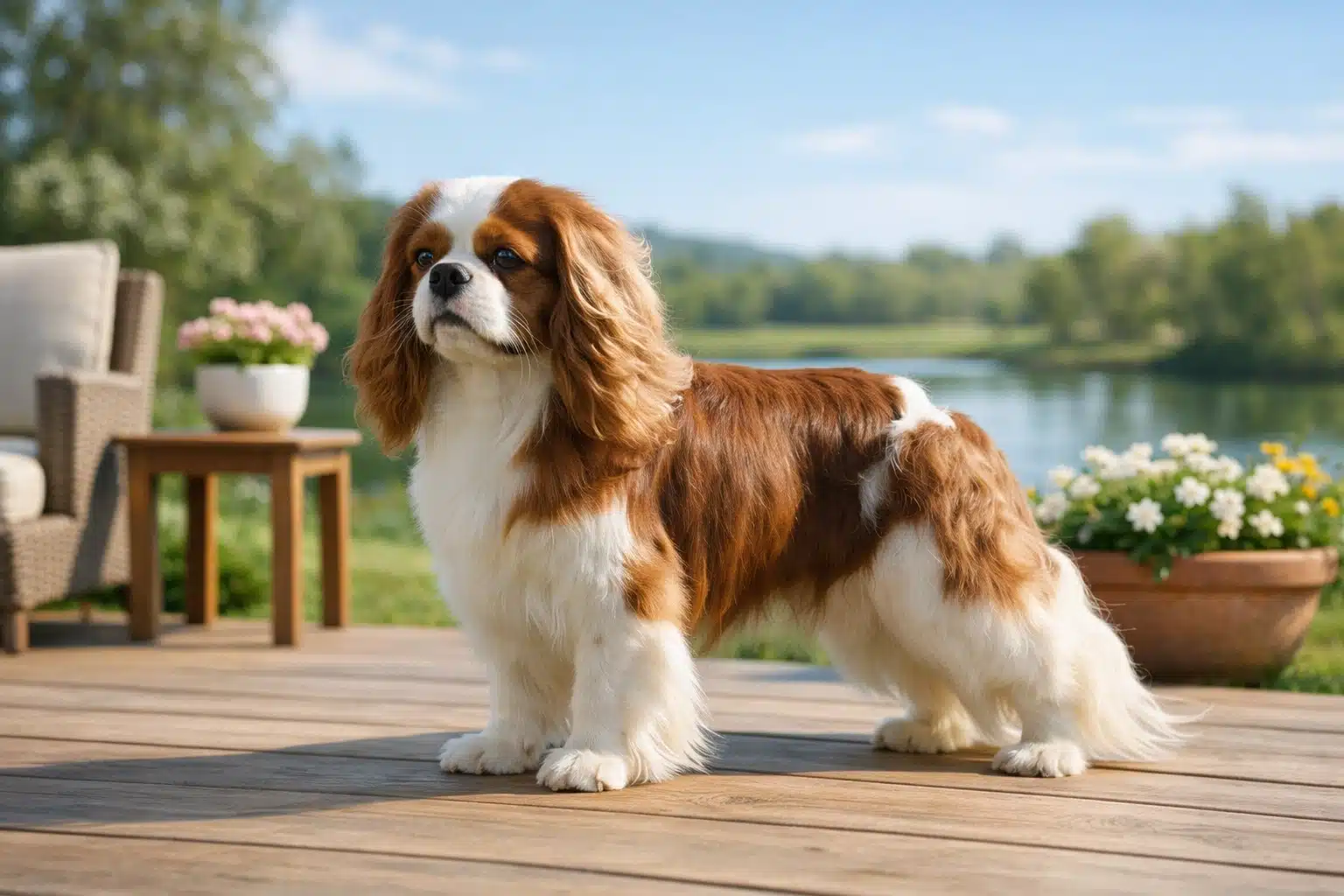
Height: 12 to 13 inches | Weight: 12 to 18 pounds | Lifespan: 9 to 14 years | Annual Cost: $1,500 to $2,500
The American Kennel Club classifies this breed as affectionate, gentle, and graceful, making it one of the most suitable lap dogs for seniors. It consistently ranks among the top choices for retirees seeking a calm and loving companion.
Cavalier King Charles Spaniels are known for forming strong, immediate bonds with their owners.
Their easygoing nature allows them to settle quickly into quiet households, especially where companionship and comfort are priorities.
This breed thrives on closeness and often prefers staying near its owner throughout the day.
- Temperament: Calm, affectionate, and eager to please. Bonds fast with owners and adjusts well to both active and relaxed lifestyles.
- Daily needs: 1 to 2 short walks, coat brushing a few times per week, and plenty of lap time.
- Health risks:Mitral valve disease is the biggest concern, affecting most Cavaliers as they age. Regular cardiac checkups are a must.
- Suitability for seniors: Ideal for less-active retirees in apartments or small homes who want a constant, low-energy companion.
2. Shih Tzu
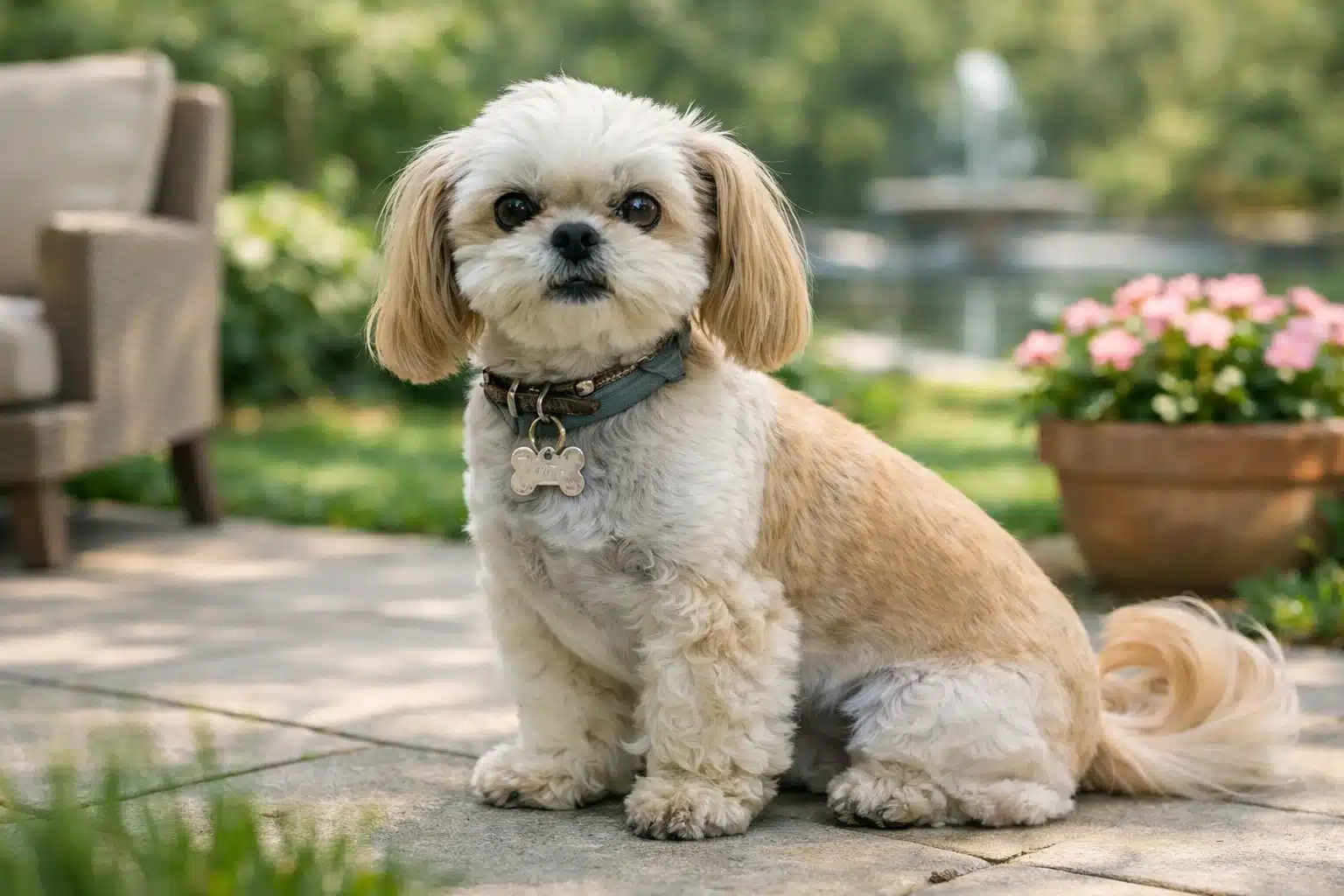
Height: 9 to 10.5 inches | Weight: 9 to 16 pounds | Lifespan: 10 to 18 years | Annual Cost: $1,500 to $2,500
Shih Tzus are well known for adapting easily to a relaxed lifestyle, making them a strong choice for retirees.
Their naturally calm pace and love for companionship allow them to fit seamlessly into quiet households, where daily routines are simple and consistent.
The American Shih Tzu Club calls the breed “happy, even-tempered, and eager to please,” and from what I have seen across dozens of adoptions, that description holds up consistently.
Shih Tzus get along well with grandchildren and other pets.
- Temperament: Happy, even-tempered, loyal. Content living in apartments and staying close to their owner all day.
- Daily needs: A short daily walk, some indoor playtime, and coat maintenance. A “puppy cut” trim drastically reduces grooming time.
- Health risks:Brachycephalic airway syndrome (breathing difficulties in hot weather) and eye issues such as corneal ulcers.
- Suitability for seniors: One of the longest-lived breeds on this list. Perfect for less-active seniors who want a calm, affectionate indoor companion.
3. Bichon Frise
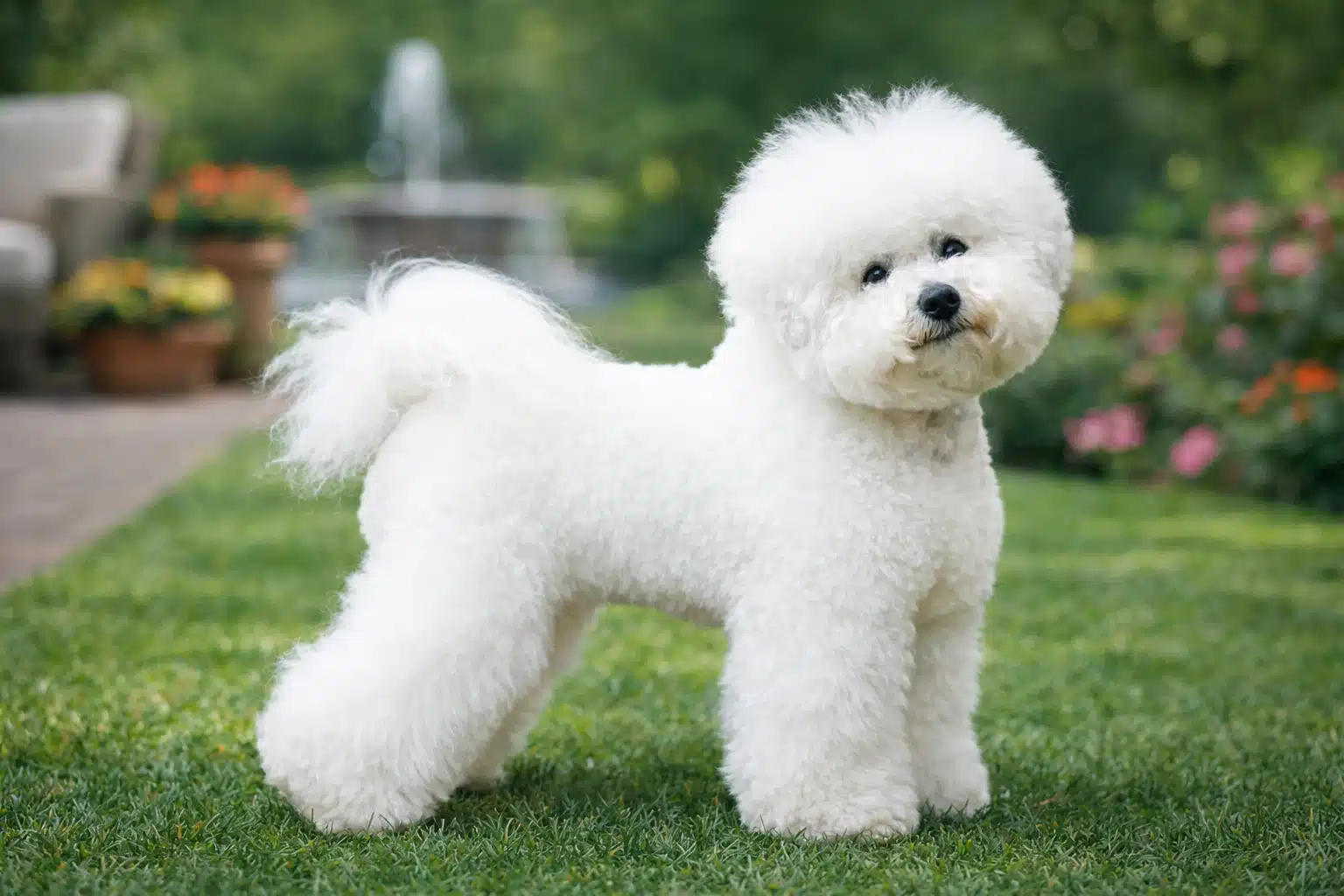
Height: 9.5 to 11.5 inches | Weight: 7 to 12 pounds | Lifespan: 14 to 15 years | Annual Cost: $1,500 to $2,500
The Bichon Frise is cheerful, playful, and hypoallergenic.
That last point matters a lot for seniors with allergies or respiratory issues. Bichons shed very little and get along great with other pets and grandchildren.
As companion dogs for older adults go, they bring nonstop warmth without high demands.
- Temperament: Cheerful, social, and gentle. Adapts well to small living spaces and thrives on human interaction.
- Daily needs: A short walk, light indoor play, regular brushing, and professional grooming every 5 to 6 weeks.
- Health risks:Bladder stones, allergies, and patellar luxation (kneecap slipping) are the main concerns.
- Suitability for seniors: A strong pick for retirees with allergies who want a small, playful, hypoallergenic companion.
4. Poodle
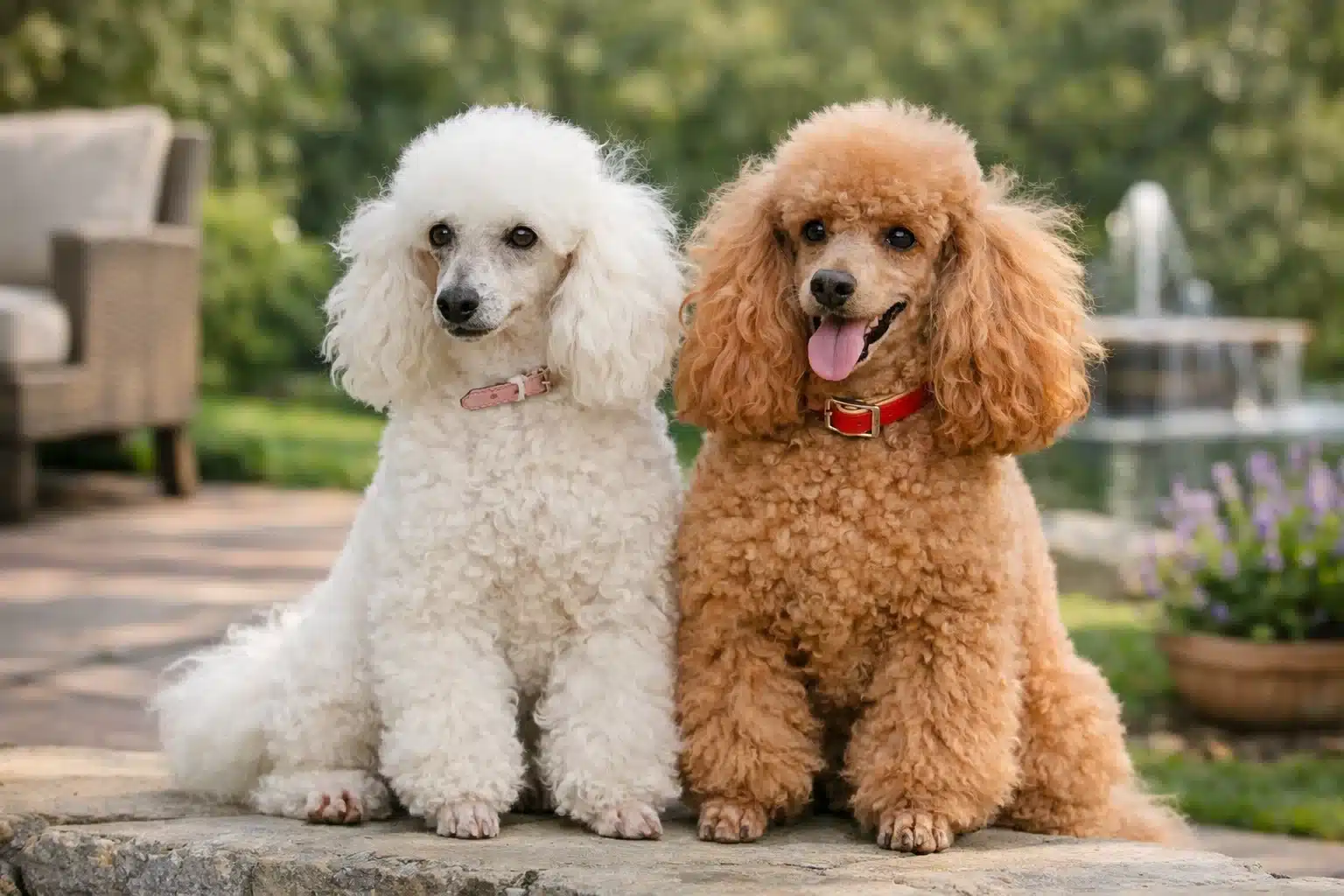
Height: Up to 10 inches (toy), 10 to 15 inches (miniature) | Weight: 4 to 6 pounds (toy), 10 to 15 pounds (miniature) | Lifespan: 10 to 18 years | Annual Cost: $2,000 to $3,000
Poodles are hypoallergenic, extremely sharp, and fast learners.
One thing I consistently hear from breeders during interviews is that Poodles are among the easiest breeds to train for older first-time owners.
Their eagerness to learn reduces frustration during the adjustment period, which matters a lot for someone who has not raised a dog in years.
- Temperament: Intelligent, alert, and deeply bonded with their owners. Thrives on daily interaction and mental stimulation.
- Daily needs: A walk, mental stimulation through games or puzzles, regular brushing, and monthly professional grooming.
- Health risks:Progressive retinal atrophy (gradual vision loss), Addison’s disease, and hip dysplasia.
- Suitability for seniors: Top choice for retirees with allergies. The toy and miniature sizes fit perfectly in apartments. Among hypoallergenic dogs for seniors, Poodles rank at the very top.
5. French Bulldog
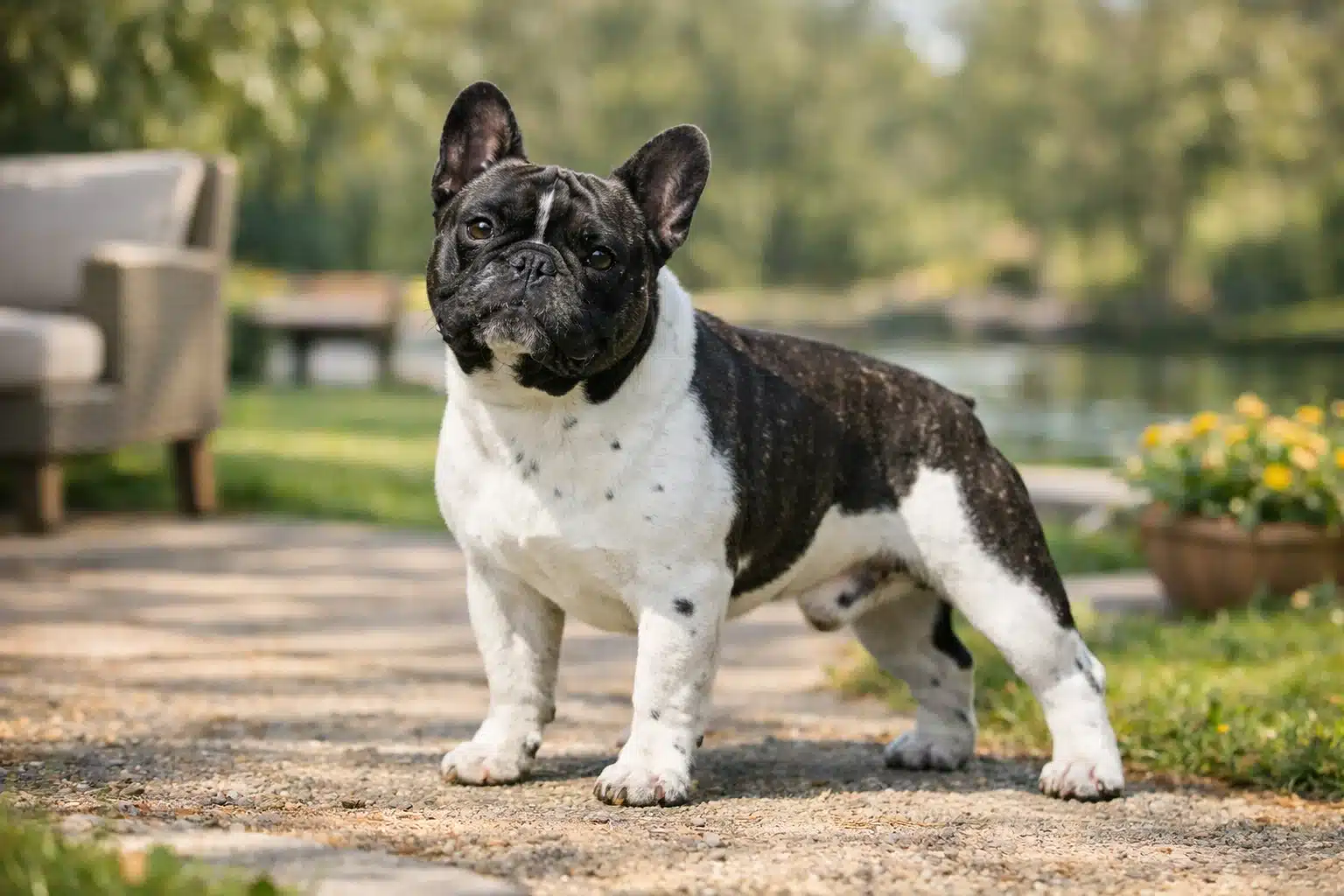
Height: 11 to 13 inches | Weight: 16 to 28 pounds | Lifespan: 10 to 12 years | Annual Cost: $2,000 to $3,500
French Bulldogs have held the title of most popular breed in the United States for 4 consecutive years. They are calm, adaptable, and seldom bark, making them a strong fit for apartment dwellers.
Important for warm climates. In hot states above 90F, French Bulldogs need constant indoor cooling. I advise against this breed for seniors who spend significant time outdoors.
- Temperament: Calm, adaptable, affectionate. Rarely barks and settles down quickly after short play sessions.
- Daily needs: 1 to 2 short walks, indoor play, and cleaning their facial wrinkles to prevent skin infections.
- Health risks:Brachycephalic obstructive airway syndrome is the most serious concern and can cause fatal heatstroke in extreme temperatures. Air conditioning during summer is not optional.
- Suitability for seniors: Best for apartment-dwelling retirees in moderate climates who want a quiet, low-energy indoor dog.
6. Pug
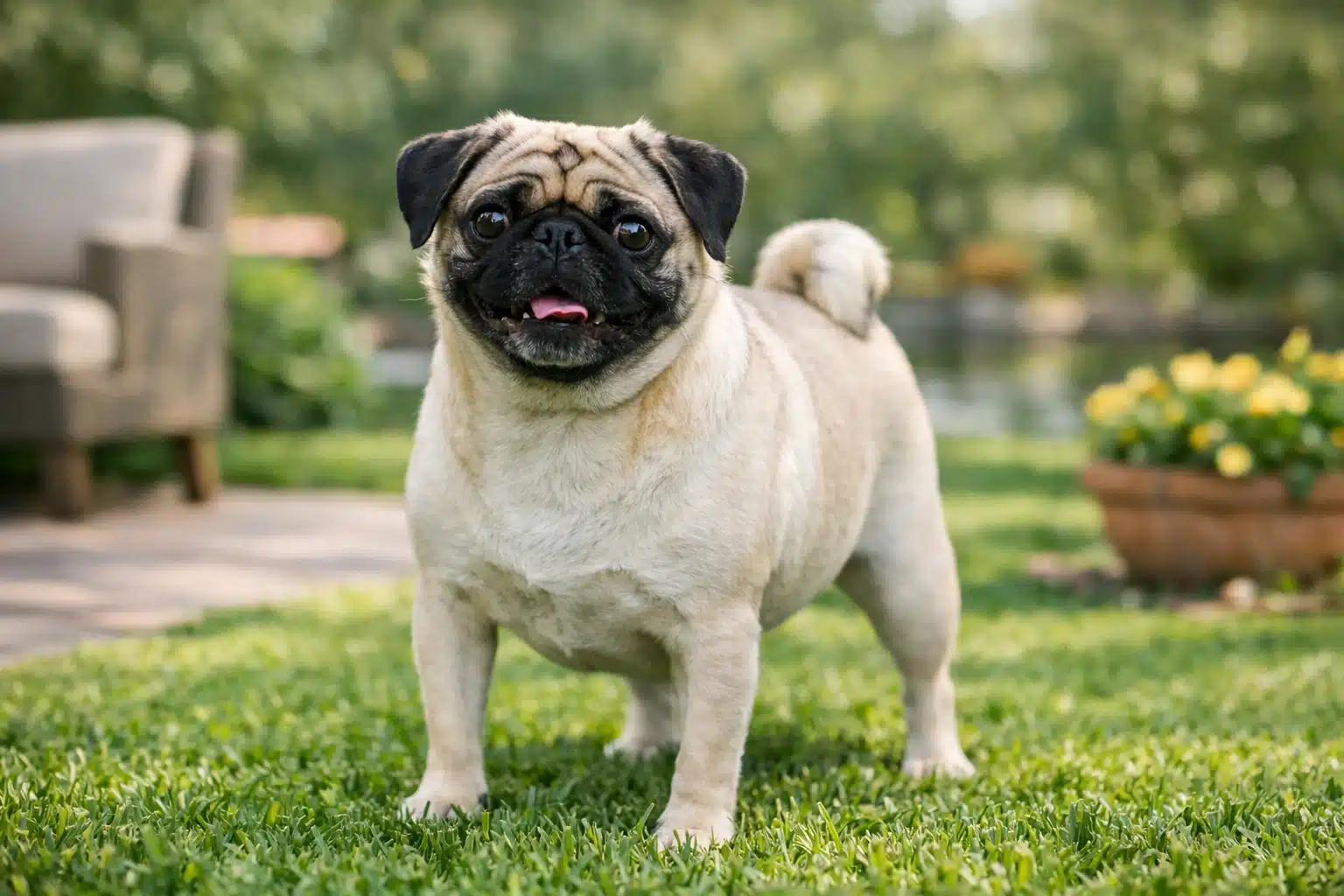
Height: 10 to 13 inches | Weight: 14 to 18 pounds | Lifespan: 13 to 15 years | Annual Cost: $1,500 to $2,500
Pugs have a short, fuss-free coat and a comic personality that brings daily laughs to any household.
They are loyal, loving, and perfectly content lounging around the house for most of the day. Pugs are also social with visitors and other pets.
The best dog breeds for seniors often include Pugs for their low-key, devoted nature.
- Temperament: Loyal, playful, and charming. Loves lounging but enjoys short bursts of indoor play.
- Daily needs: A brief walk, some indoor playtime, regular cleaning of facial folds, and portion-controlled meals.
- Health risks:Brachycephalic syndrome (breathing difficulty in heat), eye proptosis (bulging eyes prone to injury), and a strong tendency toward obesity.
- Suitability for seniors: A solid match for retirees who want a couch-loving, entertaining companion that stays happy indoors.
7. Maltese

Height: 7 to 9 inches | Weight: 4 to 7 pounds | Lifespan: 12 to 15 years | Annual Cost: $1,500 to $2,500
The Maltese is one of the most portable breeds available.
For seniors who travel frequently by air, the Maltese is one of the few breeds small enough to fit comfortably in an under-seat cabin carrier.
I have met several retirees at shelters specifically looking for a travel-sized companion, and Maltese mixes come up more than any other breed in those conversations.
- Temperament: Gentle, affectionate, and devoted. Craves constant human companionship and does not handle long periods alone well.
- Daily needs: A short walk, indoor companionship, and coat brushing. The silky white coat can be trimmed short for simpler upkeep.
- Health risks:Patellar luxation, dental disease (common in toy breeds), and collapsed trachea.
- Suitability for seniors: Best for retirees who stay home most of the day or travel frequently and want a small, portable companion.
8. Havanese

Height: 8.5 to 11.5 inches | Weight: 7 to 13 pounds | Lifespan: 14 to 16 years | Annual Cost: $1,500 to $2,500
The Havanese is the only breed native to Cuba.
Cheerful, quiet, and deeply social, this breed does well with other dogs and family members of all ages.
Among calm dog breeds for older people, the Havanese stand out for their easygoing, affectionate personalities.
- Temperament: Cheerful, quiet, social, and deeply attached to their owners. Gets along well with other dogs and children.
- Daily needs: A short walk, indoor play, and regular coat brushing since the silky hair grows nonstop. Grooming is the main recurring expense.
- Health risks:Patellar luxation, heart murmurs, and cataracts.
- Suitability for seniors: A strong pick for retirees who want a small, social, low-energy dog that thrives on companionship and adapts to any living space.
9. Yorkshire Terrier

Height: 7 to 8 inches | Weight: 4 to 7 pounds | Lifespan: 11 to 15 years | Annual Cost: $1,500 to $2,000
Yorkies are one of the more budget-friendly breeds on this list.
They love being close to their person throughout the day and respond extremely well to treat-based training.
Their hypoallergenic coat sheds very little, keeping the home cleaner.
- Temperament: Intelligent, loyal, and bold for their size. Tends to bark more than other small breeds, but consistent training keeps that in check.
- Daily needs: A short walk, interactive play, and regular coat brushing. Using a harness instead of a collar helps protect the trachea.
- Health risks:Collapsed trachea, dental disease, and patellar luxation.
- Suitability for seniors: Great for budget-conscious retirees in apartments who want a hypoallergenic, low-shedding lap dog.
10. Pomeranian

Height: 6 to 7 inches | Weight: 3 to 7 pounds | Lifespan: 12 to 16 years | Annual Cost: $1,500 to $2,000
Do not let the tiny frame fool anyone. Pomeranians pack bold personalities into a small body.
They are smart, pick up commands fast, and love sitting on laps. Poms stay alert and make surprisingly good watchdogs for their size.
Famous Pomeranian fans include Mozart and Michelangelo.
- Temperament: Bold, smart, alert, and affectionate. Picks up training fast and thrives on attention.
- Daily needs: A short walk or an indoor play session, and regular coat brushing to prevent matting. Dental cleanings should be part of the routine vet plan.
- Health risks:Collapsed trachea, patellar luxation, and dental issues are common in toy breeds.
- Suitability for seniors: Ideal for retirees who want a tiny, spirited watchdog that stays content with indoor games and short outdoor strolls.
11. Dachshund
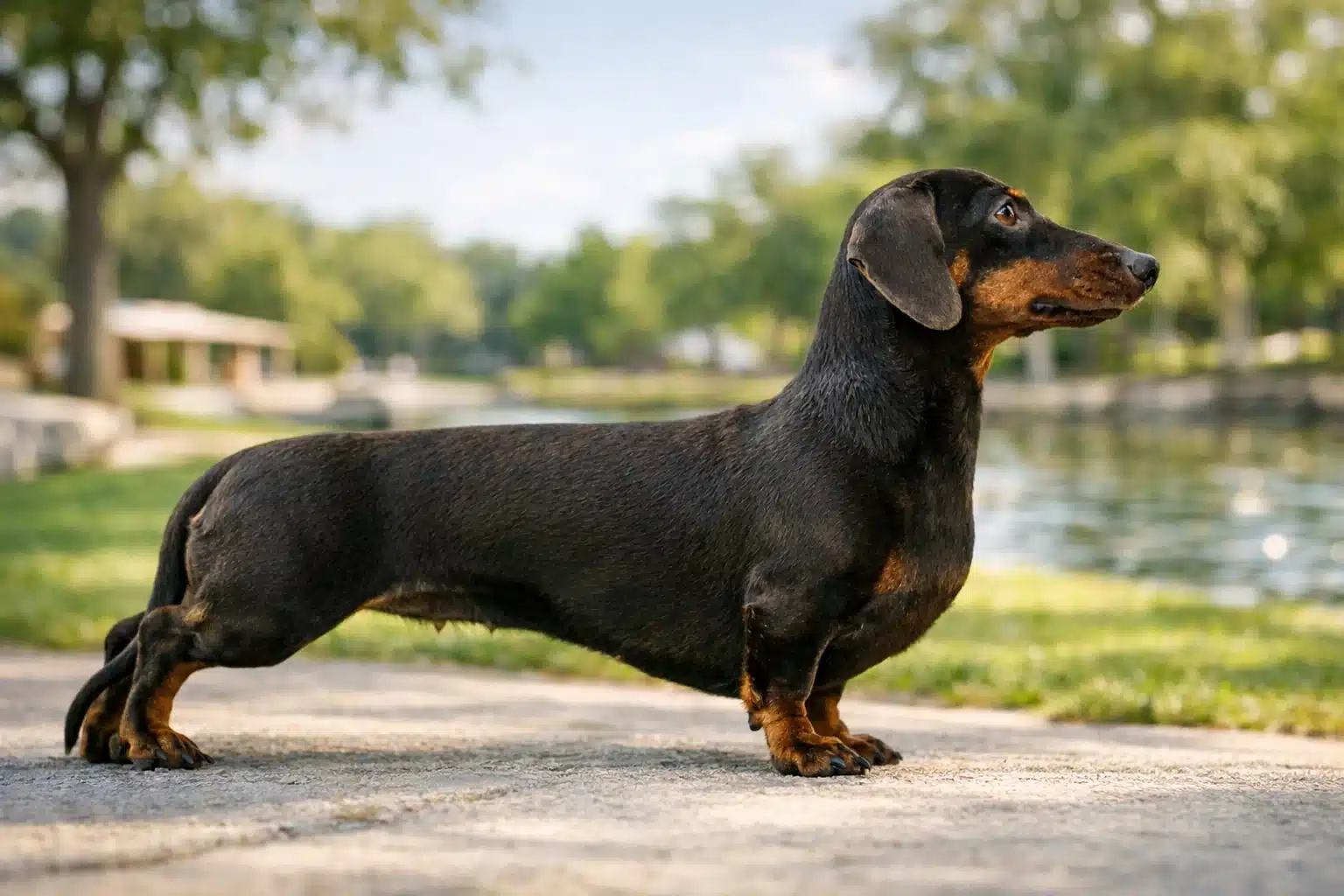
Height: 5 to 9 inches | Weight: 11 to 32 pounds (standard), under 11 pounds (miniature) | Lifespan: 12 to 16 years | Annual Cost: $1,500 to $2,500
Dachshunds come in 2 sizes (standard and miniature) with 3 coat types (smooth, longhaired, wirehaired).
They form tight bonds with their owners, stay naturally clean, and rarely produce odor. When socialized early, Dachshunds do well with children and other pets in the household.
- Temperament: Loyal, curious, and playful. Forms a deep bond with 1 primary owner and stays clean with minimal odor.
- Daily needs: 2 short walks, moderate indoor activity, and strict weight monitoring to protect the spine.
- Health risks:Intervertebral disc disease (IVDD) is the biggest concern, caused by their elongated body. Jumping on and off furniture should be avoided, and ramps can help prevent back injuries.
- Suitability for seniors: Good for retirees who are willing to manage weight and avoid jumping. A ramp-friendly home setup makes this breed a safe, rewarding choice.
12. Beagle
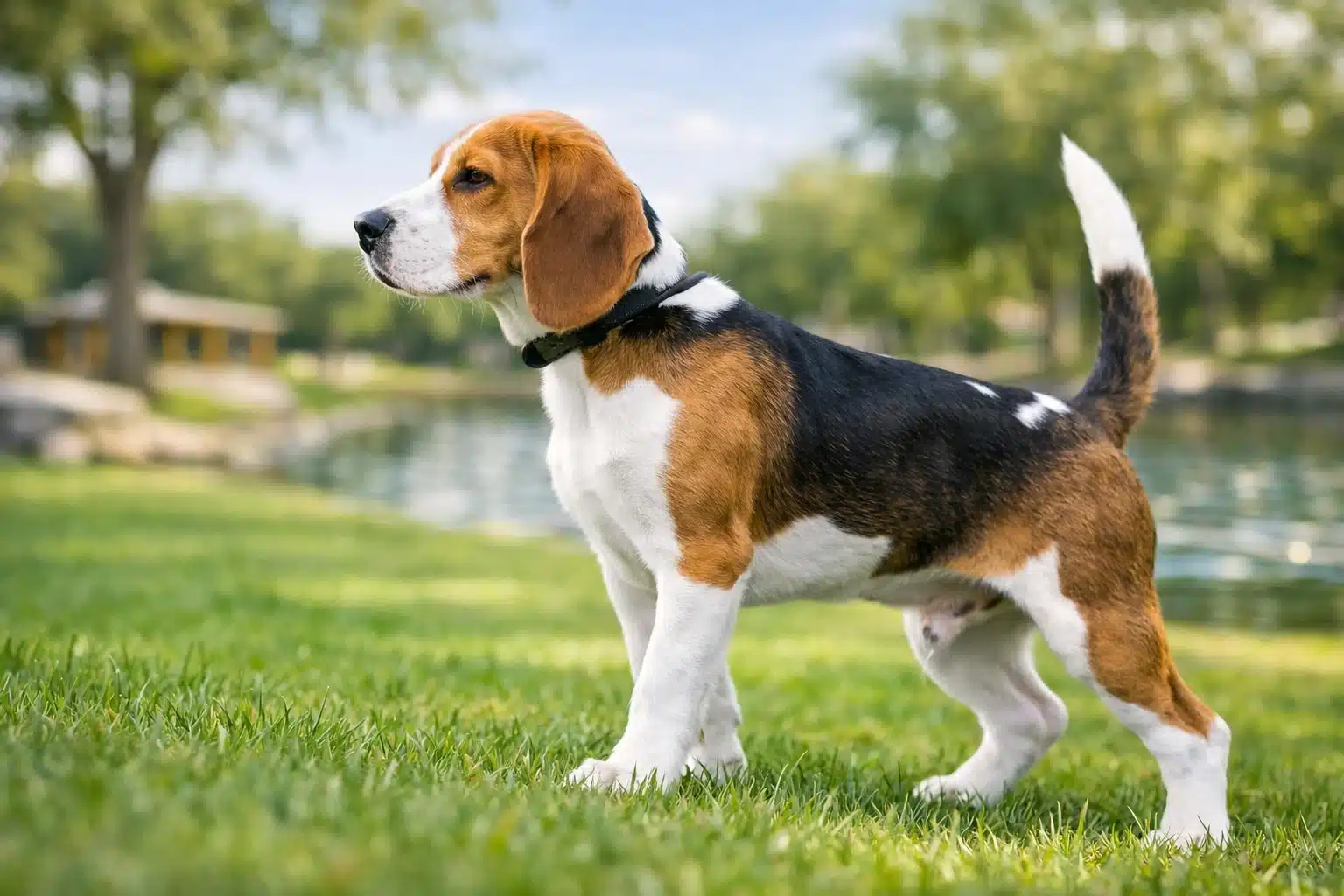
Height: Under 13 inches or 13 to 15 inches | Weight: Under 20 pounds or 20 to 30 pounds | Lifespan: 10 to 15 years | Annual Cost: $1,800 to $3,000
Beagles come in 2 varieties based on height.
They are smart, friendly, and make loyal companions who love being around people. Their short coat requires almost no upkeep beyond an occasional bath.
They get along smoothly with other dogs and children.
- Temperament: Friendly, curious, and pack-oriented. Loves company and does well in multi-pet households.
- Daily needs: A solid walk, mental stimulation through scent games, and some outdoor time. Portion control matters because Beagles gain weight fast.
- Health risks:Epilepsy, hip dysplasia, and cherry eye (a swollen tear gland).
- Suitability for seniors: A strong match for active retirees who enjoy regular walks and want a sociable, easygoing medium-sized dog.
13. Cocker Spaniel
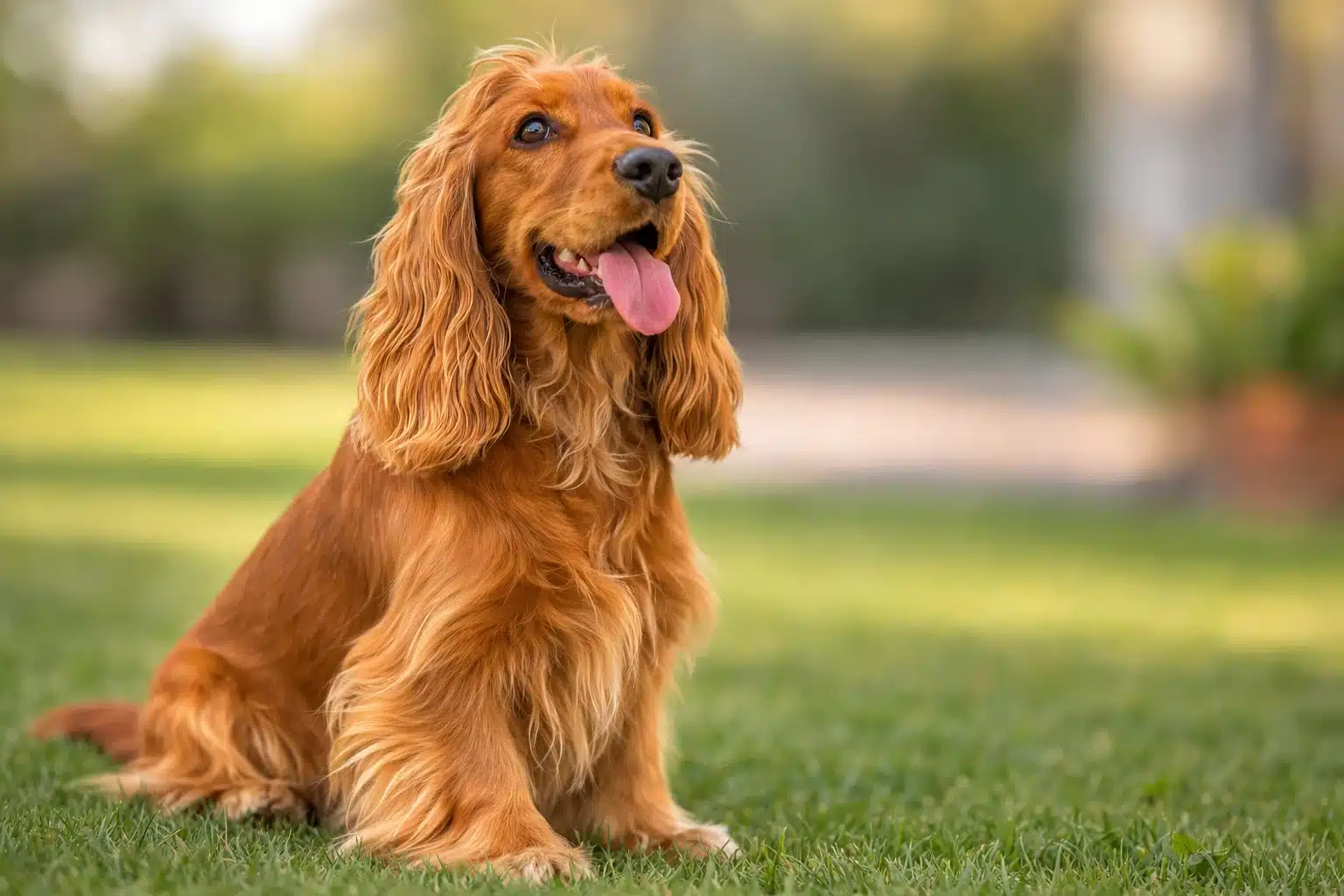
Height: 14 to 15 inches | Weight: 20 to 30 pounds | Lifespan: 10 to 14 years | Annual Cost: $1,800 to $3,000
Cocker Spaniels are naturally gentle, sweet, and well-suited for indoor life.
Cockers are affectionate with family and friendly toward visitors, making them a strong pick for seniors who often host grandchildren.
- Temperament: Gentle, sweet, and sociable. Adapts well to various living situations, from apartments to homes with a backyard.
- Daily needs: A moderate walk, some playtime, and regular ear cleaning. The long, floppy ears need consistent attention.
- Health risks:Chronic ear infections due to the ear structure. Also prone to cataracts and progressive retinal atrophy.
- Suitability for seniors: Fits retirees who enjoy light daily activity and do not mind routine ear maintenance. Great with visiting grandchildren.
14. Pembroke Welsh Corgi
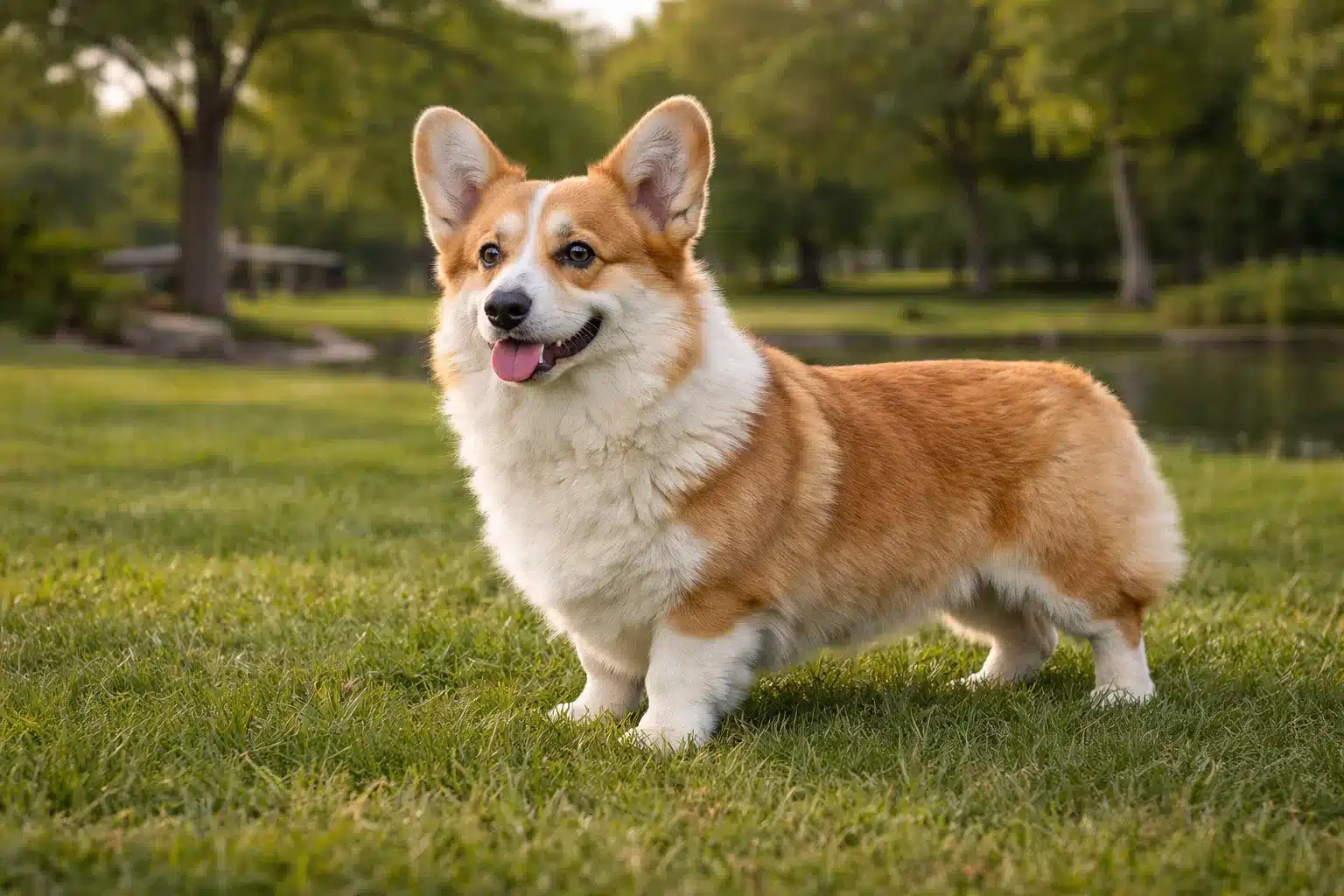
Height: 10 to 12 inches | Weight: Up to 30 pounds | Lifespan: 12 to 13 years | Annual Cost: $1,800 to $3,000
Corgis are protective, devoted to family, and make reliable watchdogs. The late Queen Elizabeth II famously adored them. They bring lively, social energy to any household.
- Temperament: Lively, social, protective, and devoted. Wants to be involved in every activity and makes an alert watchdog.
- Daily needs: Multiple walks and active play sessions. Their double coat sheds heavily, so regular brushing is needed.
- Health risks:Hip dysplasia, degenerative myelopathy (a progressive spinal disease), and IVDD.
- Suitability for seniors: Best for more active older adults who want a sturdy, alert companion and are not bothered by frequent brushing.
15. Greyhound
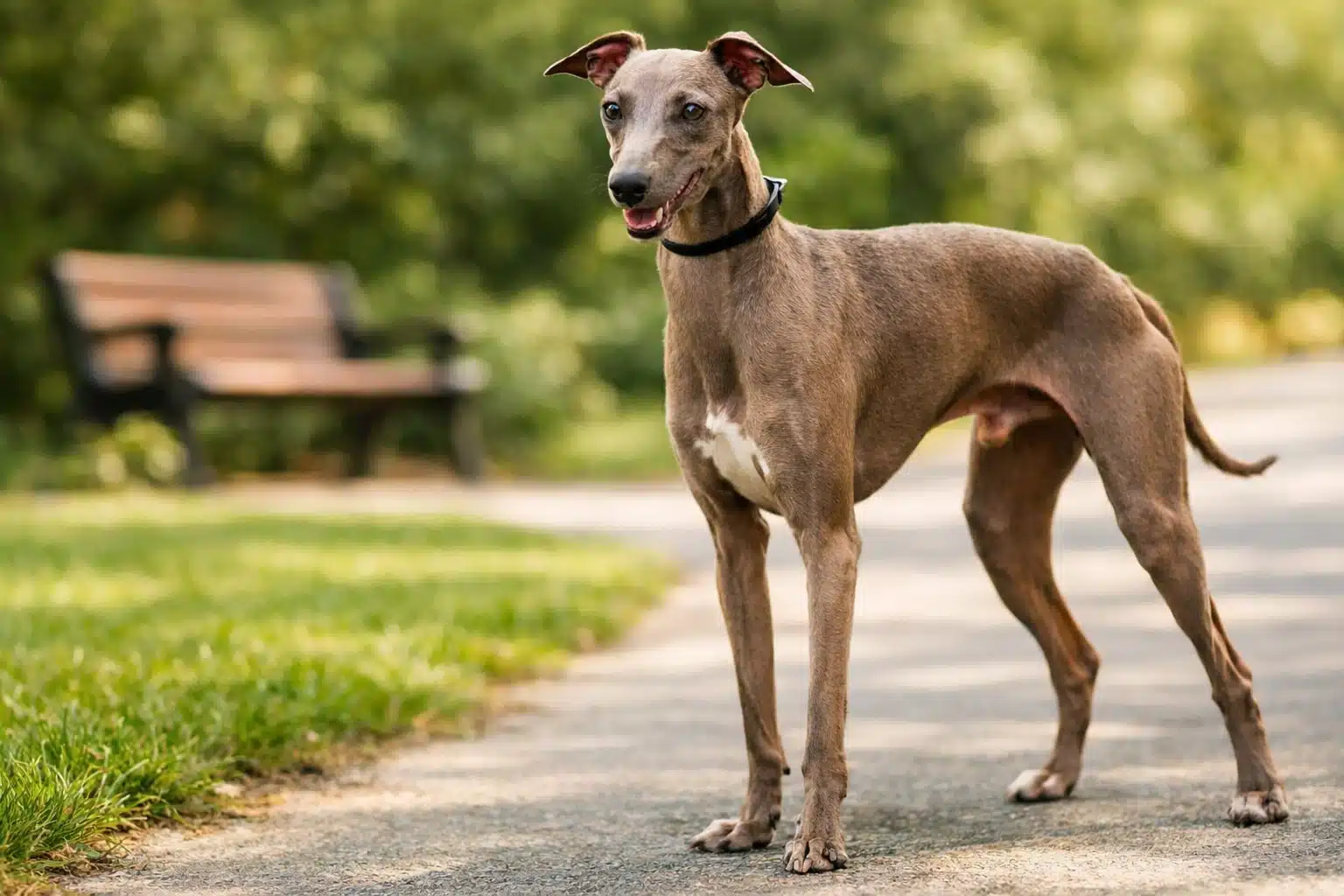
Height: 27 to 30 inches | Weight: 60 to 70 pounds | Lifespan: 10 to 13 years | Annual Cost: $2,000 to $3,500
Greyhounds are one of the most misunderstood breeds I have worked with at shelters.
People assume they need to run constantly, but retired racers are some of the laziest couch dogs you will ever meet.
I have placed several with seniors living in apartments, and the feedback is almost always the same: calm, quiet, zero fuss.
If you have the space for a larger dog but want a low-energy temperament, a retired Greyhound is worth serious consideration.
- Temperament: Gentle, quiet, and incredibly well-mannered indoors. Rarely barks and adjusts well to apartment or home living.
- Daily needs: 1 to 2 moderate walks and plenty of couch time. Their short coat needs almost zero maintenance.
- Health risks:Bloat (gastric dilatation-volvulus), a life-threatening stomach condition, along with osteosarcoma (bone cancer) and dental disease.
- Suitability for seniors: Ideal for retirees with extra space who want a calm, large-breed companion with minimal grooming and exercise demands.
16. Labrador Retriever
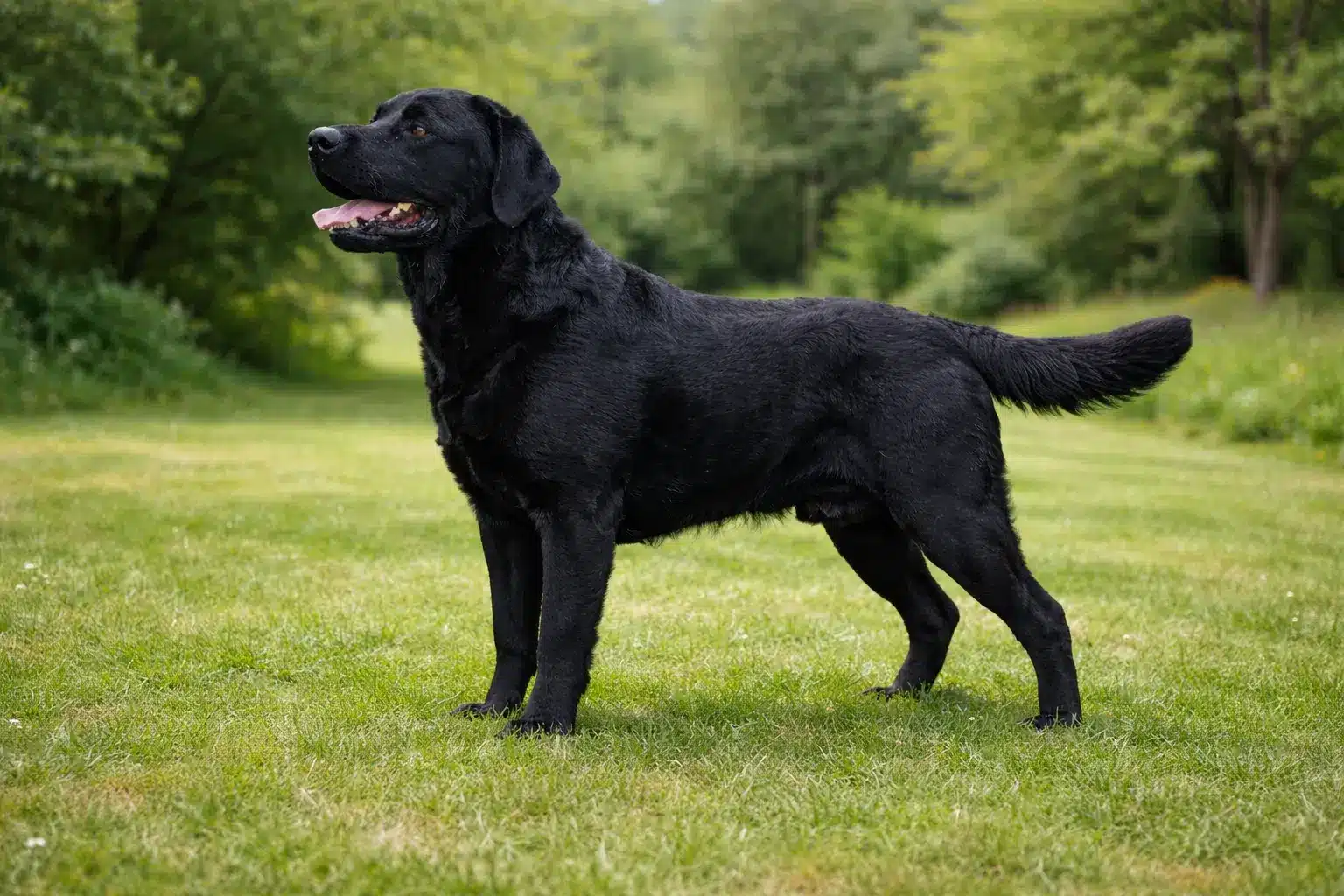
Height: 21.5 to 24.5 inches | Weight: 55 to 80 pounds | Lifespan: 11 to 13 years | Annual Cost: $2,500 to $4,500
Labs consistently rank among the most popular family dogs in the United States. They are loyal, friendly, and great with grandchildren.
Labs also have strong potential as informal assistance dogs.
According to BrightStar Care, even as pets, Labs can learn to retrieve dropped items and brace to help owners maintain balance.
These practical skills add real value for older adults with mild mobility challenges.
- Temperament: Loyal, friendly, eager to please, and highly trainable. Socialize with visitors, children, and other pets.
- Daily needs: A long walk or active outdoor session, interactive play, and mental engagement. Higher food intake drives up annual costs.
- Health risks:Hip and elbow dysplasia, obesity, and exercise-induced collapse.
- Suitability for seniors: Best for active retirees who love spending time outdoors. The highest-cost breed on this list, but it offers practical assistance potential.
17. Chihuahua

Height: 5 to 8 inches | Weight: 2 to 6 pounds | Lifespan: 14 to 16 years | Annual Cost: $1,500 to $2,000
Chihuahuas have one of the longest lifespans of any breed and some of the lowest annual ownership costs on this list.
They are alert, bold, and fiercely loyal, often attaching to 1 person above all others.
- Temperament: Bold, loyal, and alert. Forms an intense bond with a single owner and stays protective of them.
- Daily needs: A brief walk or an indoor play session, and some lap time. Regular dental cleanings help prevent costly problems later.
- Health risks:Patellar luxation, dental disease (extremely common in toy breeds), and heart murmurs.
- Suitability for seniors: A budget-friendly option for retirees who want a long-lived, low-maintenance lap dog that thrives on 1-on-1 attention.
18. Miniature Schnauzer
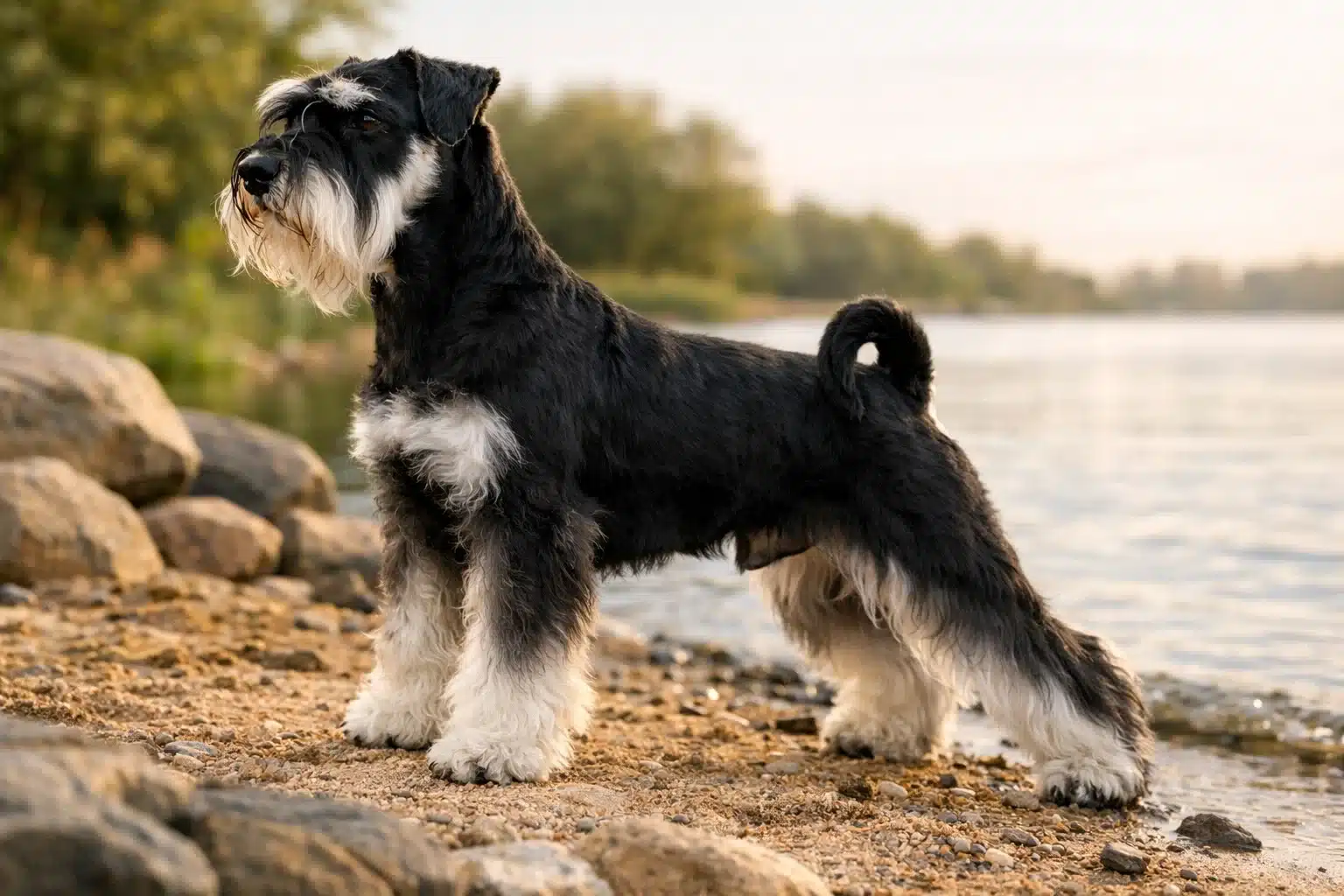
Height: 12 to 14 inches | Weight: 11 to 20 pounds | Lifespan: 12 to 15 years | Annual Cost: $1,500 to $2,500
Miniature Schnauzers are sharp, observant, and naturally alert, which provides older adults with added peace of mind at home.
Their wiry coat sheds very little, keeping the house cleaner.
- Temperament: Sharp, observant, loyal, and naturally alert. Provides a sense of security without aggressive behavior.
- Daily needs: A moderate walk, interactive play, and regular beard trimming. A low-fat diet helps prevent health complications.
- Health risks:Pancreatitis (triggered by high-fat diets), urinary stones, and cataracts. Routine vet checkups significantly reduce these risks.
- Suitability for seniors: A strong choice for retirees who want a low-shedding, alert companion that doubles as a watchdog in apartments or small homes.
19. BostonTerrier

Height: 15 to 17 inches | Weight: 12 to 25 pounds | Lifespan: 11 to 13 years | Annual Cost: $1,500 to $2,500
Often called the “American Gentleman,” the Boston Terrier is friendly, calm indoors, and rarely barks excessively.
Their smooth, short coat needs almost no grooming. Keeping them cool during summer and monitoring weight helps prevent complications.
- Temperament: Friendly, bright, and calm indoors. Adapts well to apartment living and gets along with everyone.
- Daily needs: 1 to 2 short walks and indoor play. Minimal grooming is required for their short, smooth coat.
- Health risks:Brachycephalic syndrome (breathing difficulties in hot weather), cataracts, and patellar luxation.
- Suitability for seniors: A low-grooming, quiet breed that works well for retirees in apartments or shared living spaces.
20. Coton de Tulear
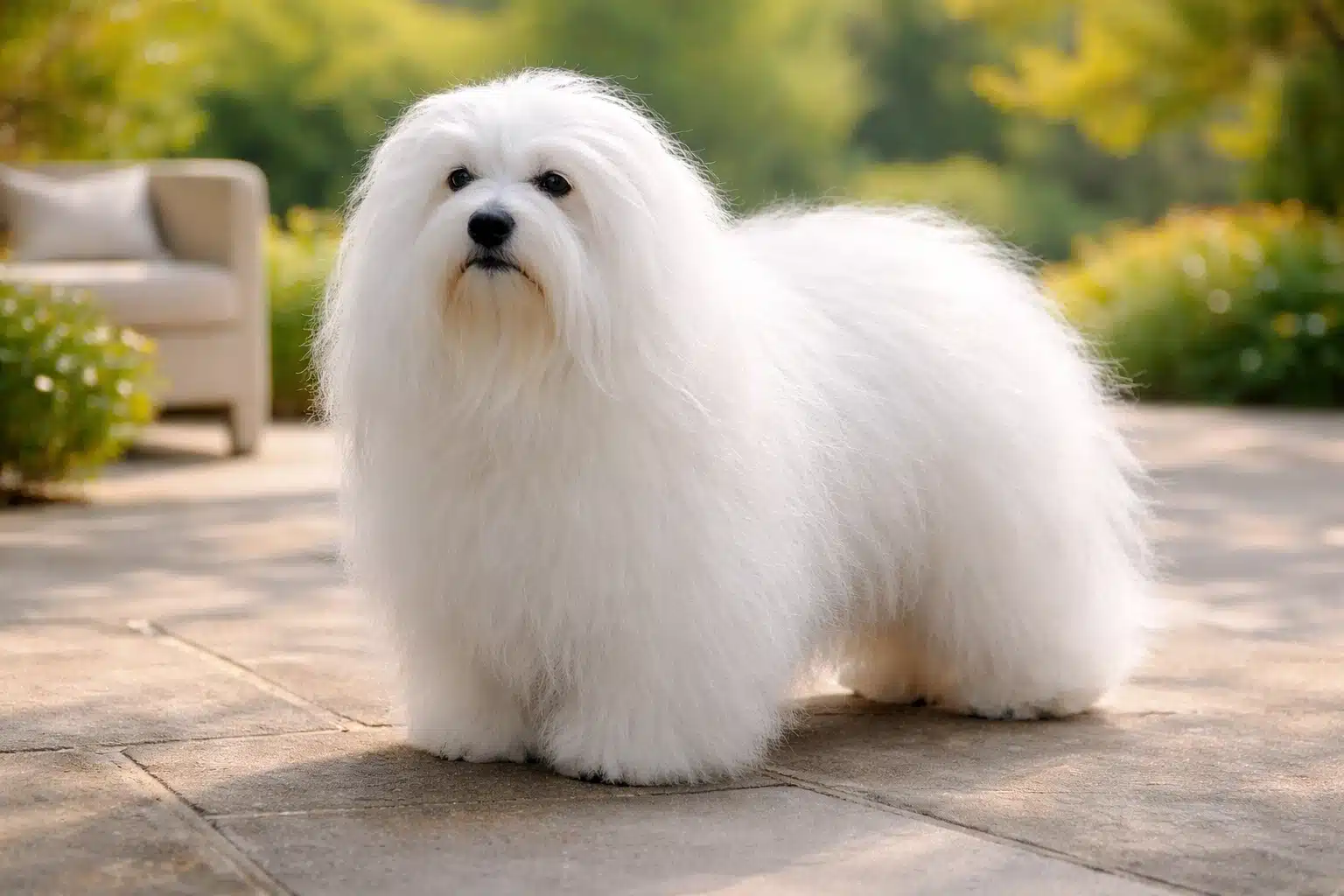
Height: 9 to 11 inches | Weight: 8 to 15 pounds | Lifespan: 15 to 19 years | Annual Cost: $1,500 to $2,500
Cotons boast one of the longest lifespans on this list.
Originally from Madagascar, they have a cottony white coat that barely sheds. Cotons get along with everyone, including other dogs and young children.
They also make excellent travel companions for retirees who like taking trips.
- Temperament: Gentle, playful, and sociable. Gets along with everyone and thrives on close human companionship.
- Daily needs: A moderate walk and regular brushing to maintain the cottony coat.
- Health risks: Relatively minor compared to other breeds, but include hip dysplasia, progressive retinal atrophy, and luxating patella.
- Suitability for seniors: One of the longest-lived breeds available. Ideal for retirees who want a travel-friendly, low-shedding dog that stays healthy well into old age.
21. Lhasa Apso

Height: 10 to 11 inches | Weight: 12 to 18 pounds | Lifespan: 12 to 15 years | Annual Cost: $1,500 to $2,500
Originally bred as watchdogs in Tibetan monasteries, the Lhasa Apso has a confident yet cautious personality, making it a reliable alert dog for seniors living alone.
Lhasa Apsos offer years of loyal, steady companionship.
- Temperament: Confident, cautious with strangers, and deeply loyal to their owner. Naturally alert without being aggressive.
- Daily needs: A short walk, brief indoor play, and regular coat brushing. A shorter trim significantly reduces grooming effort.
- Health risks:Kidney problems (renal dysplasia), dry eye, and patellar luxation.
- Suitability for seniors: Best for retirees living alone who want a small, alert watchdog with a calm, loyal personality.
How to Prepare Your Home for a New Dog?
Bringing a dog into a senior’s home requires practical adjustments often overlooked.
Secure loose cables and cords on the floor to prevent chewing and tripping hazards. Use non-slip mats or rugs near food and water bowls to avoid skidding injuries.
For breeds like Dachshunds, add ramps to couches and beds to prevent spinal damage from jumping.
Keep an emergency card with your dog’s details and vet contacts in your wallet for unexpected situations.
Most importantly, spend the first weekend observing your dog’s behavior, noting their preferences and triggers, as this provides valuable insights into their personality beyond what breed profiles can offer.
After the Dog: What Comes Next?
Getting a dog is just the first step. Older adults should also think about long-term care planning.
That means identifying a trusted family member or friend who can take over if the owner becomes unable to care for the pet down the road.
Regular veterinary checkups, vaccinations, and preventive care keep the dog healthy and reduce emergency vet bills.
Pet insurance for dogs has become more affordable in recent years and can help cover unexpected costs.
Budgeting for food, grooming, and basic supplies from the start prevents financial pressure later.
One option many people overlook is a pet trust, a legal arrangement that sets aside funds and names a caretaker for your dog if you pass away or become incapacitated.
Planning means both the owner and the dog stay happy for years to come.
Watch Out for Pet Scams?
Online pet scams have surged in recent years, particularly targeting older adults who search for specific breeds online.
Scammers post photos of puppies on social media or fake breeder websites, collect deposits via wire transfer or gift cards, and then disappear.
The AKC recommends visiting breeders in person, meeting the puppy’s parents, and never wiring money to someone you have not met.
If a deal seems unusually cheap or the seller pressures you to pay immediately, walk away.
Shelters and established rescue organizations are the safest route for most seniors. You meet the dog in person, the staff can share behavioral history, and adoption fees are transparent.
Conclusion
I hope this list of the best dog breeds for seniors gives you a clearer idea of what to look for. The right dog can bring companionship, structure, and real health benefits into daily life.
Small breeds like the Cavalier King Charles Spaniel and Shih Tzu work great for relaxed routines, while Beagles and Corgis suit those who enjoy staying on the move.
The most important thing is matching a dog’s energy and care needs to your own lifestyle.
Talk to your vet, visit local shelters, and spend time with a few breeds before making a final call. A good dog does not just fill a home. It fills a life.
Drop a comment below and tell us which breed caught your eye or which one already shares your couch!
Frequently Asked Questions
What is the Most Low-Maintenance Dog for Seniors?
The French Bulldog, Pug, and Bichon Frise are low-maintenance breeds with short coats, minimal exercise needs, and calm temperaments. The Bichon Frise is hypoallergenic, making it a great choice.
Are Small Dogs Always Better for Older Adults?
Not always. Larger breeds like Greyhounds and Labradors can be gentle and suitable for active seniors. The ideal size depends on living space, physical ability, and the owner’s daily activity level.
Should Seniors Adopt or Buy From a Breeder?
Both shelters and breeders offer good options. Shelters typically have trained adult dogs, while breeders can match seniors to specific temperaments and health backgrounds.