

Many people picture small dogs as loud, restless companions that never seem to slow down.
That belief often stops potential owners from considering them at all, but the truth is quite different.
During my years volunteering at shelters across Vermont, some of the most consistently calm dogs I encountered were small breeds that most people had already written off.
The truth is, several small dog breeds that are calm and easy to train exist, and the right one can bring genuine quiet and warmth into everyday life.
These dogs enjoy quiet moments, gentle routines, and close companionship with their families.
For someone living in an apartment, a relaxed household, or simply looking for a loyal companion, finding the right temperament matters more than size.
This blog highlights dog breeds that are calm and easily trainable, that fit comfortably into a relaxed home environment while still being eager to learn.
What Makes a Small Dog Calm and Easy to Train?
Several factors influence a small dog to stay calm and learns training quickly.
Temperament plays the biggest role; some breeds naturally have relaxed personalities and lower energy levels, which helps them remain peaceful indoors.
Intelligence is the second pillar. Dogs that understand commands faster and retain routines more reliably are easier to live with, but intelligence without a desire to please can actually make training harder.
Breeds that are both smart and people-oriented hit the sweet spot.
Early socialization matters enormously. According to the American Kennel Club, dogs exposed to varied environments, people, and sounds during their first 3-14 weeks develop more stable, adaptable temperaments as adults.
Adaptability is another key trait; small dogs that adjust well to different environments usually remain relaxed in apartments, quiet homes, or family settings.
Mental stimulation, even 10 minutes of puzzle play daily, keeps anxious energy from building up. A bored Cavalier and a bored Chihuahua look very different, but both are preventable.
Best Calm and Easy to Train Small Dog Breeds
Small dog breeds often carry a reputation for being energetic or noisy, yet many breeds are naturally calm, surprisingly easy to train, and these dogs adapt well to relaxed places!
1. Cavalier King Charles Spaniel
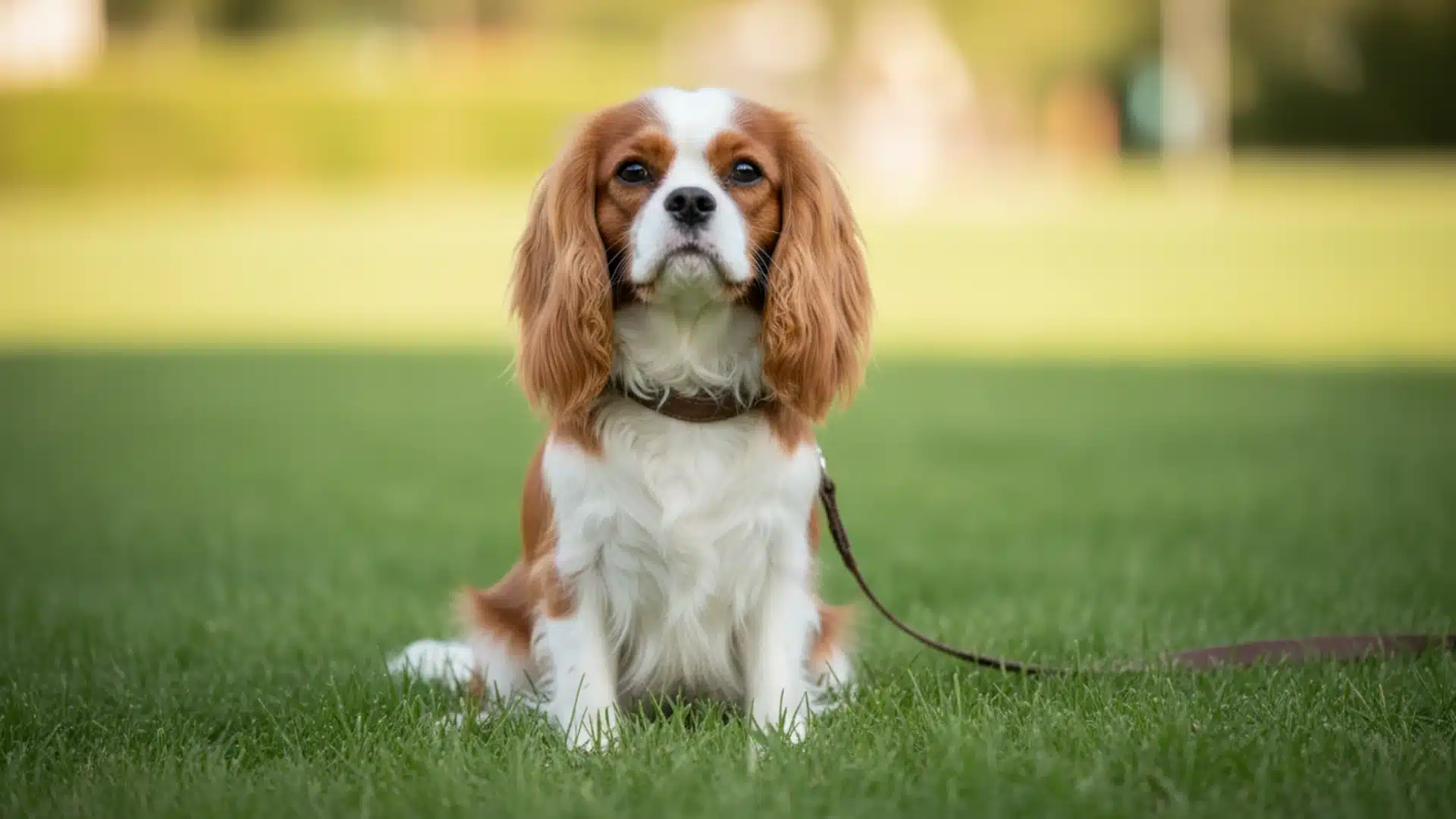
Height: 12 to 13 inches | Weight: 13 to 18 pounds
The Cavalier King Charles Spaniel originated in England and is known for a gentle personality and strong willingness to learn during training.
This breed forms close bonds with family members and often remains calm in quiet home environments.
The breed frequently performs well as a companion dog, and its lifespan usually ranges from 12 to 15 years.
- Training note: Cavaliers are sensitive. Raised voices or frustrated correction can cause them to shut down, and they also excel as therapy dogs.
- Watch for: This breed is prone to mitral valve disease. Ask breeders for cardiac health clearances; the Cavalier Health organization recommends that both parents be tested before breeding.
- Best for: Apartment dwellers, seniors, families with gentle children, first time dog owners.
2. Bichon Frise
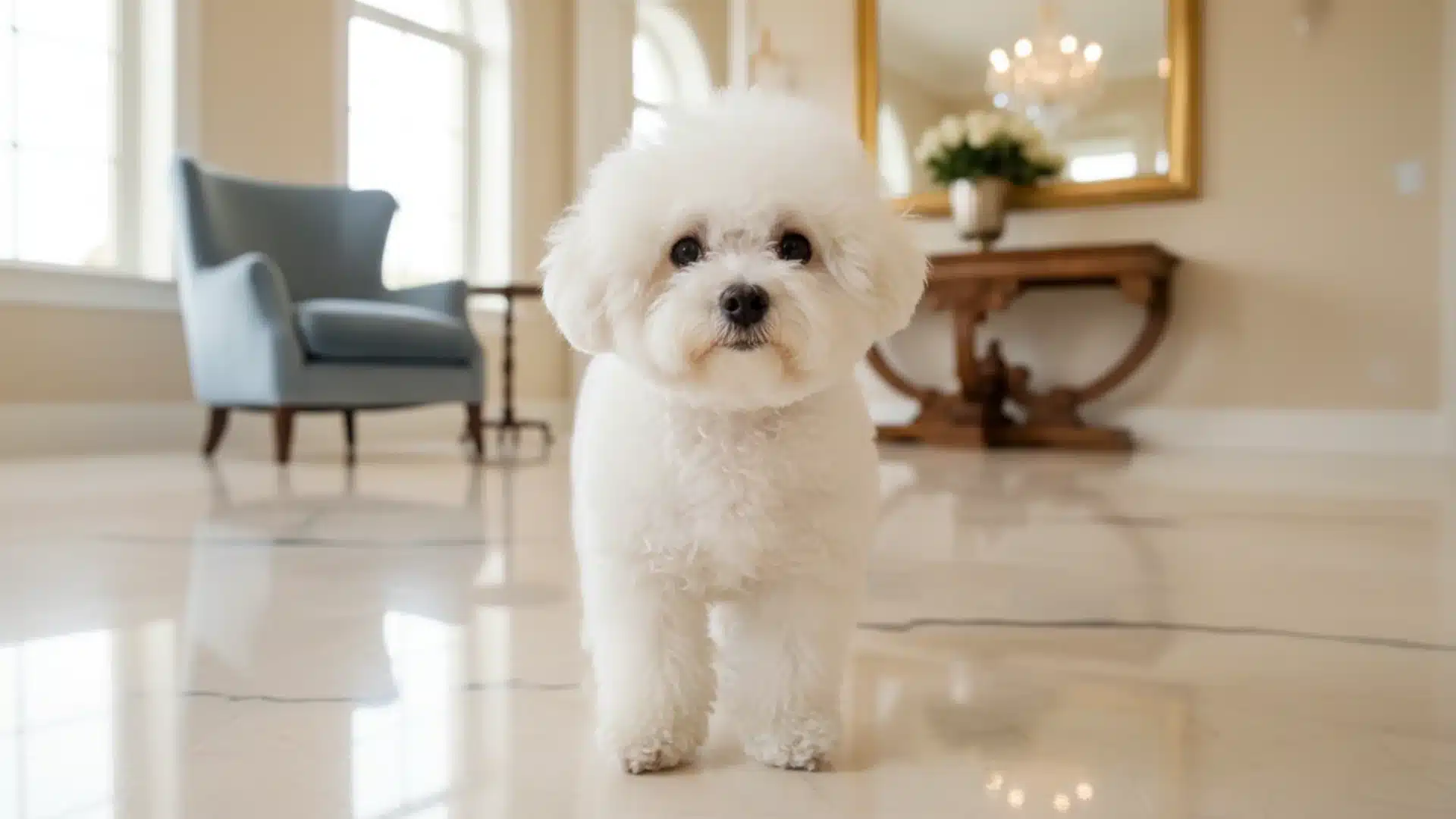
Height: 9.5 to 11.5 inches | Weight: 12 to 18 pounds
The Bichon Frise originated in the Mediterranean region and became popular in France as a companion dog.
This breed is intelligent and eager to learn, which supports smooth training with positive reinforcement.
They have a soft, curly white coat that gives a fluffy appearance. Lifespan typically ranges from 14 to 15 years.
- Training note: Bichons can be surprisingly difficult to house train. Consistency with a schedule and crate training from puppyhood is the move here. One trainer I spoke to in Burlington called the Bichon “a fast learner everywhere except the bathroom.”
- Watch for: Bichons bond intensely and can become destructive if left alone for long periods.
- Best for: Allergy-sensitive households, apartment living, retirees, families with older children.
3. Shih Tzu
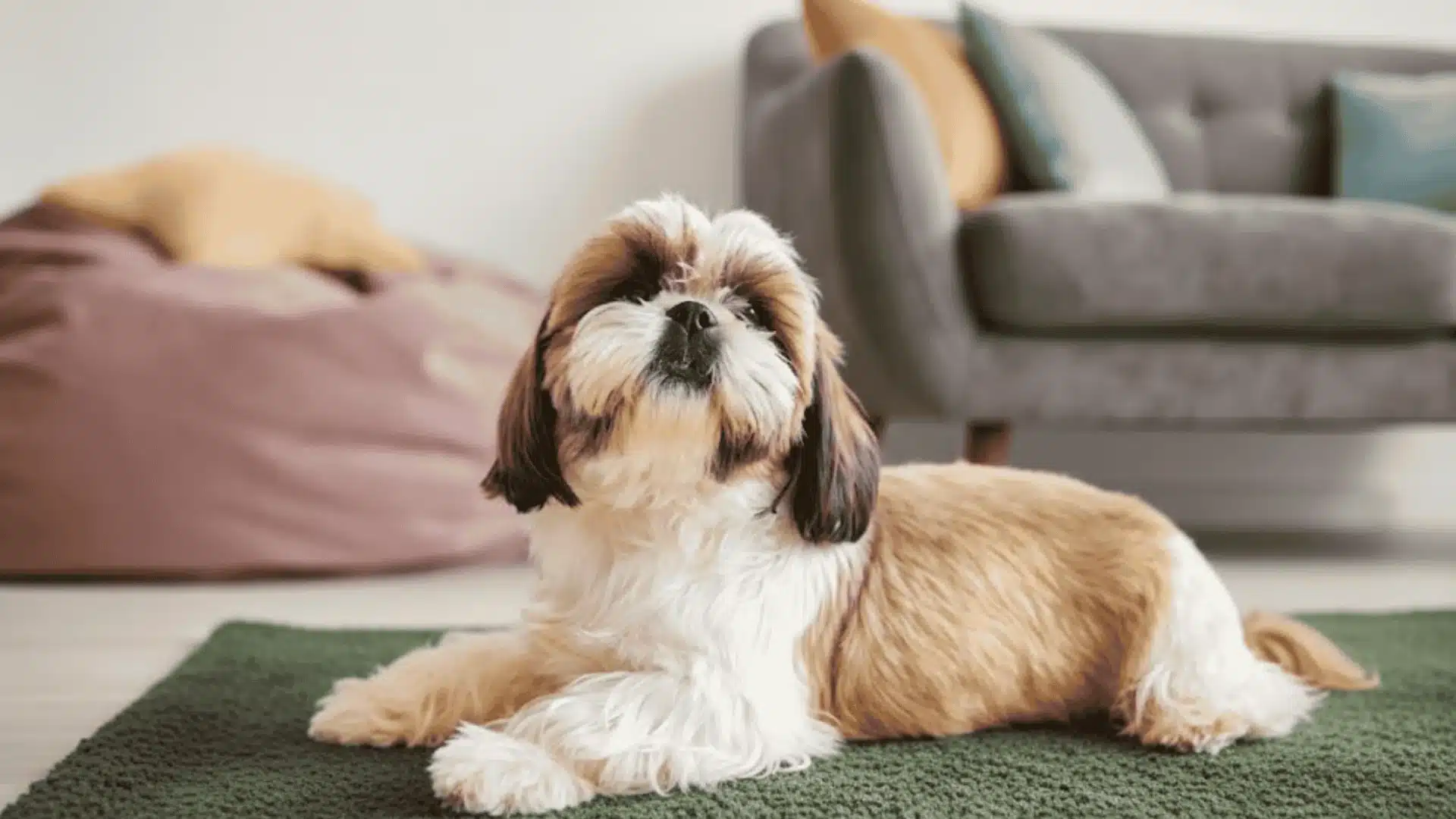
Height: 9 to 10.5 inches | Weight: 9 to 16 pounds
The Shih Tzu originated in China, where the breed was kept as a companion in imperial palaces.
This breed prefers relaxed indoor environments and usually adapts well to apartment living. Shih Tzus have different coat types and rare shades and are affectionate, patient, and comfortable spending quiet time with owners.
Lifespan commonly ranges from 10 to 16 years, and the breed is valued for loyalty, friendliness, and steady temperament around families.
- Training note: The Shih Tzu has a mild stubborn streak, not defiance, more like indifference. Short, playful sessions outperform structured drills with this breed every time.
- Watch for: Like many flat-faced breeds, Shih Tzus are brachycephalic and can overheat or struggle in humid conditions. Avoid heavy exercise in the heat.
- Best for: Apartment living, households with a relaxed daily rhythm, and seniors.
4. Maltese
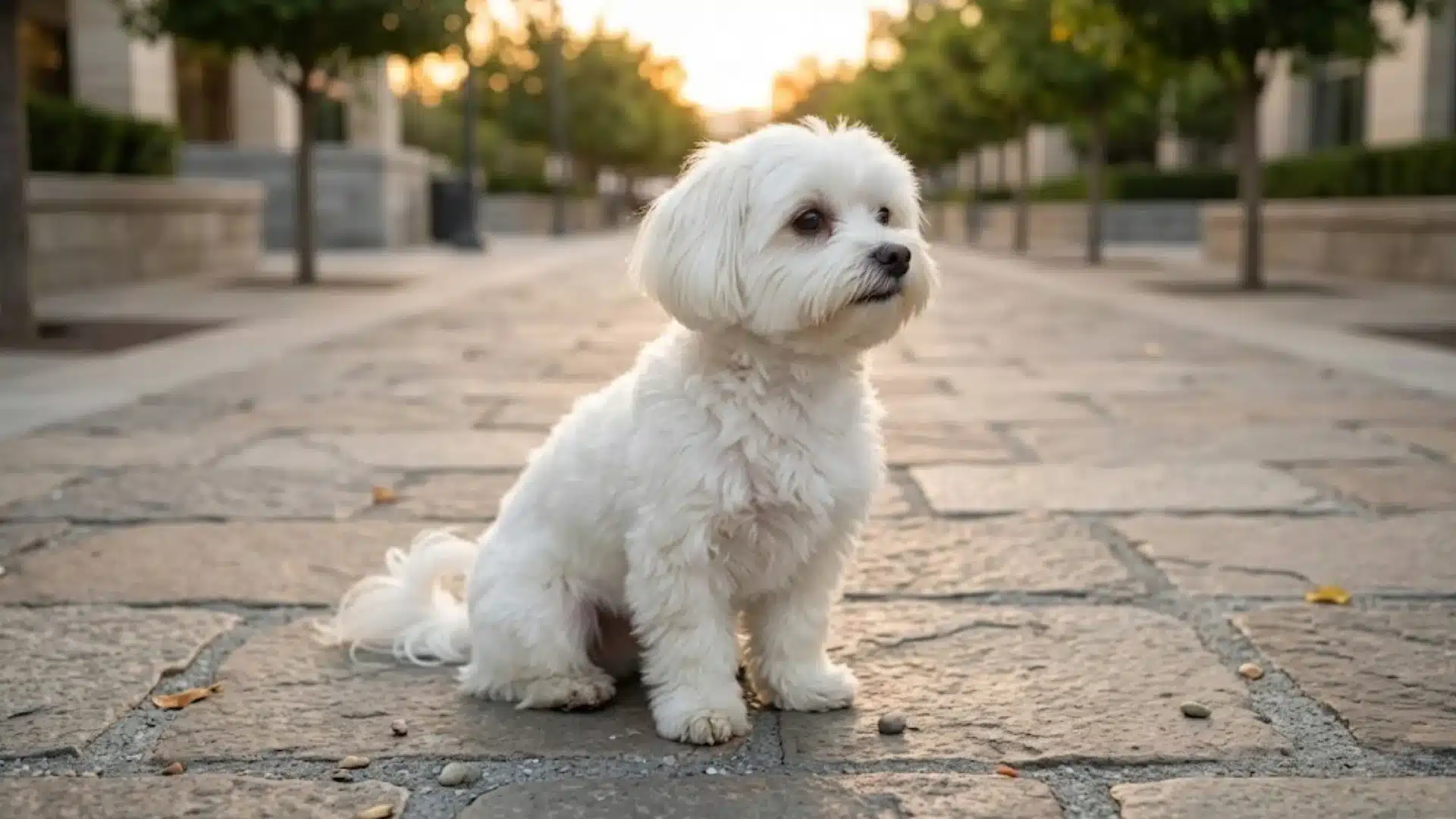
Height: 7 to 9 inches | Weight: Under 7 pounds
The Maltese originated in the Mediterranean island of Malta and has long been valued as a companion dog.
This breed enjoys close companionship and typically forms strong bonds with owners.
Lifespan usually ranges from 12 to 15 years, and the breed is appreciated for its affectionate nature, loyalty, and graceful personality.
- Training note: Routine and gentle reassurance aren’t optional for this breed; they’re the foundation.
- Watch for: Prone to anxiety when left alone frequently. If your schedule involves long hours away, this may not be the right fit without a companion animal or dog walker.
- Best for: Work-from-home owners, retirees, quiet single pet households.
5. Pug
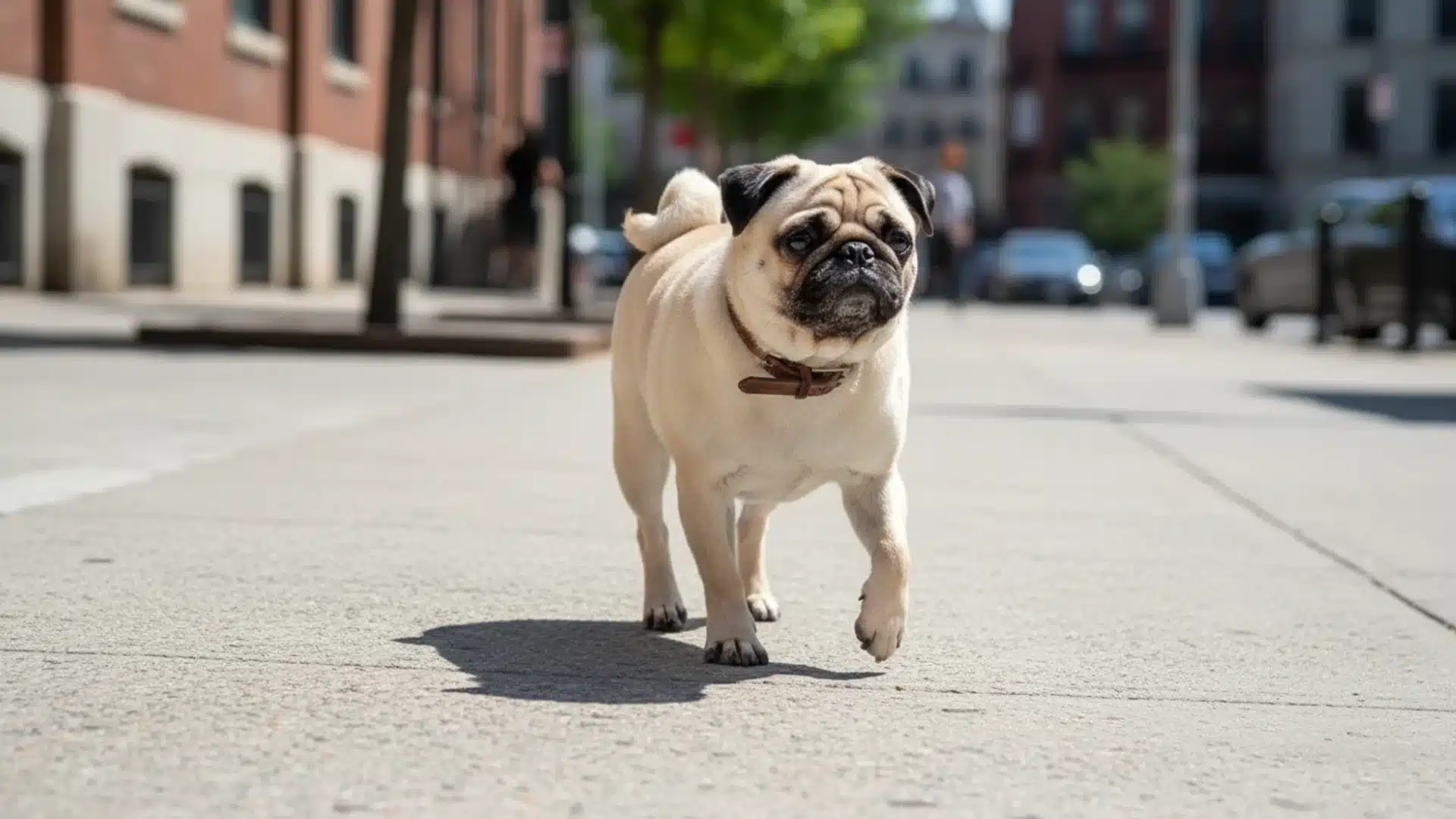
Height: 10 to 13 inches | Weight: 14 to 18 pounds
The Pug originated in China and is known for a calm, affectionate personality that responds well to consistent training and positive reinforcement.
A distinctive feature of the Pug is the wrinkled face and curled tail, which make the breed instantly recognizable.
Pugs are loyal, sociable, and often remain gentle with families. Lifespan generally ranges from 12 to 15 years, making the breed a popular long-term companion.
- Training note: Pugs are motivated almost entirely by food, which makes treat-based training highly effective.
- Watch for: Brachycephalic obstructive airway syndrome (BOAS) is common in Pugs. Many veterinarians recommend avoiding strenuous activity and monitoring breathing closely in warm weather.
- Best for: Relaxed households, apartment living, families, first time owners.
6. Havanese
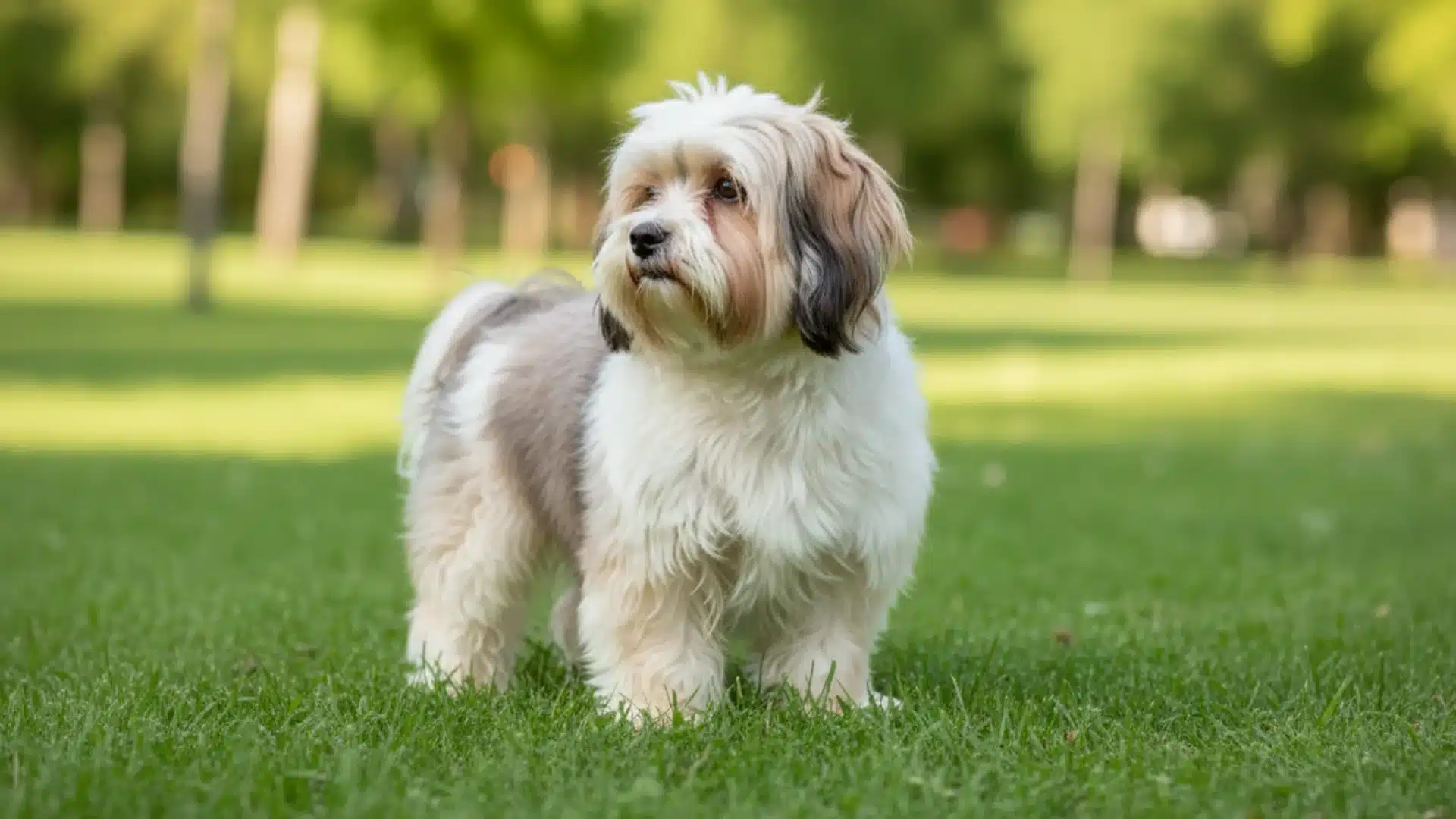
Height: 8.5 to 11.5 inches | Weight: 7 to 13 pounds
The Havanese originated in Cuba and is widely appreciated for its intelligence and eagerness to learn during training.
Lifespan typically ranges from 14 to 16 years, and the breed is known for its friendly temperament and strong adaptability.
The American Kennel Club describes the Havanese as highly intelligent and sensitive.
According to AKC executive secretary Gina DiNardo, they are “easily trained as long as you use positive reinforcement methods.”
- Training note: The Havanese is one of the few small breeds that does well in dog sports like agility and rally, thanks to its athletic build and responsive nature.
- Best for: Active apartment dwellers, families with kids, multi-pet households.
7. Pekingese
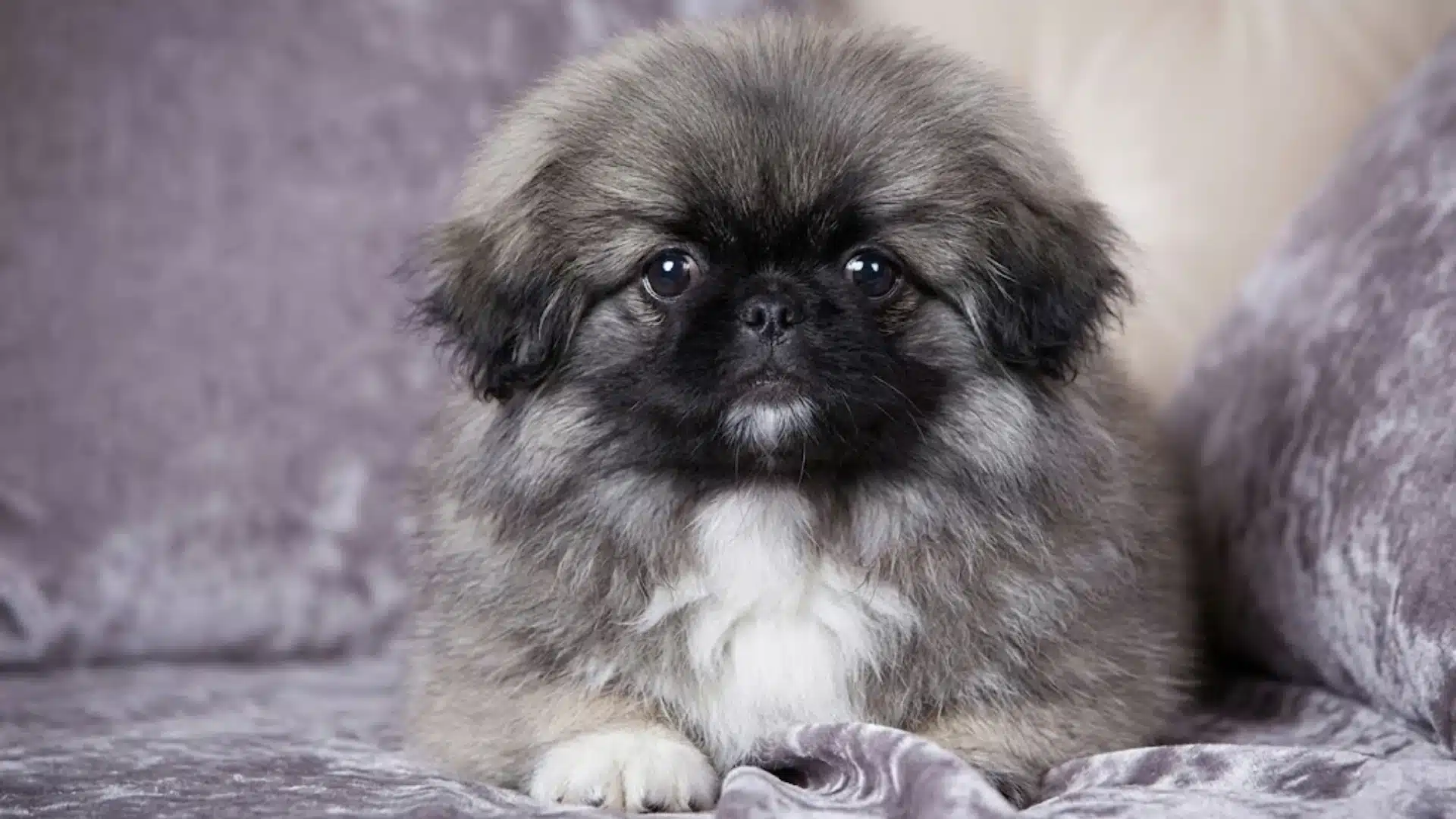
Height: 6 to 9 inches | Weight: up to 14 pounds
The Pekingese originated in China, where the breed was historically kept as a royal companion in imperial palaces.
This small dog is known for a calm, confident personality and prefers relaxed indoor environments.
A distinctive feature is the lion-like mane and flat face, which gives the breed a regal appearance. Lifespan generally ranges from 12 to 14 years.
- Training note: Short sessions with high-value rewards and zero-pressure work best. Forcing routine on a Pekingese often backfires.
- Watch for: Like Pugs and Shih Tzus, the Pekingese is brachycephalic. Heat management and avoiding overexertion are important.
- Best for: Experienced dog owners, quieter households, owners who respect a dog’s independence.
8. Italian Greyhound
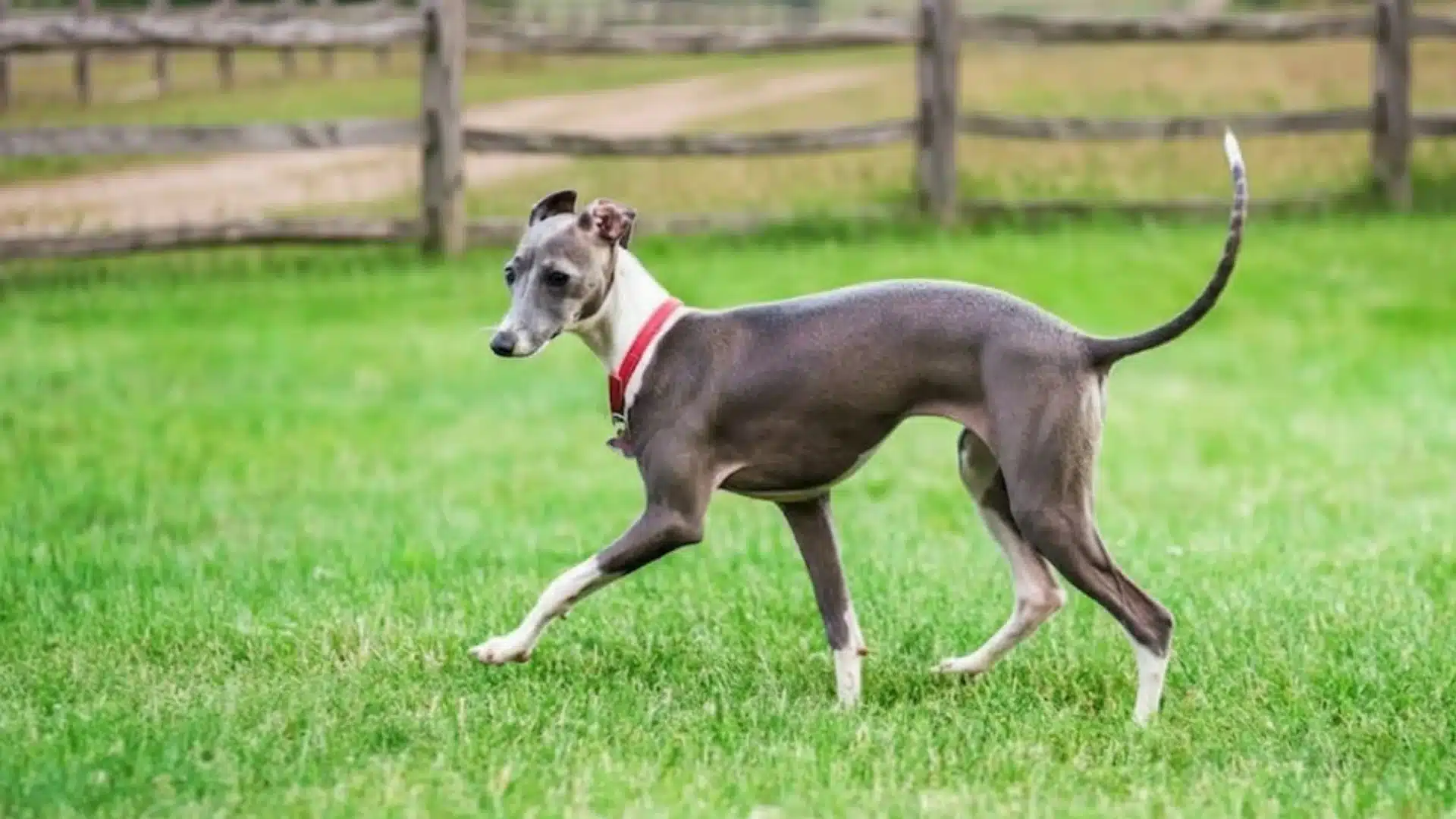
Height: 13 to 15 inches | Weight: 7 to 14 pounds
The Italian Greyhound originated in Italy and was historically favored by European nobility as a companion dog.
Italian Greyhounds respond well to patient training because of their strong attachment to owners. A distinctive feature is the slender body and long legs built for speed.
Lifespan generally ranges from 14 to 15 years, and the breed is known for affectionate behavior and quiet companionship.
- Training note: Italian Greyhounds are emotionally sensitive and do not respond well to correction-based training.
- Watch for: Italian Greyhounds are prone to broken legs due to their slender bone structure.
- Best for: Calm households without young children, owners who can provide daily outdoor activity.
9. Boston Terrier
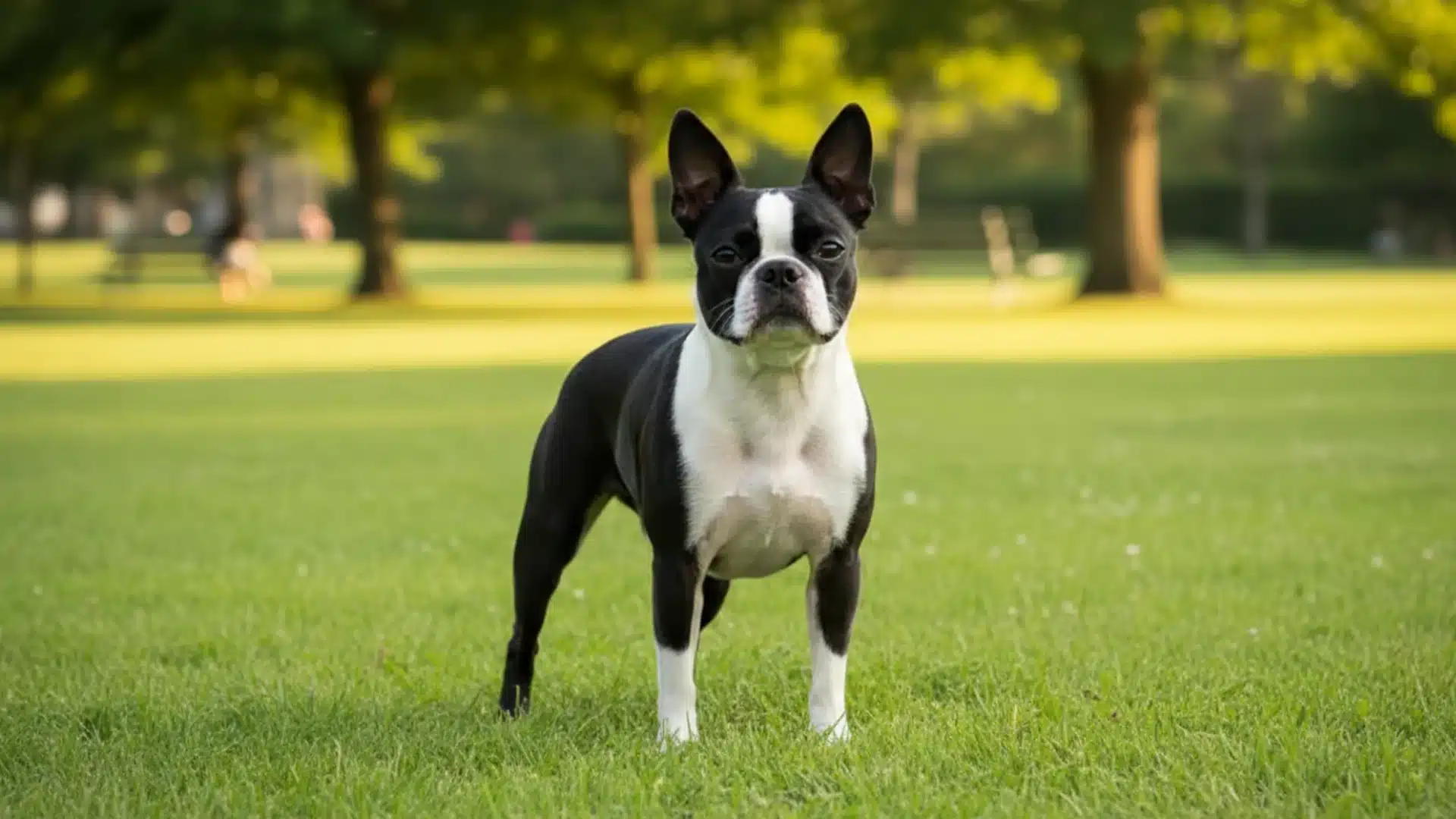
Height: 15 to 17 inches | Weight: 12 to 25 pounds
The Boston Terrier originated in the United States and is known for an intelligent and cooperative personality that responds well to structured training.
This breed tends to remain balanced in energy and adapts easily to apartment living.
A notable feature is the tuxedo-like black and white coat, which gives the breed a distinctive appearance. Boston Terriers are friendly, alert, and affectionate with families.
Lifespan typically ranges from 11 to 13 years, making them dependable companion dogs.
The American Kennel Club earned the Boston Terrier the nickname “The American Gentleman” for good reason; that is, their manners, once trained, are genuinely impressive for a small breed.
Best for: First-time owners, apartment residents, families with children of all ages.
10. Miniature Poodle
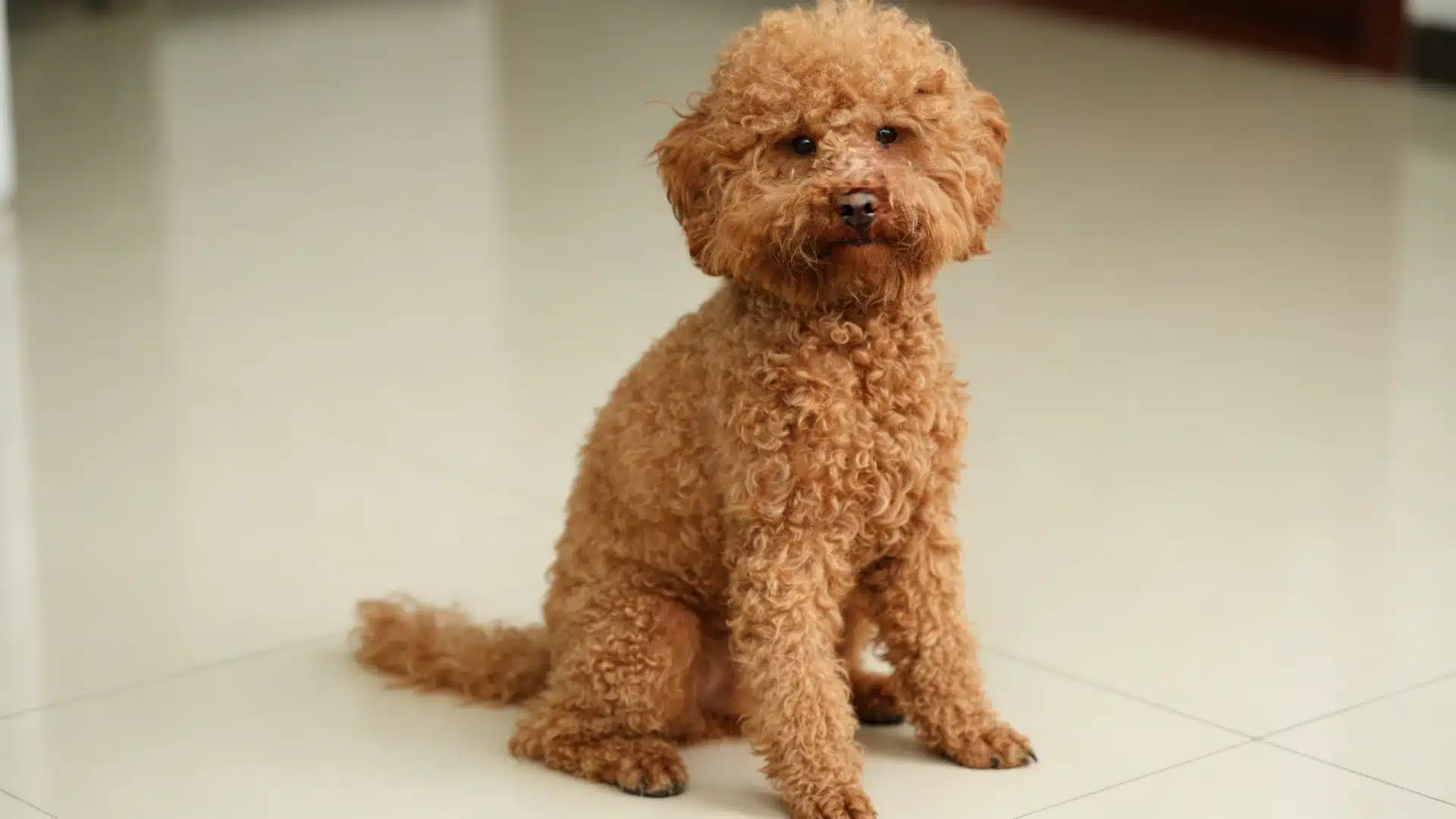
Height: 10 to 15 inches | Weight: 10 to 15 pounds
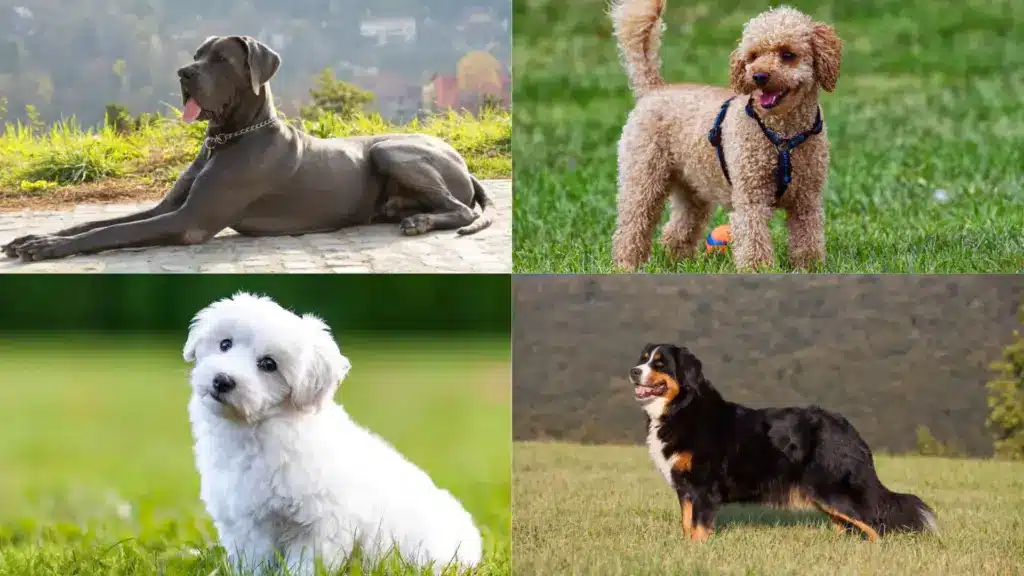
The Miniature Poodle originated in France and is widely recognized for exceptional intelligence and strong trainability.
A distinctive feature is the dense curly coat that sheds very little, making the breed popular among many households.
Lifespan generally ranges from 12 to 15 years, and the breed is valued for alertness and loyalty.
- Training note: They pick up commands in very few repetitions. Without consistent mental challenges, they can become anxious or develop repetitive behaviors.
- Best for: Allergy sensitive households, active owners, families, first time owners who want a highly responsive dog.
11. French Bulldog
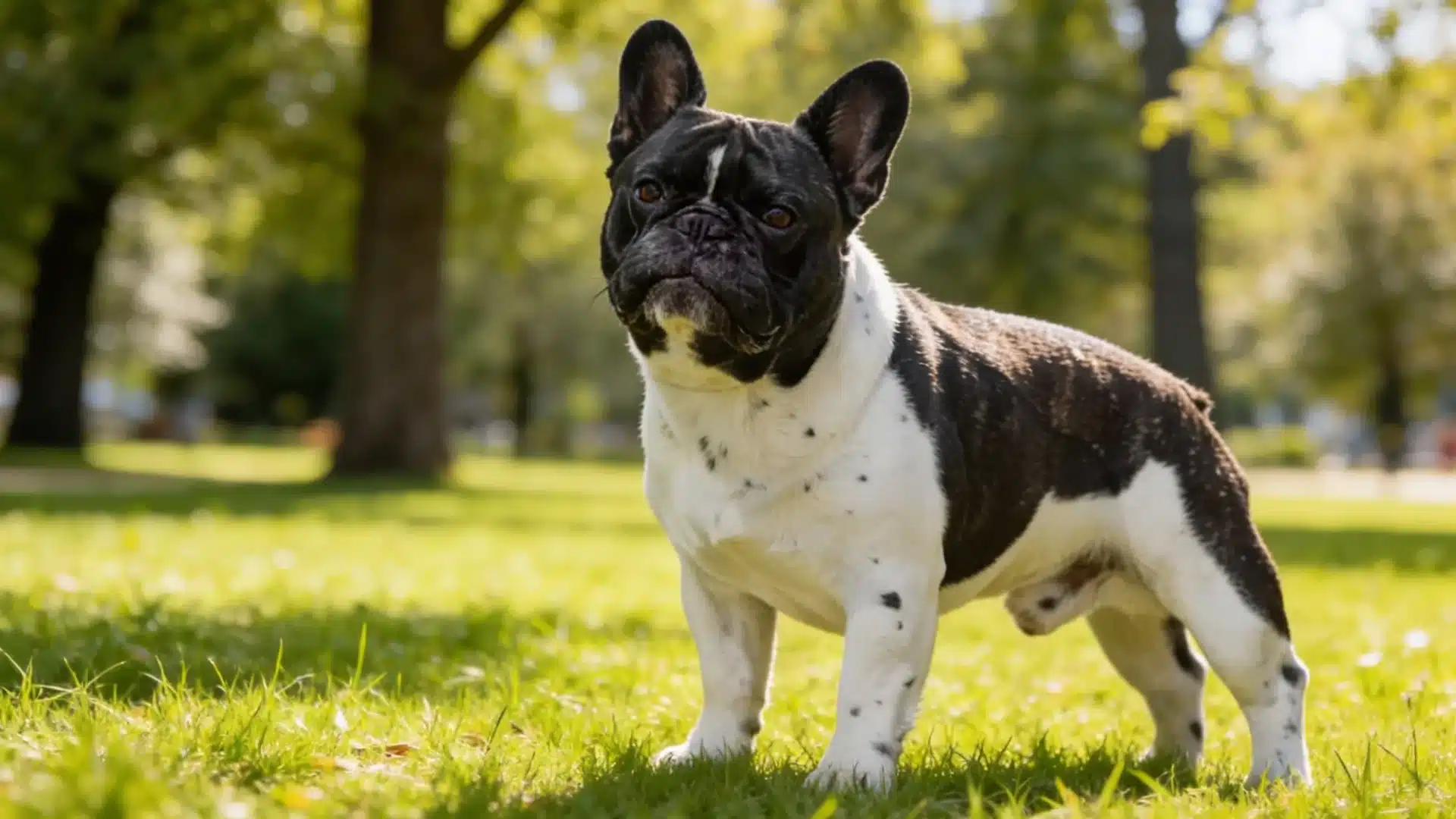
Height: 11 to 13 inches | Weight: under 28 pounds
The French Bulldog originated in France and is widely known for a calm, affectionate personality that adapts well to indoor living.
It has large bat-like ears and a compact muscular body, giving the breed a unique appearance.
French Bulldogsoften enjoy relaxed environments and close companionship. Lifespan typically ranges from 10 to 12 years, and the breed is valued for its easygoing temperament.
- Training note: Frenchies are agreeable but not especially driven to please. Food motivation makes training manageable, but sessions need to stay very short.
- Watch for: French Bulldogs have among the highest rates of brachycephalic syndrome and spinal issues of any small breed.
- Best for: Apartment dwellers, low activity households, owners who prioritize companionship over performance.
12. Coton de Tulear
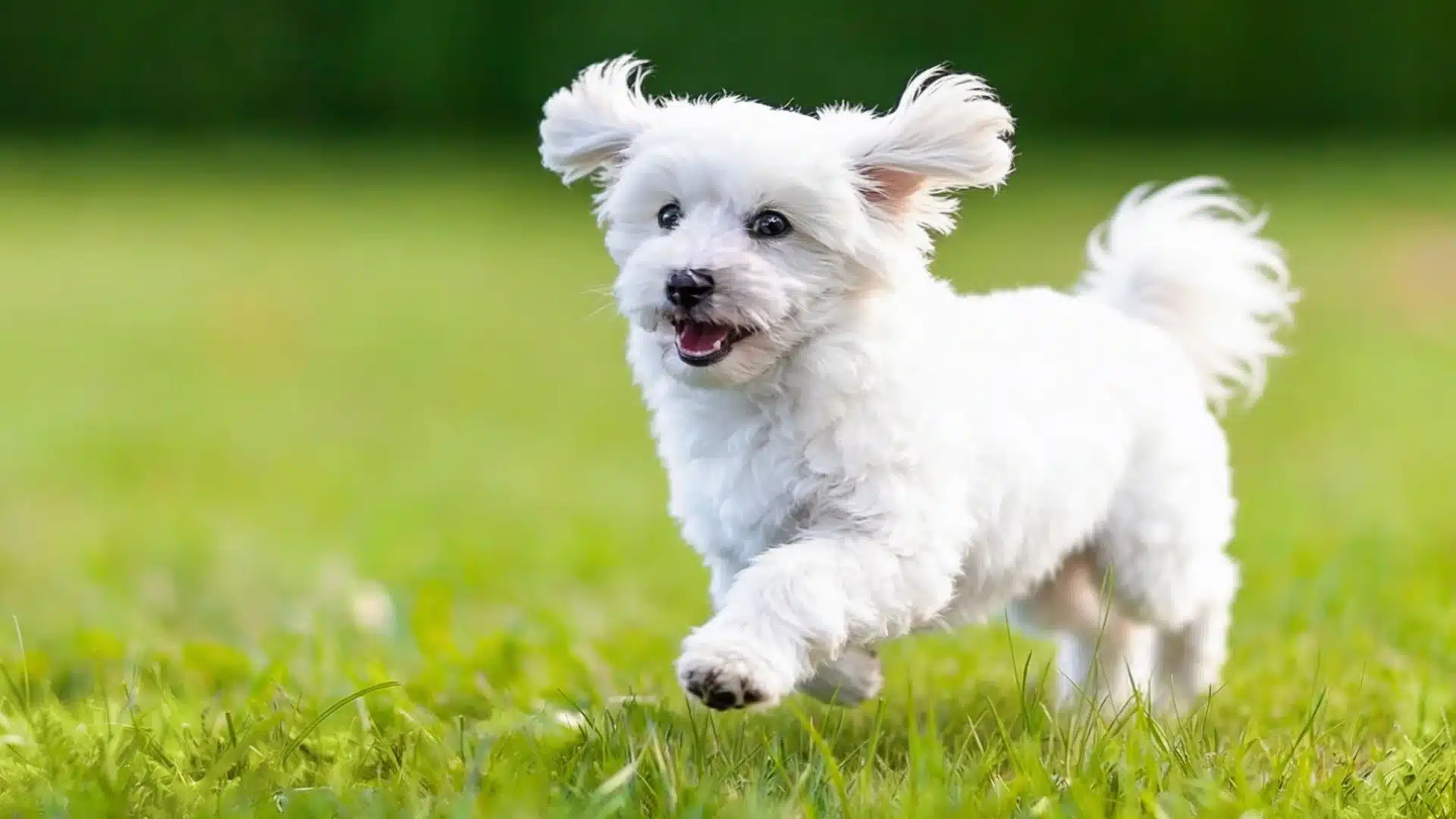
Height: 9 to 11 inches | Weight: 8 to 15 pounds
The Coton de Tulear originated in Madagascar and is known for a cheerful personality and strong eagerness to learn during training.
A distinctive feature is the soft cotton-like white coat, which gives the breed its name. It tends to remain calm indoors while enjoying interactive play.
Lifespan is generally 14 to 16 years, and the breed is valued for its affectionate nature and adaptability.
- Training note: Cotons are excellent therapy dog candidates. This breed responds well to consistent guidance and develops close companionship with family members.
- Best for: Multi-person households, allergy-sensitive families, therapy dog candidates.
Medium & Large Dog Breeds That are Calm and Trainable
Despite their bigger size, many of these breeds behave gently indoors and form strong bonds with families. Such traits make them suitable for households that want dependable behavior.
13. Labrador Retriever
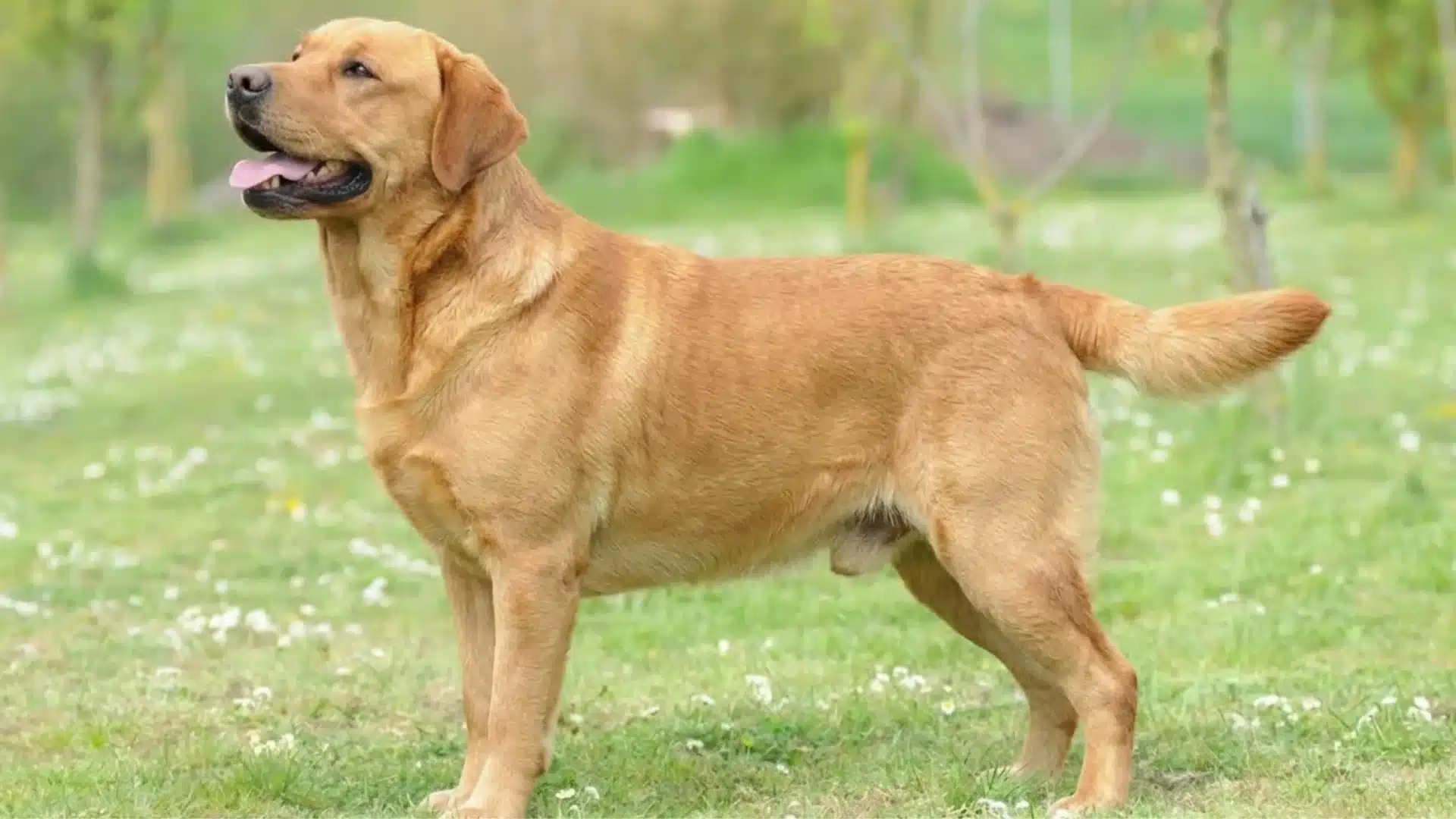
Height: 21.5 to 24.5 inches | Weight: 55 to 80 pounds
The Labrador Retriever originated in Canada and learns commands quickly and responds well to structured routines and reward-based training.
A distinctive feature is the water-resistant double coat and strong swimming ability.
Lifespan generally ranges from 10 to 12 years, and the breed is valued for loyalty and gentle behavior.
Best for: Guide and service dogs
14. Golden Retriever
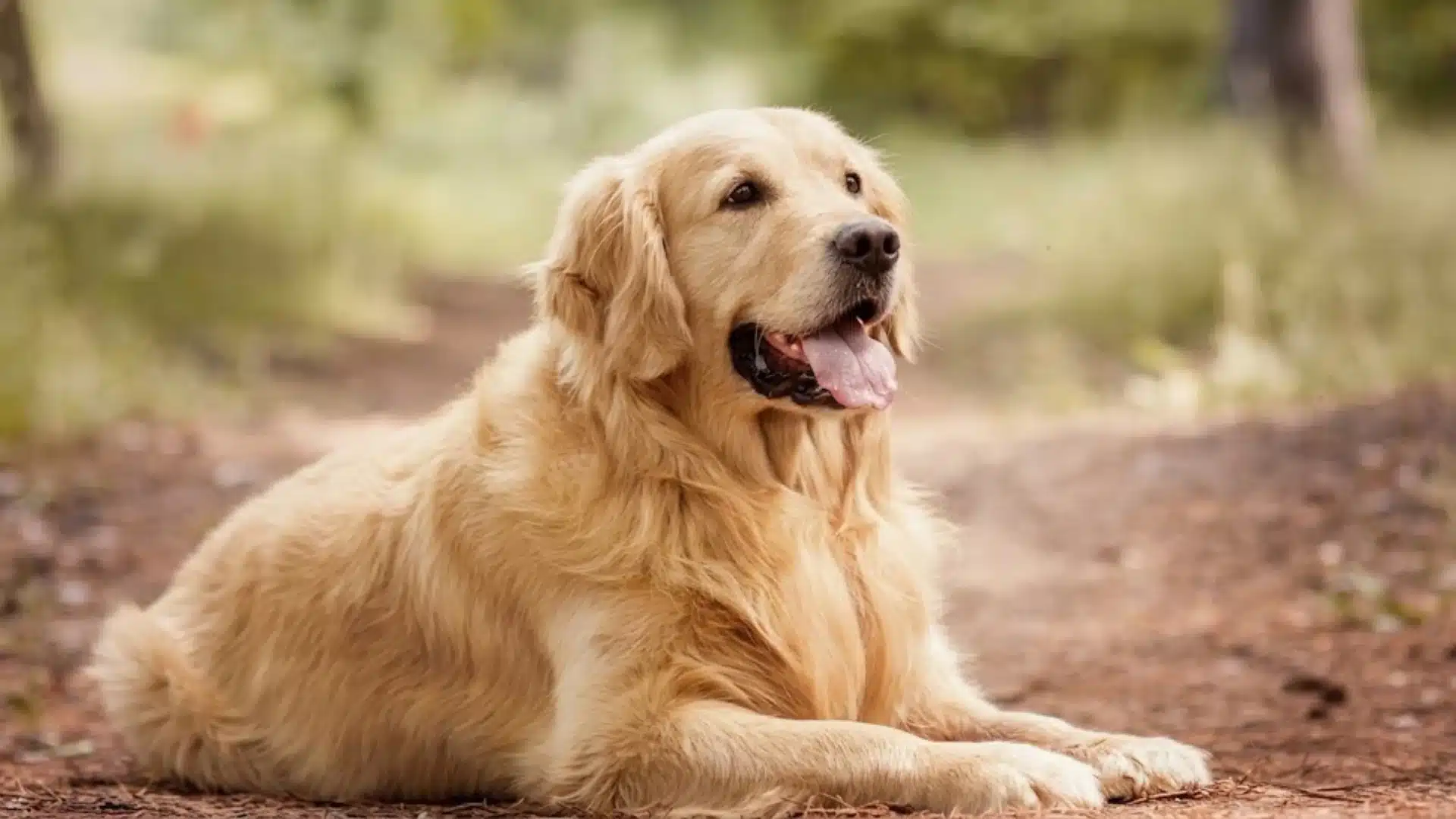
Height: 21.5 to 24 inches | Weight: 55 to 75 pounds
The Golden Retriever originated in Scotland and is widely admired for patience, intelligence, and calm behavior during training.
Lifespan typically ranges from 10 to 12 years, and the breed is known for its friendly temperament and dependable companionship.
In my experience interviewing trainers across the Northeast, Golden Retrievers come up more than any other breed when the question is “what would you recommend for a calm family dog that’s genuinely easy to work with.”
Their emotional patience during training allows them to rarely get frustrated or shut down, making them beginner-friendly at any age.
Best for: Therapy and Assistance dogs
15. Bernese Mountain Dog
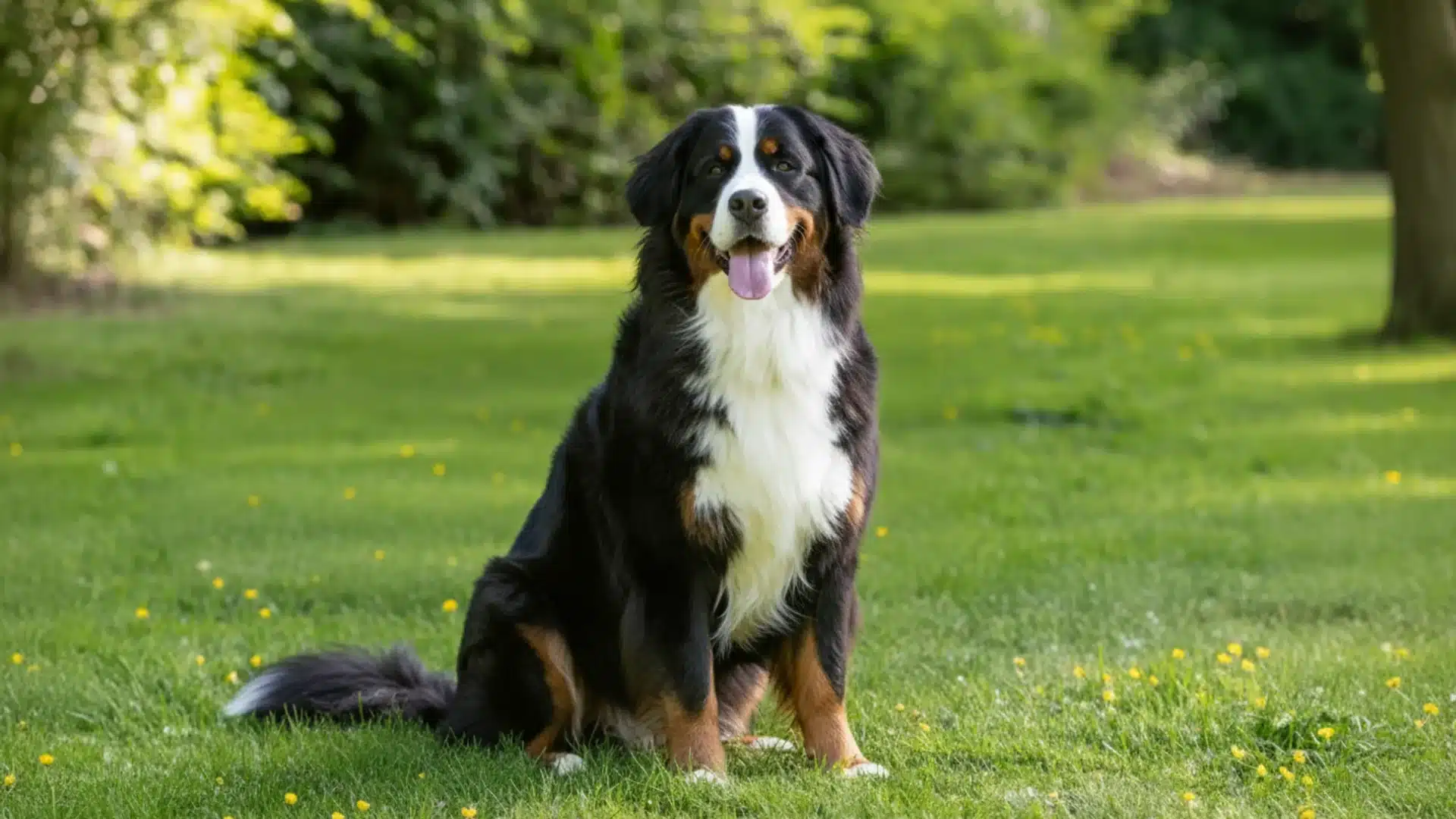
Height: 23 to 27.5 inches | Weight: 70 to 115 pounds
The Bernese Mountain Dog originated in Switzerland and was historically used as a farm working dog in mountain regions.
This breed is known for a calm, patient personality and willingness to follow training when guidance remains consistent.
A distinctive feature is the thick tricolor coat and large, sturdy build suited for cold climates.
Bernese Mountain Dogs form strong bonds with families and usually behave gently indoors. Lifespan generally ranges from 7 to 10 years.
- Watch for: The Bernese has a shorter lifespan than most dogs on this list and is prone to joint issues and certain cancers.
- Best for: Families with space, cooler climates, and owners prepared for grooming and long-term care needs.
16. Greyhound
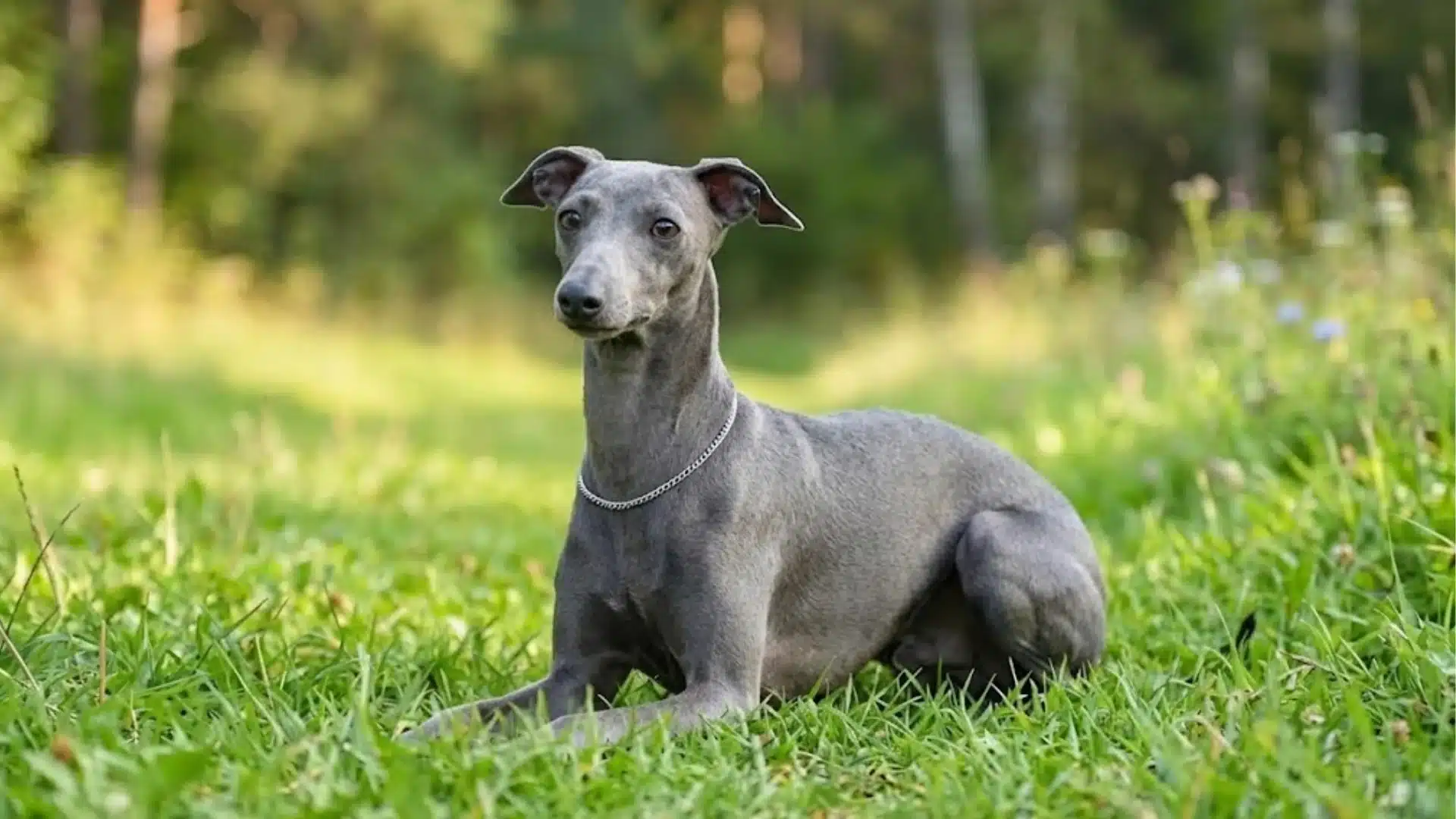
Height: 27 to 30 inches | Weight: 60 to 70 pounds
The Greyhound originated in Egypt and the Middle East and is known for a calm indoor temperament despite strong running ability.
This breed learns routines quickly and responds well to gentle training methods.
A distinctive feature is the aerodynamic body built for high speed, making Greyhounds famous racing dogs.
Lifespan typically ranges from 10 to 14 years, and the breed is valued for quiet behavior and affectionate companionship.
Best for: Apartment living, low activity households, owners who prefer a calm and quiet indoor dog.
17. Standard Poodle
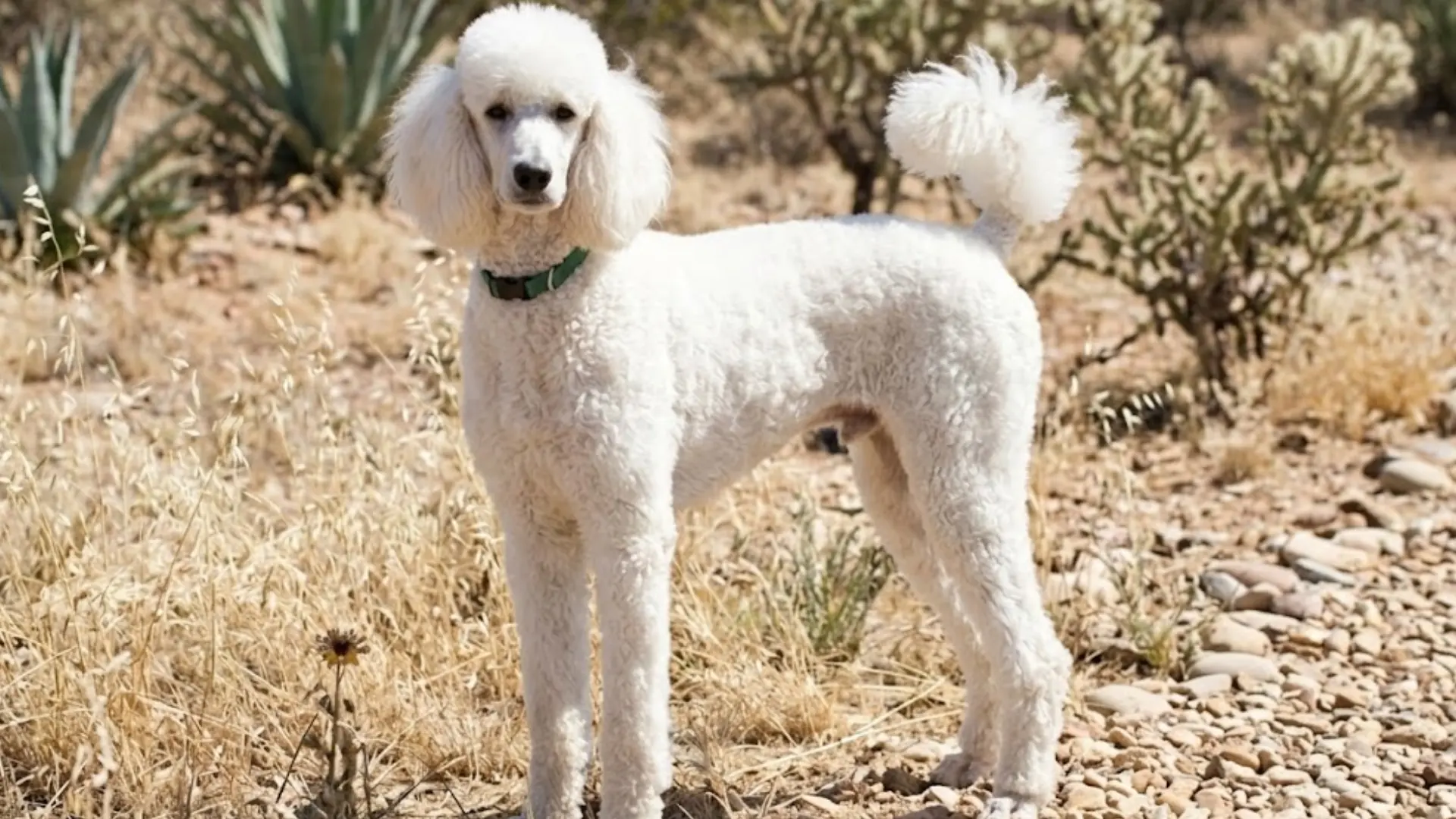
Height: Over 15 inches | Weight: 40 to 70 pounds
The Standard Poodle originated in France and Germany and is widely respected for exceptional intelligence and strong trainability.
This breed learns commands quickly and performs well in obedience and agility activities.
A distinctive feature is the dense curly coat that sheds minimally.
Lifespan generally ranges from 12 to 15 years, and the breed is known for alertness, adaptability, and strong learning ability.
The low-shedding coat also makes this one of the better large breed options for allergy-sensitive households.
Best for: Active owners, allergy-sensitive households, families wanting a highly trainable and intelligent dog.
18. Newfoundland
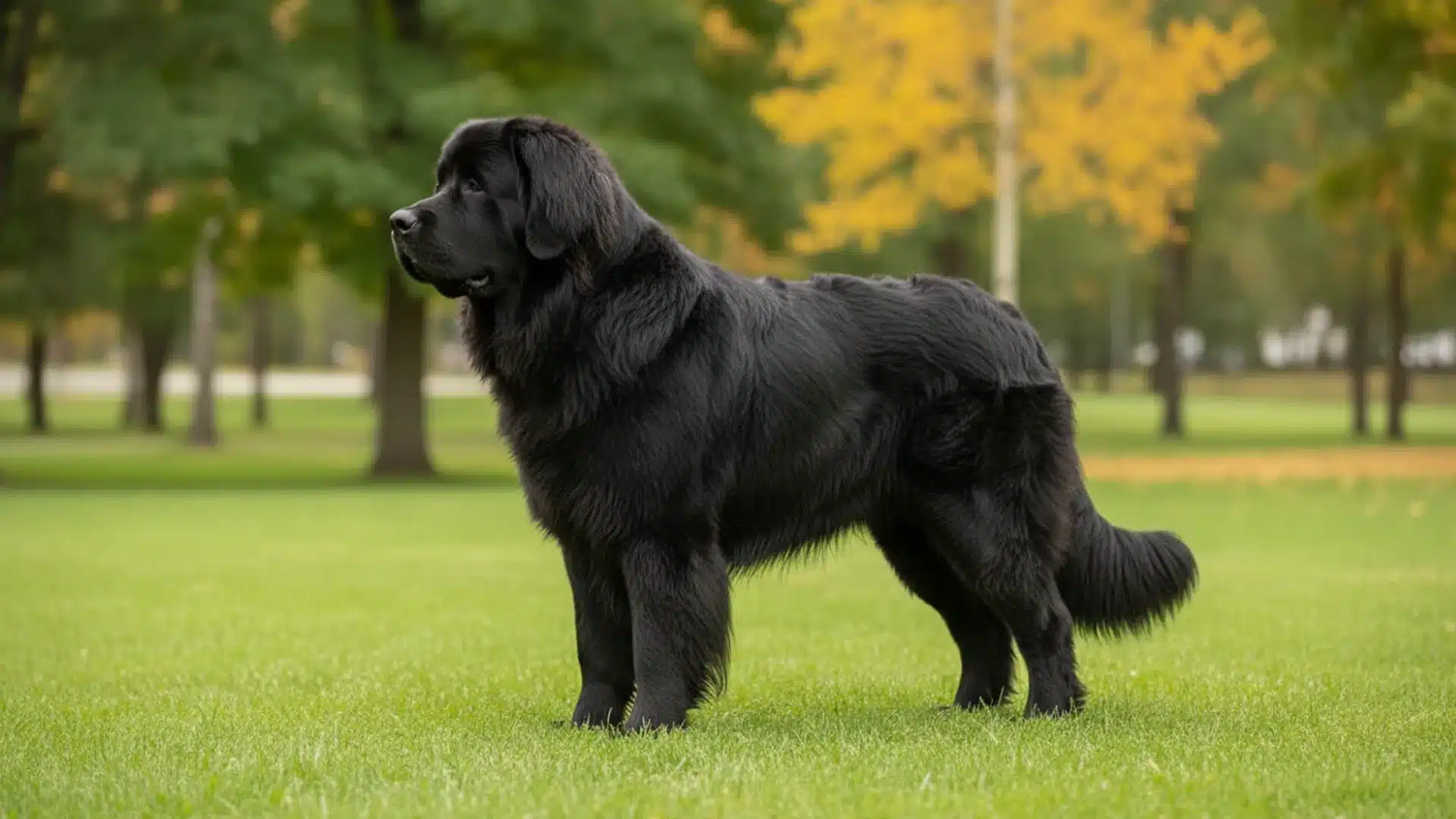
Height: 26 to 28 inches | Weight: 100 to 150 pounds
The Newfoundland originated in Canada and is known for a calm, patient temperament that supports steady training.
This breed responds well to consistent guidance and develops strong loyalty toward families.
A distinctive feature is the powerful swimming ability and thick, water-resistant coat.
Newfoundland dogs have performed heroic water rescues, widely reported by the American Kennel Club and historical records.
Lifespan is generally 9 to 10 years, and the breed is valued for its gentle nature and dependable behavior.
Best for: Families with children, spacious homes, and owners seeking a gentle and calm companion.
19. Great Dane
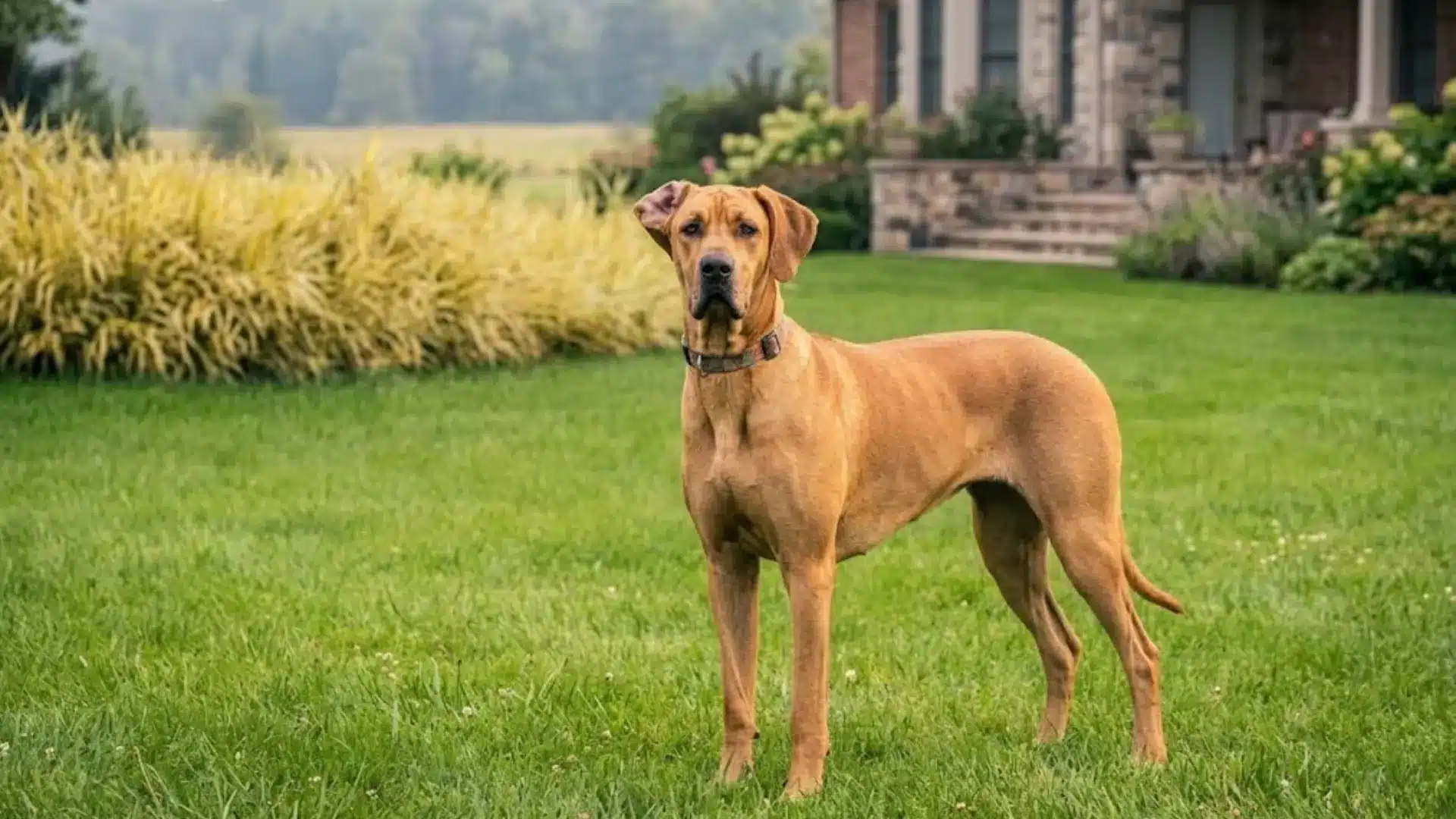
Height: 28 to 34 inches | Weight: 110 to 175 pounds
The Great Dane originated in Germany and is known for a calm temperament despite its large size.
The Great Dane named Zeus was recognized as the world’s tallest dog by Guinness World Records.
Lifespan typically ranges from 7 to 10 years, and the breed is valued for loyalty and gentle family companionship.
- Watch for: Early training and socialization are especially important with Great Danes because of their size. A poorly socialized 150-pound dog is a safety concern, even without aggressive intent.
- Best for: Spacious homes, experienced owners, families with older children.
How to Train Small Dog Breeds to Stay Calm and Well Behaved?
These principles apply to nearly every breed on this list, but the emphasis varies. Sensitive breeds like the Cavalier and Maltese need especially gentle correction.
Independent breeds like the Pekingese need extra patience at the start. Food-motivated breeds like the Pug and French Bulldog respond fastest to treat-based methods.
- Start Training Early: Begin obedience training during puppy stages to build good habits and encourage calm behavior from the beginning.
- Use Positive Reinforcement: Reward calm actions and correct responses with treats, praise, or toys to reinforce desired behavior consistently.
- Keep Training Sessions Short: Short training sessions help small dogs stay focused, making learning easier without causing boredom or frustration. For most small breeds, 5–10 minutes twice daily outperforms a single 30-minute session.
- Provide Mental Stimulation: Training games and interactive toys to keep dogs busy and mentally engaged.
- Maintain A Consistent Routine: Consistent feeding, walking, and training schedules help small dogs understand expectations and remain calm daily.
Conclusion
After a decade of working with rescue dogs, interviewing trainers, and writing about breeds, one thing stands out clearly: the best calm, trainable dog isn’t necessarily the most popular breed on a list it’s the breed that fits your actual daily life.
A Cavalier King Charles Spaniel thrives in a quiet apartment with a steady routine. A Papillon needs more mental engagement than most people expect from a toy breed.
A retired Greyhound may be the calmest large dog you’ll ever own.
Finding small dog breeds that are calm and easy to train can make daily life more enjoyable for both owners and pets.
Medium and large breeds also show excellent trainability while maintaining relaxed behavior indoors.
A calm and well-trained dog often builds a stronger bond with family members and adapts better to home routines.
Careful research before adoption helps ensure the best match for long-term companionship.
Have you experienced one of these breeds or another calm, trainable dog? Share thoughts, stories, or tips in the comments below to help other readers choose wisely.
Frequently Asked Questions
What is The 7-7-7 Rule For Dogs?
The 7-7-7 rule describes an adjustment timeline for newly adopted dogs: around 7 days to decompress, 7 weeks to understand routines, and about 7 months to feel fully comfortable.
What Annoys Dogs The Most?
Common irritations for dogs include loud noises, sudden movements, inconsistent training, rough handling, lack of routine, prolonged loneliness, strong smells, and unfamiliar environments.
Are Dogs Happier in Pairs Or Alone?
Many dogs enjoy companionship with another dog, while others thrive alone with sufficient interaction, exercise, and mental stimulation from owners.