Many people assume rabbits fall into the same group as rodents because of their size, teeth, and constant chewing habits.
The question: Are bunnies rodents? The short answer is no, which seems simple at first, but the answer is not as straightforward as it appears.
In my years of seeing rabbit patients in Minnesota, one of the most common things I notice is that new rabbit owners arrive having treated their pet like a small rodent, buying hamster food, skipping dental checks, and assuming minimal vet care is fine.
While rabbits may look similar to animals like mice or squirrels, their biology tells a different story.
There are key differences in classification, physical traits, and internal systems that set rabbits apart, and these are not always obvious, which is why confusion persists.
Understanding these distinctions helps separate common myths from real facts and gives a clearer picture of where rabbits actually belong in the animal world.
Are Bunnies Rodents or Mammals?
No, bunnies are not rodents, but they fall in the category of mammals.
While all rodents are mammals, not all mammals fall under the rodent category, and rabbits belong to a completely different group.
The confusion is understandable and, as I’ve seen in my own clinic, it has real consequences for how people care for their pets.
Scientifically, rabbits are classified under the order Lagomorpha, not Rodentia. One of the key biological differences lies in their tooth structure.
Rabbits also lack canine teeth and have a digestive system designed strictly for a herbivorous diet, relying on hindgut fermentation.
Other animals in the lagomorph group include hares and pikas.
These distinct anatomical and digestive traits are the main reasons rabbits are placed in a separate classification from rodents.
Understanding the Rodent Family
Rodents belong to a large group of mammals known as the order Rodentia, which is the largest order of mammals on Earth.
More than 40 percent of all known mammal species are rodents, with over 2,000 individual species identified so far. This group ranges from tiny mice to large animals like capybaras
The most defining feature of rodents is their teeth, especially their incisors.
Because of this, rodents constantly gnaw on things like wood, food, or other materials to keep their teeth from becoming too long.
A distinctive visual detail: rodent incisors appear orange or yellow, not white. This coloration comes from iron salts deposited in the outer enamel layer, a trait rabbits do not share.
This continuous growth and need to chew is what sets them apart from many other animals.
Some of the most common examples of rodents include rats, mice, squirrels, and beavers, each sharing these core dental traits even though their size and habitats may differ.
Why are Rabbits Not Rodents? The Science Behind the Classification
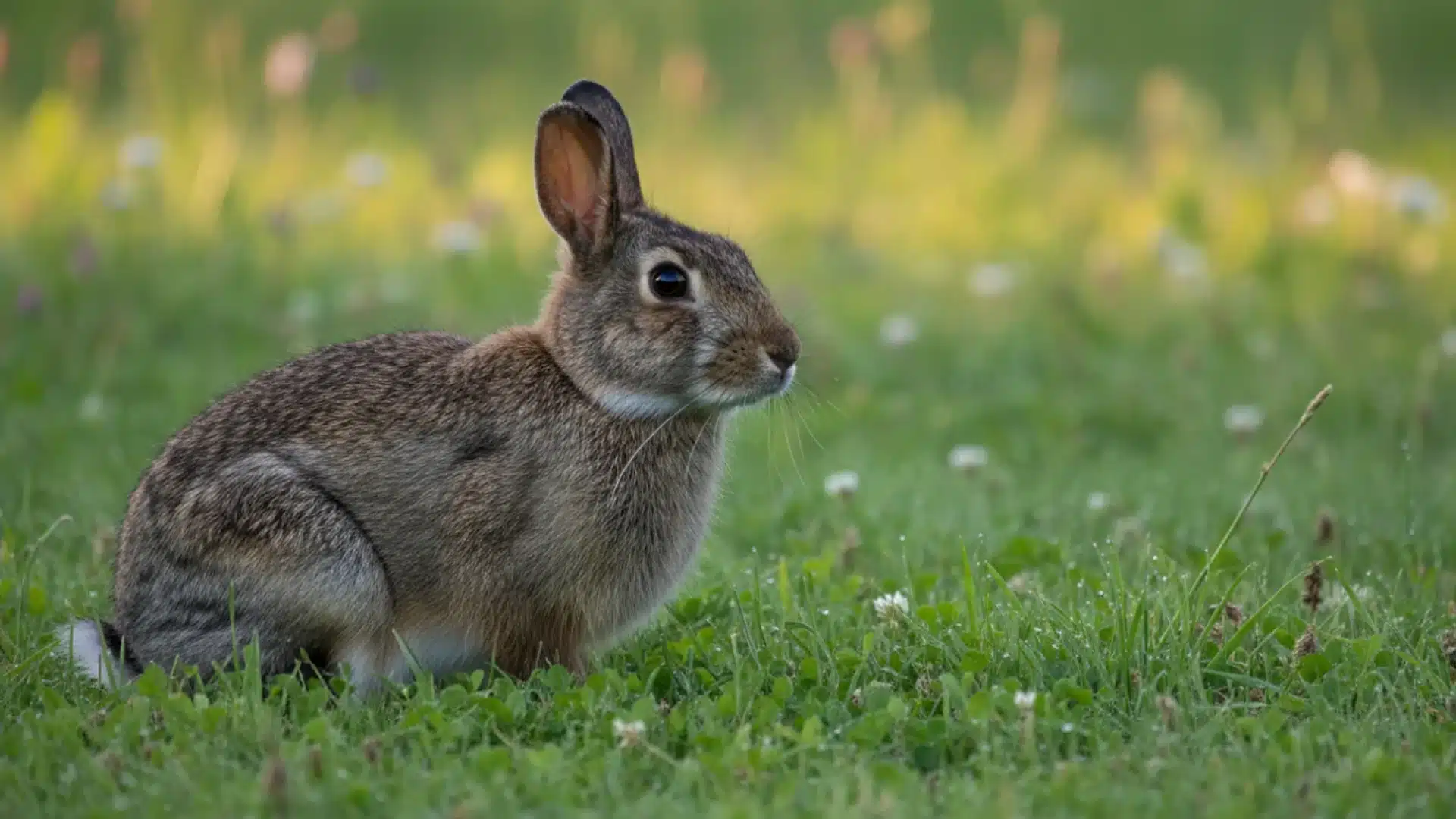
Rabbits are classified under the order Lagomorpha, a separate branch of mammals that includes rabbits, hares, and pikas.
The name comes from the Ancient Greek word lagos, meaning “hare.” There are roughly 87 known lagomorph species. A much smaller group than the 2,000-plus species that make up Rodentia.
The similarity in teeth and chewing behavior between rabbits and rodents is a case of convergent evolution, where two unrelated animals independently develop similar traits because they face similar survival pressures.
It does not indicate shared classification. Rabbits are no more closely related to rats than cats are to dogs.
Today, both groups are placed under the larger clade Glires, which explains why they share traits like continuously growing front teeth and small body size.
But sharing a clade is not the same as sharing an order, and the differences at the order level are the ones that matter for how you care for a rabbit.
Key Differences Between Rabbits and Rodents
Breaking these differences into simple parts makes it easier to see why rabbits are not classified as rodents, even though they share a few surface-level traits.
1. Teeth Structure
Rabbits have 2 pairs of upper incisors, including a smaller second set called peg teeth, located behind the front teeth. Rodents, on the other hand, have only 1 pair of upper incisors.
There is also a structural difference in the enamel. Rabbit incisors are covered in enamel on both the front and back surfaces.
Rodent incisors have enamel only on the front, with softer dentine on the back, which is partly why rodent teeth wear into sharp chisels.
Rabbit teeth wear more evenly, which suits their grinding, plant-heavy diet. The extra peg teeth in rabbits are also a clinical concern worth knowing about.
In my practice, I occasionally see rabbits brought in for unexplained drooling or difficulty eating, and misaligned peg teeth are a frequent culprit. Because these teeth sit tucked behind the main incisors, owners rarely notice a problem until eating behavior changes.
This is one of the reasons I recommend dental exams at every annual wellness visit for rabbits, not just when a problem is obvious.
2. Diet and Digestion
Rabbits are strict herbivores, which means they eat only plant-based foods like grass, hay, and leafy greens.
Their digestive system is highly specialized and uses a process called hindgut fermentation to break down tough plant fibers. This allows them to extract more nutrients from their food.
Rodents, however, are more flexible in their diet. Many rodents are omnivores and can eat both plant and animal-based foods depending on availability.
For bunny owners, knowing which treats are safe for their diet is just as important as understanding these broader biological differences.
3. Physical Features
Rabbits usually have long ears, strong hind legs, and a body built for jumping and quick movement. These features help them escape predators in open environments.
Rodents, on the other hand, come in many shapes and sizes. Some are small climbers like squirrels, while others are burrowers like rats.
Overall body design in rodents is more diverse, while rabbits follow a more consistent structure suited for speed and survival.
Another subtle physical difference: rabbits cannot grasp with their front paws the way mice, hamsters, or gerbils can.
Unlike most rodents, rabbits have no visible paw pads; their feet are covered in thick fur, which cushions them during fast movement on hard surfaces.
4. Behavior and Lifestyle
Rabbits are social animals that often live in groups and create complex burrow systems called warrens. These underground spaces provide safety and help raise their young.
Their lifestyle depends on awareness and quick escape. Rodents show a wider range of behaviors. Some live alone, while others form small groups.
Nesting habits also differ, with many rodents building simple nests instead of large burrows.
From a veterinary perspective, rabbits’ social nature means solitary housing can cause stress-related health issues.
A rabbit kept alone with limited enrichment may develop fur-pulling, overeating, or lethargy.
Real User Insights: Why Do People Think Rabbits Are Rodents?
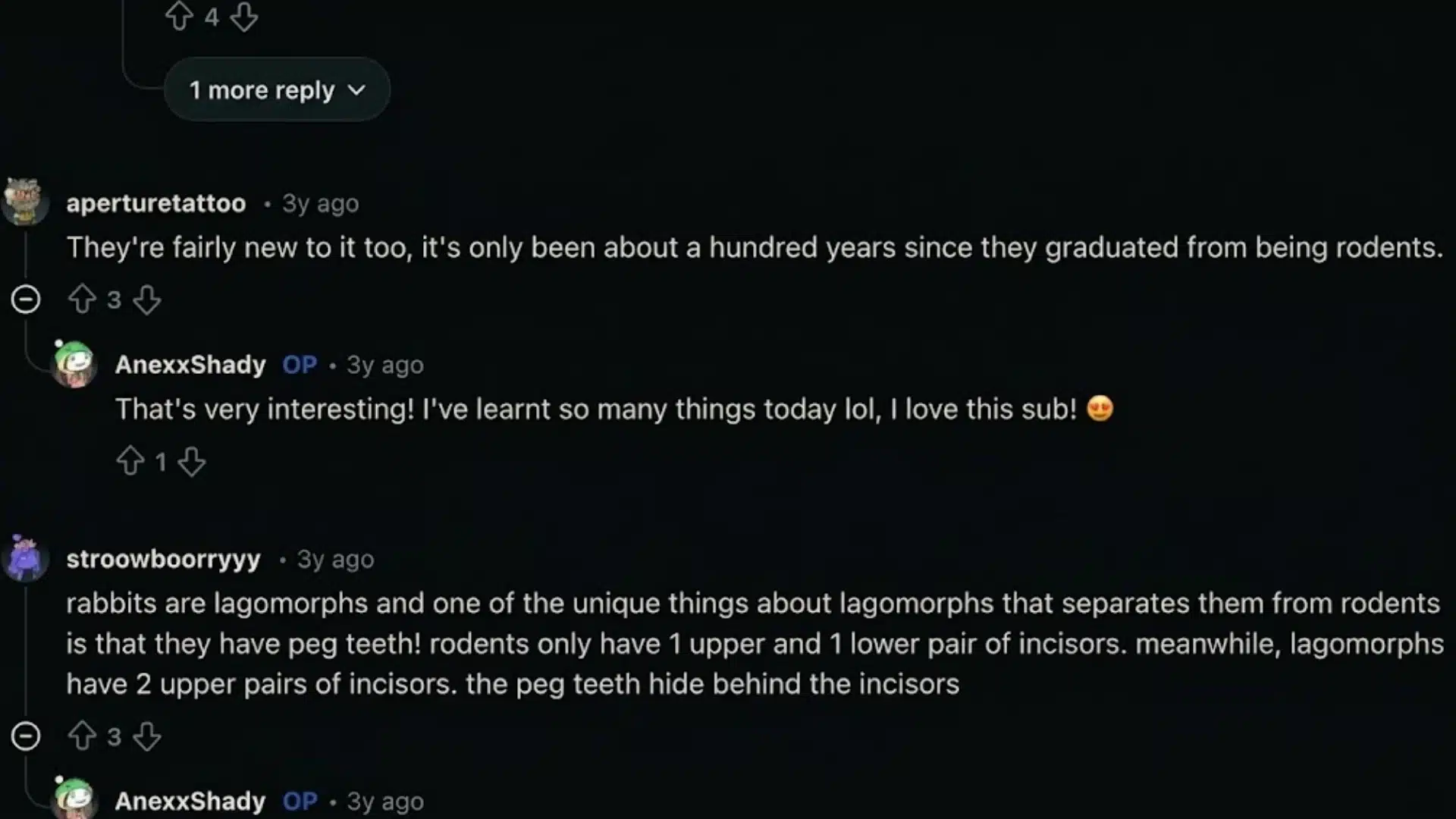
Reddit discussions show how surprising and fascinating rabbits can be for new owners.
Many users admit they initially thought rabbits were rodents, only to learn they belong to a completely different group called lagomorphs.
This small detail often sparks curiosity and leads to deeper learning about rabbit behavior and biology.
One detail that caught attention is their lack of paw pads. Instead of “toe beans” like cats or dogs, rabbits have soft, fur-covered feet, which many users found both shocking and adorable.
Beyond anatomy, owners describe rabbits as playful, sassy, and slightly chaotic pets with strong personalities.
Several comments also highlight how intelligent and mischievous rabbits can be, often chewing on unexpected things like wires or furniture.
Overall, Reddit users agree that rabbits are not only cute but full of quirks, making them engaging companions for those willing to understand their unique traits.
Fun Facts About Rabbit Biology That Set Them Apart
Rabbits have a set of biological traits that make them very different from most small mammals.
Based on facts shared by Rabbit.org, rabbits are lagomorphs, not rodents, and their bodies are designed for survival, fast reproduction, and efficient digestion.
- Cecotrophy for Nutrient Absorption: Rabbits produce soft droppings called cecotropes, which they re-ingest to absorb essential vitamins like B and K.
- Crepuscular Activity Pattern: Rabbits are most active during early morning and evening, which helps reduce exposure to predators.
- Wide Field of Vision: Rabbits have eyes placed on the sides of their head, giving them nearly 360-degree vision to detect threats quickly.
- Powerful Hind Legs: Strong back legs allow rabbits to run at speeds up to 35 miles per hour and make quick escape jumps.
- Fast Reproductive Cycle: Rabbits have a short gestation period of about 28 to 31 days and can become pregnant again shortly after giving birth.
- Large Litter Size: A single litter can range from 1 to 14 offspring, supporting rapid population growth in the wild.
- Burrowing Behavior: Wild rabbits dig complex underground tunnel systems called warrens, which provide shelter and protection.
- Obligate Nasal Breathers: Rabbits breathe exclusively through their nose. Because the epiglottis sits over the soft palate except when swallowing, mouth breathing is not possible under normal conditions. This makes any nasal discharge or respiratory issue in a rabbit a more urgent concern than it might appear.
Conclusion
Rabbits are not rodents. They are lagomorphs, a biologically distinct group with a separate evolutionary history, different dental anatomy, a specialized digestive system, and care needs that differ meaningfully from those of hamsters, gerbils, or guinea pigs.
For pet owners, this means providing the right food, proper dental care, and an environment suited to a rabbit’s natural needs.
Rabbits are not low-maintenance rodent alternatives. They are cognitively complex, biologically distinct animals that thrive under informed, consistent care.
Getting the classification right is not just a biology lesson. It directly shapes the quality of care a rabbit receives. The more accurately you understand what your rabbit is, the better equipped you are to give it a healthy, enriched life.
What did you find most surprising about rabbit biology? Drop a comment below and share your thoughts or opinions.
Frequently Asked Questions
Are Hares Rodents?
No, hares are not rodents. Hares belong to the order Lagomorpha, the same group as rabbits. Key differences in teeth structure and skull anatomy separate lagomorphs from rodents.
How Long Do Rabbits Live Compared to Rodents?
Domestic rabbits typically live between 8 and 12 years with proper care, and significantly longer than most common pet rodents, while rodents usually live 1-3 years.
What is The 3-3-3 Rule For Bunnies?
The 3-3-3 rule refers to adjustment stages for rabbits: 3 days to settle, 3 weeks to feel safe, and 3 months to fully adapt to a new environment.
Are Squirrels Rodents?
Yes, squirrels are rodents and belong to the order Rodentia. Like other rodents, squirrels have a single pair of continuously growing incisors used for gnawing and feeding.