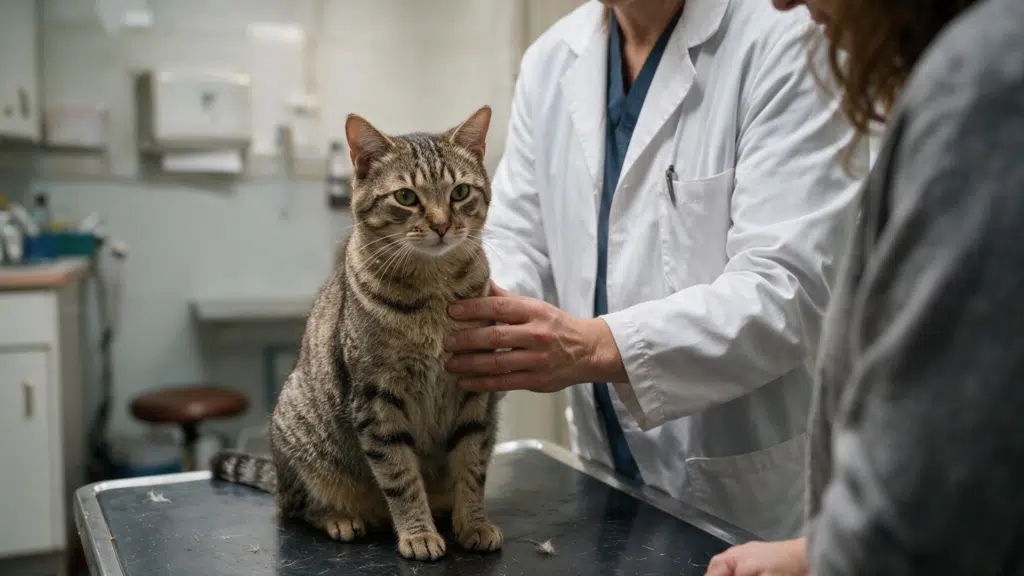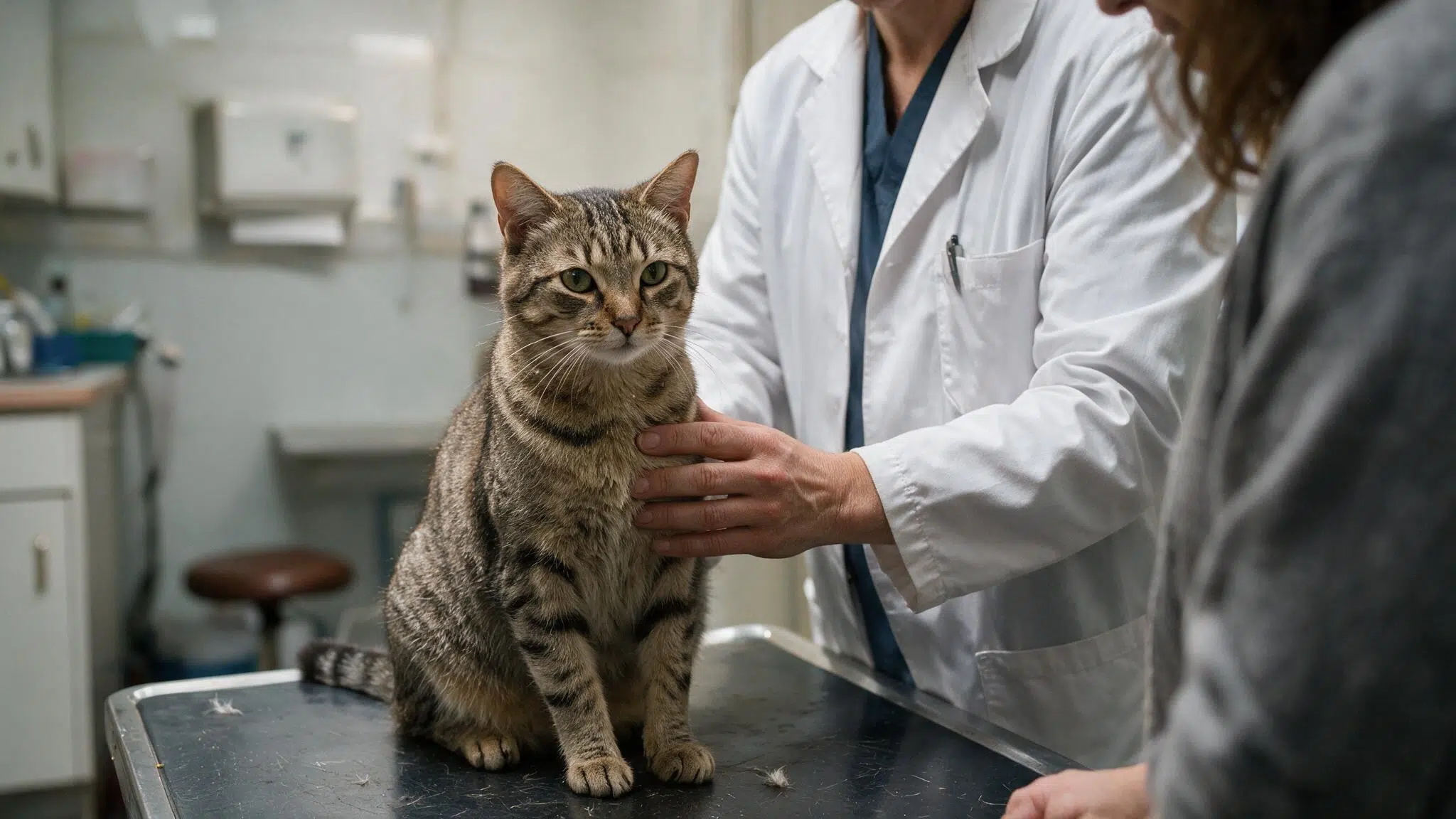
Noticing your cat’s belly getting bigger or her behavior changing can make you stop and think what is going on.
Many cat owners feel a mix of excitement and concern when pregnancy comes to mind.
One of the first questions people ask is how long it takes a cat to have kittens, especially when they want to prepare properly.
Cat pregnancy is a slow process, and many of the early signs are easy to overlook if you do not know what to watch for. Each stage brings different physical and behavioral changes.
In this blog, you will learn the full pregnant cat timeline, the different stages of feline pregnancy, and what to expect as your cat gets closer to giving birth.
How Long Does It Take a Cat to Have Kittens?
| Pregnancy Stage | Timeline | What Happens | Signs You May Notice |
|---|---|---|---|
| Early Pregnancy | Weeks 1–3 | Fertilized eggs implant in the uterus and begin developing. | Usually no visible changes; pregnancy often goes unnoticed. |
| Mid Pregnancy | Weeks 4–6 | Kittens grow rapidly, and physical changes begin. | Belly starts rounding, nipples enlarge and turn pink (“pinking up”). |
| Late Pregnancy | Weeks 7–9 | Kittens develop fully and prepare for birth. | Larger belly, kitten movement visible, nesting behavior begins. |
| Early Labor | 12–24 hours before birth | The body prepares for delivery, and contractions begin slowly. | Restlessness, grooming, pacing, searching for nesting area. |
| Active Labor | During birth | Strong contractions push kittens out one at a time. | Straining, visible contractions, kittens delivered. |
| Placenta Delivery | After each kitten | The placenta follows each kitten, and the mother cleans them. | Mother licking kittens, possible placenta consumption. |
A typical cat pregnancy lasts about 63 to 65 days from conception. That said, a normal range can fall anywhere between 61 and 69 days.
Pregnancies that go beyond this window should always be checked by a vet, as delays can signal complications.
The exact timing can vary based on several factors, including the cat’s breed, the number of kittens she is carrying, and her individual health.
Compared to humans, this timeline is much shorter and is fairly similar to a dog’s pregnancy.
If you know the exact mating date, you can usually estimate when the kittens will arrive by counting about nine weeks ahead, giving you a clear window to prepare.
Stages of Cat Pregnancy Week by Week
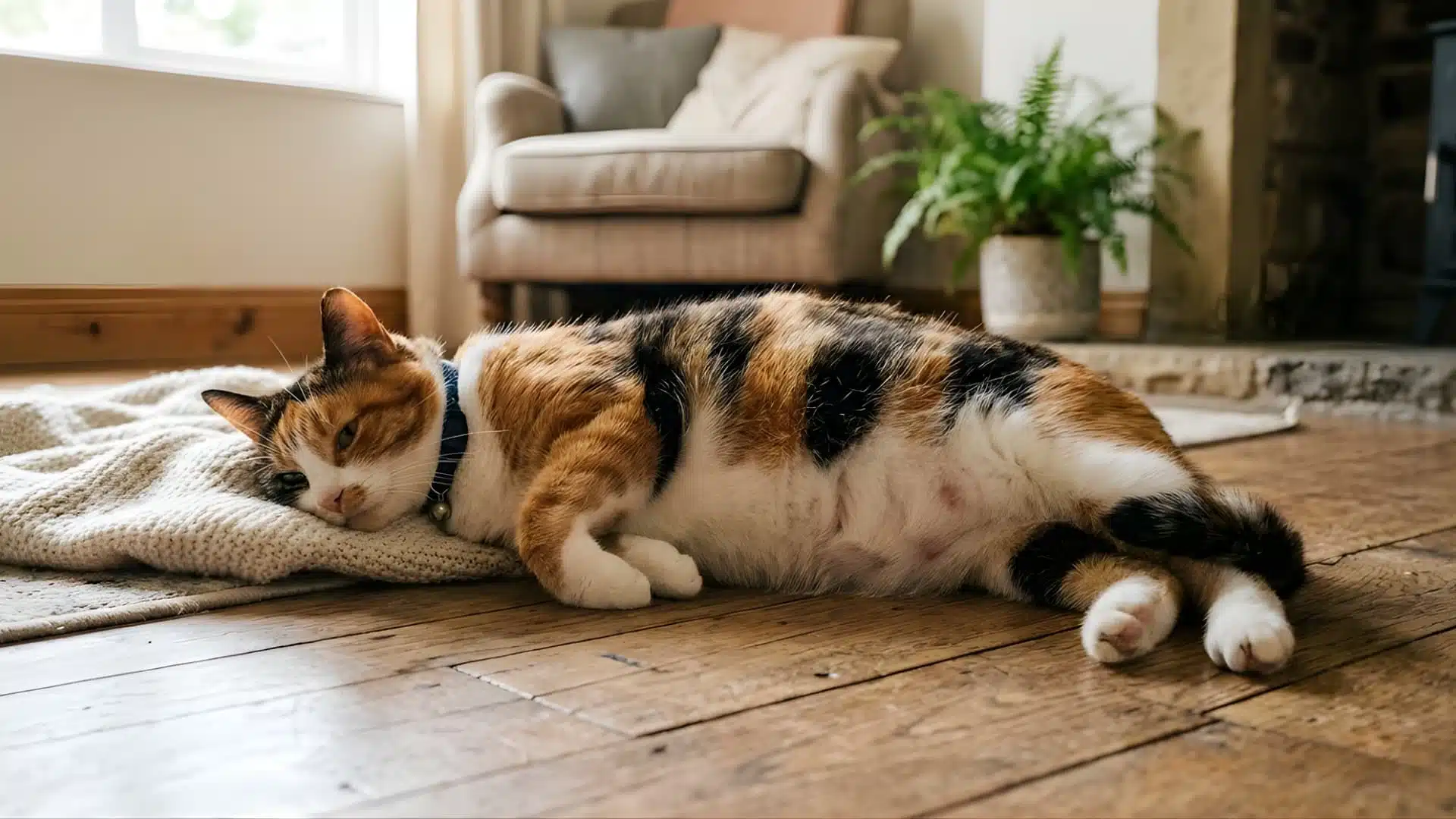
Understanding how a cat’s pregnancy progresses makes it much easier to know what is normal and what deserves attention.
1. Weeks 1 to 3
During the first stage, fertilization and implantation occur quietly within your cat’s body. After mating, the fertilized eggs travel to the uterus and attach themselves to the uterine wall.
This process happens without any obvious outward signs, which is why early pregnancy often goes unnoticed.
At this point, there is no visible change in the belly. Your cat will look almost exactly the same as before.
2. Weeks 4 to 6
This is when pregnancy becomes much more noticeable. Around the middle of this stage, your cat’s belly begins to round out.
The change can appear gradual at first, then suddenly become obvious over a short period.
One of the clearest signs during this phase is the nipples becoming larger and pinker, often called pinking up. By this stage, a vet can usually confirm pregnancy through ultrasound.
This is a good time to start adjusting her diet if advised by a vet, and to keep her environment stable and stress-free.
3. Weeks 7 to 9
The final stage is the most obvious and the most demanding for your cat. Her belly becomes significantly larger, and movement beneath the skin may be visible as the kittens grow stronger.
Nesting behavior often begins here. Your cat may search for quiet, warm places and rearrange bedding or clothing.
Appetite may peak and then decrease as birth approaches, since the enlarged uterus leaves less room for food.
Within the final 12 to 24 hours before birth, many cats become restless, vocal, or unusually affectionate.
Signs Your Cat is About to Give Birth
Watching these changes closely helps you understand what is normal and when veterinary help may be needed.
- Increased restlessness: Your cat may pace, repeatedly change sleeping spots, or intensify nesting behavior by scratching and rearranging bedding.
- Loss of appetite: Eating less or refusing food entirely is common as the body prepares for delivery.
- Changes in vocalization: Some cats become more vocal and needy, while others grow unusually quiet.
- Seeking seclusion or attention: Your cat may hide in quiet spaces or stay very close to you, depending on her personality.
- Visible contractions: Abdominal tightening, crouching, straining, or frequent licking of the genital area indicate labor has begun.
What to Expect During theBirth Process?
When labor begins, many cat owners feel nervous about what will happen next. Feline labor happens in stages, and while timelines can vary, the general pattern stays similar.
Stage 1: Early labor
This is the longest stage and often the easiest to miss. Early labor can last anywhere from 12 to 24 hours.
During this time, your cat may seem restless, pace frequently, or repeatedly settle into her nesting area before leaving again.
She may groom herself often, especially around the belly and rear, and appear unsettled.
Stage 2: Active Delivery
This is the stage most people associate with birth. Stronger, visible contractions begin, and your cat will actively push.
Kittens are usually delivered one at a time. They often arrive headfirst, but feetfirst is also normal.
Active delivery is when you should observe closely but avoid stepping in unless there is a clear problem.
Stage 3: Delivering Placentas
After each kitten is born, the placenta follows shortly after. Mother cats instinctively clean their kittens and may eat the placentas.
This stage may overlap with stage 2, because placentas are often delivered between kittens rather than all at once.
While this behavior can seem unsettling, it is completely normal and helps stimulate milk production and bonding.
When to Contact a Vet During Cat Pregnancy or Labor?
Most cats give birth without complications, but knowing when something is wrong can protect both the mother and her kittens and prevent serious outcomes.
- Pregnancy Over 70 Days: Call the vet if pregnancy lasts longer than 70 days, as going beyond this window increases the risk of complications
- Contractions Over 30 Minutes: Seek help if strong, continuous contractions last more than 30 minutes without producing a kitten
- Kittens With Discomfort: Watch for long pauses between kittens, especially breaks of more than 2 to 4 hours, when your cat appears strained or uncomfortable
- Heavy Bleeding or Bad Smell: Treat excessive bleeding as urgent, since light discharge can be normal, but heavy bleeding or a foul smell is not
- Severe Distress: Monitor your cat for signs of distress, such as extreme lethargy, labored breathing, trembling, crying in pain, or collapsing
How to Care for a Pregnant Cat?
Providing the right care during pregnancy helps keep your cat healthy, especially as her needs change in later stages.
- Proper Nutrition: Maintain proper nutrition throughout pregnancy, as small diet adjustments can make a big difference to her health and energy levels
- Switch to High Quality Food: Switch to high-quality kitten food during the final weeks, as it is higher in calories, protein, and essential nutrients needed by both mother and kittens
- Changes in Appetite and Hydration: Expect her food intake to increase during mid-pregnancy, with a possible drop shortly before birth, and ensure fresh water is always available
- Regular Checkups: Schedule regular vet checkups to confirm pregnancy, estimate litter size, and check for any health concerns
- Quiet Nesting Area: Create a quiet, low-traffic nesting area several weeks before her due time using a box with soft, clean bedding.
Conclusion
A cat’s pregnancy may feel overwhelming at first, but understanding the timeline makes the process much easier to manage.
In most cases, a cat carries kittens for about nine weeks, during which her body goes through steady and noticeable changes.
Knowing what is normal during each stage helps cat owners stay calm and prepared as the due date approaches.
Paying attention to behavioral and physical signs also makes it easier to recognize when veterinary guidance may be needed.
Feline pregnancy is a relatively short but remarkable process. With proper care, a quiet nesting space, and regular vet checkups, most cats deliver their kittens safely.
If there are questions, experiences, or helpful tips about caring for a pregnant cat, feel free to share them in the comments and join the conversation.