

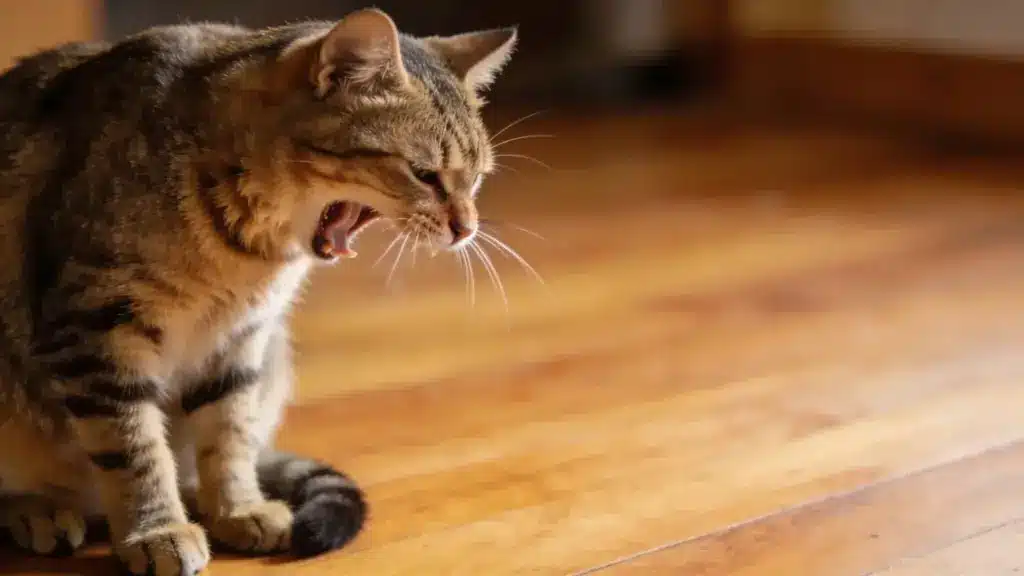
That sudden gagging sound from across the room can stop any cat owner in their tracks. One moment, everything seems fine, and the next, a cat is hunched over, heaving, with nothing coming up.
Cat dry heaving often looks dramatic and unsettling, especially when it happens repeatedly. Many owners struggle to tell whether this behavior is linked to a simple hair issue or a deeper issue.
That uncertainty can lead to worry, second-guessing, and late-night searches for clear answers. Knowing what dry heaving actually looks like, why it happens, and which signs matter most can make a real difference.
This blog breaks down common causes, subtle warning signs, and shared owner experiences to help.
What is Dry Heaving in Cats?
Cat dry heaving happens when a cat makes retching or gagging motions without producing vomit. The most common cause is hairballs, which form when swallowed fur irritates the stomach or throat. Other possible causes include eating too quickly, mild stomach irritation, intestinal problems, or underlying health conditions such as kidney or liver disease. If dry heaving occurs frequently, lasts more than a day or two, or appears with symptoms like loss of appetite, breathing difficulty, or lethargy, a veterinarian should evaluate the cat.
Dry heaving in cats often looks alarming, especially the first time it happens.
Many owners notice repeated gagging sounds, sharp body movements, or the chest and stomach pulling inward as if something is about to come up.
Unlike vomiting, nothing is produced, which adds to the confusion. Some cats stretch their neck forward, crouch low, or pause between episodes before trying again.
These moments can be brief or happen several times in a row. While occasional dry heaving can be linked to minor irritation, repeated episodes should not be brushed off.
Recognizing these signs early helps cat owners decide when close monitoring is enough and when further action may be needed.
Common Causes of Cat Dry Heaving
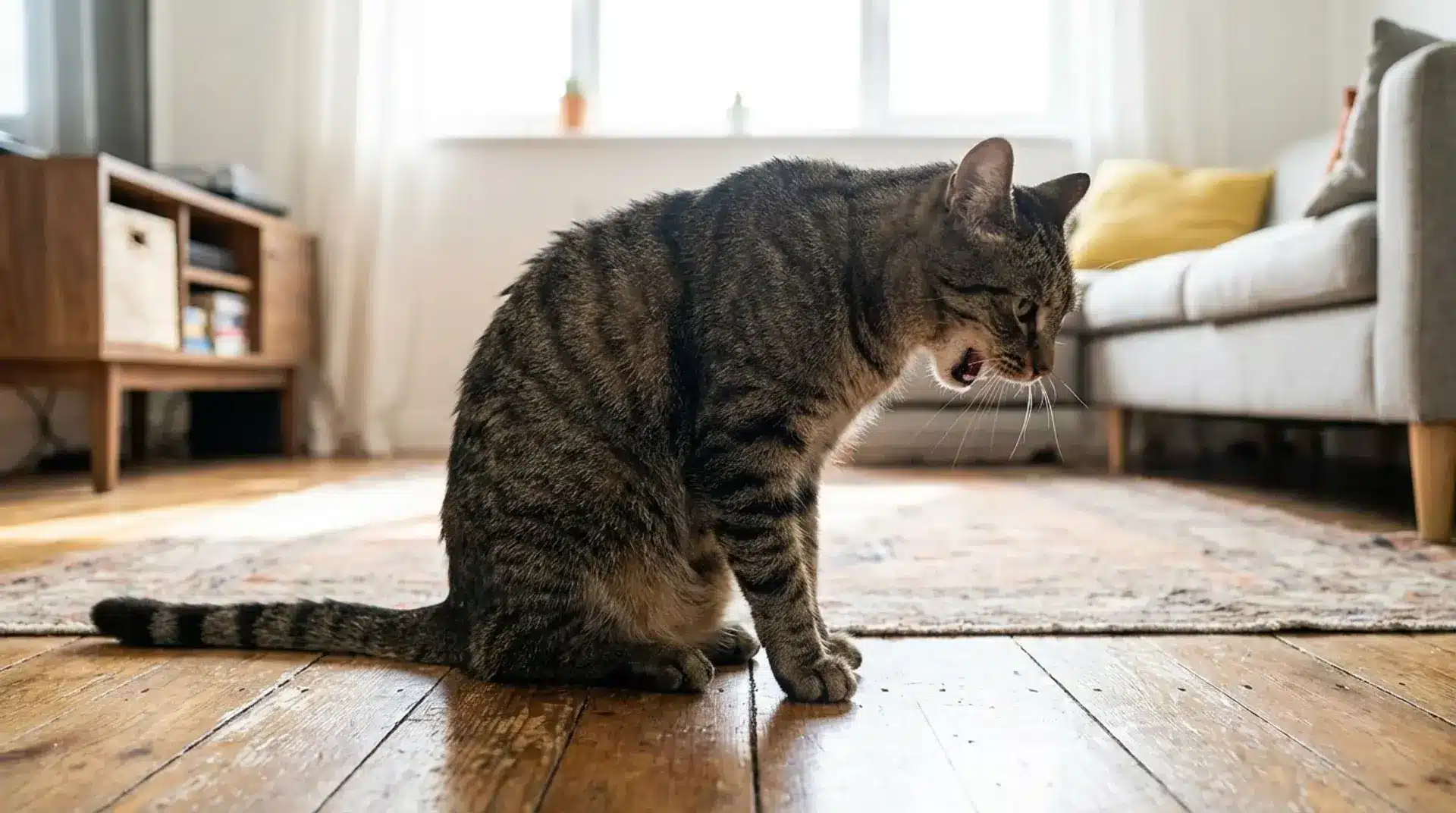
Cat dry heaving can happen for several reasons, ranging from common grooming-related issues to internal health concerns.
1. Hairballs
Hairballs are one of the most common causes of dry heaves in cats. During daily grooming, loose fur is swallowed and usually passes through the digestive system.
When too much hair builds up, it can irritate the throat or stomach. This irritation triggers gagging motions as the body tries to move the hair along.
Long-haired cats and heavy groomers are more likely to face this issue. Dry heaving may happen repeatedly before a hairball appears, or nothing may come up at all.
Regular brushing and proper hydration often help reduce hair buildup and lower the chance of frequent gagging.
2. Mild Stomach Irritation
Minor stomach irritation can also lead to dry heaving. This may happen after eating too fast, switching food suddenly, or swallowing air during meals.
Some cats react this way after licking dusty surfaces, chewing plants, or ingesting small non-food items.
The stomach becomes unsettled, leading to retching without vomiting. These episodes often pass on their own, especially if appetite and energy remain normal.
However, repeated irritation can worsen over time. Monitoring eating habits and maintaining steady feeding routines can help reduce stress on the digestive system and limit dry-heaving episodes.
3. Kidney-Related Issues
Kidney problems can sometimes present as dry heaving, especially in older cats.
When kidney function declines, waste products build up in the body and irritate the stomach lining. This irritation may cause nausea and repeated gagging without vomiting.
Cats with kidney concerns may also show changes in drinking habits, appetite, or energy levels.
Dry heaving linked to kidney health usually does not occur in isolation and often becomes more frequent over time.
Early attention matters because kidney conditions tend to progress slowly. Monitoring behavior changes helps owners spot patterns that should not be ignored.
4. Intestinal Discomfort
Problems in the intestines can also trigger dry heaving. Blockages, inflammation, or difficulty moving food through the digestive tract may cause nausea without producing vomit.
Cats may gag, strain, or crouch during these episodes. Some may show signs such as reduced appetite, constipation, or discomfort when resting.
Even mild intestinal upset can lead to repeated gagging when the digestive system is under stress. Dry heaving, linked to intestinal discomfort, often continues until the underlying issue resolves.
Paying attention to litter box habits and eating patterns can provide useful clues when this cause is involved.
5. Heart-Related Conditions
Heart conditions are less common but still important to consider when dry heaving becomes frequent.
Fluid buildup linked to heart issues can affect breathing and place pressure on nearby organs. This pressure may lead to gagging motions that resemble vomiting but produce nothing.
Cats with heart concerns may also breathe faster, seem tired, or avoid activity. Dry heaving tied to heart health is often subtle at first.
Because cats hide discomfort well, this cause can be easy to miss. Ongoing episodes paired with breathing changes should never be overlooked.
6. Liver Function Problems
Liver-related issues can also cause dry heaving due to nausea and toxin buildup in the body. When the liver struggles to process waste, the stomach lining becomes irritated.
This irritation can lead to repeated gagging without vomiting. Cats may also show reduced appetite, weight changes, or changes in stool.
Dry heaving, which is often linked to liver function, often develops gradually and may worsen if left unaddressed.
Because the liver plays a key role in digestion and detox, changes in behavior deserve attention. Noticing early signs helps reduce the risk of long-term complications.
Other Signs That May Appear Alongside Cat Dry Heaving
When dry heaving accompanies these signs, it often signals more than a temporary issue and warrants closer attention.
- Changes in appetite: You might notice your pet skipping meals, eating less than usual, or refusing food altogether.
- Lower energy levels: If your pet is sleeping more than usual, hiding for longer periods, or showing less interest in playtime, this could be a sign of low energy.
- Abdominal tightness or swelling: Keep an eye out for any signs of discomfort in your pet’s abdomen, which could present as a tight or swollen appearance.
- Breathing difficulty: Difficulty breathing can present in various ways, such as rapid, open-mouth, or labored breathing.
- Litter box changes: Pay attention to any changes in your pet’s litter box habits, including constipation, reduced output, or irregular patterns of use.
- Behavioral shifts: Any noticeable changes in behavior, such as increased irritability, restlessness, or a tendency to avoid interaction with you or other pets, can signal that your pet may be feeling unwell.
What Cat Owners Share on Quora About Dry Heaving
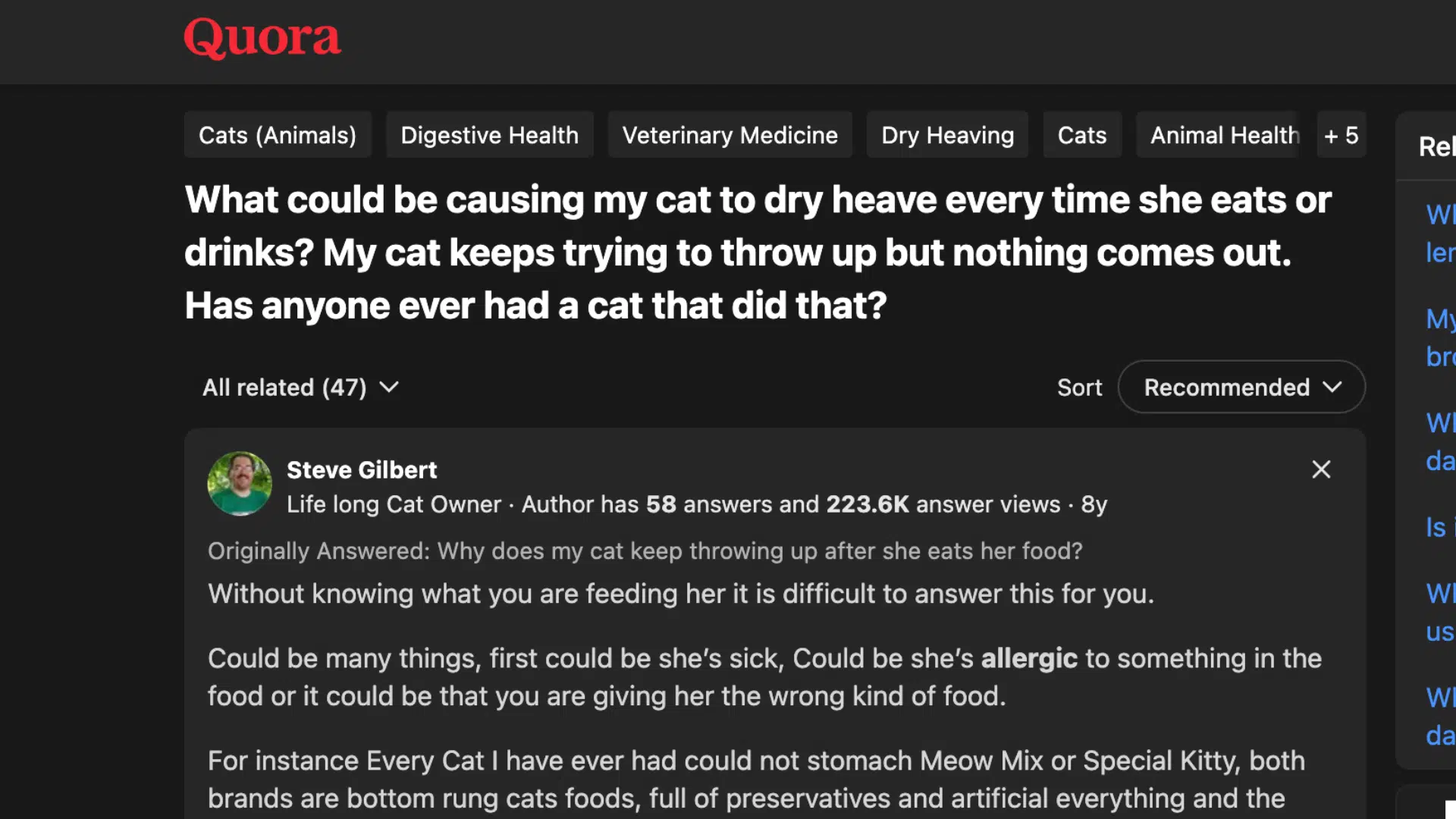
This section brings together real questions and shared advice from Quora, where cat owners discuss repeated gagging that happens during or after eating and drinking.
Many responses point to everyday causes such as hairballs, eating too fast, food intolerance, or a rich diet that upsets digestion.
Several users highlight how dry food ingredients, dusty litter, or grooming habits may play a role.
Others stress that gagging without vomiting can sometimes mimic coughing linked to breathing or heart concerns.
While home adjustments, such as changes in meal size or grooming, help in some cases, a strong theme across answers is caution.
When dry heaving becomes frequent or worsens, many experienced owners advise seeking professional guidance rather than guessing.
Essential Care Tips for Your Cat at Home
A few simple care habits at home can help reduce irritation that may trigger cat dry heaving, while supporting digestion, maintaining grooming balance, and fostering a calmer daily routine.
- Monitor behavior patterns: Track how often the cat has dry heaves and observe whether episodes occur around meals, grooming sessions, or specific daily activities.
- Maintain proper hydration: Keep fresh water available at all times, and consider moisture-rich foods if recommended to help support digestion and reduce throat irritation.
- Brush the coat regularly: Routine grooming removes loose fur before it is swallowed, helping limit hair buildup that can trigger gagging or repeated dry heaving episodes.
- Offer smaller controlled meals: Dividing daily food into smaller portions helps prevent fast eating, reduces swallowed air, and places less strain on the stomach.
- Keep the environment clean: Reduce dust, loose debris, and irritating plants around the home since particles can irritate the throat and sometimes trigger gagging or retching motions.
When to Seek Veterinary Help for Cat Dry Heaving?
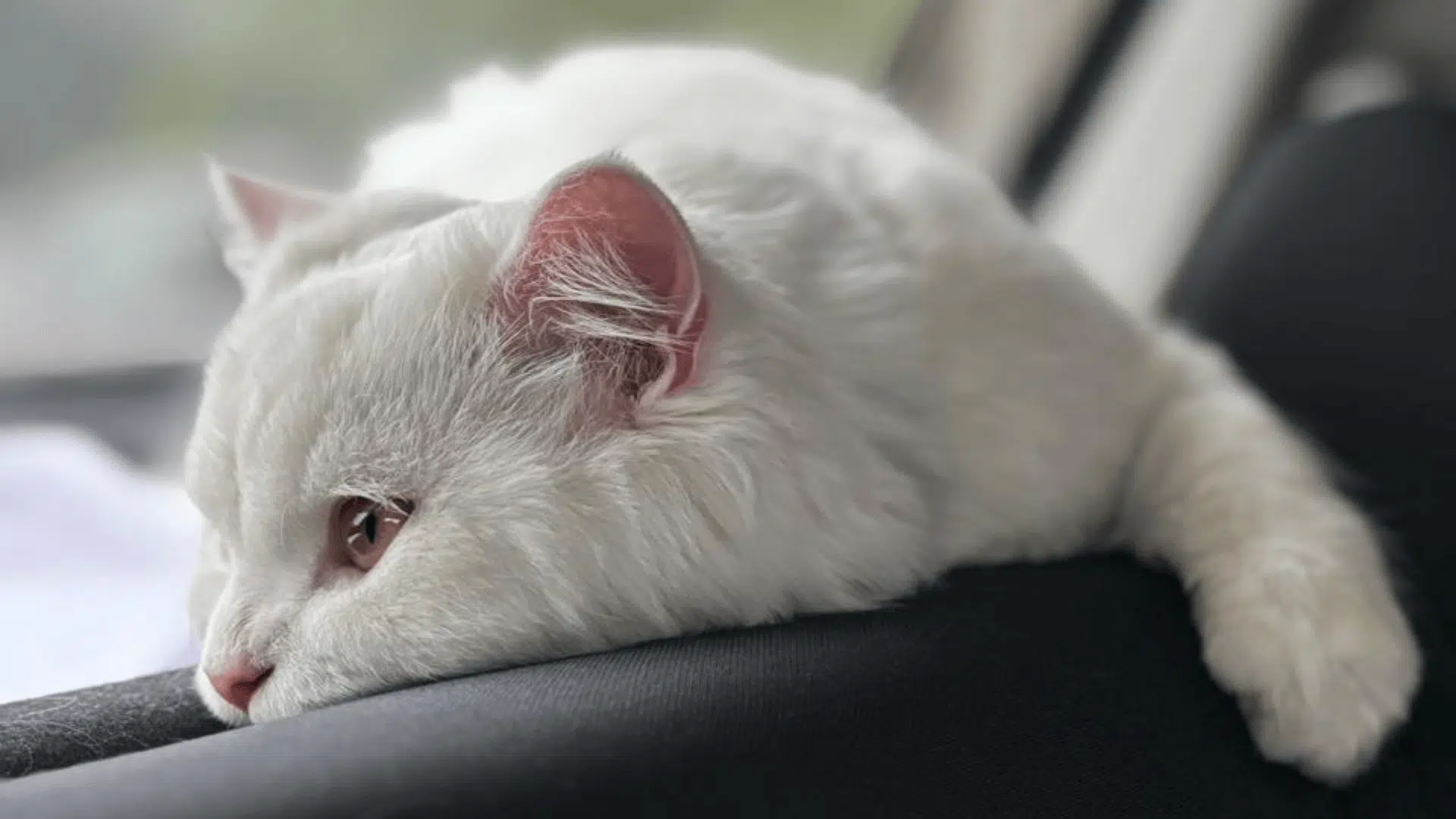
A vet visit is important when dry heaving does not ease or occurs daily. Repeated episodes that last longer than a day or two should not be ignored.
Loss of appetite, refusal to drink, or sudden weight changes are also strong warning signs.
Pay close attention if dry heaving occurs with changes in breathing, visible discomfort, weakness, or ongoing lethargy.
Cats that hide more than usual or seem unsettled may be signaling distress. Older cats and those with existing health concerns need quicker evaluation.
When home care does not bring improvement, a professional assessment helps identify the cause and prevent further complications.
Conclusion
Dry heaving in cats can feel worrying, especially when the cause is not immediately clear. In many cases, careful observation makes a real difference.
Watching patterns around meals, grooming, energy levels, and breathing helps identify whether the issue is passing or needs attention.
Simple steps at home can help with comfort, but repeated or worsening signs should never be brushed aside.
Cats are skilled at masking discomfort, which makes early awareness even more important.
Staying calm, consistent, and attentive gives a cat the best chance to stay well. If something feels off, trusting that instinct and seeking help can prevent bigger problems later.
Every cat is different, and shared experiences often provide reassurance during uncertain moments.
Have questions, personal insights, or a similar experience to share? Drop a comment below and join the conversation.