

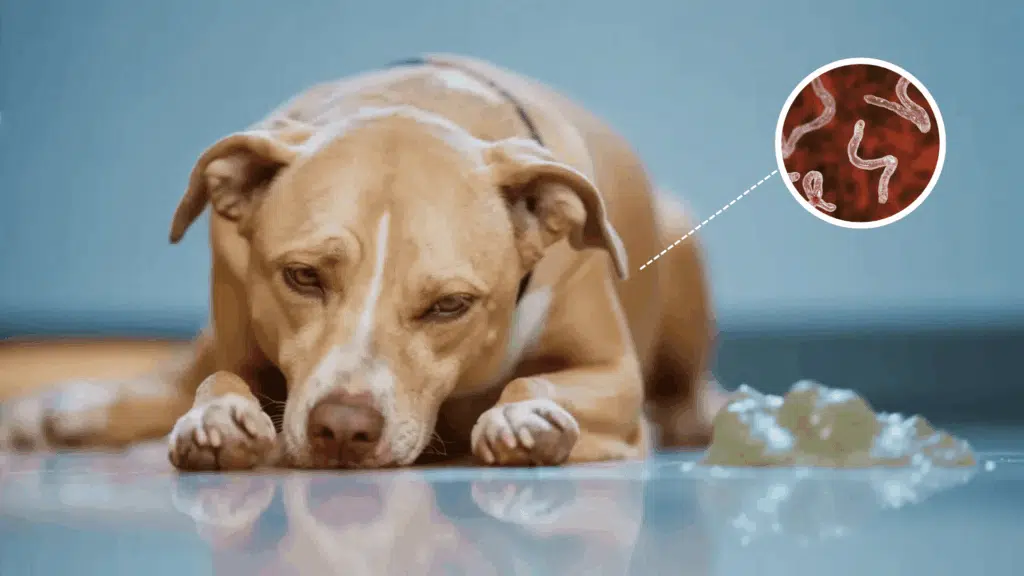
Finding your dog suddenly listless, with pale gums or dark, tarry stools, can set off alarm bells right away.
Those changes often point to something serious like a hookworm infection, especially in puppies, where these tiny blood-sucking parasites can cause rapid, dangerous anemia.
Hookworms are common intestinal parasites in dogs, attaching to the small intestine lining and feeding on blood.
Puppies face the highest risk, which can be severe enough to become life-threatening, while adult dogs may show subtler signs such as weight loss or diarrhea.
Many infections go unnoticed without testing, yet early recognition makes a big difference.
In this post, I cover the key signs of hookworms in dogs to help you spot symptoms early, explain how veterinarians diagnose them, and outline safe treatment options.
You will also learn some simple prevention tips to keep your dog healthy and protected in the long term.
What Are Hookworms and How Do Dogs Get Them
Hookworms are small intestinal parasites, primarily Ancylostoma caninum, that attach to the lining of a dog’s small intestine using sharp, hook-like mouthparts.
This allows them to consume blood, which can cause anemia, weight loss, and other health problems, especially in heavy infestations.
Puppies and senior dogs are the most vulnerable: Puppies due to their weak immune systems, and seniors because of age-related declines in resilience and overall health.
The hookworm life cycle begins when eggs are passed in the dog’s feces and hatch into larvae in warm, moist soil, and the infection occurs through several routes.
It can also pass from an infected mother to puppies via the placenta during pregnancy or through milk during nursing.
These pathways are the reason why hookworm infections spread so easily in areas with poor sanitation or lots of dogs.
Signs of Hookworms in Dogs to Watch For
Hookworms in dogs often cause symptoms related to blood loss and intestinal irritation. Common signs include pale gums, dark or tarry stools, diarrhea, weight loss, weakness, and lethargy. In severe cases, especially in puppies, hookworms can lead to dangerous anemia, rapid breathing, or collapse because the parasites feed on blood in the intestine. Early veterinary diagnosis and treatment are important to prevent serious complications.
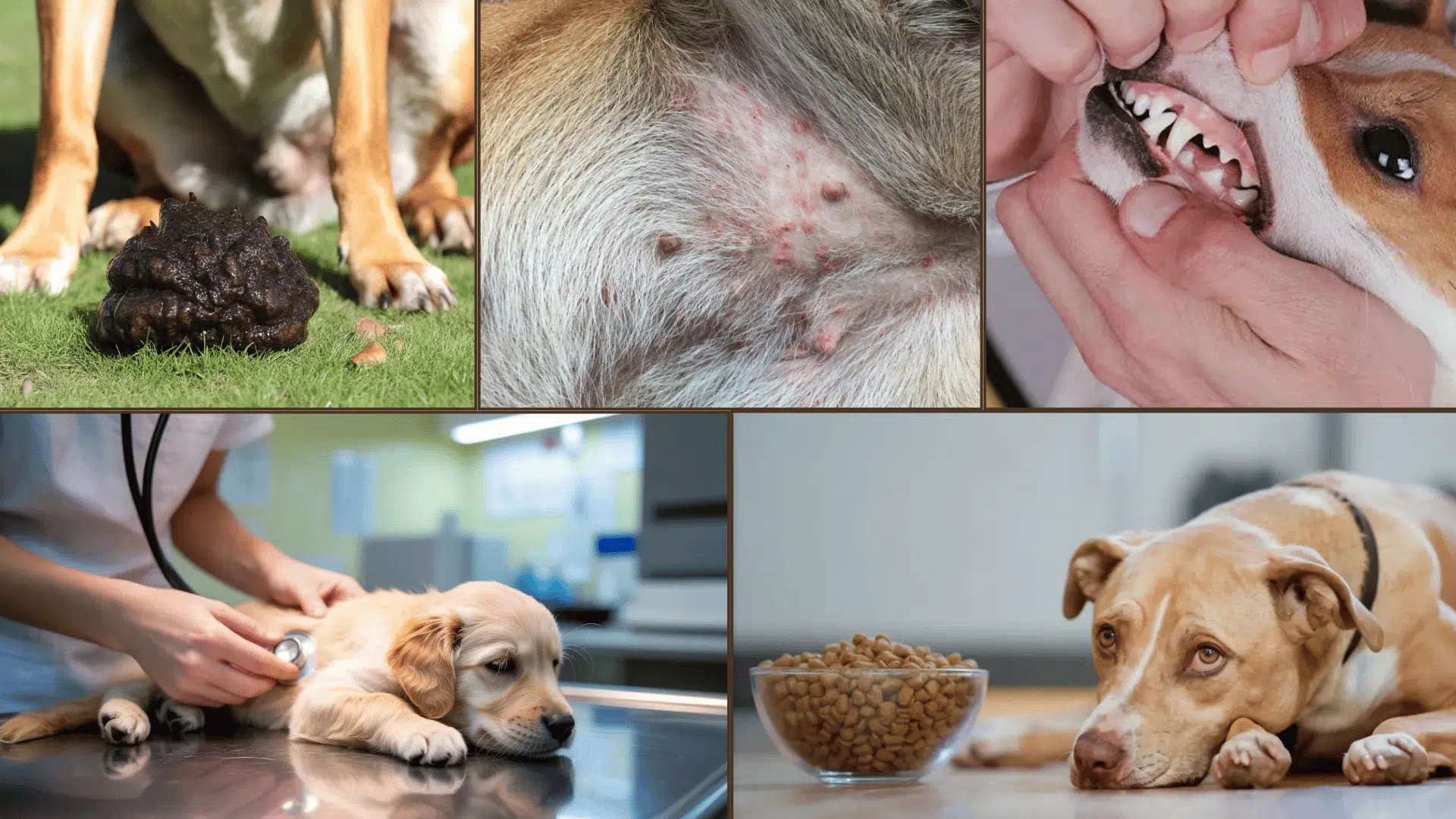
Hookworm infections in dogs cause a range of symptoms from mild digestive upset to severe anemia, with puppies often showing the most rapid and dangerous signs due to heavy blood loss.
1. Digestive Changes Linked to Hookworms
Hookworms latch onto the lining of the intestine and feed on blood, which irritates the gut and triggers inflammation.
One of the first signs many owners notice is diarrhea that starts mild but often becomes more frequent and looser over time.
A key red flag is dark, tarry stools or visible blood in the diarrhea, caused by digested blood passing through the system.
Vomiting and a reduced appetite may also occur when your dog feels nauseated or uncomfortable. In some cases, dogs lose weight even while eating normally.
2. Physical and Behavioral Warning Signs
Anemia from chronic blood loss causes noticeable physical and behavioral changes.
Pale gums, which may appear white, grayish, or pink instead of healthy pink, are one of the clearest indicators.
Dogs often show low energy and lethargy, seeming unusually tired or reluctant to play. Weakness during walks becomes evident, with the dog tiring quickly or collapsing in severe cases.
A dull, dry coat and poor overall appearance further signal the body’s struggle to maintain health amid blood loss.
3. Anemia and Blood Loss Symptoms
Hookworms cause anemia by consuming large amounts of blood: up to 0.03-0.2 ml per worm daily, leading to a drop in red blood cells and oxygen-carrying capacity.
This results in weakness, rapid or labored breathing, and cold extremities in advanced stages.
Signs of internal bleeding include dark, tarry stools from digested blood and, in severe cases, visible weakness or collapse.
Pale mucous membranes (gums, eyelids, tongue) and a fast heart rate are key clues. Without prompt treatment, anemia can become life-threatening, especially in young or small dogs.
4. Serious Health Risks in Puppies
Puppies face the greatest risk of hookworm infection due to their small size, rapid growth, and immature immune systems.
Failure to gain weight or thrive despite adequate feeding is common and is often called poor doers. Sudden weakness, extreme lethargy, or collapse can develop rapidly from severe anemia.
Dark, tarry diarrhea, dehydration, and a bloated belly may appear, with pale gums signaling critical blood loss.
Untreated heavy infestations can be fatal in young puppies, sometimes requiring emergency interventions like blood transfusions.
5. Skin and Respiratory Signs of Hookworms in Dogs
During larval migration, some dogs experience additional signs. Respiratory symptoms like coughing can occur if larvae pass through the lungs.
Skin irritation, known as ground itch, appears as red, itchy sores or pimples, especially between toes or on the belly, from larvae penetrating the skin during contact with contaminated soil.
These signs are more common in dogs with repeated exposure and may cause discomfort or licking behavior.
While less frequent than GI or anemia symptoms, they warrant attention in outdoor or high-risk environments.
Can Hookworms Spread From Dogs to Humans?
Yes, certain hookworms can spread from dogs to humans, though transmission is uncommon and typically results in a mild skin condition rather than intestinal infection.
The primary zoonotic risk comes from Ancylostoma caninum larvae in contaminated soil or feces.
When humans walk barefoot or sit on infected ground, larvae can penetrate the skin, causing cutaneous larva migrans, itchy, red, winding tracks on the feet, hands, or legs.
This condition is uncomfortable but usually resolves on its own or with treatment.
Children, gardeners, and people who frequently contact soil in dog areas face the highest risk due to more skin exposure.
Adults with weakened immune systems may also be more susceptible. Regular deworming and monthly preventatives for your dog greatly reduce environmental contamination and lower the overall risk to humans.
Essential Ways to Prevent Hookworms in Dogs
Preventing hookworm infections in dogs is simple with consistent habits and the right protection. Prompt cleanup of feces, good yard hygiene, and avoiding contaminated areas greatly reduce exposure.
For detailed guidelines, you can visit the CAPC Hookworm Guidelines.
Monthly heartworm preventatives that also cover hookworms keep your dog safe from both parasites. Here are some widely used options:
| Preventative | Key Benefits | Notes |
|---|---|---|
| Heartgard Plus | Chewable, tasty, broad protection | Given once a month |
| Interceptor Plus | Protects against multiple worms | Suitable for dogs with food sensitivities |
| Sentinel | Controls fleas too | Flavor tabs, easy to give |
| Advantage Multi | Topical application | Also prevents heartworm and fleas |
When to See a Vet for Suspected Hookworms in Dogs
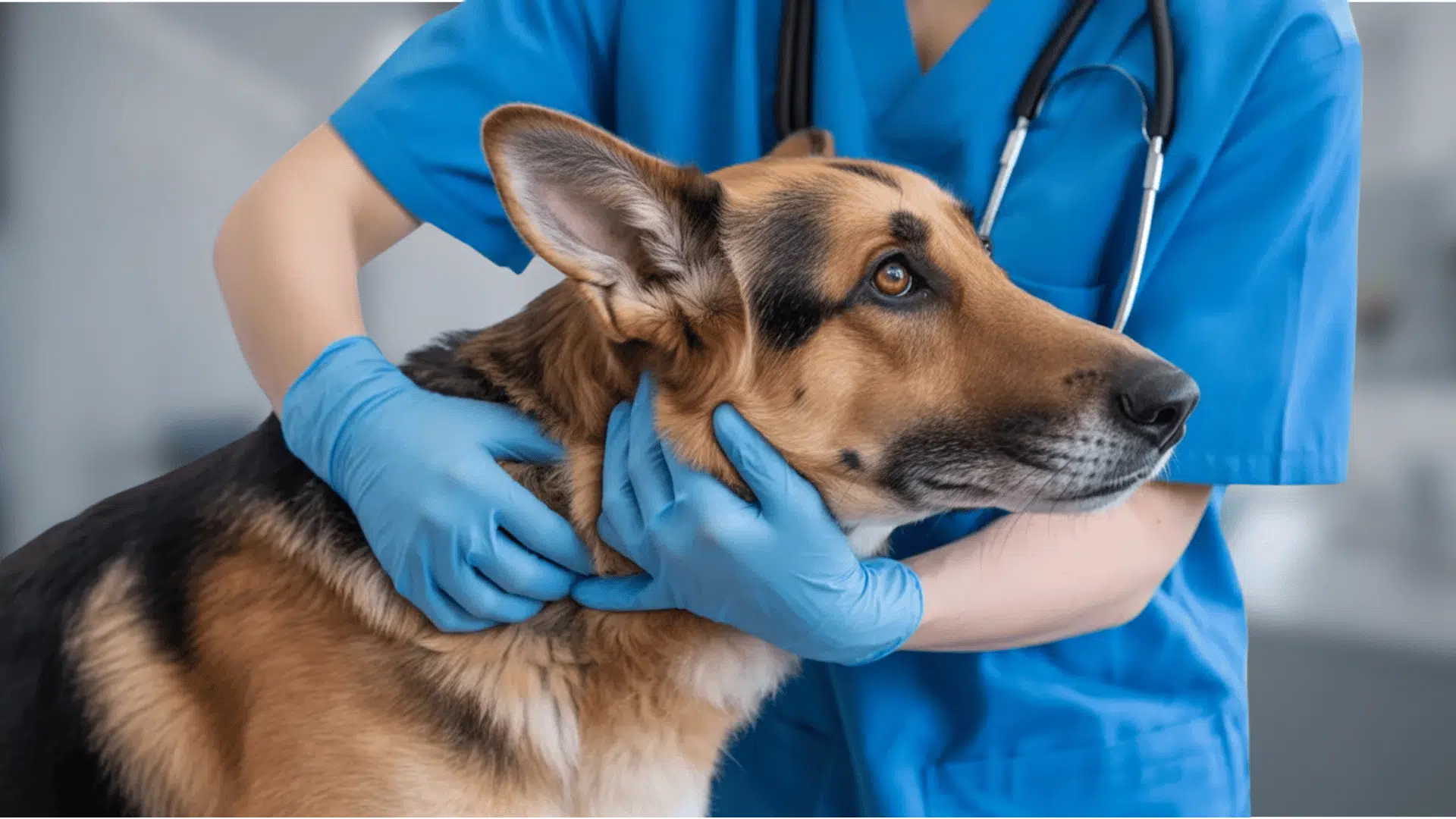
If your dog shows signs that could indicate hookworms, prompt veterinary care is essential to prevent serious complications such as severe anemia.
Contact your veterinarian immediately if you observe pale or white gums, which signal significant blood loss and anemia.
Severe lethargy, where your dog seems extremely weak, uninterested in food, or reluctant to stand or walk, also requires urgent attention.
Dark, tarry, or obviously bloody stools are another red flag, as they indicate internal bleeding from the parasites. Other concerning signs include rapid or labored breathing and sudden collapses.
These symptoms can escalate fast and become life-threatening without prompt treatment.
A timely vet visit allows for accurate diagnosis through fecal testing and appropriate care, such as deworming medication or supportive treatment, to help your dog recover fully and comfortably.
Conclusion
Hookworm infections show how easily parasites can impact dogs without obvious warning, especially in puppies and older dogs.
Spotting early signs such as pale gums, dark stools, or unusual fatigue allows you to step in before the problem becomes serious.
With timely veterinary treatment, routine prevention, and simple habits like monthly parasite control and good yard hygiene, most dogs recover well and stay protected.
Regular fecal testing adds another layer of safety for both pets and people at home.
Did you find this blog helpful?
Leave a comment below sharing any questions you still have or experiences with hookworms in your own dog.
Frequently Asked Questions
How Long Does It Take for Hookworms to Show Symptoms in Dogs?
Symptoms usually appear 2-4 weeks after infection. Clear signs begin to show once worms mature and start feeding on blood.
Can Adult Dogs Die from Hookworms without Treatment?
Yes, even though the chances are extremely rare. Severe, Untreated Infections Can Cause Life-Threatening Anemia Even in Healthy Adults.
Is One Fecal Test Enough to Rule out Hookworms?
No. Because egg shedding can be intermittent, vets often recommend 2-3 tests or follow-up testing.