Setting up a 10-gallon tank often begins with excitement and high expectations, but choosing the right fish quickly becomes confusing.
Many fish look small and harmless at the store, yet struggle once placed in a limited space.
This leads to stress, poor water quality, and disappointment for new tank owners. A small aquarium requires careful planning because every choice affects balance and long-term stability.
Selecting the best fish for 10-gallon tank setups is not about filling the tank, but about creating an environment where fish can remain healthy and active.
When species match the tank size, the result feels calm, visually pleasing, and easy to maintain.
Understanding this early helps avoid common mistakes and turns a simple glass box into a space that feels alive, rewarding, and enjoyable to care for over time.
How Many Fish Can a 10-Gallon Tank Hold?
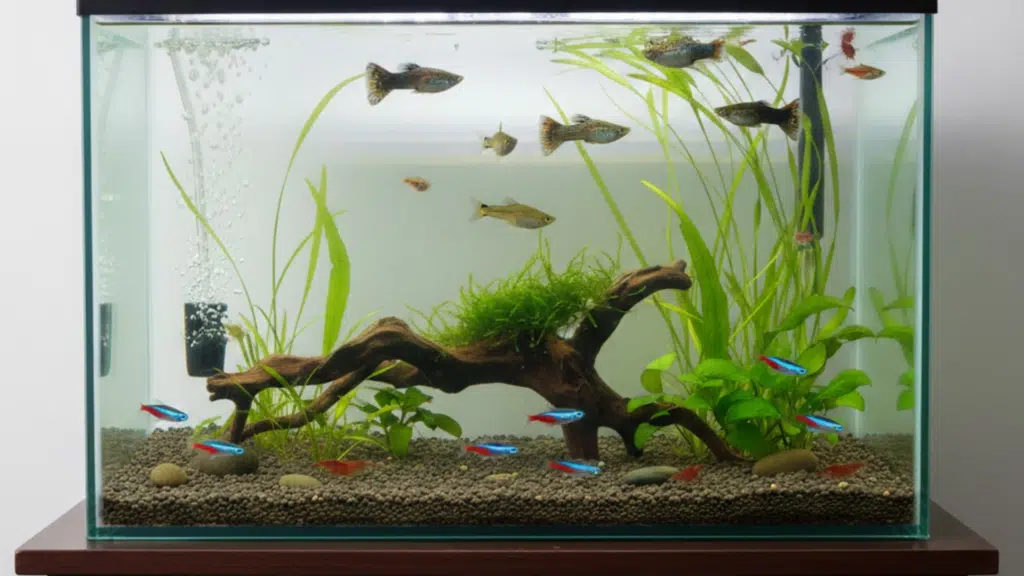
A 10-gallon aquarium works best with small, peaceful fish that produce minimal waste and tolerate limited swimming space. Popular choices include betta fish, dwarf gourami, harlequin rasboras, cherry barbs, pygmy corydoras, and otocinclus catfish. These species adapt well to smaller tanks when water conditions remain stable, and stocking levels stay low. Choosing calm fish that remain small helps maintain healthy water quality and a balanced aquarium environment in a 10-gallon setup.
A 10-gallon tank can support only 1 to 10 fish, and stocking should always focus on fish size, activity level, and waste output rather than on fixed rules.
General guidelines, such as one inch of fish per gallon, often fail because body shape, swimming behavior, and bioload vary by species.
Small schooling fish, solitary fish, and bottom dwellers all affect the tank differently.
The best approach is to observe fish behavior closely, as signs such as chasing, hiding, or rapid breathing often indicate overcrowding.
Higher fish loads require more frequent water changes to maintain stable conditions. Balancing fish count with filtration capacity helps maintain water quality and reduces long-term stress.
Best Fish for a 10-Gallon Tank
Choosing the right species also helps maintain stable water conditions and makes daily maintenance simpler, especially for beginners setting up a small tank for the first time.
1. Betta Fish
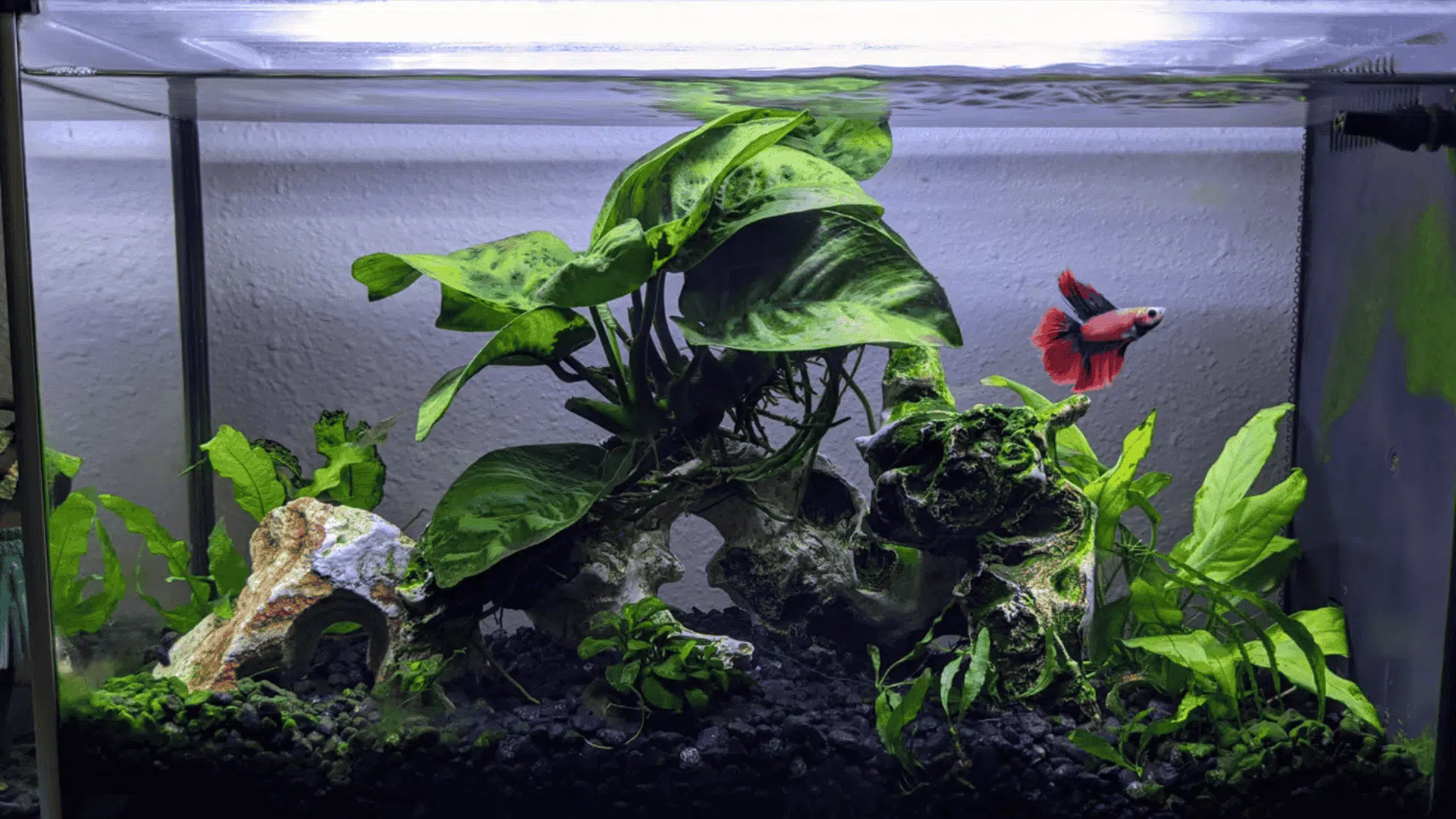
Betta fish are one of the most popular choices for small aquariums because they adapt well to limited space.
A 10-gallon tank gives a betta enough room to swim, rest, and explore without feeling confined.
Warm water, gentle filtration, and hiding spots like plants or caves help keep conditions comfortable. Bettas thrive alone since they are territorial by nature and may attack tank mates.
This makes them a strong option when selecting the best fish for 10-gallon tank setups focused on simplicity and low conflict.
2. Dwarf Gourami
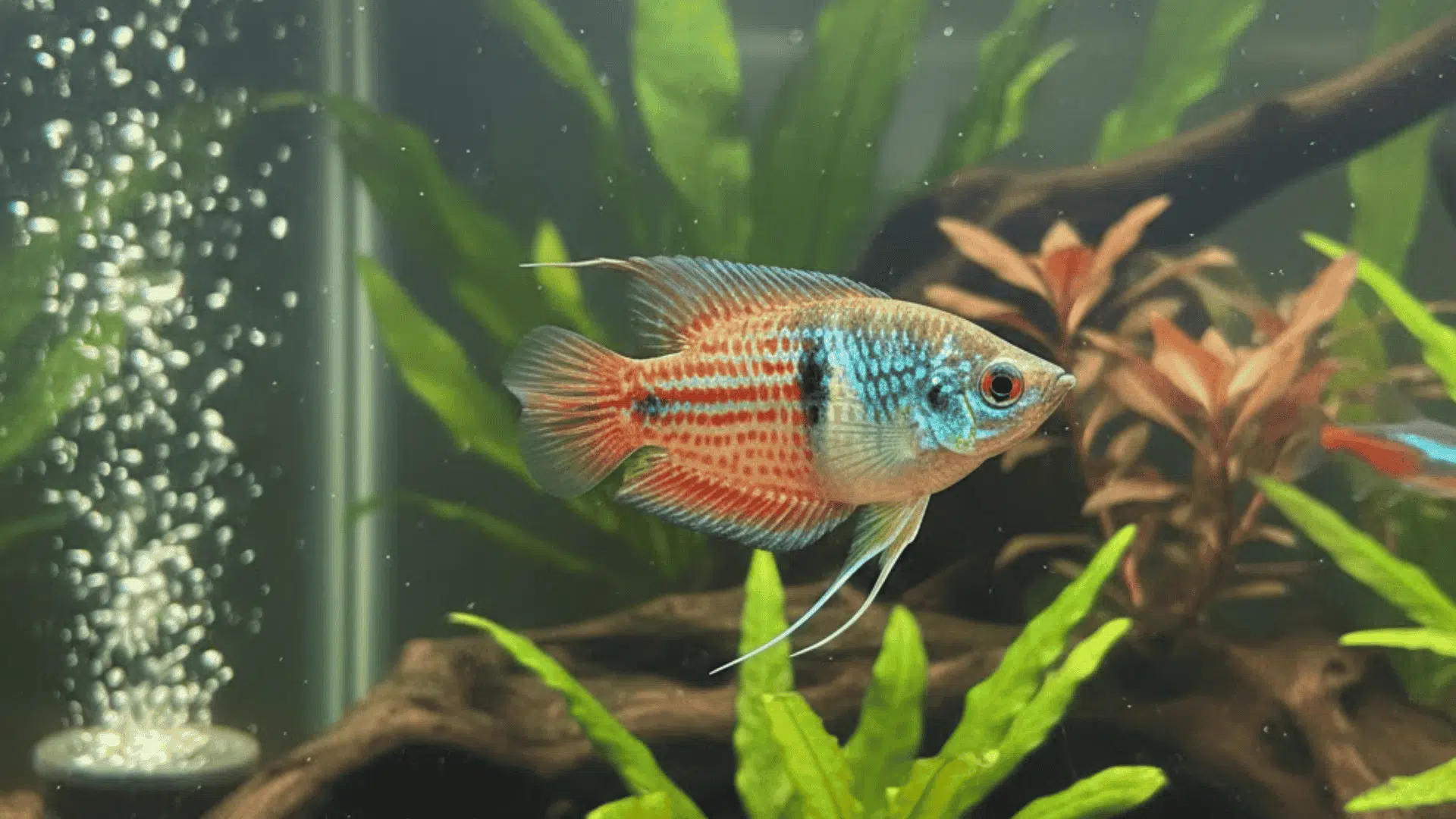
Dwarf gouramis are peaceful fish that can live alone in a 10-gallon tank if given proper care.
They prefer calm water, moderate lighting, and planted areas where they can retreat when stressed and feel secure throughout the day.
While generally gentle, they can become territorial in small spaces, which is why keeping a single gourami works best.
A well-filtered tank with stable temperature helps reduce health issues, including common infections and stress-related conditions, over time.
3. Brown Pencilfish
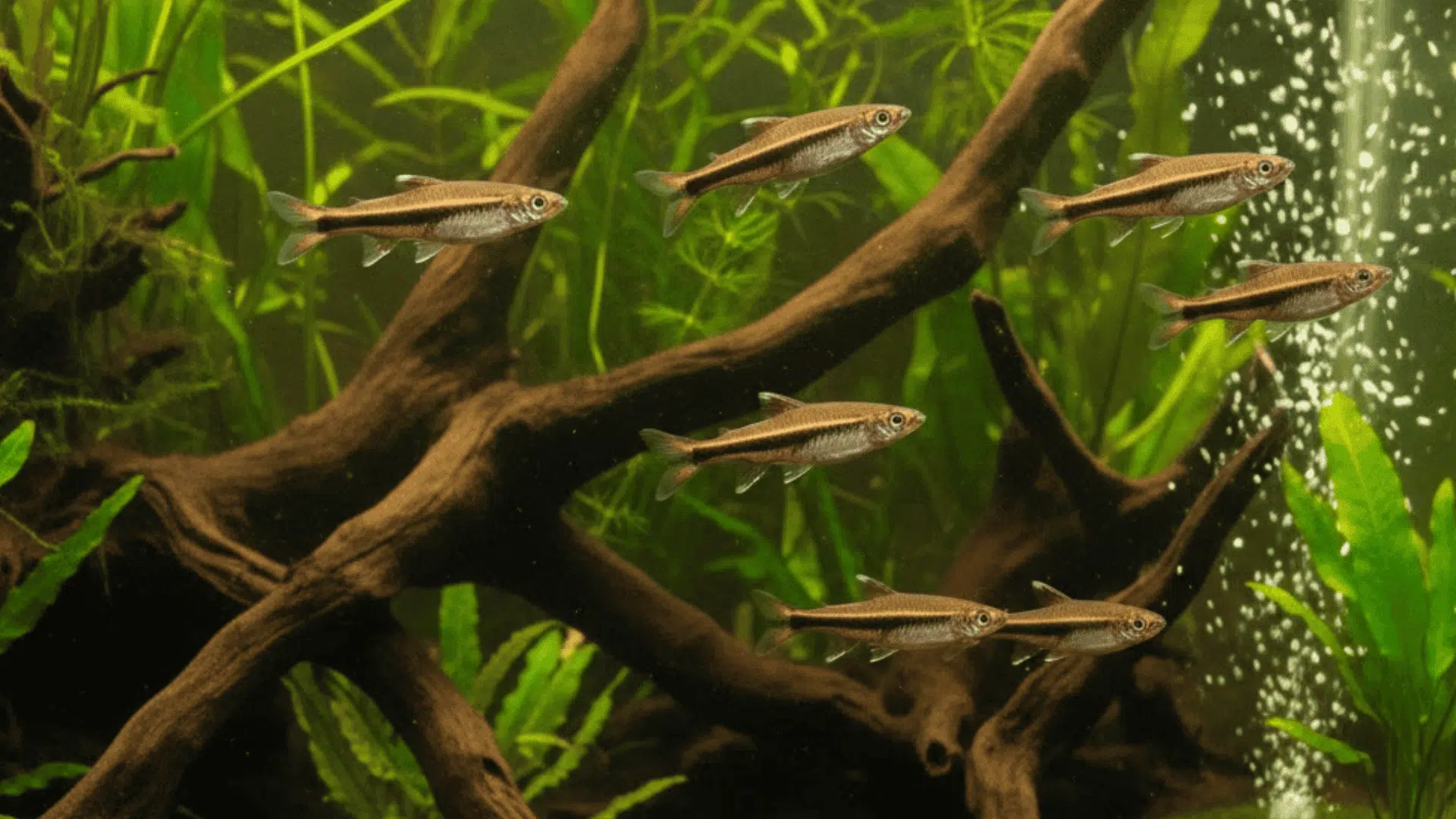
Brown pencilfish are slim, peaceful fish that do well in small community tanks.
They prefer calm environments with gentle water flow and plenty of plants near the surface.
These fish spend most of their time swimming horizontally and feel more comfortable in small groups. A darker substrate and floating plants help reduce stress and bring out natural coloration.
Brown pencilfish are shy by nature, so tank mates should be quiet and non-aggressive.
4. Apistogramma
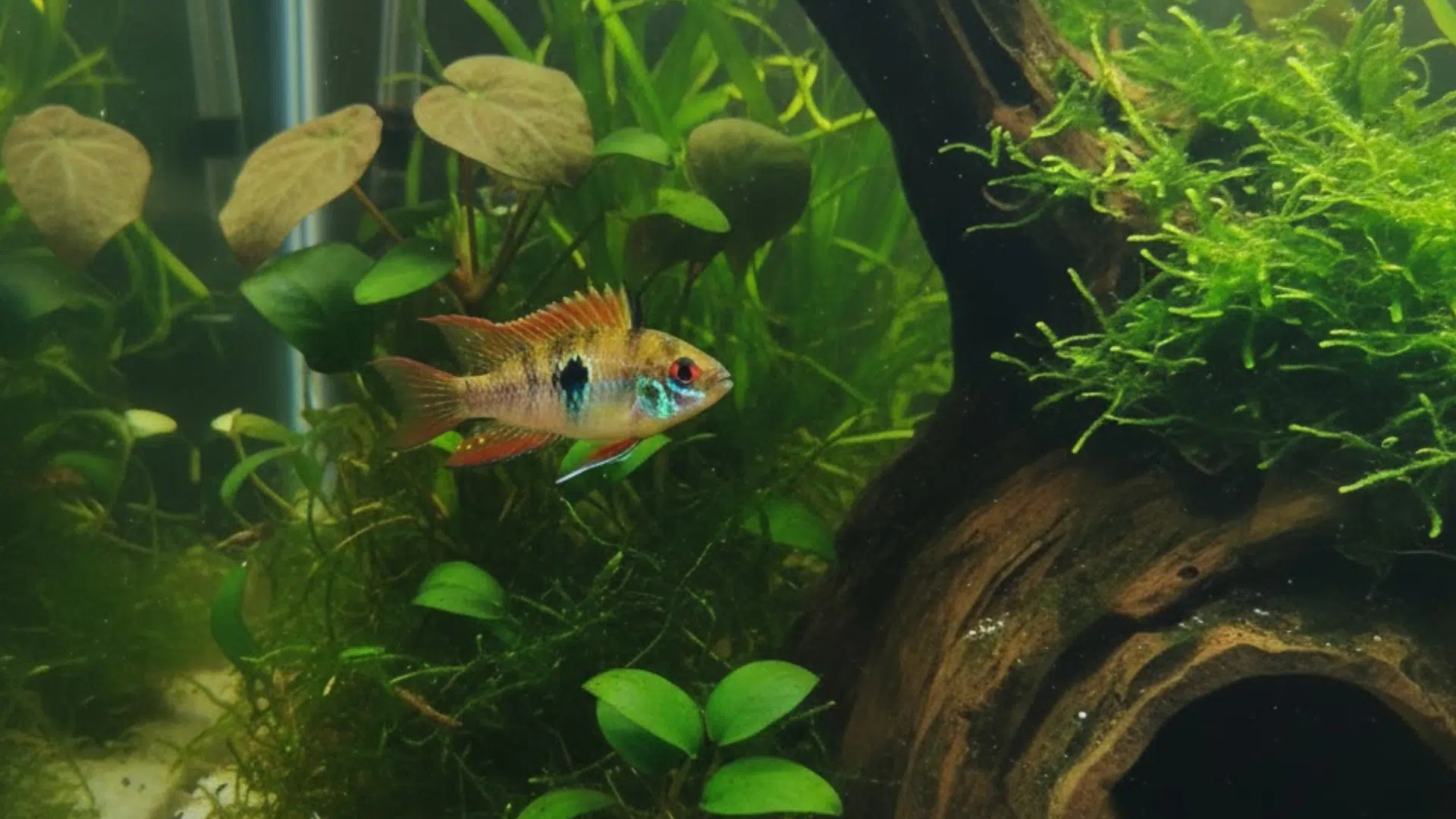
Apistogramma are small, dwarf cichlids known for their color and personality. They work best in lightly stocked tanks with hiding spots like caves, driftwood, or dense plants.
While generally calm, they can become territorial, especially during breeding. Keeping a single apistogramma or a carefully chosen pair helps avoid conflicts.
They prefer warm, clean water and benefit from regular maintenance.
When given enough structure and space, apistogramma can coexist peacefully with small, calm tank mates in a 10-gallon tank.
5. Harlequin Rasboras
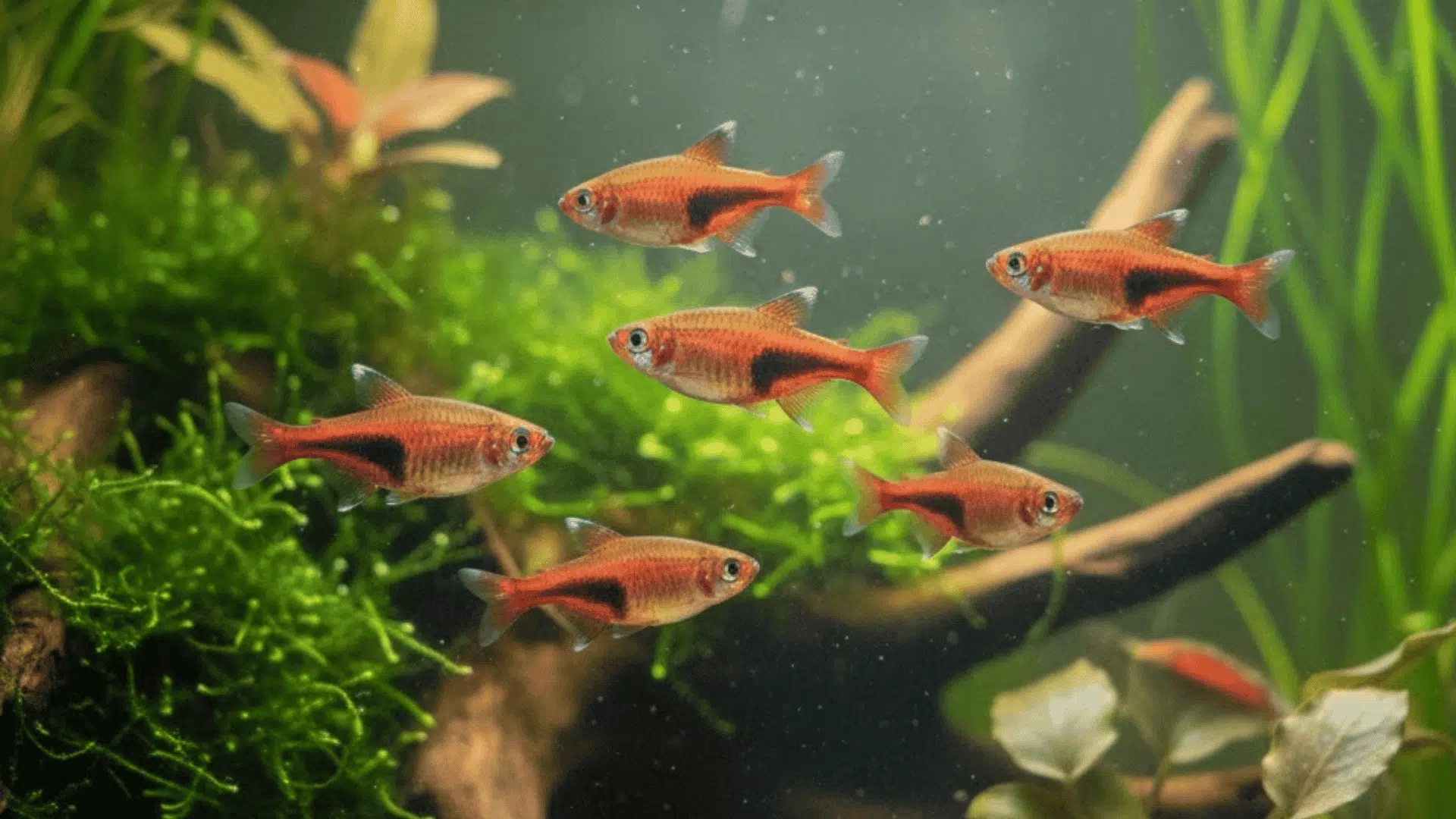
Harlequin rasboras are active, friendly fish that thrive in small groups. They prefer open swimming areas combined with planted sections for balance.
These fish are hardy and adapt well to beginner setups when water parameters remain stable.
Harlequin rasboras are schooling fish, so keeping them in a group helps reduce stress and encourages natural behavior.
Their peaceful temperament makes them easy to mix with other calm species. With proper stocking limits, they bring steady movement and color to a 10-gallon community aquarium.
6. Cherry Barb
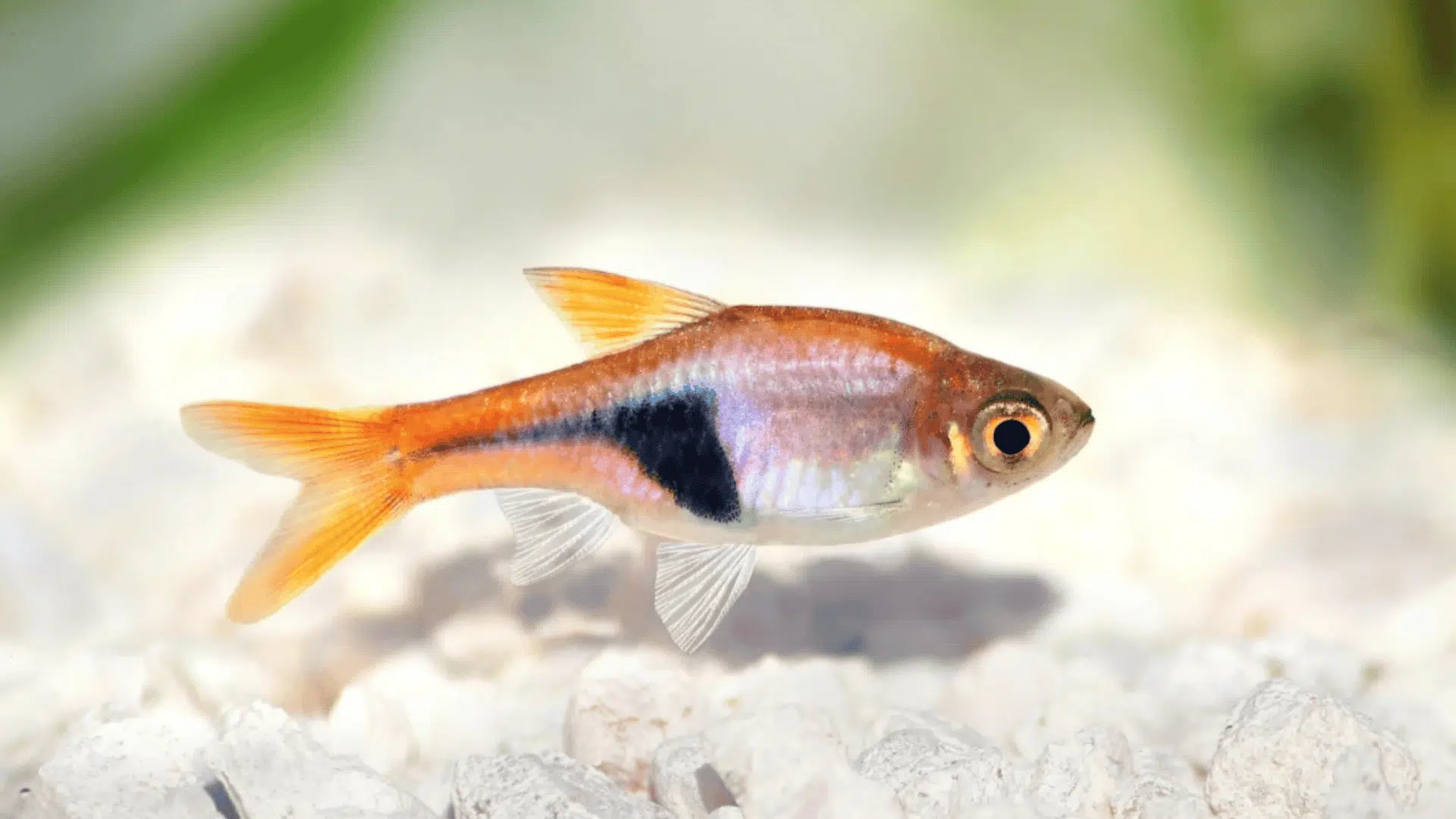
Cherry barbs are small, peaceful fish that work well in a 10-gallon community tank when kept in the right numbers.
They prefer a calm environment with plants, open swimming space, and stable water conditions.
Males display brighter colors, especially when they feel comfortable and stress-free. Keeping a small group helps encourage natural behavior and reduces shyness.
Their gentle temperament allows them to coexist with other calm species, making them a reliable choice for a balanced community aquarium.
Best Bottom Dwellers for a 10-Gallon Tank
They add balance to a small aquarium by using space that other fish ignore. When selected carefully, they can be a great addition to the best fish for 10-gallon tank community setups.
7. Pygmy Corydoras
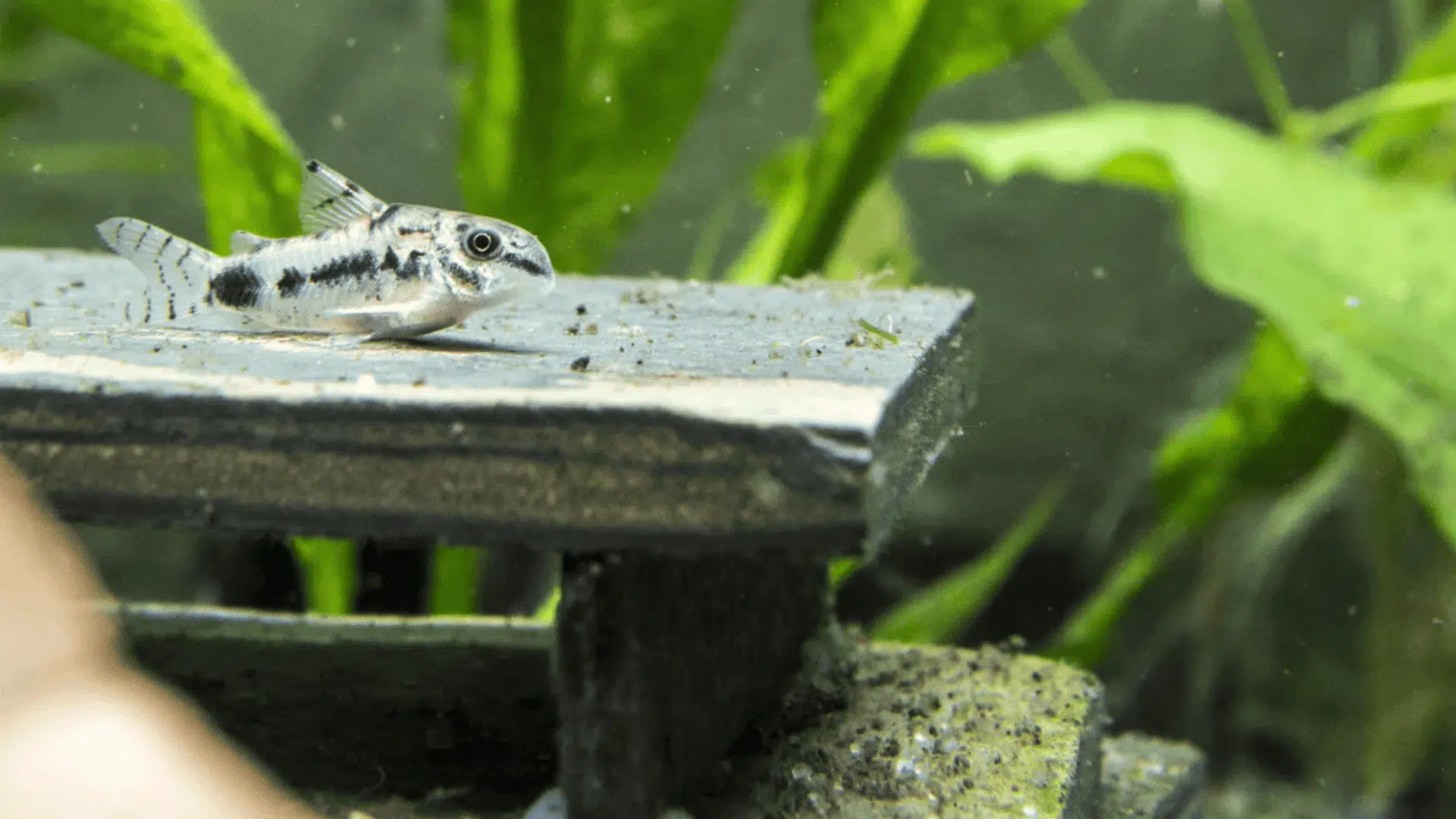
Pygmy corydoras are social, gentle fish that should always be kept in small groups to feel safe.
A group of four to six works well in a 10-gallon tank. They prefer soft substrate like sand or fine gravel, which protects their sensitive barbels while foraging.
These fish spend time both on the bottom and midwater, adding movement without aggression.
Pygmy corydoras are very peaceful and get along well with small, calm fish. Stable water conditions and regular maintenance help keep them active and healthy.
8. Otocinclus Catfish
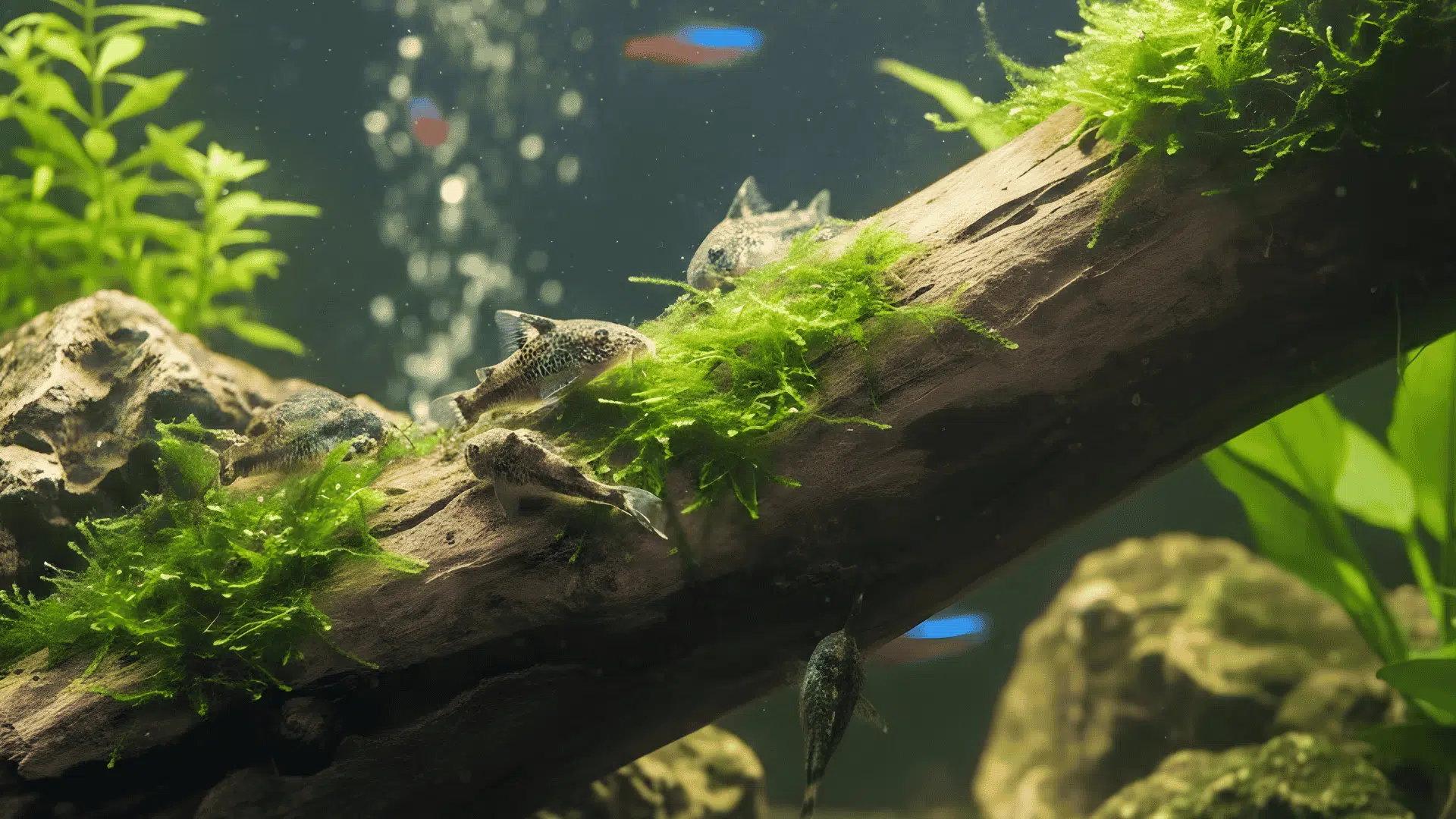
Otocinclus catfish are popular for their role in controlling algae in small tanks. They constantly graze on soft algae found on glass, plants, and decorations.
However, algae alone are not enough, so supplemental foods like algae wafers or blanched vegetables are necessary.
These fish do best in mature tanks where natural algae growth is already established.
Otocinclus are sensitive to water changes and poor conditions, so stable filtration is important.
9. Kuhli Loach
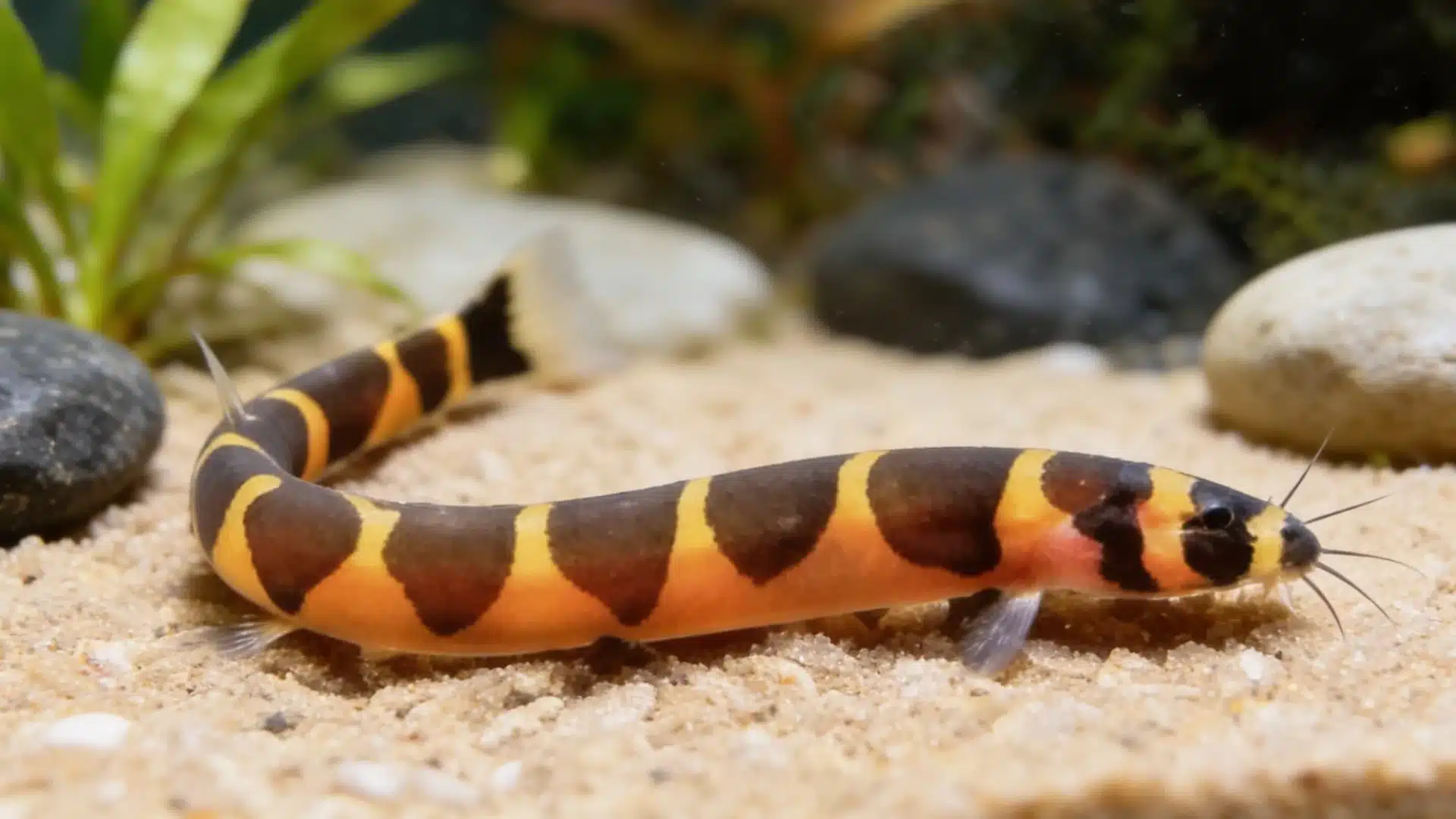
Kuhli loaches are bottom-dwelling fish that add activity without disturbing other tank mates.
They are shy and prefer soft substrate, such as sand, to protect their bodies. Hiding spots like caves, plants, or driftwood are essential since they rest during the day.
Kuhli loaches should be kept in small groups to feel secure, even in a limited space. They are peaceful and rarely cause problems with other fish.
In a well maintained 10 gallon tank, they help create a balanced community setup.
10. Dwarf Anchor Catfish
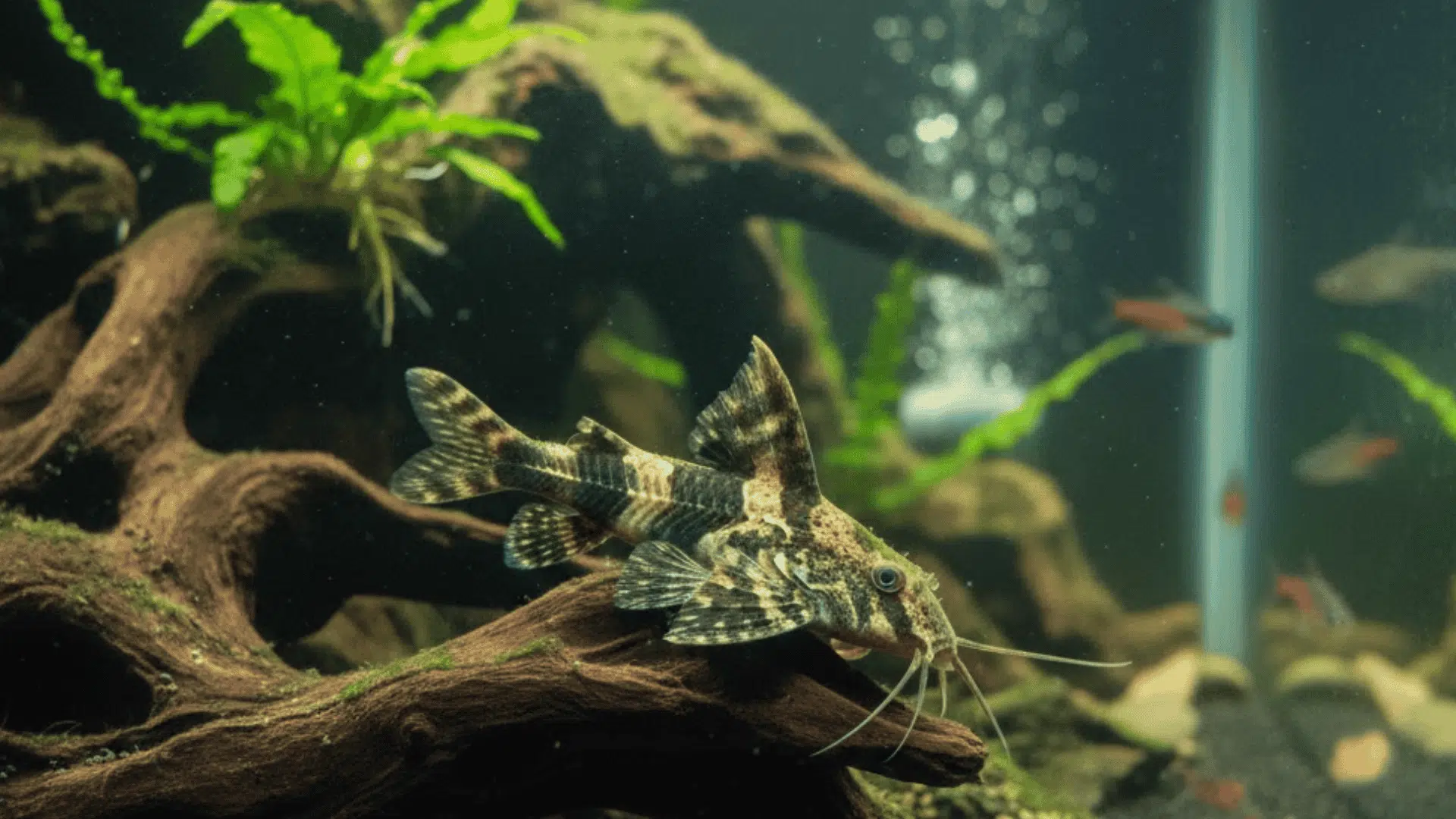
Dwarf anchor catfish are tiny bottom dwellers that fit well in a peaceful 10-gallon tank. They stay close to the substrate and enjoy shaded areas created by plants or driftwood.
Soft sand or smooth gravel works best to protect their delicate bodies. These catfish are calm and do best in small groups, which helps reduce stress.
They are compatible with other gentle species and rarely cause issues in community setups.
With stable water and hiding spots, they can be a quiet but interesting addition alongside the best fish for 10-gallon tank combinations.
11. Asian Stone Catfish
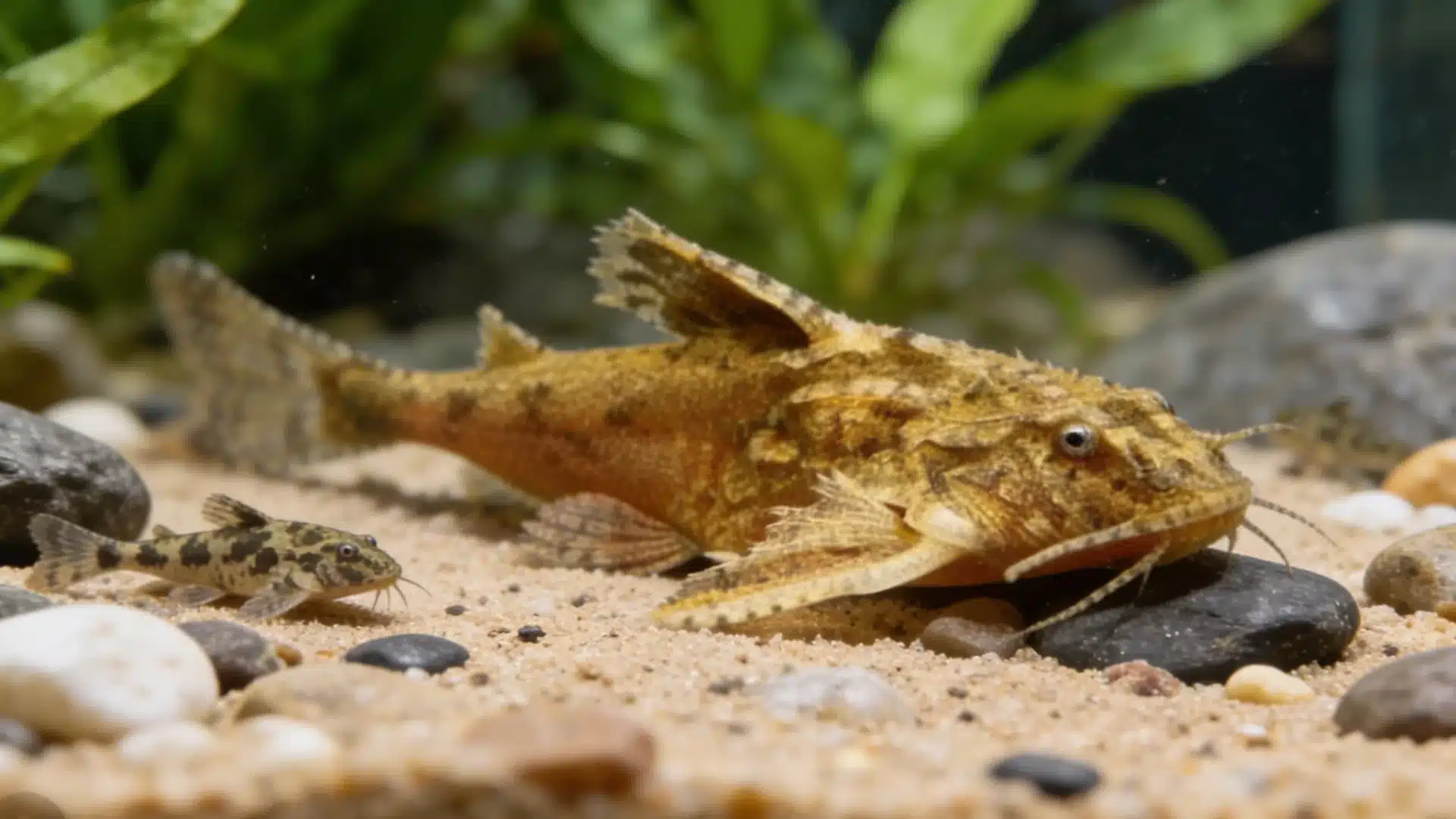
They are small, slow-moving bottom dwellers that prefer calm tanks with low water flow.
They blend into the environment and spend much of the day resting near rocks or plants without drawing attention.
A soft substrate and plenty of cover help them feel secure and reduce stress throughout the tank.
These fish are peaceful and should be housed with small, non-aggressive tank mates. Since they are shy feeders, sinking foods work best.
What Fish to Avoid in a 10-Gallon Tank?
Not every fish sold at pet stores is suitable for a small aquarium, and choosing the wrong species can lead to stress and poor health.
Large fish like goldfish and common plecos produce heavy waste and quickly outgrow a tank.
Fast swimmers such as danios and rainbowfish need more horizontal space to stay active.
Aggressive species like cichlids and tiger barbs often become territorial and cause constant chasing in tight spaces.
Even popular fish like angelfish and bala sharks are poor choices due to their size and long-term growth. Avoiding these species helps maintain stable water conditions and reduces conflict.
Sticking to calm, small-sized fish makes it easier to create a balanced setup and select the best fish for 10-gallon tank environments.
Real User Insights on Fish for 10-Gallon Tanks
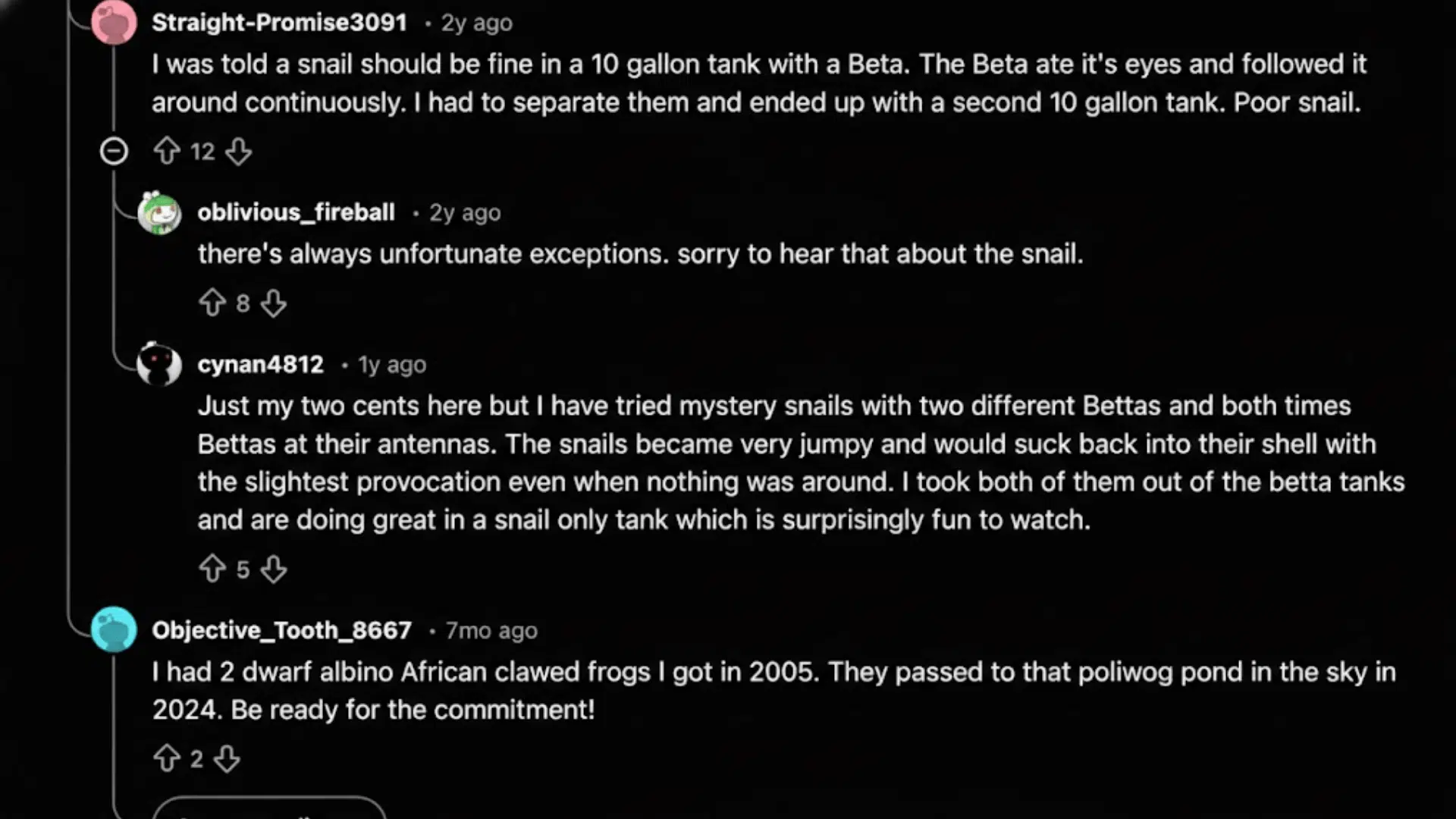
Reddit keepers note that ten gallons is often the minimum, not the ideal, so stocking choices should favor small, calm species and smart aquascaping.
Livebearers such as guppies or endlers can work, but breeding becomes an issue unless a single gender group is kept.
Micro schoolers like ember tetras and chili rasboras get repeated praise for color.
Some hobbyists report success with small otocinclus groups when dense plants and tall wood create more grazing surfaces.
For a twist, dwarf crayfish or freshwater pom pom crabs get mentioned, with warnings to avoid slow bottom fish and to accept occasional shrimp losses.
Several comments also highlight that pea puffers tend to be territorial and make poor community choices in this size.
Common Mistakes Beginners Make with a 10-Gallon Tank
Beginners often underestimate how delicate a 10-gallon aquarium can be. Limited water volume means small mistakes can quickly affect fish health, making careful planning essential.
- Overstocking: Adding too many fish leads to poor water quality, stress, and frequent health problems in a small tank.
- Weak filtration: A filter that cannot handle the waste load causes rapid toxin buildup.
- Choosing the wrong fish species: Fast swimmers or aggressive species quickly outgrow or overpower a 10-gallon setup.
- Irregular water changes: Infrequent water changes allow toxins to build up faster in small tanks, increasing the risk of sudden losses.
- Poor compatibility: Mixing fish with different temperaments often results in stress or constant conflict.
Tips to Keep a 10-Gallon Tank Healthy
A healthy 10-gallon tank starts with consistent care and smart daily habits. Small tanks react quickly to changes, so stability matters more than anything else.
- Cycle the tank before adding fish: Allow beneficial bacteria to develop so waste can be processed safely.
- Use proper filtration: Choose a filter suited for a 10-gallon tank and clean it gently without removing all bacteria inside the filter.
- Maintain regular water changes: Replace a portion of the water weekly to control toxins and keep conditions stable.
- Avoid overfeeding: Excess food breaks down quickly and harms water quality in small tanks.
- Monitor temperature and water levels: Consistent temperature and balanced parameters help fish stay active and healthy.
Conclusion
A 10-gallon tank starts with clear goals, where some setups focus on visual appeal with colorful, active fish, while others prioritize ease of care and low maintenance.
Both approaches can work, but long-term success depends on choosing species that match the tank size and care level.
Planning early helps prevent stress, losses, and unnecessary maintenance later.
Small tanks require consistency, patience, and regular upkeep, especially when selecting the best fish for 10-gallon tank environments.
New tank owners should always research fish needs before buying, avoid impulse purchases based on appearance alone, and do responsible fish keeping
Have experience with a 10-gallon tank or thoughts about fish choices? Share thoughts, tips, or lessons learned in the comments and join the discussion.