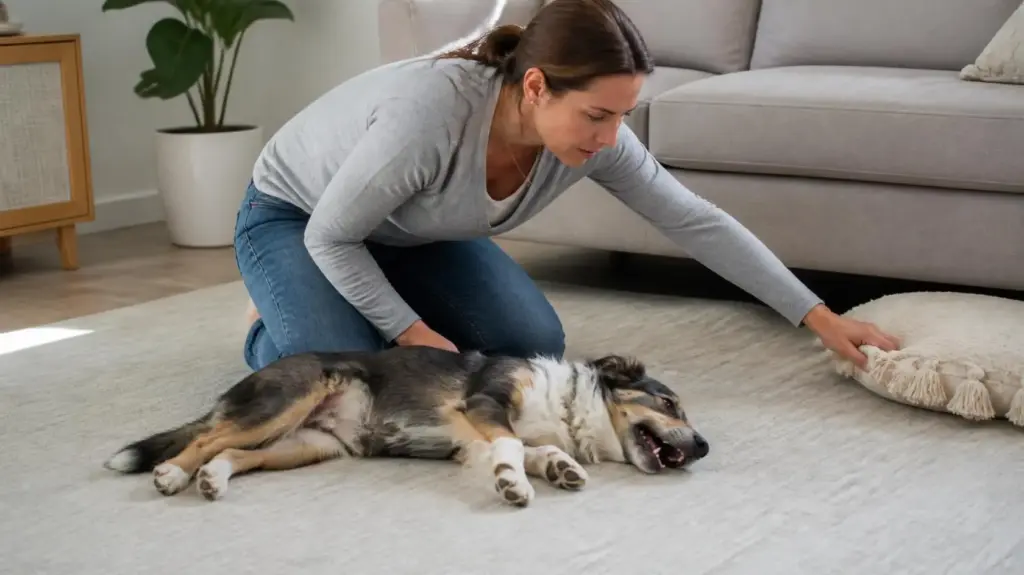
A few moments feel frightening, like realizing a beloved dog may have swallowed something.
An empty chocolate wrapper on the floor or a chewed medicine bottle can instantly trigger panic. Many look up how to make a dog throw up, unsure whether it is safe or could make things worse.
The pressure to make the right decision within minutes can feel overwhelming.
Dogs are naturally curious and often explore their surroundings with their mouths, which makes accidental ingestion more common than many expect.
Having clear, reliable guidance during those first critical moments can replace fear with focused action and help protect a dog’s health when it matters most.
This blog covers how to induce vomiting in dogs in emergency situations, such as ingestion of harmful substances, including common pet toxins.
When to Make a Dog Throw Up?
Inducing vomiting may be appropriate only in specific emergency situations and usually within a short time after ingestion.
Action is sometimes recommended when a dog has swallowed certain toxic foods, medications, or non-sharp foreign objects that remain in the stomach.
Veterinary guidance should always come first before attempting any method at home.
Vomiting should not be induced if sharp objects, batteries, cleaning chemicals, gasoline, or other caustic substances were swallowed, as this can cause further injury.
Dogs showing breathing difficulty, seizures, unconsciousness, or severe weakness require immediate veterinary care instead of home intervention.
Certain breeds with short snouts may be at higher risk of breathing difficulties during vomiting. Professional evaluation ensures the safest decision in emergency situations.
How to Induce Vomiting in Dogs? (Step-by-Step Guide)

Pet owners searching for how to make a dog throw up must understand that this step should always follow direct guidance from a licensed veterinarian or poison control professional.
1. Identify the Substance Ingested
Begin by identifying exactly what substance was swallowed and estimating how much was consumed. Look for chewed containers, missing pills, spilled food, or damaged packaging nearby.
Read ingredient labels and write down the product name to provide accurate details to a veterinarian.
Timing is extremely important because vomiting is usually most effective within 1 to 2 hours after ingestion and can extend to 4 hours, depending on the toxic item consumed.
After that window, the substance may already move beyond the stomach.
2. Check Current Symptoms
Carefully observe the dog for any unusual signs before attempting to induce vomiting.
Vomiting should not be induced in the dogs if severe symptoms such as seizures or unconsciousness are present.
Also consider whether sharp objects or corrosive substances may have been swallowed, as vomiting could cause additional injury. A dog that appears stable still requires careful monitoring.
Proper assessment of current symptoms helps prevent dangerous mistakes and ensures that emergency care decisions are made safely.
3. Contact a Veterinarian Immediately
Always contact a veterinarian or pet poison hotline before attempting to induce vomiting. Professional guidance is necessary to determine whether this step is appropriate.
Certain substances, including cleaning products or batteries, can cause more harm if vomited.
Avoid using salt, mustard, or other household remedies without medical approval. These unsafe methods can lead to serious complications, including choking or poisoning.
Immediate consultation reduces unnecessary risks and improves the likelihood of safe emergency management.
4. Use of 3 Percent Hydrogen Peroxide
If approved by a veterinarian, 3 percent hydrogen peroxide may be recommended to induce vomiting. Only the standard household 3 percent solutionshould be used in emergencies.
The typical veterinary guideline is 1 teaspoon (5 ml) per 5 pounds of body weight, with a maximum dose of 3 tablespoons (45 ml).
Dosage must be calculated carefully based on body weight to reduce complications. Vomiting typically occurs within 10-15 minutes after correct administration.
If vomiting does not occur, further instructions should come from a veterinarian. Higher concentrations are dangerous and can irritate the stomach lining.
5. Oral Administration Only
Hydrogen peroxide must only be administered orally using careful technique. Use a syringe or similar tool to gently place the liquid into the side of the mouth.
Allow natural swallowing instead of forcing the liquid directly down the throat.
Forceful delivery increases the risk of choking or aspiration into the lungs. Keep the dog upright and monitor closely during this time.
Vomiting may begin quickly, so supervision is important; therefore, proper oral administration significantly reduces complications and supports safer emergency care.
Aftercare: Once the Dog Vomits

After the dog vomits, stay calm and observe closely, and if it is safe, check the vomit for pieces of the substance or object swallowed.
This can help the veterinarian better understand exactly what was ingested. Carefully monitor the dog for any unusual behavior or ongoing symptoms.
Some dogs may seem tired after vomiting, but extreme weakness is not normal.
If your veterinarian advises, withhold food for a short period to allow the stomach to settle, while still offering small amounts of water.
Even if vomiting occurred, a vet visit may still be necessary depending on what was swallowed.
Watch carefully for warning signs such as lethargy, bloody vomit, repeated vomiting, diarrhea, tremors, seizures, or signs of abdominal pain.
Seek immediate veterinary care if any of these symptoms appear, as complications like aspiration can occur.
Common Toxic Substances for Dogs
Many everyday items inside and outside the home can be dangerous for dogs.
Certain human foods, such as chocolate, grapes, raisins, onions, garlic, and products containing xylitol, can quickly cause serious health problems.
Alcohol and caffeine are also harmful, even in small amounts. Human medications, including pain relievers, antidepressants, and cold medicine, are common causes of poisoning.
Household products like cleaning solutions, bleach, batteries, antifreeze, and rodent poison pose serious risks if swallowed.
Some plants, including lilies, sago palm, tulips, and aloe, are toxic to dogs as well.
Even yard chemicals such as fertilizers and pesticides can lead to illness.
If accidental ingestion is suspected, contact a veterinarian immediately or call the ASPCA Poison Control Center at (888) 426 4435 for urgent guidance
Tips to Prevent Accidental Poisoning in Dogs
Accidental poisoning often happens quickly and inside the home. Simple safety habits can significantly reduce risk and protect dogs from harmful exposure.
- Store Medications and Chemicals Securely: Keep all medicines, cleaning supplies, and chemicals locked away in high cabinets out of reach.
- Keep Toxic Foods Out of Reach: Avoid leaving chocolate, grapes, onions, or xylitol products on counters or low tables.
- Secure Trash and Recycling Bins: Use tightly sealed trash cans to prevent dogs from ingesting spoiled food or packaging.
- Monitor Plants and Outdoor Areas: Remove toxic houseplants and check yards for fertilizers, antifreeze spills, or rodent bait.
- Prepare an Emergency Contact Plan: Save your veterinarian and pet poison hotline numbers for quick access during emergencies.
Conclusion
Knowing how to induce vomiting in dogs can make a critical difference during an emergency, but safety must always come first.
Quick action, accurate information, and immediate veterinary guidance are absolutely essential before attempting anything at home during emergencies.
Identifying the substance, noting the time of ingestion, checking symptoms, and avoiding unsafe remedies all help reduce serious risks.
Vomiting is not appropriate in every situation, and professional advice ensures the safest decision for your dog’s health. Prevention also plays a major role in avoiding future emergencies.
Secure storage and careful supervision can protect against accidental poisoning.
Have you ever faced a similar situation, or do you have helpful insights? Share your experience in the comments below.
Frequently Asked Questions
Can Activated Charcoal Be Used Instead Of Inducing Vomiting?
Activated charcoal may be recommended in some cases to limit the absorption of toxins. This decision should only be made by a veterinarian after reviewing the specific substance involved.
How Do Vets Induce Vomiting In Dogs?
Veterinarians typically use prescription medications such as apomorphine to safely trigger vomiting. The process is carefully monitored in a clinical setting to reduce complications.
How to Help a Dog Throwing Up?
Provide small amounts of water, withhold food temporarily if advised, and monitor closely for worsening symptoms and seek veterinary care if vomiting continues.