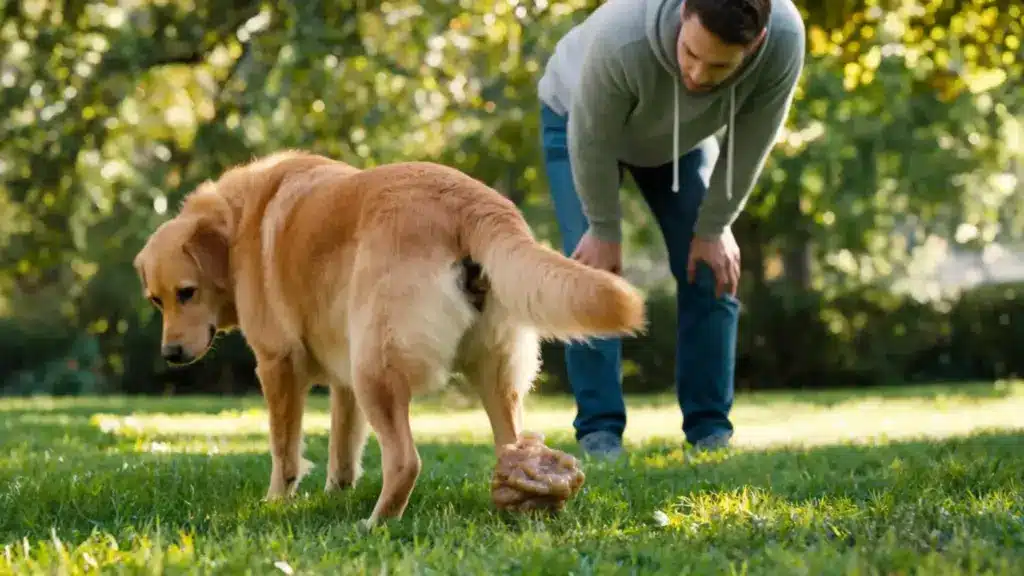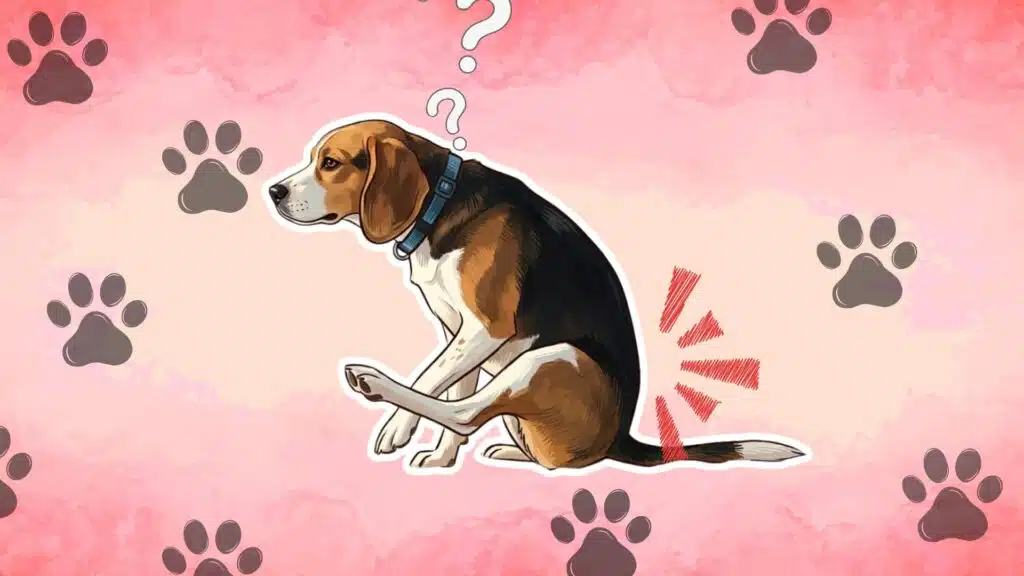
You are sitting with guests, everything feels normal, and suddenly your dog starts sliding across the carpet.
At that moment, one question pops up instantly: why is my dog dragging his butt? It can feel embarrassing, even a little funny at first, but dog scooting its butt is actually more common than many pet owners think.
Dogs often drag their rear on the floor when something is irritating them, whether it is anal gland discomfort, worms, allergies, or simple hygiene issues.
The good news is that most causes behind dog scooting butt are treatable once you know what is going on.
Still, this behavior should not be ignored because it is often your dog’s way of signaling discomfort.
In this blog, you will learn why your dog is dragging his butt, the most common reasons behind dog scooting butt, and what you can do to help your dog feel comfortable again.
What Does Dog Scooting Butt Mean?
Dog scooting is when a dog drags or slides its bottom across the floor or ground. You might see your dog pulling itself forward while its rear stays on the surface.
This behavior can occur on carpets, grass, tiles, or even on dirt outside. Many pet owners call this dog scooting butt, and while it may look strange or funny, it usually signals that something is irritating your dog’s rear area.
It is important to understand that scooting is not a condition by itself. It is a symptom that points to discomfort such as anal gland issues, worms, allergies, or skin irritation.
Both male and female dogs can show this behavior when something around their backside feels itchy, painful, or uncomfortable.
Common Reasons Why Your Dog Is Dragging His Butt
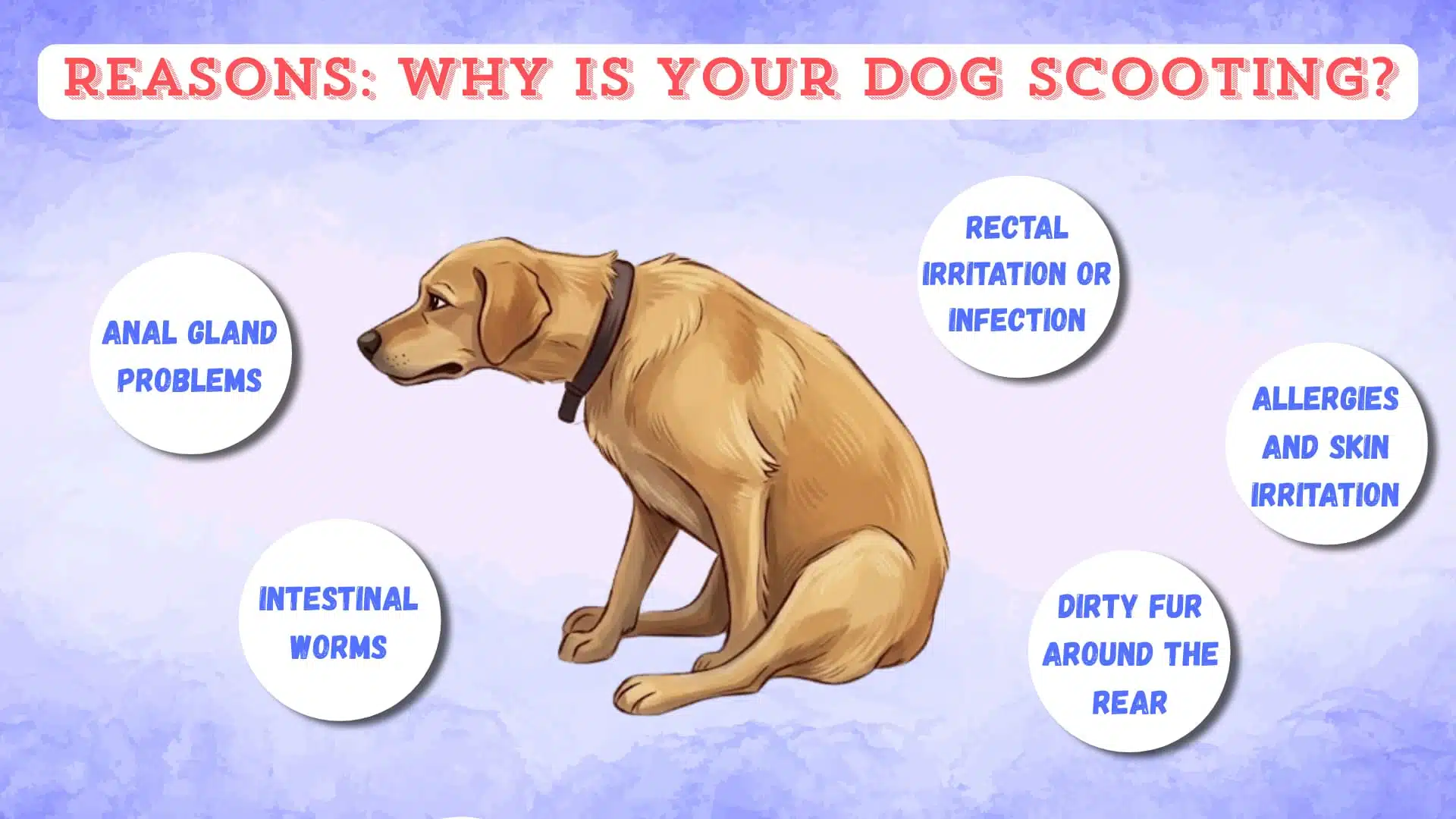
If you are wondering why your dog is dragging his butt, several common health and hygiene issues can trigger dog scooting butt in dogs.
1. Anal Gland Problems
One of the most common reasons for a dog’s scooting butt is full or infected anal glands. These small glands near your dog’s anus normally release fluid during bowel movements.
When they become blocked or overly full, they create pressure and irritation. Dogs may drag their rear to relieve that discomfort.
Owners may also notice swelling, a fishy odor, or frequent licking around the back area.
2. Intestinal Worms
Intestinal parasites are another reason behind a dog’s scooting butt. Worms such as tapeworms can cause itching and irritation near the anus.
Dogs often pick up these parasites from fleas, contaminated soil, or infected animals. You may notice small rice-like segments around your dog’s rear or in their stool.
Along with scooting, symptoms can include weight loss, mild stomach upset, or frequent licking of the rear.
3. Allergies and Skin Irritation
Allergies can make the skin around a dog’s rear extremely itchy, which may explain why my dog is dragging his butt across the floor.
Dogs may develop food allergies or react to environmental triggers such as pollen, dust, or grass. The irritation can lead to redness, inflammation, and persistent itching.
In response, your dog may scoot repeatedly to try to relieve that uncomfortable sensation.
4. Dirty Fur Around the Rear
Sometimes, dog scooting butt happens for simple hygiene reasons. Long-haired dogs can get stool stuck in the fur around their backside, especially if their coat becomes matted.
This trapped debris can cause itching and irritation, leading the dog to drag its bottom on the ground.
Regular grooming and trimming the fur around the rear can help prevent this type of discomfort.
5. Rectal Irritation or Infection
In some cases, scooting may result from rectal irritation, small injuries, or infections around the anus.
Although less common, these issues can cause significant discomfort for your dog. Signs may include redness, swelling, pain when sitting, or frequent attempts to lick the area.
If the dog’s scooting butt continues along with these symptoms, a veterinary check is important.
Signs that Dog Scooting Butt Is a Serious Problem
Occasional scooting can happen, but repeated dog scooting, along with other symptoms, may signal a deeper health issue:
- Excess licking: Constant licking or biting around the rear often means irritation, blocked anal glands, or parasites that are making your dog uncomfortable.
- Swelling or redness: Visible swelling, inflammation, or redness near the anus can indicate infected anal glands, skin irritation, or a condition requiring treatment.
- Strong smell: A strong fishy or foul odor from your dog’s backside often points to anal gland buildup or infection.
- Blood around the area: Blood near the anus or on the floor may suggest injury, ruptured anal glands, or severe irritation.
- Unusual discharge: Pus or fluid leaking from the rear can signal infected anal glands or a developing infection needing veterinary care.
What You Can Do If Your Dog Keeps Scooting?
If the dog’s scooting butt continues, it is important to check for simple causes before assuming something serious.
Start by gently inspecting the rear area for stuck stool, matted fur, swelling, or redness. Cleaning the area can sometimes relieve mild irritation.
Grooming also helps, especially for long-haired dogs, where debris can get trapped in the fur. Next, look at your dog’s diet. Adding fiber can support healthy digestion and help anal glands empty properly.
Following a regular deworming schedule is also important because parasites can cause itching around the rear.
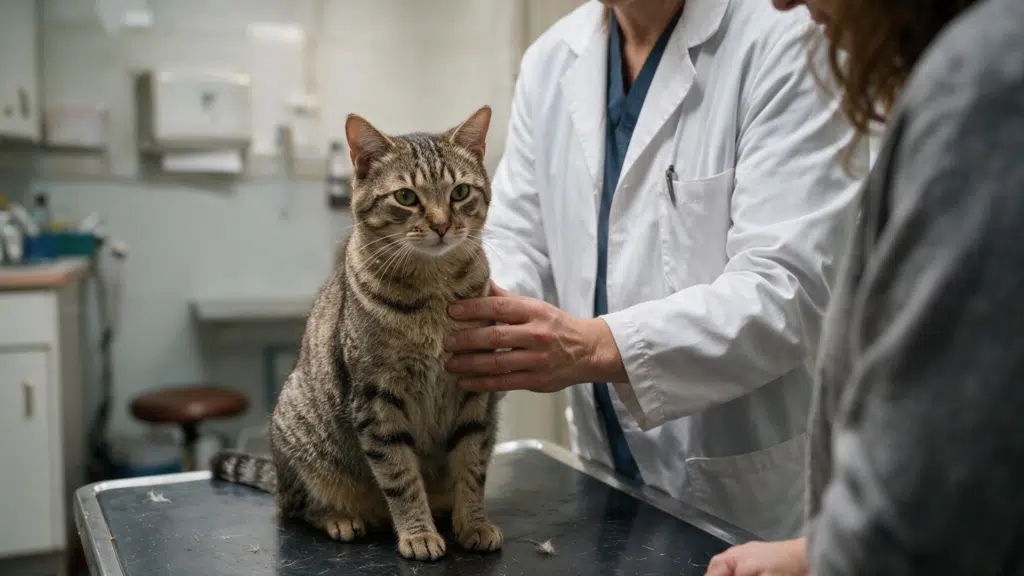
If the scooting continues despite these steps, a veterinarian should examine your dog to check for anal gland problems, infections, or allergies.
When You Should See a Vet?
If dog scooting butt happens once in a while, it may not always be serious. However, when the behavior continues for several days, it is important to pay closer attention.
Persistent scooting can indicate a health issue that requires proper medical care.
You should consider visiting a veterinarian if the scooting lasts more than a few days or keeps happening frequently.
Dogs that repeatedly struggle with anal gland problems may require professional gland expression or treatment.
A veterinarian can properly examine your dog, identify the exact cause behind the scooting, and recommend the right treatment to relieve the discomfort.
Steps for Preventing Dog Scooting Butt
Preventing dog scooting butt mostly comes down to maintaining good hygiene, proper nutrition, and routine health care that helps reduce irritation around your dog’s rear area.
- Fiber-rich diet: Fiber improves digestion and stool quality, helping anal glands empty naturally during bowel movements and reducing irritation around your dog’s rear.
- Regular grooming: Keeping the fur around the rear trimmed and clean prevents stool buildup and skin irritation that can trigger scooting behavior.
- Parasite prevention: Routine deworming and flea control reduce the risk of worms and parasites that often cause itching near the anus.
- Clean rear area: Cleaning the rear after messy bowel movements helps prevent irritation and keeps the area comfortable for your dog.
- Vet checkups: Regular veterinary visits help detect anal gland problems, allergies, or infections before they become serious.
Conclusion
Dogs often show unusual behaviors when something feels uncomfortable, and scooting is one of the most noticeable ones.
If you have been asking yourself, why is my dog dragging his butt, the answer usually points to irritation, anal gland problems, worms, allergies, or hygiene issues.
Dog scooting its butt may look harmless at first, but repeated scooting is a clear signal that your dog needs attention.
Checking the rear area, maintaining proper grooming, and keeping up with parasite prevention can help reduce the chances of this problem.
Most importantly, do not ignore persistent scooting, as early care can prevent more serious health issues.
Have you noticed your dog doing this recently? Drop your comments below and share your experience.