The moment you bring a dog home, one big question hits you fast. When does my dog need shots, and how often
It can feel confusing at first, as there are different vaccines, different ages, and different advice from people around you.
A dog vaccination schedule is a clear plan that shows which vaccines your dog needs and at what age. It starts when your puppy is just a few weeks old and continues into adult and senior years.
Timing also matters because puppies have weak immune systems, and adult dogs need boosters to stay protected.
In this blog, you will get a full breakdown of vaccines by age, core shots, booster timelines, and what to expect after vaccination.
By the end of this blog, you will know exactly what your dog needs and when.
Dog Vaccination Schedule by Age
| Age of Dog | Vaccines Given | Type | Purpose |
|---|---|---|---|
| 6–8 Weeks | Distemper, Parvovirus, Adenovirus (often combined as DHPP) | Core | Protects against severe viral diseases that spread quickly in young puppies. |
| 6–8 Weeks (optional) | Bordetella | Non-core | Protects against kennel cough, especially for puppies exposed to other dogs. |
| 10–12 Weeks | DHPP Booster (Distemper, Parvovirus, Adenovirus) | Core | Strengthens immunity started by the first vaccine dose. |
| 10–12 Weeks (optional) | Leptospirosis | Non-core | Protects against bacteria found in water and soil that can infect both dogs and humans. |
| 14–16 Weeks | Final DHPP Booster | Core | Confirms strong immunity once maternal antibodies decrease. |
| 14–16 Weeks | Rabies | Core | Legally required in many regions and protects against a fatal virus affecting animals and humans. |
| 12–16 Months | DHPP Booster | Core | First adult booster to maintain immunity built during puppy vaccination series. |
| 12–16 Months | Rabies Booster | Core | Ensures continued legal and medical protection against rabies. |
| Every 1 Year | Bordetella, Leptospirosis, Canine Influenza (if needed) | Non-core | Recommended for dogs that travel, visit parks, or stay in boarding facilities. |
| Every 3 Years | DHPP Booster | Core | Maintains long-term protection against distemper, parvovirus, and adenovirus. |
| Every 1–3 Years | Rabies Booster | Core | Required by law in many areas depending on local regulations. |
Why Vaccinations Matter for Dogs
Vaccines help a dog’s body learn how to fight harmful viruses and bacteria. They contain a small, safe part of a disease that trains the immune system to react.
If the real infection shows up later, the body is ready to defend itself. This lowers the risk of serious illness and long-term health problems.
There are two main types of vaccines: core and non-core. Core vaccines are recommended for every dog because they protect against dangerous and common diseases like rabies, distemper, and parvovirus.
According to the American Veterinary Medical Association, core vaccines are advised for all dogs due to the severity and widespread risk of these diseases.
Non-core vaccines depend on lifestyle, location, and exposure risk. Skipping shots can leave dogs open to preventable diseases.
Some infections spread fast and can be fatal, especially in puppies and older dogs. Treatment can also be costly and stressful.
Vaccination Schedule for Puppies
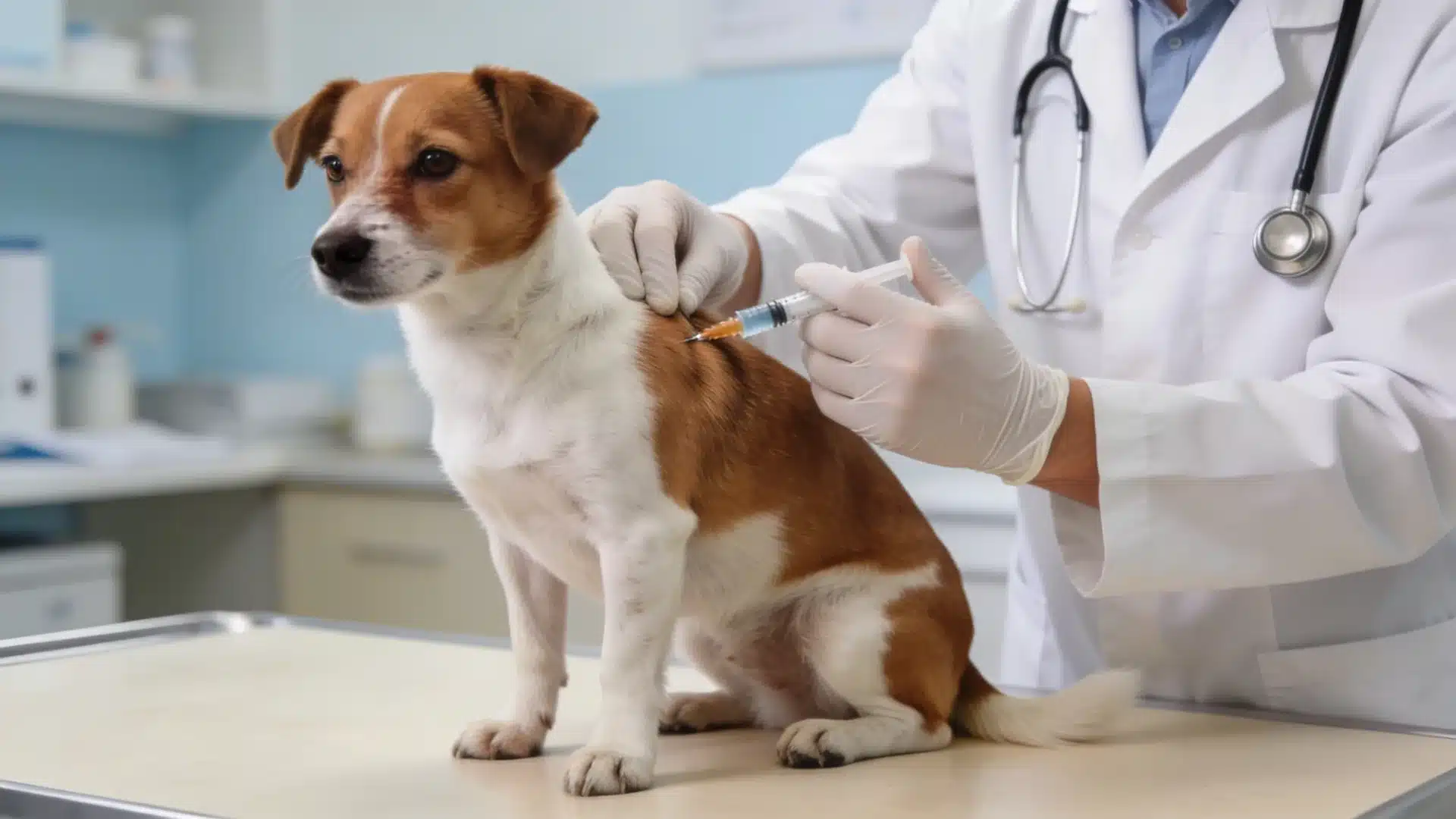
Puppies need a planned series of shots in their first year to build strong protection and reduce the risk of early infections.
1. 6 to 8 Weeks
At this stage, puppies receive their first core vaccines. These usually protect against distemper, parvovirus, and adenovirus.
These diseases can spread fast and are often severe in young dogs. The first dose helps the immune system start building defense, even though it is not full protection yet.
Optional vaccines may also be suggested based on risk. For example, Bordetella may be given if the puppy will be around other dogs.
After this stage, puppies return a few weeks later for booster shots to strengthen the protection started by the first vaccines.
2. 10 to 12 Weeks
This visit focuses on booster shots, which strengthen the protection provided by the initial vaccines. A second round of core vaccines is usually given during this time.
The immune system responds more strongly after this dose, which improves overall coverage. Additional protection may be added if needed.
Vaccines like leptospirosis can be introduced depending on location and exposure risk. Each puppy’s needs can vary, so this stage helps adjust the plan if required.
After this visit, another booster round is scheduled to complete the main puppy vaccination series.
3. 14 to 16 Weeks
These are usually the final puppy boosters, as core vaccines are given again to ensure lasting immunity.
This step is important because maternal antibodies from the mother may have reduced the effect of earlier doses. The final round helps confirm proper protection.
The rabies vaccine is commonly given during this stage. In many areas, rabies vaccination is required by law because it protects both the dog and the people around it from a serious viral disease.
After completing this stage, the puppy usually does not need another vaccine until the first annual booster.
4. 12 to 16 Months
Around one year of age, puppies return for their first annual booster. This visit strengthens immunity built during the first few months of life.
Core vaccines are often repeated at this time, as this booster helps extend protection into adulthood.
After this, some vaccines may shift to a three-year schedule, depending on veterinary advice. Regular follow-ups keep the vaccination plan on track.
Regular veterinary visits continue to ensure the vaccination schedule stays updated throughout the dog’s adult and senior years.
Vaccination Schedule for Adult Dogs
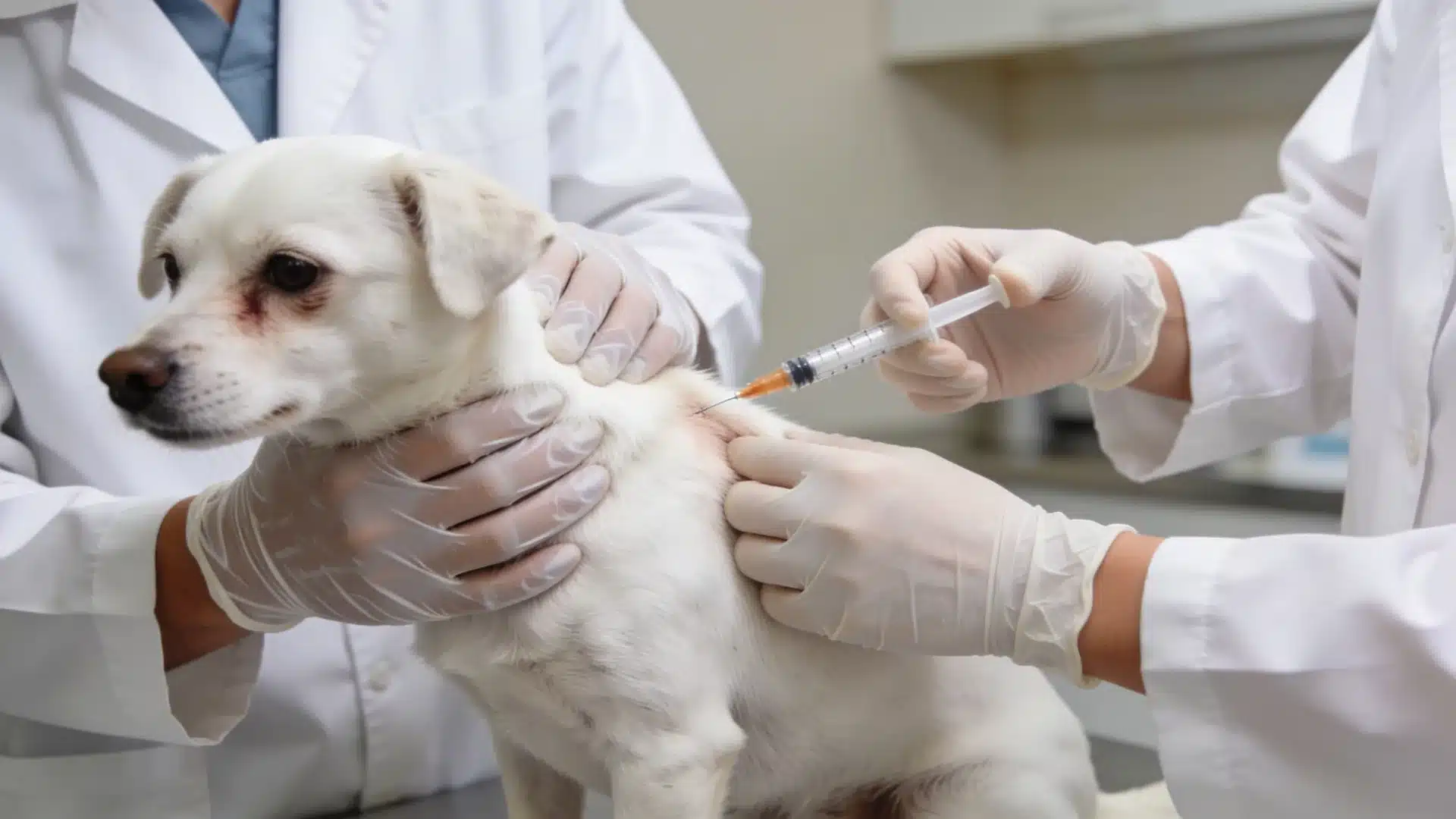
Once a dog reaches adulthood, the focus shifts from starting immunity to maintaining it. The dog vaccination schedule during these years includes regular boosters to keep protection active.
Some vaccines are given every year, depending on risk and local rules. These may include rabies in certain areas and lifestyle-related shots like Bordetella.
Other core vaccines, such as distemper, parvovirus, and adenovirus, are often given every three years after the first adult booster.
This depends on the vet’s advice and the dog’s health record. Lifestyle-based vaccines are adjusted as needed.
Dogs that travel, visit boarding facilities, or spend time outdoors may need extra protection. The plan can change based on exposure risk and overall health.
Core Vaccines Every Dog Needs
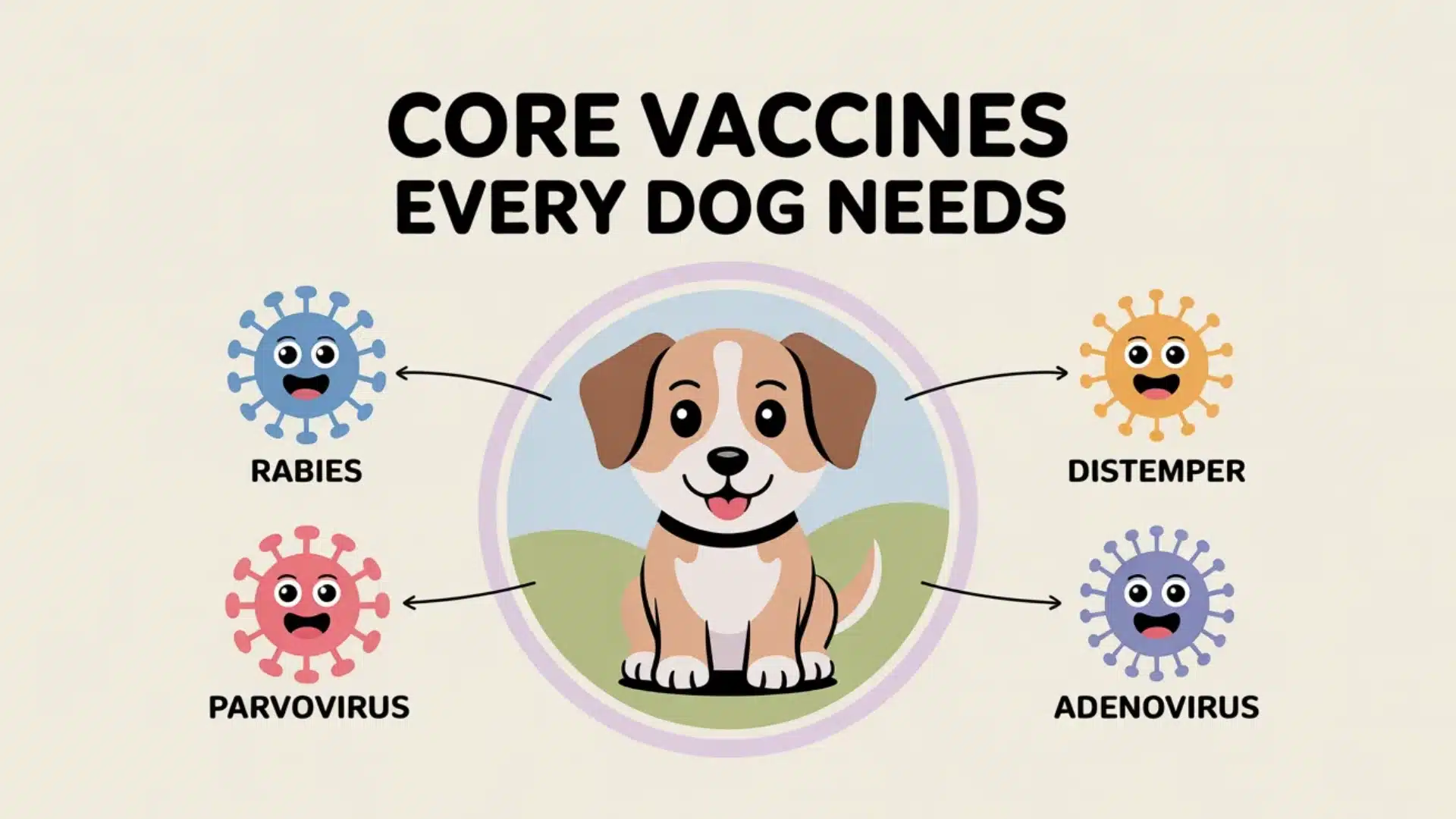
Core vaccines are advised for every dog, no matter the breed or lifestyle, because they protect against severe diseases that spread easily and can become life-threatening.
1. Rabies
Rabies is a viral infection that attacks the brain and nervous system. It spreads through bites or saliva from infected animals.
Once symptoms begin, the disease is almost always fatal. It can also pass to humans, which makes prevention even more important.
Many regions require rabies shots by law. Regular vaccination and timely boosters help maintain protection and reduce the risk of transmission in communities.
2. Distemper
Distemper is a contagious virus that can damage the lungs, digestive system, and nervous system. It spreads through close contact with infected dogs or shared objects like bowls and bedding.
Early signs include fever, nasal discharge, coughing, and tiredness. In severe cases, it can cause seizures or paralysis.
Puppies are at higher risk due to weaker immunity. Vaccination provides reliable protection and lowers the chances of serious complications.
3. Parvovirus
Parvovirus is a dangerous infection that mainly targets the intestines. It spreads through contaminated surfaces, soil, or contact with infected feces.
The virus can survive in the environment for long periods, which increases exposure risk. Symptoms include intense vomiting, bloody diarrhea, and rapid dehydration.
Young puppies can become critically ill in a short time. The vaccine is highly effective and remains one of the best ways to prevent this life-threatening disease.
4. Adenovirus
Adenovirus is linked to infectious canine hepatitis, a disease that affects the liver and other organs. It spreads through body fluids such as urine, saliva, and nasal discharge.
Dogs may show fever, stomach pain, loss of appetite, or eye inflammation. In serious cases, it can lead to long-term liver damage.
Vaccination protects against this infection and helps maintain overall organ health as dogs grow and age.
Non-Core Vaccines Based on Risk
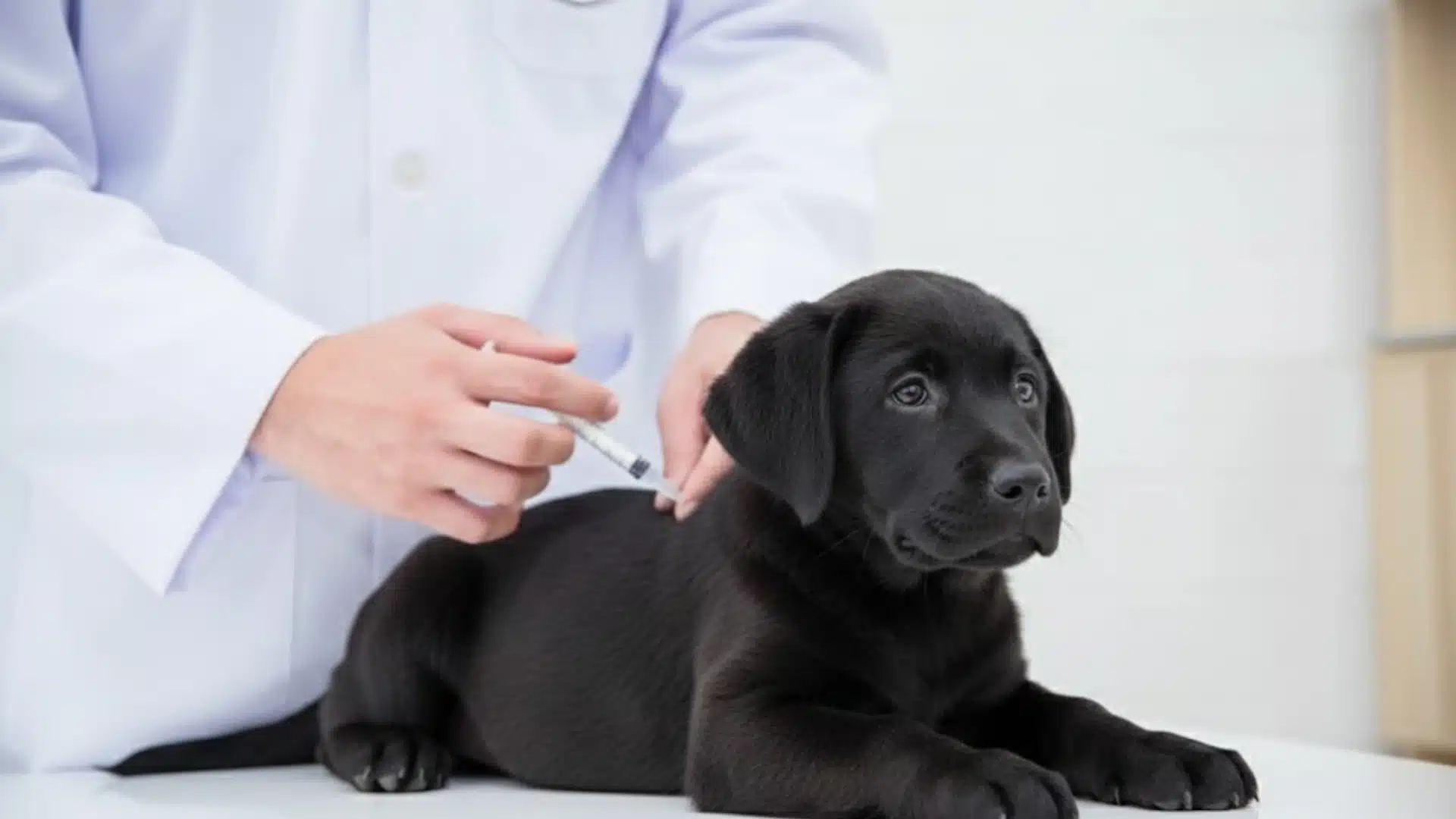
Non-core vaccines are given based on a dog’s lifestyle, location, and daily exposure. Not every dog needs them, but they can offer added protection in certain situations.
Bordetella protects against kennel cough, a contagious respiratory infection that spreads in places like boarding centers, dog parks, and grooming facilities.
Dogs that spend time around other dogs may benefit from this vaccine. Leptospirosis is caused by bacteria found in water and soil.
It can spread through contact with infected urine and may affect both dogs and humans. Lyme disease spreads through tick bites and is more common in wooded or grassy areas.
Canine influenza, also called dog flu, spreads through close contact and can cause coughing, fever, and fatigue.
Vaccination Schedule for Senior Dogs
As dogs grow older, their immune system may not respond as strongly as it once did. Even so, senior dogs still need boosters to maintain protection against common diseases.
Core vaccines such as rabies and distemper are often continued, though the frequency may depend on past vaccination history.
Skipping boosters can leave older dogs vulnerable, especially since recovery from illness can be harder with age. Adjustments are sometimes made based on overall health.
Dogs with chronic conditions or weakened immunity may follow a modified plan. Vets may recommend blood tests to check immunity levels before giving certain shots.
Regular checkups help ensure vaccinations remain safe and suited to the dog’s current health status.
Factors That Affect a Dog Vaccination Schedule
Several factors can influence how and when vaccines are given, since not every dog faces the same risks or environment.
- Breed: Certain breeds may have higher sensitivity to vaccines or a greater risk of specific inherited health conditions.
- Health condition: Dogs with weak immunity or chronic illness may need delayed shots or adjusted vaccination timing.
- Location: Disease risks vary by region, especially for ticks, wildlife exposure, and local outbreaks.
- Travel and boarding: Frequent travel or boarding increases exposure to other dogs and contagious infections.
- Lifestyle and outdoor activity: Active outdoor dogs face higher exposure to bacteria, parasites, and infected animals.
Side Effects and What to Expect After Vaccination
Most dogs handle vaccines well, but some mild reactions can appear for a short time. Knowing what is normal and when to seek help is important.
- Mild swelling at the injection site: A small bump or slight swelling where the shot was given is common and usually fades within a few days.
- Low energy or tiredness: Dogs may feel sleepy or less active for a day as the immune system responds to the vaccine.
- Reduced appetite: Some dogs may eat less for a short period after vaccination, but normal appetite usually returns within 24 hours.
Most mild symptoms disappear quickly, but staying observant after vaccination helps ensure the dog remains safe and comfortable during recovery.
Conclusion
A dog vaccination schedule helps keep your pet protected from serious and preventable diseases at every stage of life.
From the first puppy shots to adult boosters and senior care, each step plays a role in building and maintaining immunity.
Sticking to the recommended timeline lowers health risks and avoids costly treatments later. Core vaccines protect against widespread threats, while non-core options depend on lifestyle and environment.
Staying consistent with appointments ensures protection does not fade over time.
Working closely with a vet also helps adjust the plan based on age, health, and daily exposure. Every dog is different, and the right schedule reflects those needs.
Are you currently following an updated plan for your dog’s vaccinations? Share your experience or questions in the comments below.