If you’ve been asking yourself, “Is kibble bad for dogs, you’re not being dramatic. You’re just trying to do right by your dog.
One minute, kibble feels like the easiest and most normal choice. The next minute, you hear it’s “too processed,” full of fillers, or linked to itchy skin, ear issues, or stomach trouble.
And suddenly, feeding your dog feels way more stressful than it should.
In this blog, I’ll break it down without panic. You’ll learn what kibble actually is, when it can cause problems, and when it’s totally fine.
I will also share the common signs that your dog may not be doing well on their current food, plus easy ways to make meals better without switching everything overnight.
By the end, you’ll feel more confident about what’s in your dog’s bowl.
What is Kibble Dog Food?
Kibble is a type of dry pet food, most commonly made for dogs and cats. It usually comes in small, bite-sized pieces that are easy for pets to chew and store.
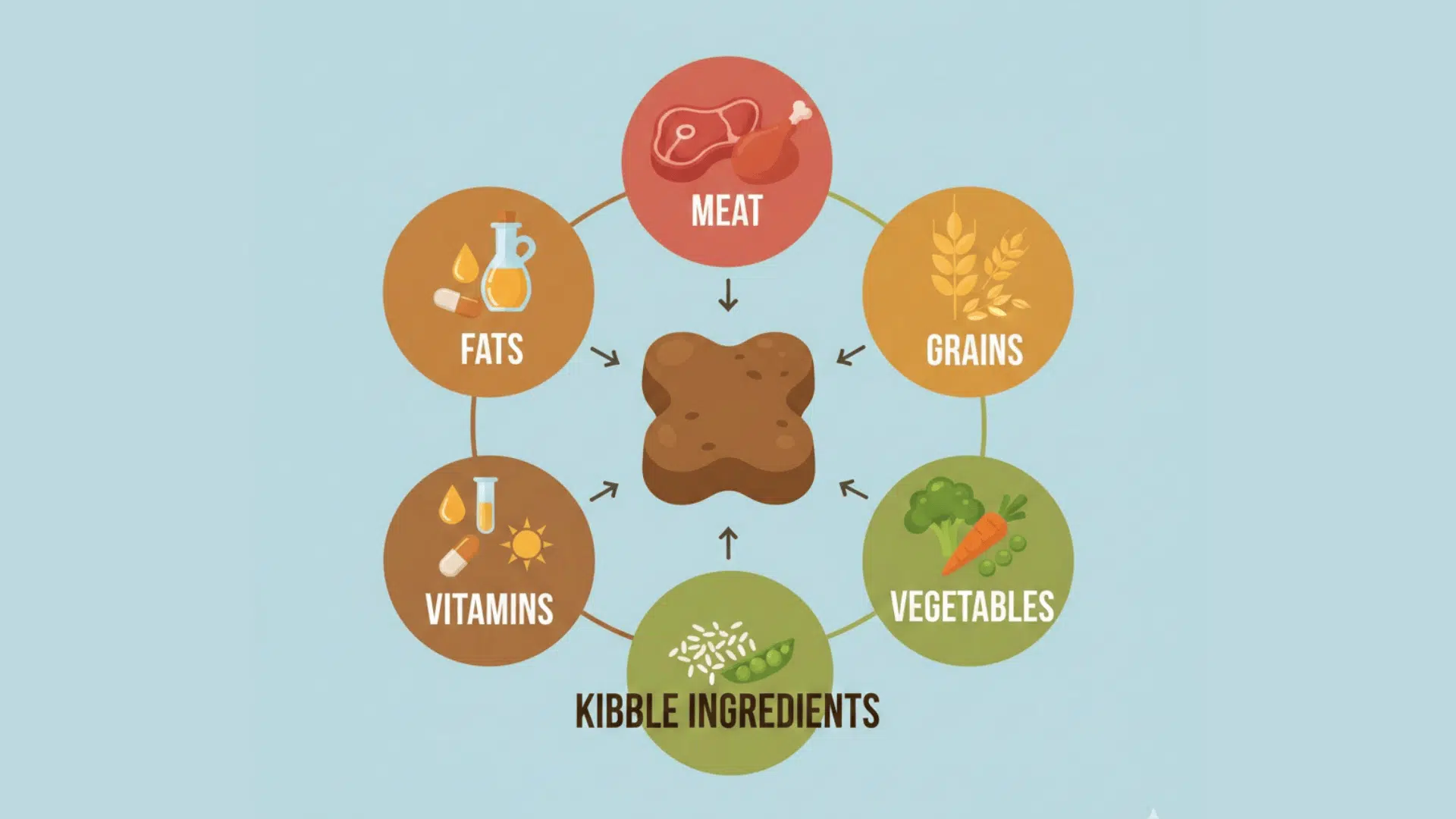
Kibble is made by mixing ingredients like meat, grains, vegetables, vitamins, and minerals into a dough.
This mixture is then cooked at high heat, shaped into small chunks, and dried to remove moisture. The low moisture content helps it last longer without spoiling.
Many pet owners prefer kibble because it is convenient, affordable, and simple to measure for portion control. Some formulas are also designed for specific ages, breeds, or health needs.
Is Kibble Bad for Dogs?
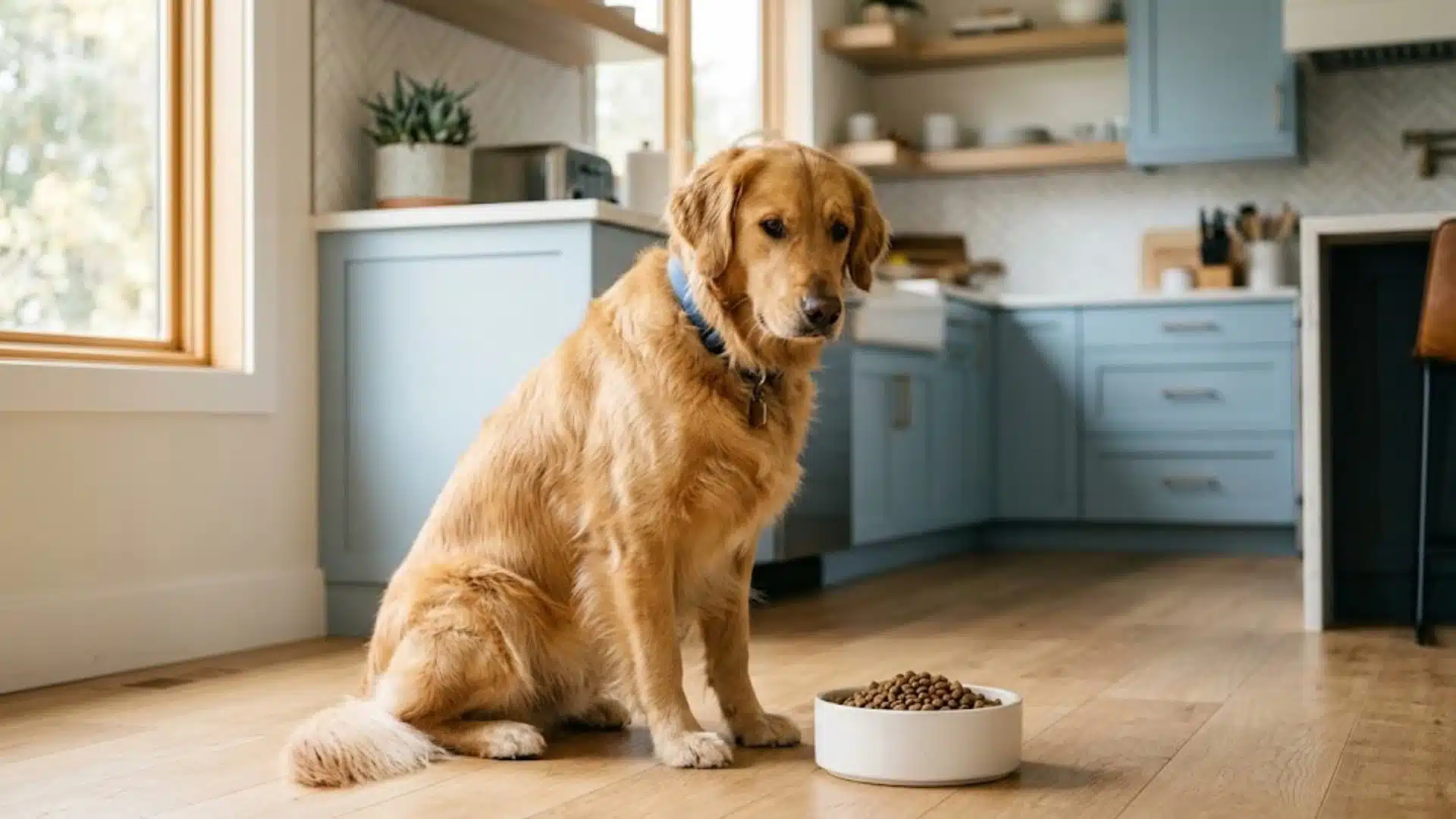
Kibble is not automatically harmful. It usually comes down to quality, ingredients, portion size, and how your dog’s body handles that specific food.
1. Low-Quality Ingredients
Some budget kibbles rely heavily on low-value ingredients that mainly add bulk rather than strong nutrition.
This can lead to “cheap calories,” where your dog eats enough but still doesn’t seem to feel or look their best.
Over time, you may notice weight gain, low energy, or poop that keeps changing from day to day. Some dogs also get gassy or seem hungry again right after eating.
This does not mean every affordable kibble is bad, but the lower the quality, the more careful you need to be.
2. Food Sensitivities and Allergies
Just like people, dogs can be sensitive to certain foods. Some dogs don’t do well with chicken, beef, or other rich, high-fat formulas.
Others may react to specific ingredients in the recipe, even if it’s a popular brand. When a kibble does not suit your dog, it can show up as itching, paw licking, or frequent stomach upset.
Grain sensitivity can happen, too, but it is less common than most people think. The main clue is repeated symptoms, not a one-time bad day.
3. Dehydration and Digestive Issues
Kibble is dry food, and that can be a problem for dogs who barely drink water. While many dogs handle it fine, some may do better when their meals include more moisture.
Dry food can sometimes lead to harder stools or mild constipation in dogs that are not drinking enough. It can also be tougher for older dogs or dogs with sensitive digestion.
A simple fix is adding warm water or dog-safe broth to the kibble. This small change can make meals easier to eat and digest.
4. Overfeeding and Obesity
Many people blame kibble when the real issue is portion size. Kibble is calorie-dense, so even a small extra scoop can add up over time.
Many dogs gain weight because serving sizes slowly increase, treats get added, or multiple family members feed the dog without realizing it.
Weight gain can lead to low energy and overall health issues. The good news is that this is one of the easiest problems to fix. Measuring portions and cutting back can make a big difference.
Is Kibble Safe According to Veterinarians?
Most veterinarians consider high-quality kibble safe for dogs when it meets established nutritional standards.
Reputable brands design their formulas to follow guidelines set by organizations such as the Association of American Feed Control Officials.
These standards ensure the food contains balanced protein, fats, vitamins, and minerals needed for daily health.
However, not every dog responds the same way to every food. Some dogs develop sensitivities or digestive issues with certain ingredients, even in well-formulated kibble.
Veterinarians often recommend monitoring your dog’s coat condition, energy level, and digestion. Regular checkups also help confirm whether the current diet continues to support overall health.
Signs Your Dog Might Not Be Doing Well
Your dog cannot explain what feels wrong, so small daily changes in behavior, digestion, or appearance often become the first warning signs.
- Constant itching: Ongoing itching, chewing at the skin, or rubbing against furniture may signal a reaction to certain ingredients or a nutrient imbalance.
- Loose stools or diarrhea: Regular digestive upset, soft stools, or repeated diarrhea can mean the current food is too harsh, poorly formulated, or difficult to digest.
- Recurring ear infections: Repeated ear redness, odor, or discharge often links to underlying food sensitivities that trigger inflammation and ongoing discomfort.
- Dull coat and heavy shedding: A lifeless coat, visible dandruff, or unusual shedding may point to low-quality fats, missing nutrients, or overall poor diet quality.
- Low energy or mood changes: If your dog seems tired, less playful, withdrawn, or unusually irritable, their food may not be providing enough balanced fuel.
Is Dry Kibble Bad for Dogs Long-Term?
Dry kibble is not automatically bad for dogs long term, but its impact depends on quality and your dog’s individual needs.
High-quality kibble that contains balanced protein, healthy fats, essential vitamins, and digestible ingredients can support overall health for years.
However, low-quality options that are high in fillers, artificial additives, or excessive carbohydrates may contribute to weight gain, skin issues, or digestive problems over time.
Hydration is another factor, since kibble contains very little moisture. Some dogs may benefit from added wet food or fresh ingredients.
Regular vet checkups and monitoring your dog’s energy, coat, and digestion are key to ensuring their diet continues to support long term health.
Kibble vs. Raw vs. Fresh Food: Quick Comparison
Each diet option has pros and cons, so understanding differences in cost, safety, nutrition, and convenience helps you choose what suits your dog best.
| Factor | Kibble | Raw Food | Fresh Food |
|---|---|---|---|
| Convenience | Very easy to store and serve | Requires freezer space and careful handling | Needs refrigeration and regular preparation |
| Cost | Usually most affordable | Often, the most expensive option | Moderate to high cost |
| Nutritional Balance | Formulated to meet standard guidelines | Must be carefully planned to avoid deficiencies | Can be balanced if properly designed |
| Food Safety | Low risk when stored properly | Higher risk of bacterial contamination | Moderate risk depending on handling |
| Moisture Content | Very low moisture | High natural moisture | High moisture content |
Kibble Myths Many Dog Owners Still Believe
There are many strong opinions about dry dog food, but not all are backed by facts or sound nutritional understanding.
- Kibble is always unhealthy: Not all kibble is low quality. Many formulas meet strict nutritional standards and provide balanced protein, fats, vitamins, and minerals when made by reputable brands.
- Grains are bad for every dog: While some dogs have grain sensitivities, most digest properly cooked grains without issues, and grains can provide fiber, energy, and essential nutrients.
- Raw food is always better: Raw diets can work for some dogs, but they require careful formulation and safe handling to avoid nutritional gaps and bacterial risks.
- Kibble causes dental disease: Dry food alone does not guarantee clean teeth, but chewing certain kibble textures may help reduce plaque compared to soft diets.
- All by-products are harmful: Meat by-products can include nutrient-rich organ meats, which provide valuable vitamins and minerals when sourced and processed responsibly.
How to Choose a Good Kibble?
Choosing a good kibble starts with carefully reading the ingredient list and guaranteed analysis on the label.
Look for a clearly named animal protein, such as chicken, beef, or salmon, listed as one of the first ingredients, since ingredients are listed in order of weight.
Avoid vague terms like meat meal without a specific source. Check that the food contains a balanced protein-to-fat ratio suited to your dog’s age, size, and activity level.
Review the presence of essential nutrients such as omega-3 fatty acids, vitamins, and minerals.
It is also helpful to confirm that the food meets established nutritional standards and is made by a reputable manufacturer with quality control practices.
Simple Ways to Improve Your Dog’s Kibble
If you’re concerned about your dog’s kibble but aren’t ready to make a drastic change, there are easy ways to improve their meals without overhauling everything.
1. Stick with Kibble, but Upgrade the Quality
If you’re happy with kibble but want to improve your dog’s diet, upgrade to a higher-quality brand. Opt for kibble that lists named proteins (such as chicken, turkey, or salmon) and clear fat sources.
This option is perfect for busy owners, multi-dog households, or those on a budget, as it allows you to stay on kibble without sacrificing nutrition.
You don’t have to switch foods entirely; go for a better formula that supports your dog’s health in the long run.
2. Add Moisture
A simple yet effective way to improve your dog’s kibble is by adding moisture. Some dogs don’t drink enough water, and kibble can be hard to digest for them.
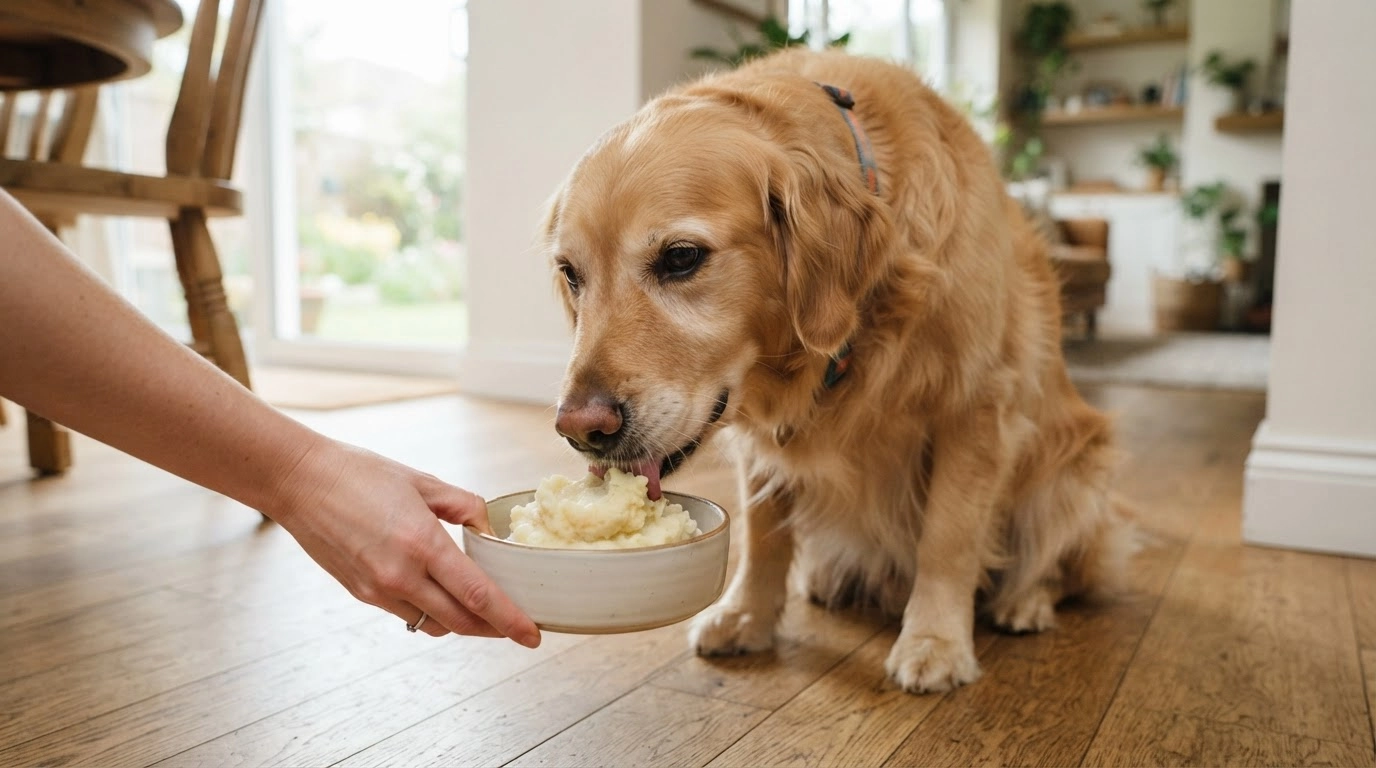
Adding warm water, dog-safe broth, or hydration toppers can soften the food, making it easier for your dog to chew and digest.
This is an excellent solution if your dog is picky or has trouble drinking water. It also adds a bit of variety without changing the kibble entirely.
3. Add Simple Whole-Food Toppers
If you want to make your dog’s kibble a little more exciting and nutritious, consider adding small portions of whole foods.
These whole foods are full of natural nutrients and can help improve your dog’s digestion, coat, and energy levels.
Just be mindful of portion sizes so you don’t overfeed your dog. Whole-food toppings can also help picky eaters enjoy their meals more.
4. Mixed Feeding
Mixed feeding is a great way to give your dog the benefits of both kibble and fresh food without completely switching diets.
Combine high-quality kibble with fresh or lightly cooked ingredients, such as chicken, beef, or vegetables.
It’s also great if you want to improve nutrition but don’t have time to prepare fresh meals all the time. Mixed feeding provides a good balance of convenience and nutrition.
5. Switch to Fresh Food
If your dog has sensitive digestion or you want to move away from kibble, consider switching to fresh or gently cooked food.
Fresh meals provide more moisture, which can be easier on your dog’s stomach and hydration levels.
Though it requires more effort and might be more expensive, fresh or cooked food can be a great alternative to kibble if you’re ready for the change.
How to Transition from Kibble to a Healthier Diet?
If you decide to change your dog’s food, always transition gradually to avoid digestive upset. A sudden switch can cause loose stools, vomiting, or refusal to eat.
Follow this simple 7-to-10-day transition schedule:
- Days 1–3: 75% old food, 25% new food
- Days 4–6: 50% old food, 50% new food
- Days 7–9: 25% old food, 75% new food
- Day 10: 100% new food
If your dog shows signs of stomach upset at any stage, slow down and spend a few extra days at that ratio before moving forward.
Puppies and dogs with sensitive stomachs may need a longer transition period of up to two weeks.
When to Seek Veterinary Advice for Your Dog?
You should speak with your vet if your dog shows ongoing symptoms that do not improve after small diet adjustments.
Persistent vomiting, diarrhea, itching, ear infections, sudden weight gain or loss, and major changes in energy are strong reasons to seek professional advice.
If your dog refuses food for more than a day, seems lethargic, or shows signs of pain, do not wait.
Puppies, senior dogs, and pets with medical conditions need closer monitoring, especially when changing diets.
A vet can run tests, rule out underlying illnesses, and recommend a diet that matches your dog’s specific health needs. Early guidance can prevent small issues from becoming serious problems.
Conclusion
So, is kibble bad for dogs? Not necessarily. It depends on the quality of the kibble and how well it suits your dog’s specific needs.
Kibble can be a convenient and nutritious option, but it’s essential to choose the right one based on your dog’s age, health, and preferences.
Pay attention to the ingredients and consider simple upgrades if you’re worried.
If your dog thrives on kibble, then there’s no need to feel guilty. It’s all about finding what works best for your furry friend.
Got questions or need help picking the proper kibble?
Drop your comments below, and I’ll help you choose the best food for your dog’s health and lifestyle!