French Bulldogs have held the top spot as America’s most popular dog breed for several years running, according to the latest AKC rankings.
With their bat ears, wrinkly faces, and laid-back charm, it’s easy to see why so many people fall for these little companions.
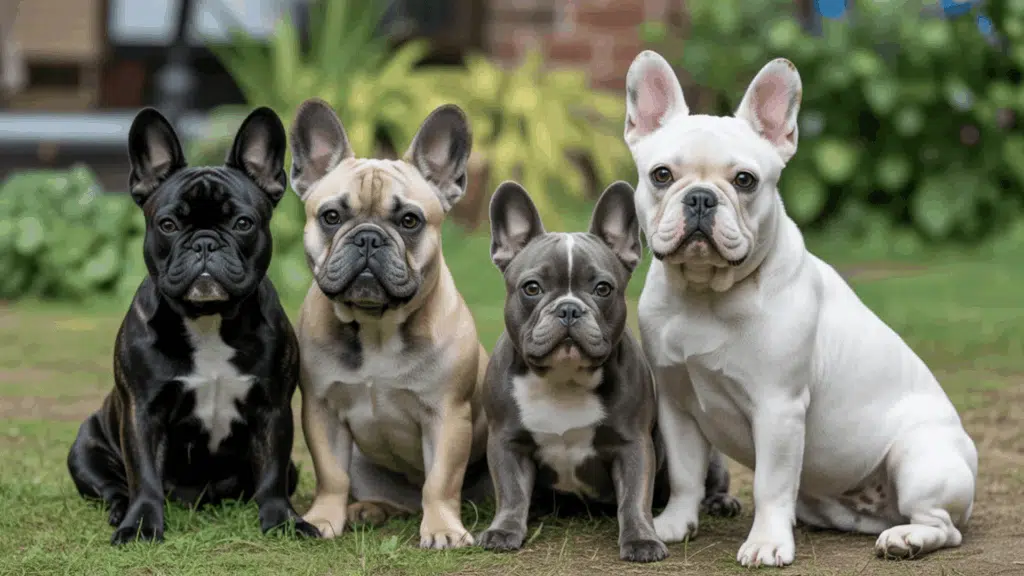
One thing that really sets Frenchies apart is their wide range of coat colors; from classic fawn and brindle to eye-catching rare shades like blue, lilac, or merle.
In this guide, I will break down the official standard French Bulldog colors accepted by the AKC and FBDCA, and look at the non-standard and rare ones that turn heads.
I’ll also touch on the genetics behind them, cover any associated health notes, and help you think about what might suit your lifestyle best.
If you’re just browsing puppies or curious about your own Frenchie’s coat, here’s everything you need to know.
The Basics Behind French Bulldog Color Variations
Color variation in French Bulldogs comes from inherited genes passed down through breeding lines, which influence coat shade, pattern, and markings.
Coat color classification is determined by the American Kennel Club rules. Some colors are officially recognized, while others fall outside those guidelines despite being popular.
While appearance often draws the most attention, color classification also affects registration status, breeding practices, and long-term health awareness.
Understanding how these variations develop makes it easier to follow discussions about standard and non-standard French bulldog colors and why certain coats are officially recognized.
Standard French Bulldog Colors
Standard colors follow AKC and FBDCA breed guidelines, focusing on fawn-based shades with specific markings for show eligibility and overall health.
1. Fawn French Bulldog Colors
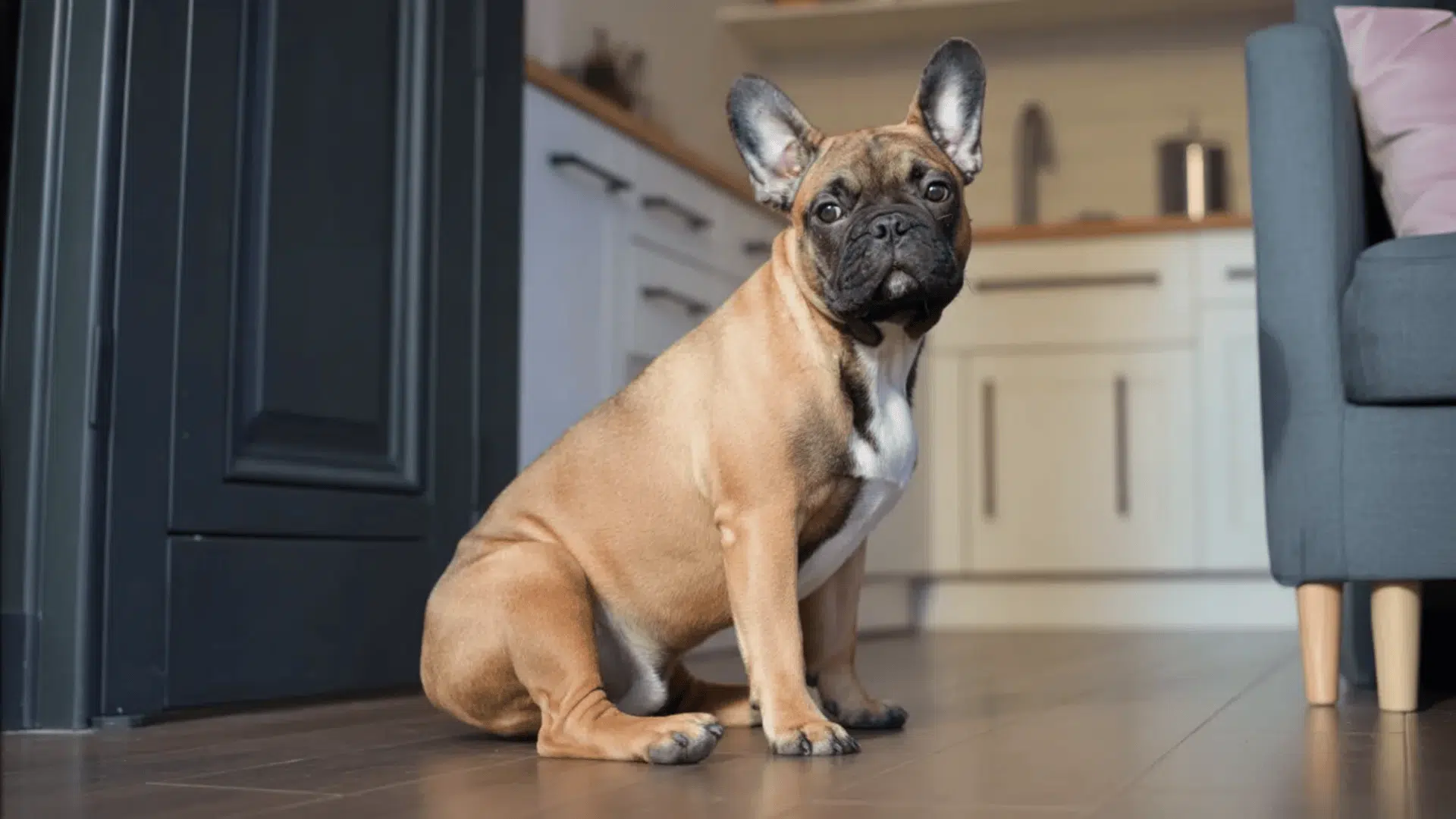
Fawn French Bulldogs show coats that range from light beige and sandy tan to deep red, giving a warm, classic appearance.
The short, smooth coat feels soft and glossy, often paired with a calm and affectionate temperament. Many fawn Frenchies have a black facial mask, mostly preferred in show settings.
This color is fully show-eligible, carries no known color-related health concerns, and is commonly priced in the moderate range.
2. Brindle French Bulldog Colors
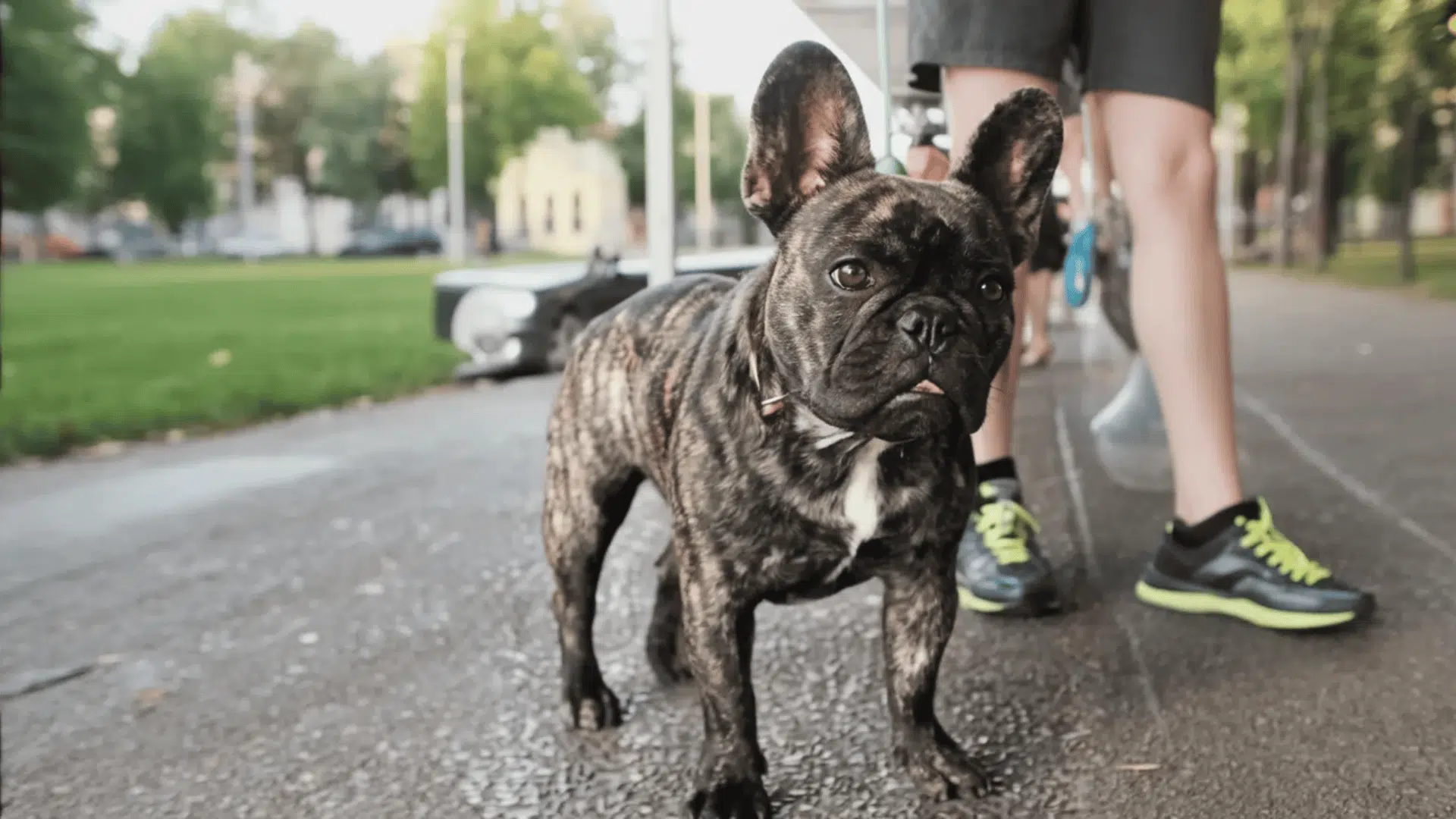
Brindle French Bulldogs have dark stripes layered over a fawn base, creating a bold, tiger-like pattern. They have a sleek and smooth coat, while the markings add visual depth and character.
Variations include light brindle with subtle striping, heavy brindle with dense dark bands, and reverse brindle with lighter dominance. Brindle pied versions add white spotting for contrast.
This color meets breed standards, remains highly popular, and is fully show-eligible when clear striping is present.
3. Cream French Bulldog Colors
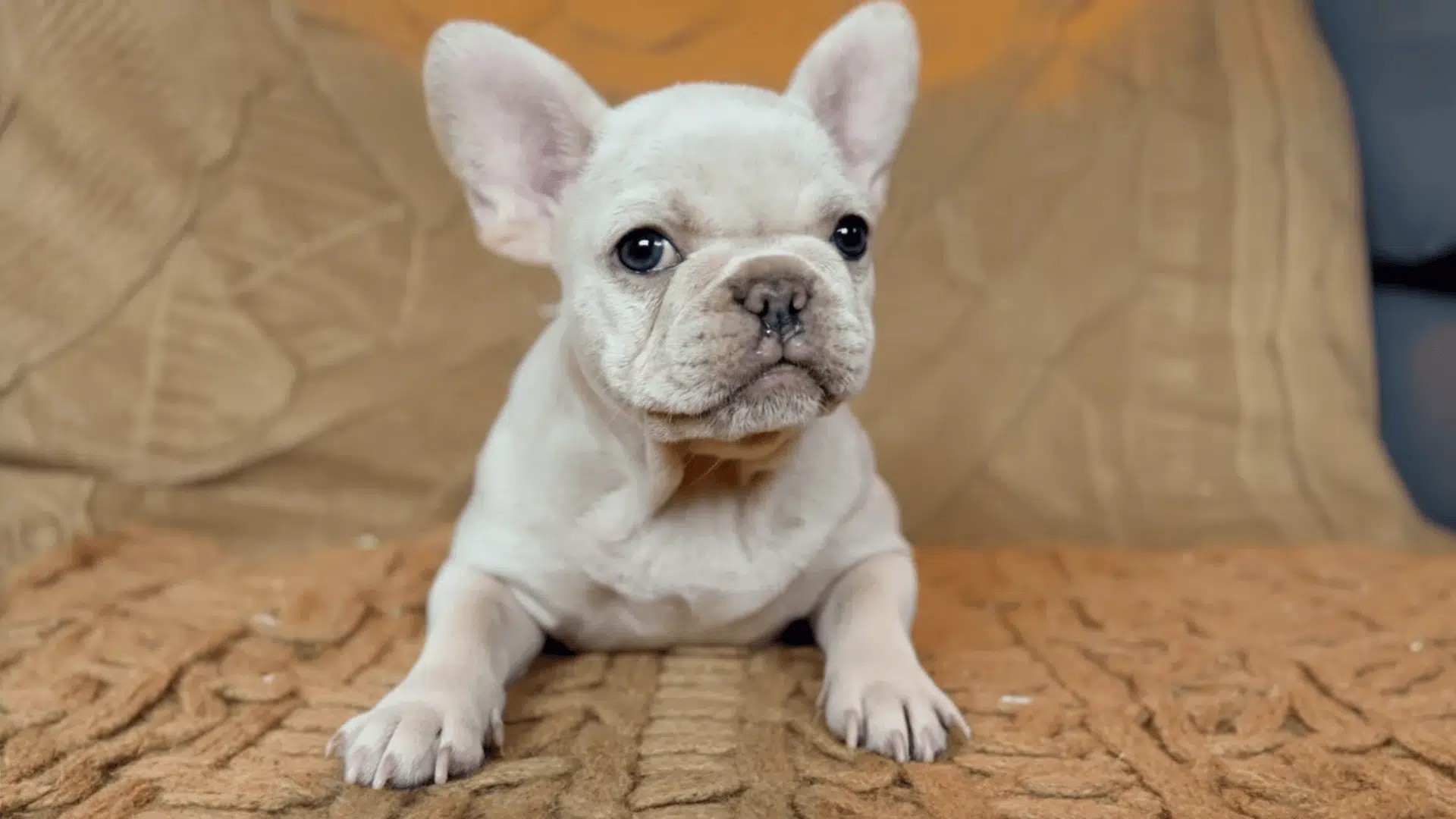
Cream French Bulldogs display a soft off-white to pale ivory coat that appears smooth, refined, and elegant.
The look is often enhanced by dark nose pigment and defined eye rims, which create pleasing contrast. Some coats remain solid while others show subtle cream pied patterns.
This color is fully accepted under breed standards and is widely admired for its gentle, polished appearance.
Cream French Bulldogs are commonly associated with calm, cuddly behavior and tend to fall into a slightly higher price bracket.
4. Pied and White French Bulldog Colors
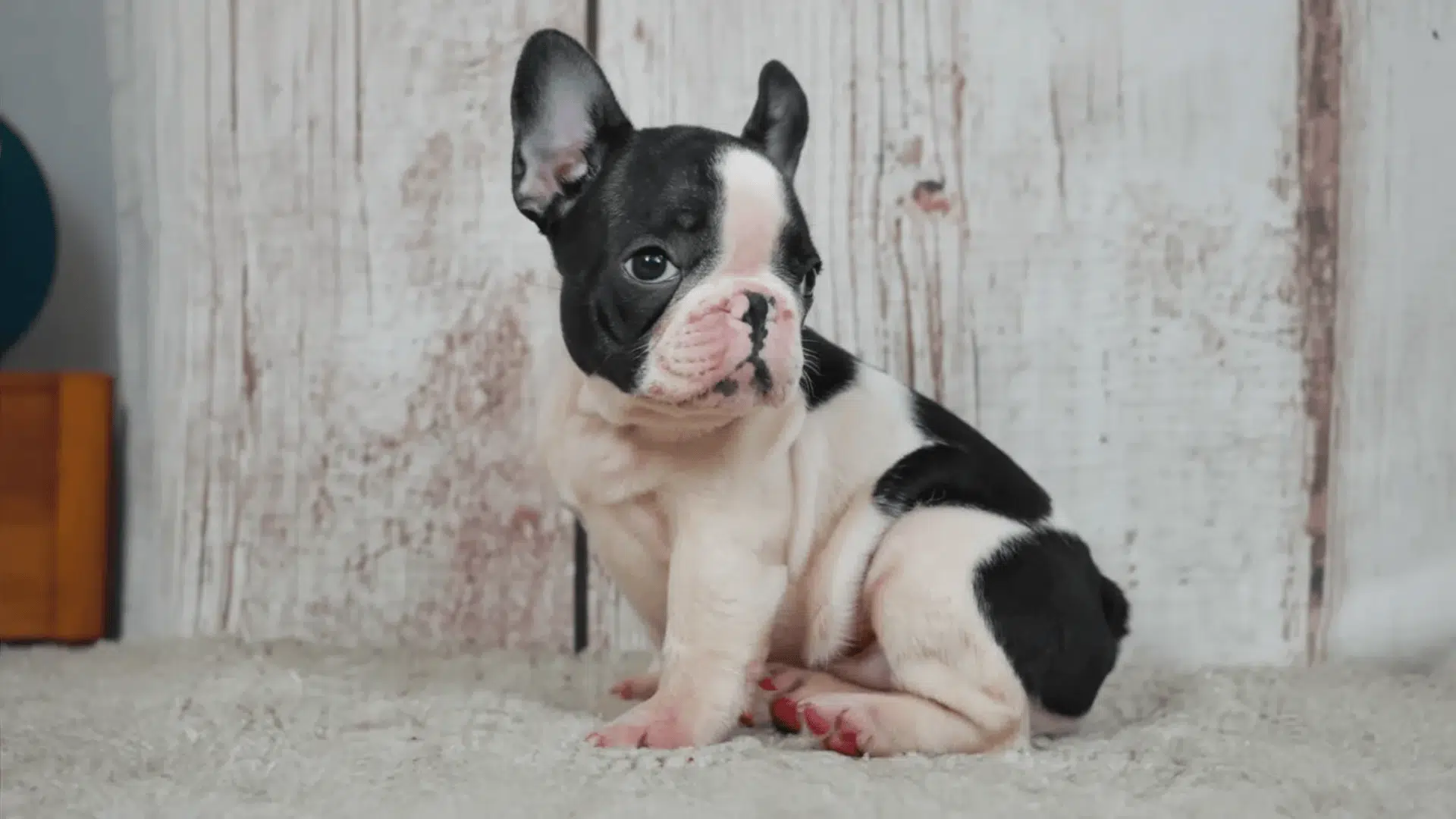
Pied French Bulldogs feature a mostly white coat accented by patches of fawn or brindle, creating a playful, patchwork look.
Their smooth fur keeps maintenance simple, while spotting patterns vary from minimal color to evenly balanced patches. Some coats include ticking or more defined Irish-style markings.
Pied French Bulldogs are show-eligible when markings meet standards, and its pricing often depends on symmetry, contrast, and overall visual balance.
Non-Standard French Bulldog Colors
Non-standard colors fall outside AKC breed rules, often cost more because of their unique appearance, and can carry additional health risks or breeding concerns.
5. Blue French Bulldog Colors
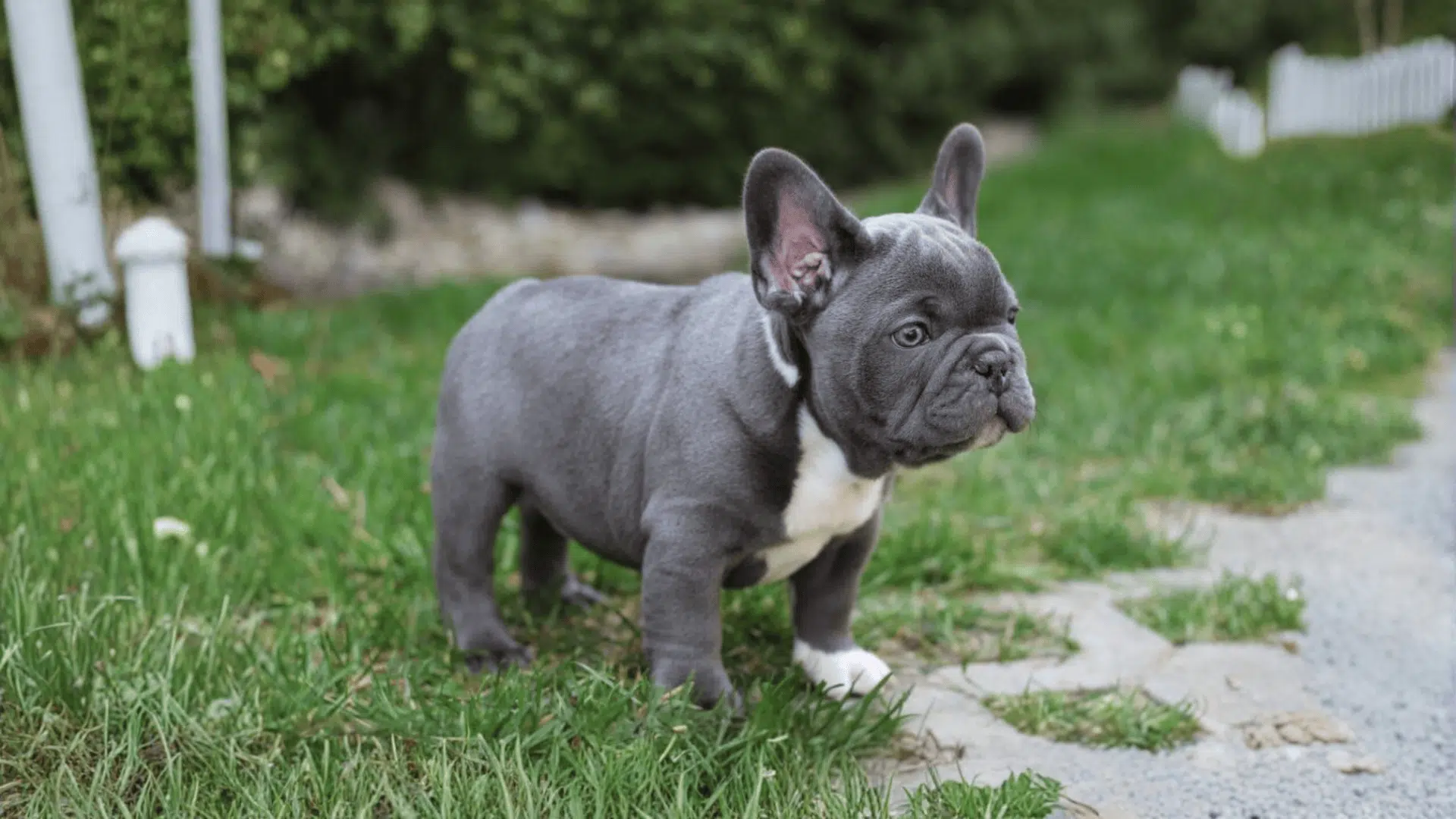
Blue French Bulldogs have a slate gray coat created by diluted black pigment, giving the fur a cool, metallic look in natural light.
The coat stays short and smooth, while the personality remains playful, affectionate, and stubborn in a charming way, just like a classic Frenchi.
Some blue Frenchies appear as blue fawn, blending gray with warmer tones. This color carries a higher risk of color dilution alopecia, so skin and coat health need close attention.
6. Lilac French Bulldog Colors
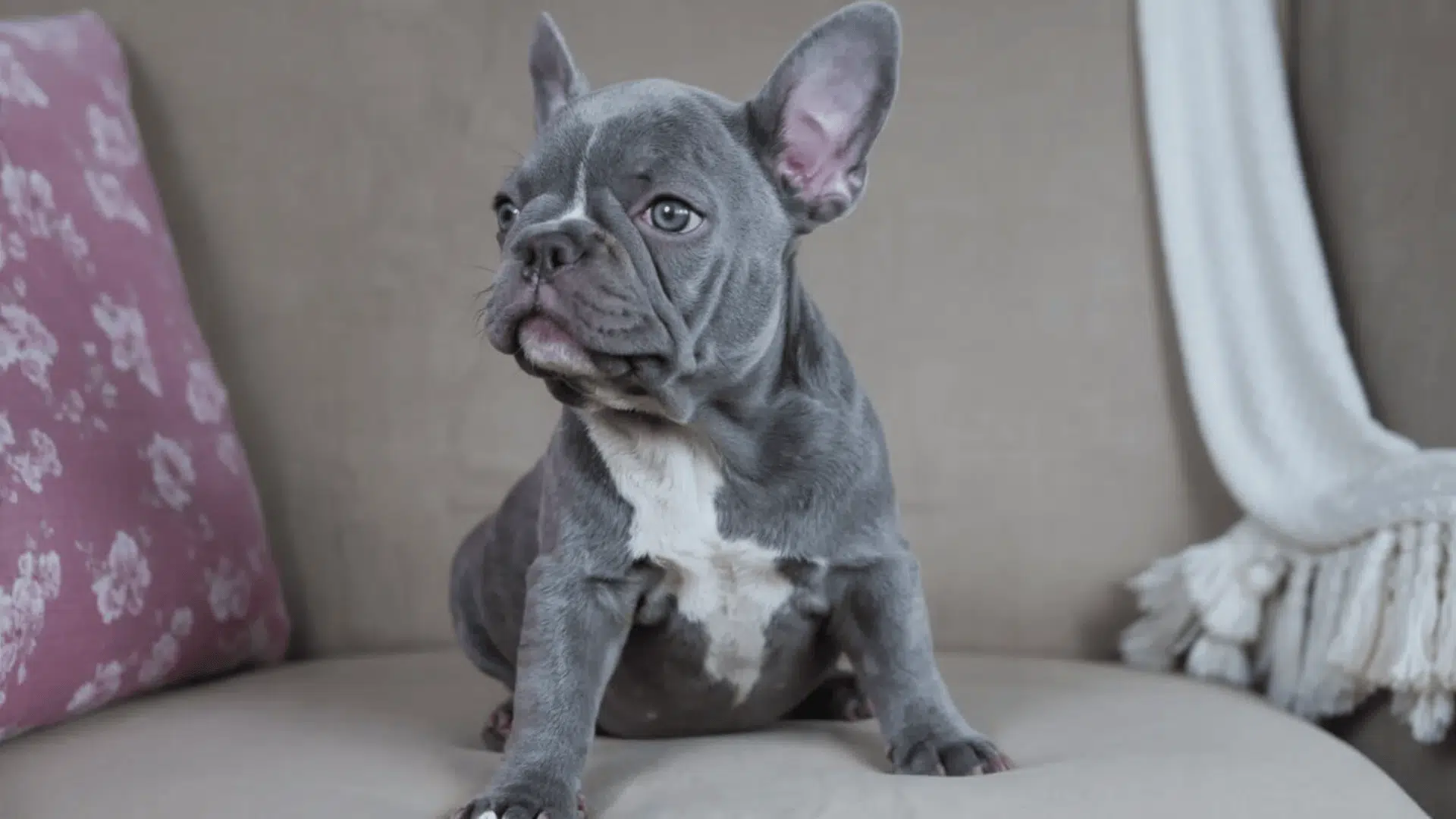
Lilac French Bulldogs feature a soft lavender gray coat with a subtle silvery shine that looks delicate and eye-catching.
The fur remains smooth and short, matching their calm, cuddly temperament. This color comes from combining diluted blue and chocolate genes, which also means coat sensitivities.
Extra care is often needed to maintain healthy fur. Because lilac is uncommon, ethical breeding and genetic testing play an important role in supporting long-term health.
7. Chocolate French Bulldog Colors
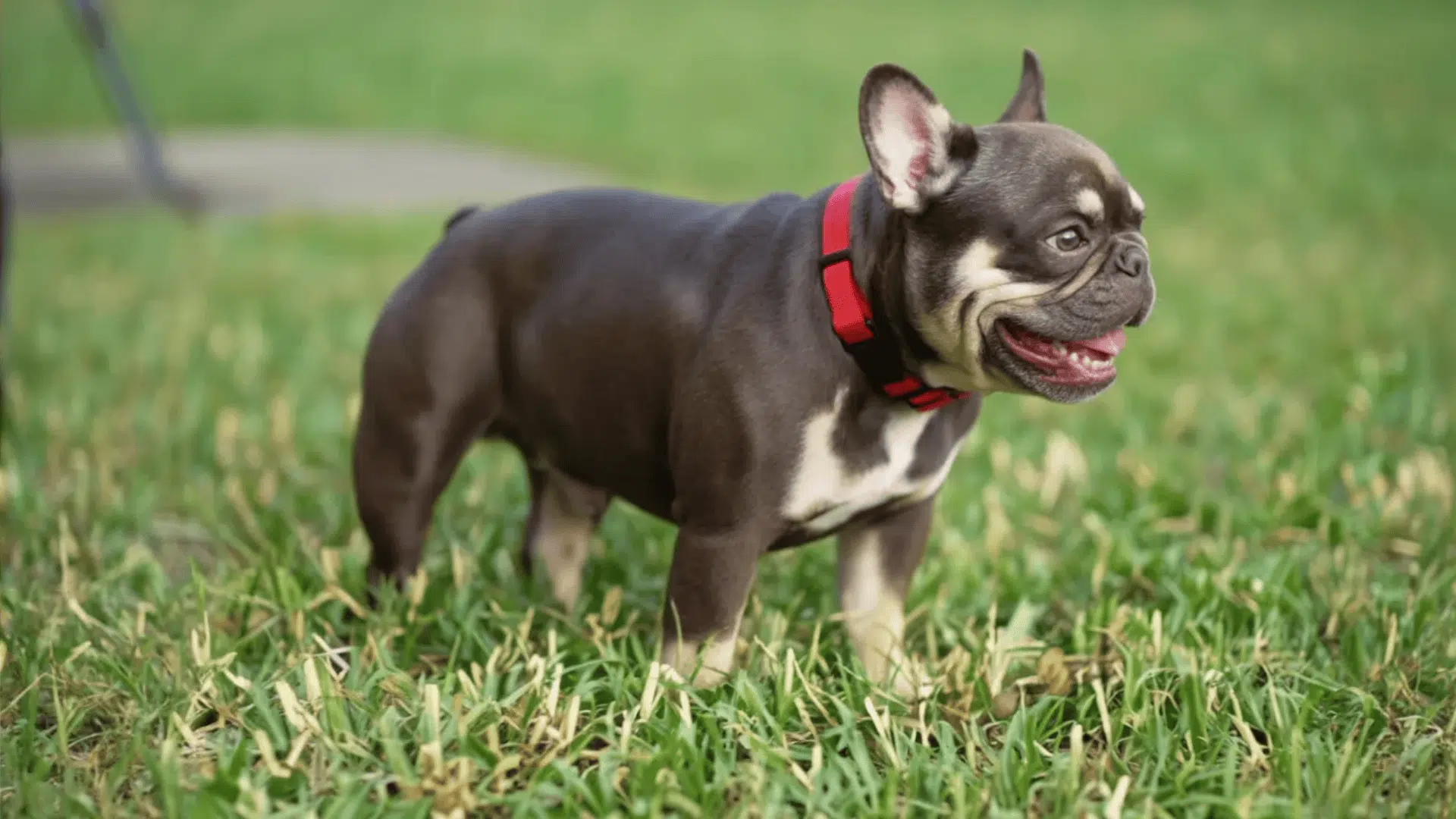
Chocolate French Bulldogs display rich brown tones that range from lighter cocoa shades to deep chocolate hues.
The coat feels velvety and warm, giving these dogs a cozy appearance that suits their friendly, affectionate nature. Some may have lighter nose or eye pigment compared to standard colors.
Chocolate coats can be more prone to dryness or skin sensitivity, which makes proper nutrition, grooming, and health screening especially important when choosing a breeder.
8. Isabella French Bulldog Colors
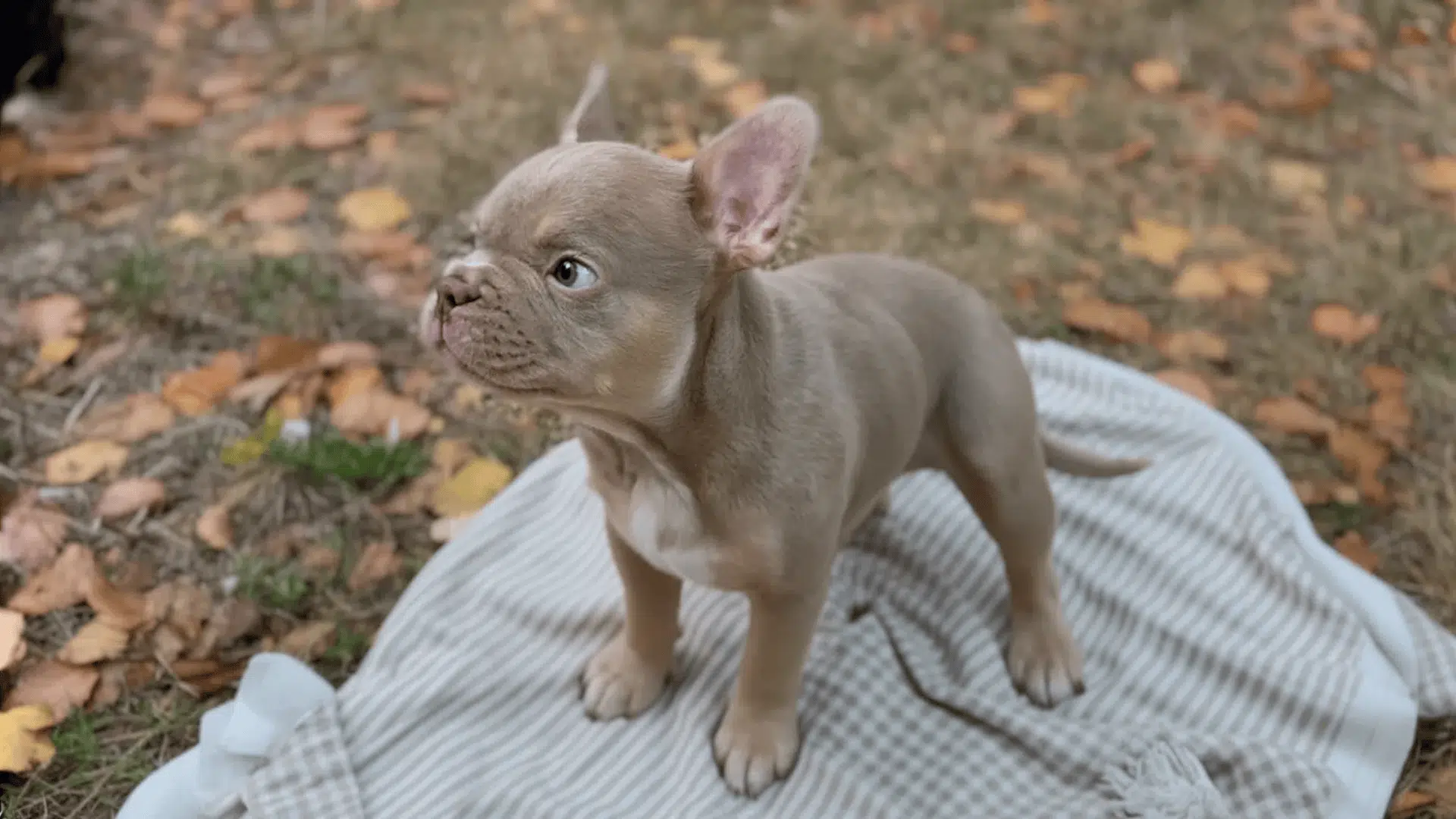
Isabella French Bulldogs have a pale chocolate coat with soft lavender or silvery undertones, creating a very distinctive look.
The short coat feels smooth and delicate, and their temperament is often gentle and loving. This shade results from rare double-dilute genes and also increases the risk of skin and coat issues.
Careful breeding practices are essential for Isabella French Bulldogs to help reduce health problems associated with dilution.
9. Merle French Bulldog Colors
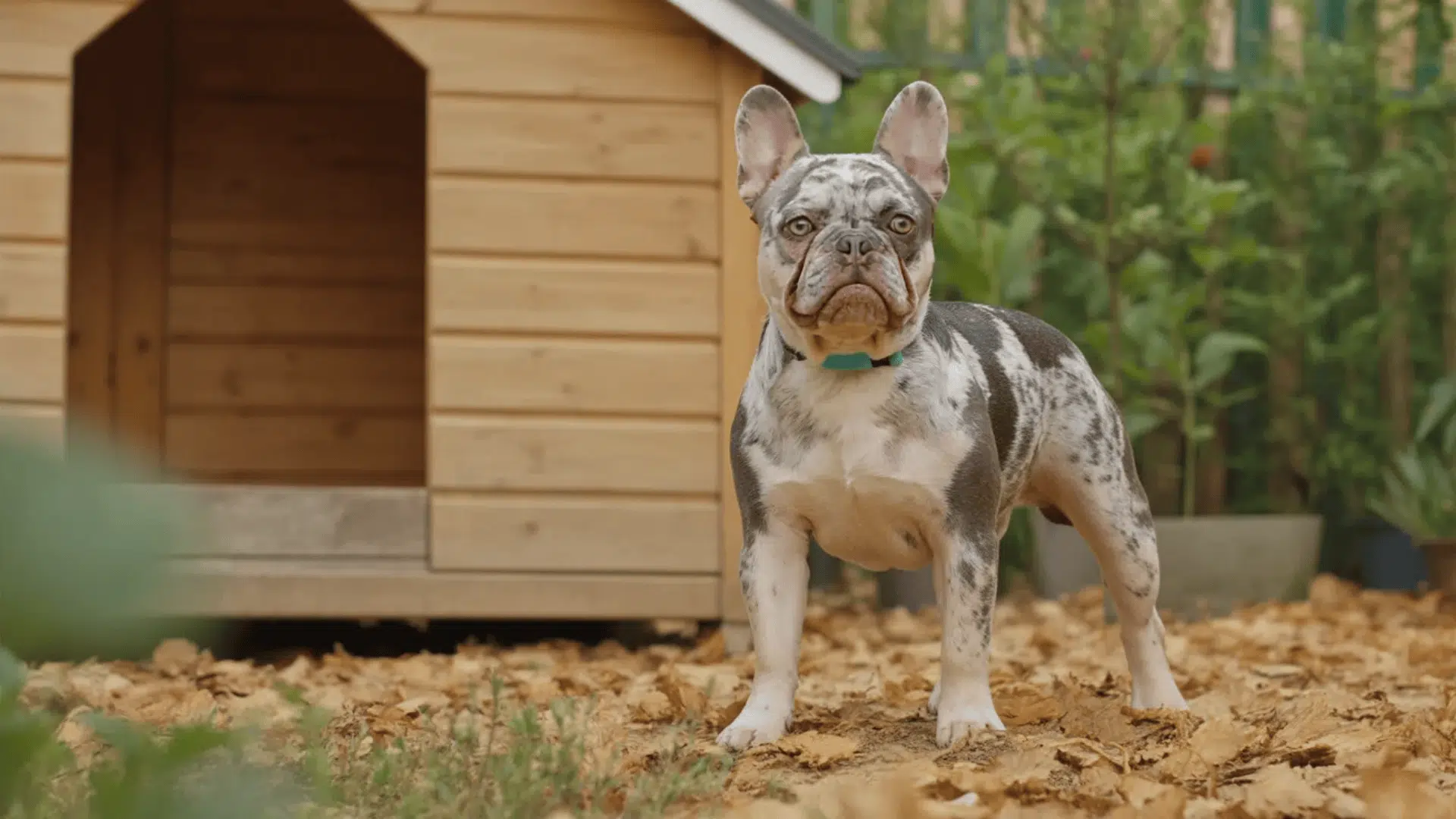
Merle French Bulldogs feature a marbled pattern with irregular patches of diluted color layered over a base coat. They have a smooth and easy-to-groom texture.
But the genetics behind merle are more complex. Dogs with one merle gene may appear healthy, while dogs with two merle genes can develop serious hearing and vision problems.
Because of these risks, merle breeding is widely debated, and pairing merle to merle is strongly discouraged.
French Bulldog Colors: Myths vs Facts
Common beliefs about French Bulldog colors often confuse appearance with genetics, making it important to separate assumptions from science when understanding real health risks.
| Myth | Fact |
|---|---|
| Rare colors always mean sick dogs | Gene, not color, causes issues |
| All blue Frenchies get bald spots | CDA risk exists, but is not guaranteed |
| Merle Frenchies are always deaf | Only double merle often has problems |
| Pied dogs always lose their hearing | Extreme white ears increase risk |
| Dilute colors are an unhealthy fad | Good testing reduces problems |
French Bulldog Colors That Require Extra Breeding Care
Dilute shades like blue, lilac, chocolate, and isabella need careful matching to lower the chances of color dilution alopecia (CDA), which can cause dry, flaky skin and hair thinning.
Merle-to-merle breeding is a big no. Double merle puppies often experience deafness, blindness, or eye shape abnormalities.
Extreme pied Frenchies benefit from early hearing checks, especially if ears lack pigment. Responsible breeders use genetic tests on parents every time.
For solid details, visit the Orthopedic Foundation for Animals (OFA) resources. Picking health-tested lines gives any Frenchie the best shot at a long, happy life.
Tips for Choosing the Best French Bulldog Color
Choosing a French Bulldog color involves balancing appearance, health considerations, lifestyle fit, and budget while focusing on ethical breeding and long-term well-being.
- Match Your Lifestyle: Decide if you want a show dog or a family companion, as this affects which coat colors are suitable.
- Understand Show Standards: Standard colors like fawn, brindle, cream, and pied are accepted in shows, while rare colors are usually kept as pets.
- Consider Daily Activity: Active households often find brindle or fawn coats easier to maintain and more forgiving during playtime.
- Prioritize Health: Avoid double merle pairings or heavy dilute colors if you’re concerned about skin or hearing issues.
- Plan Your Budget: Rare colors often cost more, so choose breeders who focus on health testing and ethical breeding.
Conclusion
French Bulldogs come in such a fun variety of coats, and understanding standard versus non-standard colors helps you make a smart, loving choice for your family.
Standard shades like fawn, brindle, cream, and pied keep things straightforward, are show-eligible, and often feel like the reliable, classic Frenchie look many people adore.
Rare ones like blue, lilac, or merle bring that wow factor, but they remind us that beauty sometimes comes with extra responsibility around breeding ethics and health monitoring.
In the end, the best color is the one that matches your lifestyle, budget, and heart. Focus on reputable breeders who prioritize genetic testing and puppy well-being over trends.
Your perfect Frenchie is out there waiting.
What color is your Frenchie, or which one are you dreaming of?Drop a comment below with a photo.