As a dog owner, one of the most important decisions is keeping your dog protected from harmful diseases.
Vaccines play a crucial role in preventing conditions such as parvovirus, distemper, and rabies, which can be life-threatening for dogs, humans, and other animals.
While some vaccines are compulsory, others are not necessary, which can confuse owners about which vaccine shots their dogs require.
We’ll see the differences between core vaccines for dogs and non-core vaccines and why they matter for your dog’s health.
By the end of this blog, you’ll have a clear understanding of which vaccines your dog needs and which ones they don’t
But before we begin, let’s see what makes core vaccines so important for your dog’s protection.
Essential Core Vaccines for Dogs
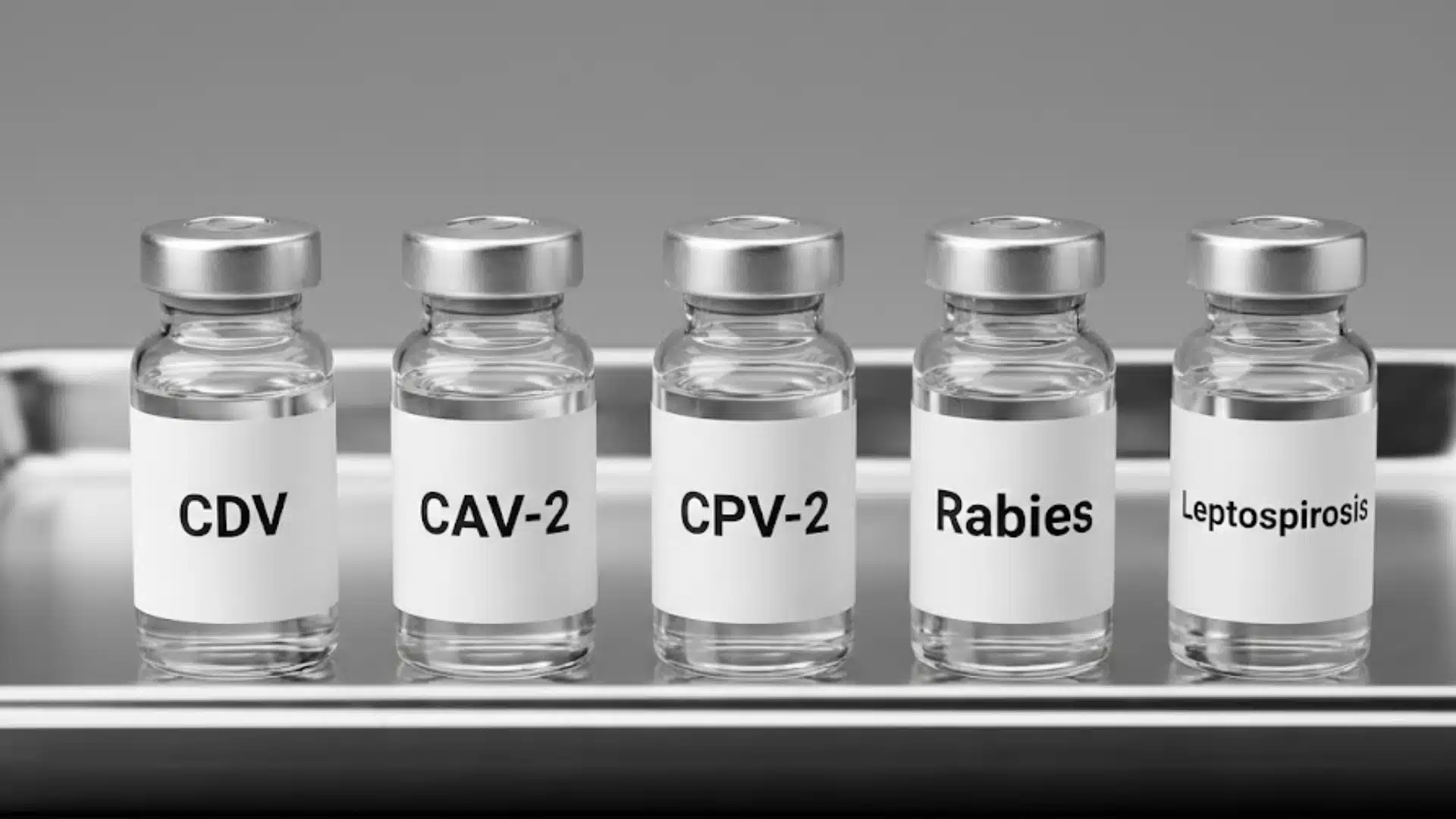
When protecting your dog, certain vaccines are essential for all pets. According to the American Animal Hospital Association (AAHA) guidelines, these vaccines shield against some of the most dangerous diseases.
1. Canine Distemper Virus (CDV)
The canine distemper vaccine is crucial for preventing distemper, a deadly viral disease that affects the respiratory, gastrointestinal, and nervous systems.
Distemper spreads through airborne droplets or contact with infected animals.
Symptoms can include fever, coughing, vomiting, diarrhea, seizures, and neurological issues like twitching or paralysis.
It’s a core vaccine because the disease is highly contagious and often fatal, especially in puppies. The vaccine is given in a series starting at 6-8 weeks, with boosters every 1-3 years for adults.
2. Canine Adenovirus (Hepatitis, CAV-2)
This vaccine protects against canine adenovirus type 2, which causes infectious canine hepatitis and contributes to respiratory defense.
It helps prevent liver inflammation and other complications.
Symptoms include fever, abdominal pain, jaundice, vomiting, and bleeding disorders, which can be severe or even fatal.
This vaccine is core because of the widespread risk of exposure, especially through urine and feces.
Puppies receive the vaccine starting at 6-16 weeks, with boosters every 1-3 years. Often, it’s combined with distemper and parvovirus vaccines for efficiency.
3. Canine Parvovirus (CPV-2)
The parvovirus vaccine protects against a highly contagious and deadly virus that targets the intestines and immune system.
Symptoms include severe vomiting, bloody diarrhea, dehydration, and shock, with a mortality rate up to 90% in untreated puppies.
Parvovirus can survive in the environment for years, making it especially dangerous for unvaccinated dogs. The vaccine is core because of its high transmission rate and the devastating effects it can have.
Puppies start the vaccination series at 6-8 weeks, with boosters every 1-3 years for adults.
4. Rabies
The rabies vaccine is legally required in most areas and protects against a fatal zoonotic virus that affects the nervous system.
Symptoms of rabies include behavioral changes, aggression, paralysis, and eventually death. Once clinical signs appear, there is no cure.
This vaccine is core because of rabies’ 100% fatality rate, its public health risk, and its ability to spread through bites.
Puppies receive their first dose at 12-16 weeks, with boosters required every 1-3 years, depending on local laws.
Proof of rabies vaccination is often required for travel or licensing.
5. Leptospirosis
Leptospirosis is caused by a bacterial infection that can lead to severe kidney and liver damage.
The vaccine protects against Leptospira bacteria, which are spread through contaminated water and soil. Symptoms include fever, vomiting, jaundice, muscle pain, and, in severe cases, organ failure.
Leptospirosis is considered core due to its increasing prevalence and the zoonotic risk, meaning it can affect both dogs and humans.
Puppies begin the vaccination at 12 weeks, with two doses spaced 2-4 weeks apart, followed by annual boosters to maintain protection.
Non-Core Vaccines for Dogs
Non-core vaccines are designed for a dog’s lifestyle, environment, and specific exposure risks. These vaccines aren’t necessary for every dog, but provide protection for those at higher risk.
1. Bordetella Bronchiseptica (Kennel Cough)
The Bordetella vaccine helps prevent kennel cough, a highly contagious respiratory infection.
This disease can cause symptoms like a hacking cough, nasal discharge, and fever.
It’s most common in places where dogs gather, like boarding facilities, dog parks, or grooming centers. Since exposure is often tied to these social settings, the Bordetella vaccine is considered non-core.
It’s typically given as a single dose or booster, depending on your dog’s exposure risk.
2. Canine Influenza (H3N8/H3N2)
The canine influenza vaccine protects against the flu viruses H3N8 and H3N2, which can cause symptoms like coughing, fever, nasal discharge, and lethargy.
In some cases, it can lead to pneumonia.
This vaccine is considered non-core because flu outbreaks tend to be regional and are more common in high-traffic areas, such as dog shows, boarding facilities, and dog parks.
It requires two initial doses, followed by annual boosters if your dog is at risk.
3. Lyme Disease (Borrelia Burgdorferi)
The Lyme disease vaccine protects against the bacteria spread by ticks, which can lead to symptoms like fever, joint swelling, lameness, and, in severe cases, kidney problems.
This vaccine is non-core because it’s mainly needed in areas with high tick populations, such as the Northeast U.S. or parts of Canada.
It’s typically given as two initial doses, with annual boosters if your dog remains in tick-prone areas. It’s important to note that tick prevention remains essential alongside vaccination.
Why Vaccines are Important for Dogs?
Vaccines are essential to ensure the health and safety of dogs. Here’s why they play such a key role:
- Prevent Deadly Diseases: Core vaccines safeguard dogs against serious diseases like rabies, distemper, and parvovirus. These illnesses can be fatal if left untreated.
- Promote Herd Immunity: When most dogs are vaccinated, it reduces the spread of diseases. This protects vulnerable pets, such as puppies, senior dogs, and those with health issues.
- Save on Treatment Costs: Preventing outbreaks is more cost-effective than treating conditions like parvovirus, which can require expensive treatments and often isn’t guaranteed to succeed.
- Support Long-Term Health: Vaccinated dogs tend to be healthier overall, experiencing fewer severe illnesses. This leads to fewer emergency vet visits and a longer, happier life.
- Meet Legal and Lifestyle Needs: Many areas legally require certain vaccinations, such as rabies.
- Participate in Social Activities: Vaccines like Bordetella are important for travel, boarding, and daycare, ensuring your dog can take part in social activities without quarantine.
Understanding Core vs. Non-Core Vaccines
Vaccines for dogs are categorized into core and non-core based on the risks and needs of different dogs.
Core Vaccines for dogs are considered essential and recommended for every dog.
They protect against diseases that are highly contagious and can be life-threatening, such as rabies, distemper, and parvovirus.
These diseases are a significant health risk to dogs everywhere, whether they live indoors or outdoors. Core vaccines also help prevent the spread of zoonotic diseases, which can affect humans, like rabies.
Non-Core Vaccines, on the other hand, are optional. They are recommended based on a dog’s exposure risk.
Factors, such as geographic location and the presence of specific disease outbreaks, also influence whether non-core vaccines are necessary.
Now, let’s take a closer look at each vaccine and how they help safeguard your dog from various health risks.
Recommended Vaccination Schedule for Dogs
Following a proper vaccination schedule is essential for keeping your dog healthy and protected. Here’s an easy-to-follow guide for the vaccination timeline:
| GeneralAge/Stage | Core Vaccines for Dogs | Notes/Boosters |
|---|---|---|
| Puppies (6-8 weeks) | Start DHPP (Distemper, Hepatitis/Adenovirus, Parvovirus, +/- Parainfluenza) | First dose; repeat every 2-4 weeks |
| Puppies (10-12 weeks) | DHPP booster + Leptospirosis (start if core) | Continue the series until 16+ weeks |
| Puppies (12-16 weeks) | Rabies + complete Leptospirosis series | Legal rabies often occurs at this age |
| Adults (1 year) | DHPP/Lepto/Rabies boosters | Then every 1-3 years for most core |
| Annual/As Needed | Leptospirosis (annual); non-core if risk is high | Lifestyle assessment yearly |
Note: Vaccination schedule can vary according to every dog breed, actual age, health status & geography.
Legal Requirements and Vaccines for Travel
Rabies vaccination is required for dogs in all 50 U.S. states, with varying rules on age and booster intervals. Most states require vaccination at 3-6 months, with boosters every 1-3 years.
Proof is often needed for pet licensing, and non-compliance can lead to fines or quarantine.
While there are no federal travel mandates, many states require a rabies certificate, especially for interstate travel.
Always check the destination state’s requirements for core vaccines for dogs through USDA APHIS or the state vet office.
For domestic (interstate) travel within the U.S.:
- Rabies proof is often required (a valid certificate showing vaccination).
- Some states or airlines may ask for a health certificate from your vet.
- Non-core vaccines like Bordetella may be required by boarding facilities or airlines.
For international travel:
- Rabies vaccination is mandatory and must be up to date.
- Dogs must meet CDC guidelines (healthy, at least 6 months old, ISO-compatible microchip, and completed CDC Dog Import Form).
- U.S.-vaccinated dogs need a Certification of U.S.-Issued Rabies Vaccination form if in a high-risk rabies country within the last 6 months.
- Airlines often require rabies proof and sometimes Bordetella.
For export to other countries, contact a USDA-accredited vet for destination-specific requirements.
Potential Side Effects and Safety Considerations
Core vaccines for dogs are generally safe, but like any medical treatment, they can cause mild side effects. It’s important to monitor your dog after vaccination and be aware of any reactions.
- Mild lethargy or decreased activity: This is a common reaction. Your dog may seem tired or less playful for a day or two.
- Soreness or swelling at the injection site: This may cause discomfort or a small lump. It usually disappears within a few days.
- Low-grade fever or reduced appetite: These are temporary symptoms. Make sure your dog gets enough rest and water.
- Mild facial swelling or hives: These can be signs of an allergic reaction, but they are typically mild. Keep an eye on your dog, and contact your vet if needed.
- Rare severe reactions: In fewer than 1 in 10,000 doses, dogs may experience severe reactions such as vomiting, collapse, or anaphylaxis. If this happens, seek emergency veterinary care immediately.
What If Your Dog Misses a Vaccine?
Missing a core vaccine for dogs happens, but it’s not the end of the world. First, reach out to your vet for a catch-up plan. If your puppy misses a vaccine in the early series, they stay vulnerable to diseases longer.
Parvovirus is a major concern because it spreads quickly and can be deadly, especially in puppies. Your vet may restart the series or perform a titer test to check immunity.
For adult dogs, a missed booster often requires just one dose to get back on track.
Rabies vaccines are more stringent due to legal requirements, so if it’s overdue, your dog may need an immediate vaccination and proof of vaccination for licensing or travel.
Don’t stress, act quickly, and follow your vet’s advice to keep your dog safe.
Common Myths About Dog Vaccines
There are many myths surrounding dog vaccines, and debunking them helps pet owners make better, more informed decisions about their pets’ health.
| Myth | Fact/Reality |
|---|---|
| Vaccines cause autism in dogs | There’s no scientific evidence linking vaccines to autism in dogs. |
| Indoor dogs don’t need vaccines | Even indoor dogs need vaccines, as diseases can spread via visitors or contaminated items. |
| Vaccines overload the immune system | Modern vaccines are safe, and dogs’ immune systems can handle multiple vaccines without issue. |
| Vaccines make dogs sick with the disease | Vaccines use inactivated or modified-live versions that don’t cause illness. |
| Older dogs no longer need boosters | Seniors still benefit from boosters, as immunity can decrease over time. |
Conclusion
Vaccinating your dog goes beyond just following rules. It is about providing a long, healthy life free of dangerous diseases.
By prioritizing core vaccines for dogs, you are protecting your dog from severe threats.
Keep up with your vet’s schedule, stay on top of boosters, and don’t worry if you miss a dose; catching up is easy and safe.
Side effects are typically mild, and the benefits far outweigh any concerns. Your dog’s health and happiness start with these small steps.
Now that you know why these vaccines are essential, are you ready to ensure your dog is fully protected?
Have you had any challenges or questions about vaccines? Tell us, share with us in the comments below!