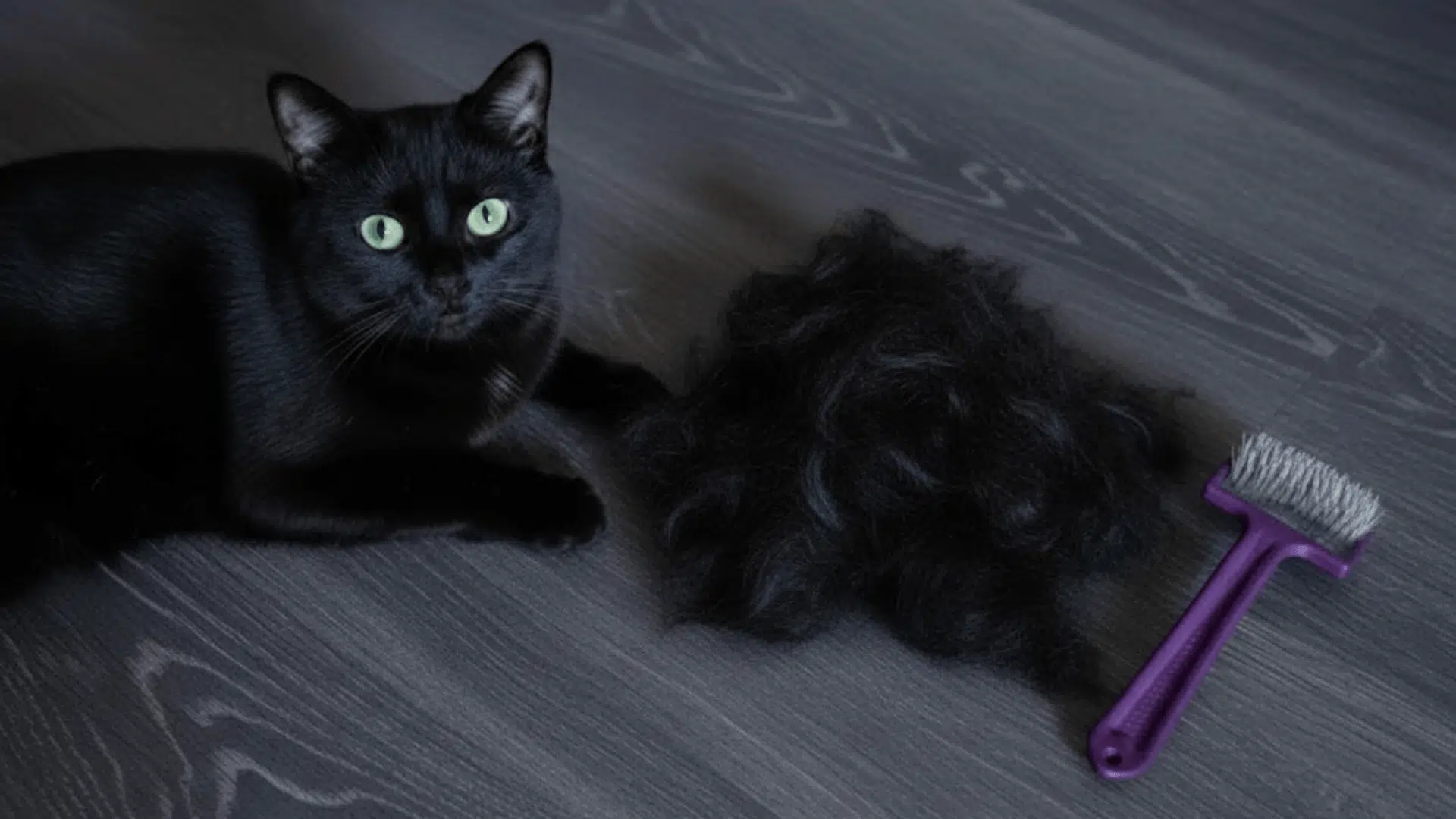
Why is my cat shedding so much? If you’ve ever found cat hair all over your clothes, furniture, and even your food, you’re not alone.
It’s a frustrating part of being a cat owner, and most of us have had to deal with the constant cleanup that comes with it.
But here’s the good news: excessive shedding is actually pretty common, and in most cases, it’s nothing to worry about.
In this blog, we’ll look at the main reasons behind your cat’s shedding, from seasonal changes to diet and health issues.
We’ll also share some tips and tricks to help manage the fur-fall and keep your home a little cleaner. So, if you’re thinking about what’s behind all that extra fur and how to handle it.
Cats often shed heavily due to seasonal coat changes, diet quality, stress, or underlying health conditions. Most cats naturally shed more in spring and fall as they transition between winter and summer coats. However, excessive shedding can also occur if a cat has poor nutrition, allergies, parasites, skin infections, or anxiety-related overgrooming. If shedding is accompanied by bald patches, skin irritation, or sudden changes in coat condition, a veterinarian should evaluate the cat to rule out health issues.
Understanding Normal vs. Excessive Shedding in Cats
Shedding is a normal part of being a cat, but there’s a fine line between typical and excessive. It’s normal for cats to lose some fur daily, especially after grooming or playing.
However, when you start noticing more fur around your home than usual, it might be time to look closer.
Excessive shedding often means that your cat is losing more hair than typical, which can result in bald spots or fur mats.
Seasonal changes can also affect shedding patterns, with more fur being shed during spring and fall when cats shed their winter or summer coats.
If you’re seeing excessive shedding year-round or if your cat seems to be uncomfortable or itching a lot, it might be a sign of a health issue or stress.
Pay attention to the amount of fur and other signs to know when to take action.
Common Reasons Behind Heavy Shedding
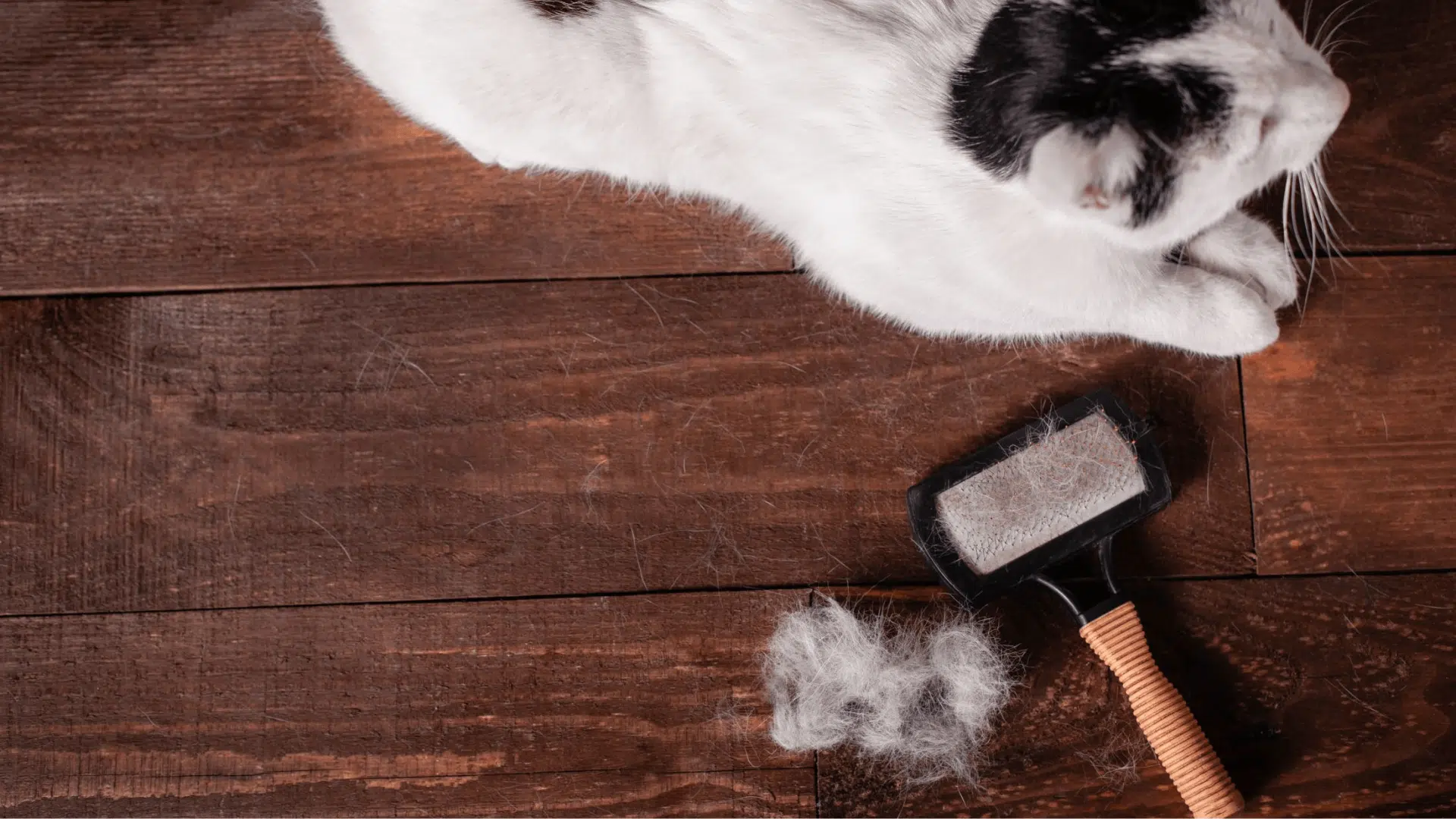
There are several reasons your cat might be shedding more than usual. Let’s break down the most common causes and how they affect your cat’s fur.
1. Seasonal Changes and Natural Cycles
Cats shed more during seasonal transitions, especially in spring and fall. They shed their thick winter coats as the weather warms up and grow lighter fur for the summer.
Similarly, in the fall, they shed their summer coats to make room for the thicker winter fur.
These natural cycles are typically nothing to worry about, but they can lead to a noticeable increase in shedding during certain times of the year.
2. Diet and Nutrition Factors
A poor diet can directly impact your cat’s coat and lead to increased shedding.
If your cat isn’t getting enough nutrients, like essential fatty acids or protein, it can cause dry, brittle fur that sheds more easily.
Cats need a balanced diet with high-quality ingredients to keep their coat healthy. A lack of proper nutrition can also result in skin issues, which can make shedding worse.
3. Stress and Anxiety Triggers
Stress or anxiety can lead to excessive shedding in cats. When cats are stressed, they may groom excessively, which can cause them to lose more fur.
Common stressors include changes in their environment, such as moving to a new home, getting a new pet, or loud noises.
Stress can also cause other behavioral changes, so if your cat seems more anxious than usual, it could be contributing to the shedding.
4. Health Issues
Health problems like allergies, parasites, or skin conditions can result in excessive shedding.
Allergies to food, environmental factors, or flea bites can make your cat’s skin irritated, leading to more fur loss.
Skin infections, fungal conditions, and hormonal imbalances can also increase shedding. If you notice bald patches or changes in your cat’s skin, it’s important to see a vet for an evaluation and proper treatment.
How to Manage and Reduce Excessive Cat Shedding
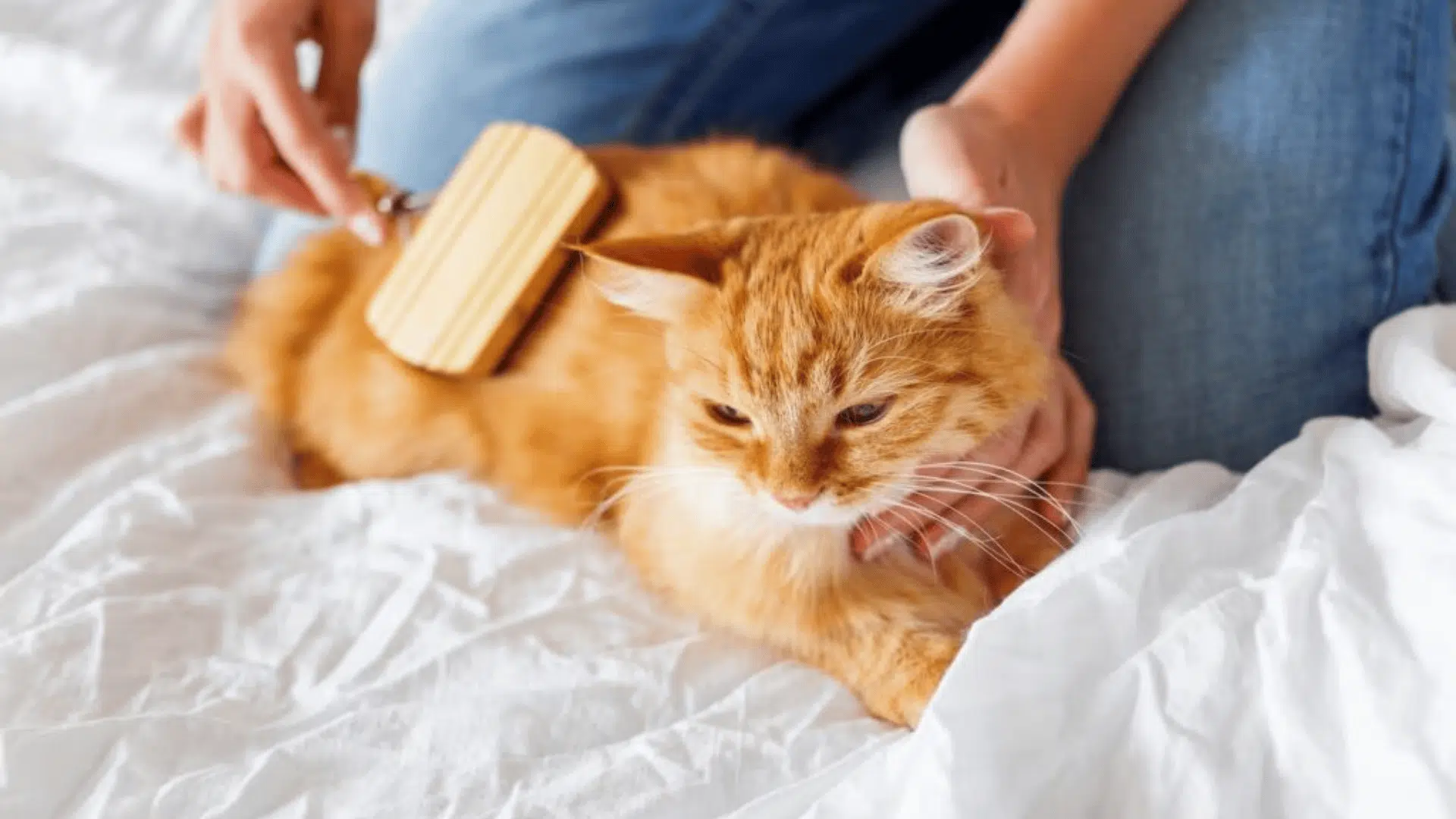
Managing excessive shedding can be easier with the right approach. Start with regular grooming: brushing your cat often removes loose fur, reducing the mess around your home.
For cats with longer fur, use a specialized brush to prevent mats and tangles.
Diet also plays a big role; feed your cat high-quality food rich in proteins and essential fatty acids to promote a healthy coat and reduce shedding.
If shedding continues despite grooming and diet adjustments, it’s time to visit the vet. A vet can rule out allergies, parasites, or health issues that might be causing excessive fur loss.
By following these steps, you can manage your cat’s shedding effectively and keep both your cat and your home in great condition.
When to Be Concerned About Your Cat’s Shedding
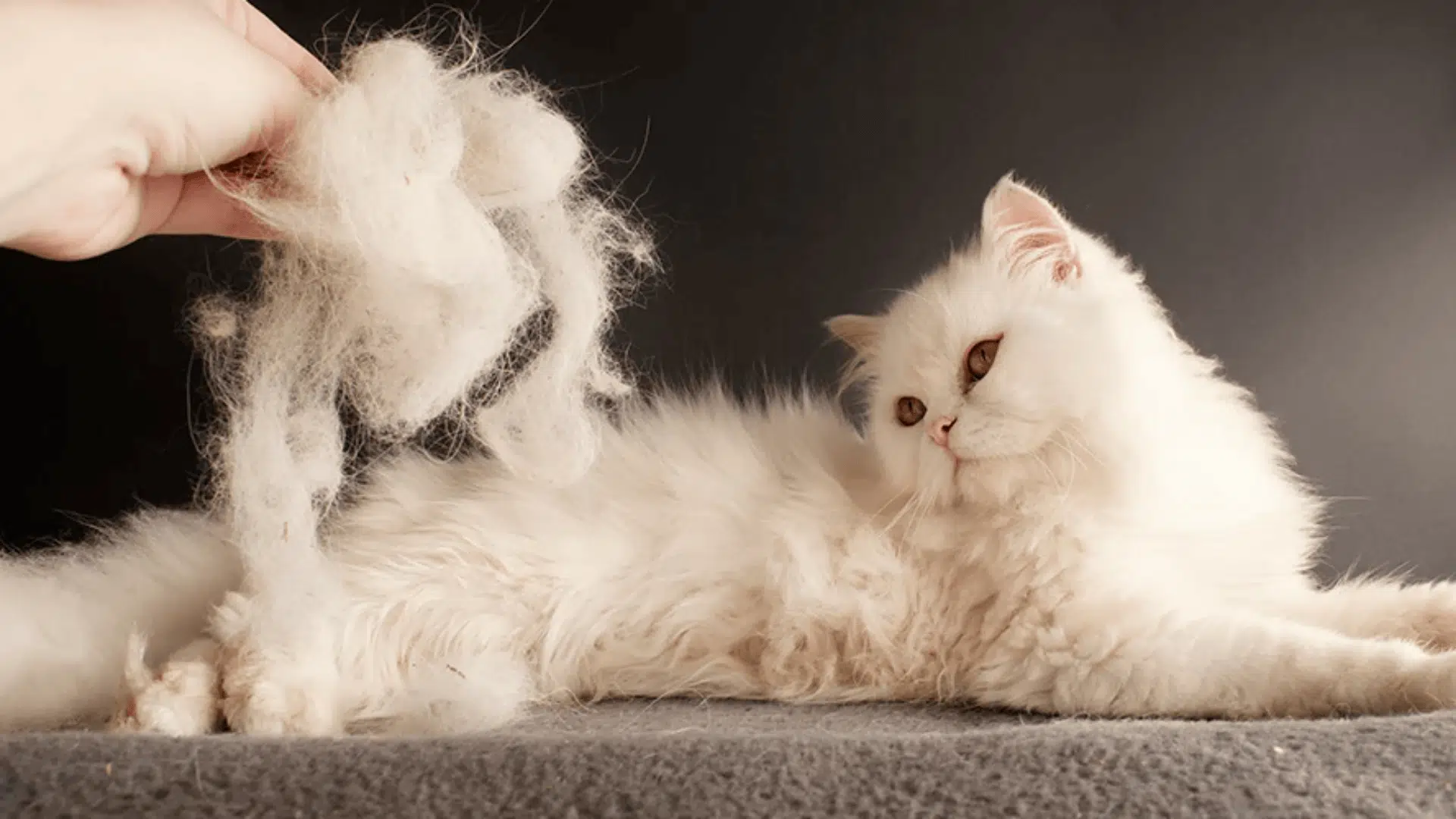
While shedding is normal, there are certain signs that could indicate a more serious issue. If you notice any of the following red flags, it’s time to take a closer look and consider getting help.
1. Bald Patches or Uneven Fur Loss
If your cat starts losing fur in specific areas, such as developing bald patches, this could signal an underlying problem.
Bald patches can be caused by parasites, infections, or even excessive grooming due to stress or anxiety.
It’s important to check the affected areas for signs of redness, irritation, or sores. If you notice bald spots or uneven fur loss, it’s best to see a vet to rule out any serious health issues.
2. Skin Irritation or Other Symptoms
Skin irritation often accompanies excessive shedding and can point to allergies or infections.
If your cat is scratching excessively, licking one spot, or has red, inflamed skin, these symptoms should not be ignored.
Dry, flaky skin or sores may also indicate a fungal or bacterial infection. These conditions can make shedding worse and lead to further discomfort.
3. Sudden Changes in Shedding Patterns
Sudden or drastic changes in shedding can be a red flag that something is wrong.
If your cat starts shedding more than usual or, conversely, seems to stop shedding altogether, it could be due to stress, hormonal imbalances, or health issues.
If you notice that the shedding is unusually severe, continuous, or out of season, it’s time to pay attention. These changes can be a sign that a vet visit is needed to determine the cause and provide appropriate care.
Personal Experiences with Excessive Shedding in Cats

Dealing with excessive shedding can be frustrating, but many cat owners have found ways to manage it.
One owner shares their experience with a “massive shedder” despite daily brushing, advising buying lint rollers in bulk and using a floor squeegee on tile or hardwood floors for quicker cleanup.
Another cat owner discovered that a food allergy was causing their cat’s excessive shedding. Switching food and using a silicone Zoom Groom brush stopped the shedding after a couple of months.
However, a warning about the Furminator brush: it may pull out healthy fur, leading to baldness if overused. For a safer option, brushes with short teeth on a loop-shaped blade are more efficient.
Someone also found an angled brush, like the Fur Fetched, to be a game-changer, though it left their living room looking like a fur-filled video.
Managing shedding can take time and patience, but with the right tools and approach, it can be controlled.
Essential Cleaning Tips for Cat Shedding
Managing cat shedding at home requires smart strategies to keep your space clean and your furniture protected. Here are some tips to help you stay on top of it.
- Use furniture covers: Protect your furniture with washable covers to prevent fur from sticking.
- Invest in a good vacuum: Choose a vacuum with strong suction and specialized attachments for pet hair.
- Launder regularly: Wash throws, cushions, and bedding frequently to remove trapped fur.
- Use lint rollers: Keep them around the house for quick, easy fur removal from clothing and surfaces.
- Consider air purifiers: They help reduce airborne fur and dander, improving air quality.
Conclusion
Why is my cat shedding so much? While it’s a common concern for many cat owners, the good news is that most shedding is manageable with the right approach.
From understanding seasonal shedding to making dietary improvements, there are simple ways to help reduce excessive fur loss.
Regular grooming, proper nutrition, and monitoring stress levels can make a big difference.
If you notice any red flags, such as bald patches or skin irritation, it’s always best to consult your vet for further advice.
Remember, shedding doesn’t have to take over your home. With a little effort, you can keep it under control.
Have you tried any of these tips for managing your cat’s shedding? Share your thoughts and experiences in the comments below!