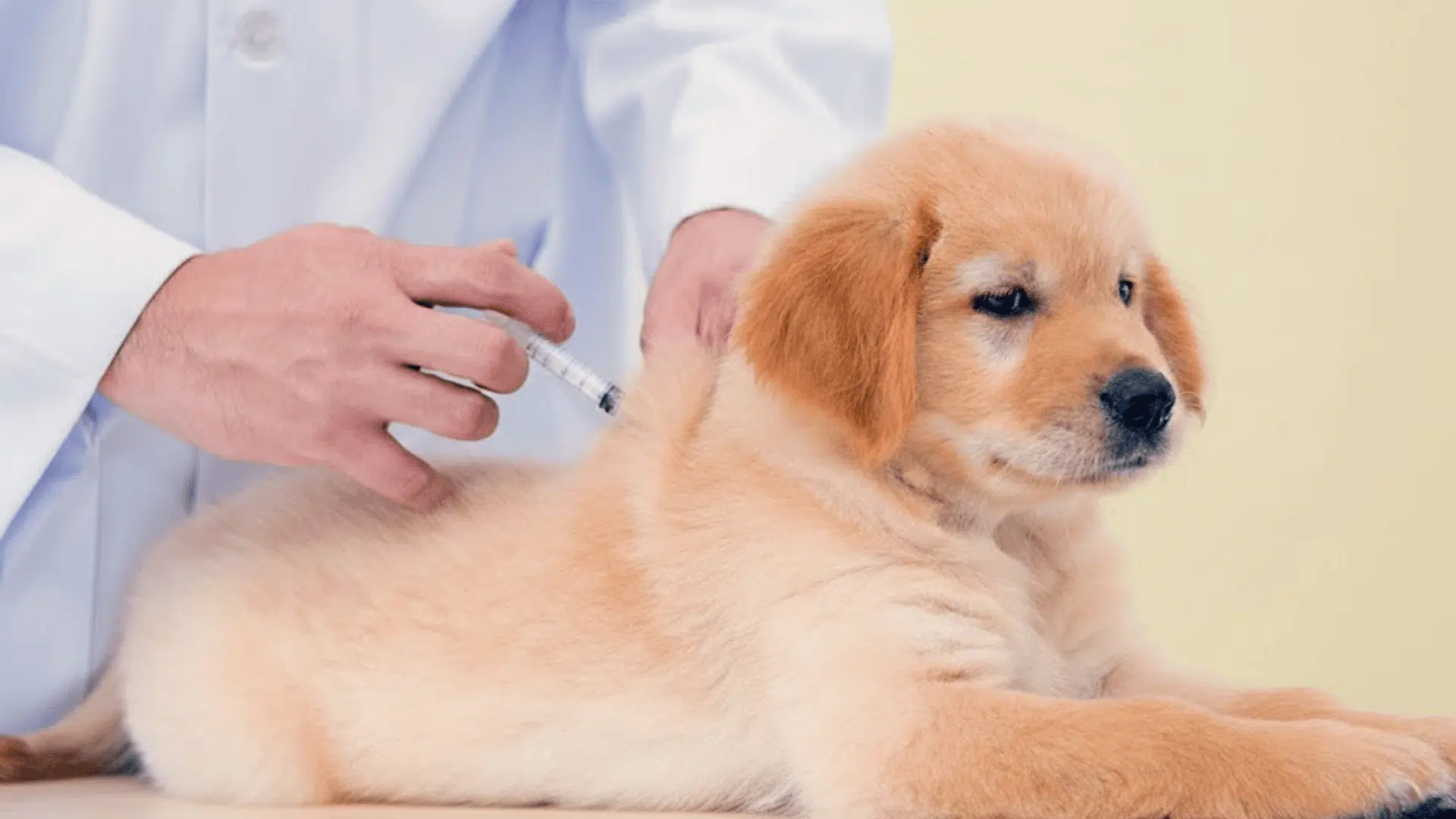
What vaccines do puppies need? It’s one of the first things new pet parents look up, and honestly, the answer can feel confusing.
One vet says one thing, a friend says another, and the internet throws a dozen charts at you. But puppy shots are not random.
They follow a simple plan that helps protect your pup from common and serious sickness. It also helps lower the risk of spreading illness to other dogs.
In this blog, you will get a clear puppy vaccination schedule for the first year. You will learn which shots most puppies get first, why boosters matter, and when rabies usually comes in.
You will also see which vaccines depend on lifestyle, like daycare, travel, or outdoor time. Just keep in mind that your vet may adjust the plan based on your area and your puppy’s needs.
Puppy Vaccination Schedule (First Year)
| Puppy Age | Vaccine | Type | Purpose |
|---|---|---|---|
| 6–8 weeks | DHPP (Distemper, Parvovirus, Adenovirus, Parainfluenza) | Core | First protection against major viral diseases |
| 10–12 weeks | DHPP booster | Core | Strengthens immunity from the first shot |
| 12–16 weeks | Rabies | Core | Protects against the fatal rabies virus |
| 14–16 weeks | Final DHPP booster | Core | Completes early vaccine series |
| 12–16 weeks (if needed) | Bordetella | Non-core | Helps prevent kennel cough |
| 12+ weeks (if needed) | Leptospirosis | Non-core | Protects against bacteria in water and wildlife urine |
| 12+ weeks (regional) | Lyme | Non-core | Protection from tick-borne infection |
| 12–16 months | DHPP + Rabies booster | Core | Maintains long-term immunity |
Understanding Why Shots for Puppies Matter
Puppies need vaccines because they help protect against diseases that can spread fast and turn serious. Some illnesses can cause heavy vomiting, diarrhea, breathing trouble, or even long-term problems.
In some cases, they can be deadly, especially for young pups. Vaccines also help build immunity early, before your puppy starts exploring the world more.
A puppy’s immune system is still learning, so early shots give it support while it grows stronger. Booster doses matter too, because they help the protection last and work better over time.
Vaccines also keep other dogs safe, as when more dogs are protected, sickness has a harder time spreading in parks, daycare, grooming places, and neighborhoods.
This helps protect older dogs, small puppies, and even dogs with weak immune systems. It is a simple step that helps your puppy and the dogs around them.
What Vaccines Do Puppies Need

Core vaccines are the basic puppy shots most dogs need. They help protect against common illnesses that spread fast and can turn serious.
1. Distemper
Distemper is a viral illness that can hit a puppy’s lungs, stomach, and brain. It can spread through sneezing, coughing, shared bowls, or close contact with infected dogs.
Puppies are at higher risk because their immune systems are still developing. Signs can include fever, runny nose, coughing, vomiting, and diarrhea.
In some cases, it can also cause shaking or seizures later. The distemper vaccine is usually given as part of a combo shot, so it often includes other core vaccines in one visit.
2. Parvovirus
Parvovirus is one of the scariest infections for puppies because it attacks the gut and causes severe vomiting and diarrhea.
It spreads easily through poop, dirty surfaces, and places where infected dogs have been, even weeks later. Puppies can get sick very fast and may need hospital care.
This is why vets push early protection and boosters as the parvo vaccine is usually included in the same combo shot as distemper, which makes it easier to stay on track.
3. Adenovirus (Hepatitis)
Canine adenovirus can cause infectious hepatitis, which affects the liver and can lead to serious illness. It spreads through body fluids like pee, saliva, and poop.
Some puppies may show fever, belly pain, low energy, and poor appetite, and in tougher cases, it can harm the liver and eyes. The good news is that the vaccine helps prevent the dangerous form of the disease.
This vaccine is also usually part of a combo shot, so your puppy often gets it along with other core protection during early visits.
4. Parainfluenza
Parainfluenza is a virus linked to kennel cough, which causes a dry, hacking cough and cold-like signs. It spreads through the air when dogs bark, cough, or play close together.
Puppies can catch it at parks, daycare, grooming places, or even at the vet waiting room. It may not always be life-threatening, but it can make puppies feel miserable and can lead to other infections.
Parainfluenza is commonly included in the combo vaccine, so it is often covered during the regular puppy shot schedule.
5. Rabies
Rabies is a deadly virus that affects the brain and nerves. It spreads through bites from infected animals like bats, raccoons, and stray dogs.
Once signs start, rabies cannot be cured, which is why prevention matters so much. Many places also require the rabies shot by law.
Puppies usually get this vaccine a bit later than the first combo shots, often around the 12 to 16 week window. After that, a booster is needed later based on local rules and your vet’s schedule.
Non-Core Shots for Puppies Depending on Lifestyle

Some shots for puppies depend on where they go and what they do. These are often called non-core vaccines, because not every pup needs them.
Leptospirosis is linked to bacteria found in water, mud, and wildlife pee, so it can matter more for pups that spend time outdoors.
Lyme is tied to tick bites, so it is often suggested in areas with lots of ticks or for pups that hike often.
Canine influenza is a contagious dog flu that can spread in busy dog spaces and cause coughing and low energy.
Your vet may suggest these puppy vaccinations based on your puppy’s lifestyle, your local risks, and how much contact they have with other dogs.
Puppy Vaccination Schedule: When to Get Each Shot

Most puppy shots follow a simple timeline that starts early and builds protection step by step, with boosters added as your puppy grows.
1. 6 to 8 Weeks
This is when most puppies begin their first set of vaccines. The main one is usually a combo shot like DHPP, which covers distemper, parvovirus, and adenovirus.
Some vets also include parainfluenza in the same dose, so your puppy gets broader coverage in one visit. This first appointment is the starting line, not the finish line.
Your puppy is still very young, and their immune system is still building strength. That is why this early shot needs follow-up boosters in the coming weeks to help the protection grow and last longer.
2. 10 to 12 Weeks
At this stage, puppies usually get a booster dose of the DHPP combo vaccine. This helps strengthen the protection started in the first visit.
Some puppies may also get lifestyle-based vaccines around this time, depending on where they live and what they do. For example, a puppy going to daycare may need Bordetella.
If your puppy is often outdoors, the vet may talk about leptospirosis. These boosters help close the gaps as immunity builds.
3. 14 to 16 Weeks
This is often the final round in the early vaccine series. Puppies usually get another DHPP booster here to lock in stronger protection.
Rabies is also commonly given during this window, depending on local rules and vet guidance. After this stage, many puppies are better protected, but safe habits still matter.
Your vet may also finish any non-core vaccines if they were started earlier. This visit is a big step toward full coverage.
4. 12 to 16 Months
This is the first yearly booster visit after the puppy series is done. Many dogs get a DHPP booster again to keep protection going.
Rabies may also be boosted here, based on the vaccine type and local laws. This visit helps make sure your dog stays covered as they grow into adulthood.
After this, some vaccines may shift to every one to three years, depending on your vet’s plan and your dog’s lifestyle.
When Puppies Can Go Outside and Meet Other Dogs
Before the final puppy vaccinations are done, outdoor time should be carefully planned. Safer options include your own yard, clean patios, or short walks in low-traffic areas where sick dogs are unlikely to be.
It is best to avoid busy dog parks, shared potty spots, and places where many unknown dogs visit, since viruses like parvo can live on the ground for a long time.
Skip letting your puppy sniff random poop, drink from puddles, or greet every dog on the street. Safe social time is still possible.
Invite a friend’s healthy, fully vaccinated dog for a calm meet-up. You can also do short car rides, carry your puppy in public, or visit safe puppy classes that require vaccines.
Common Side Effects and When to Call the Vet
Most puppy shots go smoothly, but mild side effects can happen. Knowing what is normal and what needs fast help can ease stress.
- Sleepiness: Your puppy may nap more than usual for the rest of the day.
- Sore injection spot: A small lump or tenderness can show up where the shot was given.
- Low appetite: Some puppies eat less for a day, then bounce back quickly.
- Mild fever: Your puppy may feel warm and act a bit slow for a short time.
- Red flags: Face swelling, trouble breathing, nonstop vomiting, or weakness mean call the vet right away.
How Much Do Puppy Vaccines Cost
Puppy vaccinations can cost different amounts depending on where you live and what your puppy needs.
On average, a single vaccine visit may cost around $20 to $60 at low-cost clinics, or $50 to $150 at many vet offices. A full first-year series can add up, especially if your puppy also needs non-core shots.
Cost can change based on the clinic, local prices, the vaccines included, and whether the visit also includes an exam or extra services.
Some places charge more for rabies or add a fee for each booster. To save money, look for low-cost vaccine clinics, shelter programs, or vet package deals.
Conclusion
You now know what vaccines do puppies need at each stage of the first year, without the confusion.
Puppy shots help protect your pup from serious illnesses and also help reduce the spread of sickness to other dogs.
You also got a clear look at the core vaccines most puppies need, plus the lifestyle-based ones that may be suggested for daycare, travel, or outdoor time.
The age-by-age schedule makes it easier to plan each visit and stay on track. You also learned when it is safer to go outside, what side effects are normal, and which signs need a quick vet call.
It can feel like a lot in the beginning, but it gets simple once you follow the routine.
What part of the vaccine schedule are you still unsure about? Drop a comment and share your puppy’s age and breed!