
Tiny paws are on the way, but how long does the wait actually last? When pregnancy is suspected, uncertainty about timing can feel stressful.
Knowing what to expect helps with preparation, proper care, and peace of mind.
Understanding the gestation period for a cat is essential for tracking physical changes, recognizing early signs, and getting ready for labor.
From subtle appetite shifts to nesting behavior in the final days, each stage brings noticeable developments.
Clear information enables better planning for veterinary visits, nutrition, and a safe delivery space.
This blog breaks down the full timeline, common symptoms, important care tips, and warning signs to watch for, so every step of the pregnancy feels more manageable and informed.
What is the Gestation Period for a Cat?
The gestation period for a cat is the amount of time between fertilization and birth.
In simple terms, it is the full length of pregnancy in cats, starting when conception occurs and ending when the kittens are delivered.
On average, the gestation period for a cat lasts about 63 to 65 days. In weeks, that equals roughly 9 weeks.
Some pregnancies may be slightly shorter or longer, typically ranging from 58 to 70 days, while still being considered normal.
The exact length can vary from cat to cat. Factors such as breed, overall health, age, and litter size may influence timing.
First-time mothers may also show small differences in duration. Even with these variations, most healthy pregnancies fall within the 63-65 day range.
Cat Pregnancy Timeline Week by Week
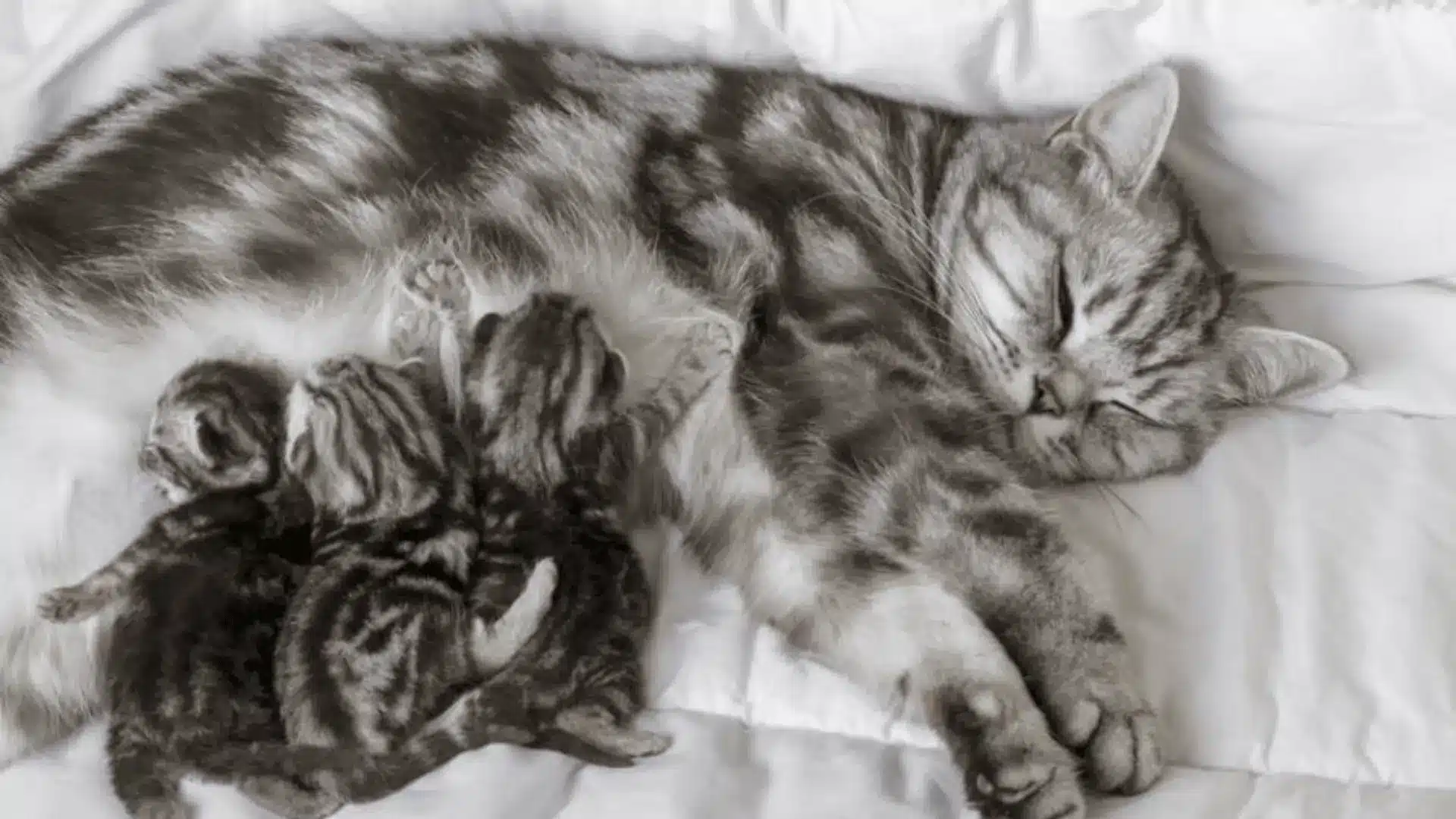
A clear week-by-week view of a cat pregnancy helps owners understand what is normal and when closer attention may be needed during the gestation period.
1. Weeks 1 to 2: Early Development
The first two weeks of cat pregnancy happen quietly inside the body. After mating, fertilization takes place in the reproductive tract.
The fertilized eggs then travel toward the uterus. Once they reach the uterine lining, they attach and begin forming embryos.
This implantation is a crucial step because it allows nutrients and oxygen to pass from the mother to the developing embryos.
At this early stage, cell division happens rapidly. Despite this active internal growth, there are almost no visible physical changes.
Most cats continue eating, playing, and resting as usual. Some may experience slight changes in appetite or mild tiredness, but these signs are subtle.
2. Weeks 3 to 5: Visible Changes
By the third week, early physical signs become easier to notice. One of the most recognized changes is nipple enlargement and a deeper pink color, often called “pinking up.”
This is usually one of the first visible indicators of pregnancy. Appetite often increases as the body begins supporting growing kittens.
Gradual weight gain may occur, and the abdomen can start to feel firmer. Some cats become more affectionate and seek extra attention. Others may prefer quiet rest.
Around week four or five, a veterinarian may be able to confirm pregnancy through gentle examination or ultrasound.
3. Weeks 6 to 8: Rapid Growth
During this stage, belly growth becomes obvious. The abdomen expands as kittens grow rapidly in size and weight.
Movements from the kittens may sometimes be felt gently by placing a hand on the cat’s side.
The mother cat typically eats smaller, more frequent meals because the enlarged uterus limits stomach space.
Energy levels may decrease, and longer sleep periods are common. Nesting behavior often begins during week seven or eight.
The cat may search for dark, quiet spaces such as closets or boxes in preparation for birth.
4. Right Before Labor: Pre-Birth Signs
In the final days of pregnancy, noticeable behavioral shifts occur.
Restlessness increases, and the cat may pace, scratch bedding, or repeatedly enter and leave the nesting area. Appetite often drops within 24 hours of labor.
Body temperature may decrease slightly shortly before delivery. Vocalization, grooming of the belly area, and visible contractions signal that labor is approaching.
At this point, kittens are fully developed and ready to be born, typically around day 63 to 65 of the gestation period.
Early Signs a Cat Is Pregnant
Early signs of cat pregnancy include appetite changes, pink nipples, mild weight gain, and noticeable behavioral changes.
- Changes in Appetite and Energy Levels: Appetite may decrease slightly during the first weeks, then increase as pregnancy progresses. Some cats appear more tired and rest more than usual.
- Pink and Enlarged Nipples: Around the third week, nipples often turn a deeper pink and become slightly swollen. This is one of the earliest visible physical signs.
- Increased Affection or Mood Shifts: Hormonal changes may lead to behavioral changes. Some cats seek more attention, while others prefer solitude or become mildly irritable.
- Weight Gain and Abdominal Changes: Gradual weight gain begins after the first few weeks. The abdomen may feel firmer before noticeable rounding becomes visible.
How to Tell when Labor Is Near?

As the gestation period comes to an end, a few clear signs suggest that labor is approaching. One of the earliest indicators can be a slight drop in body temperature.
A cat’s normal temperature ranges between 100°F and 102.5°F, and it may fall just below 100°F within 12 to 24 hours before delivery.
Behavioral changes are often more noticeable. Restlessness increases, and the cat may pace, scratch at the bedding, or repeatedly enter and leave her nesting area.
This nesting behavior shows she is preparing for birth. Appetite commonly decreases shortly before labor begins.
It is important to watch for warning signs. Strong straining for more than 20 to 30 minutes without producing a kitten.
Heavy bleeding, extreme weakness, or signs of intense pain require immediate veterinary attention.
How to Care for a Pregnant Cat?
Proper care during the gestation period supports both the mother and her developing kittens. Attention to nutrition, health monitoring, and a calm environment can make a meaningful difference.
- Provide High-Quality Nutrition: Feed a balanced kitten formula, as it contains higher protein and calorie content to support fetal growth.
- Schedule a Veterinary Visit: A veterinarian can confirm pregnancy, estimate due dates, and check overall health. Regular checkups help monitor weight gain and detect any concerns early.
- Create a Quiet Resting Space: Set up a clean, warm, and low-traffic area where the cat can rest comfortably. A soft box with blankets placed in a calm corner of the home often works well as a nesting area.
- Monitor Weight and Behavior: Track gradual weight gain and watch for sudden changes in appetite, discharge, or signs of discomfort. Contact a veterinarian if unusual symptoms appear.
What to Expect After Your Cat Gives Birth?
After delivery, the mother cat will immediately begin cleaning her kittens and removing the birth membranes.
She will stimulate breathing by licking them and guide them toward nursing. The first milk, called colostrum, is rich in antibodies and plays an important role in early immune support.
It is normal for the mother to appear tired yet protective. She will spend most of her time lying with the kittens, keeping them warm and feeding them every one to two hours.
The nesting area should remain quiet, clean, and free from disturbance.
A small amount of reddish discharge can continue for several days, but heavy bleeding, foul odor, or lethargy requires veterinary attention.
Kittens should nurse regularly, appear active, and gradually gain weight during the first week.
Conclusion
The gestation period for a cat typically lasts around 63 to 65 days, or about nine weeks from conception to birth.
While slight variations can occur, most healthy pregnancies fall within this timeframe.
Understanding this timeline helps owners track development, notice early pregnancy signs, and prepare for labor with confidence.
Recognizing appetite changes, nipple enlargement, belly growth, nesting behavior, and temperature drops allows better support during each stage.
Proper nutrition, regular veterinary checkups, and a quiet nesting space all contribute to a safer delivery.
Careful monitoring in the final days is especially important to ensure that both the mother and the kittens remain healthy.
Planning ahead and staying informed makes a real difference in outcomes. Every pregnancy is unique, and professional guidance is always recommended for peace of mind.
Have you ever experienced a cat pregnancy? Share your story or questions in the comments below.
Frequently Asked Questions
How Many Kittens can a Cat Have?
A typical litter ranges from three to five kittens, though some cats may have as few as one or as many as eight. Litter size often depends on age, breed, health, and whether it is the cat’s first pregnancy.
Can a Cat Get Pregnant Again Quickly?
Yes. Cats can go back into heat relatively soon after giving birth, sometimes within a few weeks. This means pregnancy can occur again quickly if mating happens.
When Should Veterinary Help Be Sought?
Veterinary attention is needed if there is prolonged straining without delivery, heavy bleeding, foul discharge, high fever, or extreme weakness. Prompt care protects both the mother and her kittens.