



Your dog was fine a short while ago, and now something feels off, with no clear reason. There are no cuts, no visible blood, yet their body seems weaker and less alert than before.
Internal bleeding in dogs is dangerous because it happens inside the body, where you cannot see the damage.
It may begin after trauma or when a hidden tumor suddenly ruptures, leading to fast blood loss.
I will tell you how to identify the signs and symptoms of internal bleeding in dogs so you can recognize emergencies before they become critical.
Acting quickly can make the difference between recovery and shock.
But before we go further, let us clearly understand what internal bleeding actually means and why it becomes life-threatening so quickly.
What is Internal Bleeding in Dogs?
Internal bleeding in dogs, also called hemorrhage, happens when blood vessels break and blood leaks inside the body instead of outside.
Unlike a visible cut where blood flows out, this bleeding remains hidden beneath the skin or within vital organs.
Blood can collect in the belly area, called hemoabdomen, or in the chest cavity, called hemothorax, around the lungs. When blood pools inside these spaces, it does not clot the right way and keeps building up quickly.
This causes serious blood loss, and the organs no longer receive enough oxygen to function properly.
Some breeds, such as German Shepherds, Golden Retrievers, Labrador Retrievers, and Boxers, have a higher risk due to tumors that can burst suddenly.
Signs and Symptoms of Internal Bleeding in Dogs
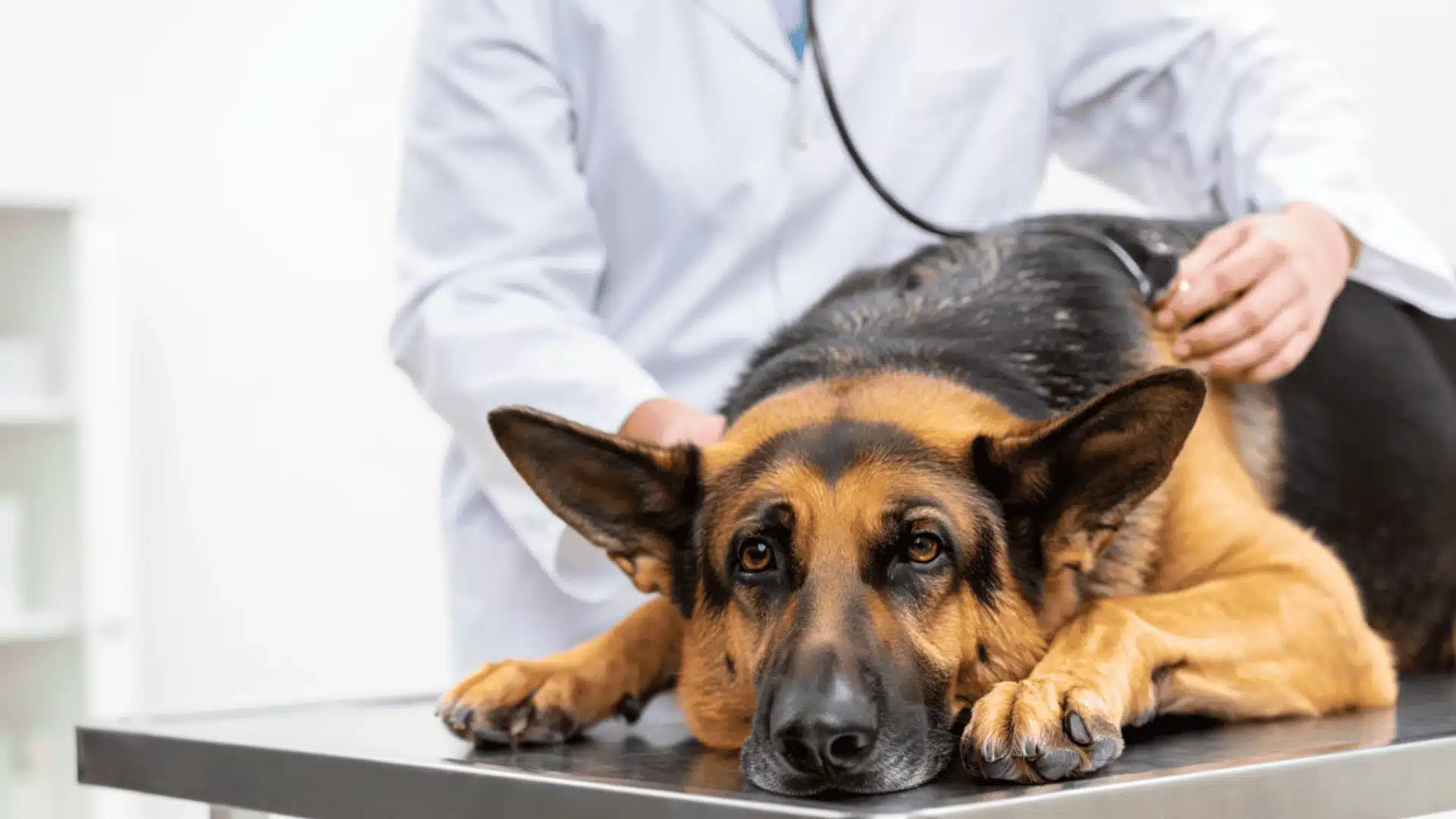
Knowing the signs of internal bleeding in dogs early can save your dog’s life, because symptoms can appear suddenly and worsen very fast.
- Pale or white gums: Healthy gums should be pink, so gums that stay pale after pressing for two seconds can signal serious blood loss.
- Weakness or collapse: Your dog may seem wobbly, unable to stand, or suddenly fall down as oxygen levels drop quickly.
- Swollen belly: Blood in the abdomen can make the stomach look bloated, tight, or clearly bigger than usual.
- Fast or hard breathing: Dogs may breathe rapidly or struggle to breathe when blood loss lowers oxygen in the body.
- Cold paws and ears: The body shifts blood to vital organs first, making legs and ears feel cold to the touch.
- Fast heartbeat: The heart may beat very quickly as it tries to circulate the remaining blood.
- Other warning signs: Look for bruising, blood in urine or vomit, confusion, restlessness, or sudden extreme tiredness.
Common Causes of Internal Bleeding in Dogs
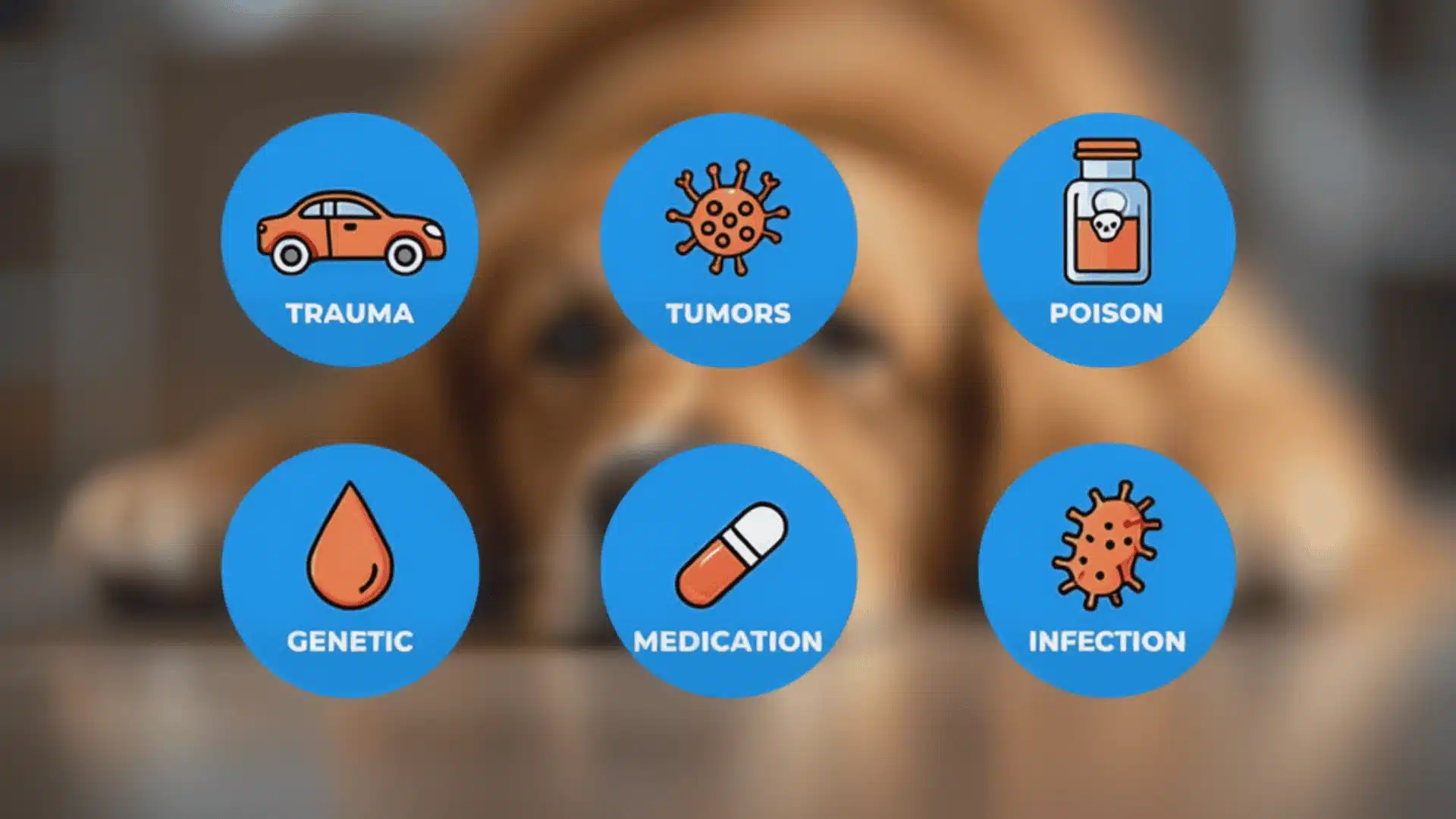
Internal bleeding usually occurs due to an injury or a disease that damages organs or blood vessels inside the body.
1. Trauma and Accidents
Blunt force trauma is a major cause of internal bleeding in dogs. Getting hit by a car, falling from a height, or serious dog fights can tear organs like the spleen or liver.
These organs contain many blood vessels, so even a small tear can cause heavy bleeding quickly. Sometimes there are no visible wounds outside.
Dogs may seem fine at first, then suddenly become weak or collapse as blood loss increases fast.
2. Ruptured Tumors
Some dogs develop tumors in organs like the spleen, liver, or heart over time.
A common cancer called hemangiosarcoma grows in blood vessel walls and can rupture suddenly without warning.
When a tumor bursts, it can cause massive internal bleeding within minutes. Many owners notice sudden weakness or collapse as the first clear sign.
These tumors often grow quietly, so there may be no symptoms before the rupture happens.
3. Rodenticide Poisoning
Rat poison containing anticoagulants prevents blood from clotting properly in the body. If a dog eats the poison directly or consumes a poisoned rodent, internal bleeding can begin days later.
The toxin blocks Vitamin K, which is needed for normal clotting function.
Bleeding may occur in the chest, abdomen, or even under the skin. Dogs may show weakness, breathing trouble, or pale gums as blood loss worsens.
4. Blood Clotting Disorders
Some dogs are born with genetic clotting disorders, such as hemophilia or von Willebrand disease (vWD). These conditions stop blood from clotting normally after even small injuries.
Dogs with these disorders can bleed longer than usual from minor cuts or surgeries. In some cases, internal bleeding can happen without clear trauma.
Owners may notice bruising, weakness, or pale gums as blood loss continues inside the body.
5. Medication Toxicity
Certain human medicines, like Ibuprofen or Aspirin, can damage a dog’s stomach lining.
This damage can lead to ulcers and serious internal bleeding in the digestive tract. Accidental overdose of prescription drugs or blood thinners can also trigger bleeding problems.
Dogs should never receive human medication unless a veterinarian clearly approves it. Signs may include vomiting blood, black stools, weakness, or pale gums.
6. Infections and Organ Disease
Severe infections like leptospirosis can damage organs and weaken blood vessels inside the body.
Advanced liver disease or kidney failure can also reduce normal clotting ability. When clotting fails, bleeding may begin inside organs or body cavities without visible injury.
These conditions often develop slowly and may not show strong signs early. Weakness, pale gums, or fluid buildup can appear as bleeding worsens.
How Dangerous is Internal Bleeding?
Internal bleeding in dogs is a true medical emergency that can turn fatal within a short time. When blood collects in the body instead of circulating normally, vital organs do not receive enough oxygen.
The heart tries to pump faster to make up for blood loss, but this effort cannot last long. As blood volume drops, blood pressure falls, and the body can quickly enter shock.
Once shock begins, organs like the brain, heart, and kidneys start shutting down fast. The danger depends on how fast the bleeding happens and where it is located.
A sudden tumor rupture or severe trauma can become life-threatening within 30 to 60 minutes.
Even slower bleeding can still cause severe anemia, organ failure, or death without urgent veterinary treatment.
How to Physically Assess Your Dog During an Emergency?
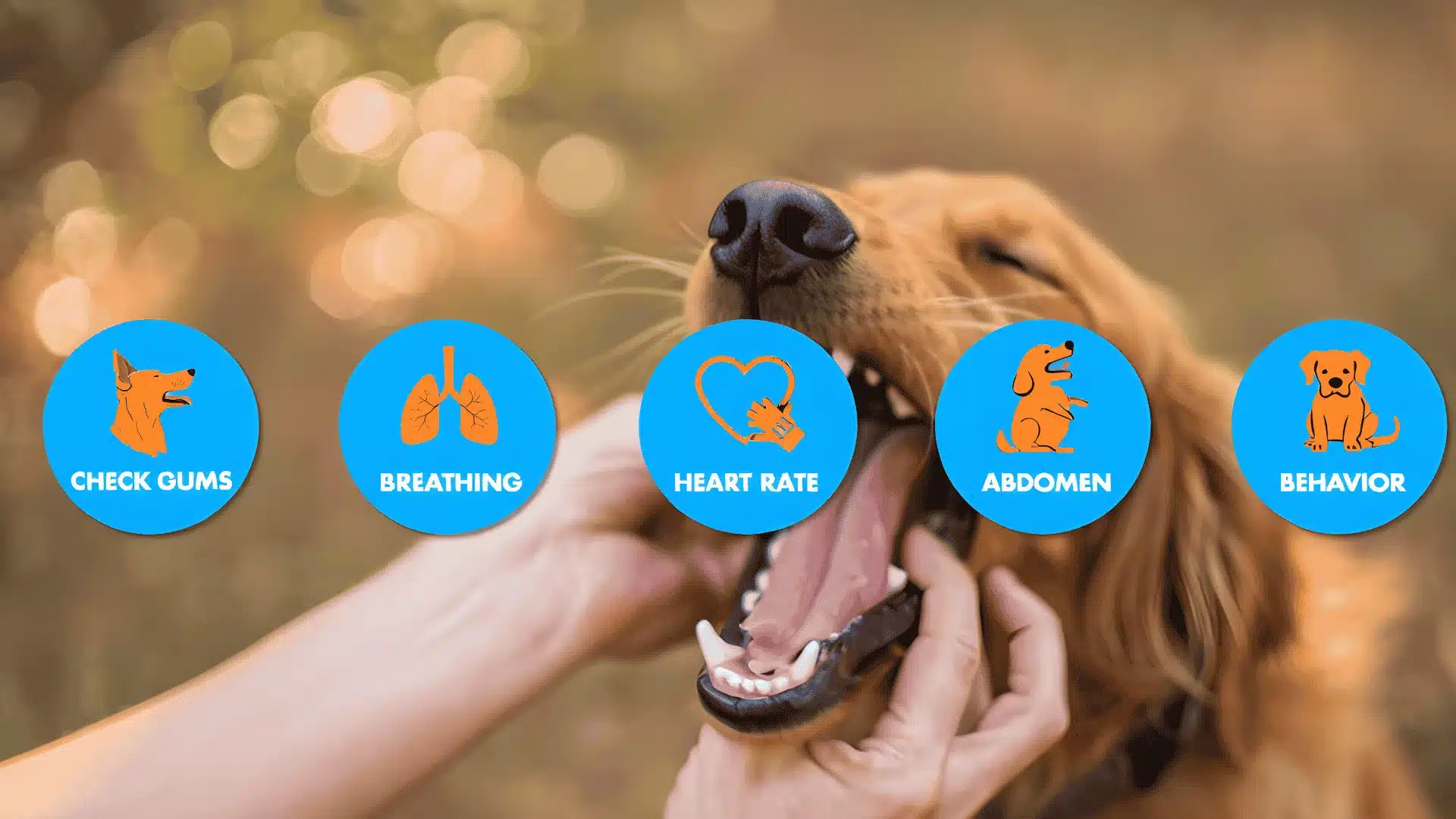
You cannot confirm internal bleeding at home, but you can perform quick physical checks while preparing to leave for emergency care.
1. Check Capillary Refill Time
Lift your dog’s upper lip and examine the gum color in clear lighting.
Healthy gums should look pink and moist, not pale or white. Press your finger firmly against the gum for 2 seconds, then release slowly.
The pink color should return within 1 to 2 seconds in a stable dog.
If the color returns slowly or stays pale, circulation may be compromised. A delayed refill time can indicate serious blood loss and require immediate veterinary attention.
2. Measure Resting Breathing Rate
Observe your dog while they are calm and lying down without recent activity.
Count each rise and fall of the chest for a full 60 seconds. Most healthy dogs breathe between 10 and 30 times per minute at rest.
Breathing faster than 40 times per minute without exercise can signal distress. Watch for shallow breaths, open mouth breathing, or visible effort in the chest.
Rapid or labored breathing at rest may indicate reduced oxygen due to internal blood loss.
3. Assess Heart Rate and Pulse Strength
Place your hand just behind the left elbow to feel your dog’s heartbeat clearly. Count the beats for 15 seconds and multiply by 4 to estimate the rate.
Larger dogs often range between 60 and 100 beats per minute at rest. Smaller dogs may range between 100 and 140 beats per minute normally.
A very fast heartbeat at rest can signal that the body is compensating for blood loss.
Also, pay attention to pulse strength, because a weak or faint pulse is a serious warning sign.
4. Examine the Abdomen for Swelling or Pain
Gently place your hand on both sides of your dog’s abdomen using light pressure.
A normal belly should feel soft and not cause discomfort when touched carefully. If the abdomen feels tight, firm, or unusually swollen, fluid may be building inside.
Watch your dog’s reaction while pressing lightly for signs of pain. Pulling away, whining, or sudden tension can indicate internal problems.
Abdominal swelling combined with weakness requires immediate veterinary attention.
5. Evaluate Alertness and Responsiveness
Call your dog’s name and observe how quickly they react to your voice. A healthy dog should lift their head, focus their eyes, and respond normally.
Check if they can stand without wobbling or collapsing suddenly. Slow response, confusion, or glassy eyes may signal reduced oxygen supply to the brain.
Repeated collapse or inability to stay upright requires immediate emergency transport.
How to Stop a Dog from Bleeding?
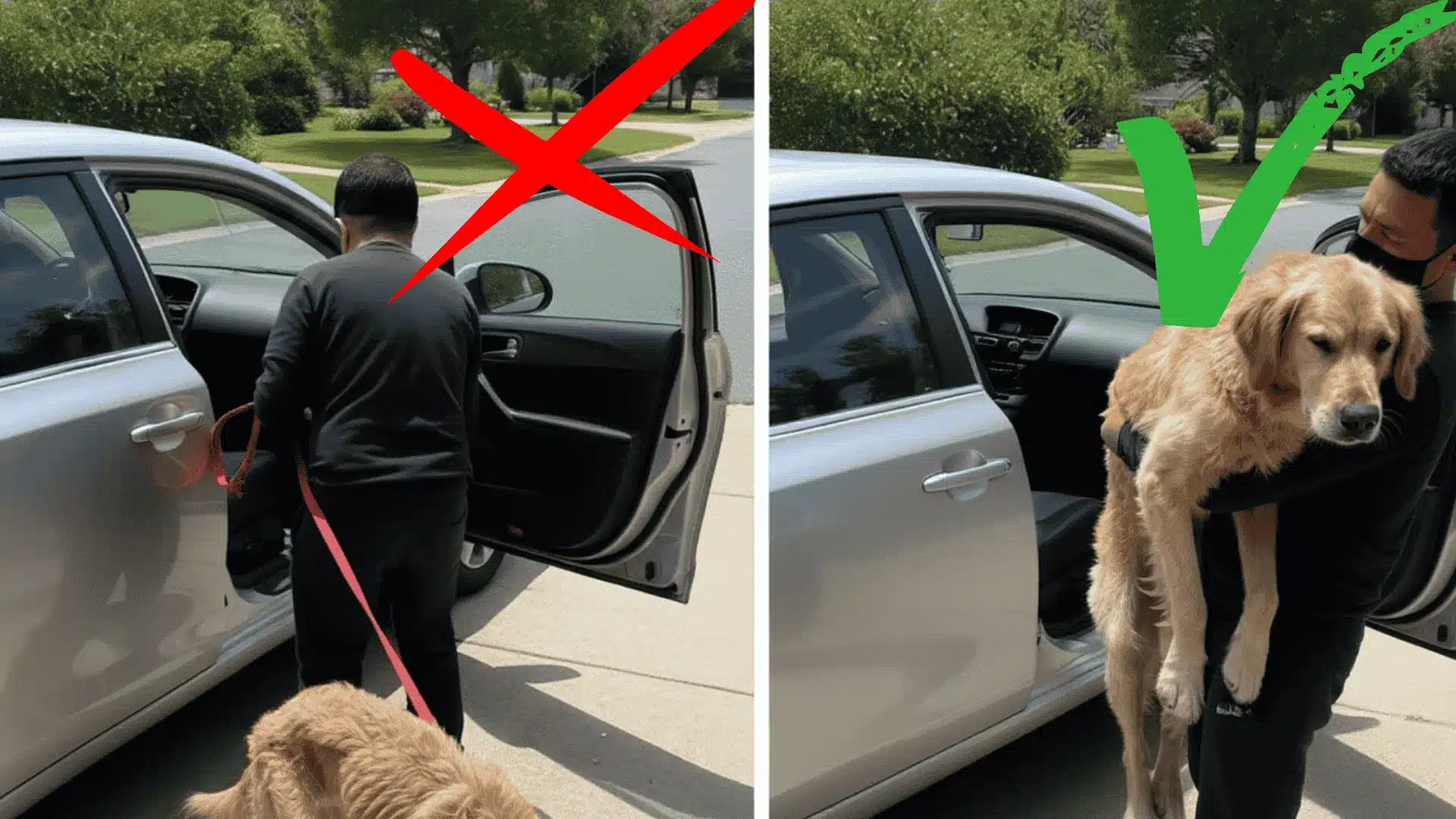
If you suspect internal bleeding, your role is fast action and safe transport, because this condition cannot be treated at home.
- Do not try home remedies: Internal bleeding cannot be controlled with pressure, bandages, or common medicines, and delaying care can quickly become life-threatening.
- Keep your dog calm and still: Stress and sudden movement raise heart rate and blood pressure, which can worsen bleeding inside the body.
- Carry your dog to the car: Avoid walking, running, or jumping, because physical effort can increase blood loss and trigger collapse.
- Call the emergency clinic ahead: Inform the veterinary team so they can prepare oxygen, IV fluids, and emergency support before you arrive.
- Do not give food, water, or medication: Many dogs require urgent surgery, and a full stomach increases the risk of anesthesia.
Emergency Veterinary Treatment for Internal Bleeding
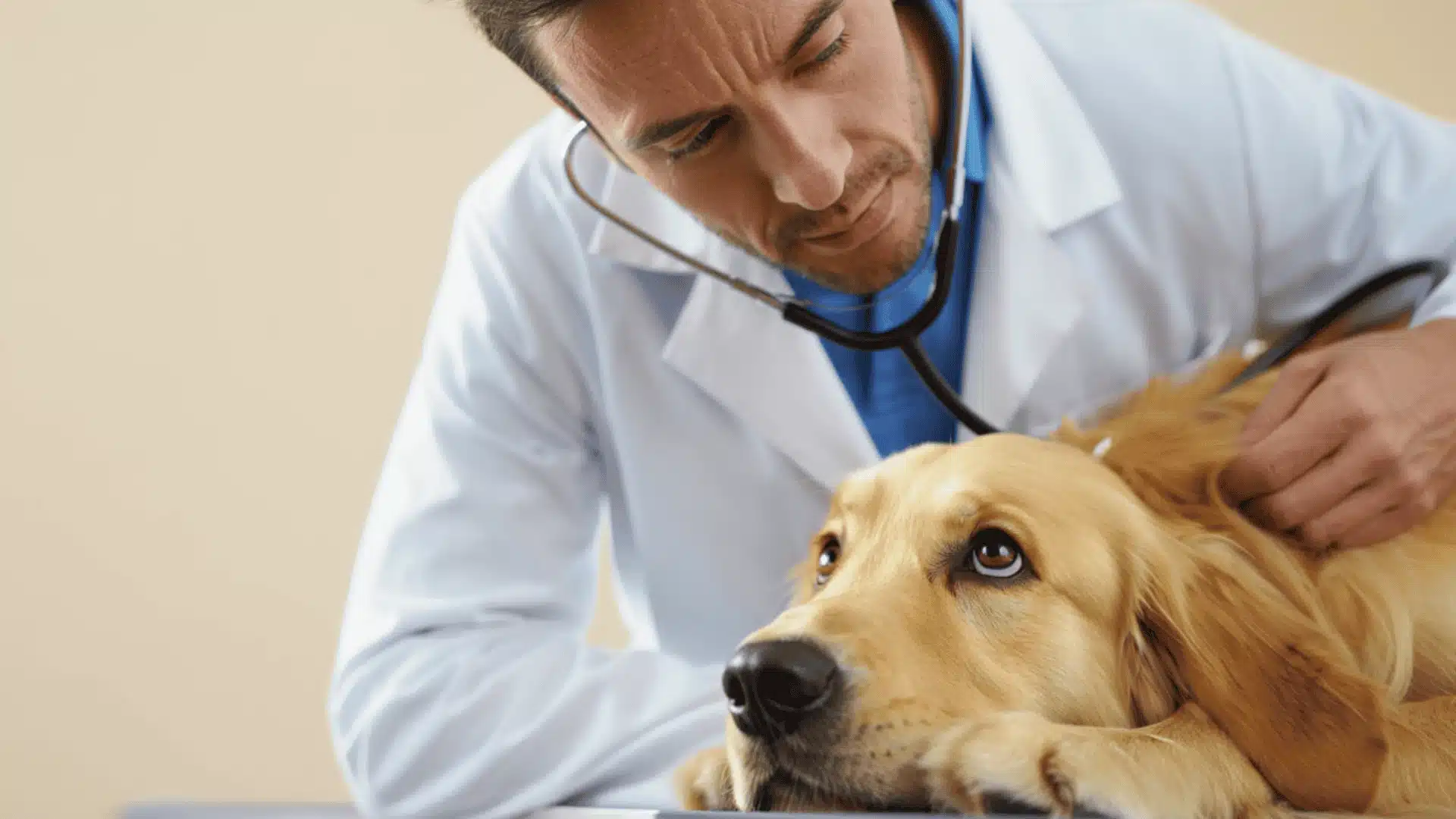
When you arrive at the emergency clinic, the veterinary team acts quickly to stabilize your dog and identify the source of the bleeding.
1. Initial Stabilization
The first priority is stabilizing your dog before detailed testing begins.
The team places an IV catheter to give fluids that support blood pressure and protect organ function.
Oxygen therapy may be started if breathing is fast or difficult. Pain relief is given carefully to reduce stress and discomfort.
If your dog is in shock, rapid fluid therapy begins immediately to restore circulation and improve oxygen delivery.
2. Diagnostic Testing
Once your dog is stable enough, the veterinarian performs tests to locate the exact source of bleeding.
Blood tests measure red blood cell levels, check organ function, and evaluate clotting ability. A low red blood cell count confirms significant blood loss.
X-rays or ultrasound scans help detect fluid buildup inside the chest or abdomen. These imaging tools can reveal ruptured organs, bleeding tumors, or internal injuries.
In some cases, a needle sample from the abdomen confirms that the fluid present is blood.
3. Blood Transfusions
Dogs with severe blood loss often need blood transfusions to replace lost red blood cells.
Transfusions help restore oxygen delivery to vital organs and improve overall strength. Before giving blood, the team performs compatibility testing to reduce the risk of reaction.
Some dogs may require more than 1 transfusion depending on the severity of anemia. Close monitoring continues during and after the transfusion to ensure stability.
4. Surgical Treatment
If tests show a ruptured organ or active internal bleeding, emergency surgery is often required. The surgeon may remove a damaged spleen, repair torn blood vessels, or remove a bleeding tumor.
Surgery aims to stop the source of blood loss quickly and prevent further complications.
In cases of rodenticide poisoning, surgery may not be needed if vitamin K therapy restores clotting function. After surgery, close monitoring continues to ensure bleeding does not restart.
5. Hospital Monitoring
After surgery or emergency treatment, dogs stay in the hospital for close observation.
The veterinary team regularly monitors heart rate, breathing, blood pressure, and gum color. Repeat blood tests check red blood cell levels and confirm that bleeding has stopped.
IV fluids, oxygen support, and pain control continue as needed. Most dogs remain hospitalized for 24 to 72 hours, depending on severity and recovery progress.
6. Treatment Costs and Financial Planning
Emergency treatment for internal bleeding can be expensive, depending on severity and cause. Costs often range from $1,500 to $7,000, depending on tests and surgery.
Blood transfusions, imaging, hospitalization, and emergency surgery quickly increase the total amount. The final cost depends on how stable your dog is upon arrival and how complex the treatment becomes.
Pet insurance or emergency savings can reduce financial stress during critical situations.
Prevention and When to Seek Immediate Help
Not all internal bleeding can be prevented, but smart daily care can lower your dog’s risk. Store rat poison, antifreeze, and human medicines in locked cabinets that pets cannot access.
Avoid giving any over-the-counter medication unless your veterinarian clearly approves it.
Use proper restraints during car travel, and supervise children when they are outdoors near roads or at heights. Schedule regular wellness exams with bloodwork, especially for senior dogs or high-risk breeds.
Seek emergency help immediately if you notice:
- Sudden extreme weakness that appears without obvious injury.
- Repeated collapse episodes, even if your dog stands up again.
- Fast breathing at rest that does not improve within a few minutes.
- Signs of shock, such as glassy eyes, confusion, or very low energy.
- Any serious accident followed by unusual behavior within hours.
Trust your instincts, because internal bleeding can worsen quickly even when signs seem mild at first.
Recovery and Aftercare Following Internal Bleeding
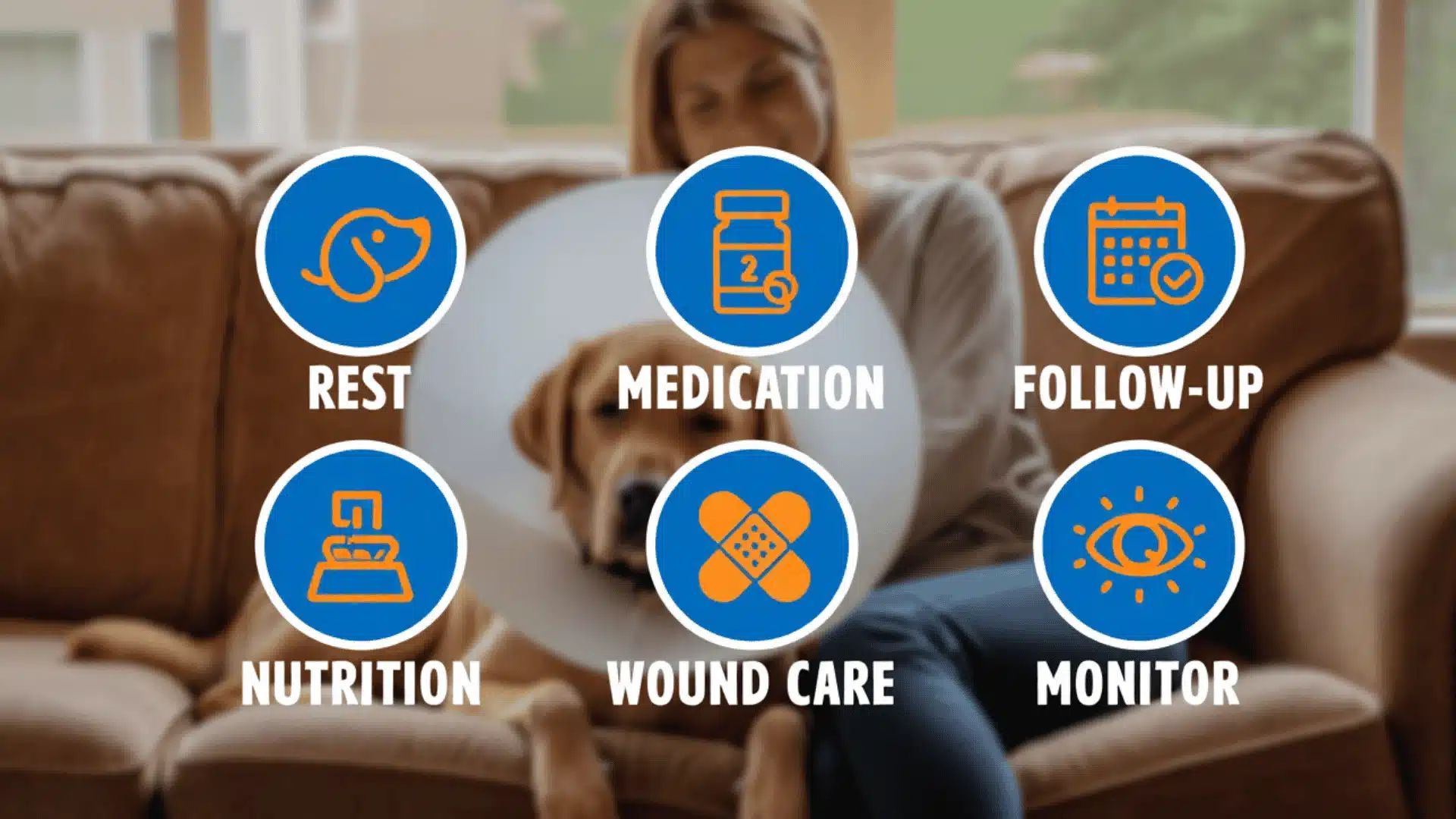
Recovery depends on the cause of bleeding, the amount of blood lost, and whether surgery was required.
1. Immediate Post-Hospital Care
When your dog returns home, strict rest is very important for proper healing.
Limit activity to short leash bathroom breaks and prevent running, jumping, or climbing stairs. Too much movement can reopen surgical sites or trigger bleeding again.
Create a quiet resting space away from noise and stress. Check the incision site daily for swelling, redness, or discharge.
2. Medications and Follow-Up Visits
Your veterinarian will prescribe medications to manage pain and prevent infection during recovery.
Give all medicines exactly as directed and never skip doses without approval. Some dogs may need vitamin K therapy for 3 to 4 weeks after rodenticide poisoning.
Follow-up visits are important to recheck blood levels and healing progress. Blood tests confirm that red blood cell counts are improving steadily.
Timely rechecks help detect complications early before they become serious again.
3. Long-Term Recovery and Prognosis
Long-term recovery depends on the original cause of internal bleeding and overall health. Dogs that survive trauma-related bleeding often return to normal life within 4 to 6 weeks.
Dogs that have had their spleens removed usually adapt well because other organs support immune function.
Cancer-related bleeding, especially from hemangiosarcoma, carries a guarded outlook even after surgery. Without chemotherapy, average survival may be 1 to 3 months; with treatment, it is around 6 to 9 months.
Regular monitoring and balanced nutrition support strength during recovery.
4. Nutrition and Activity Management
Proper nutrition plays a key role in rebuilding strength after internal bleeding.
Feed a high-quality, easily digestible diet that supports red blood cell recovery. Some dogs may need iron supplements, but only if prescribed by your veterinarian.
Fresh water should always be available to maintain hydration. Activity should increase slowly after veterinary clearance to avoid strain on healing tissues.
Sudden, intense exercise can raise blood pressure and increase the risk of complications. A gradual return to normal routines helps ensure a safe and steady recovery.
5. Monitor for Recurrence or Complications
Even after recovery, continue watching your dog closely for any returning warning signs. Pale gums, weakness, or sudden tiredness can signal new bleeding or anemia.
Check gum color regularly and track energy levels during daily routines. Attend all scheduled veterinary rechecks to monitor blood counts and organ function.
Early detection of complications improves treatment success and protects your dog’s long-term health.
Conclusion
Internal bleeding in dogs is not something you can handle alone at home.
The signs of internal bleeding in dogs can appear fast, and waiting can lead to shock. Acting early gives your dog the best chance of survival and recovery.
I know it can feel scary when symptoms show without warning, but your quick response matters most.
Learning how to stop a dog from bleeding starts with staying calm and getting professional help immediately.
Even if you are unsure, seeking emergency care is always the safer choice. Your awareness and fast action can truly save a life.
Have you ever noticed pale gums, sudden weakness, or fast breathing in your dog and felt unsure what it meant? Tell us, share with us in the comments below.