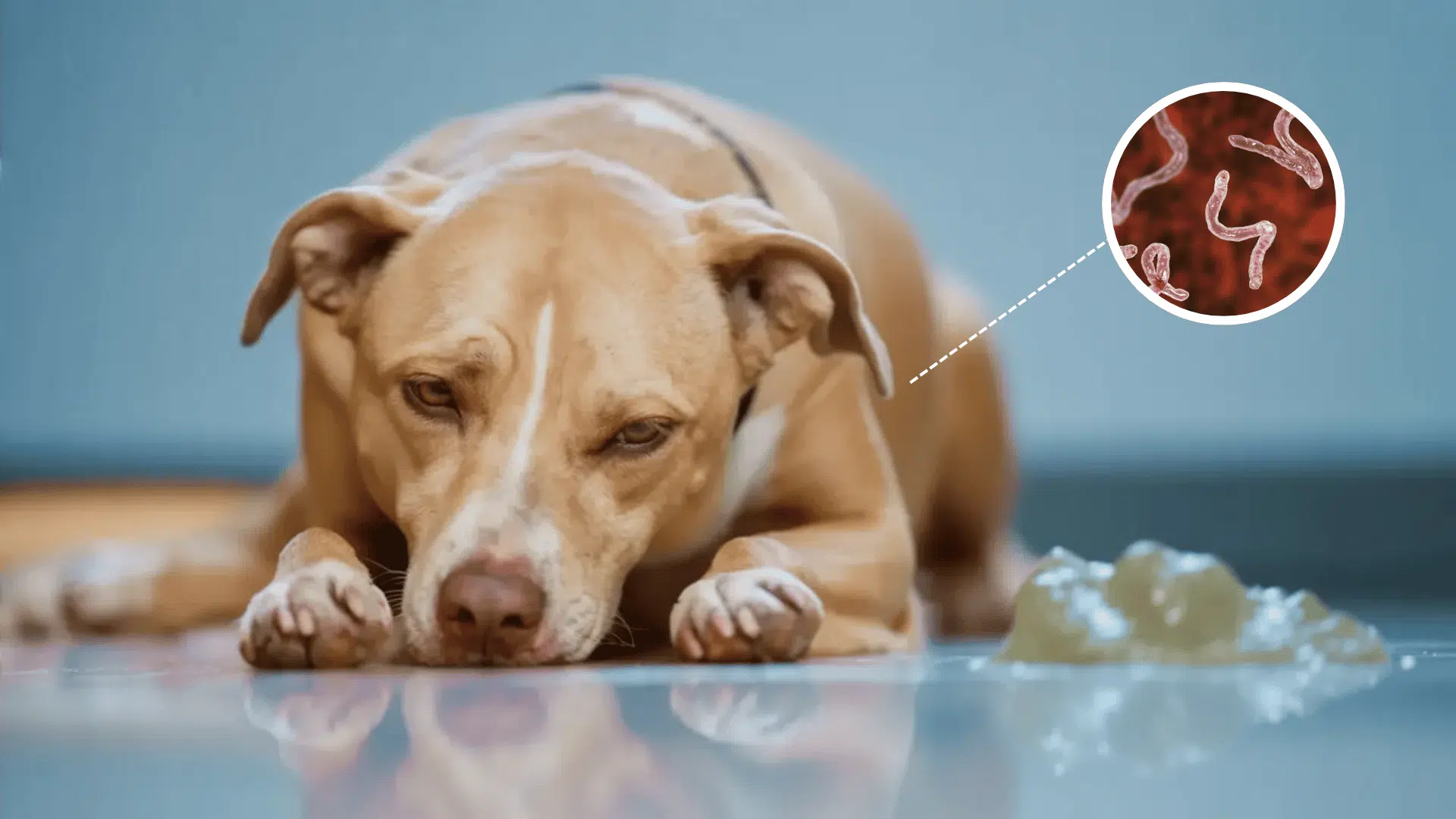
Every pet deserves love, attention, and care that fit their needs. While food, exercise, and affection are basics all pets need, each breed comes with its own traits that affect how we care for them.
A large dog’s routine will never match that of a small cat, and that’s perfectly fine; it’s what makes each one special.
In this blog, you’ll find simple, vet-approved tips to help you:
- Understand your pet’s breed-specific needs
- Spot early signs of health issues
- Keep your pet active, clean, and comfortable
The goal is to give you practical guidance you can use every day, if you’re raising a playful puppy or caring for a senior cat.
With the right approach and a bit of consistency, you can help your pet live a healthier, happier life.
Understanding Breed-Specific Needs
I’ve learned that every breed has its own needs, and understanding them helps you care for your pet the right way.
Different breeds have different energy levels, so while a Border Collie might need long runs, a Bulldog may prefer short walks. Dietary needs vary, too.
Large breeds often need food that supports their joints, while smaller ones may need meals that protect their teeth.
Grooming also changes by breed; long-haired pets need more brushing, while short-haired ones need regular skin checks.
Some breeds face specific health risks, like hip issues in bigger dogs or breathing problems in flat-faced breeds.
When you take time to learn your pet’s traits, you can build a care routine that truly fits. It’s not about doing everything perfectly; it’s about knowing what works best for your pet’s body, energy, and comfort.
Top Tips to Keep Your Pet Healthy and Happy
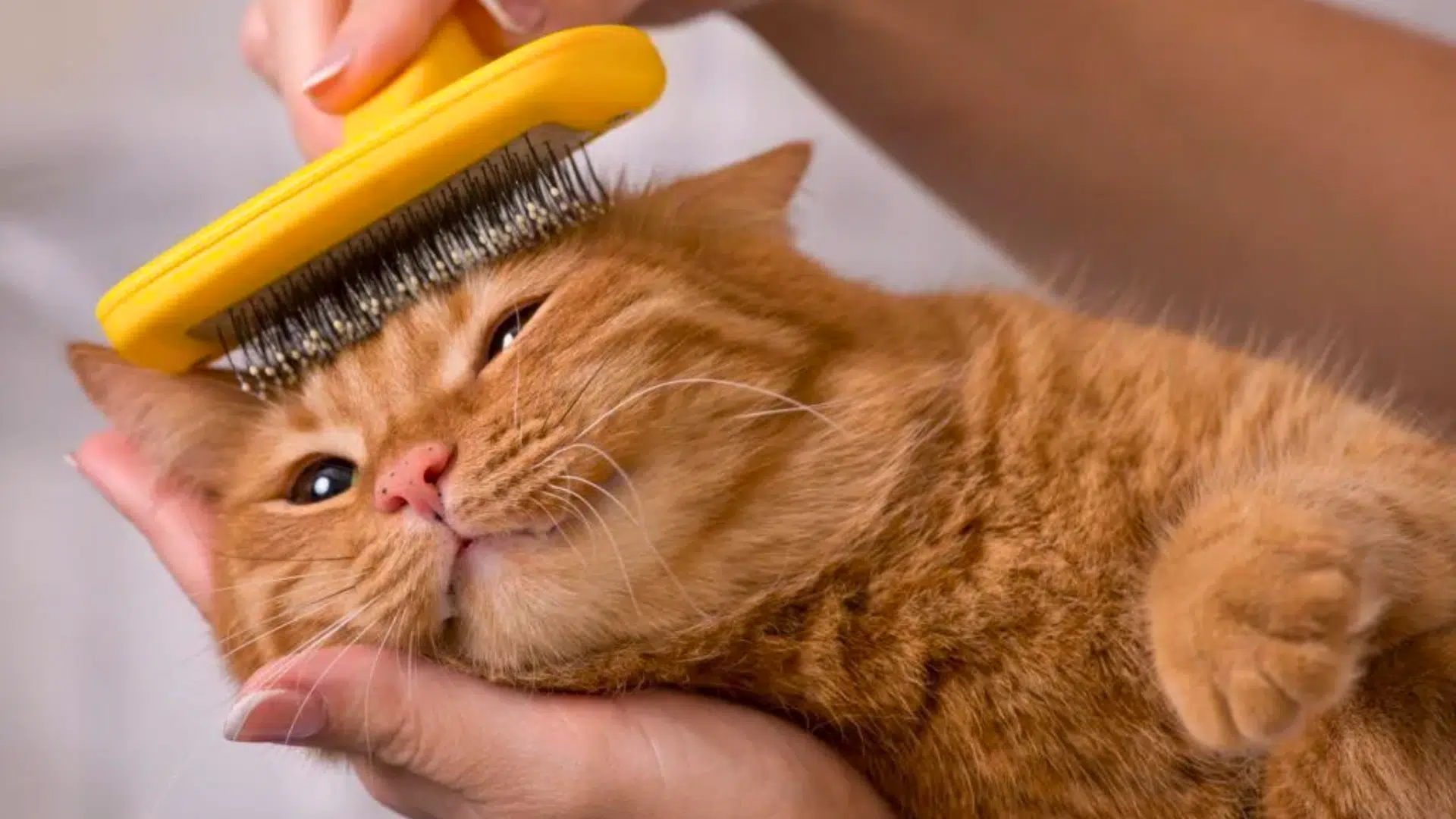
Caring for your pet is simple with these vet-approved daily habits that fit easily into your routine. These real-world tips will help you keep your furry friend healthy, happy, and full of life, even if you’re busy.
1. Feed a Balanced Diet
I always make sure my pet eats a balanced diet that matches their age, breed, and size. You can talk to your vet to find the right food type: dry, wet, or mixed.
Avoid table scraps and too many treats because they can cause weight gain and stomach issues.
Stick to measured portions and feed your pet at the same time each day.
This helps with digestion and energy levels. Remember, a good diet supports strong bones, a shiny coat, and overall health.
2. Keep Fresh Water Available
I never forget to keep fresh, clean water ready for my pet all day long. You can check and refill the bowl at least twice a day, especially in warm weather.
Hydration helps pets regulate body temperature and keeps their organs healthy.
Wash the water bowl daily to prevent slime or bacteria. If your pet drinks too little or too much, it might signal a health issue, so it’s a good idea to ask your vet. Simple habit, big difference.
3. Schedule Regular Vet Visits
I always plan for routine vet checkups, even if my pet seems perfectly fine. You can schedule visits at least once or twice a year to catch hidden issues like dental disease, allergies, or weight problems.
Vets can also guide you on vaccinations and parasite prevention.
Regular exams build a health record that helps your vet notice changes early. I also write down any odd behavior or diet changes to mention during appointments.
4. Set a Daily Routine
I’ve learned that pets love consistency. You can make a simple daily routine for meals, walks, playtime, and rest. This helps your pet feel secure and less anxious.
For example, feed them at the same time every morning, walk after work, and have quiet time before bed. A set schedule also helps with training and house manners.
Pets behave better when they know what’s coming next, and it strengthens your bond, too.
5. Give Plenty of Exercise
I make sure my pet gets enough exercise every single day. It keeps their heart healthy, muscles strong, and mind sharp. You can go for a walk, play fetch, or use puzzle toys indoors when the weather’s bad.
Exercise also prevents boredom and behavior issues like chewing or barking.
Tailor the activity to your pet’s breed and age; some need longer runs, while others do better with short walks. Active pets are truly happier pets.
6. Keep up with Grooming
I make grooming a regular part of my pet’s care. You can brush their coat a few times a week to remove loose hair and prevent mats.
Bathing once a month, or as needed, keeps their skin clean and healthy.
Check their ears, trim nails, and brush teeth often. Regular grooming also helps you notice skin problems or bumps early.
Even short-haired pets benefit from a quick brush and check-up routine; it’s a great bonding time, too.
7. Make Time for Play
I always try to add playtime to my pet’s day. You can use simple toys like balls, ropes, or soft chew toys to keep them entertained. Play helps pets burn energy and stay mentally sharp.
Even 15 minutes a day can make a big difference. Try to switch toys every week to keep things exciting.
I also use play to teach commands and reward good behavior. It strengthens our connection and keeps my pet happy.
8. Keep up with Training
I’ve found that consistent training makes life easier for both me and my pet. You can start with short sessions each day, teach one command at a time, and reward your pet with praise or small treats.
Training helps pets understand boundaries and keeps them mentally active.
If your pet struggles with certain behaviors, consider a positive reinforcement class. The key is to stay calm and patient; every pet learns at their own pace.
9. Watch Their Weight
I always keep an eye on my pet’s weight and body shape. You can gently feel their ribs; they should be easy to find but not visible. If your pet is gaining or losing weight suddenly, talk to your vet.
Extra pounds can lead to joint pain and other health problems.
Keep treats small and count them in their daily calories. Regular exercise and proper portion sizes are the best ways to maintain a healthy weight.
10. Protect from Parasites
I never skip parasite prevention, even for indoor pets. You can talk to your vet about the right flea, tick, and worm treatments for your pet’s lifestyle.
These tiny pests can cause serious health issues and discomfort. Clean your pet’s bedding often, vacuum regularly, and keep their outdoor spaces tidy.
Keeping up with monthly prevention protects your pet and is far easier than dealing with an infestation later.
11. Create a Safe Space
I like giving my pet a quiet spot where they can rest and feel secure. You can set up a cozy bed in a low-traffic area of your home.
Pets sometimes need alone time to relax, especially after play or visitors.
Keep this area clean and free from loud noises or stress triggers. A safe space helps pets manage anxiety and sleep better, making them calmer and more confident in daily life.
12. Pay Attention to Behavior Changes
I always pay attention when my pet acts differently. You can look for signs like changes in appetite, energy, or bathroom habits.
Sometimes, small behavior shifts point to bigger health issues. Write down what you notice and share it with your vet if it continues. Trust your instincts; no one knows your pet better than you do.
Early attention can make all the difference in keeping them healthy.
13. Show Daily Love and Affection
I make sure to show my pet love every single day. You can give gentle pets, cuddles, or short talks to show you care. Affection builds trust and strengthens your bond.
It also helps your pet feel safe and emotionally balanced. Even a few quiet minutes together can reduce stress for both of you.
A little love, shown consistently, makes your pet’s world a happier place.
Common Health Issues Across Different Breeds
Every breed has its own set of health concerns. Knowing what to look for helps you act early and keep your pet healthy. These are some common problems and simple steps to prevent them.
- Allergies: Many breeds, like Bulldogs and Retrievers, often face skin or food allergies. Watch for itching, red spots, or frequent paw licking. Use vet-approved shampoos and choose limited-ingredient diets if needed.
- Obesity: Breeds such as Labradors and Pugs gain weight easily. Measure food portions, limit treats, and keep daily walks part of your routine to prevent strain on joints and heart.
- Joint Pain: Large breeds like German Shepherds and Golden Retrievers can develop hip or elbow issues. Keep your pet at a healthy weight and provide joint-support supplements if your vet recommends them.
- Skin Infections: Breeds with folds, like Bulldogs and Shar-Peis, are prone to infections in those areas. Clean and dry folds daily to prevent moisture buildup and irritation.
- Dental Problems: Small breeds like Chihuahuas and Yorkies often have crowded teeth. Brush their teeth regularly and schedule yearly cleanings to avoid gum disease.
- Heart Conditions: Breeds such as Boxers and Cavalier King Charles Spaniels may face heart issues. Schedule early vet checkups and monitor for coughing, tiredness, or shortness of breath.
How to Build a Bond with Your Pet?
Building a strong bond with your pet takes time, patience, and daily effort. You can start by spending quality time together, playing, training, or just relaxing side by side.
Use a calm voice and consistent routines so your pet feels safe and knows what to expect.
Give gentle praise, treats, or pets to reward good behavior and build trust. Watch their body language to understand their needs.
Regular grooming, walks, and shared activities also deepen your connection.
Avoid punishment or harsh tones; instead, use positive reinforcement to guide behavior. Over time, your pet will associate you with safety, comfort, and love.
A trusting bond not only makes training easier but also improves your pet’s happiness and emotional well-being every single day.
Signs It’s Time to Visit the Vet

Regular vet visits aren’t just for when your pet is sick; they help catch problems early and keep your pet healthy. These are key signs you should never ignore and simple reasons why early care matters.
- Loss of Appetite: If your pet skips meals for more than a day, it could mean dental pain, stomach issues, or another health problem.
- Sudden Behavior Changes: Unusual aggression, hiding, or restlessness may signal pain or stress.
- Low Energy: If your pet seems weak or tired, it might be due to infection, illness, or poor nutrition.
- Vomiting or Diarrhea: Occasional stomach upset happens, but if it lasts more than a day, call your vet.
- Coughing or Sneezing: Persistent coughing or breathing issues can point to infections or allergies.
- Limping or Difficulty Moving: These signs often mean joint pain or injury that needs medical care.
- Changes in Drinking or Urination: Drinking too much or too little water can be a warning of kidney or hormonal issues.
- Unexplained Weight Changes: Sudden weight gain or loss can indicate hidden diseases.
Conclusion
Every pet deserves care that fits its breed, age, and personality. No two pets are the same, so paying attention to their unique needs makes a big difference.
Small habits like balanced meals, exercise, and vet visits keep your pet healthy and happy.
Guidance from your vet can prevent problems before they start and ensure your pet gets the right support at every stage of life.
Most of all, your pet needs your time and love; each walk and cuddle builds trust and joy.
With steady care and love, you’re not just keeping your pet healthy; you’re giving them the best life possible, filled with safety, comfort, and happiness every single day.