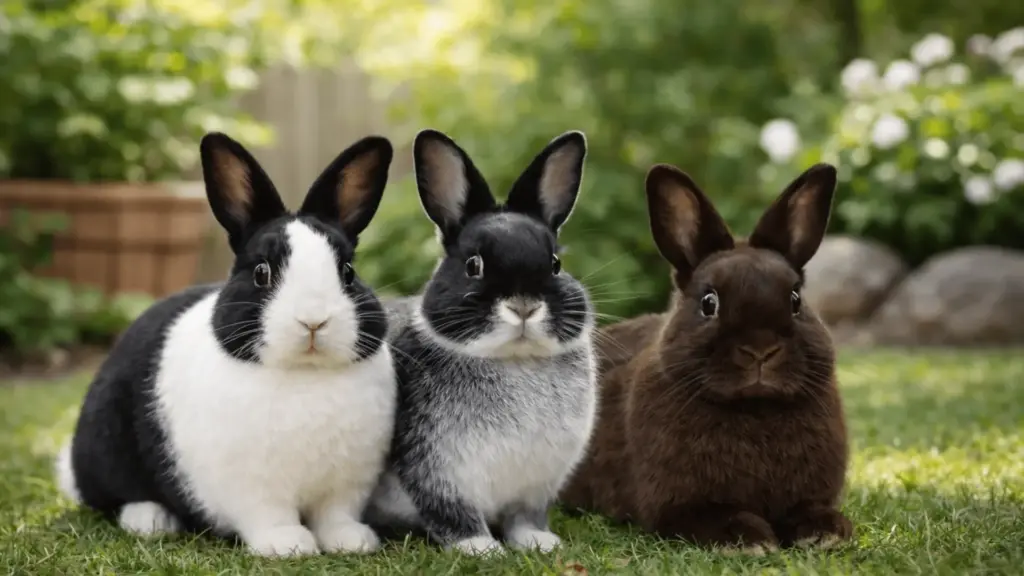
That tiny bunny in the pet store looks like it could fit in one hand forever. But what happens when that “small” rabbit keeps growing?
Many first-time owners are surprised to learn that not all small rabbit breeds stay as petite as they expect.
Some rabbits double in size within months, leaving families adjusting their space and setup. That is why understanding true adult weight matters.
Clear information about the smallest rabbit breed and different dwarf rabbit breeds helps avoid confusion and disappointment later on.
This blog focuses on real adult size, temperament, and honest community feedback from rabbit owners.
The goal is simple: identify which breeds genuinely stay tiny and which ones only look small at a young age.
What Counts as a Small Rabbit Breed?
A small rabbit breed is generally defined by adult weight, not baby size. Most breeds in this category weigh under 5 pounds once fully grown.
Some of the tiniest adults stay closer to 2 to 3 pounds, while others settle between 3 and 5 pounds. Body type also matters.
Small breeds often have compact frames, short ears, and rounded heads, though some have slimmer builds with lighter bone structure.
It is important to separate compact appearance from true dwarf genetics. A rabbit can look small due to its body shape, but still grow larger than expected.
True dwarf rabbit breeds carry a specific genetic trait that limits overall size.
Many rabbits reach most of their size by six months, but full maturity can take up to a year. Always check the confirmed adult weight before choosing.
Small Rabbit Breeds that Stay Tiny
Here are some small rabbit breeds that remain compact at full maturity, with clear adult weight ranges and key physical traits.
1. Netherland Dwarf
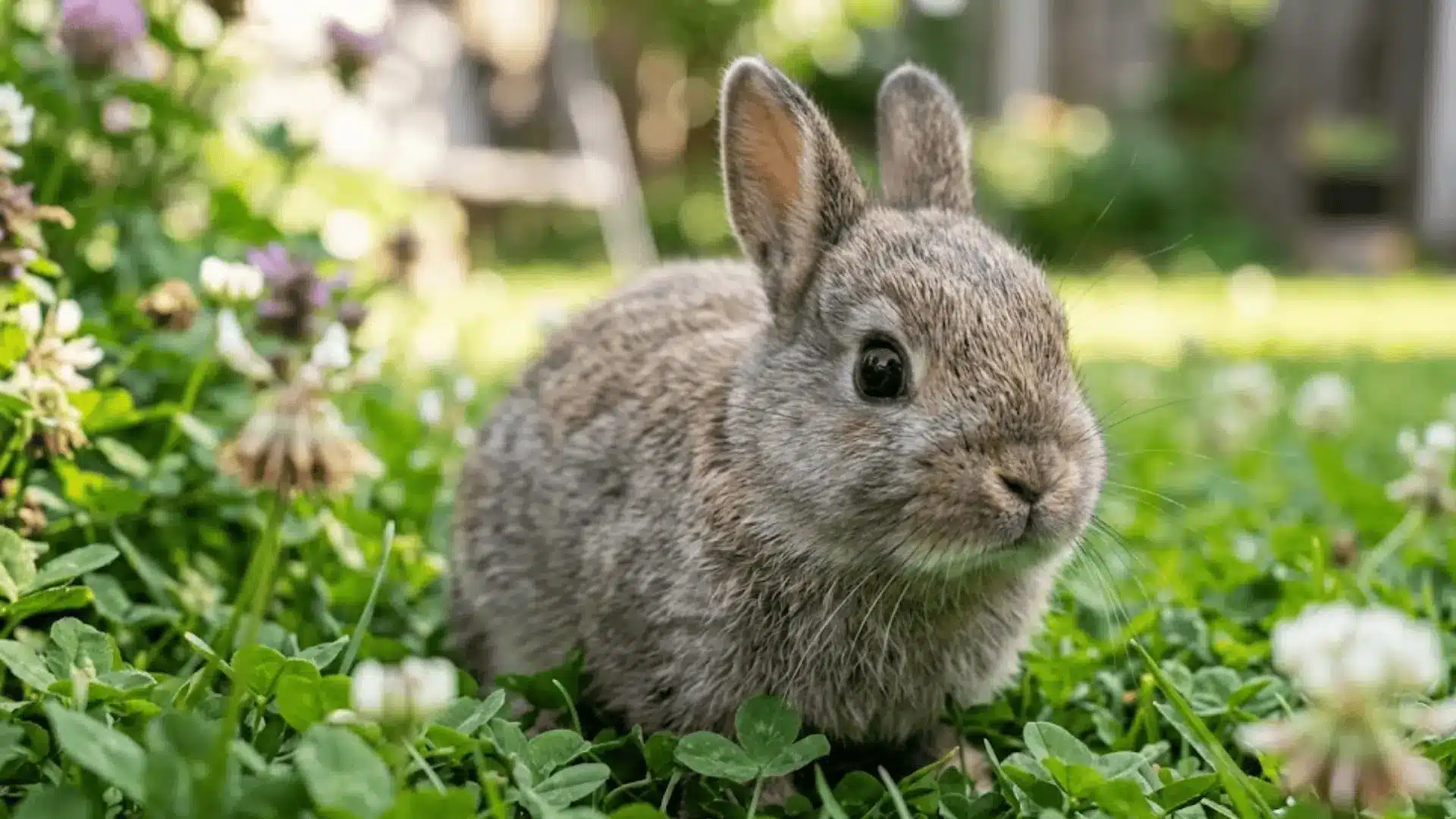
The Netherland Dwarf is widely recognized as the smallest rabbit breed. Adults typically weigh between 1.5 and 2.5 pounds.
This breed has a compact body, short upright ears, and a rounded head. Its small bone structure is due to true dwarf genetics, which limits overall size.
Despite their tiny frame, they have a balanced and proportional build. Growth is usually complete by 6 to 8 months, though full maturity can take up to one year.
Due to consistent adult size and genetic traits, this breed remains one of the tiniest options available.
2. Holland Lop
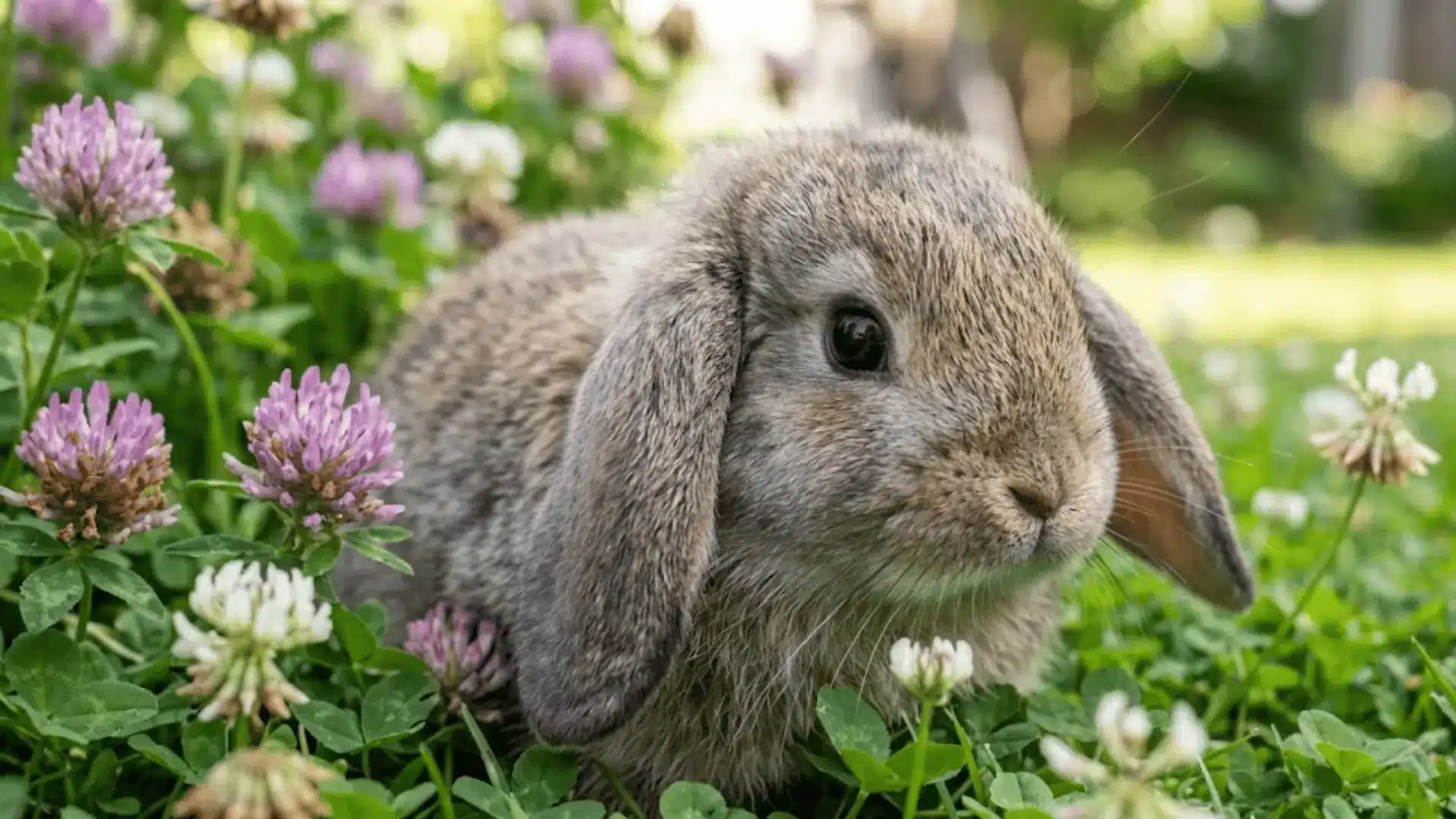
The Holland Lop is a compact breed with distinctive lopped ears and a sturdy body. Adults generally weigh between 2 and 4 pounds.
The breed has a short, muscular frame and a broad head. It is classified as a dwarf rabbit breed due to its genetic background.
Most individuals reach near adult size by 6 months. Their small build makes them suitable for indoor living with adequate floor space.
Although slightly heavier than the smallest rabbit breed, Holland Lops consistently remain within the small rabbit breeds category at maturity.
3. Mini Rex
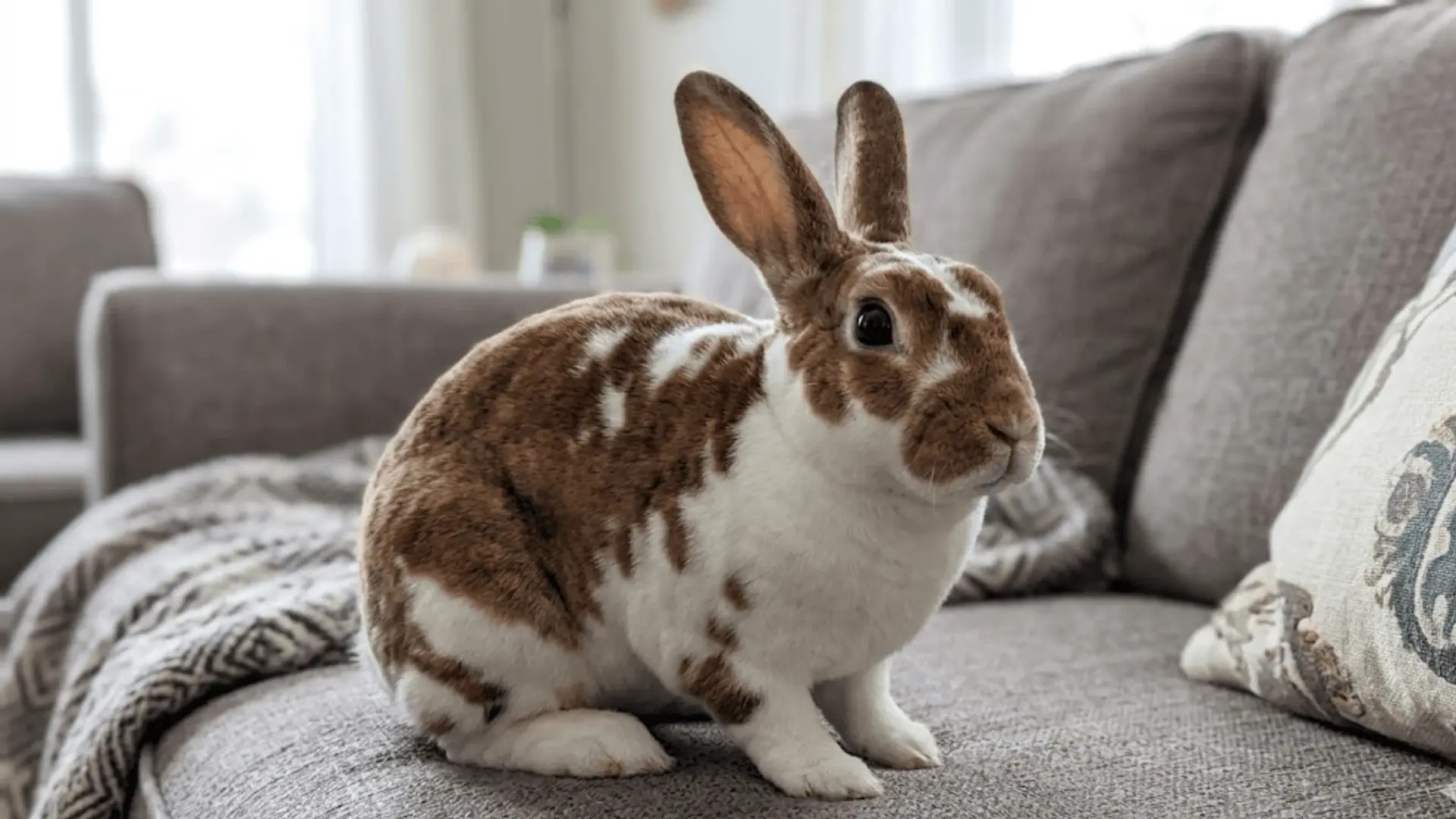
The Mini Rex is known for its dense, plush coat and compact body. Adults usually weigh between 3 and 4.5 pounds.
The breed has a rounded frame, upright ears, and short, velvety fur caused by a specific rex gene. Growth is steady during the first six months, with full size reached by about one year.
Mini Rex rabbits are considered small due to their manageable adult weight.
While not genetically part of true dwarf rabbit breeds, they remain reliably small into adulthood.
4. Lionhead Rabbit
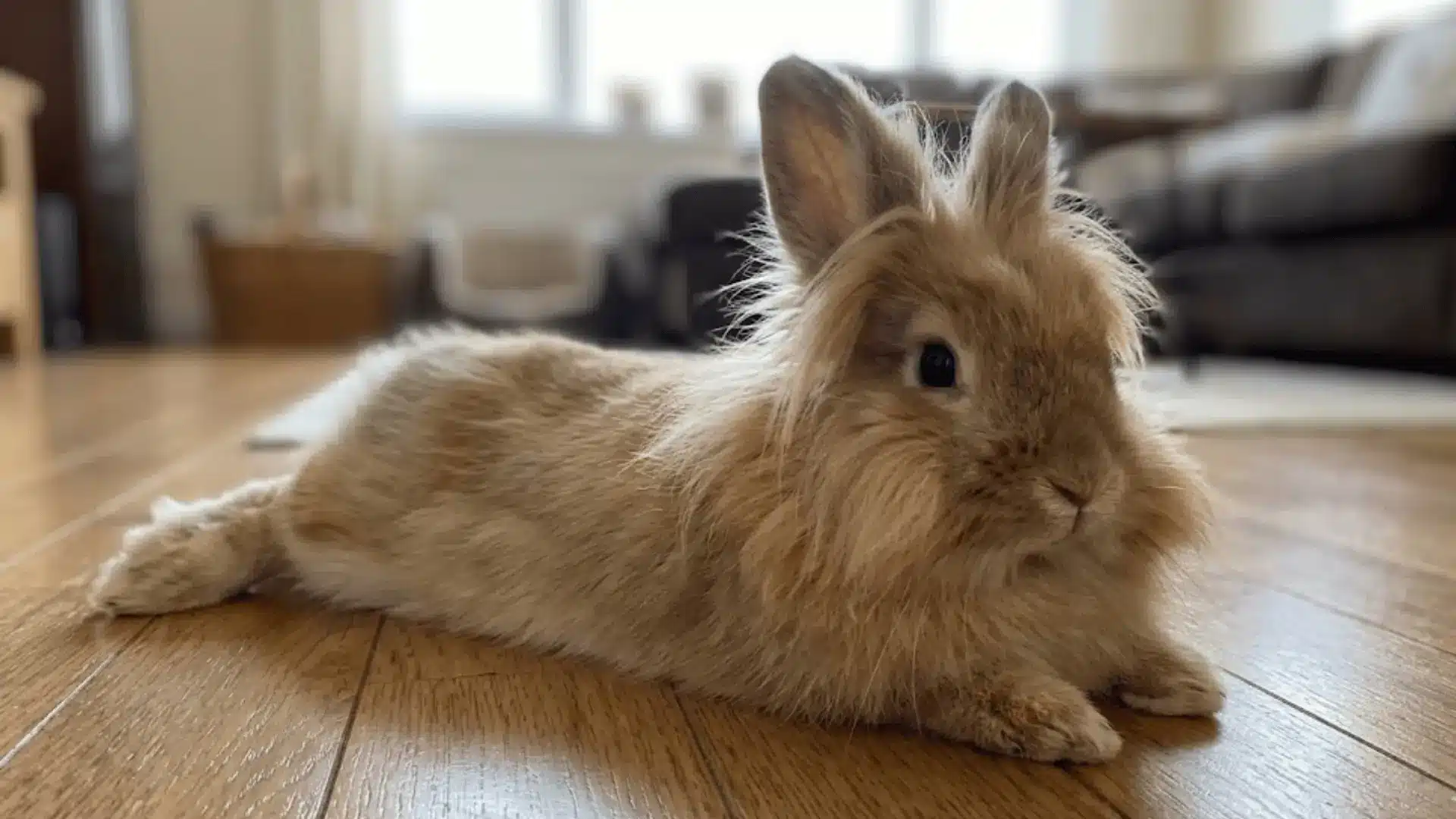
The Lionhead Rabbit features a distinctive mane of fur around the head and a compact body. Adults typically weigh between 2.5 and 3.75 pounds.
This breed often carries dwarf genetics, contributing to its small size. The mane can be single or double, depending on genetic inheritance.
Most Lionheads reach near adult weight by 6 to 8 months. Regular grooming is required to maintain the mane.
Their small adult weight and short body length place them among recognized small rabbit breeds.
5. Polish Rabbit
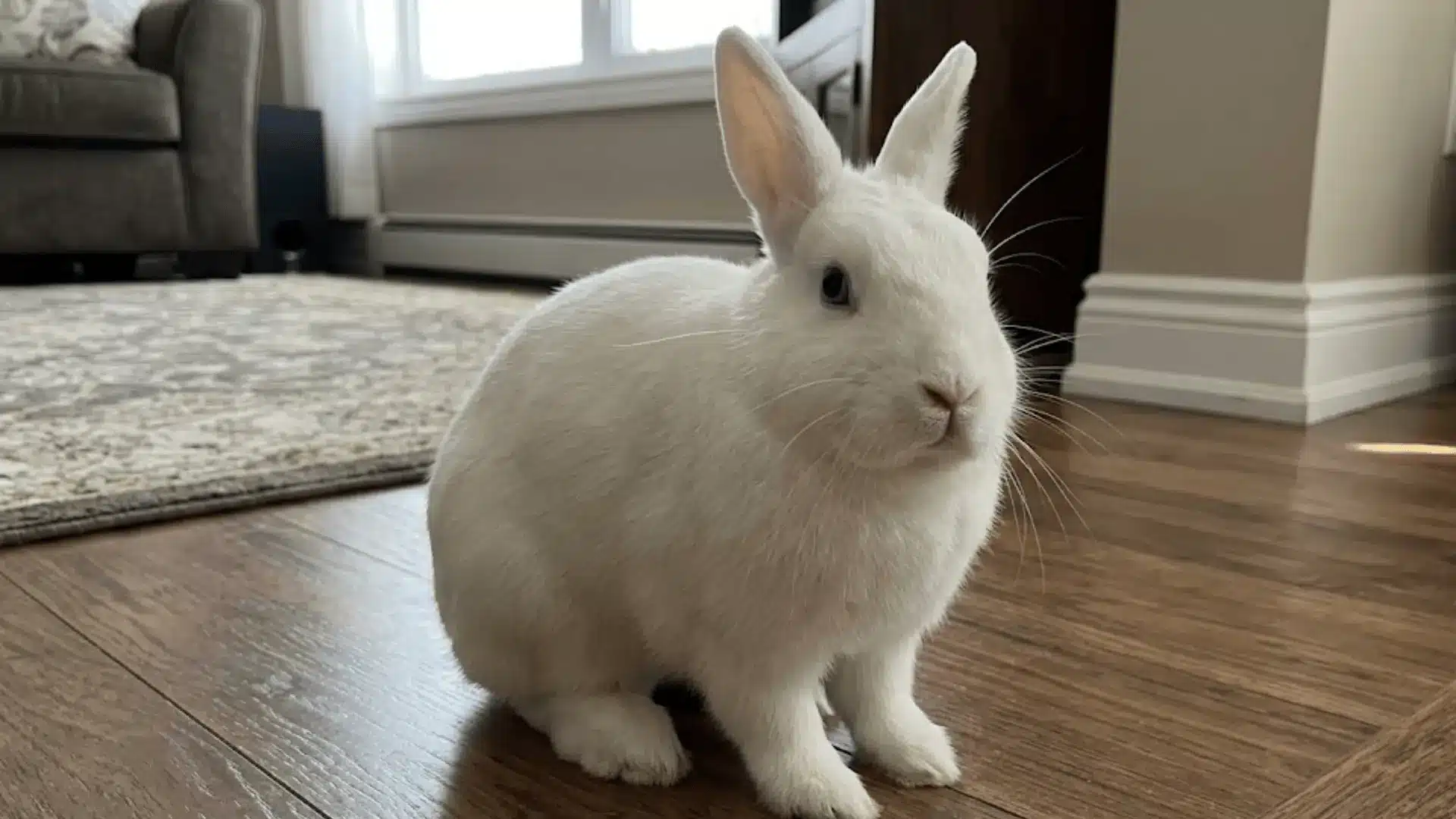
The Polish Rabbit is a lightweight breed with a fine boned structure. Adults usually weigh between 2.5 and 3.5 pounds.
They have a short, rounded body, upright ears, and a smooth coat. Despite the name, this breed was developed in Europe and later refined in other regions.
Growth is relatively quick, with most reaching full size within the first year.
Due to its consistent adult weight and compact build, the Polish Rabbit is one of the smaller domestic rabbit breeds.
6. Dwarf Hotot
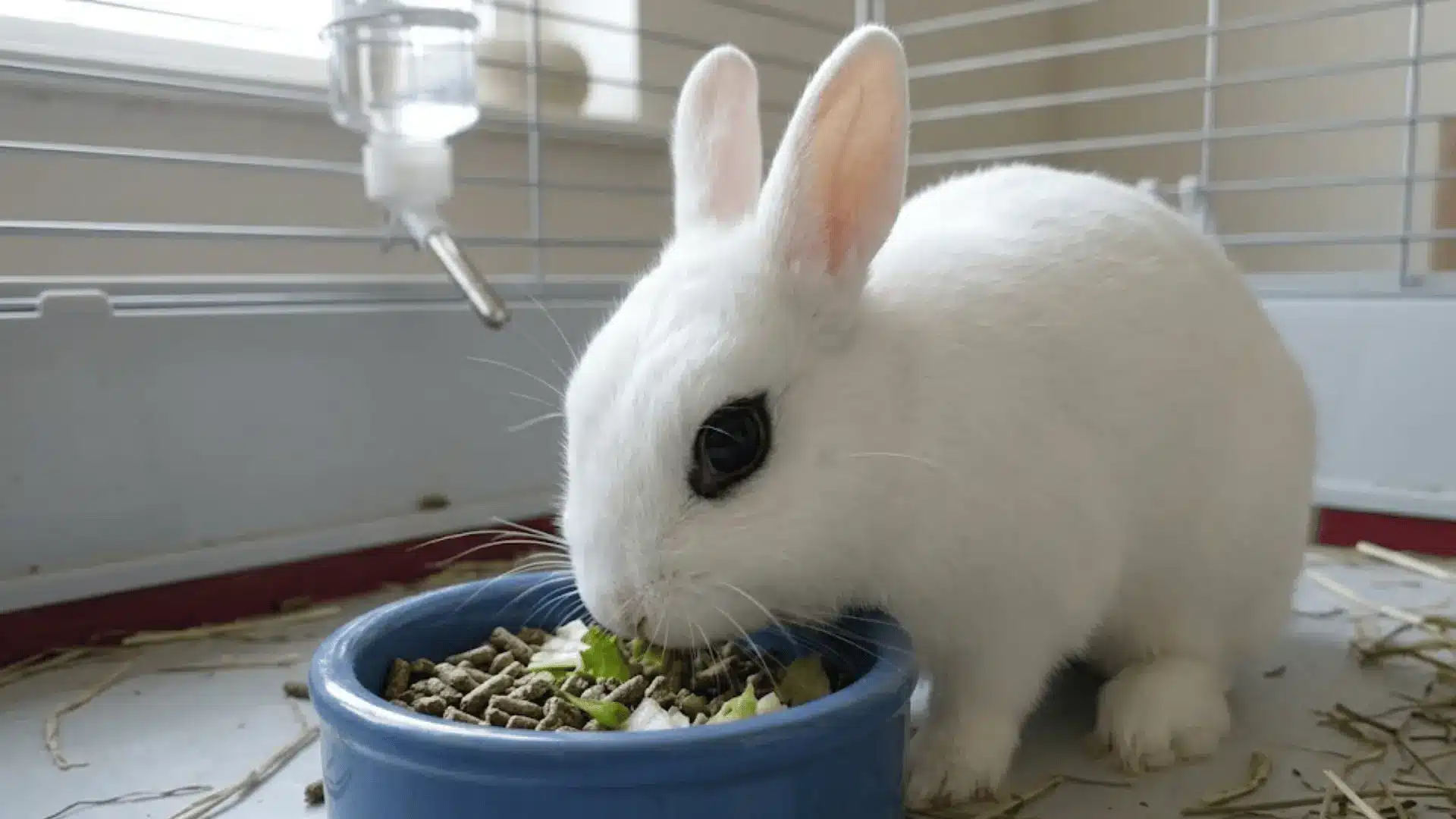
The Dwarf Hotot is recognized by the dark band of color around each eye. Adults generally weigh between 2.5 and 3.5 pounds.
The breed has a compact, rounded body and upright ears. It carries dwarf genetics, which limits overall size.
Most individuals approach adult weight by 6 months, with full maturity around one year.
Their consistent size and compact proportions make them part of the dwarf rabbit breeds group and a reliable choice for those seeking small rabbits.
7. Jersey Wooly
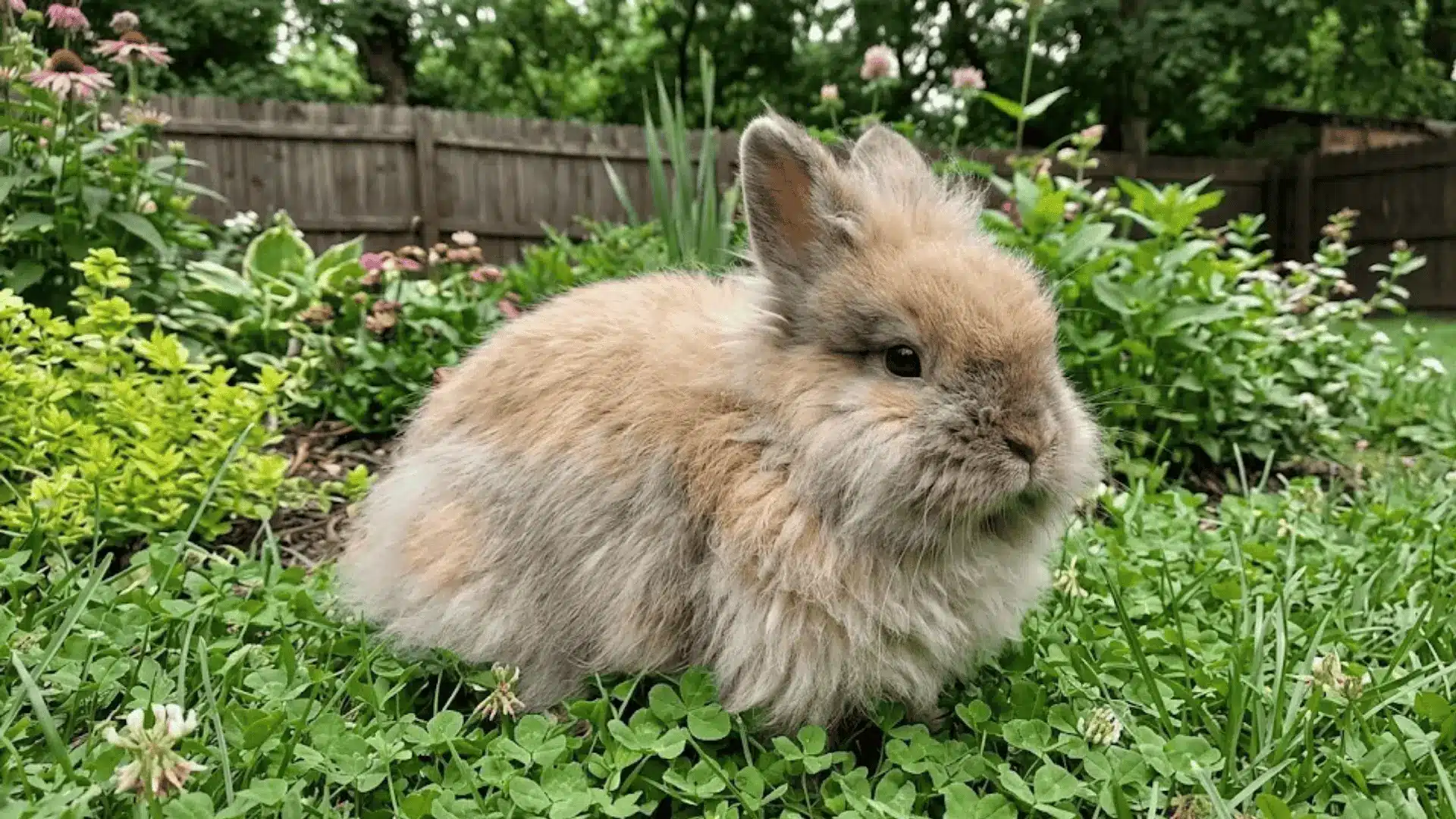
The Jersey Wooly is a small breed with a wool-type coat covering a compact frame. Adults typically weigh between 1 and 3 pounds.
The breed was developed from dwarf ancestry, which contributes to its small size. Its short ears and rounded body reflect dwarf characteristics.
Full adult size is usually reached within 6 to 8 months.
Due to its very low weight range, the Jersey Wooly is often considered among the smallest rabbit breed options available in domestic rabbits.
8. Britannia Petite
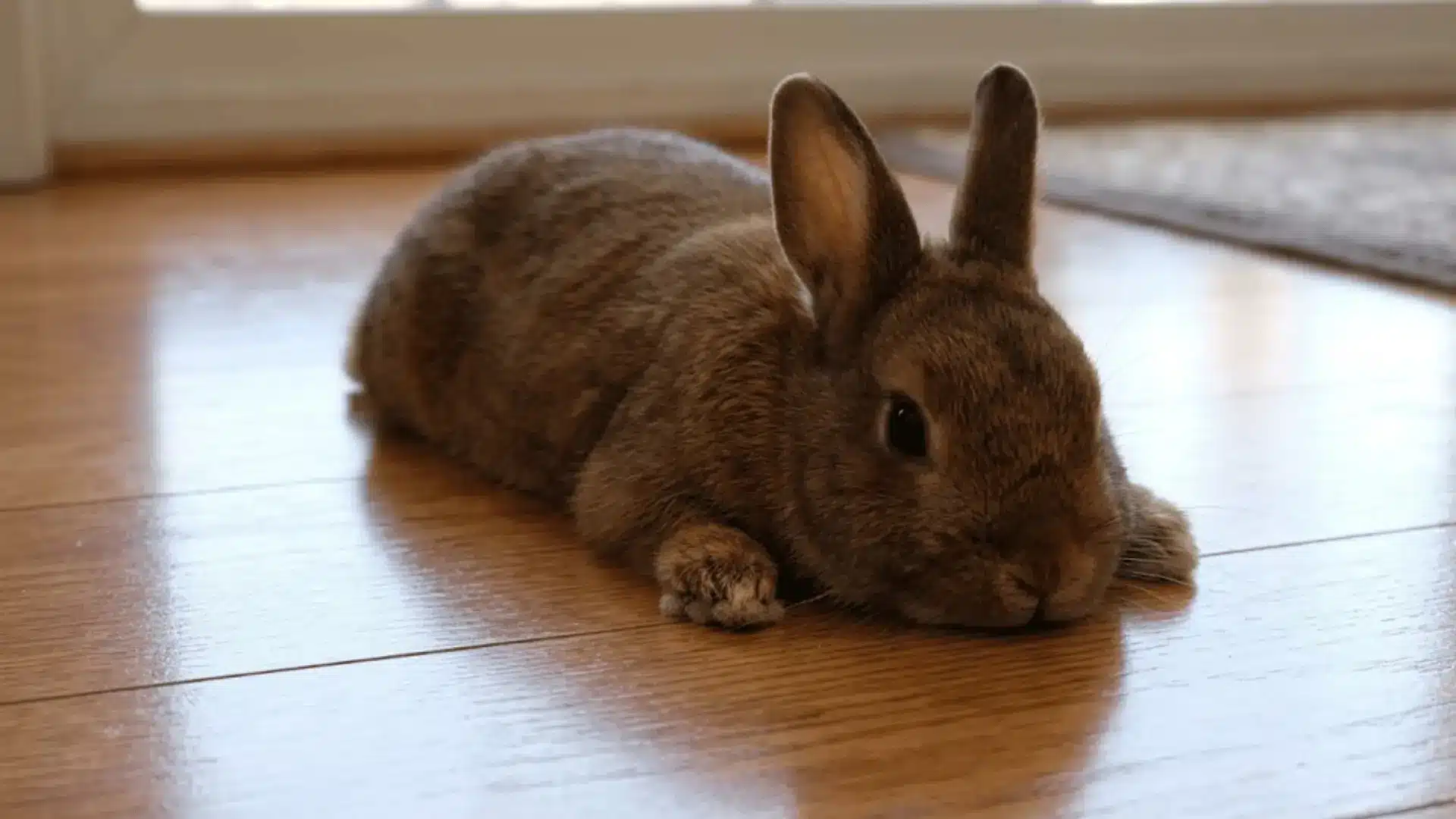
The Britannia Petite is a slim, fine boned breed with upright ears. Adults generally weigh between 2 and 2.5 pounds.
Unlike some compact dwarf rabbit breeds, this breed has a longer, arched body type. Despite the slender build, overall weight remains low.
Growth is gradual during the first several months, with full size typically reached by one year.
Its small adult weight places it close to the smallest rabbit breed category, even though its body shape differs from the rounded dwarf types.
9. American Fuzzy Lop
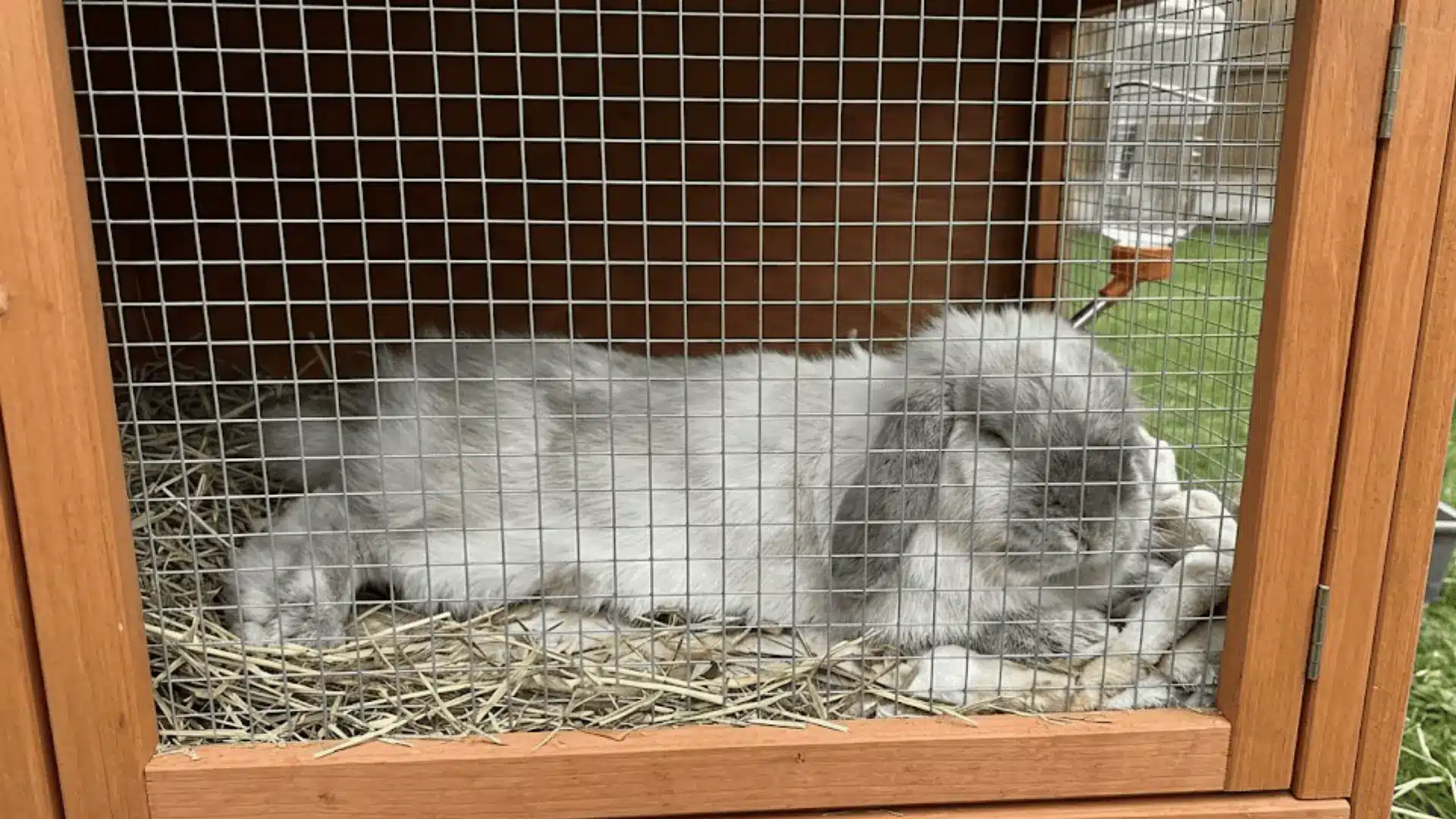
The American Fuzzy Lop combines a compact body with a wool coat and lopped ears. Adults usually weigh between 3 and 4 pounds.
The breed descends from Holland Lop and wool gene lines, contributing to its small frame. It carries dwarf genetics, which helps maintain a limited adult size.
Most rabbits reach near their final weight by 6 to 8 months. With consistent adult measurements and short body length, it remains within recognized small rabbit breeds.
10. Mini Satin
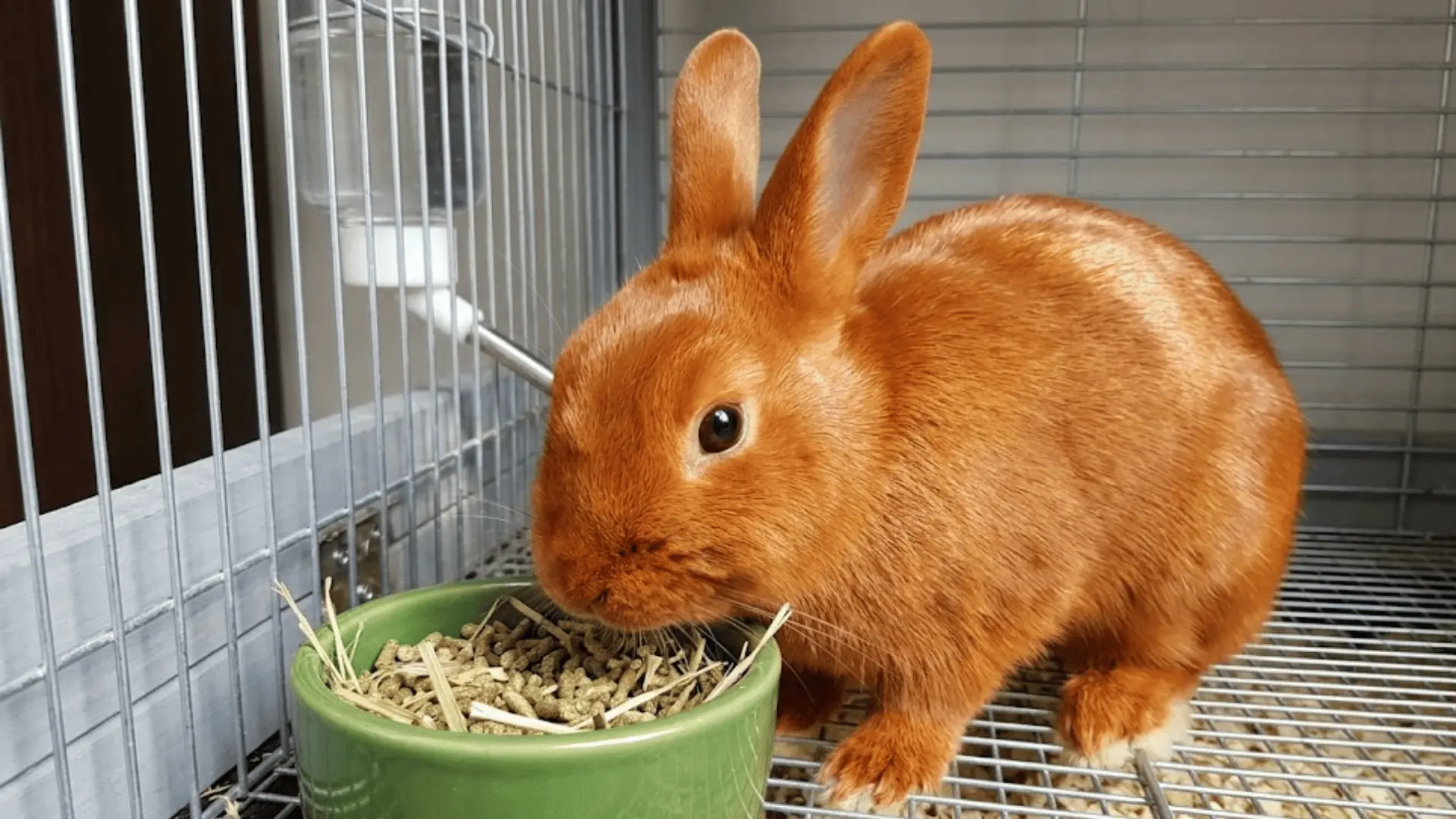
The Mini Satin is a small breed known for its glossy coat and compact structure. Adults typically weigh between 3 and 4.5 pounds.
The satin sheen comes from a specific genetic trait affecting hair texture. The body is rounded and proportionate, with upright ears.
Growth occurs primarily within the first six months, with full maturity reached by one year.
Though not among the smallest rabbit breeds, the Mini Satin maintains a reliably small adult size.
11. Mini Lop
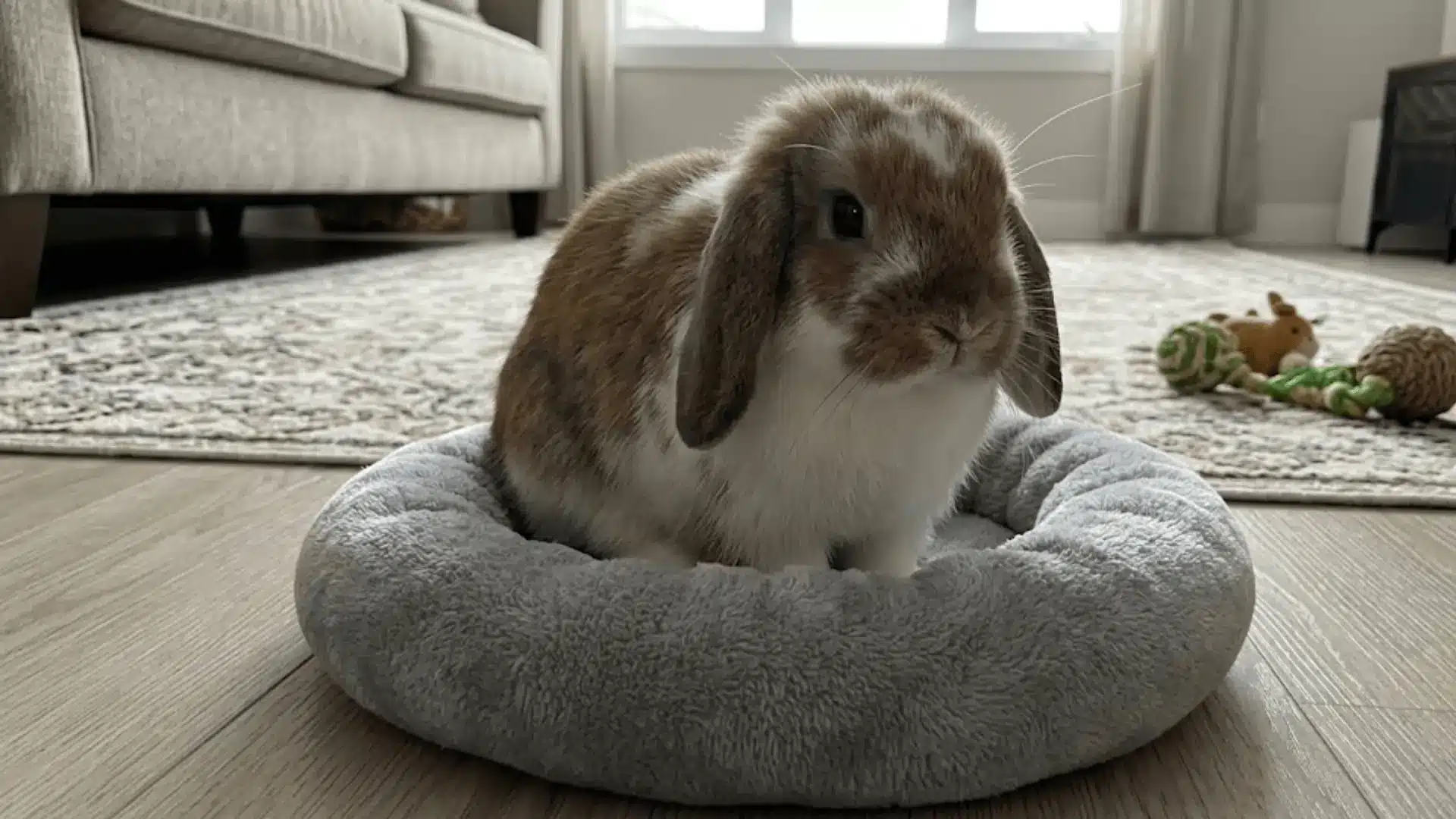
The Mini Lop has a compact, muscular body with lopped ears. Adults usually weigh between 4.5 and 6 pounds.
Although slightly heavier than most dwarf rabbit breeds, they are still categorized as small compared to larger rabbit types.
Their broad head and thick body give them a sturdy appearance. Growth continues steadily through the first year.
While not part of the smallest rabbit breed group, Mini Lops remain manageable in size relative to medium and large breeds.
12. Himalayan Rabbit
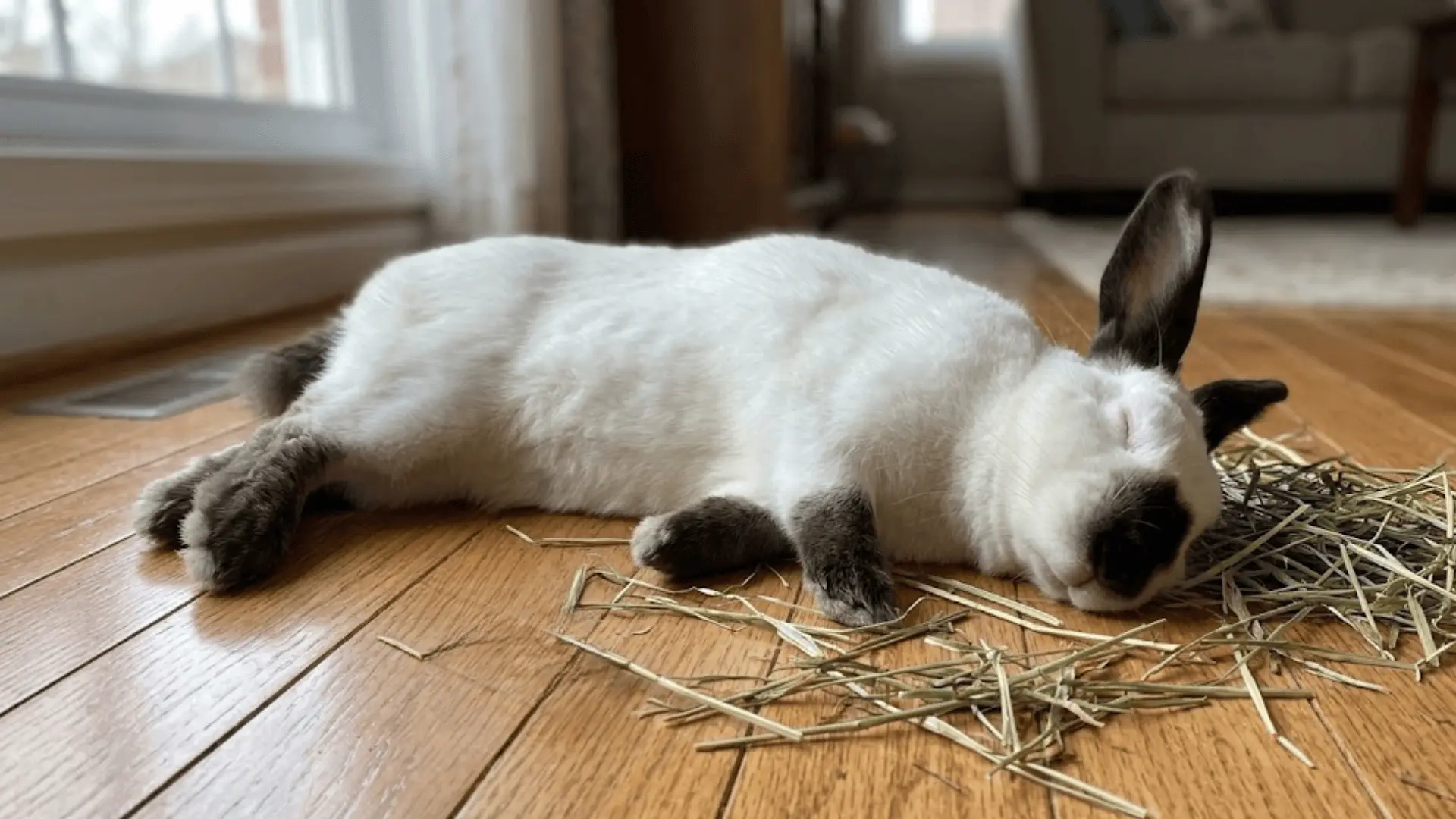
The Himalayan Rabbit has a slender body and a short coat with distinct color points on its ears, nose, feet, and tail. Adults generally weigh between 2.5 and 4.5 pounds.
This breed has a fine-boned, narrow frame. Most reach adult weight within the first year.
Though not always classified under dwarf rabbit breeds, their light build and low weight keep them within the small rabbit breeds category.
13. Dutch Rabbit
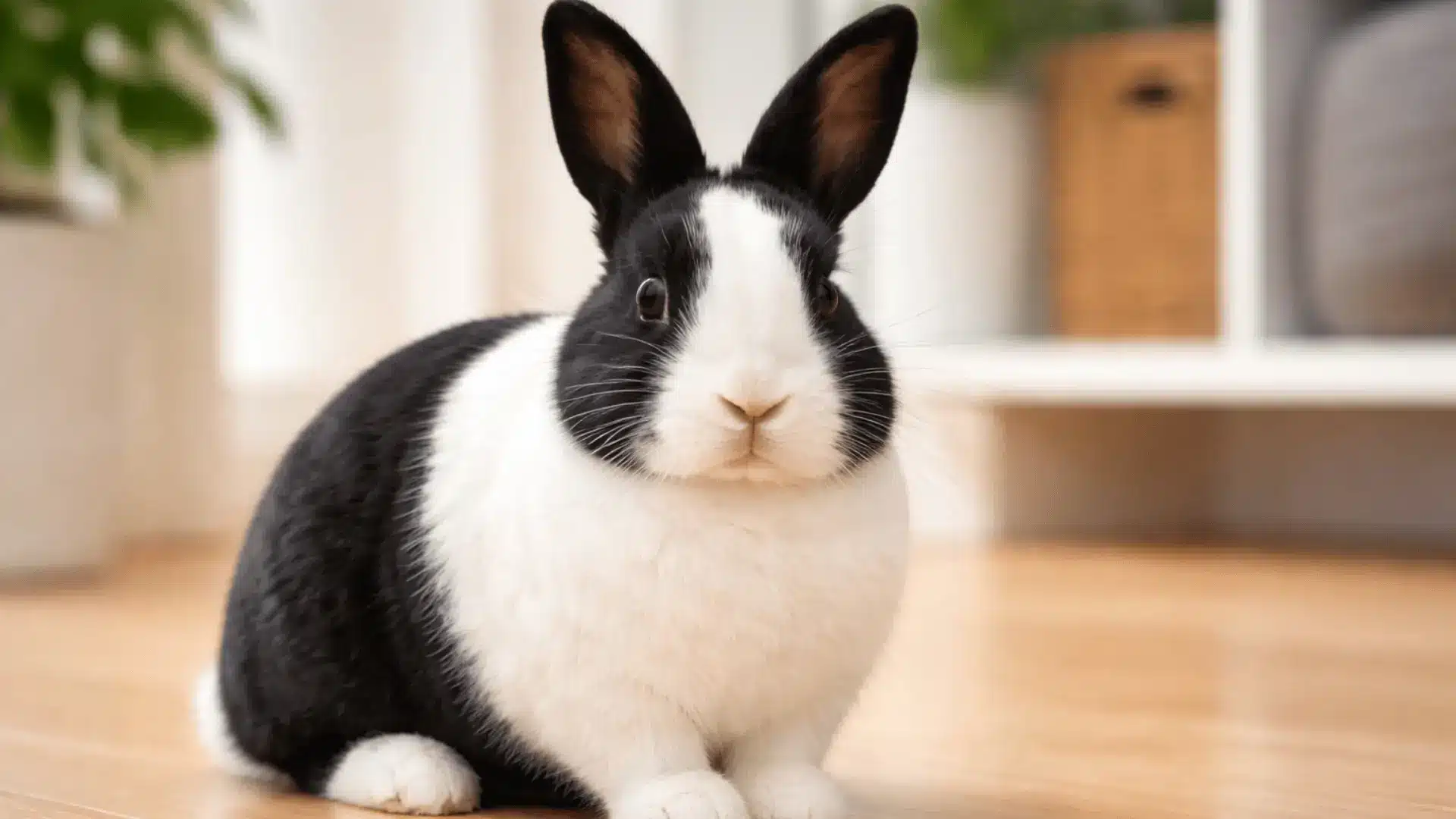
The Dutch Rabbit is a small-to-moderate breed with a compact, sturdy frame. Adults typically weigh between 3.5 and 5.5 pounds.
The breed is known for its distinct color pattern that divides the face and body. Growth is steady during the early months, with full size reached around one year.
While slightly heavier than the smallest rabbit breed options, Dutch Rabbits are still considered small compared to medium and large breeds.
14. Silver Marten
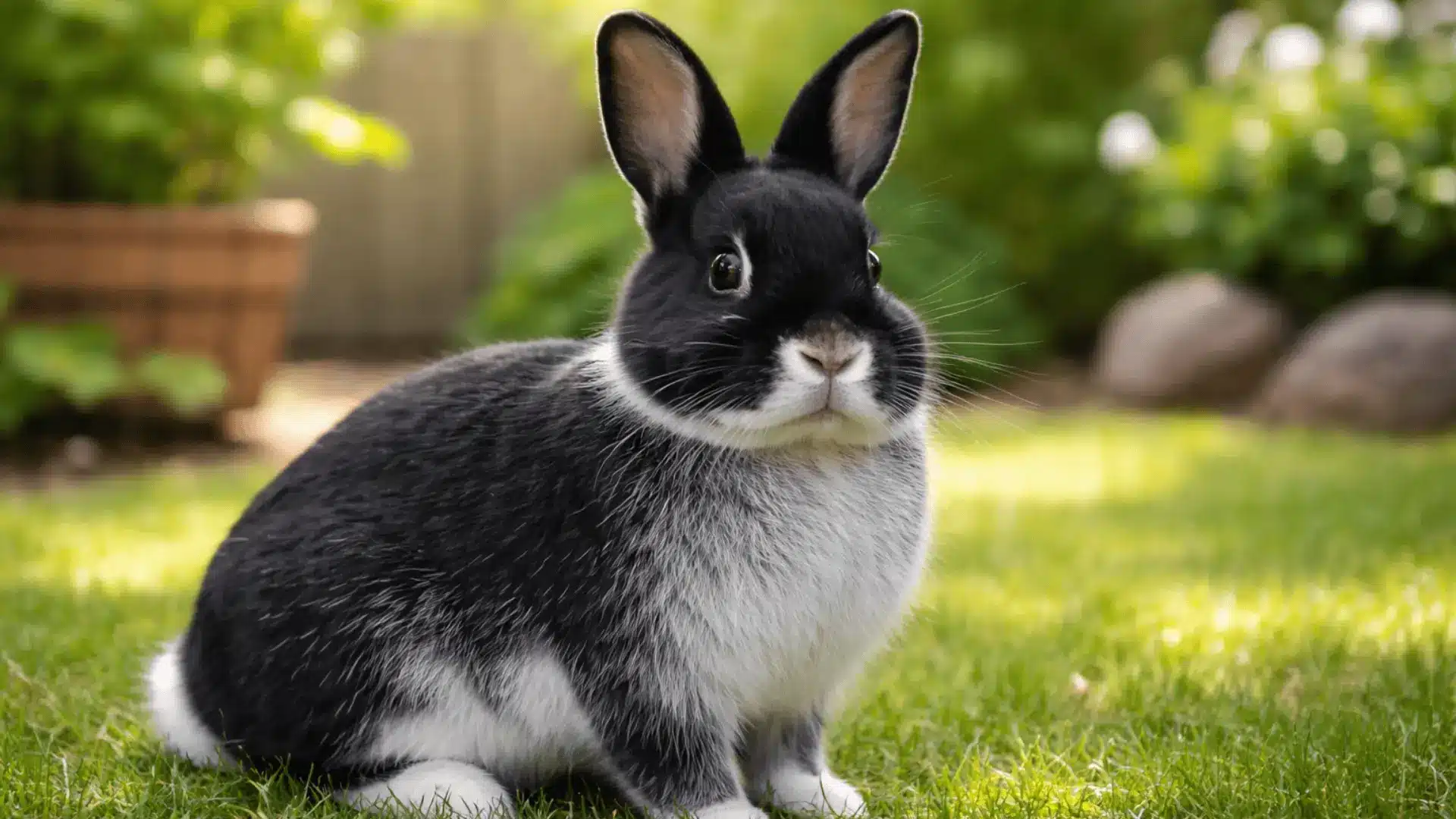
The Silver Marten has a compact body and distinctive coat markings with lighter undercolor. Adults usually weigh between 3 and 4.5 pounds.
The breed has upright ears and a balanced frame. Growth occurs mostly within the first year.
Although not derived from true dwarf genetics, their adult size remains consistently small.
This keeps them within the range of recognized small rabbit breeds suitable for limited living spaces.
15. Havana Rabbit
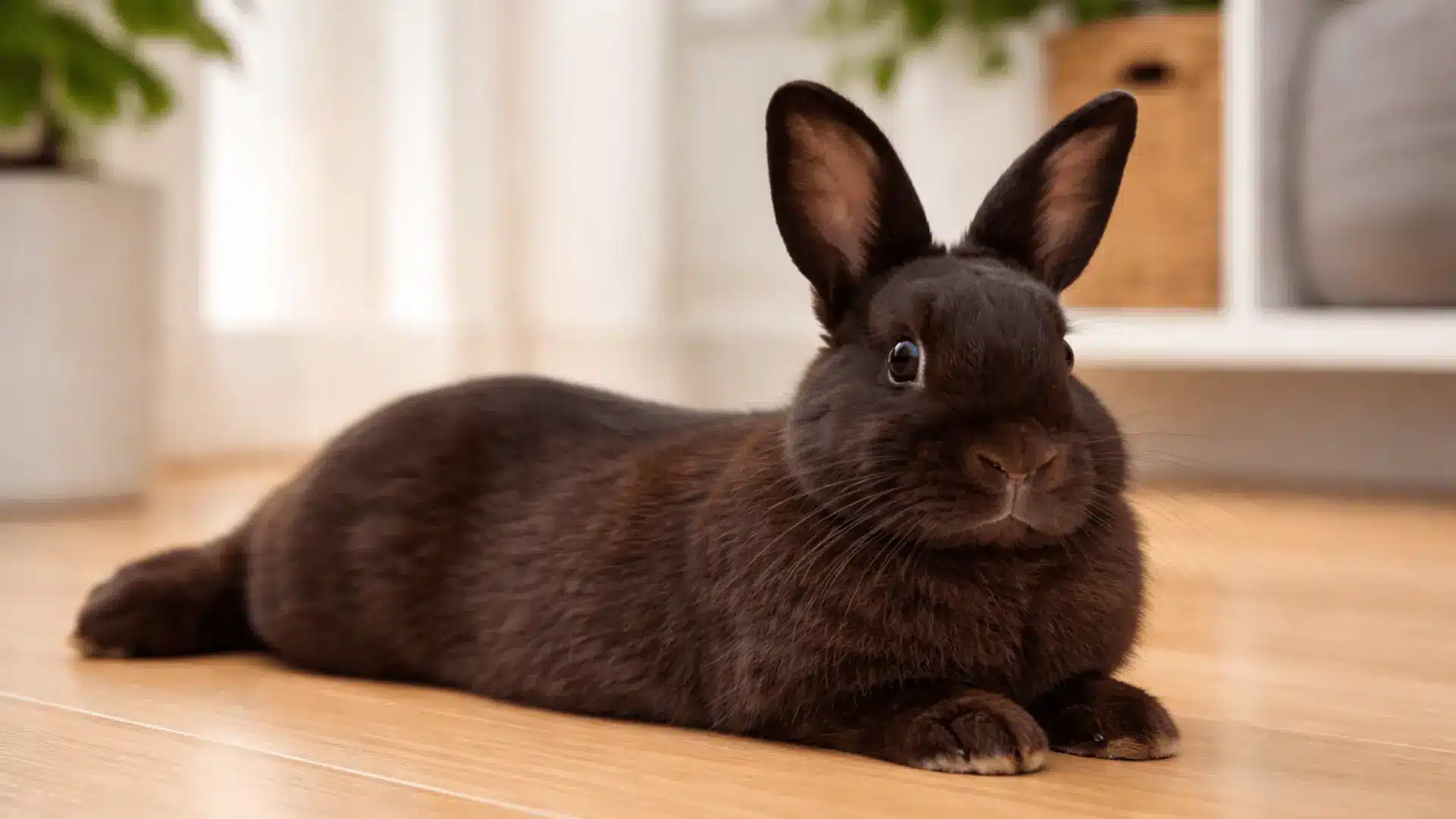
The Havana Rabbit falls within the small-to-medium range.
Adults generally weigh between 4 and 6 pounds. They have a short, muscular body and a smooth coat. Growth continues steadily until full maturity around one year.
Although larger than most dwarf rabbit breeds, they are often grouped with small rabbit breeds because of their manageable adult weight compared to medium and giant rabbits.
Smallest Rabbit Breed Compared to Dwarf Rabbit Breeds
When comparing the smallest rabbit breed to other dwarf rabbit breeds, adult weight is the clearest measure.
The Netherland Dwarf typically weighs between 1.5 and 2.5 pounds, placing it at the very bottom of the size scale.
The Jersey Wooly often falls between 1 and 3 pounds, though many adults average closer to 2 to 3 pounds. The Britannia Petite ranges from 2 to 2.5 pounds.
Other dwarf rabbit breeds, such as the Holland Lop and Dwarf Hotot, usually weigh between 2 and 4 pounds. Lionhead Rabbits often mature between 2.5 and 3.75 pounds.
A common misconception in online discussions is that all dwarf rabbits weigh under 2 pounds. In reality, only a few breeds consistently remain that small.
Many dwarf labeled breeds still reach 3 to 4 pounds at maturity. Adult weight varies based on genetics, diet, and overall health, so checking verified breed standards is essential.
What Reddit Users Say About Small Rabbit Breeds
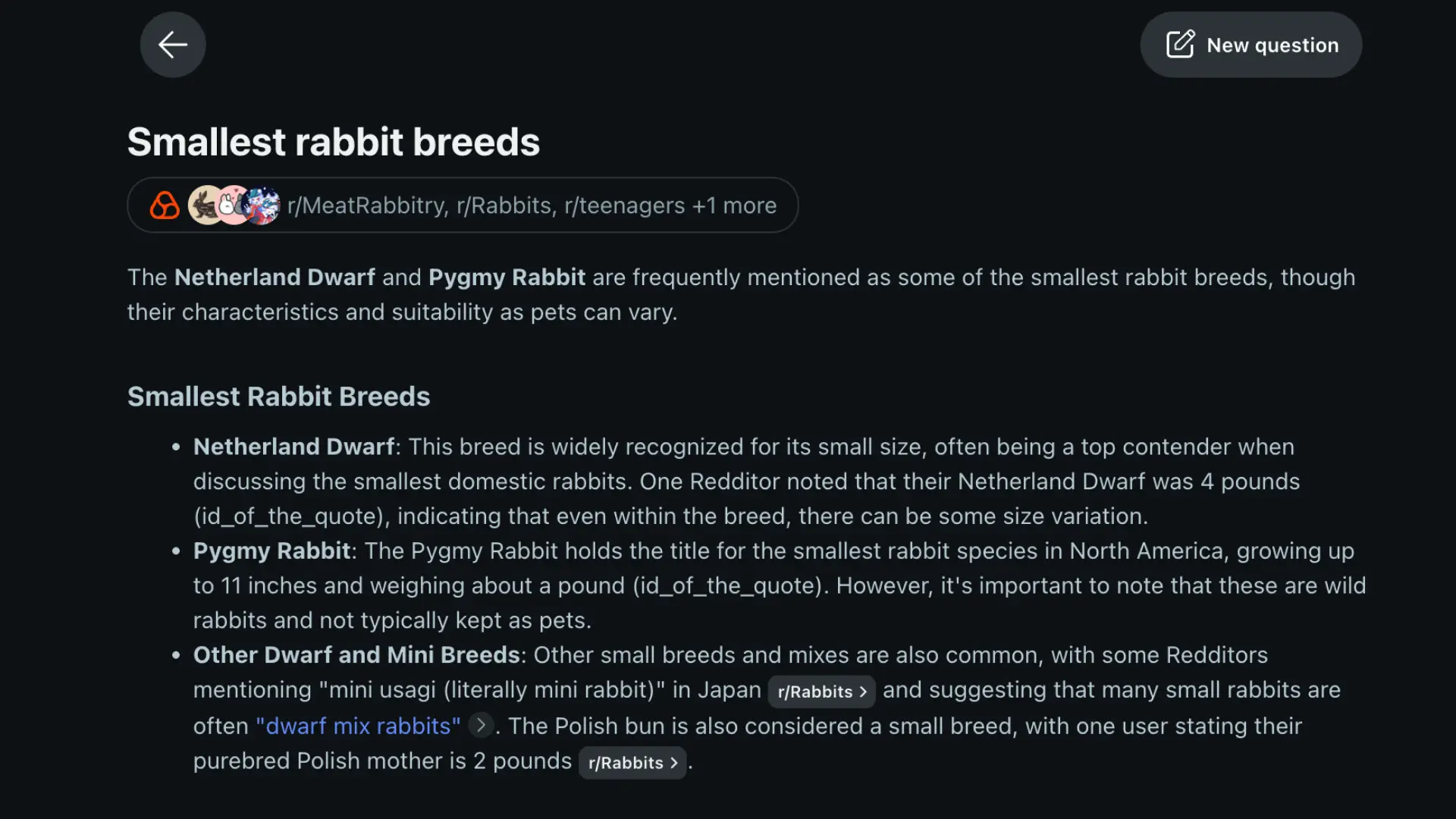
Reddit discussions often focus on which small rabbit breeds truly stay tiny as adults.
Many users compare the smallest rabbit breed with other dwarf rabbit breeds, sharing adult weight results based on their own rabbits.
A frequent topic is surprise growth, especially when young rabbits appear smaller than they will be.
Threads commonly highlight the Netherland Dwarf and Jersey Wooly as consistently tiny, while breeds like Mini Lop are noted to grow larger than exp./ected.
Community posts also stress checking verified adult weight ranges rather than relying on baby photos of rabbits when choosing a small rabbit breed.
Things to Consider Before Choosing a Small Rabbit
Key practical factors to review before committing to a small rabbit breed.
- Adult Size and Growth Expectations: Baby rabbits often appear much smaller than their final adult size. Always confirm the average adult weight of the breed before making a decision.
- Space and Exercise Needs: Even small rabbit breeds require daily movement outside the enclosure. Adequate floor space supports muscle strength and overall health.
- Diet and Dental Health: Dwarf rabbit breeds can be prone to dental issues due to jaw structure. Unlimited hay and proper nutrition are essential.
- Lifespan Commitment: Many small rabbits live 8 to 12 years. Long-term care planning is important.
- Veterinary and Ongoing Costs: Routine checkups, grooming, quality food, and emergency care should be factored into the budget.
Conclusion
Small rabbit breeds can remain truly compact into adulthood, but not all tiny babies stay that way.
Breeds such as the Netherland Dwarf, Jersey Woolly, and Britannia Petite consistently rank among the smallest rabbit breed options based on verified adult weight.
Other dwarf rabbit breeds, including Holland Lop and Lionhead, also stay relatively small, though slightly heavier.
The key is focusing on confirmed adult size rather than early appearance.
Before choosing, consider available space, daily care time, grooming needs, and long-term responsibility.
A well-informed decision helps ensure the rabbit’s size fits both the home and lifestyle.
Which small rabbit breed are you considering, and what matters most to you in size or temperament? Share your thoughts below.