A great hunting dog does more than help locate birds; it becomes part of the rhythm of the hunt.
The rustle in the grass, the sharp focus, and beside you, a loyal companion ready to work. Many people assume only large dogs can handle bird hunting, but that is far from the truth.
Small hunting dog breeds bring incredible energy, sharp instincts, and surprising endurance to the field.
These compact hunters move quickly through dense brush, track scents with precision, and stay close to their handler.
For hunters who want agility, intelligence, and a dog that fits both the field and the home, smaller breeds often feel like the perfect match.
Suddenly, the search becomes teamwork, every movement matters, and the bond between hunter and dog becomes just as important as the hunt itself.
This blog entails a list of hunting dog breeds and training tips for a hunt worth remembering.
What Makes a Dog Good for Bird Hunting?
Bird hunting requires dogs with specific abilities that help hunters locate and retrieve birds efficiently.
Many small hunting dog breeds perform extremely well because they combine sharp instincts with high energy.
A good bird hunting dog usually has a strong sense of smell that helps detect hidden birds in fields or thick cover.
High energy and endurance allow the dog to work for long periods without slowing down.
Many hunting dog breeds also have a natural retrieval instinct, making it easier for them to bring back birds after a shot.
In bird hunting, dogs usually work in three roles. Flushing dogs push birds out of hiding, pointing dogs locate birds and freeze to signal their position, and retrievers collect downed birds.
Best Small Hunting Dog Breeds for Bird Hunting
These dogs combine high energy and excellent trainability, making them reliable partners. Despite their smaller size, many of these breeds can adapt to different hunting environments.
1. Boykin Spaniel
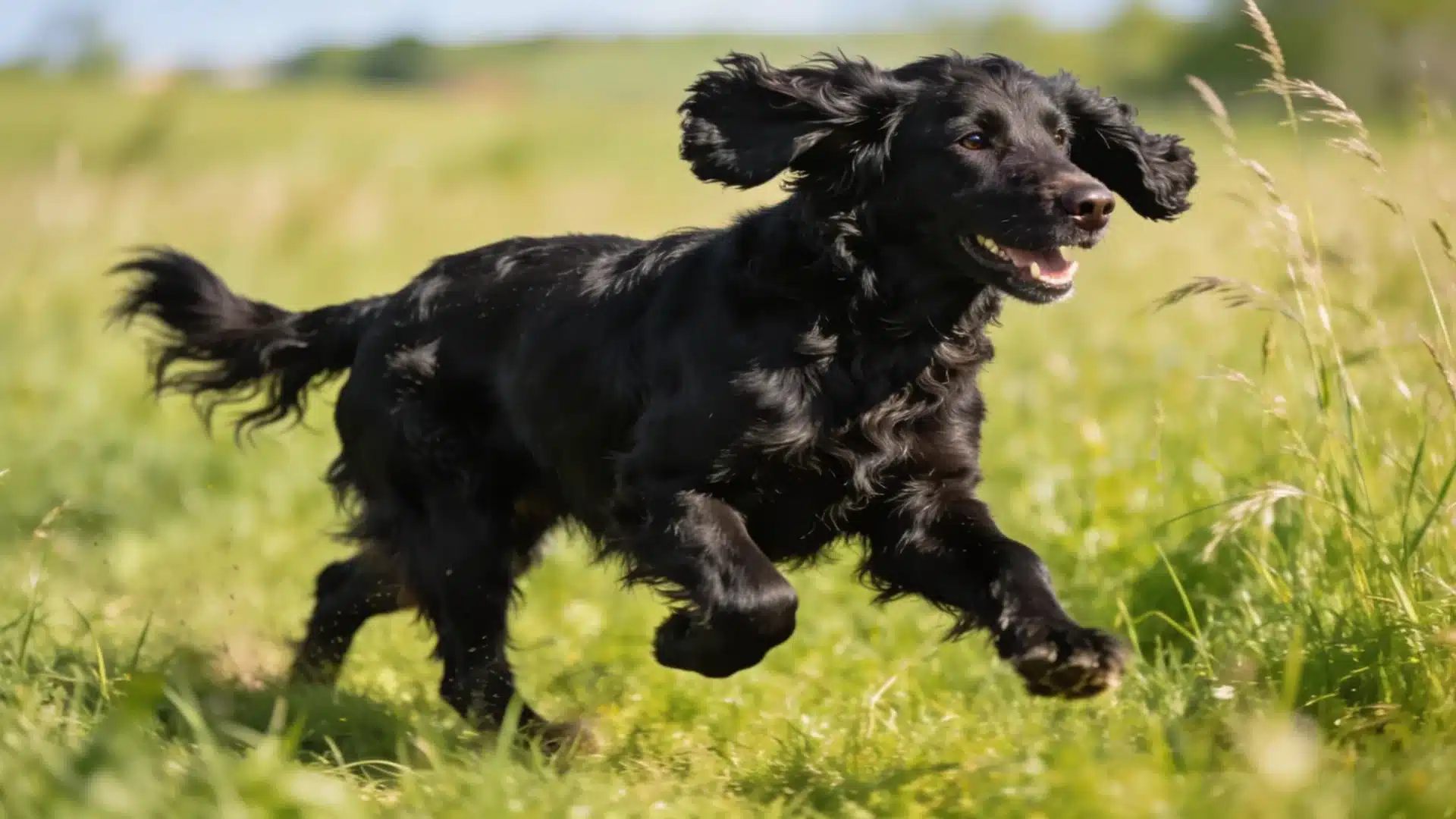
Prey: Ducks, turkeys, pheasants, and quail
The Boykin Spaniel originated in South Carolina, United States, where it was developed as a compact hunting companion for waterfowl and upland bird hunters.
Among small hunting dog breeds, this spaniel is valued for its strong retrieving ability, intelligence, and friendly temperament.
It has a wavy or curly coat usually seen in liver, chocolate, or dark brown shades.
The breed typically stands 14 to 18 inches tall and weighs 25 to 40 pounds. Boykin Spaniels generally live 10 to 15 years and are known for stamina and enthusiasm in the field.
2. Cocker Spaniel
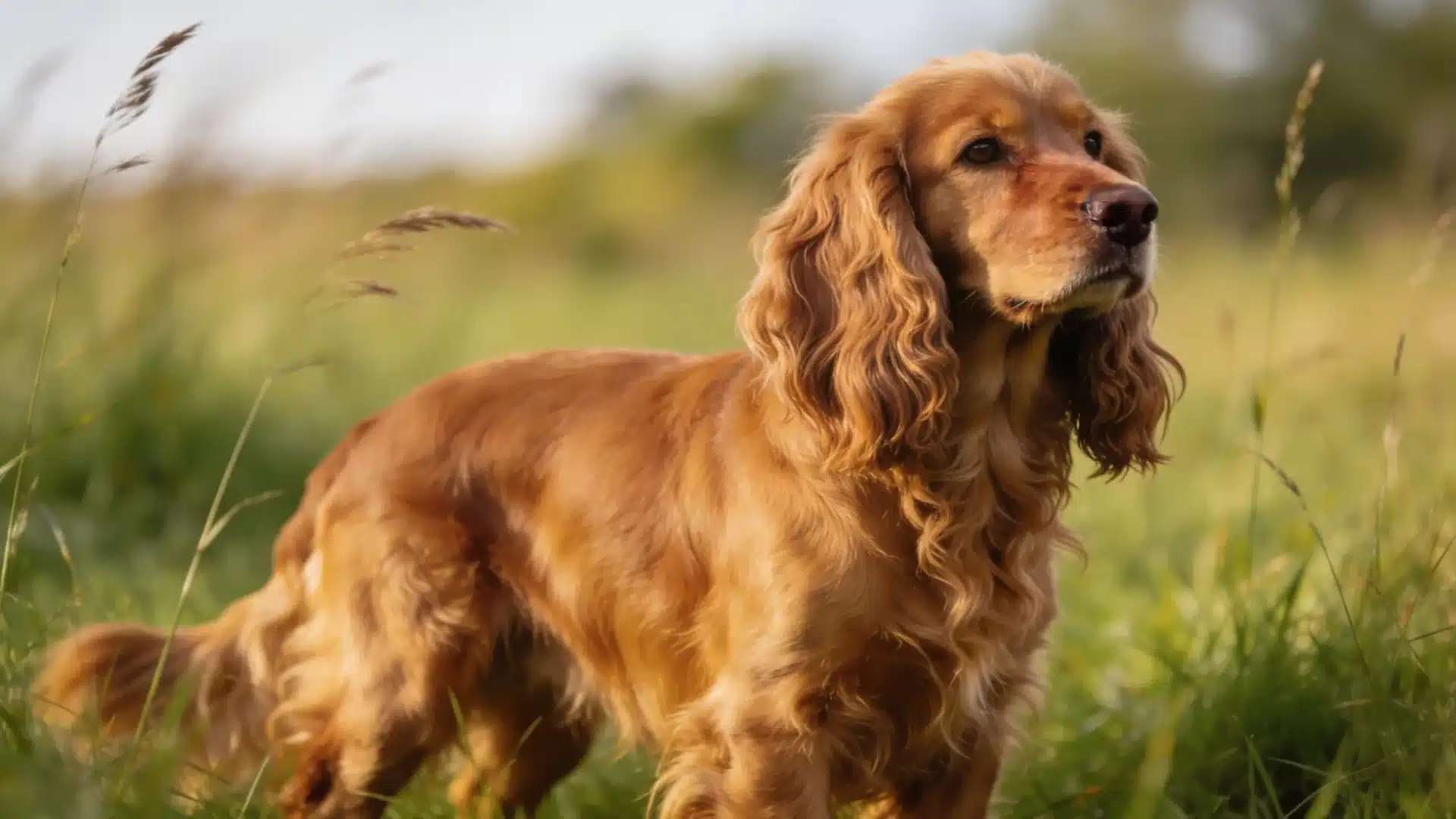
Prey: Woodcock, quail, pheasants, and grouse
The Cocker Spaniel originated in England, where it was originally bred to hunt woodcock birds in dense woodland areas.
This spaniel is well known for its sharp scenting ability, quick movement through thick cover, and strong flushing skills.
The breed has a soft, medium-length coat that appears in black, golden, liver, red, parti color, and roan patterns.
Cocker Spaniels usually stand 13.5 to 15.5 inches tall and weigh 20 to 30 pounds. The breed generally lives 12 to 15 years.
3. Brittany
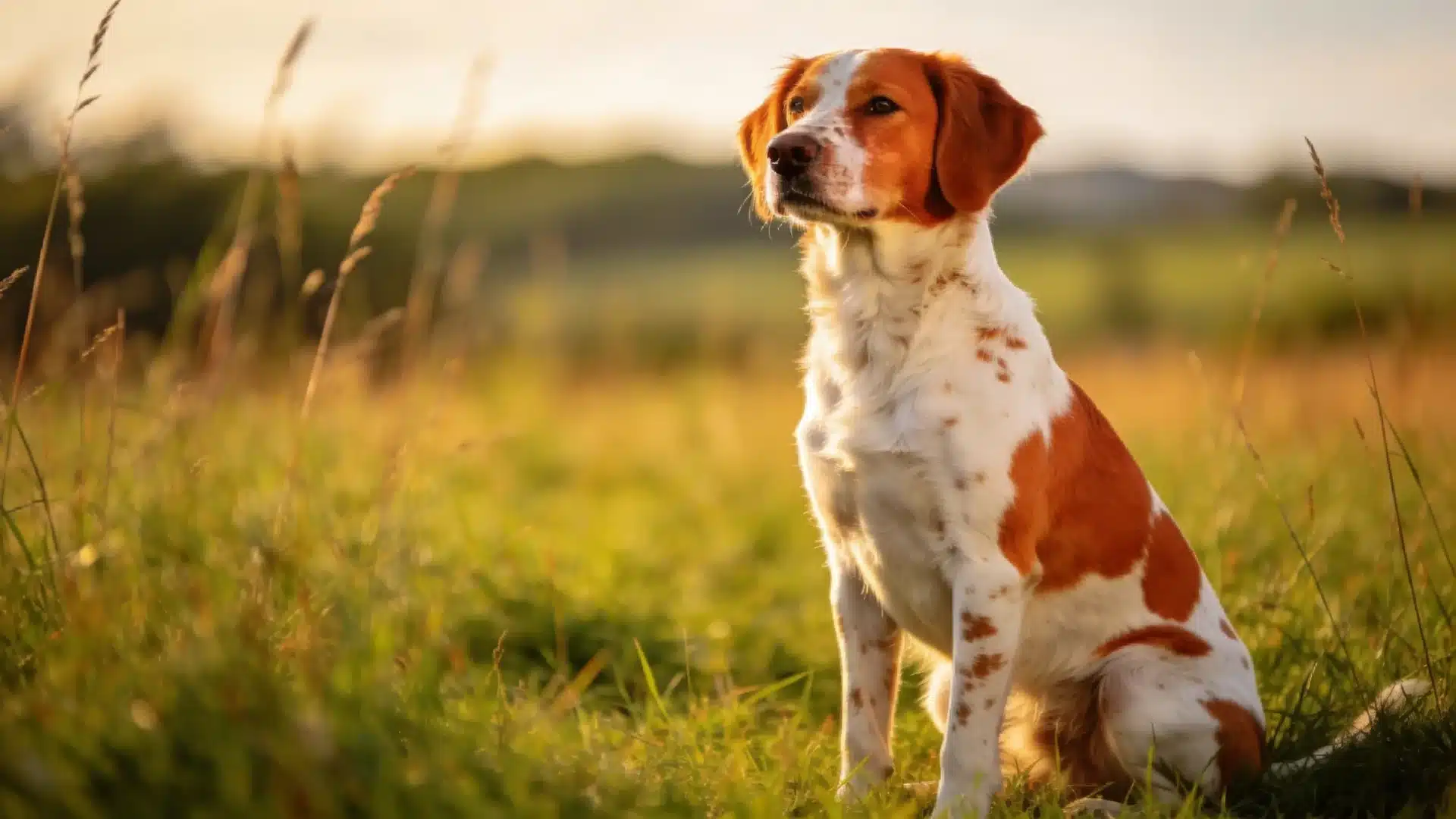
Prey: Quail, pheasants, grouse, and partridge
The Brittany originated in the Brittany region of France, where it was developed as a versatile hunting dog for upland birds.
This breed is often included among popular small hunting dog breeds because of its compact build, exceptional pointing instinct, and high field stamina.
Brittany dogs have a dense, slightly wavy coat, commonly seen in orange-and-white or liver-and-white color patterns.
The breed typically stands 17.5 to 20.5 inches tall and weighs 30 to 40 pounds. Brittany dogs usually live 12 to 14 years and are known for speed, intelligence, and strong performance
4. American Water Spaniel
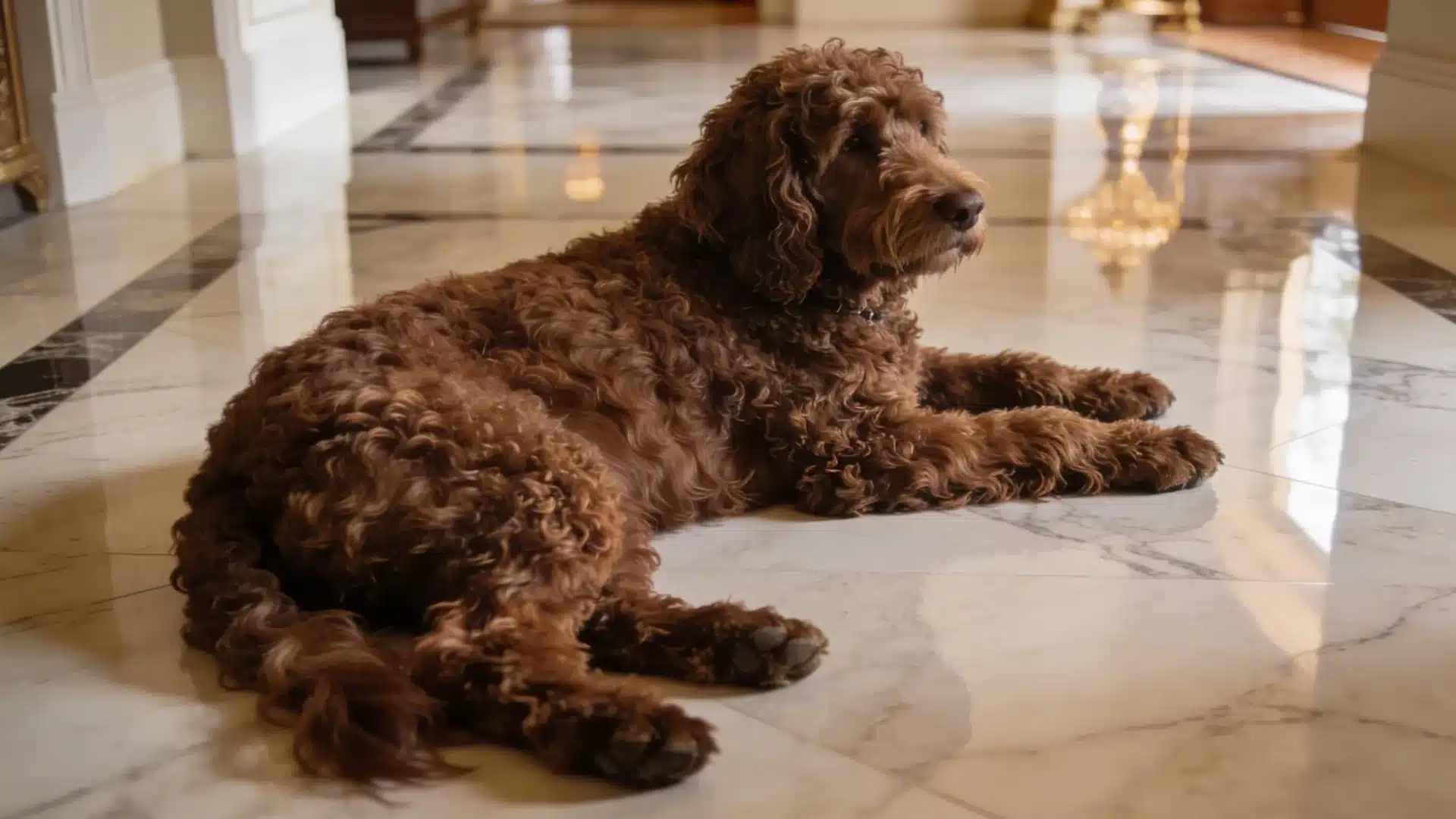
Prey: Ducks, geese, pheasants, and grouse
The American Water Spaniel originated in the United States, particularly the Midwest, where it was developed to assist hunters in retrieving birds from lakes and marshes.
This spaniel works well in both water and field environments with strong swimming ability and steady retrieving instincts.
The breed has a dense curly or wavy coat that usually appears in liver, chocolate, or dark brown shades.
American Water Spaniels typically stand 15 to 18 inches tall and weigh 25 to 45 pounds. The breed usually lives 10 to 14 years and remains active during waterfowl hunting.
5. Nova Scotia Duck Tolling Retriever
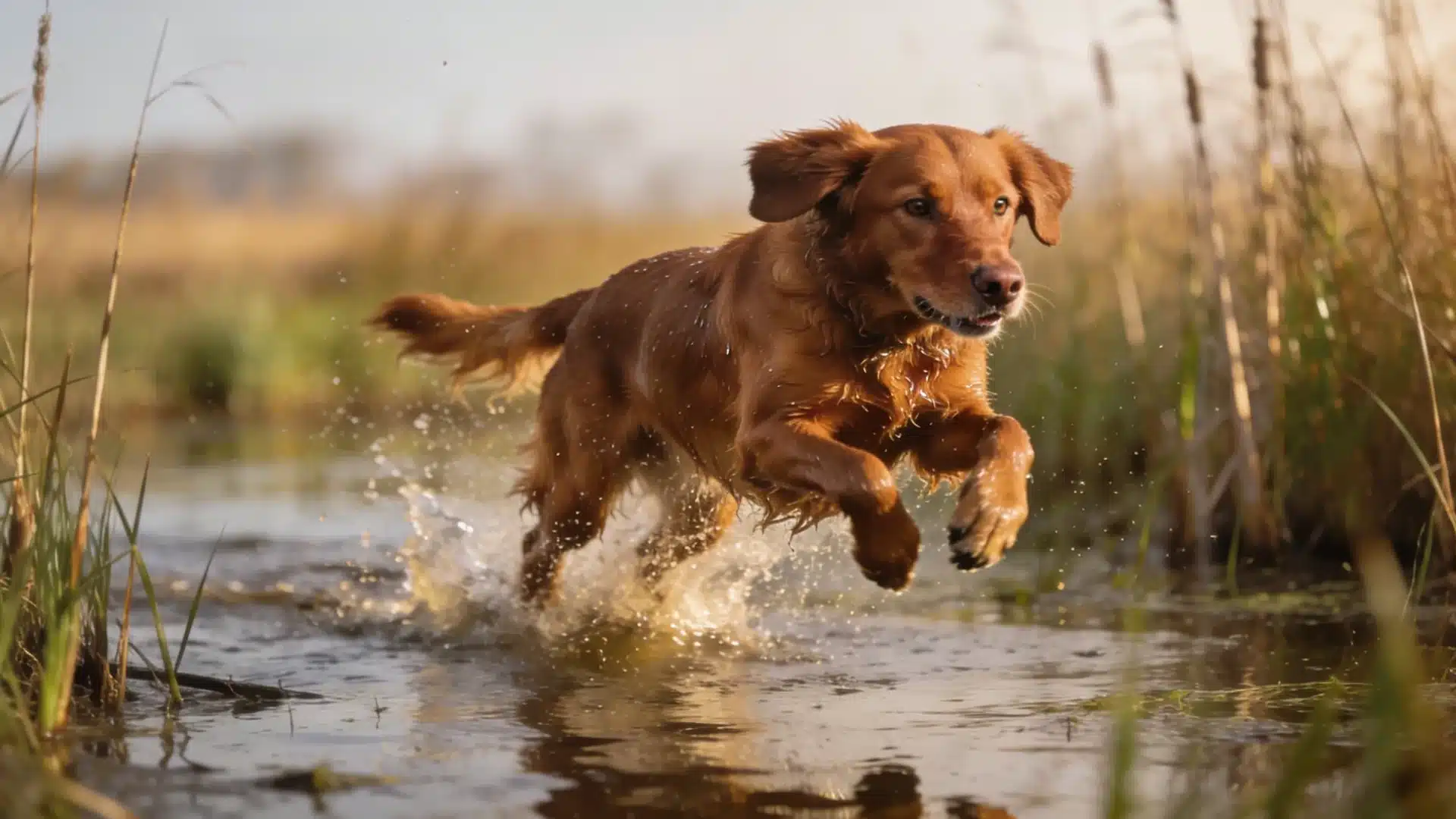
Prey: Ducks, geese, pheasants, and grouse
The Nova Scotia Duck Tolling Retriever originated in Nova Scotia, Canada, where it was developed to attract and retrieve ducks during waterfowl hunts.
This breed is sometimes included among small hunting dog breeds because of its compact size, high energy, and strong retrieving instincts in water hunting environments.
The breed has a medium-length, dense coat commonly seen in reddish-orange shades with white markings on the chest, feet, or tail tip.
These dogs generally stand 17 to 21 inches tall and weigh 35 to 50 pounds. The breed typically lives 12 to 14 years and stays energetic in field and water work.
6. Small Munsterlander
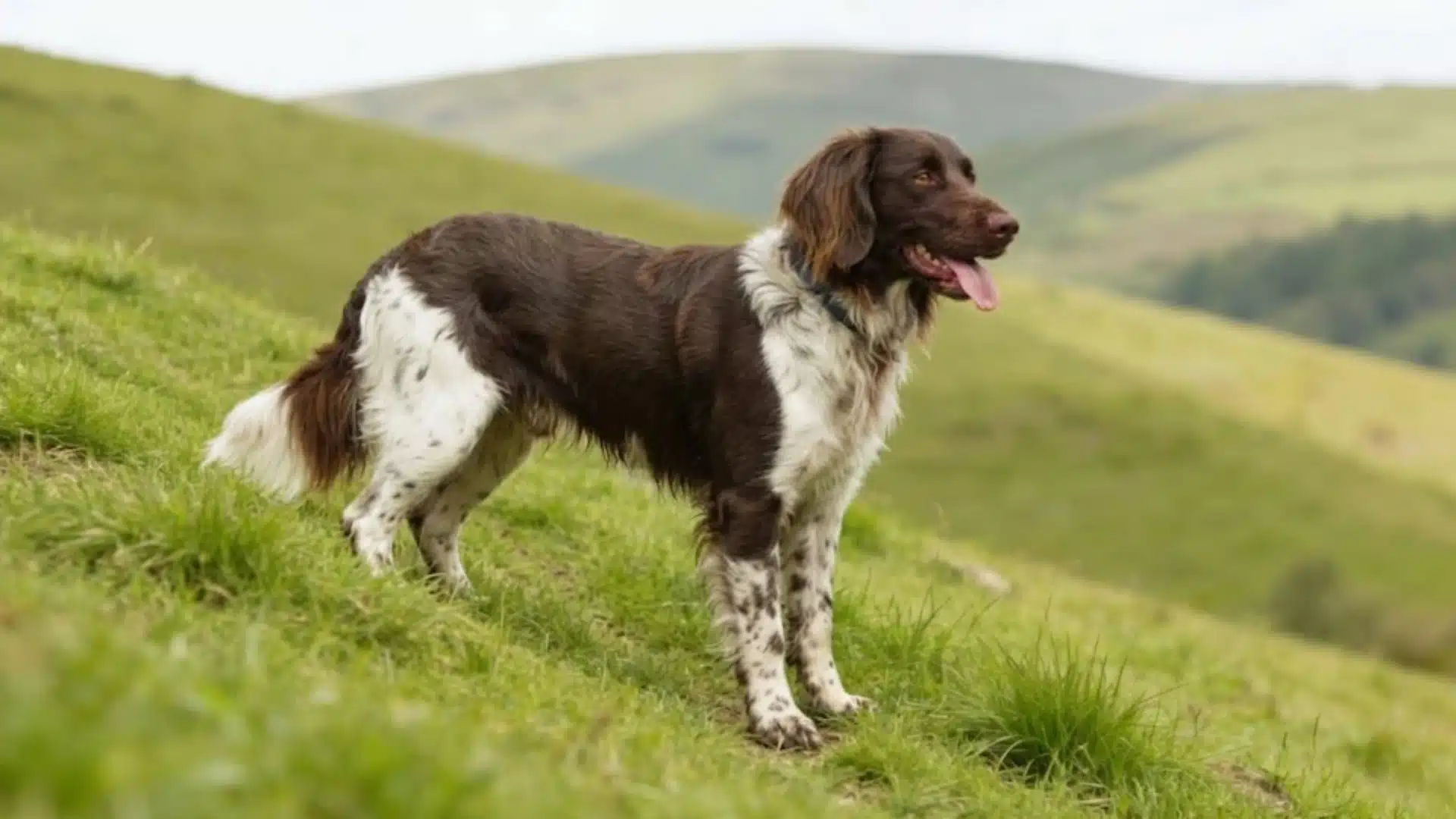
Prey: Pheasants, quail, grouse, ducks
The Small Munsterlander originated in Germany, where it was bred as a versatile hunting dog capable of pointing and retrieving game birds.
It works well on both land and water and shows strong cooperation with hunters during field hunts.
The breed has a medium-length, dense coat usually seen in brown and white or roan color patterns.
Small Munsterlanders usually stand 19 to 21 inches tall and weigh 35 to 60 pounds. The breed generally lives 12 to 14 years and remains active in hunting environments.
7. English Springer Spaniel
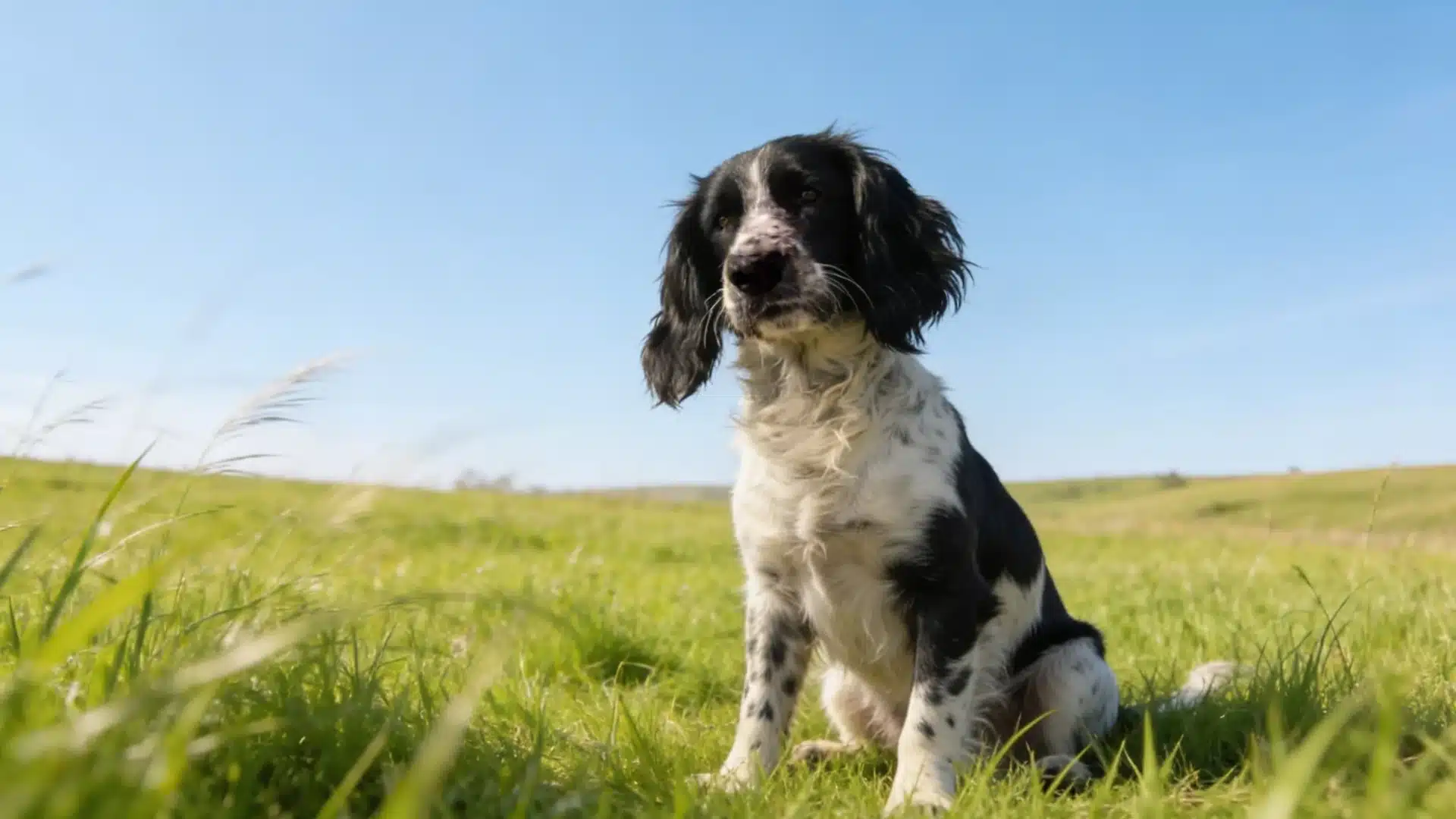
Prey: Pheasants, quail, grouse, and woodcock
The English Springer Spaniel originated in England, where it was developed as a flushing dog for upland bird hunting in fields and woodland areas.
Among small hunting dog breeds, this spaniel works closely with hunters to flush birds from dense cover and assist with retrieval after the shot.
The breed has a medium-length, dense coat that commonly appears in black and white, liver and white, or tricolor patterns.
English Springer Spaniels usually stand 19 to 20 inches tall and weigh 40 to 50 pounds. The breed typically lives 12 to 14 years and stays active during long hunting days.
8. Field Spaniel
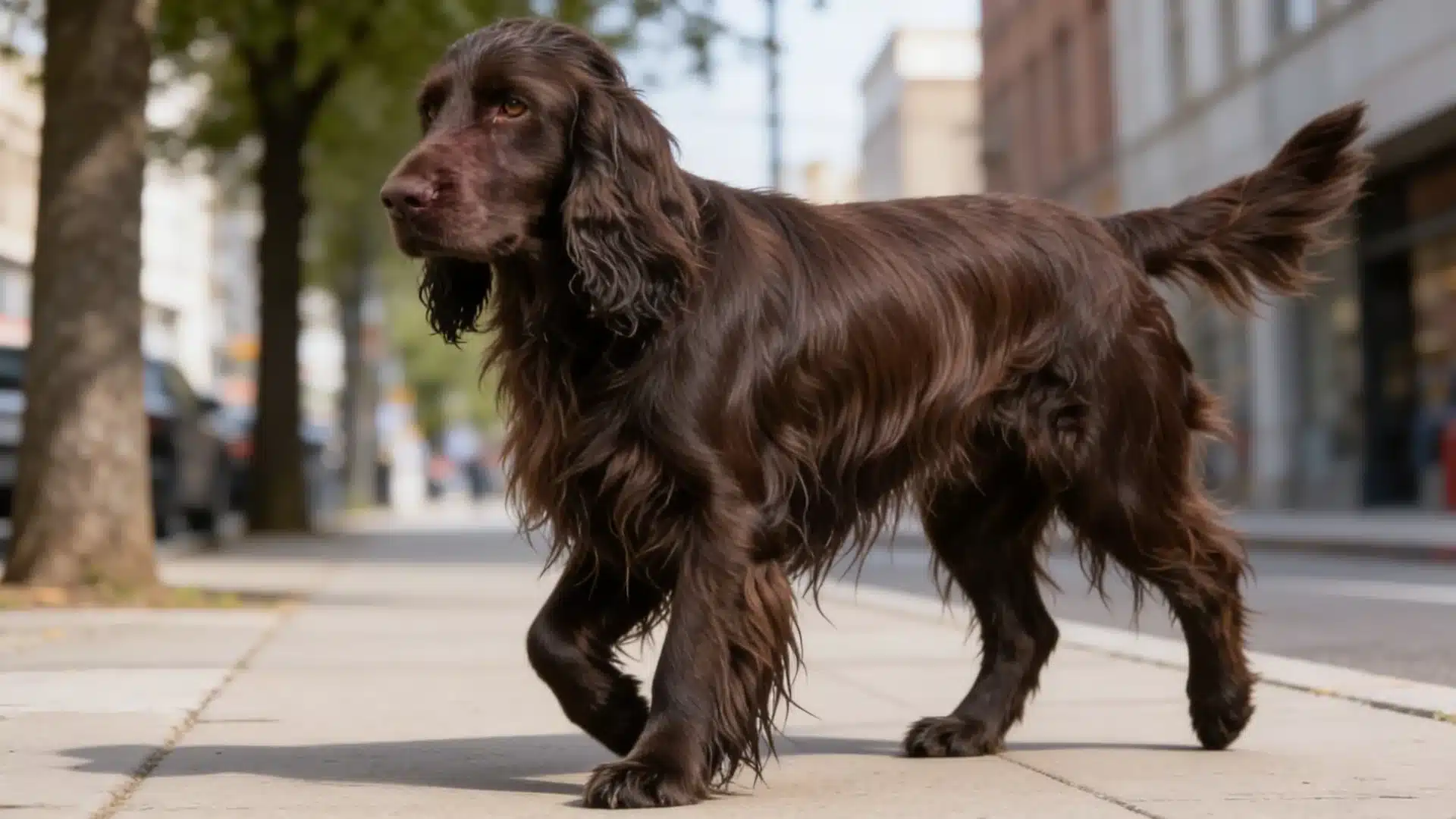
Prey: Pheasants, quail, grouse, and woodcock
The Field Spaniel originated in England during the 19th century, where it was bred as a flushing dog for bird hunting in fields and thick cover.
Because of its moderate size, steady working style, and ability to move through dense vegetation.
Field Spaniels have a long, silky coat usually seen in black, liver, or roan shades.
The breed generally stands 17 to 18 inches tall and weighs 35 to 50 pounds. Field Spaniels usually live 12 to 13 years and remain energetic during field hunts.
9. German Shorthaired Pointer
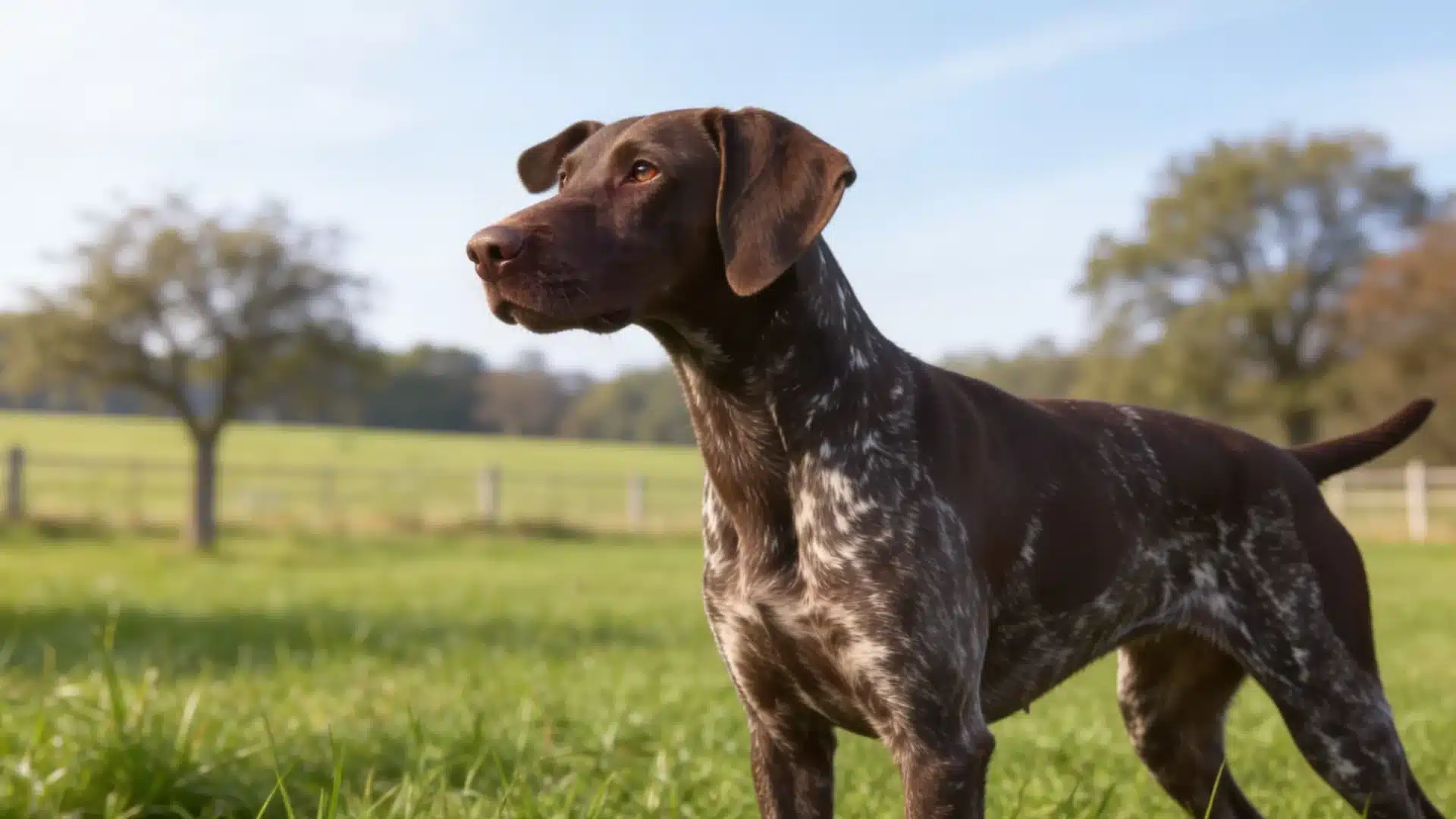
Prey: Pheasants, quail, grouse, ducks, and partridge
The German Shorthaired Pointer originated in Germany, where it was developed as a versatile hunting dog for locating and retrieving birds in both land and water environments.
Among small hunting dog breeds, this pointer works with strong scent detection and natural pointing ability during upland bird hunts.
The breed has a short, dense coat commonly found in liver, liver and white, or roan color patterns.
German Shorthaired Pointers usually stand 21 to 25 inches tall and weigh 45 to 70 pounds. The breed typically lives 12 to 14 years and maintains high stamina in the field.
10. Lagotto Romagnolo
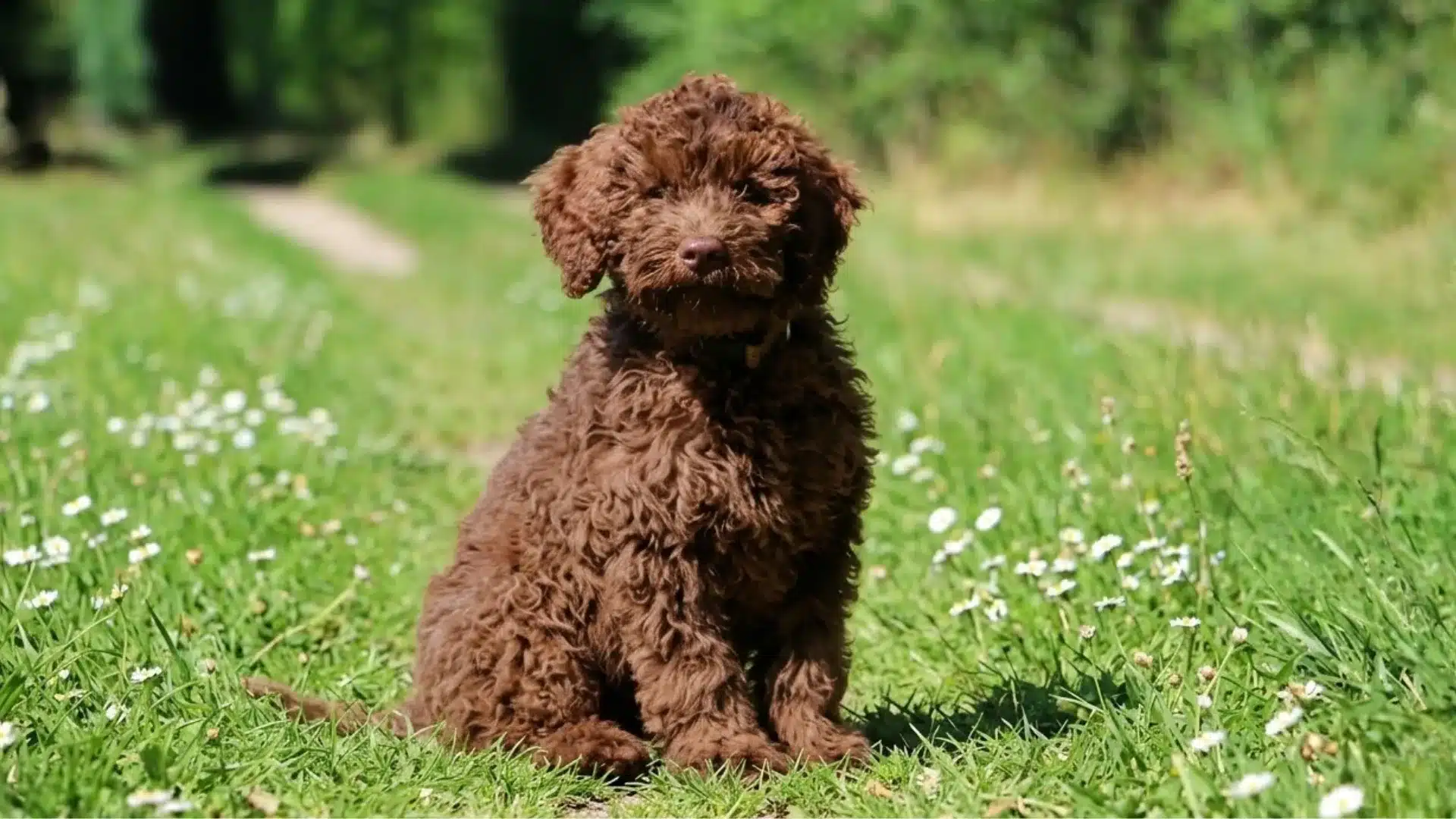
Prey: Ducks and pheasants
The Lagotto Romagnolo originated in Italy, where it was historically used as a water retriever in marshlands before becoming widely known for truffle hunting.
This breed has strong scenting ability, intelligence, and a compact build that allows it to move easily through wet fields and rough terrain.
Lagotto Romagnolos have a dense, curly coat that commonly appears in white, brown, orange, or roan color patterns.
The breed typically stands 16 to 19 inches tall and weighs 24 to 35 pounds. Lagotto Romagnolos usually live 14 to 17 years and require regular physical and mental activity.
Best Hunting Dog Breeds for Non-Bird Hunting
Not all hunting dogs are trained to track or retrieve birds. Some breeds are developed for chasing, tracking, or holding other types of game such as rabbits, deer, or wild boar.
11. Beagle
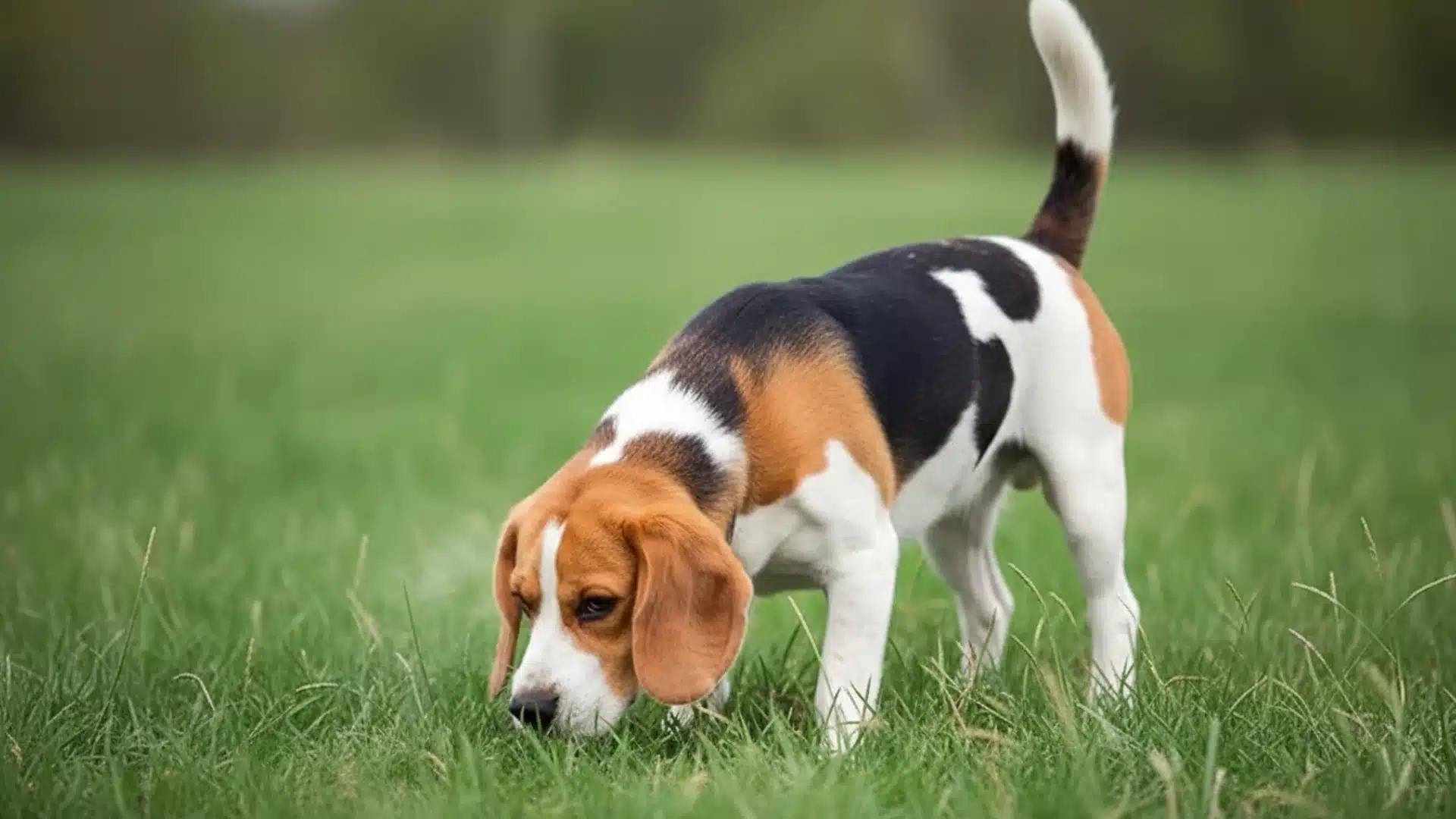
Prey: Rabbits, hares
The Beagle originated in England, where it was developed as a scent hound used for tracking small game during hunts.
Although not always grouped with small hunting dog breeds used for bird hunting, the Beagle is valued for its exceptional sense of smell.
Beagles have a short, dense coat commonly seen in tricolor, lemon and white, red and white, or brown and white patterns.
The breed typically stands 13 to 15 inches tall and weighs 20 to 30 pounds. Beagles generally live 12 to 15 years and maintain high energy for outdoor activities.
12. Bluetick Coonhound
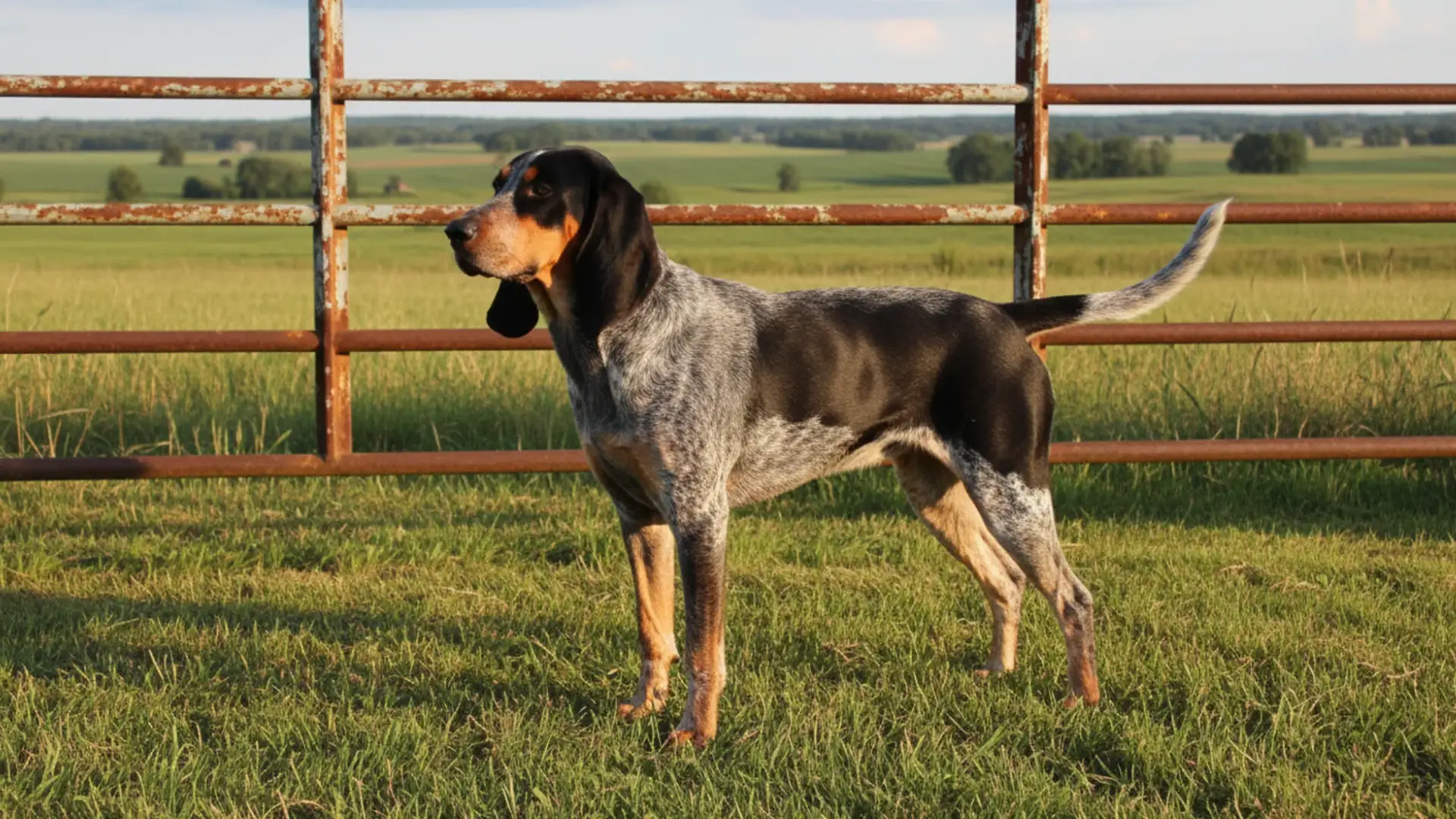
Prey: Raccoons, treeing game
The Bluetick Coonhound originated in the United States, where it was developed for tracking and hunting game using its powerful scenting ability.
This breed is recognized for endurance, a loud baying voice, and the ability to follow scent trails through forests and rough terrain.
Bluetick Coonhounds have a short, glossy coat typically seen in blue mottled patterns with black spots and tan markings.
The breed usually stands 21 to 27 inches tall and weighs 45 to 80 pounds, and typically lives 11 to 12 years.
13. Bloodhound
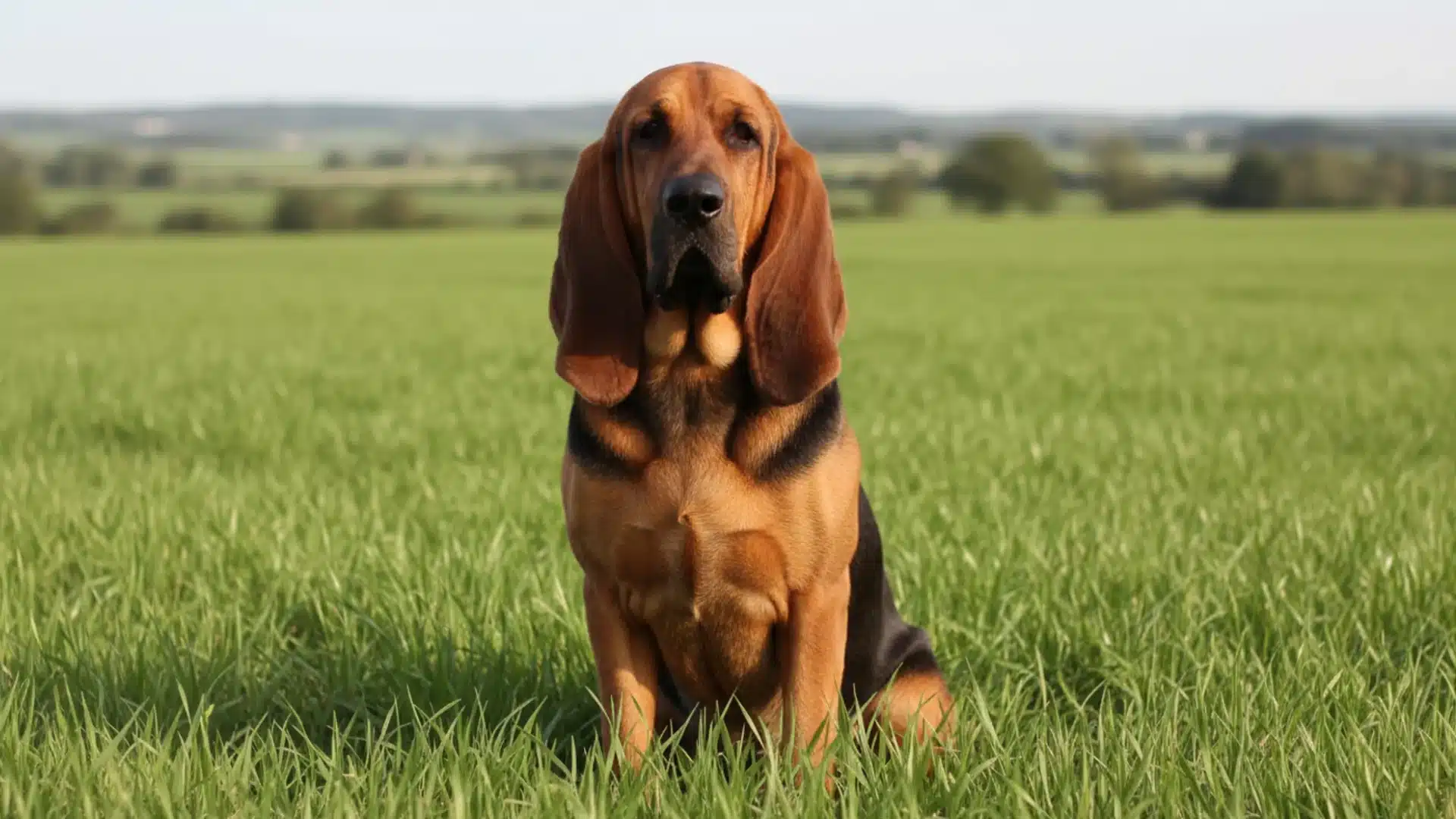
Prey: Scent tracking, not game hunting
The Bloodhound originated in Belgium and France, where it was developed as a scent-tracking dog used by hunters and trackers to follow long trails.
Unlike small hunting dog breeds used for bird hunting, the Bloodhound is primarily valued for its powerful scent detection.
Bloodhounds have a short, dense coat usually found in black and tan, liver and tan, or red shades.
The breed typically stands 23 to 27 inches tall and weighs 80 to 110 pounds, with a lifespan of 10 to 12 years.
14. Mountain Cur
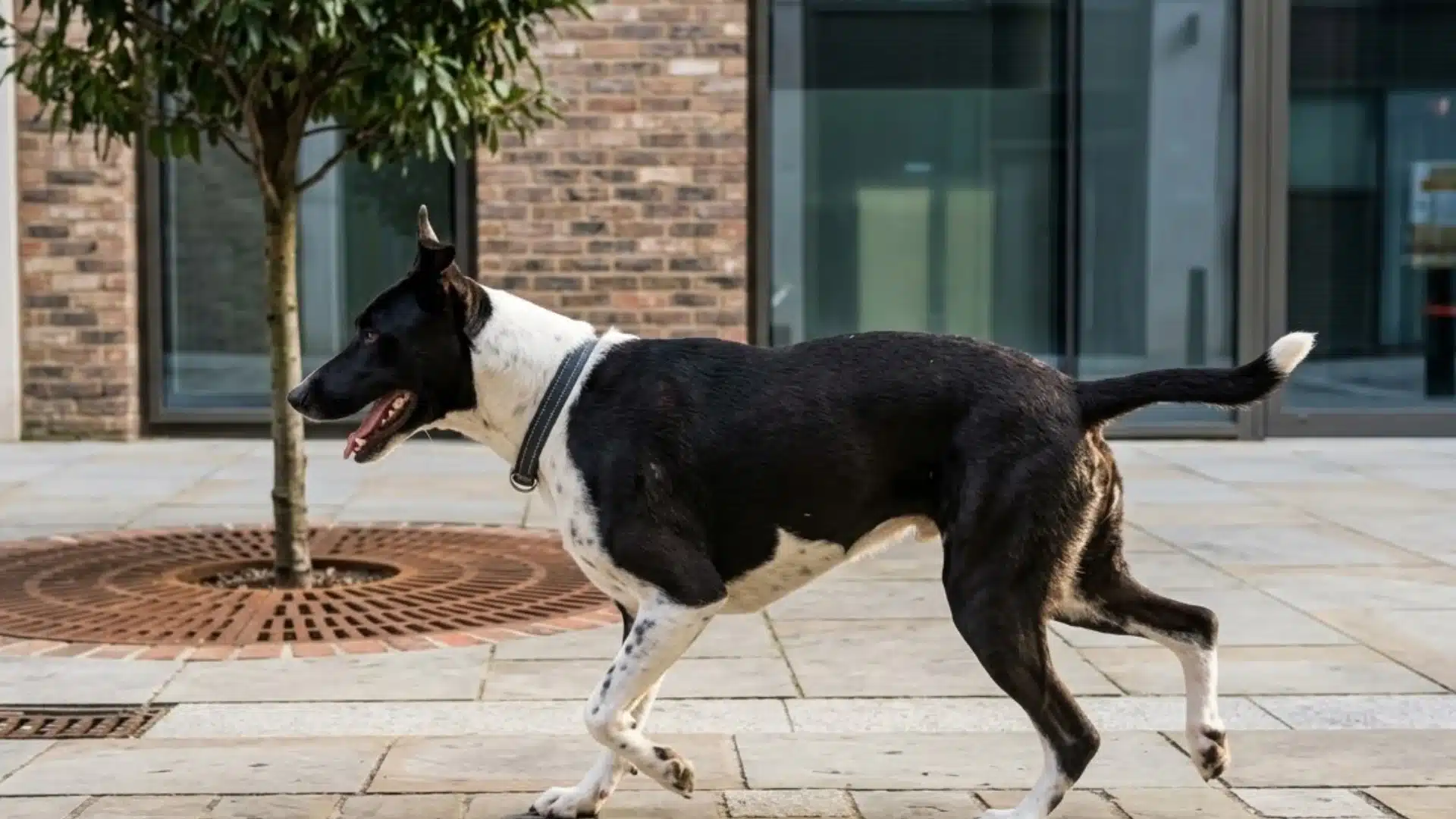
Prey: Squirrels, raccoons, boar
The Mountain Cur originated in the United States, particularly in the Appalachian region, where settlers used it as a versatile working and hunting dog.
This breed is valued for its strong tracking ability, courage, and agility when moving through forests and rugged terrain.
Mountain Curs have a short, dense coat commonly seen in yellow, brindle, black, brown, or mixed color patterns.
The breed usually stands 16 to 26 inches tall and weighs 30 to 60 pounds. Mountain Curs generally live 12 to 16 years and maintain high energy for outdoor work.
15. Plott Hound
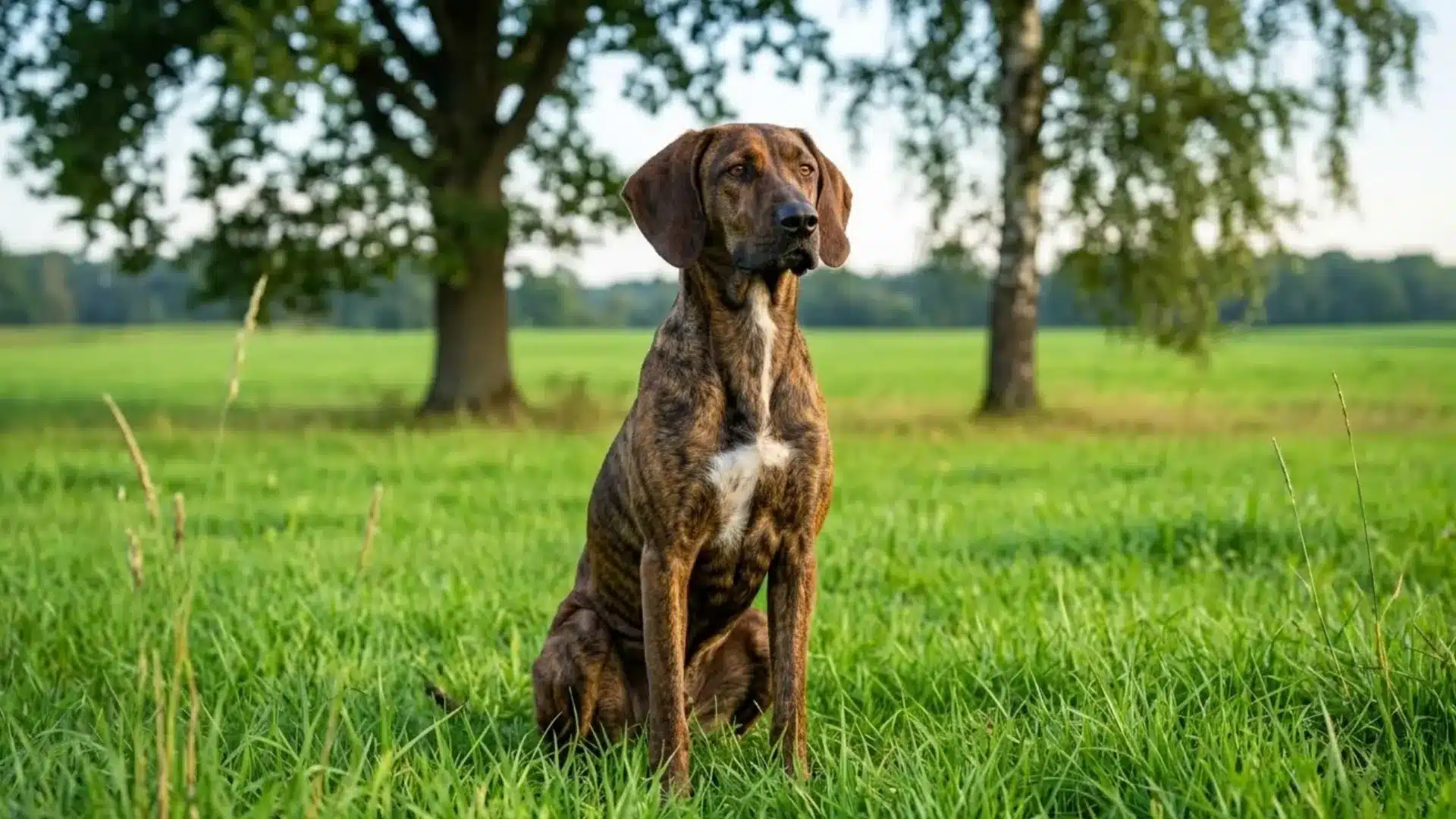
Prey: Bear, boar
The Plott Hound originated in the United States, particularly in North Carolina, where it was developed for hunting and tracking game in mountainous terrain.
This breed has strong scent tracking ability, muscular build, and endurance that allows it to work long hours during hunts.
Plott Hounds have a short, smooth coat most commonly seen in brindle shades such as brown brindle, black brindle, or tan brindle.
The breed typically stands 20 to 25 inches tall and weighs 40 to 60 pounds, and usually lives 12 to 14 years.
16. Black and Tan Coonhound
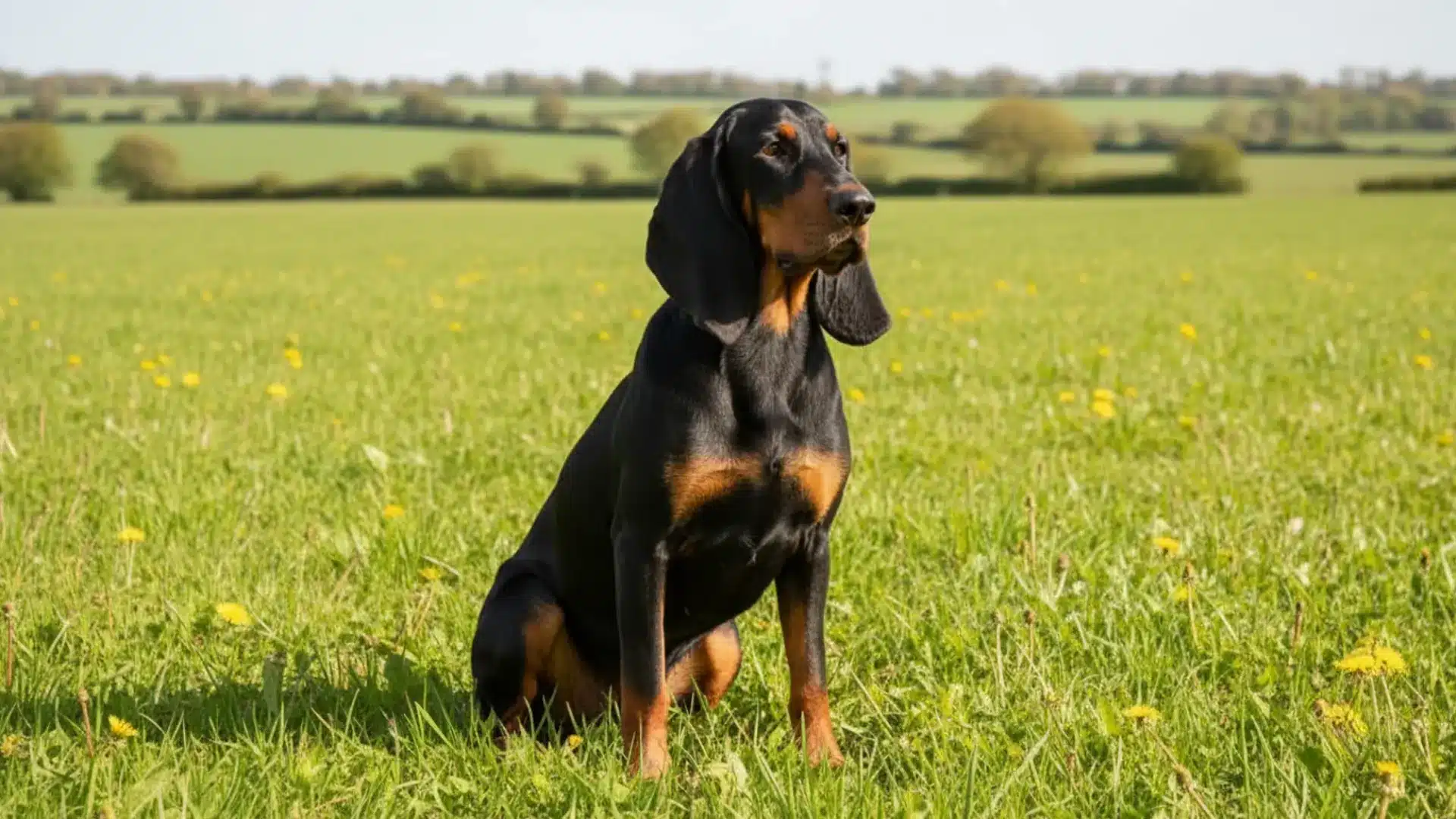
Prey: Raccoons
The Black and Tan Coonhound originated in the United States, where it was developed from foxhounds and bloodhounds to track game using strong scent ability.
Although larger than many small hunting dog breeds,this breed can follow trails across forests and rough terrain.
Black and Tan Coonhounds have a short, dense coat commonly seen in black with distinct tan markings on the face, chest, and legs.
The breed usually stands 23 to 27 inches tall and weighs 65 to 110 pounds. Black and Tan Coonhounds typically live 10 to 12 years and require regular exercise.
17. Redbone Coonhound
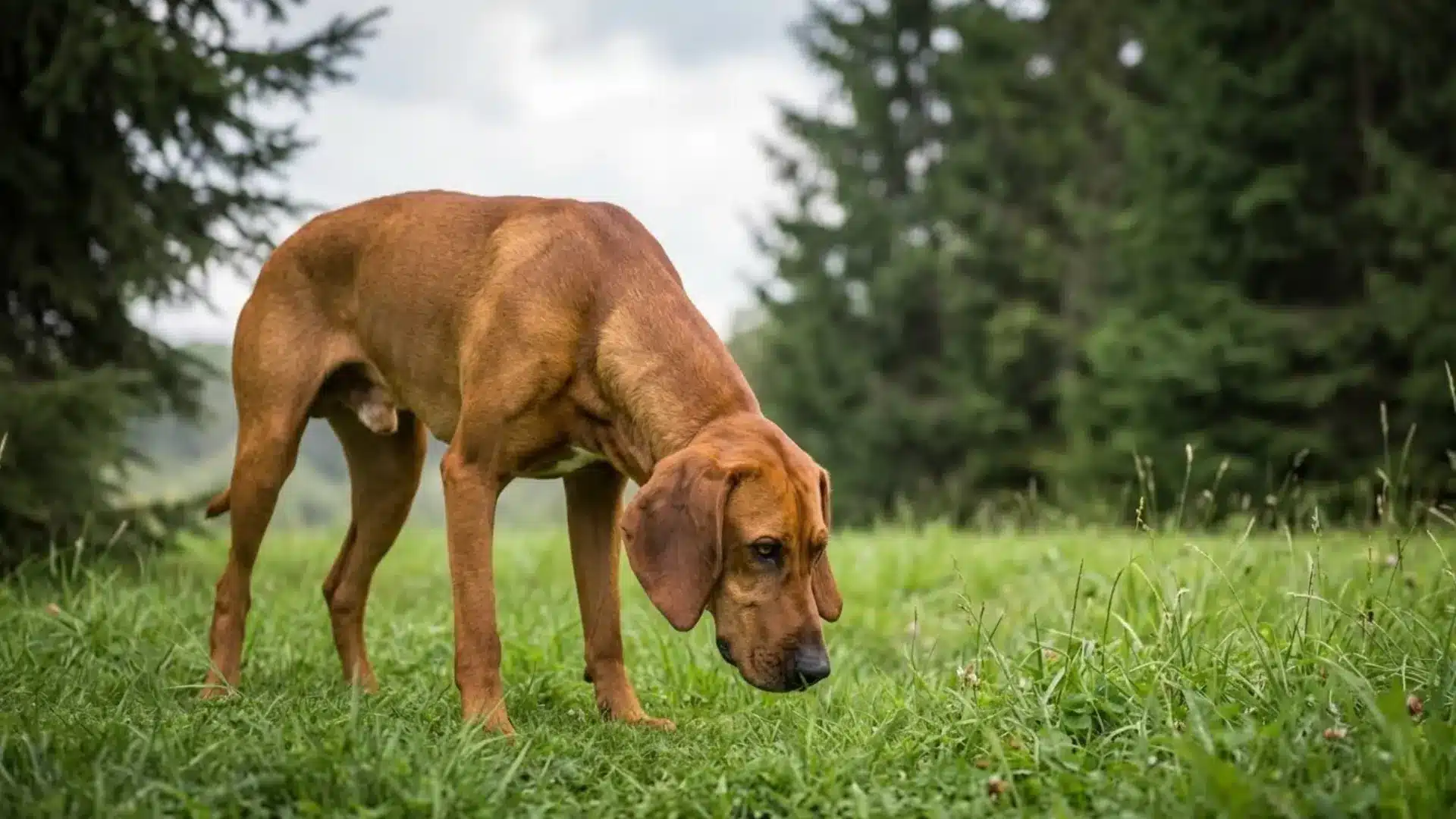
Prey: Raccoons, treeing game
The Redbone Coonhound originated in the United States, where it was bred for tracking and hunting game across wooded and mountainous areas.
This breed has strong scent tracking ability, a muscular body, and steady endurance for long hunting pursuits.
Redbone Coonhounds have a short, smooth coat that appears in solid deep red shades.
The breed generally stands 21 to 27 inches tall and weighs 45 to 70 pounds, with a lifespan of 12 to 15 years.
Training Tips for Small Hunting Dogs
Training plays a major role in turning energetic small hunting dog breeds into reliable hunting companions. Early guidance helps shape instincts and strengthen obedience in the field.
- Start Obedience Training Early: Basic commands such as sit, stay, come, and heel create discipline and help the dog respond quickly during hunts.
- Introduce Bird Scents Gradually: Use bird wings or scent training tools to help the dog recognize game birds and develop tracking ability.
- Practice Retrieval Skills: Training with dummy birds or soft bumpers builds the natural retrieving instinct.
- Expose Dogs to Field Conditions: Regular training in fields, grasslands, or wetlands helps dogs become comfortable in real hunting environments.
- Build Stamina and Endurance: Daily exercise, running drills, and active play improve strength and help dogs perform longer during bird hunting trips.
How to Choose the Right Hunting Dog Breed?
The right small hunting dog breeds depend on where and how hunting takes place, along with the hunter’s experience level.
Wetlands usually require strong swimming dogs such as the American Water Spaniel or Nova Scotia Duck Tolling Retriever.
Upland fields are better suited for pointing breeds like the Brittany, which can locate birds in open areas.
Dense brush often favors flushing dogs such as the Cocker Spaniel, which push birds out of cover, while open land works well for pointing dogs that track and signal bird locations.
Hunting style also matters since some dogs specialize in retrieving birds from water while others locate birds on land.
Some breeds are easier to train and manage, while high-energy dogs may require more exercise and consistent handling.
Conclusion
Bird hunting becomes more rewarding when the right dog works beside the hunter in the field.
Many small hunting dog breeds prove that compact size does not limit skill, endurance, or field performance during a hunt.
These dogs bring sharp instincts, quick movement through thick cover, and the ability to work closely with hunters during long outings.
They help flush birds from hiding, signal the presence of game, and retrieve downed birds from land or water.
Hunting success often depends on selecting a breed that fits the hunting environment, bird species, and training commitment.
Learning about each breed’s traits, prey habits, and energy level helps hunters make smarter decisions.
Have you hunted with any of these dogs? Share your experience or favorite breed in the comments below.
Frequently Asked Questions
At What Age Can a Dog Start Bird Hunting Training?
Most hunting dogs begin basic obedience training at around 8 to 12 weeks old. Field training for bird hunting usually starts between 6 and 9 months, depending on the breed and maturity level.
How Much Exercise Do Hunting Dogs Need Daily?
Most hunting dogs require 60 to 120 minutes of daily activity. Regular running, training drills, and outdoor play help maintain their stamina and overall health.
Are Hunting Dogs Good Family Pets?
Many hunting dog breeds make excellent family pets when they receive enough exercise and mental stimulation. Breeds used for bird hunting are often friendly, loyal, and active companions.