Your dog’s face looks puffy all of a sudden, and now you are staring like, what happened to my baby! Many pet parents search for home remedies for a dog’s swollen face as first aid before taking their dog to their local veterinarian.
Sometimes it is mild, but at other times it can indicate dental infection, injury, or a dangerous reaction that requires help. I will tell you about the causes of facial swelling in dogs, so you can figure out whether it is urgent.
You will also learn safe home remedies for a dog’s swollen face, plus signs that mean you should call a vet right away.
But before trying anything at home, let’s start with the most common reasons your dog’s face swells up.
Safe Home Remedies for a Dog’s Swollen Face
1. Cold Compress
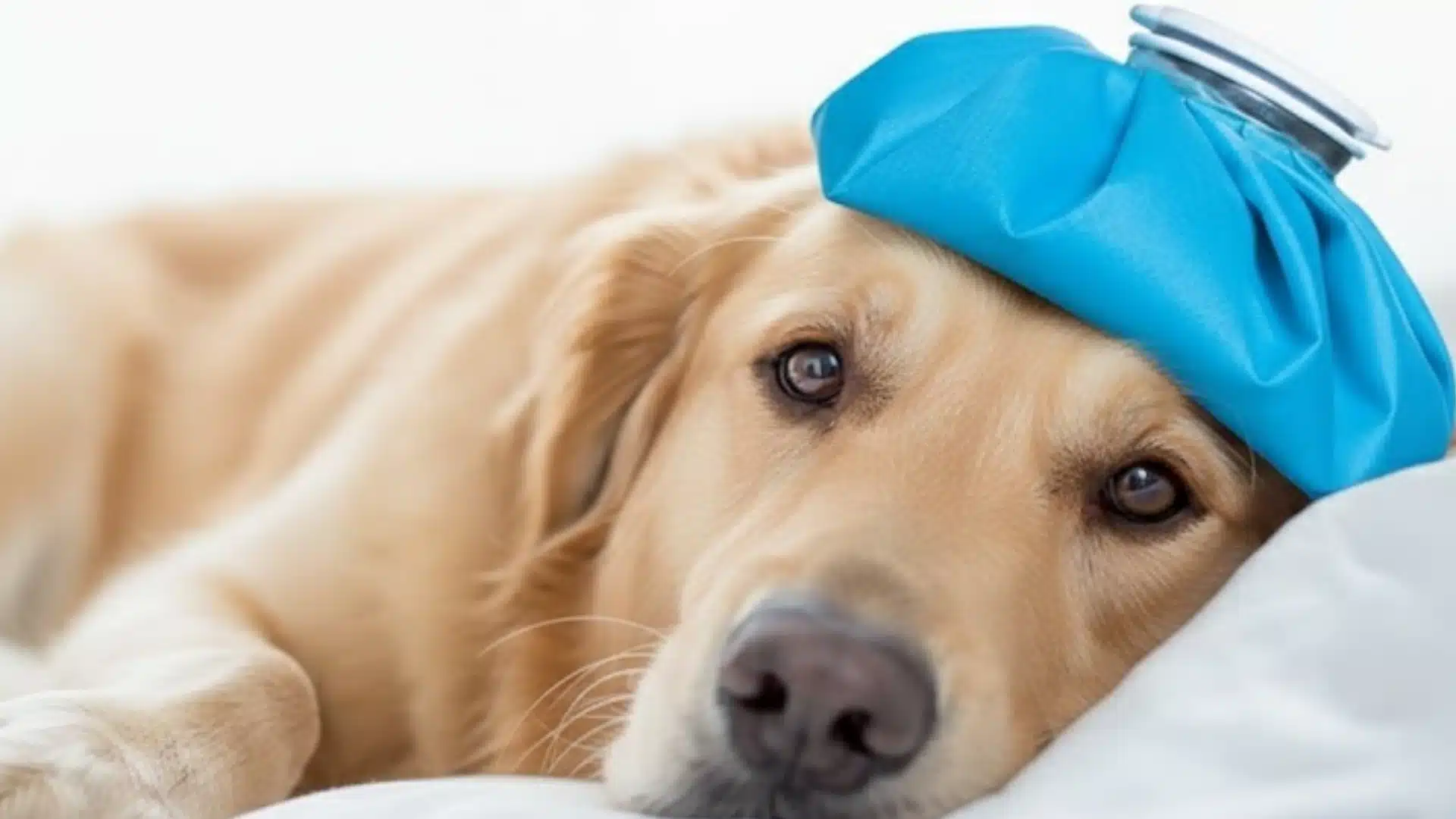
A cold compress can help reduce facial swelling quickly, especially after a sting, bite, or mild allergic reaction.
Wrap ice cubes or a gel pack in a soft towel, as direct cold can irritate the skin and cause redness.
Press it gently on the swollen spot for 10 to 15 minutes, while keeping your dog calm and still.
Repeat every 2 to 4 hours if needed, and stop if swelling spreads, your dog cries, or breathing changes.
2. Vet-Approved Antihistamine
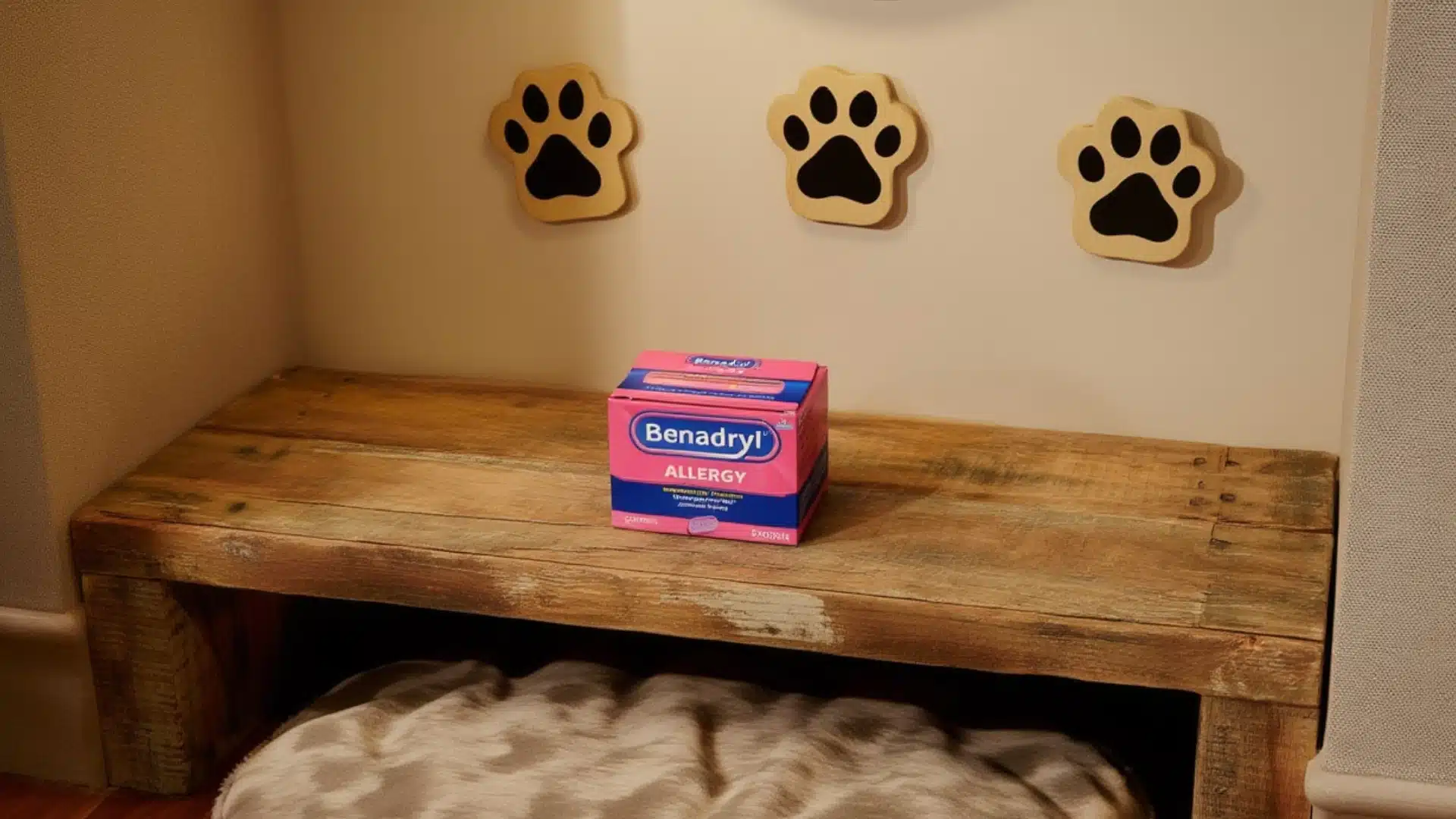
A vet-approved antihistamine can help reduce swelling and itching when your dog is having a mild allergic reaction.
Many vets suggest plain diphenhydramine, but you should confirm the dose for your dog’s weight before giving it.
Avoid any product with added ingredients, since some mixed cold meds can be dangerous for dogs.
If your dog gets very sleepy, vomits, or the swelling spreads quickly, stop and contact a vet right away.
3. Remove Possible Allergens
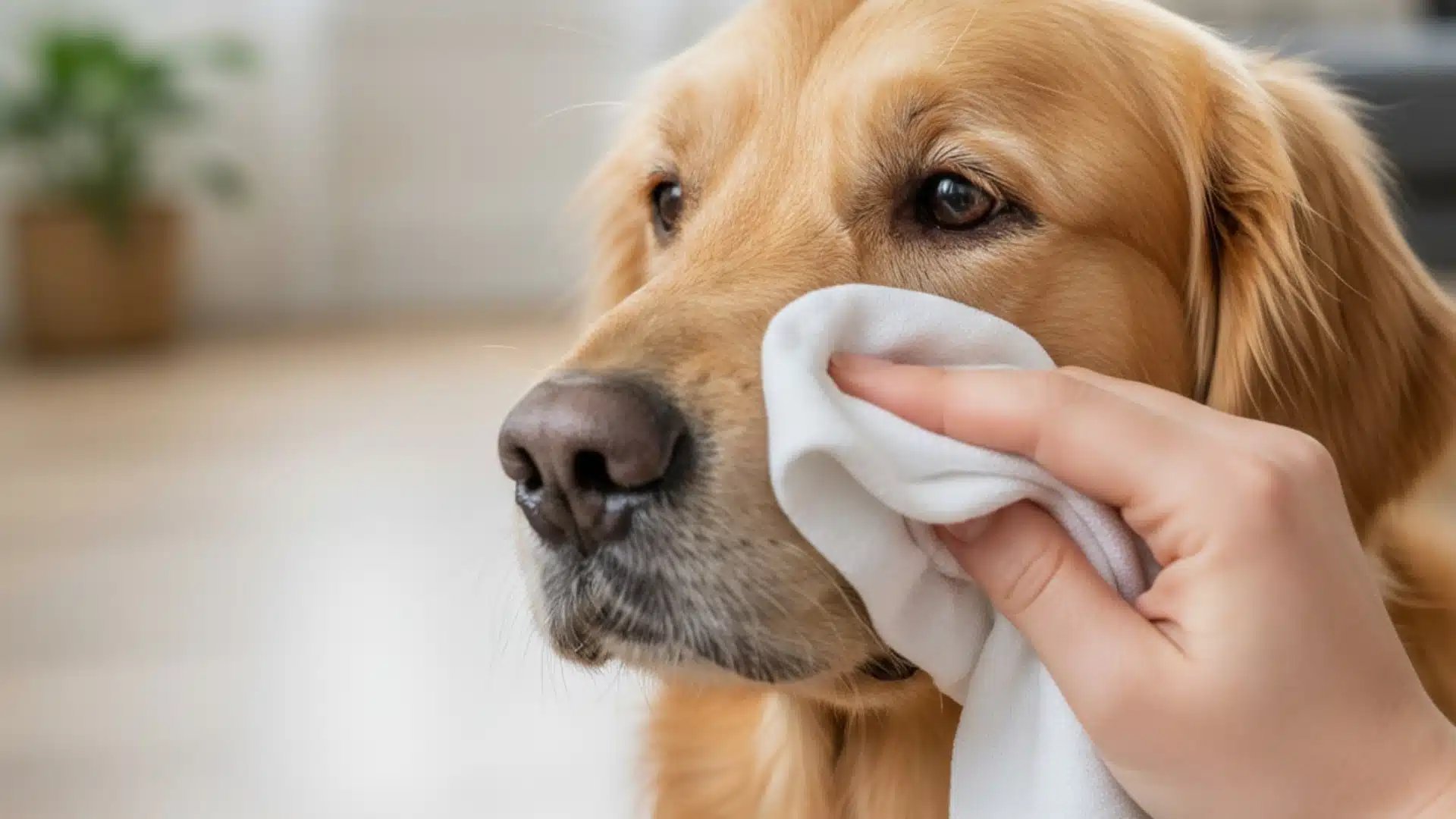
Removing possible allergens can stop the swelling from getting worse, especially if pollen, dust, or sprays triggered it.
Wipe your dog’s face gently with a clean, damp cloth, then rinse the paws since allergens stick there, too.
Keep your dog indoors for a bit, and avoid grassy areas if the swelling started after an outside walk.
If you used strong cleaners or air fresheners, open windows, clean the area again with pet-safe products, and watch for swelling or other changes.
4. Extra Water and Hydration
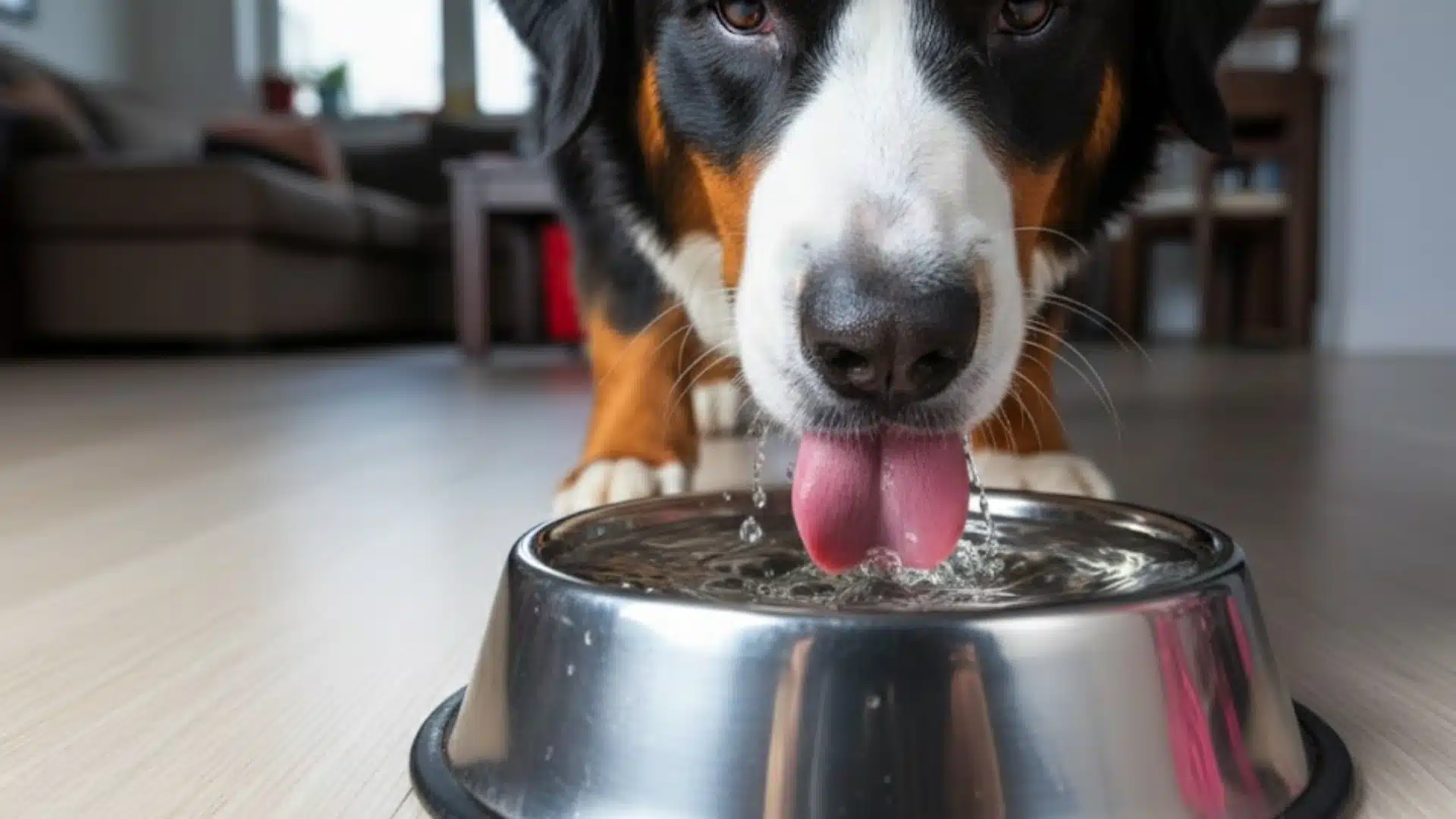
Extra water helps your dog’s body stay strong while it deals with swelling, irritation, or a mild allergic reaction.
Keep fresh water nearby, and try adding a few ice cubes if your dog prefers cold water.
If your dog will not drink, you can offer a little low-salt broth, but make sure it has no onion or garlic.
Call your vet if your dog refuses water for hours, as dehydration can worsen swelling and weakness quickly.
5. Warm Salt Water for Small Wounds
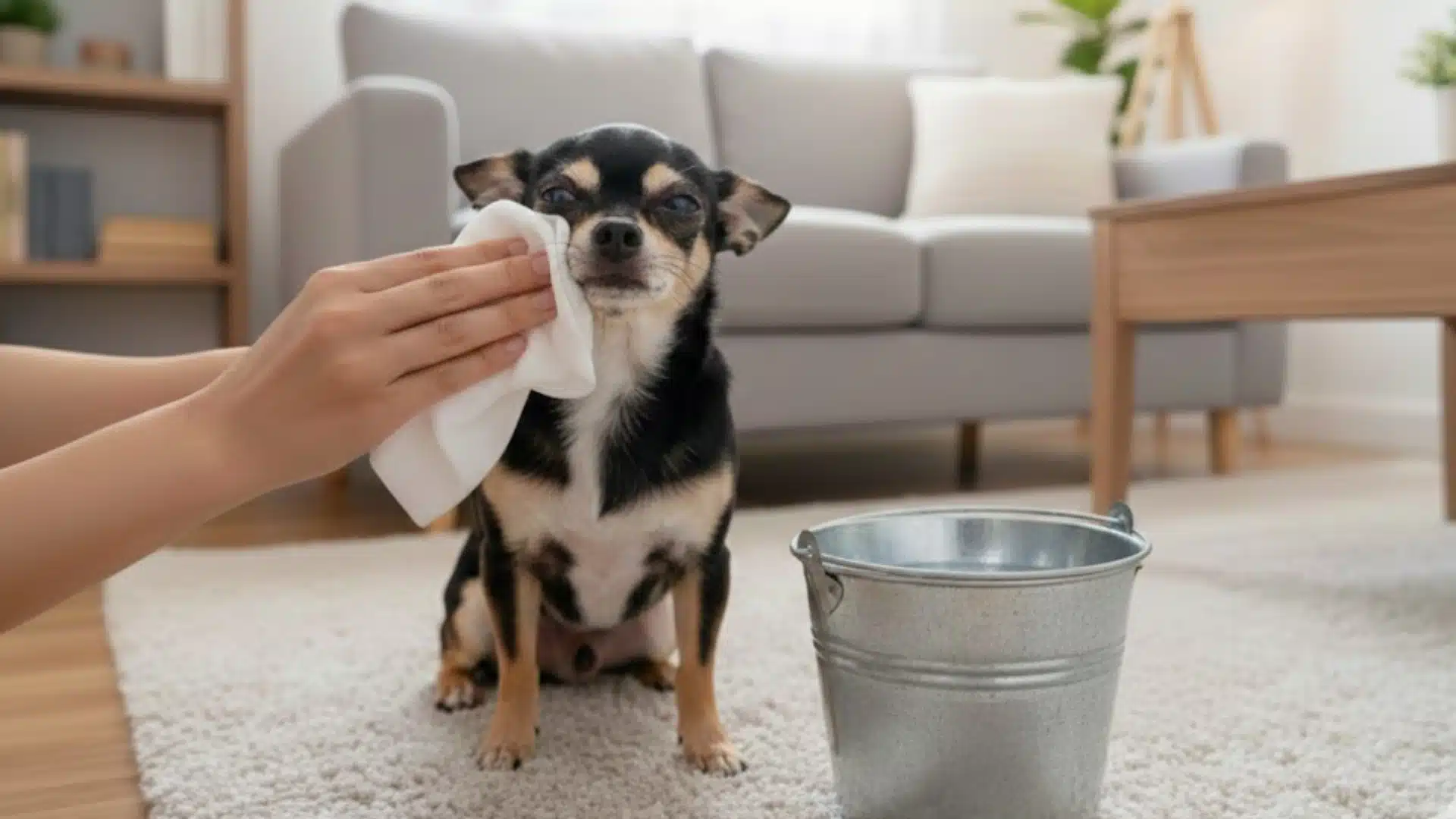
Warm salt water can help clean a small scratch or bite and may lower swelling by keeping germs under control.
Mix a little salt into warm water, dip a clean cloth in it, and gently press it onto the swollen area. Hold it there for about 5 to 10 minutes, then pat the skin dry so it does not stay damp.
Do not use this if the wound looks deep, smells bad, or leaks pus, as this usually means an infection and a vet visit is needed.
6. Oatmeal Paste for Itchy Skin
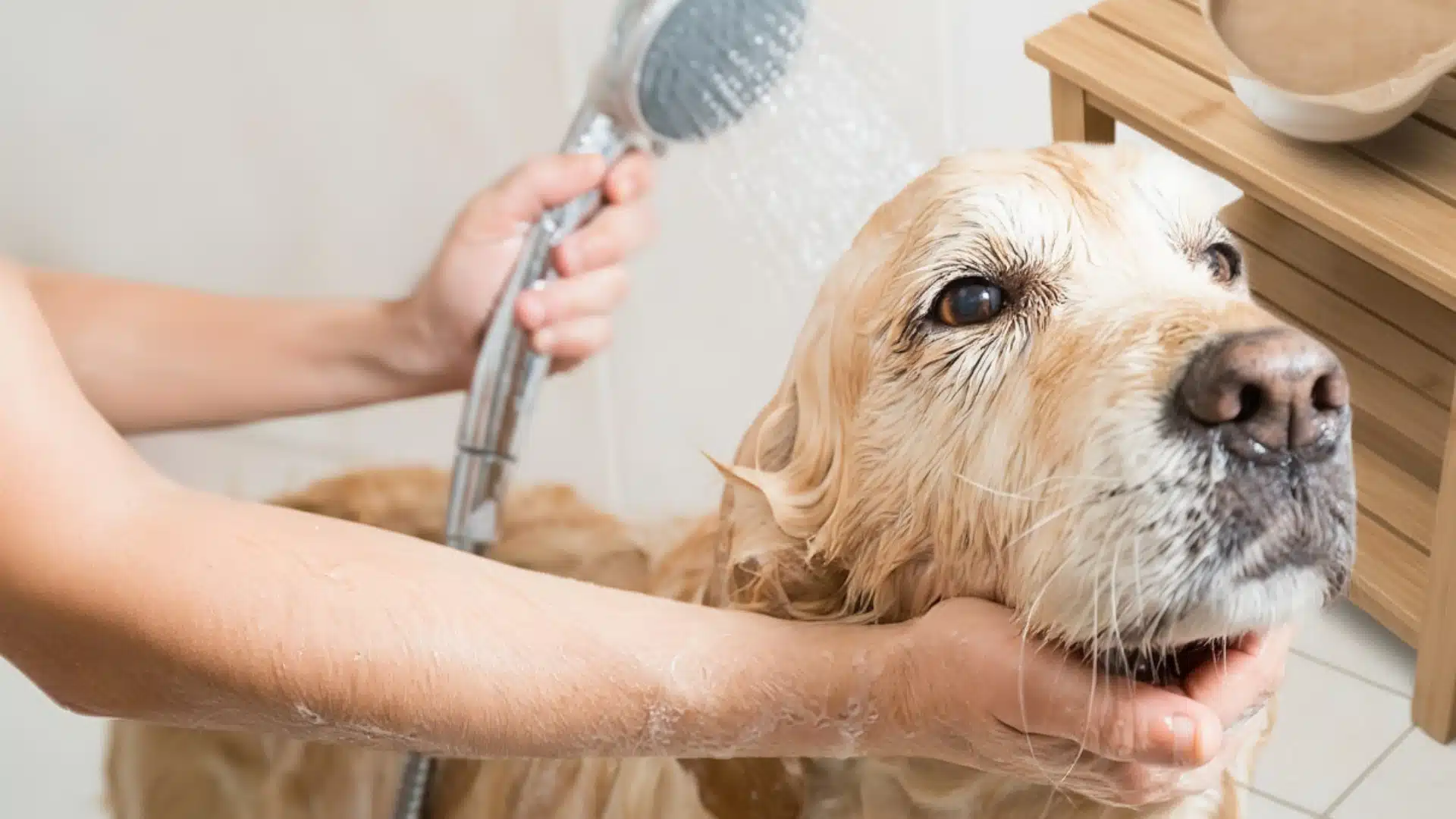
Oatmeal paste can help calm itchy skin and reduce mild swelling, especially when allergies make your dog scratch a lot.
Grind plain oats into a soft powder, then mix with a little water until it becomes a thick, smooth paste.
Apply a small amount to the itchy, swollen area, leave it on for about 10 minutes, then rinse gently with water.
Do not let it get into your dog’s eyes, and stop if the skin looks redder or your dog seems uncomfortable.
7. Coconut Oil on the Skin
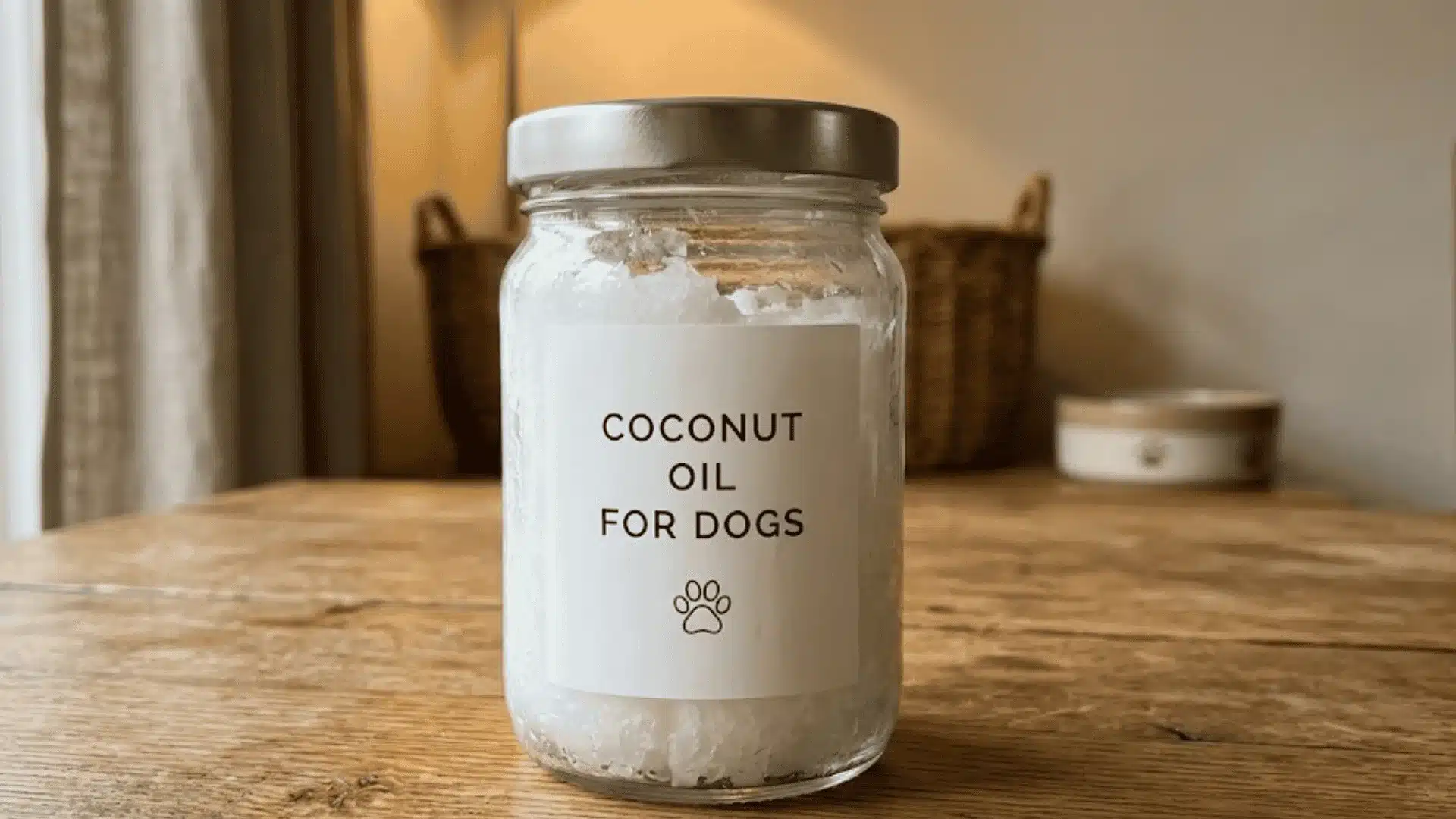
Coconut oil can help soothe dry, irritated skin and may lower mild swelling by keeping the area soft and protected.
Use a tiny amount and rub it gently on the swollen spot, then wipe off any extra so your dog does not lick it.
Some dogs are allergic to coconut oil, so try a small patch first and watch for redness or further swelling.
Do not give it by mouth unless your vet says it is okay, because oily foods can upset some dogs fast.
8. Chamomile Tea Compress

Chamomile tea can help calm mild redness and swelling, especially when your dog’s face looks irritated from allergies.
Brew a cup of chamomile tea, let it cool fully, then soak a clean cloth in the tea and wring it out.
Hold the cloth gently on the swollen area for about 10 minutes, and keep your dog relaxed during it.
Do not use it if your dog seems itchy after, and always use plain caffeine-free tea bags with no added flavors.
9. Keep Your Dog Calm and Resting
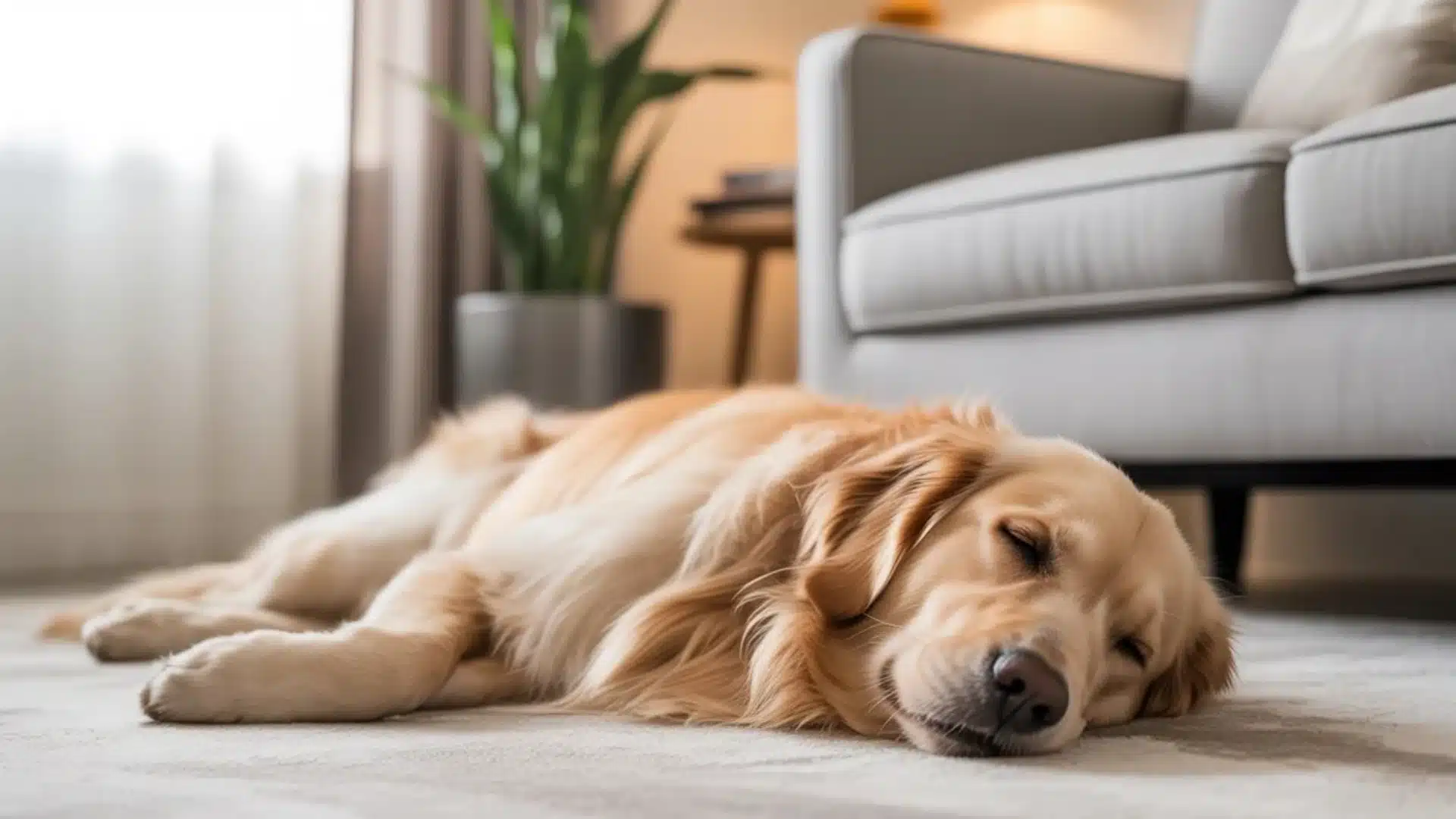
Keeping your dog calm helps reduce swelling because stress and heavy movement can make the body react even more.
Set up a quiet spot with a soft bed, and keep loud noises, kids, and other pets away for some time.
Avoid running, jumping, or rough play, and take only short potty breaks until the swelling looks better.
If your dog keeps pawing at the face, use a cone for safety, and call the vet if swelling worsens, breathing changes, or new signs appear.
10. Epsom Salt Compress
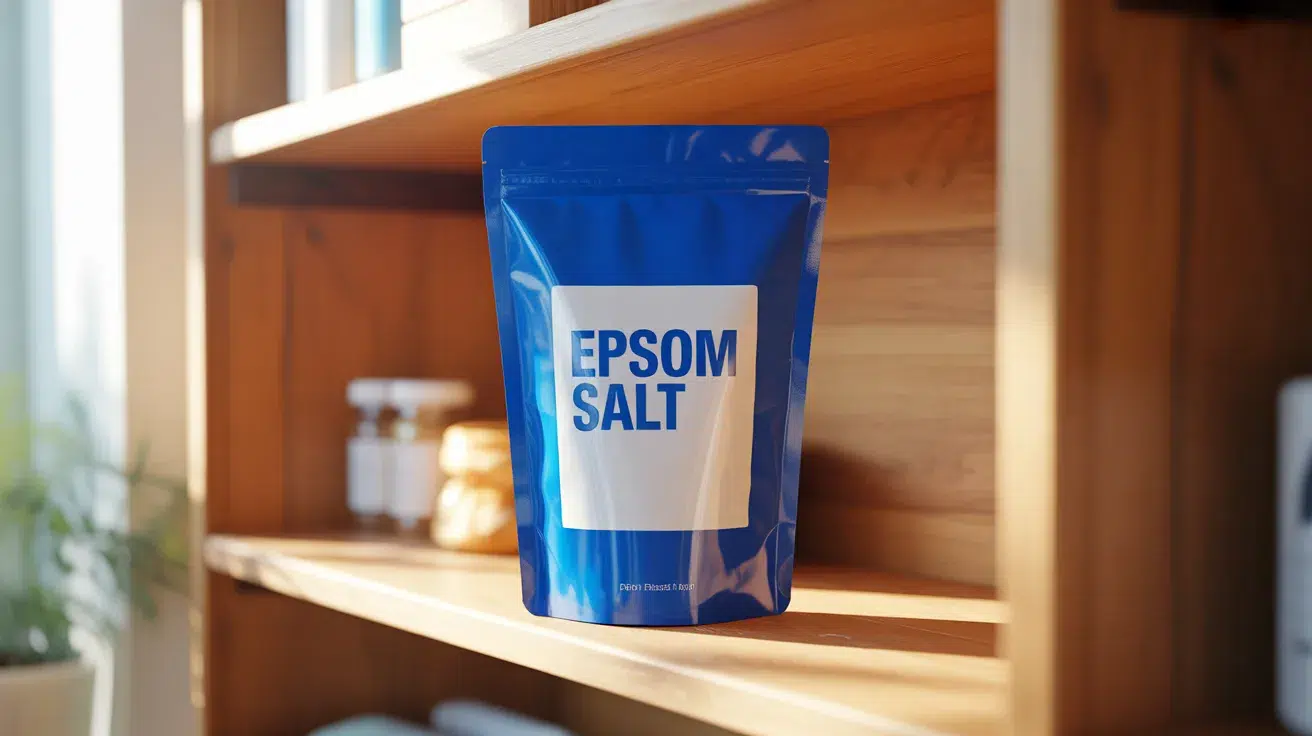
An Epsom salt (magnesium sulfate, MgSO4 ) compress may help reduce mild swelling by drawing excess fluid from the skin after a small bump or bite.
Mix a small amount of Epsom saltinto warm water, soak a clean cloth, then wring it out so it is not dripping.
Hold it gently on the swollen area for 5 to 10 minutes, while stopping your dog from licking it.
Do not use this on open wounds, and call your vet if the skin looks raw, painful, or if the swelling keeps growing.
11. Fish Oil for Long-Term Support
Fish oil can help lower swelling over time because omega-3 fats support the skin and help calm body inflammation.
Pick a dog-safe fish oil and ask your vet for the right dose, since too much can cause stomach trouble.
Mix it into food once daily and maintain consistency for a few weeks to see improved skin and reduced itching.
Do not use fish oil if your dog has a risk of pancreatitis, and stop right away if you see diarrhea, vomiting, oily stools, or belly pain.
Why Your Dog’s Face is Swollen?
Seeing your dog’s face swell up can feel super scary, but it happens for a few common reasons in many homes.
This swelling often starts when fluid builds up in the face, making the lips, cheeks, eyes, or muzzle look puffy. Often, it is an allergy to bee stings, bug bites, pollen, mold, or even strong cleaning sprays.
Some dogs also react to food, medicine, or vaccines, and the swelling can show up fast after that.
Dental problems can also cause swelling, such as a bad tooth, a gum infection, or a painful abscess under the skin.
Small breeds like Chihuahuas and toy poodles are especially proneto dental abscesses due to crowded teeth, while Boxers may experience swelling from mast cell tumors, which can mimic allergic reactions
Injuries from rough play, falls, or fights can cause one side of the face to be sore, swollen, and warm to the touch.
When You Should Contact a Veterinarian?
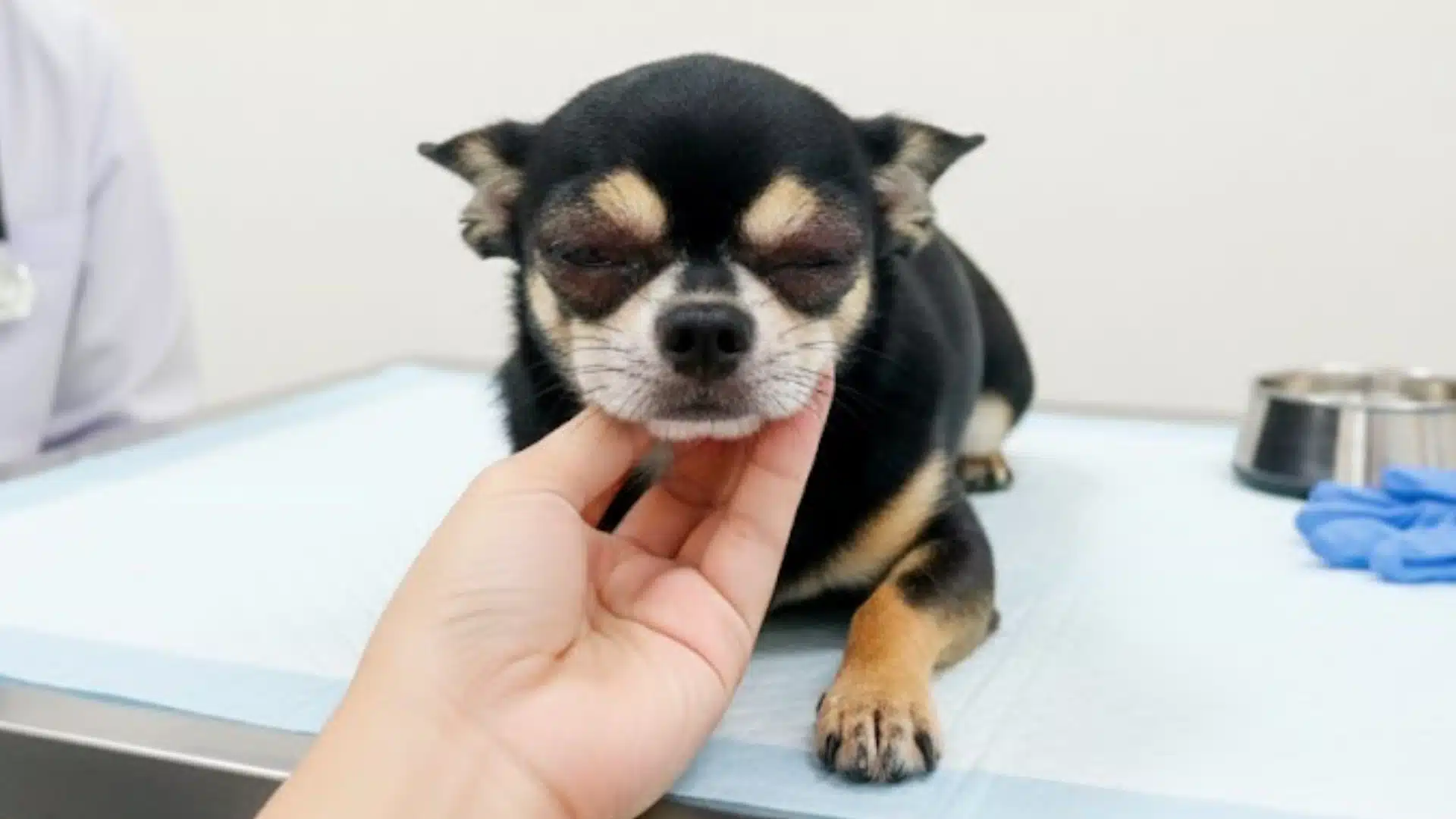
If your dog’s face is swelling up, calling the vet can save you a lot of stress and serious trouble later.
- Trouble breathing: If your dog wheezes, pants hard, or struggles to breathe, go to an emergency vet right away. (specifically for Brachycephalic breeds like Pugs, Bulldogs).
- Swelling spreads quickly: If the swelling moves to the neck or throat, it can become dangerous within minutes.
- Weakness or collapse: If your dog seems dizzy, falls over, or acts super tired, get help fast (Particularly concerning breeds like Boxers).
- Pale or blue gums: This can mean low oxygen levels or shock, so do not wait; drive to the vet.
- Vomiting or lots of drooling: These signs with swelling can mean allergy trouble, infection, or poison.
- Swelling lasts more than a day: If it is still there after 24 hours, the vet should check for dental issues.
Signs When Facial Swelling in Dogs Is Not Dangerous
Sometimes your dog’s face looks a little swollen, but the situation can stay mild and not turn into a crisis.
- Swelling stays small: If it is only a tiny puff on one lip or cheek, it may be a minor bite.
- Your dog acts normally: if it is eating, drinking, playing, and doing regular things, that is a good sign.
- No pain signs: If your dog is not crying, pawing the face, or avoiding touch, it is likely less serious.
- No mouth trouble: If your dog can chew, swallow, and keep food down, the swelling is usually not urgent.
- It will improve soon: If the puffiness starts to go down within a few hours, you can book a regular vet visit.
- No new symptoms: If nothing else shows up, like vomiting or weakness, you can keep watching closely at home.
Note: While these signs show that swelling is not dangerous, it’s worth visiting after home remedies.
Prevention Tips for Facial Swelling in Dogs
Facial swelling is not always avoidable, but a few simple habits can lower the chances of it happening again.
- Watch for allergy triggers: Try to notice patterns, such as swelling after walks, after eating new foods, or after using cleaning sprays at home.
- Keep teeth clean: Brush your dog’s teeth often, because tooth infections can cause swelling near the jaw or eye.
- Use bug protection: Ask your vet about flea and tick prevention, since bites and stings can start swelling fast.
- Make your home safer: Keep human meds, strong cleaners, and toxic plants locked away, so curious dogs do not get sick.
- Pick safe food: Avoid random table snacks, since some dogs react to dairy, nuts, or new treats.
- Do regular vet checks: Routine visits help catch dental problems, skin allergies, and lumps before they become bigger issues.
What a Vet Will Do for Long-Term Care?
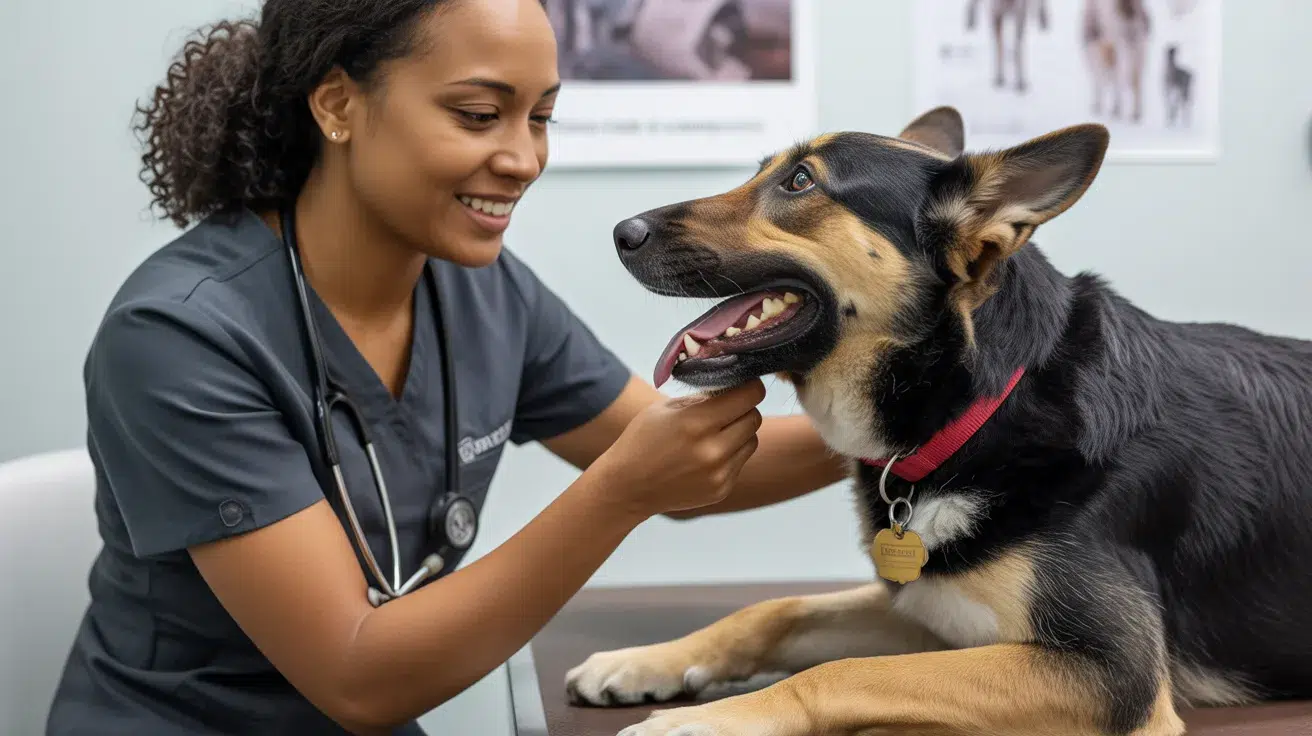
If you end up going to the vet, here’s what usually happens and how you can keep the swelling from coming back later.
Vets will first ask when the swelling started, what your dog ate, and whether a bite or sting occurred.
Next, they will check your dog’s breathing, gums, temperature, and mouth, since tooth problems can be hidden beneath the skin.
Your vet may run blood tests, take X-rays, or do scans to look for infection, abscesses, injury, or growths.
Treatment depends on the cause; for example, allergies may require antihistamines or shots, while infections may require antibiotics.
If a bad tooth is the problem, your dog might need a dental cleaning or tooth removal to stop swelling.
Long-term care means avoiding triggers, keeping teeth clean, watching for repeat swelling, and calling the vet early if it returns.
Conclusion
A dog’s swollen face can look scary fast, but staying calm helps you make smarter choices for your pet.
For mild cases, home remedies for a dog’s swollen face, like a cold compress and extra water, can help your dog feel better.
If swelling gets worse, spreads, or affects breathing, you should treat it like an emergency and call & visit a vet right away.
Take a quick photo of the swelling so your vet can track changes and choose the right treatment.
Your dog cannot explain pain, so your job is to notice small signs early and act before it becomes serious.
Has your dog ever had facial swelling from a bite, allergy, or tooth problem, and what helped the most? Tell us, share with us in the comments below.