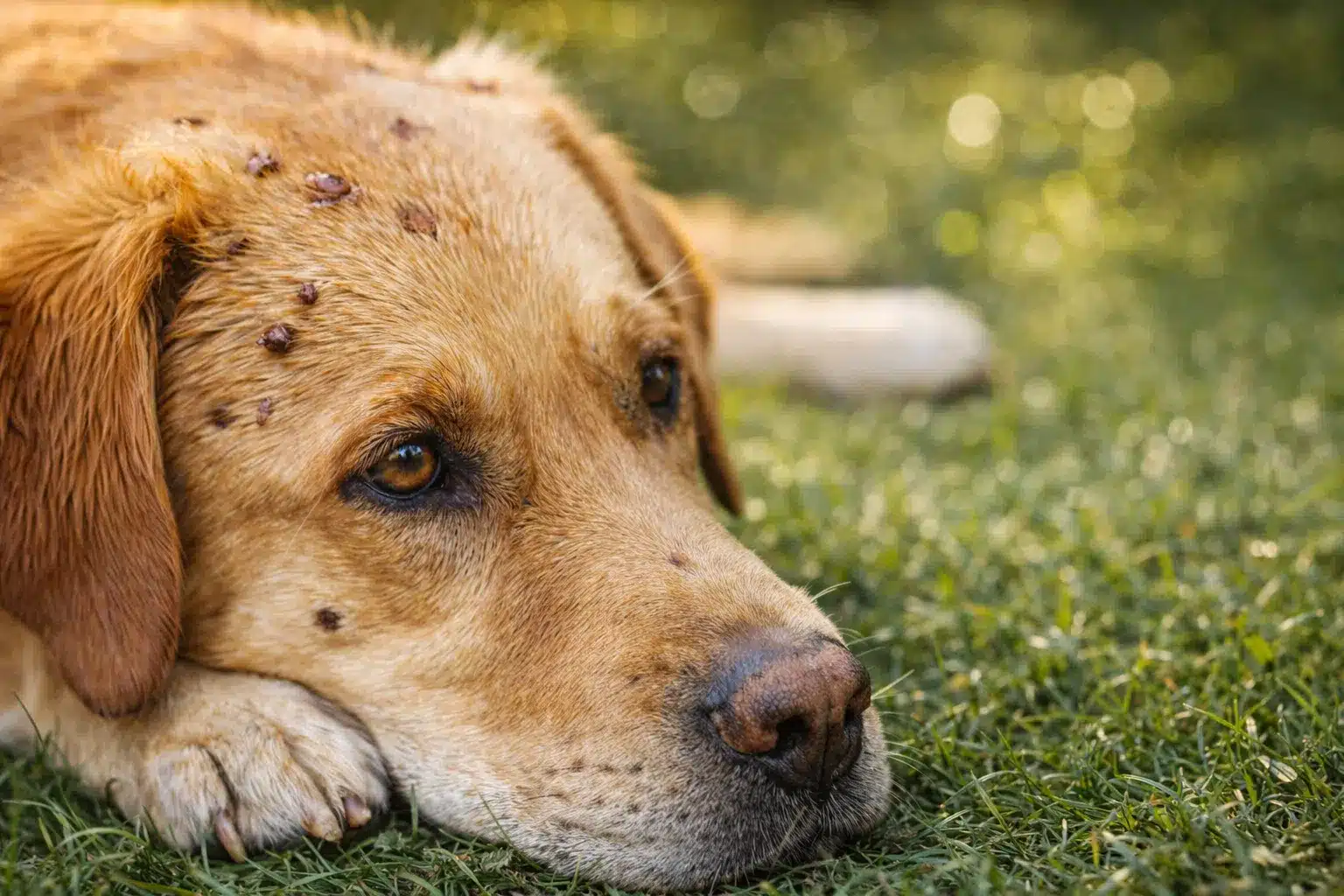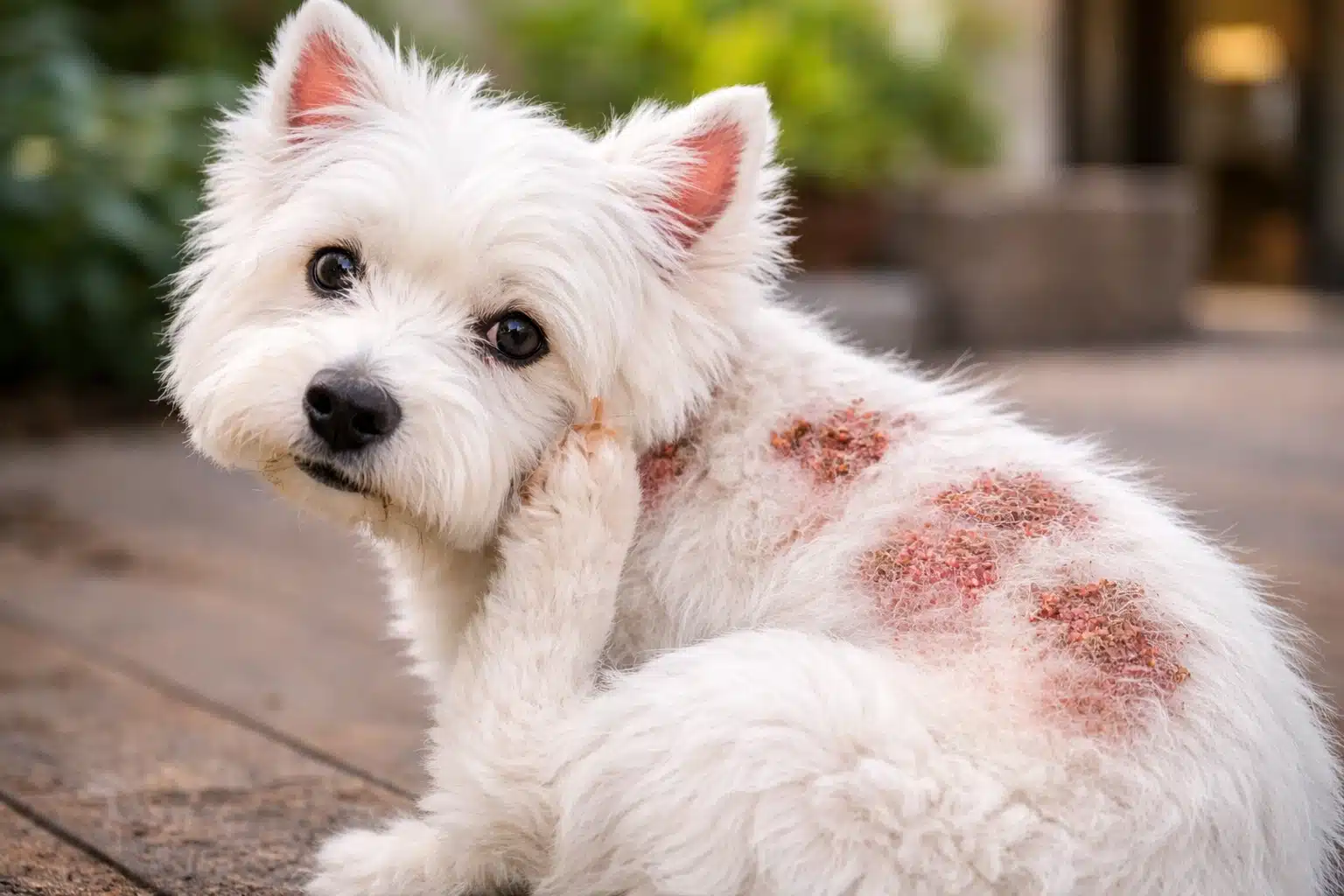
It starts with a small bald spot that was not there yesterday. No injury. No obvious cause. Just a patch of missing fur that raises questions.
Ringworm in dogs often begins this quietly, yet it spreads easily and can affect other pets and even people.
Despite the name, this condition is not caused by a worm but by a fungus that targets the skin, hair, and sometimes nails.
Puppies, older dogs, and pets with lower immunity are more likely to develop it.
Early signs may include circular hair loss, dry or scaly skin, and mild redness. Some dogs barely scratch, which makes the problem easy to miss.
Knowing how ringworm in dogs spreads, what symptoms to look for, and how treatment works helps prevent it from turning into a larger household problem for both pets and people
What is Ringworm in Dogs?
Ringworm in dogs is a contagious fungal infection that affects the outer layers of the skin. Despite the misleading name, it has nothing to do with worms. The medical term for the condition is dermatophytosis.
The condition is caused by dermatophyte fungi that feed on keratin, a protein found in skin, hair, and nails.
As the fungus grows, it damages hair shafts and irritates surrounding skin, leading to hair loss and flaky patches.
The infection often appears as circular areas of thinning fur with redness or scaling. In some cases, nails can become brittle or misshapen if the fungus spreads there.
Ringworm in dogs usually stays on the surface of the body, but it can spread quickly without treatment.
Fungal spores shed from infected animals can survive in the environment for up to 18 months, which is why thorough cleaning is a key part of any treatment plan.
Understanding what it is and how it behaves makes it easier to recognize early signs and choose the right care plan.
What Causes Ringworm in Dogs?
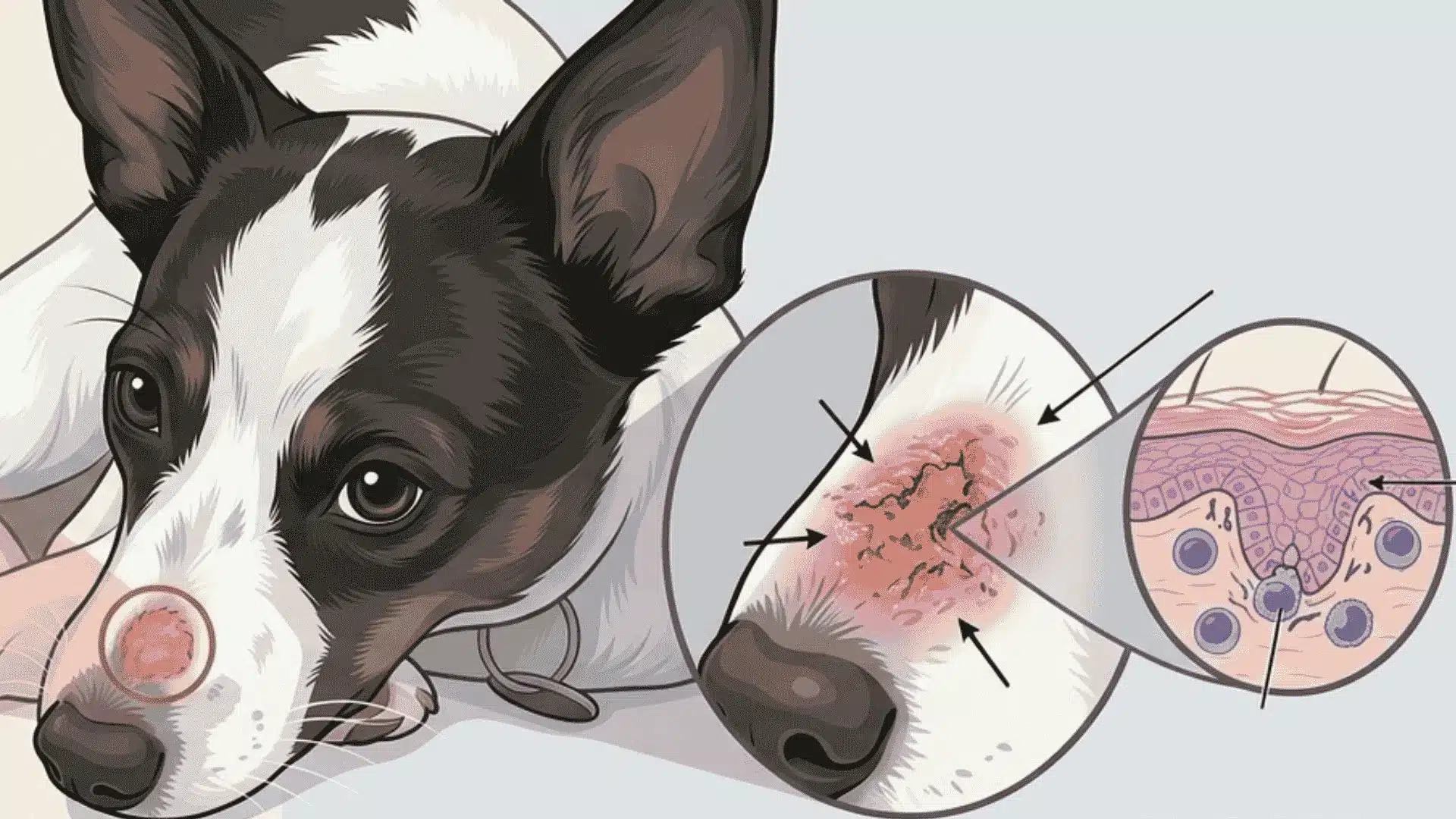
Ringworm in dogs is caused by a group of fungi known as dermatophytes.
The most common species affecting dogs is Microsporum canis, though Microsporum gypseum and Trichophyton mentagrophytes can also be responsible.
These fungi survive by feeding on keratin found in the outer layer of skin, hair, and nails.
- Dogs become exposed through direct contact with an infected animal or by touching contaminated objects such as bedding, grooming tools, collars, or furniture.
- Spores can also live in soil for long periods, making outdoor exposure another possible source. It is worth noting that healthy, intact skin is generally resistant to infection.
The fungus typically needs a small break or abrasion in the skin, sometimes called a microtrauma, to gain entry.
This is why freshly groomed, scratched, or scraped skin carries a slightly higher risk of infection from environmental spores.
Certain dogs face a higher risk. Puppies have developing immune systems that may not fight infection effectively. Dogs with weakened immunity, stress, or underlying health issues are more vulnerable.
Yorkshire Terriers also show a notably higher rate of infection and are more prone to treatment failure compared to most other breeds, though the exact reason behind this predisposition is not fully understood.
Crowded living spaces, shelters, and poor sanitation also increase the likelihood of ringworm spreading quickly between animals.
How Ringworm Spreads Between Dogs and Humans?
Ringworm in dogs spreads easily because the fungal spores are highly contagious and can survive in the environment for up to 18 months.
Direct contact is the most common route. When a dog touches an infected animal or a person handles an affected pet, the spores can transfer to skin or clothing.
It is also possible for dogs without any visible symptoms to carry and shed spores, making these asymptomatic animals a less obvious but real source of transmission, particularly in multi-pet households.
- Indirect spread is also common. Fungal spores cling to bedding, blankets, brushes, collars, carpets, and furniture.
- Even brief contact with contaminated surfaces can lead to infection, especially if there is a small cut or weakened skin barrier.
Ringworm is a zoonotic infection, which means it can pass from dogs to humans. Children, seniors, and individuals with reduced immunity are more at risk.
In people, ringworm typically appears as a round, red, raised patch of skin with a more defined outer border, which is where the condition gets its common name.
If you or anyone in your household develops unexplained skin patches during or after treating an infected dog, consult a healthcare provider promptly.
Regular handwashing, cleaning shared surfaces, washing pet bedding in hot water, and limiting close contact during active infection help reduce the risk of transmission.
What Does Ringworm in Dogs Look Like?
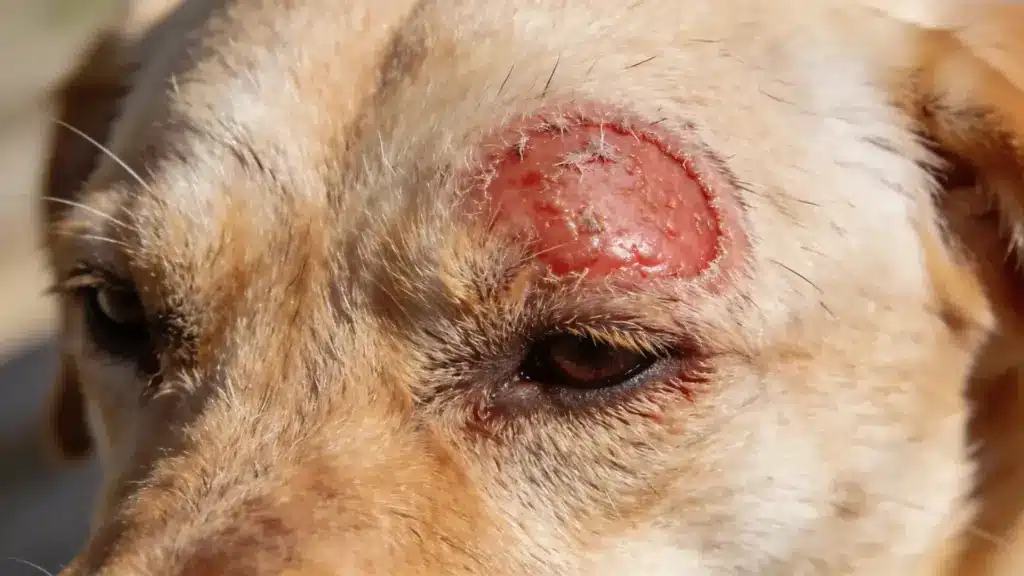
Ringworm in dogs usually appears as round or oval patches of hair loss with a clear center and slightly raised edges. Symptoms typically develop one to three weeks after initial exposure to the fungus.
The exposed skin may look pink or red and often has a dry, flaky surface . In some cases, the center of the lesion begins to heal while the outer edge continues to spread, creating a distinct ring shape.
- Some lesions may instead appear as dry, grey, or scaly patches without a clear ring, which can make visual identification more difficult.
- Small, raised, acne-like bumps called papules may also form around the affected area as the infection progresses.
- The appearance can vary depending on coat type and severity. In short-haired dogs, bald spots are easier to notice.
- In long-haired breeds, the infection may first show as dull fur or uneven thinning before clear patches form.
I have seen owners brush right through early ringworm patches in long-coated dogs because the hair looked slightly off, but there was no obvious bald spot yet.
By the time lesions were visible, the infection had already spread to two other areas. If your dog’s coat suddenly looks dull or uneven in a localized spot, that is worth a closer look
Commonly affected areas include the face, around the ears, the paws, and the tail, though lesions can appear anywhere on the body.
Common Symptoms of Ringworm in Dogs
Ringworm in dogs often begins with subtle skin changes that, without prompt attention, gradually become more visible and more difficult to contain.
- Hair Loss: Hair loss often starts as small areas of thinning fur. Over time, the hair may break off near the skin, leaving noticeable patches.
- Circular Bald Patches: Circular bald patches usually have clearly defined edges. These spots may slowly grow larger as the infection spreads across the skin.
- Redness: Redness may appear on the exposed skin surrounding the affected areas. The skin can look irritated or slightly inflamed as the fungus spreads.
- Scaly Skin: Scaly skin often creates a dry, flaky surface. These patches may feel rough and may shed small flakes when touched.
- Crusting: Crusting can develop around the edges of lesions as the condition progresses. The skin may form thicker, hardened areas where the infection has been present longer.
- Papules: Small, raised bumps resembling acne may appear around or within the affected area. These are more likely to develop as the infection progresses and the surrounding skin becomes more inflamed.
- Brittle Nails: Brittle nails can occur if the fungus reaches the nail beds. Nails may appear cracked, uneven, or weaker than normal.
- Itching: Itching is often mild compared to other skin problems. Some dogs show very little scratching, even when visible lesions are present.
How Veterinarians Diagnose Ringworm in Dogs?
Diagnosis begins with a thorough physical examination. A veterinarian checks the shape, size, and location of skin lesions and reviews the dog’s medical history.
Because ringworm in dogs can resemble allergies, mange, or bacterial infections, visual inspection alone is not enough to confirm the diagnosis.
Several diagnostic tools help identify the fungus. A Wood’s lamp uses ultraviolet light to detect certain strains that glow under examination, though not all species respond.
A fungal culture involves collecting hair or skin samples and allowing them to grow in a controlled environment, which provides reliable results but may take time.
PCR testing can detect fungal DNA more quickly and with high accuracy.
However, because PCR identifies fungal DNA rather than live organisms, a positive result after a course of treatment may reflect dead or inactive fungal material rather than an ongoing infection.
For this reason, fungal culture is generally the preferred method for confirming when treatment can safely be discontinued.
- Two consecutive negative fungal cultures are typically used as the benchmark for confirming that a dog is clear of active infection.
Your veterinarian will advise on how frequently to retest during treatment, with cultures often recommended every two to three weeks after starting therapy.
Accurate diagnosis ensures proper treatment and prevents unnecessary medications for conditions that only look similar on the surface.
Treatment Options for Ringworm in Dogs
Treatment for ringworm in dogs usually involves a combination of topical care and medication, depending on the severity of the infection.
Topical Antifungal Treatments
Topical treatment is commonly used for mild or localized cases of ringworm in dogs.
Veterinarians often recommend medicated shampoos that contain antifungal ingredients to reduce fungal spores on the skin and coat.
Antifungal shampoos are frequently paired with chlorhexidine as a disinfectant and are typically applied twice weekly.
Lime sulfur dips are another widely used topical option and are generally considered more effective than shampoo alone.
When it comes to medicated dog shampoos and what to use during treatment, your veterinarian is the best guide for choosing a product appropriate for your dog’s skin condition.
- These can be performed at a veterinary clinic or at home, though they can be messy and have a strong odor.
- These shampoos help control the spread of infection and lower the chance of environmental contamination.
In addition, specific antifungal creams or ointments containing miconazole, terbinafine, or clotrimazole may be applied directly to the affected patches and are suitable for localized areas of infection.
In some cases, a veterinarian may recommend clipping the fur around affected areas or, for more widespread infections, trimming the entire coat.
This helps topical products reach the skin more directly and reduces the number of spores shed into the surrounding environment.
However, shaving is generally avoided in dogs with very long coats, as it can create small skin injuries that increase vulnerability to further infection.
Regular bathing and proper application of topical products support healing and help prevent the fungus from spreading to other areas of the body.
Oral Antifungal Medications
Oral antifungal medications are usually prescribed for moderate-to-severe infections or when multiple areas of the body are affected.
These medications work from inside the body to eliminate the fungus more effectively than topical products alone. The most commonly used options include itraconazole and terbinafine, both of which are generally well tolerated.
Griseofulvin may also be used, but carries a slightly higher risk of side effects. Your veterinarian will select the most appropriate medication based on the severity of the infection and your dog’s overall health.
Veterinarians may choose this option when the infection is widespread or persistent. Treatment typically lasts at least 6 weeks, and in some cases, therapy is required for much longer, depending on the severity of the condition.
Even if visible lesions improve quickly, completing the full course of medication is important to fully clear the infection and reduce the chance of recurrence.
It is also worth knowing that in healthy adult dogs, ringworm can occasionally clear on its own without treatment.
However, the dog will remain contagious for a longer period, and the risk of spread to other pets and people in the household is significant. Veterinary treatment remains strongly recommended in most situations.
Can Ringworm in Dogs Be Prevented?
There is no vaccine against ringworm in dogs, and no routine preventive medication exists the way there is for fleas or heartworm. However, certain habits can meaningfully reduce the risk.
Keeping your dog away from animals with known or suspected skin infections is the most direct preventive measure.
If your dog visits groomers, boarding facilities, or dog parks, check that these environments maintain clean tools and disinfected surfaces between animals.
Grooming clippers in particular can cause tiny skin abrasions that make the skin more susceptible to fungal spores.
Maintaining your dog’s overall health through good nutrition, regular veterinary checkups, and prompt treatment of any skin injuries or conditions also reduces vulnerability to infection.
If a pet in your household has been diagnosed with ringworm, thorough environmental cleaning and isolation of the affected animal are the most effective tools for preventing spread to others.
How to Care for a Dog with Ringworm at Home?
Keeping the dog’s environment clean and limiting contact with shared items helps reduce the risk of reinfection while supporting faster recovery.
- Disinfect Surfaces: regularly, including floors, crates, and commonly touched areas, using a dilute bleach solution (one part bleach to ten parts water) or a veterinarian-recommended disinfectant such as accelerated hydrogen peroxide. Note that bleach is only effective on a clean surface, so remove visible dirt or debris before applying the disinfectant.
- Vacuum frequently: to remove loose hair and fungal spores from carpets, rugs, and furniture, and dispose of vacuum waste promptly. Disinfect the vacuum itself after each use to avoid redistributing spores back into the environment.
- Isolate The Infected Dog: in a separate area, if possible, to reduce contact with other pets. Aim to keep your dog quarantined for approximately six weeks while treatment is ongoing, even if visible symptoms appear to resolve earlier, as the dog can still be contagious.
- Clean Shared Items: such as grooming tools, toys, collars, and food bowls to prevent cross-contamination.
- Wash bedding in hot water: on a consistent schedule to eliminate lingering spores. Running bedding through the wash twice provides more reliable removal of fungal material.
- Maintain Hand Hygiene: by washing hands thoroughly after handling the dog or cleaning affected areas. In my practice, I always remind owners to wear disposable gloves during bathing and cleaning sessions. It is a simple step that significantly reduces the risk of picking up spores during the weeks of active treatment.
How Long Does Ringworm Last in Dogs?
Ringworm in dogs does not clear overnight. With proper treatment, most mild to moderate cases begin to improve within two to three weeks.
However, full recovery often takes six weeks or more , and in some cases even longer, especially if the infection is widespread.
Veterinary guidance generally recommends continuing treatment for a minimum of six weeks, even when visible lesions appear to have healed, to ensure the fungus has been fully eliminated.
Visible hair regrowth may take additional time after the fungus has been eliminated.
Several factors influence healing. Dogs with strong immune systems tend to recover more quickly. Puppies, senior dogs, or pets with underlying health issues may need extended treatment.
Early diagnosis and prompt therapy also shorten the overall duration, while delayed care can allow the infection to spread.
Although the timeline may seem lengthy, most cases of ringworm in dogs resolve completely with consistent treatment and proper home management.
When to Contact a Veterinarian for Ringworm in Dogs?
Not every skin issue is ringworm, which is why professional evaluation matters.
If bald patches continue to spread, redness worsens, or new lesions appear elsewhere, veterinary attention is necessary.
Worsening scaling, crusting, or nail changes also signal that the infection may be advancing. Persistent scratching can damage the skin barrier and lead to secondary bacterial infections.
Recognizing the signs of secondary skin infections in dogs helps owners act before complications develop alongside the fungal infection
- Any signs of oozing, increased swelling, or worsening odor around a lesion warrant prompt evaluation, as these may indicate a complication beyond the original fungal infection.
Immediate care is especially important if multiple pets in the household begin showing similar symptoms.
Rapid spread increases the risk of wider contamination and makes management more difficult.
Because ringworm in dogs can resemble other skin conditions, such as allergies or mites, proper testing ensures the correct treatment plan.
Prompt diagnosis helps limit transmission, shortens recovery time, and reduces discomfort for both pets and people in the home.
Conclusion
Ringworm in dogs is a common fungal infection that affects the skin, hair, and sometimes nails.
It often begins with small bald patches, mild redness, or flaky skin, and may spread through direct contact or contaminated objects.
Because it is contagious and can pass to humans, early recognition is essential. Prompt diagnosis through proper testing ensures the right treatment, which may include topical products, oral medication, and thorough home cleaning.
Recovery takes time, but most dogs heal fully with consistent care. Maintaining clean living spaces, washing bedding regularly, and following veterinary instructions closely reduces the risk of recurrence.
Staying alert to new skin changes helps protect other pets in the household as well.
Have you ever dealt with ringworm in dogs? Share your experience or questions in the comments below and join the conversation.