Rabbits often seem like small, low-maintenance pets, but one question surprises many owners early on: how long do they actually live?
The lifespan of rabbits can vary more than expected, and the difference often comes down to care, environment, and daily habits.
Some rabbits stay by your side for over a decade, while others have much shorter lives. That gap can feel confusing, especially for first-time owners trying to do everything right.
Understanding what truly affects a rabbit’s lifespan is not just helpful; it can completely change how that life unfolds.
From the type of rabbit to the way it is cared for each day, every detail matters more than most people realize.
Getting clear on this early can make a real difference in how long and how well a rabbit lives.
I have been practicing veterinary medicine in Minnesota for years, and rabbits are among the patients I feel most strongly about when it comes to owner education.
They are frequently underestimated. Getting clear on what shapes their lifespan early can make a real difference in how long and how well a rabbit lives.
What is the Average Lifespan of a Rabbit?
Rabbits come in over 60 recognized breeds, and their lifespan can vary depending on size, care, and living conditions.
The American Veterinary Medical Association notes that indoor rabbits with good care can live 5 to 15 years, depending on the breed and quality of care.
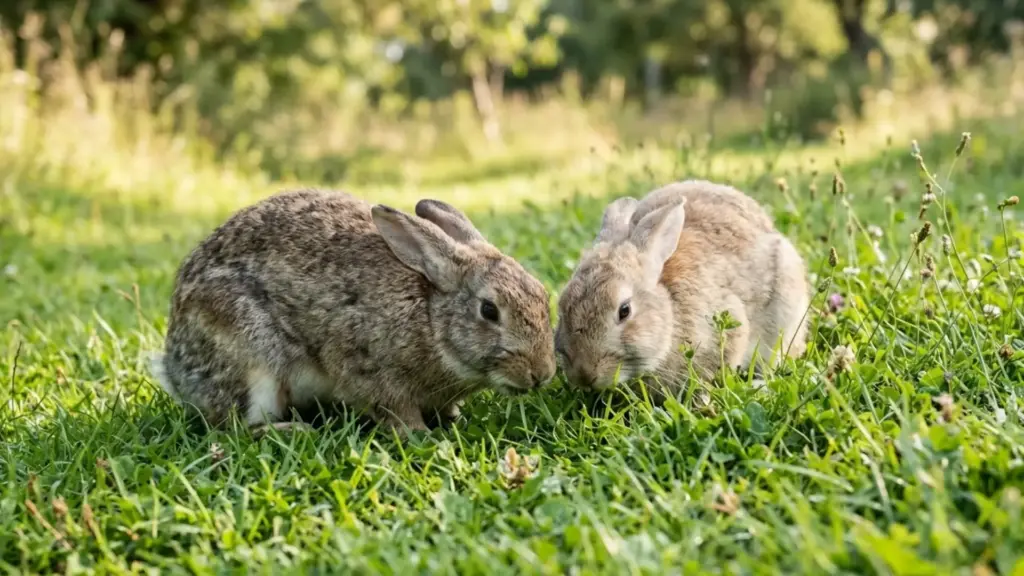
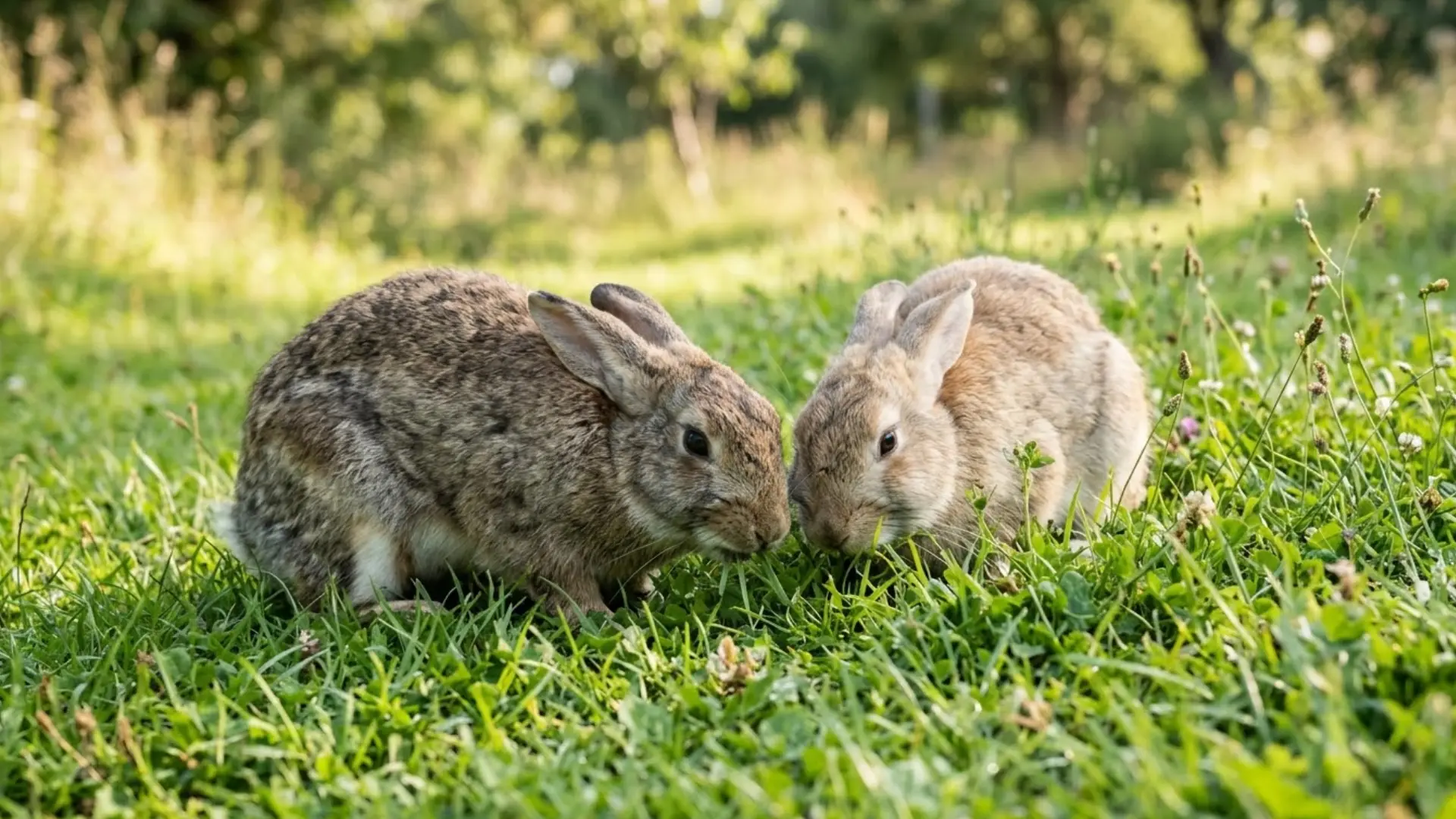
Wild rabbits usually survive only 1 to 3 years due to predators and environmental risks.
Smaller breeds often live longer than larger ones, which tend to have shorter lifespans. Proper care plays a major role in how long a rabbit lives.
A balanced diet rich in hay, a clean indoor environment, regular exercise, and routine veterinary care can significantly extend lifespan.
Many well-cared-for domestic rabbits even live beyond 12 years, with some reaching 14 years or more.
This shows that the lifespan of rabbits is not fixed and depends heavily on daily care, safety, and overall health management.
Lifespan of Rabbit by Breed
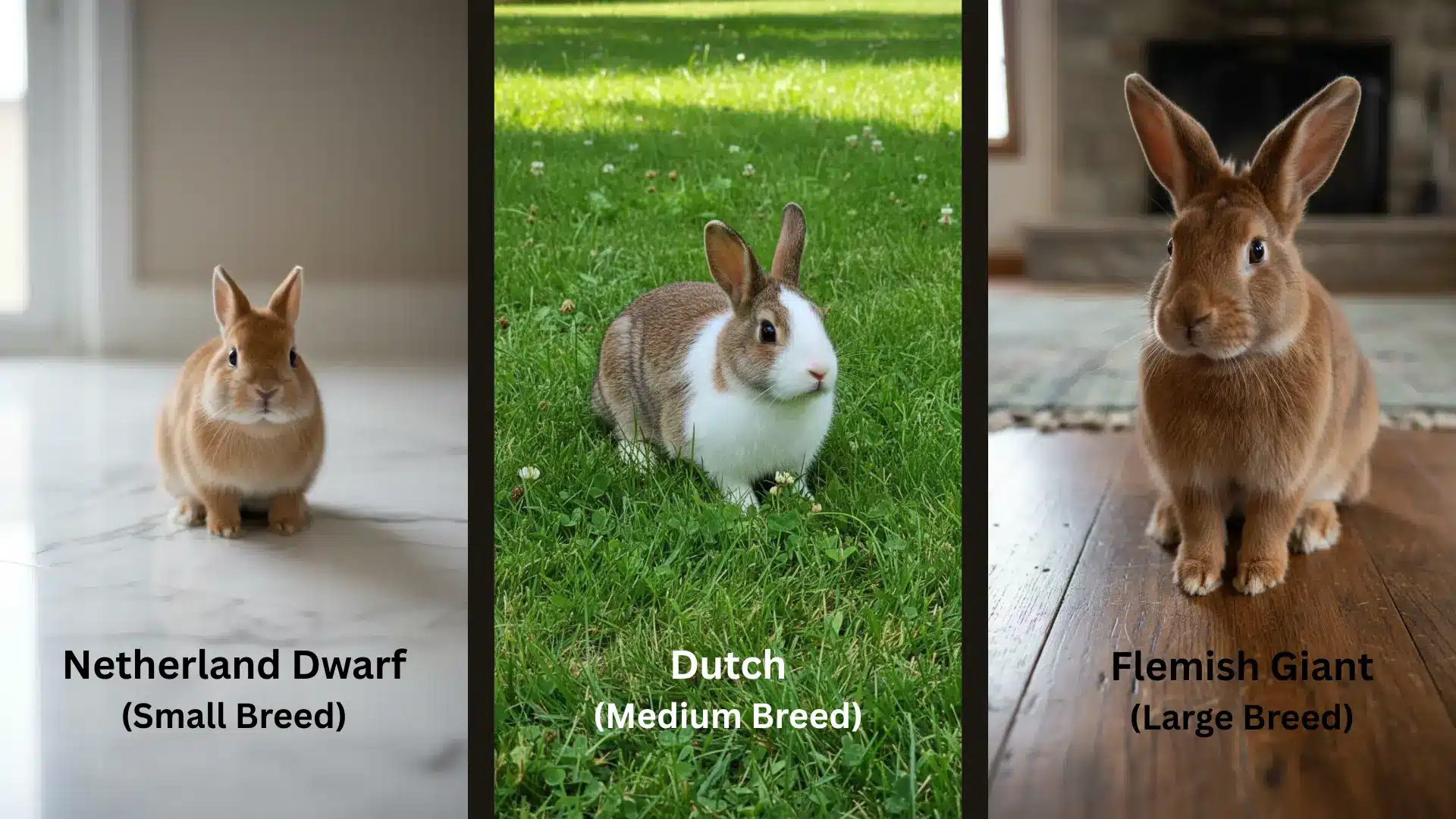
Breed can influence how long a rabbit lives, but it is not the only factor that matters. That said, size is closely linked to lifespan in rabbits, and this pattern is common across many animals, not just rabbits.
1. Small Breeds
Small rabbit breeds like Netherland Dwarf and Mini Lop are known for their longer lifespans.
The lifespan of rabbits is between 10 and 12 years, and in many cases, even longer with proper care. Their smaller size often means fewer strain-related health issues compared to larger breeds.
They are also easier to manage indoors, which adds to their safety and overall well-being.
A healthy diet, regular activity, and routine vet visits can help these small breeds live a full and active life well into their senior years.
2. Medium Breeds
Medium-sized rabbits, such as Dutch and Rex, fall in the middle when it comes to lifespan.
They usually live around 8 to 10 years. These breeds balance size and strength, but they still require consistent care to stay healthy.
The lifespan of rabbits depends heavily on diet, exercise, and living conditions. With proper attention, many medium breeds can reach the higher end of their lifespan range.
They are often considered a good choice for first-time owners because they are manageable in size and generally have stable health when well cared for.
3. Large Breeds
Large rabbit breeds like the Flemish Giant tend to have shorter lifespans, usually around 5 to 8 years.
If you are considering one of these gentle giants, learning about Continental Giant breed care can give you a clearer picture of what the commitment looks like day to day.
Their bigger size puts more pressure on joints and organs, which can lead to health issues over time. They also require more space and careful monitoring to stay comfortable.
While they may not live as long as smaller breeds, proper care can still make a big difference.
In my clinical experience, large breed rabbits are also more prone to spondylosis and mobility issues as they age.
Stages of a Rabbit’s Life Cycle
A rabbit’s life is divided into clear stages, and each stage comes with different needs, behaviors, and care requirements. From a fragile newborn to a slower senior phase, each stage plays an important role in a rabbit’s lifespan and quality of life.
1. Baby Stage (Birth to 3 Months):
Newborn rabbits are fully dependent on their mother and require warmth, proper feeding, and a safe environment.
During this stage, rapid growth happens, and early nutrition is critical for long-term health.
Alfalfa hay and an alfalfa-based fortified food are appropriate at this stage, as babies need the extra calcium and protein to support growth.
2. Young Stage (3 Months to 1 Year):
This is the phase where habits form, and proper diet, social interaction, and basic training should begin.
This is also the ideal window for spaying or neutering, typically between 3 and 6 months of age, before hormone-driven behaviors and cancer risks emerge.
For large breeds, the transition to adult food may happen earlier, around 9 months, so an exotic vet visit at that point is worthwhile.
3. Adult Stage (1 to 5 Years)
Rabbits reach full maturity and maintain steady energy levels. Consistent care, balanced nutrition, and regular health checks are essential to keep them healthy during this long stage.
I recommend a baseline blood panel by age 3. Kidney and liver changes can develop silently in middle-aged rabbits and are far easier to manage when caught early.
4. Senior Stage (5+ Years)
Rabbits start slowing down and may develop age-related health issues. Extra care, softer food options, and more frequent vet visits help maintain comfort and quality of life, increasing the lifespan of rabbits.
Senior rabbits benefit from twice-yearly checkups rather than annual ones. Arthritis, dental disease, and weight changes are the most common issues I monitor in this age group.
Small adjustments to flooring, ramp angles, and litter box height can also make a meaningful difference in daily comfort.
Why Pet Rabbits Live Longer than Wild Rabbits?
Pet rabbits live longer than wild rabbits mainly because they are protected from everyday risks and receive consistent care.
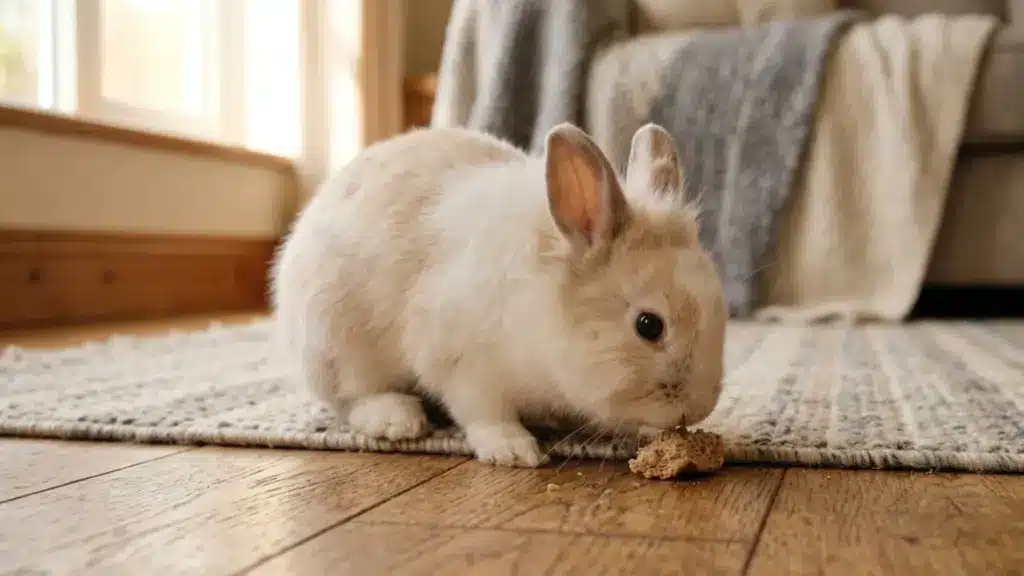
A domestic rabbit usually lives in a safe indoor environment where there are no predators, harsh weather, or food shortages.
Wild rabbits also face viral diseases like Rabbit Hemorrhagic Disease Virus (RHDV) and myxomatosis, which can devastate entire populations.
Owners provide a balanced diet that includes hay, fresh vegetables, and clean water, which supports better health over time.
Regular veterinary care also plays a major role, as health issues can be detected and treated early.
In contrast, wild rabbits face constant danger from predators, diseases, and environmental stress. Many do not survive beyond the first few years due to these threats, dampening the lifespan of rabbits.
They also struggle with limited food availability and no medical support.
Because of these differences, pet rabbits can live 8 to 12 years or more, while wild rabbits often live only 1 to 3 years on average.
Key Factors That Affect a Rabbit’s Lifespan
The lifespan of rabbits is not fixed; daily care, environment, and health management play a major role in how long a rabbit lives. Even small changes in routine can impact overall well-being over time.
- Diet and Nutrition: Fresh vegetables and limited pellets support balanced nutrition, while a poor diet can lead to serious health issues. Understanding how treats affect rabbit health is just as important, since the wrong snacks can quietly work against everything else you are doing right.
- Living Environment: Clean, safe, and stress-free surroundings reduce the risk of illness. Indoor rabbits often live longer due to protection from predators and extreme weather.
- Exercise and Activity: Daily movement keeps rabbits fit and prevents obesity. Rabbits need at least 2–4 hours of supervised exercise outside their enclosure each day.
- Veterinary Care: Regular checkups help detect problems early. One thing I tell every rabbit owner in my clinic: get a baseline blood panel done by age 3. Many conditions, including early kidney disease and liver changes, are silent until they’re not.
- Spaying or Neutering: This reduces the risk of certain cancers and behavioral issues, which can contribute to a longer lifespan.
- Mental Stimulation: Toys, interaction, and space to explore help reduce stress and boredom, supporting overall health. I’ve seen apparently “healthy” rabbits decline much faster than expected, and stress was the common thread.
Rabbit Lifespan Insights from Real Owners

Rabbit owners on Reddit consistently challenge the common 5–8 year lifespan often mentioned by pet stores.
Many users report the lifespan of rabbits well beyond that, especially with proper care.
A frequently shared range falls between 8 and 15 years, with several owners mentioning rabbits reaching 10–12 years or even 14+.
Breed plays a role, too; smaller or dwarf rabbits tend to live longer than larger breeds.
Care quality stands out as the biggest factor. Rabbits kept in spacious environments, fed a hay-rich diet, and given regular vet care tend to live significantly longer.
Poor care, outdated practices, and lack of awareness often shorten lifespan. Some users also point out that genetics and responsible breeding impact longevity.
Overall, real experiences suggest that with the right care, rabbits can live much longer than expected.
Common Health Issues That Can Shorten a Rabbit’s Lifespan
Rabbits are sensitive animals, and many health problems can develop quietly if not noticed early. Some conditions can quickly become serious and reduce the lifespan of rabbits if left untreated.
- Dental Problems: Rabbit teeth grow continuously, and without enough hay to wear them down, overgrowth can occur. This leads to pain, difficulty eating, and infections that can become severe if ignored.
- Gastrointestinal Stasis (GI Stasis): A dangerous condition where the digestive system slows or stops. It is often caused by poor diet, stress, or dehydration, and can become life-threatening within a short time.
- Obesity: Excess weight puts pressure on joints and organs. It also increases the risk of heart issues, reduced mobility, and digestive problems.
- Respiratory Infections: Rabbits can develop breathing issues due to bacteria, poor ventilation, or dusty environments. Symptoms like sneezing and nasal discharge should not be ignored.
- Parasites (Internal and External): Fleas, mites, and worms can weaken the immune system. Severe infestations may lead to skin issues, weight loss, and discomfort.
- Urinary Tract Issues: Calcium buildup and dehydration can cause bladder sludge or stones, leading to pain and difficulty urinating.
- Heat Stress: Rabbits cannot tolerate high temperatures well. Overheating can quickly become fatal if not managed properly, reducing the lifespan of rabbits. Rabbits are at serious risk in temperatures above 80 degrees Fahrenheit. They do not pant effectively and cannot sweat, so heat dissipation is limited.
- Reproductive Cancers: Unspayed females are at high risk of uterine cancer, especially as they age.
- Pododermatitis (Sore Hocks): This condition develops when rabbits are housed on wire or hard flooring without adequate cushioning. Providing thick yoga mats, rugs, or soft bedding in their living space is a simple fix.
How to Help Your Rabbit Live Longer?
Helping a rabbit live longer comes down to consistent care and attention to daily habits.
A proper diet is the foundation, with unlimited hay, fresh leafy greens, and clean water supporting digestion and dental health.
Keeping rabbits indoors in a safe, temperature-controlled space reduces exposure to predators, parasites, and extreme weather.
Regular exercise is also important, as it prevents obesity and keeps joints healthy.
Routine veterinary checkups allow early detection of issues like dental disease or infections.
Spaying or neutering is strongly recommended, especially for females, as it lowers the risk of reproductive cancers.
Clean living spaces reduce the chance of illness, while exploring rabbit enrichment on a budget can make mental stimulation easy to build into daily life without much effort.
Observing behavior daily helps catch small changes early. The long lifespan of rabbits is not luck but the result of steady care, proper nutrition, and a safe environment maintained over time.
Conclusion
Rabbits can live much longer than many people expect, but the lifespan of rabbits depends heavily on the level of care provided.
Pet rabbits often live longer because they live in safe environments with proper food and regular health support, while wild rabbits rarely live beyond a few years due to constant risks.
The biggest difference comes down to daily habits. A clean space, a hay-rich diet, regular movement, and early attention to health changes all play a major role over time.
Small, consistent efforts matter far more than occasional care. Understanding these basics helps set realistic expectations and improves a rabbit’s quality of life.
Rabbit ownership is a longer commitment than most people initially expect. Understanding what shapes rabbit life expectancy, by breed, environment, and health management, helps set realistic expectations and leads to better outcomes for both owner and pet.
Have tips that worked well for your rabbit? Add them in the comments section.
Frequently Asked Questions
What is The Oldest Recorded Rabbit Age?
The oldest rabbit on record was Flopsy, a wild-born rabbit raised as a domestic pet in Australia, who lived to 18 years and 10 months. As of 2019, the oldest living rabbit on record was Mick, an agouti rabbit from Illinois who reached 16 years.
What is The Average Lifespan Of European Rabbit?
The European rabbit typically lives 1 to 2 years in the wild due to predators and disease. In controlled environments, lifespan can extend up to 8 to 10 years.
What is The Average Lifespan Of Pygmy Rabbit?
The pygmy rabbit has a short lifespan, usually around 3 to 5 years. Small size, environmental threats, and limited adaptability contribute to a shorter life expectancy compared to domestic breeds.