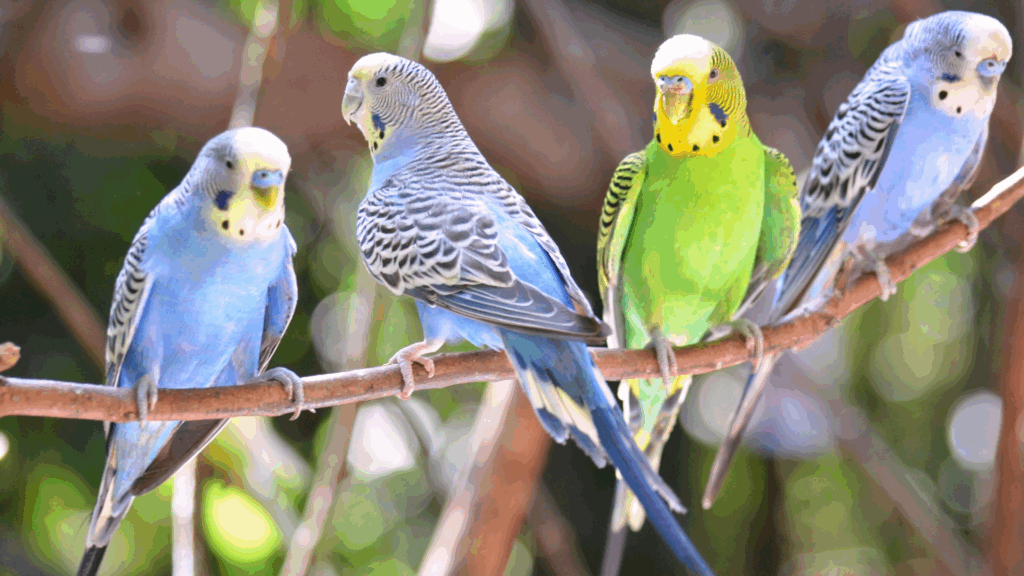
Parakeets are bright, playful, and full of personality. Their cheerful chirps and gentle nature make them one of the most loved pet birds.
But many new owners are surprised by how long these tiny birds can live. Knowing their average lifespan helps you care for them better and build a lasting bond.
In this guide, you’ll learn:
- How long parakeets usually live
- What affects their health and longevity
- Easy ways to help your bird live longer
By the end, you’ll have a clear picture of what to expect and how to keep your parakeet happy for years. Whether you already have one or plan to bring one home, this guide will help you start right.
What Is a Parakeet?
When I think of parakeets, I picture small, colorful birds full of energy and curiosity.
The word parakeet actually describes several small species of parrots, but the most common one you’ll meet as a pet is the budgerigar, or budgie for short.
These birds are social, smart, and often love to “chat” by mimicking simple words or sounds. I’ve noticed that parakeets enjoy being around people; they thrive on attention and playtime.
You’ll often find them chirping, climbing, or playing with toys when they’re happy.
Because of their bright feathers, playful nature, and small size, they’ve become one of the most popular pet birds in the world.
If you care for them with love and patience, parakeets can become friendly companions that fill your home with cheerful sounds every day.
How Long Do Parakeet Birds Live?

I’ve found that most parakeets live between 5 to 10 years with standard care. But if you want to give your bird the best chance at a long life, they can live as long as 15 to 20 years.
That’s a big difference, and it all depends on how well you care for them. The most important things are their diet, environment, and genetics.
You want to feed your parakeet a mix of seeds, fresh fruits, and vegetables every day.
Clean water and a cage that’s safe, spacious, and kept clean are also key. A quiet and comfortable space helps reduce stress, which is important for their health.
Genetics affects lifespan, too, but since you can’t control that, the best thing you can do is focus on providing great care. With the right attention, your parakeet can live a long, happy life.
Parakeet Lifespan in the Wild vs. Captivity
Parakeets live very different lives in the wild compared to life as pets. Here’s a quick look at how care, safety, and environment change their lifespan.
| Aspect | In the Wild | In Captivity (As Pets) |
|---|---|---|
| Average Lifespan | 2 to 6 years, depending on food availability and safety | 10 to 20 years, with proper care and environment |
| Food Supply | Unstable, parakeets must search daily for seeds and water | Steady diet with seeds, pellets, fruits, and vegetables |
| Predators | High risk from snakes, hawks, and larger birds | Safe indoors or in cages, protected from predators |
| Weather Conditions | Extreme heat, cold, or storms can shorten lifespan | Comfortable, temperature-controlled living space |
| Overall Longevity | Shorter due to natural challenges | Longer because of safety, steady care, and love |
How to Improve Your Parakeet’s Lifespan?
Keeping your parakeet healthy doesn’t have to be hard. Small, consistent steps make a big difference in how long and how well your bird lives. Here’s what I’ve learned that works best.
1. Keep the Cage Clean
I’ve noticed that a clean cage keeps parakeets happy and healthy. You should replace the cage liner daily and wash food and water dishes often. Dirt and waste can lead to infections that shorten your bird’s life.
I also clean the perches and toys weekly to prevent bacteria buildup.
When the cage smells fresh and looks neat, your parakeet feels more comfortable, active, and relaxed. A clean home equals a healthy bird with fewer health problems.
2. Give a Nutritious Diet
Your parakeet’s diet has a direct effect on how long it lives. I like to mix pellets, seeds, fruits, and vegetables to keep the diet balanced.
Too many seeds can cause weight gain, while too little variety can lead to poor nutrition. Fresh water is just as important, so I change it every day. Avoid feeding salty or sugary foods.
When you give your bird a healthy diet, you’ll see brighter feathers, more energy, and a stronger immune system.
3. Encourage Daily Exercise
Parakeets are built to move. I let mine out for daily exercise in a safe room, free from hazards. You can also add perches and swings inside the cage to keep your bird active.
Exercise helps prevent obesity and keeps the heart and lungs strong. Playtime is more than fun; it’s essential for their well-being.
When your parakeet gets enough movement, you’ll notice it’s more alert, cheerful, and easier to bond with.
4. Schedule Regular Vet Visits
Even if your parakeet looks fine, yearly vet visits are important. A vet can catch early signs of illness that you might miss. I’ve learned that quick checkups often prevent bigger problems later.
Ask your vet about diet, nail trimming, and signs of stress to watch for.
Keeping a record of your bird’s health can also help spot changes over time. Regular care gives your parakeet the best chance at a long, healthy life.
5. Provide Mental Stimulation and Social Time
Parakeets are social and smart, so mental stimulation keeps them happy. I spend time talking to mine, whistling, or playing with toys.
You can also add mirrors, bells, or foraging toys to their cage. If you’re away often, consider getting another parakeet for company. Boredom can lead to stress, feather plucking, or sadness.
Spending time with your bird each day builds trust and helps it live a happier, longer life.
How to Train a Parakeet?
Training a parakeet takes patience, kindness, and consistency. I’ve learned that positive interaction is the key to earning their trust. Start by sitting near the cage and speaking softly so your bird gets used to your voice.
Once it feels safe, begin hand-taming by offering treats on your finger. Move slowly and never force it to step up.
When your parakeet feels comfortable around you, try teaching simple words or sounds; they often mimic what they hear often.
Always train in a calm environment, free from loud noises or sudden movements. Keep sessions short, about 10 minutes, and end on a positive note.
Over time, your bird will respond better and feel more secure.
Training isn’t just about tricks; it’s about creating a bond that makes your parakeet feel safe, loved, and part of your daily life.
Signs of Aging in Parakeets

As parakeets grow older, their energy levels and appearance begin to change. Knowing what to look for helps you care for them with patience and understanding.
- Less Activity: Older parakeets may rest more and play less than before.
- Fading Feather Color: Bright feathers can become dull or patchy over time.
- Slower Movements: They might climb or fly less often and prefer to stay on their perch.
- Changes in Appetite: Eating habits can shift; some eat less, while others prefer softer foods.
- Weaker Grip: Their claws may not hold perches as tightly as before.
- More Sleeping: Extra naps are common as they age.
Caring for an older parakeet means keeping the cage warm, offering soft food, and giving gentle attention each day. Patience and love help them stay comfortable and happy.
Longest-Living Parakeet Records
A great way to see how good care helps is by looking at parakeets that lived unusually long lives.
The oldest parakeet on record, named Charlie, lived to the amazing age of 29 years, almost three times the average lifespan!
Charlie’s long life shows how much proper diet, a clean environment, and attention from loving owners really matter. Then there’s also Pretty Boy, a budgie from Australia who reached 26 years old.
Their caretakers gave them healthy food, social time, and a calm, stress-free home.
Stories like these prove that if you commit to giving your parakeet the right care, you could have a feathered friend with you for decades.
It’s a reminder that small daily efforts truly add up to a longer, healthier life for these vibrant little birds.
Conclusion
Caring for a parakeet is one of the most rewarding experiences I’ve had. These little birds bring life and energy into any home. Their lifespan may vary, but how long they live depends mostly on the care you give.
With good food, a clean space, and daily attention, your parakeet can live a full, healthy life.
I’ve learned that small acts of care make a big difference. Talk to your bird, spend time with it, and keep its routine steady.
Love and consistency help them feel safe and happy every day.
When you care for your parakeet with patience and affection, you’re not just extending its life; you’re giving it the best one possible. These birds may be small, but the bond you build lasts a lifetime