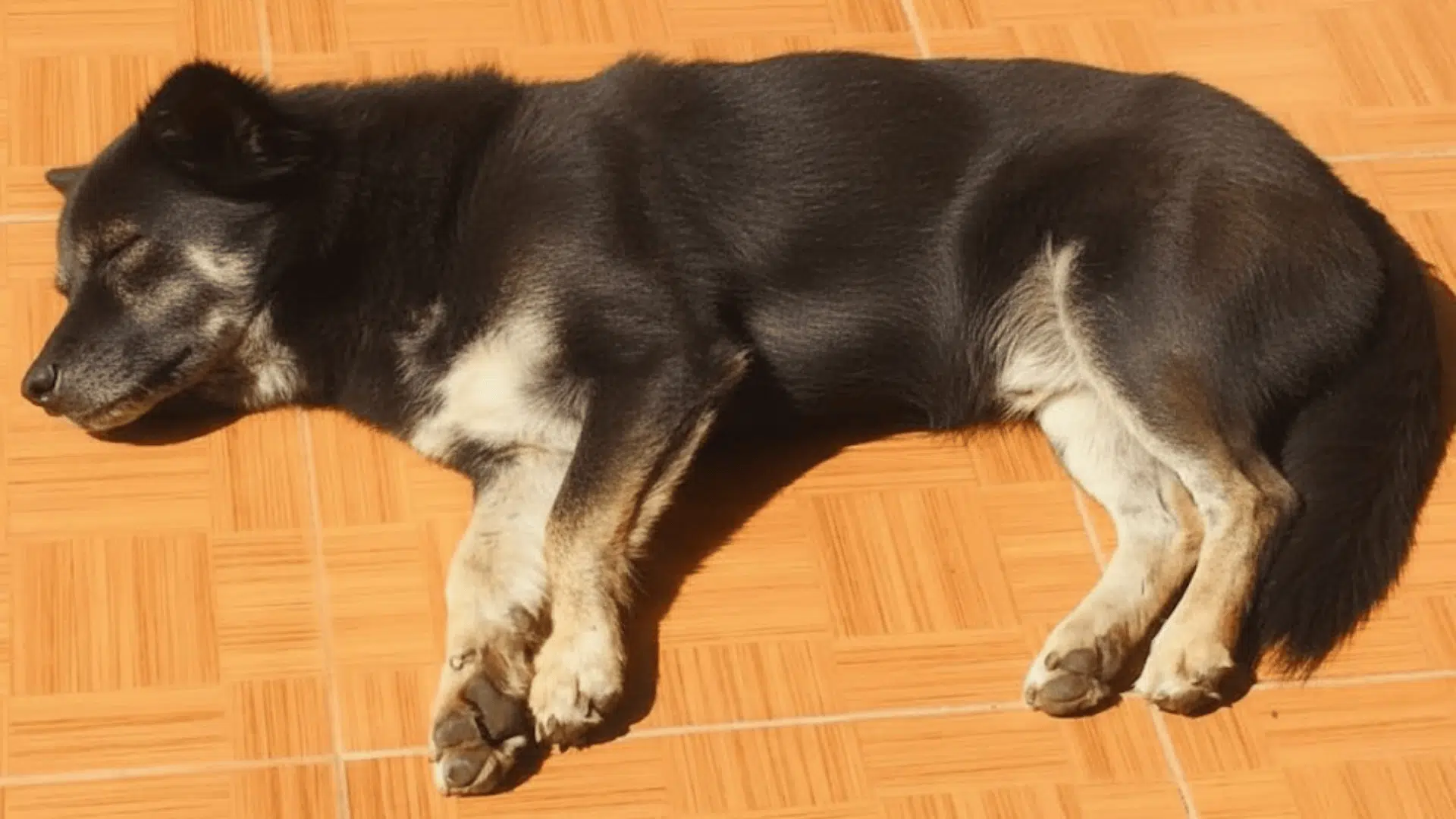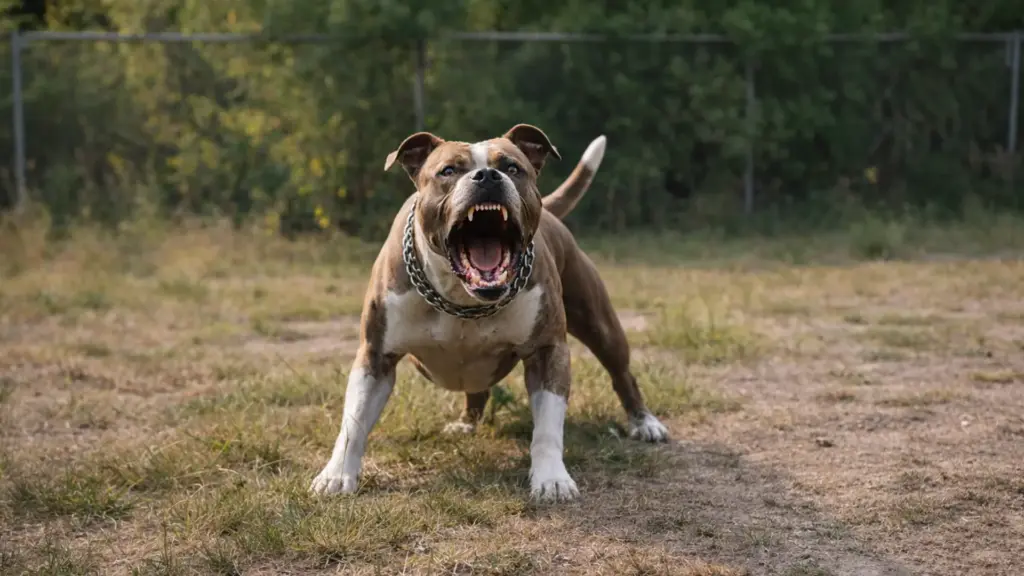
The phrase most aggressive dog breeds sparks strong reactions. For some, it brings fear. For others, it feels unfair and exaggerated.
Headlines, viral clips, and bite statistics can make it seem like certain dogs are simply wired to attack
But aggression in dogs is far more layered than that. It can stem from fear, pain, poor socialization, confusion, or even boredom.
There is more behind these labels than headlines suggest. Some breeds were developed for guarding or protection, which influences behavior, but that does not automatically make them unsafe.
In this guide, I’ll clarify what aggression in dogs actually means, the factors that influence it, and which breeds are often considered the most aggressive.
What Does “Aggressive” Really Mean in Dogs?
When people talk about aggressive dog breeds, the image is often a dog that intends to harm someone. In reality, aggression is a broad term that covers several different behaviors and reactions.
Many dogs show fear-based aggression, which happens when a dog feels scared, trapped, or threatened.
Another form is territorial aggression, where a dog reacts strongly while guarding its home or yard. Dogs may also display protective aggression when they believe a family member is in danger.
In some cases, aggression is linked to pain or injury. A dog that is hurt may snap or react defensively when touched.
Groups like the American Temperament Test Society evaluate breeds through structured behavioral testing.
Research from organizations such as the World Animal Foundation also provides data through dog bite statistics.
These findings often challenge common beliefs. Dogs that are labeled aggressive are often anxious, uncomfortable, or poorly socialized.
Factors That Influence Aggression in Dogs
Aggression in dogs rarely starts with breed alone. Every day experiences with various factors shape whether a dog grows confident and balanced or reactive and defensive.
- Poor Socialization: Limited exposure to new people, animals, and environments during early development can lead to fear-driven reactions later in life.
- Abuse or Neglect: Harsh punishment, isolation, or mistreatment often teaches dogs to respond defensively rather than trust calmly.
- Lack of Exercise: Unreleased physical energy and mental boredom can build frustration that shows up as lunging, biting, or destructive habits.
- Inconsistent Training: Mixed signals and changing rules create confusion, encouraging dogs to test limits with reactive behavior.
- Medical Issues: Undiagnosed pain (hips, ears, teeth) is a top hidden cause of sudden aggression.
- Owner Experience Level: Inexperienced or mismatched owners may unknowingly reward unwanted behavior, reinforcing aggression patterns.
Most Aggressive Dog Breeds
Some dog breeds are naturally more protective or reactive, so early training, proper socialization, and responsible ownership are important for safe behavior.
1. American Pit Bull Terrier
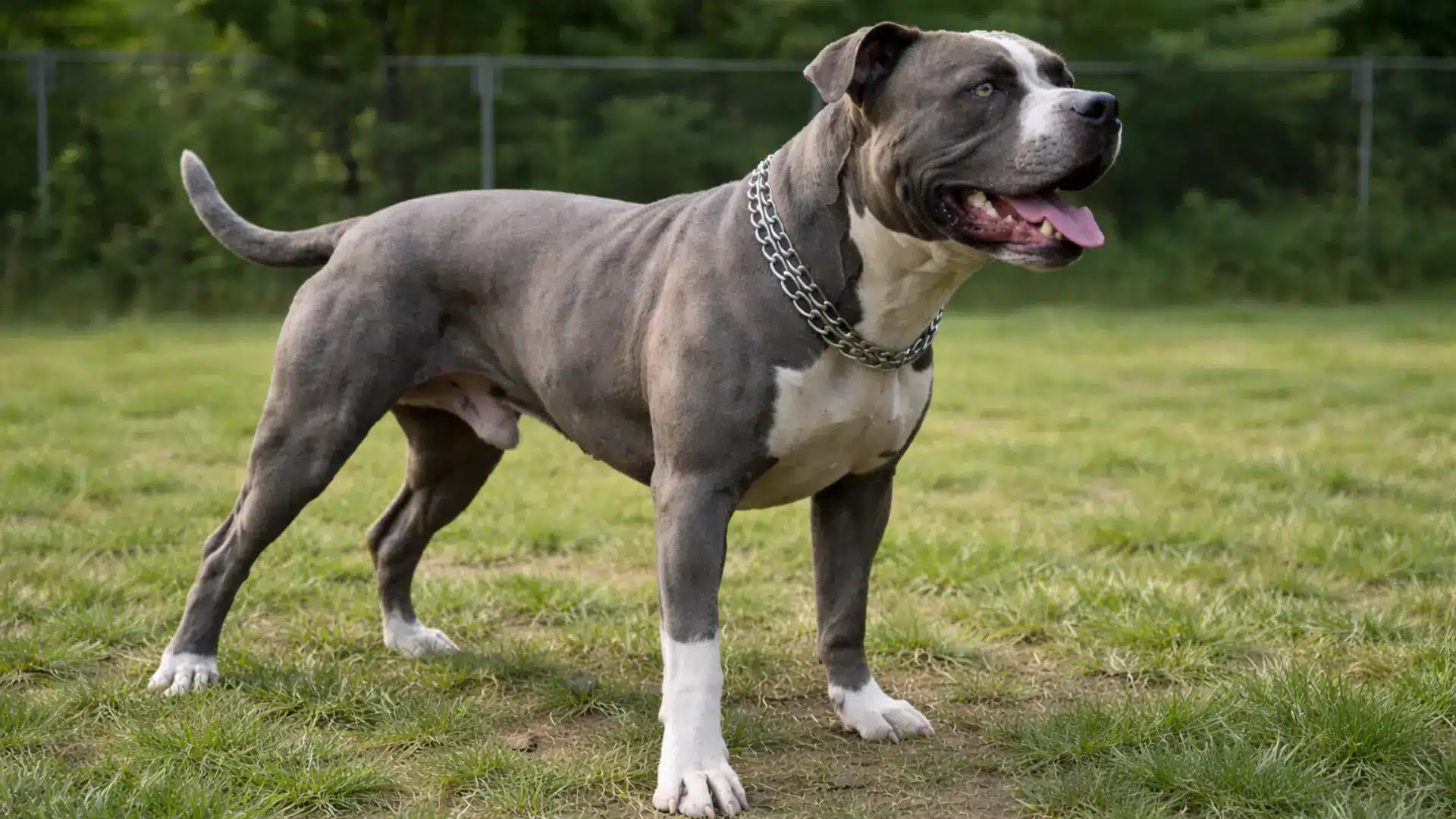
American Pit Bull Terriers lead in fatal dog attacks, accounting for about 66% of U.S. fatalities from 2005-2019, according to DogsBite.org data.
Originally bred for bull-baiting and dogfighting, their powerful jaws and high pain tolerance stem from selective breeding.
Their temperament can be loyal and affectionate with proper training, but they require experienced owners to manage potential aggression toward other dogs or strangers.
For safety, one should choose reputable breeders, start training early, and never leave them unsupervised. Proper exercise prevents frustration-related reactivity.
2. Rottweiler
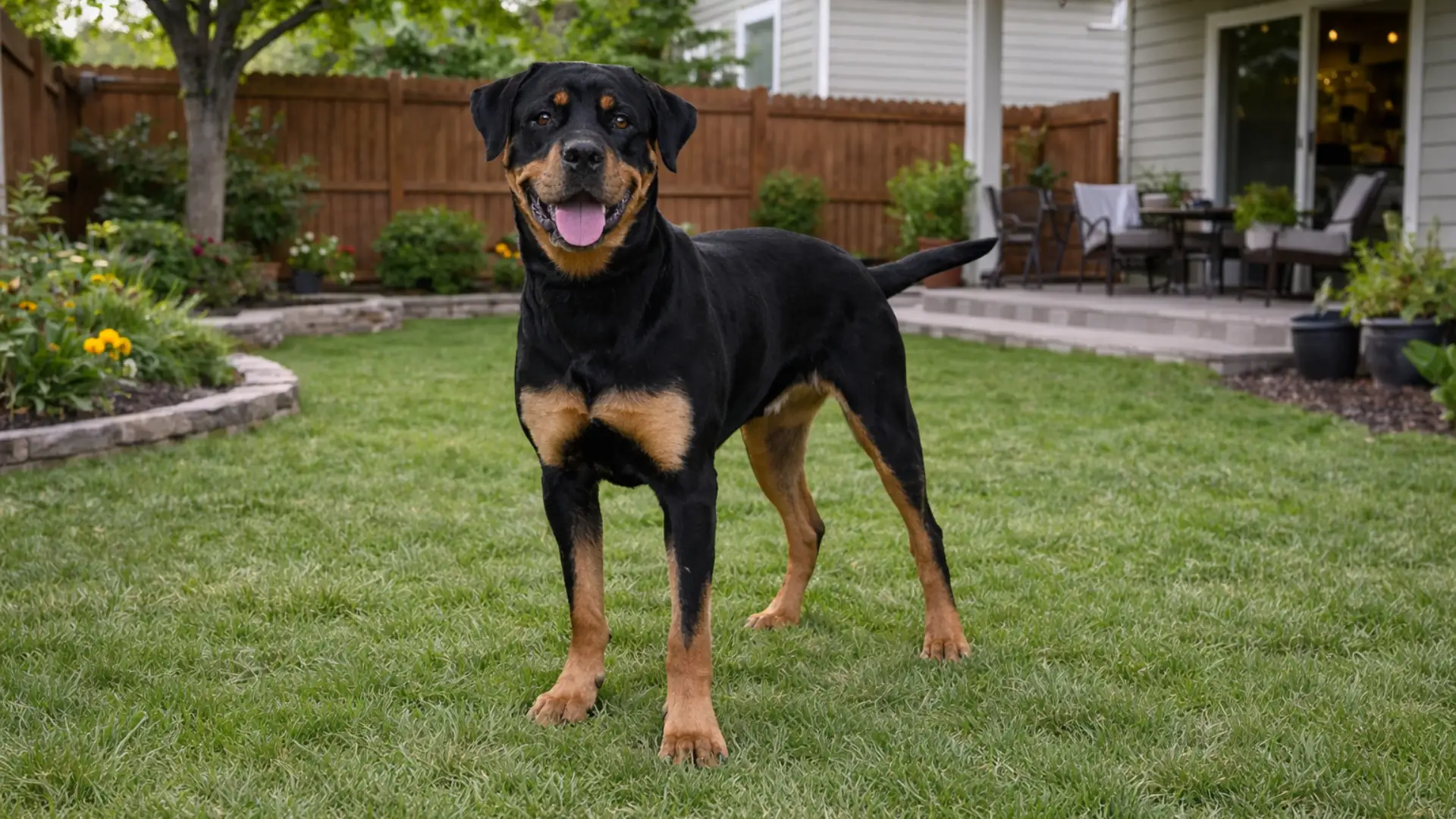
Bred as livestock guardians and later for police and military work, they have powerful builds and possess a natural protective drive.
They are confident protectors but may show aggression to threats without consistent training. They are loyal family companions when raised right, but not ideal for first-time owners.
Due to their historical role in herding cattle, fostering a strong work drive that needs outlets to prevent boredom-induced issues.
3. German Shepherd
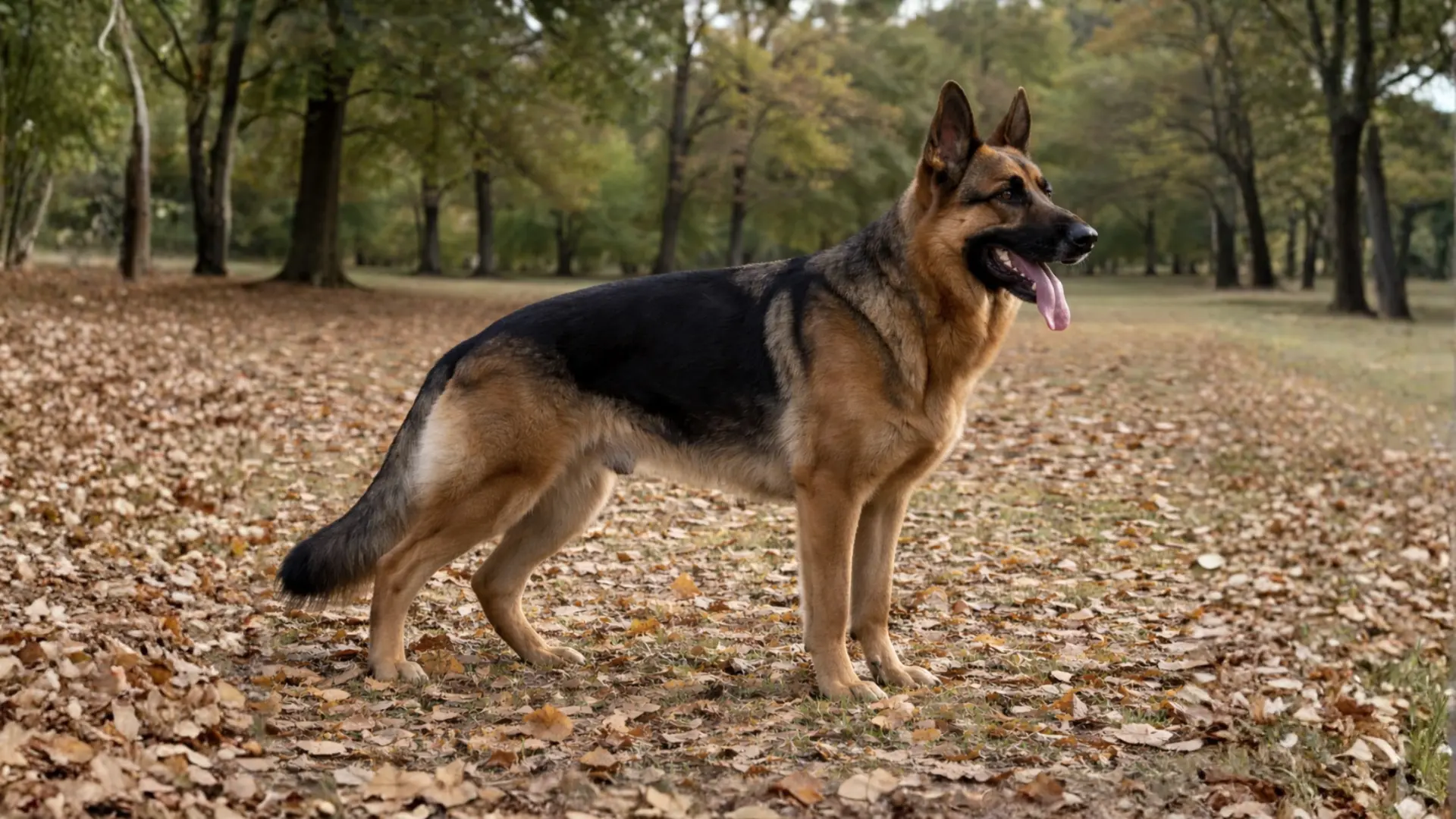
Originally used to control cattle and police work, this breed developed strong territorial instincts. Their powerful build and confident temperament require experienced handling.
Their attacks are mostly because of strong loyalty and alertness rather than unprovoked aggression.
They excel in obedience and service roles with proper outlets for energy. Due to their loyalty to family, they can be aggressive toward strangers if untrained.
4. American Bulldog
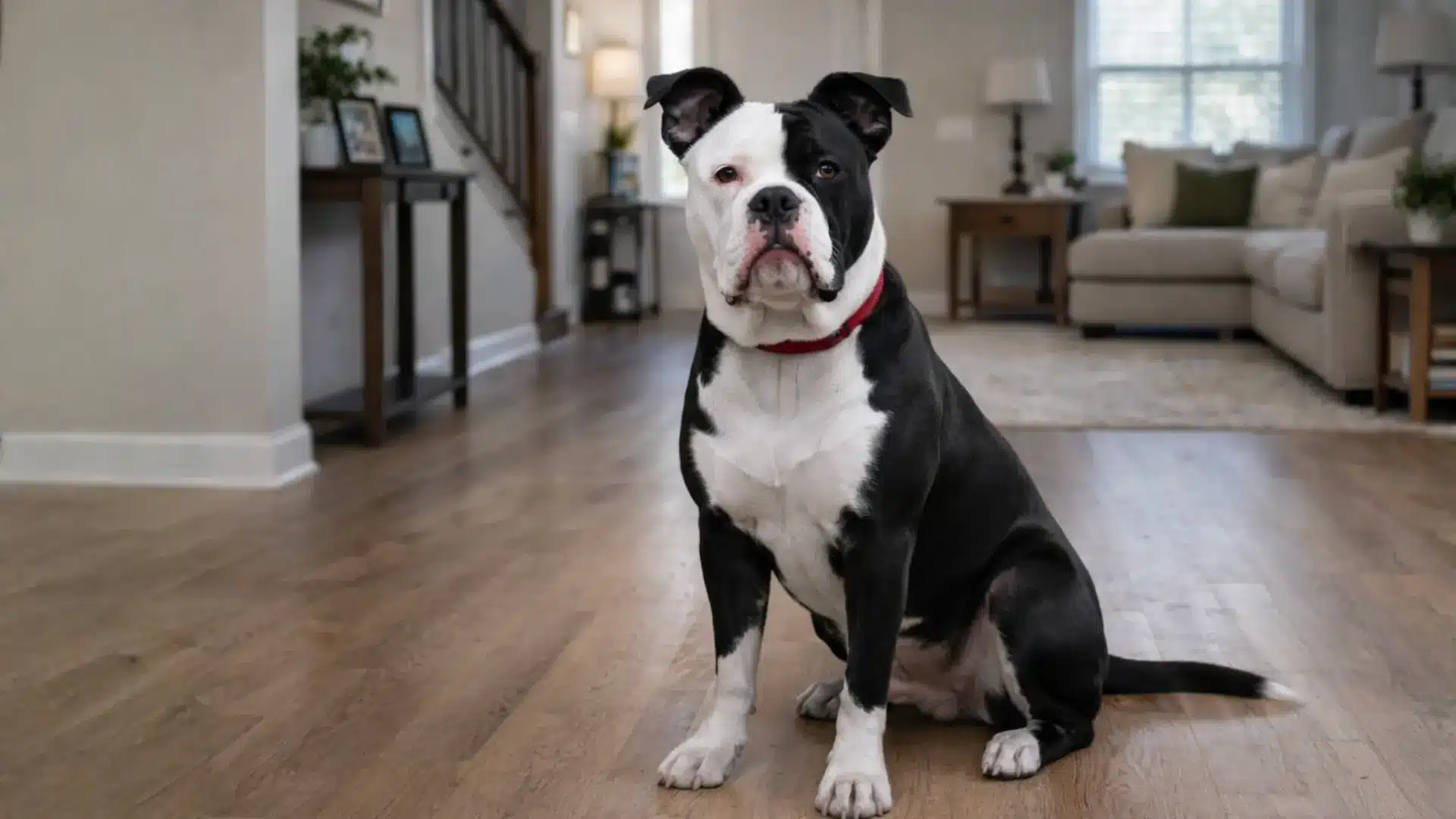
American Bulldogs were developed in the United States from working English Bulldogs for farm tasks such as catching livestock and guarding property.
Their muscular build, athletic ability, and strong determination make them powerful and confident companions, well-suited for tasks such as weight pulling.
They do best with active owners who provide regular exercise, positive training methods, and steady leadership to channel their energy in healthy, controlled ways.
5. Cane Corso
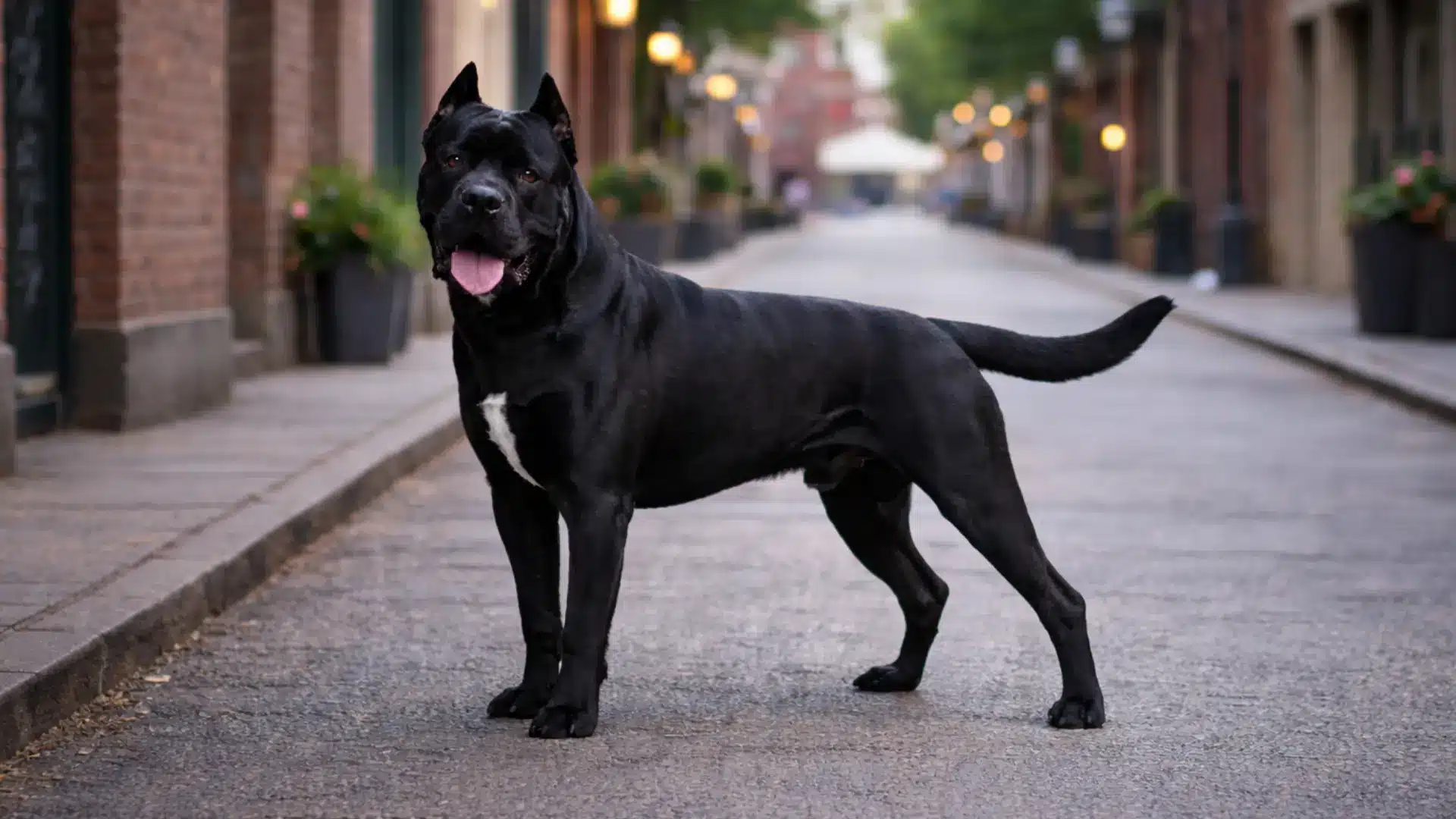
Cane Corsos were developed in Italy from ancient Roman Molossus dogs for estate guarding and big game hunting, which shaped their strong protective instincts and confident nature.
They are naturally territorial, quietly alert, and highly aware of their surroundings. While deeply loyal and affectionate with their families, they tend to be reserved and cautious around strangers.
Records in the United States have linked them to serious incidents, often tied to their protective responses.
6. Presa Canario
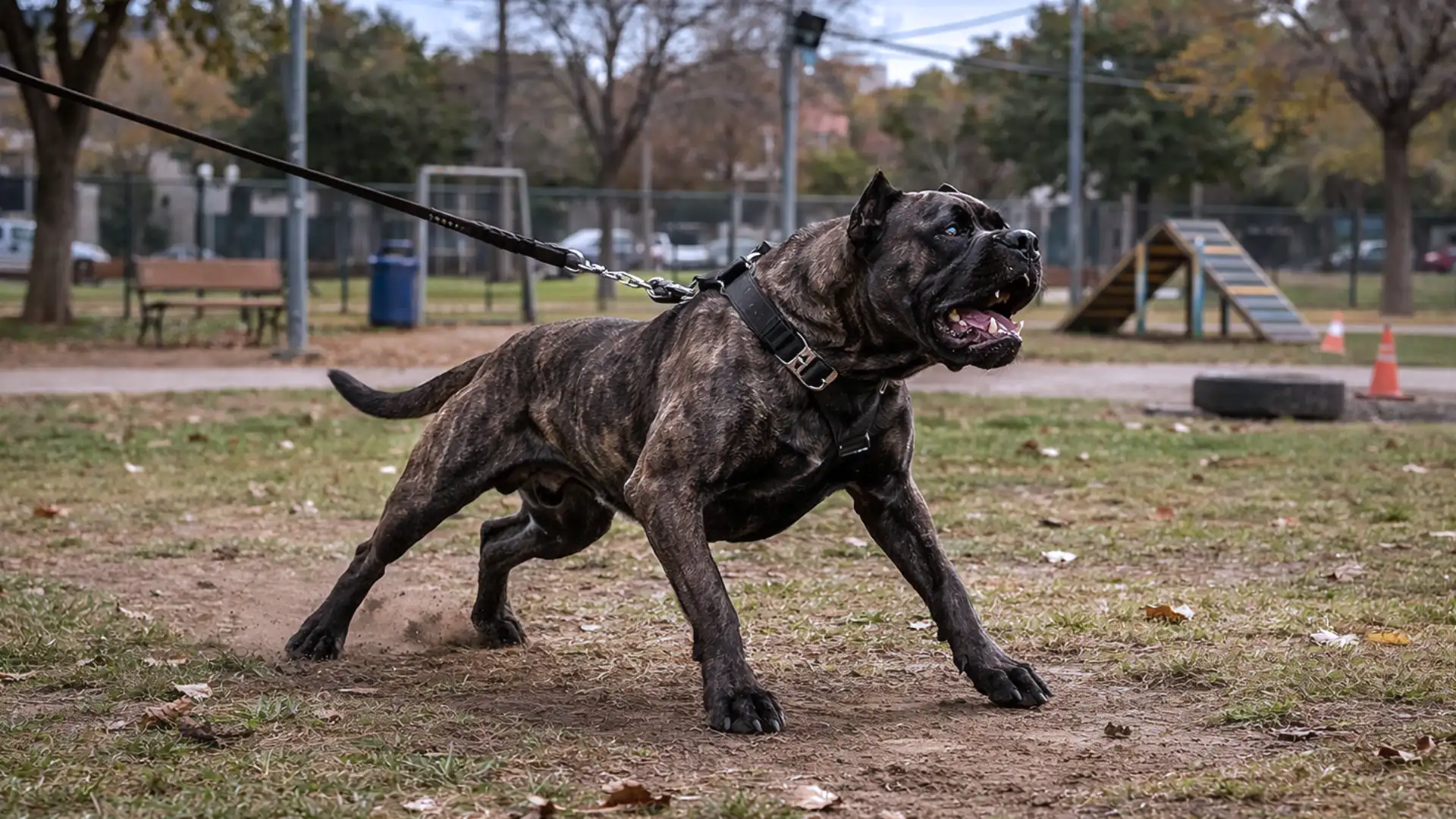
The Presa Canario is a powerful molosser breed developed in the Canary Islands for guarding and herding livestock.
Bred to control cattle and protect property, they have strong guarding temperaments, high prey drive, and an imposing build.
Without early socialization and structured training, territorial behavior can become excessive.
However, when raised with clear boundaries, positive guidance, and steady leadership, they form loyal bonds with their families.
7. Akita
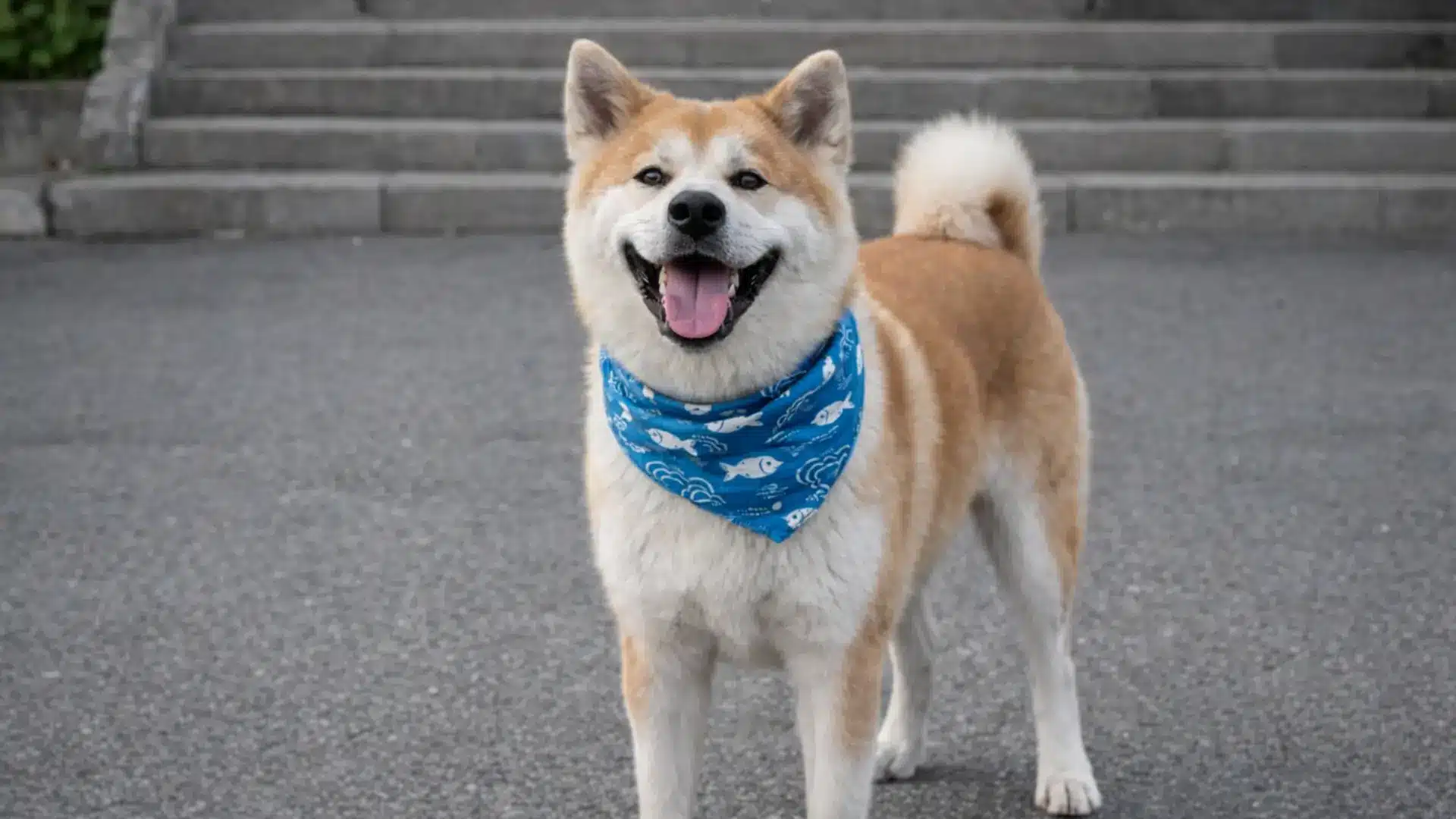
Originating from Japan as hunting and guarding dogs, Akitas are large, independent, and deeply loyal to their family.
They often rank high in aggression lists because they are wary of strangers and protective of their space, and their bites can sometimes cause serious injury.
They are not ideal for first-time owners or homes with other pets. They need calm, consistent guidance, enough space, and careful introductions to visitors for a peaceful home.
8. Doberman Pinscher
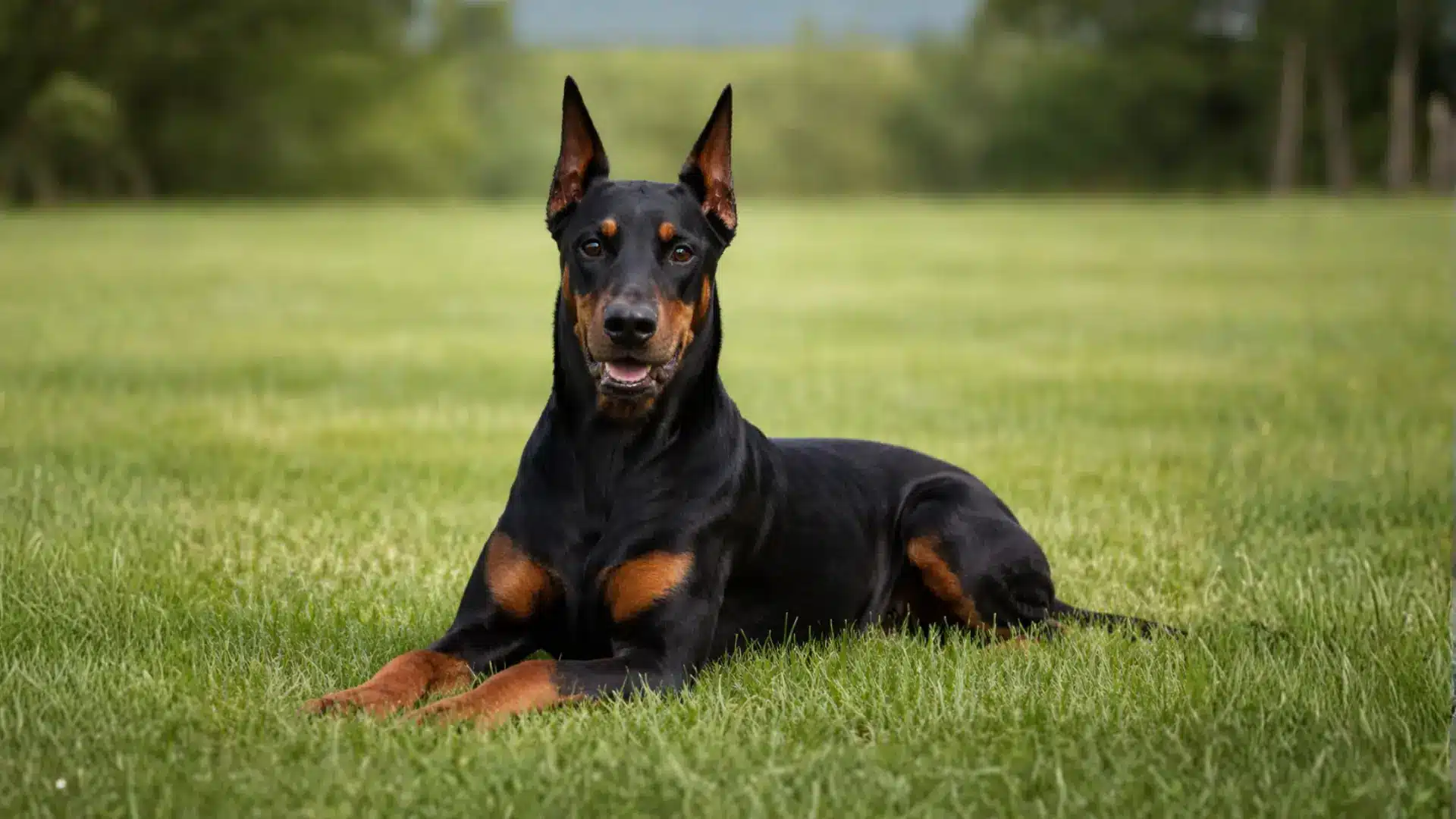
Created in the 1800s in Germany for personal protection, Dobermans combine intelligence, speed, and fearlessness, and rank in bite data for their protective nature, with some fatal cases.
Lack of mental stimulation or poor breeding amplifies reactivity. They may aggress toward perceived threats without training.
With positive training methods, they become affectionate, obedient family members. Safety-focused owners should enroll in puppy classes early and provide daily jobs or agility work.
9. Chow Chow
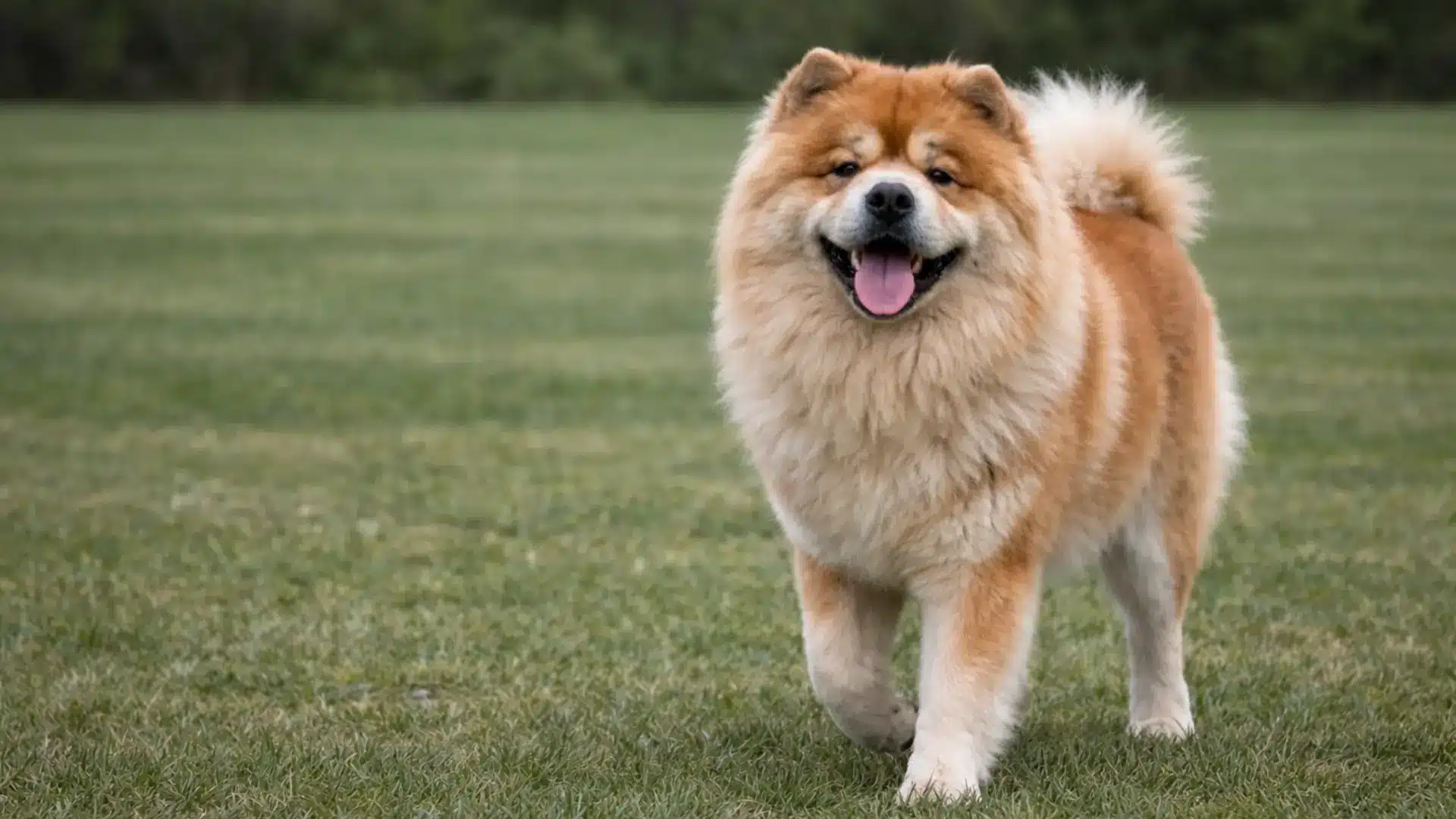
Chow Chows are an ancient Chinese breed originally used for guarding and hunting, which explains their strong territorial instincts and reserved personality.
Their aloof nature comes from generations of selective breeding for independence and self-reliance. They can cause serious injury if not properly trained and socialized.
Physically, they are known for their lion-like mane and distinctive blue-black tongue. Chow Chows usually bond deeply with one person and do best in calm homes with experienced owners.
10. Wolf Hybrid
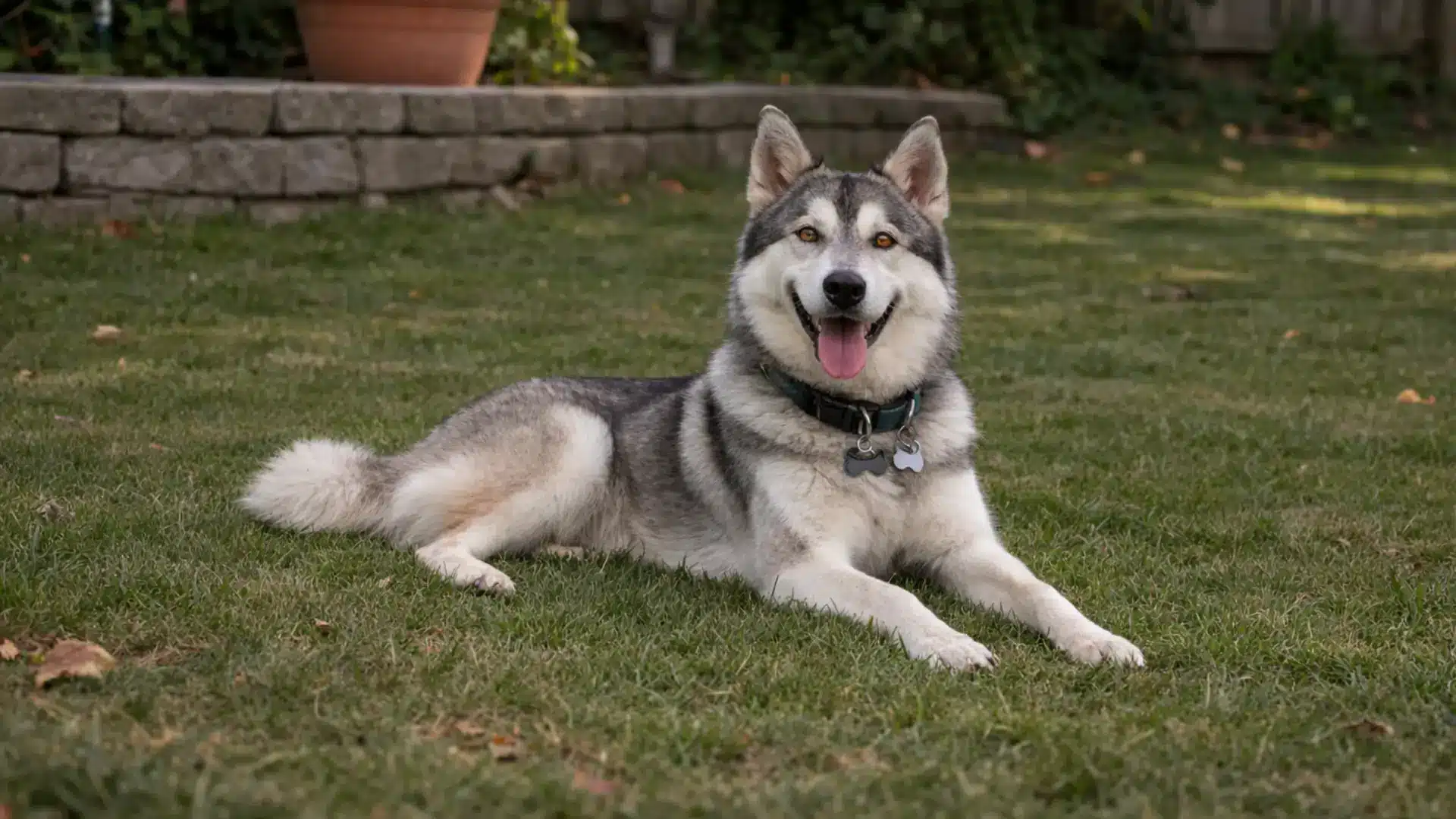
Wolf hybrids are created by crossing domestic dogs with wolves, resulting in animals that carry strong wild instincts alongside canine traits.
Their behavior can be highly unpredictable, shaped by intense prey drive, territorial responses, and deep pack loyalty. They may bond closely with one household yet remain wary or defensive toward strangers and other animals.
Their natural instincts often include digging, roaming, and howling. Fatal incidents have been recorded over the years, and ownership is restricted or regulated in many areas.
11. Siberian Husky
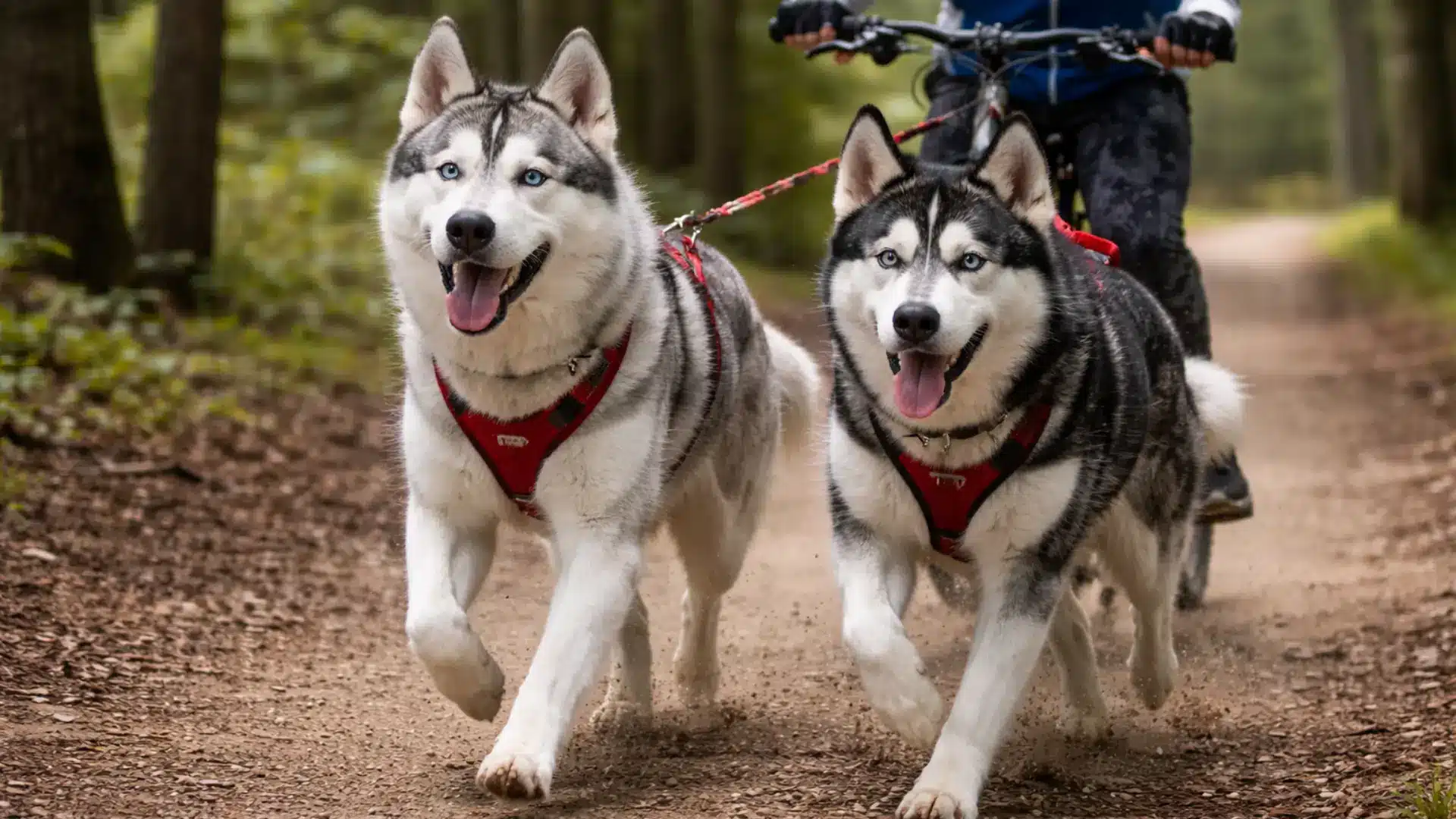
Siberian Huskies were bred by the Chukchi people to pull sleds across long Arctic distances, which shaped their strong pack instincts, independence, and high energy levels.
They are typically friendly and playful, but their strong prey drive can lead to chasing small animals if not properly managed.
Huskies need secure fencing, daily long runs, and steady training to stay balanced. Without enough physical and mental activity, they may become restless or reactive.
12. Dalmatian
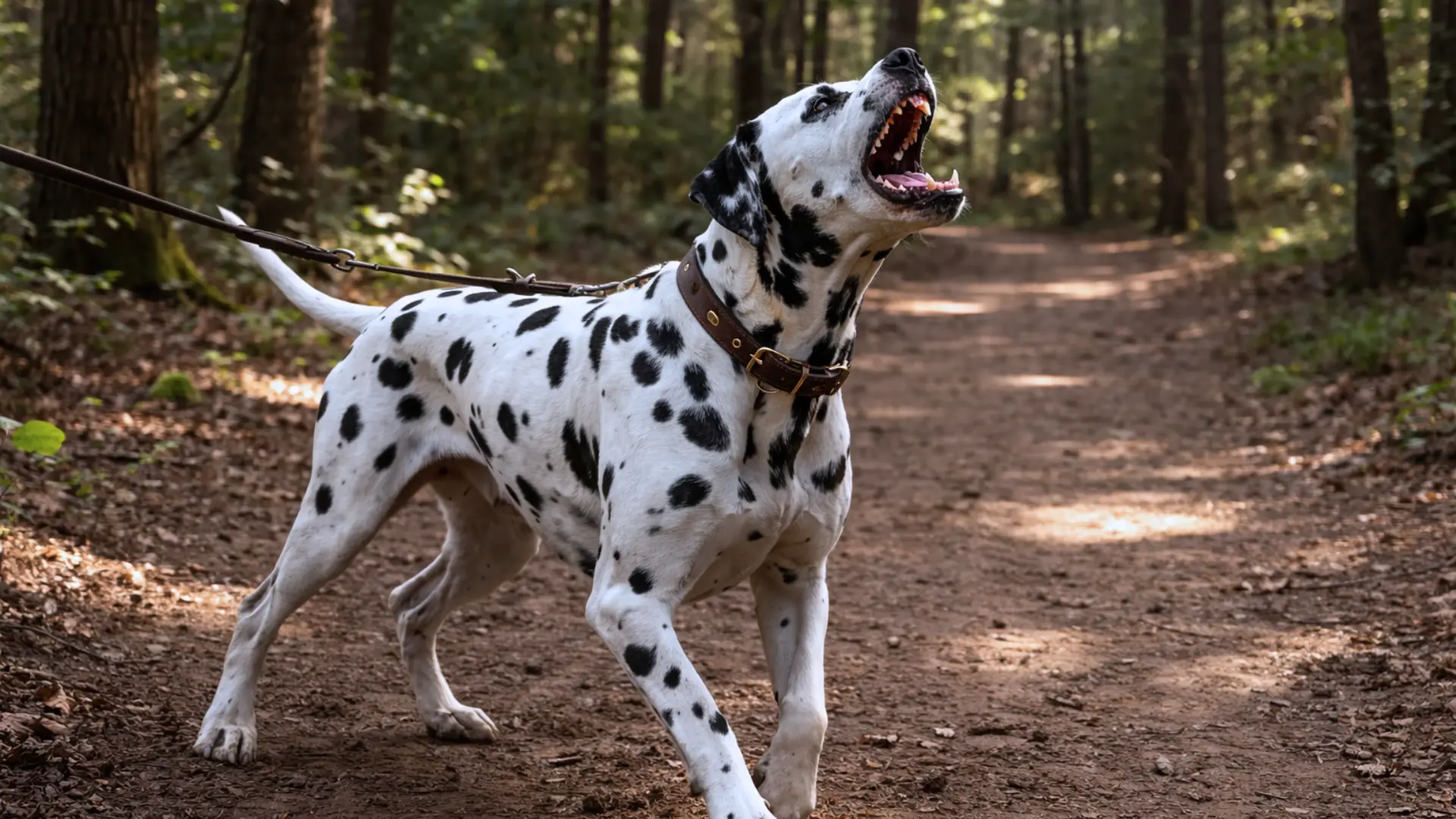
Dalmatians were originally developed as carriage dogs, hunters, and guards, which shaped their high stamina, sharp alertness, and strong defensive nature.
They are energetic and playful with their families but can become reactive if overstimulated or bored. Some may show territorial behavior or quick defensive responses if they sense a threat.
Because certain lines are prone to deafness, training may require visual cues and extra patience. With regular exercise, early socialization, and consistent guidance, Dalmatians can remain balanced, loyal companions.
13. Boxer
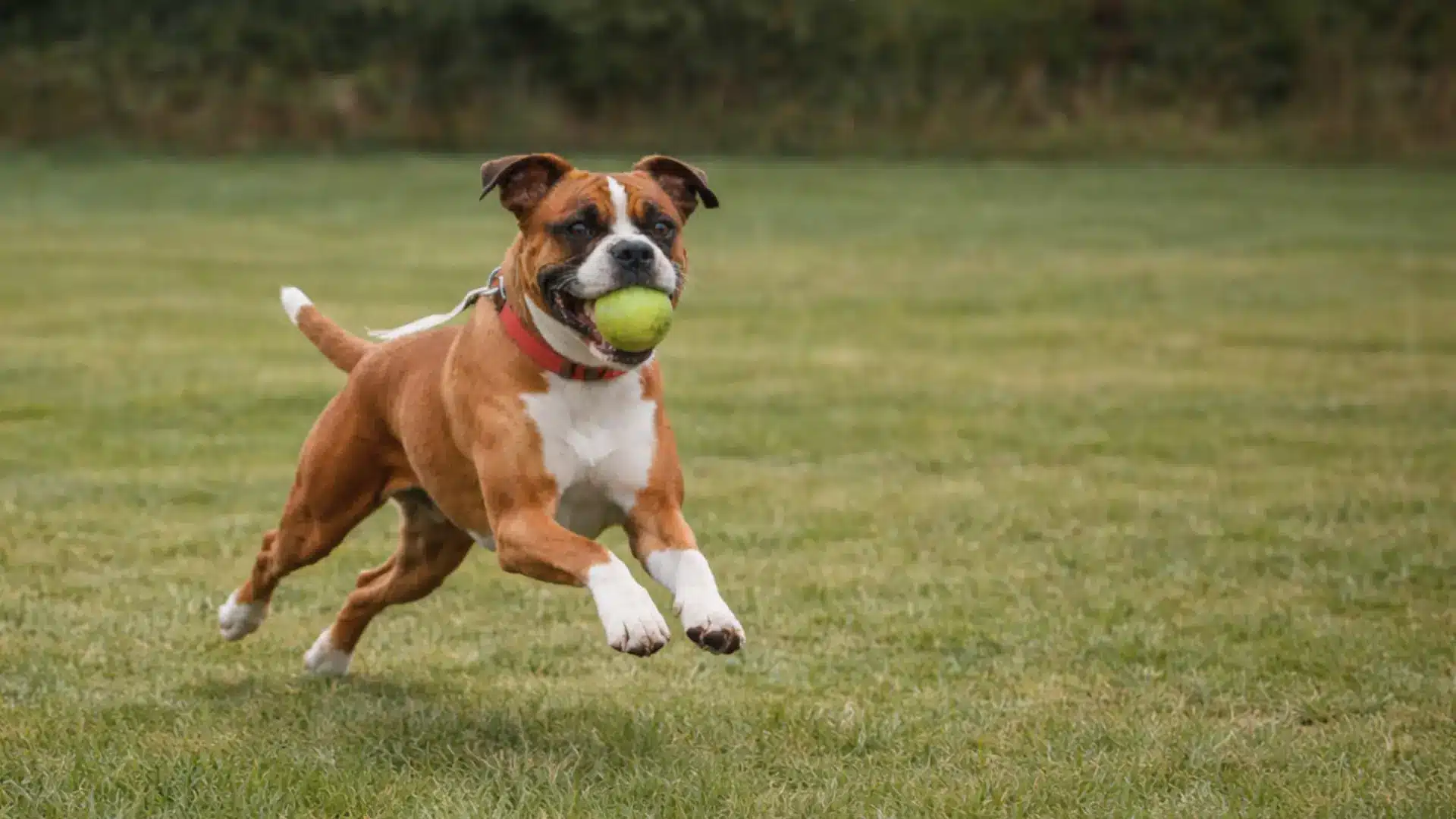
Boxers were developed in Germany from hunting and guarding ancestors, which shaped their strong protective instincts and high energy levels.
They are loyal and affectionate with their families, but can become reactive or defensive around strangers if not properly trained.
Their playful, excitable nature sometimes shifts quickly into protective behavior, especially when they sense a threat. Without enough exercise, their energy may turn into restlessness.
With consistent guidance and active engagement, Boxers can grow into balanced, devoted companions.
Aggressive Small Dog Breeds Most People Ignore
Small dog breeds don’t come to mind when one thinks of most aggressive dog breeds, but they often top temperament aggression studies, showing higher rates of bites despite their size.
14. Chihuahua
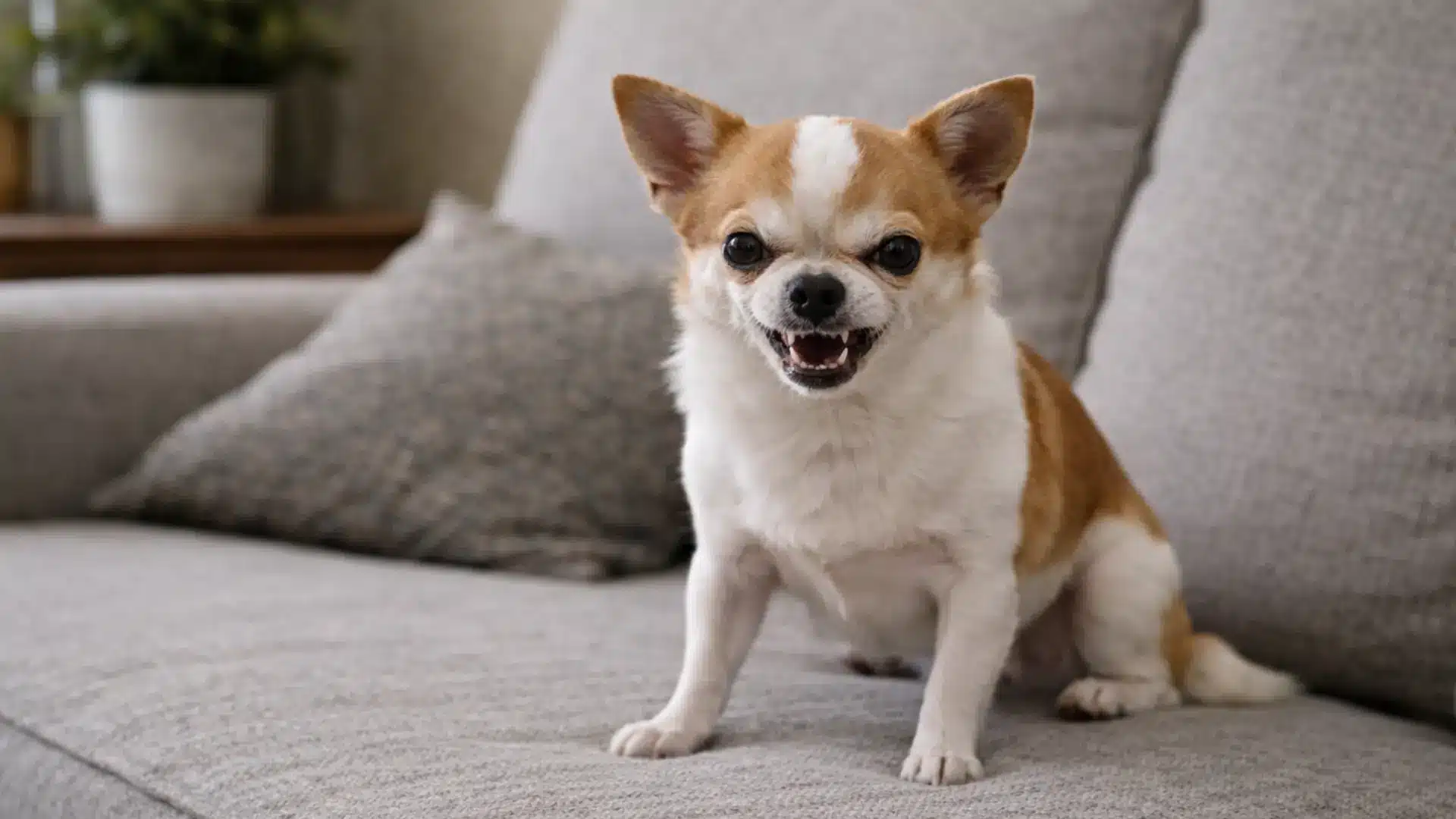
Chihuahuas often rank high in aggression surveys, especially for snapping at strangers, owners, and other dogs. Much of this behavior stems from fear and insecurity rather than dominance.
Because of their tiny size, they may feel easily threatened and react defensively if handled roughly or picked up without warning.
With early positive exposure, gentle guidance, and consistent rules, Chihuahuas can build confidence and become loyal, affectionate companions instead of reactive or defensive pets.
15. Dachshund
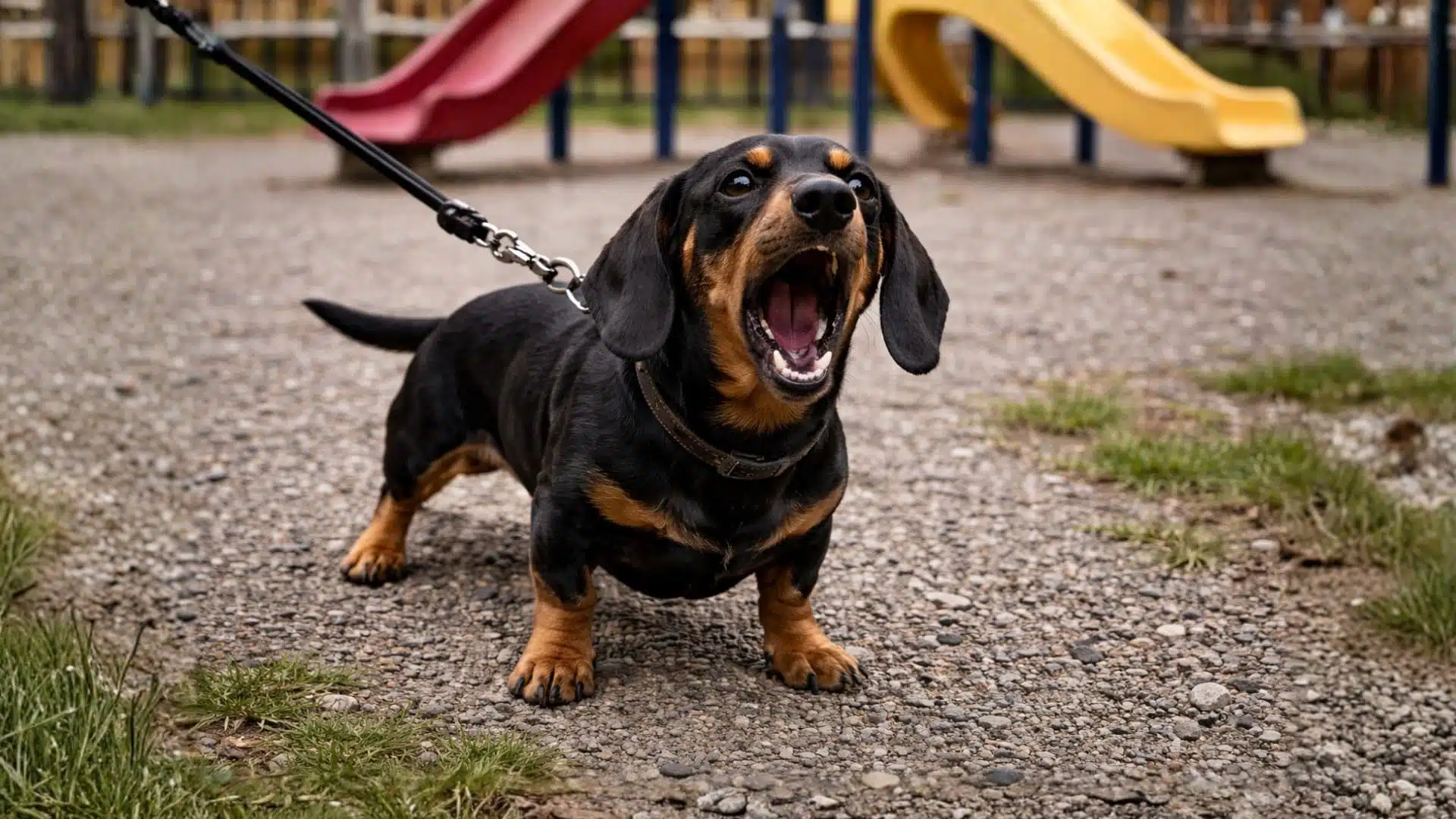
Dachshunds were originally bred in Germany to hunt badgers and other burrowing prey, which shaped their bold, determined temperament.
They rank highest in some studies for aggression, including bites to family and strangers.
Much of this behavior is linked to fear or feeling physically vulnerable due to their small stature and long bodies.
They may react quickly if startled, handled roughly, or approached without warning. With clear boundaries and mental stimulation, Dachshunds can become loyal, playful companions.
16. Jack Russell Terrier
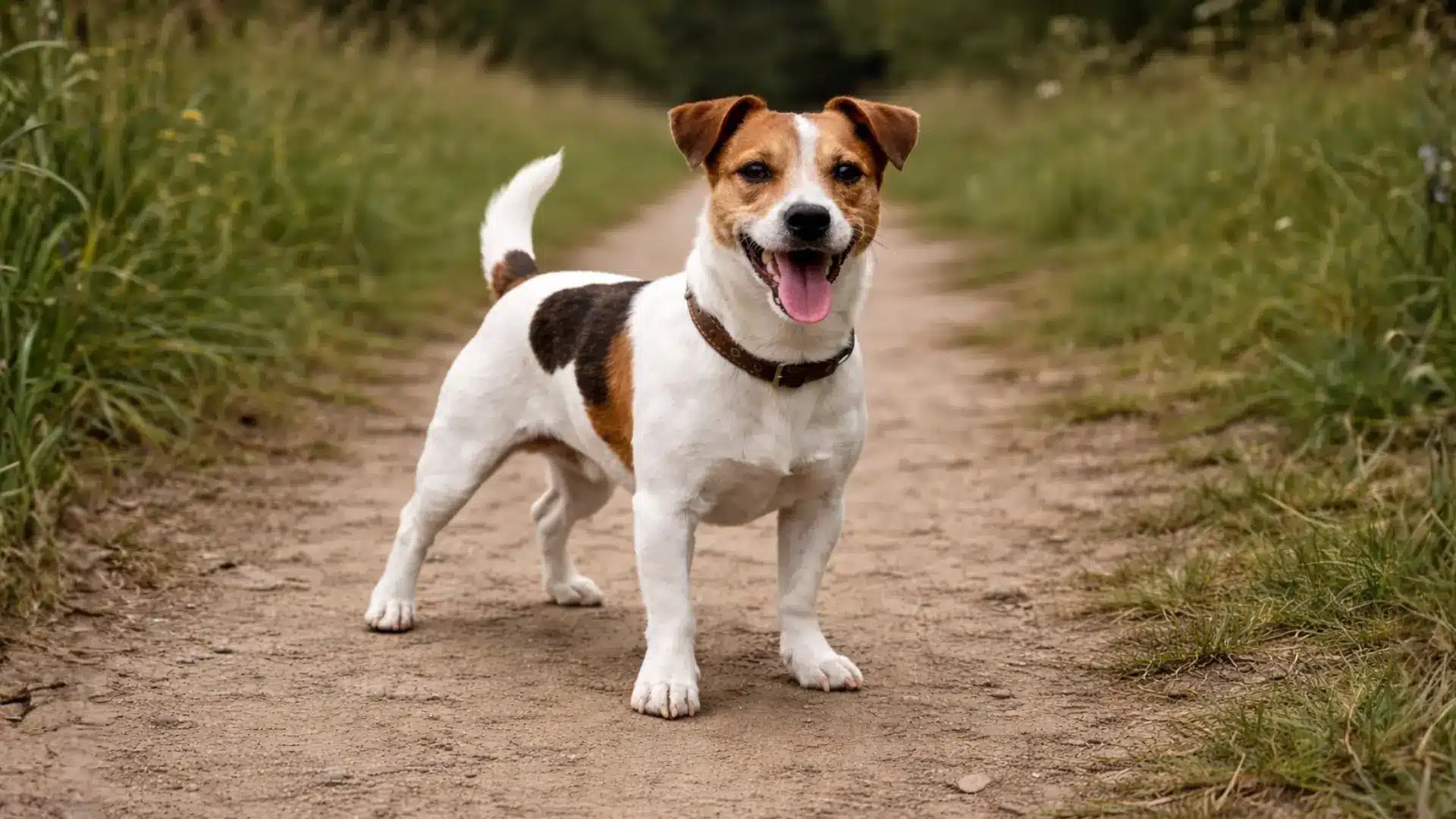
Jack Russell Terriers were bred in England to hunt foxes and small vermin, which explains their intense prey drive, quick reactions, and fearless nature.
Owner experiences often rank them high for dog aggression and frequent nipping, especially when bored or overstimulated.
Their sharp intelligence and constant energy mean they need daily physical exercise and mental challenges. Without proper outlets, they may become reactive toward children or other pets.
With structure and activity, their lively spirit becomes a strength rather than a problem.
17. Cocker Spaniel
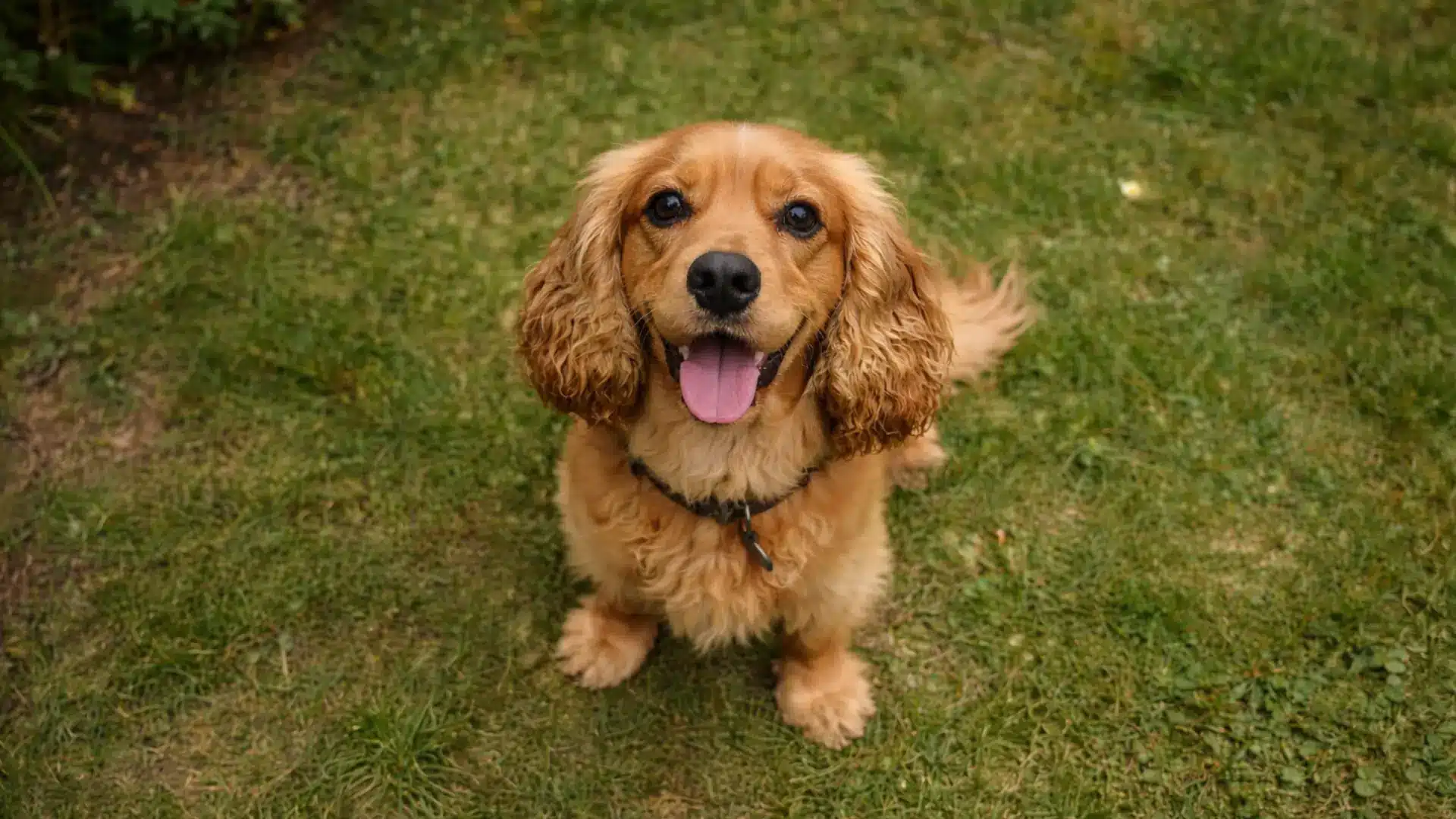
Cocker Spaniels were originally bred in Spain as bird-hunting dogs, valued for flushing game from thick brush.
While they are often affectionate and cheerful, some bloodlines have been linked to a condition known as rage syndrome, which involves sudden, unprovoked aggression
This issue, first noted in the 1970s, has been associated with certain solid colored lines. They may also show resource guarding over food or toys and can react defensively if poorly socialized.
Ongoing health problems, such as painful ear infections, may affect behavior.
How to Reduce Aggression in High-Risk Dog Breeds?
Most aggressive dog breeds like Pit Bulls, Rottweilers, and similar powerful dogs can thrive as loving companions with proper management.
Aggression often stems from fear, lack of socialization, or poor training rather than breed alone. Responsible ownership makes a big difference.
Start with early and ongoing socialization. Expose puppies to people, animals, and environments in positive ways to build confidence and reduce fear-based reactions.
Use positive reinforcement training. Reward good behavior with treats and praise while avoiding harsh methods that can increase aggression.
Provide regular exercise and mental stimulation, but avoid over-exercising. Establish clear boundaries, neuter/spay if appropriate, and supervise interactions closely.
If signs of aggression, such as growling and stiffening, appear, consult a professional trainer or veterinary behaviorist immediately.
Myths About the Most Aggressive Dog Breeds
Aggression in dogs is shaped more by environment, training, and individual experiences than by breed alone, challenging common assumptions about the most aggressive dog breeds.
| Myth | Fact |
|---|---|
| Pit Bulls are naturally aggressive and dangerous. | Aggression relates to upbringing, not breed genetics alone. |
| Small dogs pose no aggression risk. | Small breeds often show aggression, but cause minor injuries. |
| Aggression means a dog is born vicious. | Aggression usually stems from fear, stress, or pain. |
| Bite statistics prove certain breeds are the most aggressive dogs. | Statistics reflect reporting bias, population size, and misidentification. |
| High PSI automatically means high attack risk. | Breeds like Kangals have high PSI but are not attack prone by default. |
| Aggressive dogs are always unsafe and unpredictable. | Many improve with behavior training and professional guidance. |
Should You Own One of the Most Aggressive Dogs?
Owning powerful dog breeds requires experience, proper training, and a responsible environment.
These dogs suit people who understand large breeds and can manage their strength and energy.
Daily training and regular physical and mental exercise are necessary to keep them balanced.
Owners should also be prepared for the cost of professional training and possible liability insurance, as some policies charge extra for certain breeds.
A securely fenced yard, about six feet high with no gaps, helps prevent escapes and provides a safe outdoor area. Homes with very young children may not always be suitable due to the dog’s size and energy.
These breeds should not be chosen for intimidation or as guard dogs. Poor handling or misuse can lead to behavior problems, legal issues, and avoidable incidents.
Conclusion
At the end of the day, the label most aggressive dog breeds says more about human perception than it does about dogs themselves.
Aggression in dogs is rarely black-and-white. A powerful breed is not automatically dangerous, just as a small dog is not automatically harmless.
Owning any dog is a serious responsibility. It requires patience, consistency, and self-awareness about what you can realistically handle.
The right environment can bring out stability and loyalty, while the wrong one can create stress and reactivity.
If you’re considering one of these breeds, take time to evaluate your lifestyle and experience level.
And if you’ve had experience with a so-called “aggressive” breed, share your story in the comments to help others make informed decisions.