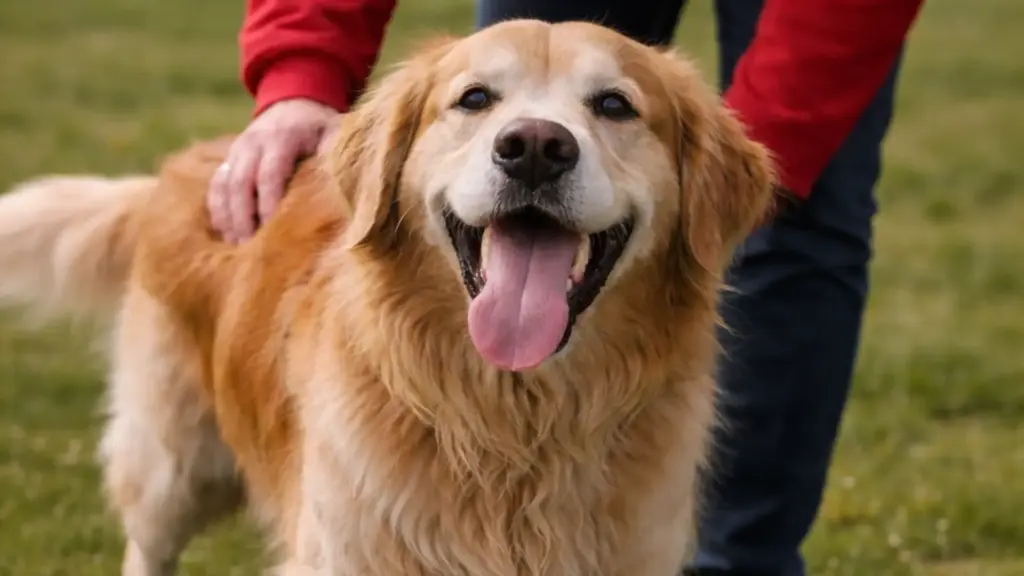


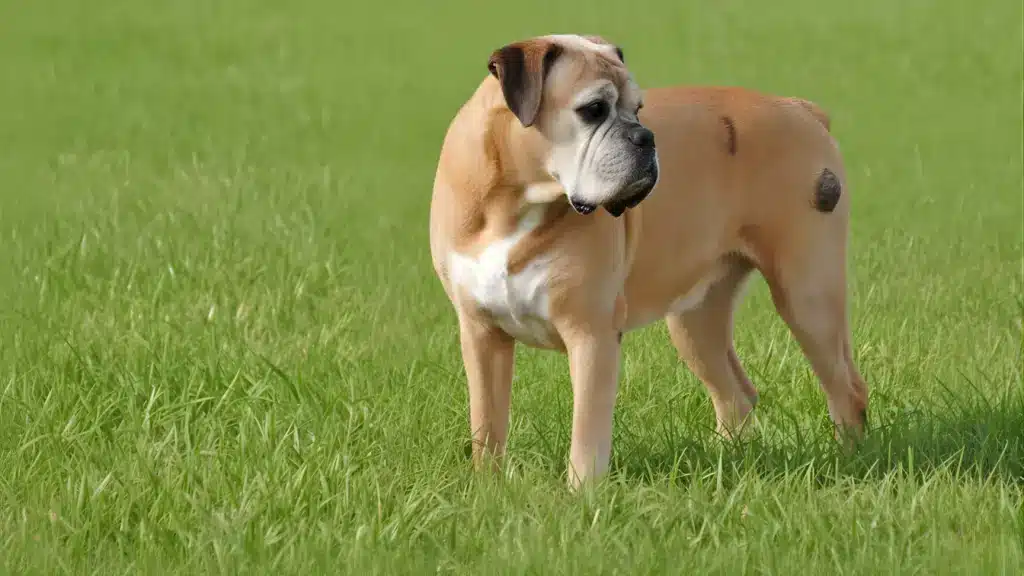
A firm or soft lump under a dog’s skin can catch attention immediately, especially when it was not there before.
Many pet owners notice these changes during grooming, playtime, or routine care and feel unsure about what they are seeing.
Lipoma in dogs is a common condition that often appears as a smooth, fatty growth beneath the skin in middle-aged and older pets, typically developing slowly over several months.
Even though fatty tumors in dogs are usually harmless, their presence can still create concern about comfort, mobility, and long-term health.
Learning what causes lipomas in dogs helps clarify the situation. Some dogs may develop only one lump, while others may develop several over time.
Understanding the nature of these growths makes it easier to respond calmly and take the right steps when needed.
What is a Lipoma in Dogs?
A lipoma in dogs is a benign tumor composed entirely of mature fat cells that grow slowly beneath the surface of the skin.
These lumps usually develop in the fatty layer just under the skin, where they feel soft, smooth, and easily movable when gently pressed with your fingers.
In most cases, lipomas are painless and do not cause discomfort unless they grow large.
Unlike malignant tumors, which can spread to other parts of the body and damage surrounding tissues, lipomas typically remain localized and non-aggressive.
The term fatty tumors in dogs is a broad description used for any growth made of fat tissue, while lipoma is the specific medical diagnosis.
Lipomas most commonly appear on the chest, abdomen, legs, armpits, and neck, although they can form anywhere fat cells are naturally present.
What Causes Lipomas in Dogs?
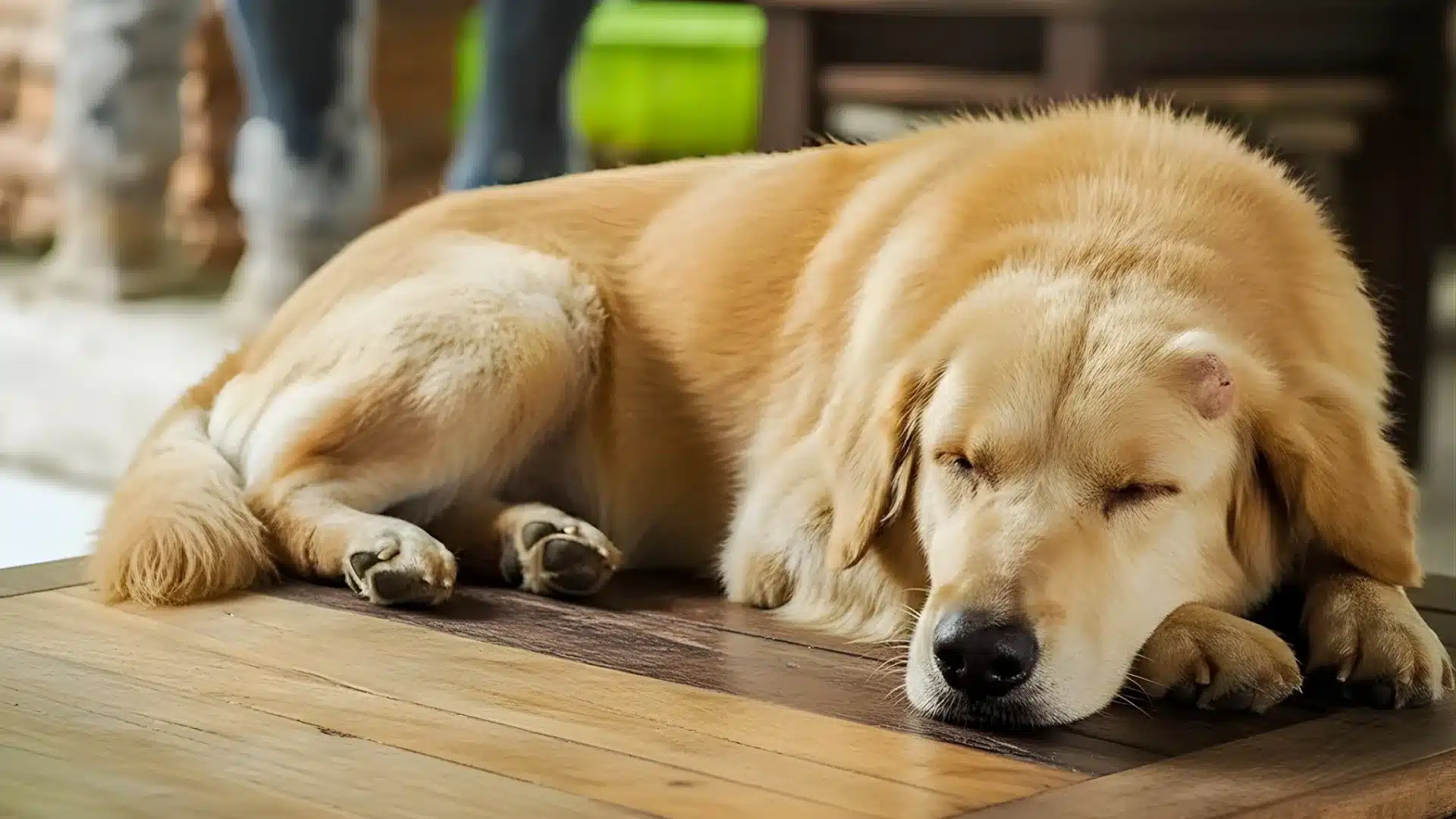
Veterinarians believe several factors may work together to trigger the growth of these fatty tumors in dogs. Genetics, age, body weight, and changes inside the body can all play a role.
1. Genetics and Breed Predisposition
Genetics appears to be one of the strongest factors linked to lipoma in dogs.
Some breeds develop fatty tumors more often than others, which suggests a hereditary influence passed down through family lines.
Labrador Retrievers, Doberman Pinschers, Miniature Schnauzers, and Weimaraners are commonly reported to have a higher risk.
If a dog’s parents or close relatives had lipomas, the chances may increase for that dog as well.
2. Age and Metabolism
Lipomas are most commonly seen in middle-aged and senior dogs rather than young puppies.
As dogs grow older, their metabolism naturally slows down, and changes begin to occur in how their bodies store and process fat.
This shift may create conditions that allow fat cells to grow in clusters beneath the skin.
Older dogs also experience gradual cellular changes over time, which may contribute to the development of benign tumors.
3. Obesity and Body Fat
Fatty tumors in dogs are more likely to develop when the dog is overweight.
Excess body fat may create an environment where fat cells multiply more easily under the skin.
However, it is important to understand that obesity does not directly cause lipomas. Many overweight dogs never develop them, and some lean dogs still get lipomas.
Instead, extra weight appears to increase the risk and may make existing lumps more noticeable. Maintaining a healthy weight through proper diet and exercise can help reduce overall risk.
4. Hormonal and Cellular Changes
Hormonal shifts and changes at the cellular level may also contribute to lipoma formation. Inside the body, fat cells constantly grow, divide, and renew themselves in a controlled process.
Sometimes, this regulation becomes unbalanced, leading to clusters of fat cells that form a lump beneath the skin.
Possible metabolic imbalances may also influence how fat tissue develops and accumulates.
Although researchers have not identified a single hormonal cause, these internal changes are believed to play a role in why some dogs develop lipomas while others do not.
Symptoms of Lipoma in Dogs
Lipomas usually develop slowly and often go unnoticed at first because they rarely cause pain, and often, most dogs act completely normal even after a lump appears.
- Soft and Squishy Texture: A lipoma typically feels soft, doughy, and slightly squishy when gently pressed.
- Movable Under the Skin: Most lipomas can be easily moved with light finger pressure because they are not attached firmly to deeper tissues.
- Slow Growth Over Time: These lumps usually grow gradually over months or even years rather than increasing rapidly in size.
- Painless to the Touch: Dogs generally do not react with discomfort when a lipoma is touched unless it becomes unusually large or inflamed.
- Normal Behavior and Energy Levels: In most cases, dogs with lipomas continue eating, playing, and moving normally without showing signs of illness.
When Should You See a Veterinarian?
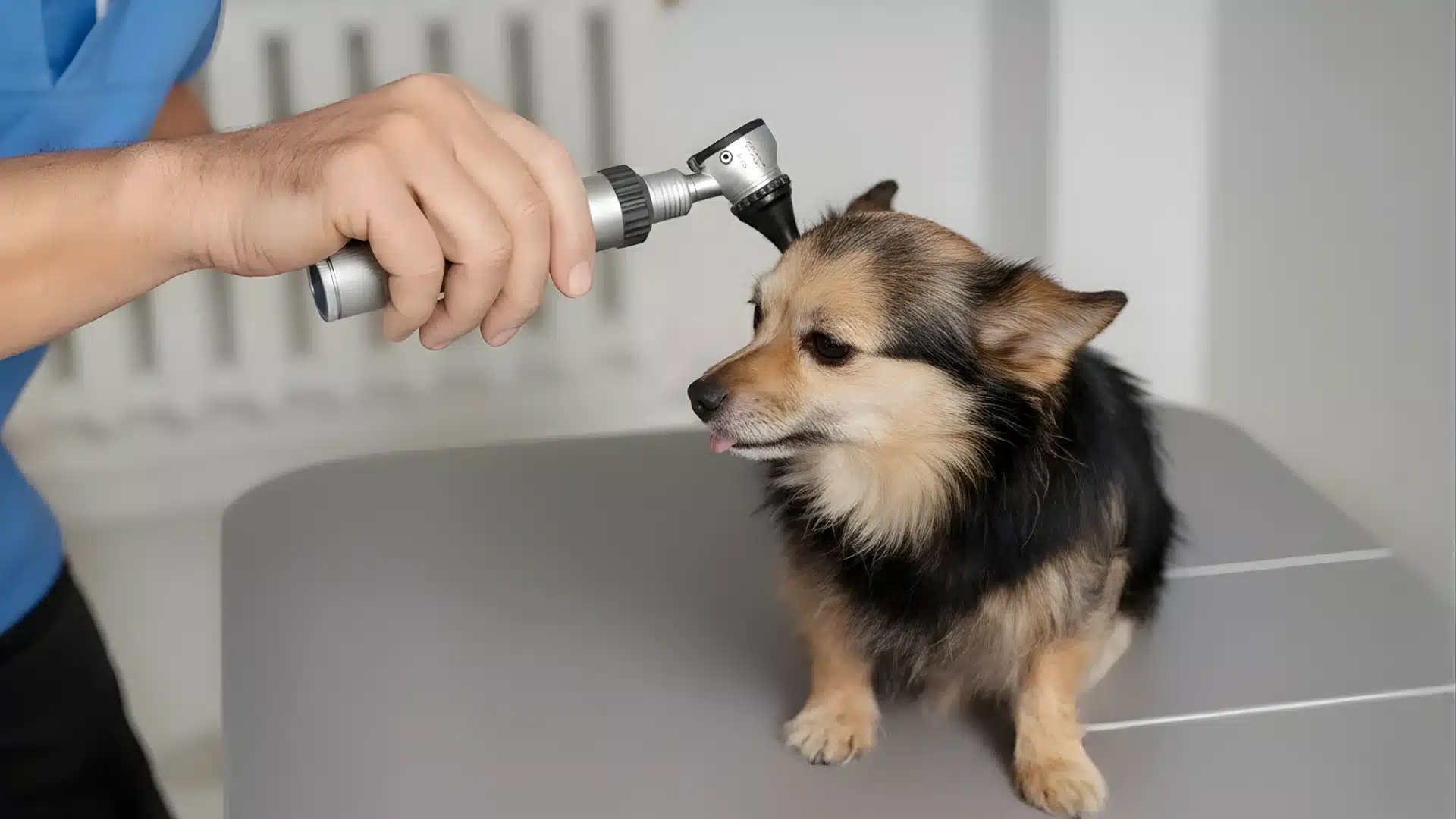
A veterinary visit is recommended whenever a new lump is discovered on a dog, even if the mass feels soft and harmless.
Immediate medical attention is required if sudden growth occurs, texture becomes firm or irregular, pain develops on touch, or bleeding is present.
These changes may signal a more serious condition that needs prompt evaluation.
Routine lump checks at home support early detection and timely treatment decisions.
A gentle full-body physical check should be performed monthly to identify new growths or changes in existing masses.
Keeping written records of size, shape, and texture helps provide accurate information during veterinary appointments and ensures consistent monitoring over time.
How are Lipomas Diagnosed?
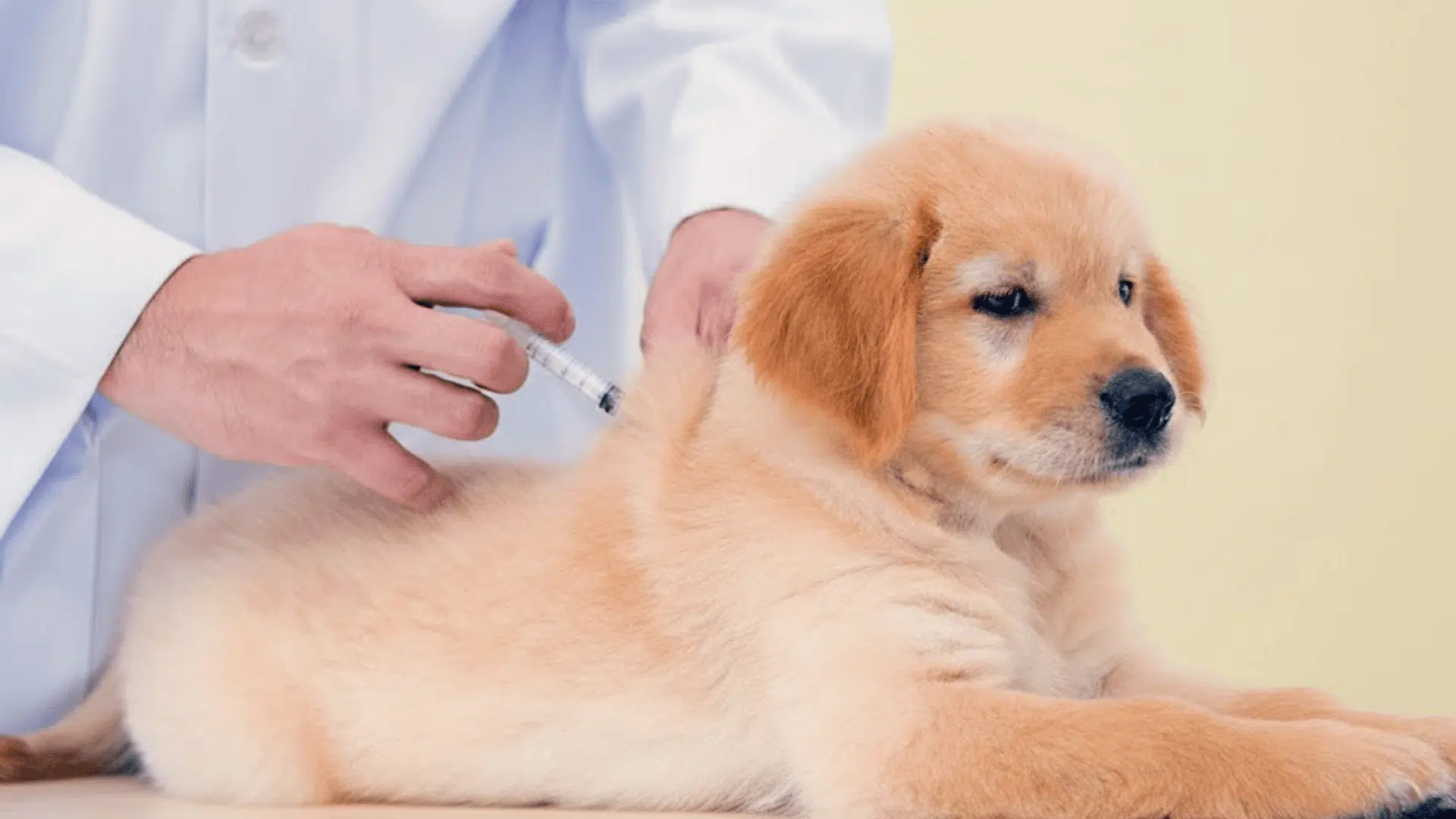
Lipomas are diagnosed through a step-by-step veterinary evaluation to confirm that the lump is harmless.
During a physical examination, the veterinarian gently palpates the lump to assess its size, shape, texture, and how easily it moves under the skin.
While this gives helpful clues, it is not enough to confirm a diagnosis.
The most common diagnostic tool is fine needle aspiration, where a small needle collects cells from the lump for examination under a microscope.
If the results are unclear or the mass feels unusual, a biopsy or imaging such as an ultrasound or a CT scan may be recommended, especially for deeper growths.
Ruling out other tumors is essential because not every lump is a lipoma, and proper testing ensures the growth is truly benign and safe.
Treatment Options for Lipoma in Dogs
Treatment for lipoma depends on size and location. Many tumors do not require immediate removal, especially if they are small and not affecting movement.
- Monitoring and Observation: Small, slow-growing, painless lipomas often require regular monitoring with routine size checks.
- Surgical Removal: Surgery is recommended when the tumor grows quickly, causes discomfort, or limits normal movement.
- Surgery Risks and Recovery: Surgical removal requires anesthesia, and most dogs recover within weeks with rest.
- Non Surgical Management: Healthy weight management may reduce risk, but no natural remedies remove existing lipomas.
Can Lipomas in Dogs Be Prevented?
Preventing lipomas in dogs is not always possible, but certain steps may help lower the risk.
Maintaining a healthy weight plays an important role because excess body fat may increase the chances of fatty tumors in dogs developing over time.
Feeding a balanced diet with proper portion control and providing regular daily exercise can support overall metabolic health.
However, genetics also plays a strong role, and some breeds are naturally more prone to developing lipomas regardless of lifestyle.
This means prevention cannot be guaranteed, especially in dogs with a family history of lipomas.
Senior dog screenings are particularly important since lipomas are more common in older pets and should always be properly evaluated.
Conclusion
Lipomas in dogs are very common, especially in middle-aged and senior pets, and most of these fatty tumors in dogs are benign and slow-growing.
Although they are usually harmless, proper diagnosis remains essential because not every lump is a lipoma.
Veterinary evaluation, including simple testing, helps confirm the nature of the growth and rule out more serious conditions.
Understanding what causes lipomas in dogs can help owners stay aware of risk factors such as age, breed, and weight.
Proactive monitoring at home, along with routine veterinary visits, allows early detection of any unusual changes. Staying cautious with every new lump ensures timely treatment if needed.
Has your dog experienced a lipoma or unusual lump? Share experiences in the comments below to help other pet owners learn and stay informed.