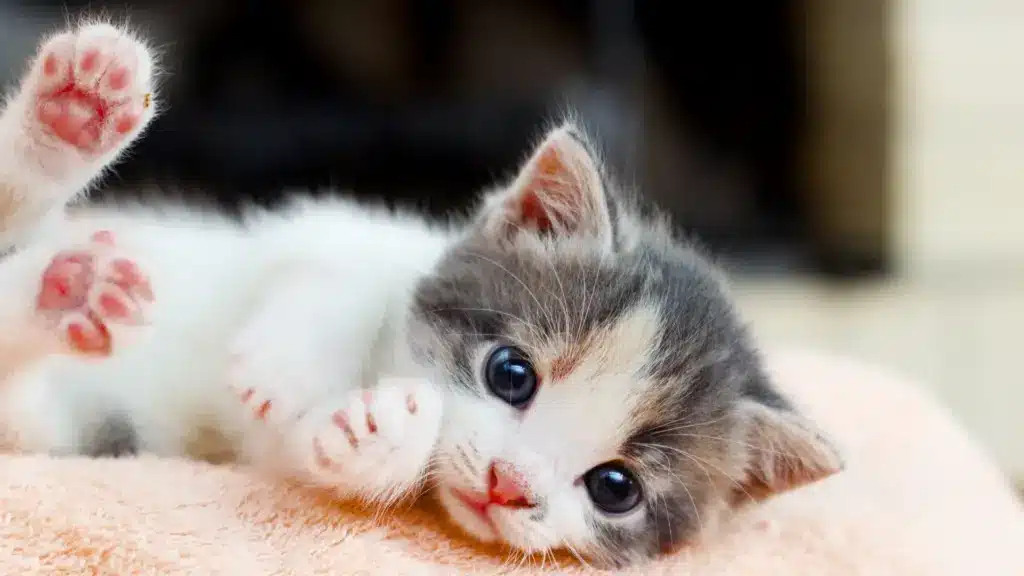
Tiny paws grow fast, and so do their health needs. Following a clear kitten vaccine schedule is one of the first and most important steps in protecting a young cat from preventable disease.
During the first few months of life, timing matters more than most new owners realize.
The window between six and sixteen weeks is when kittens are most biologically vulnerable, and missing a shot or delaying a booster can leave real gaps in protection during this critical stage.
Many new owners feel uncertain about which vaccines are required, when each dose should be given, and how long immunity lasts.
This blog post covers the complete kitten vaccine schedule by age, explains core and lifestyle-based vaccines, and breaks down booster timing in plain terms.
It also addresses first-year wellness steps, including routine exams, parasite prevention, and nutrition, to help set the foundation for a healthy life from the start.
In my clinical experience, the owners who come in most prepared are those who understand not just which vaccines their kitten needs, but why each dose is timed the way it is.
That understanding makes a real difference in compliance and outcomes.
Quick Kitten Vaccine Schedule
Use this table to quickly reference the recommended kitten vaccine schedule and plan your veterinary visits accordingly.
| Age | Vaccine | Purpose |
|---|---|---|
| 6–8 Weeks | FVRCP (1st dose) | Protection against herpesvirus, calicivirus, and panleukopenia |
| 9–12 Weeks | FVRCP (2nd dose) | Strengthens immunity against core viral infections |
| 12–16 Weeks | Rabies | Required by law in many states; protects against the rabies virus |
| 12–16 Weeks | FeLV (1st dose if recommended) | Protection against feline leukemia virus |
| 14–16 Weeks | FVRCP (3rd/final dose) | Completes primary series as maternal antibodies fully decline |
| 16–20 Weeks | FeLV (2nd dose) | Completes FeLV vaccination series |
| 1 Year After Series | FVRCP Booster + Rabies Booster | Maintains long-term immunity |
Why Following a Kitten Vaccine Schedule Matters?
A proper kitten vaccine schedule protects against common and serious feline diseases that can spread quickly, especially in young cats.
Core vaccines such as FVRCP and rabies help build immunity against viruses that affect the respiratory system, nervous system, and overall organ function.
These illnesses can be severe in kittens whose immune systems are still developing.
Early immunity is critical during the first few months of life.
Maternal antibodies begin to fade around six to eight weeks of age, which creates a vulnerable window where a kitten is no longer fully protected by its mother’s immunity but has not yet built its own.
I’ve seen this gap lead to preventable infections in kittens whose owners assumed they were still protected after weaning. Timely vaccinations are the most reliable way to close it.
Consistent vaccination not only prevents disease but also supports long-term health, stability, and a stronger immune response into adulthood.
Core Vaccines Every Kitten Needs

A complete kitten vaccine schedule in the United States includes core vaccines that veterinarians recommend for nearly every kitten, regardless of lifestyle or living environment.
These vaccines protect against serious, highly contagious diseases that can affect both indoor and outdoor cats. Because young kittens have developing immune systems, early protection is critical.
The FVRCP vaccine is a combination vaccine that guards against feline viral rhinotracheitis, calicivirus, and panleukopenia.
These viruses can cause upper respiratory infections, fever, loss of appetite, vomiting, diarrhea, and in severe cases, life-threatening complications.
According to the 2020 AAHA/AAFP Feline Vaccination Guidelines, FVRCP is classified as a core vaccine recommended for all cats regardless of lifestyle, because the diseases it covers are either highly contagious, capable of causing severe illness, or both.
FVRCP is considered essential due to the widespread nature of these infections.
Rabies vaccination is also classified as a core vaccine and is legally required in most states. Rabies affects the nervous system and poses a public health risk.
FVRCP is usually administered at six to eight weeks of age, while rabies is typically given between twelve and sixteen weeks, depending on state laws and veterinary guidance.
Lifestyle-Based Vaccines for Kittens
A kitten vaccine schedule may also include non-core vaccines, depending on a kitten’s environment and level of exposure.
These vaccines are not required for every kitten but are recommended when certain risk factors are present. Lifestyle, living conditions, and contact with other cats all influence this decision.
The FeLV vaccine protects against feline leukemia virus, a contagious disease that can weaken the immune system and lead to serious illness.
It is commonly recommended for kittens who go outdoors, live with other cats of unknown health status, or may be exposed to infected cats.
Many veterinarians recommend testing before vaccination and starting the series during kittenhood if there is a risk of complications. Indoor versus outdoor access plays a major role in vaccine planning.
The FIV vaccine protects against feline immunodeficiency virus, which spreads through cat bites, making it relevant for outdoor cats or those exposed to cats of unknown health status.
Your vet will advise if it’s needed, and an FIV test is usually required beforehand.
Bordetella bronchiseptica is another non-core vaccine sometimes recommended for kittens who will be boarded, groomed regularly, or kept in shelters or multi-cat environments. It protects against a bacterial cause of upper respiratory illness and kennel-type infections in cats.
A veterinarian evaluates exposure risk, household dynamics, and local disease prevalence to determine if additional vaccines are necessary for long-term protection.
Kitten Vaccine Schedule by Age
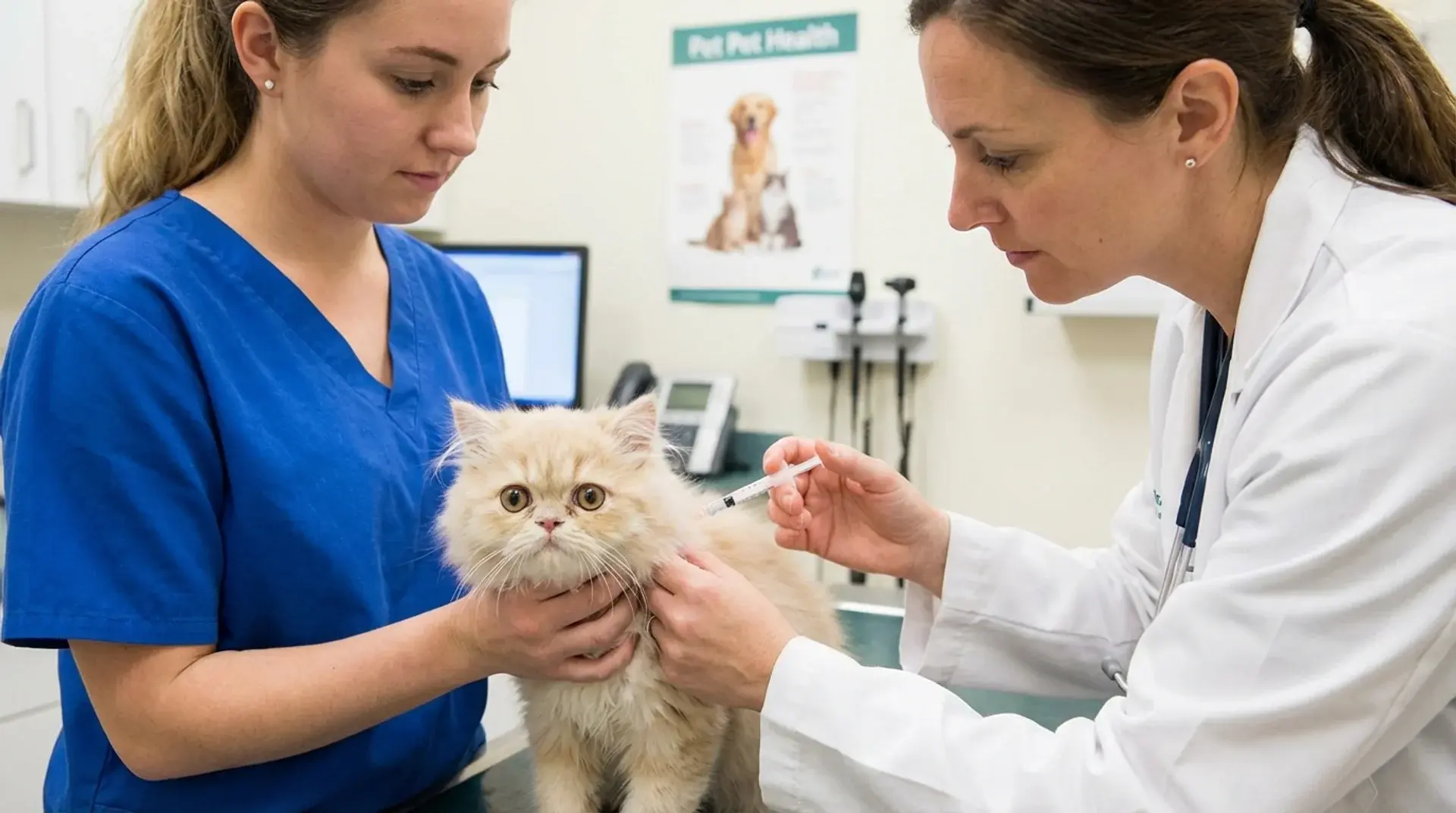
A structured kitten vaccine schedule by age ensures proper immunization during critical phases of immune development.
1. Six to Eight Weeks
At six to eight weeks of age, the first FVRCP shot is given. This starts the active vaccination process as the natural protection kittens received through their mother’s milk begins to fade.
The vet will also perform a full physical exam at this visit, checking body weight, hydration, heart sounds, and overall condition to confirm the kitten is healthy enough to receive vaccines.
A stool sample is often collected and tested for intestinal parasites.
Roundworms and hookworms are common in young kittens, and a deworming treatment is frequently given at this visit as a precaution, even before test results confirm an infection.
2. Nine to Twelve Weeks
The second FVRCP dose is given between nine and twelve weeks.
This booster is important because some residual maternal antibodies may have reduced the effectiveness of the first dose, and this visit helps ensure the immune system fully responds to the vaccine.
If FeLV vaccination is being considered, a blood test to check for FeLV exposure is recommended before giving the first dose. If the test is negative and the kitten has risk factors, the first FeLV shot is given at this visit.
3. Thirteen to Sixteen Weeks
The final FVRCP dose in the primary series is given at this stage. By this point, the maternal antibodies have fully declined, and this dose completes the immune response that the earlier shots began building.
The rabies vaccine is also given during this window, in line with state laws and public health requirements. Rabies vaccination is legally required in most US states for cats of this age.
If the FeLV series was started at the previous visit, the second FeLV dose is given three to four weeks after the first to complete that protection.
4. Six Months and Beyond
Once the primary vaccine series is complete, the focus shifts to long-term preventive care.
Spaying or neutering is typically scheduled around this stage, depending on the kitten’s size and the veterinarian’s recommendation.
Parasite prevention continues on a monthly basis.
In my practice, I typically schedule the spay or neuter conversation at the final vaccine visit, so owners have time to prepare.
Recovery is generally smooth when kittens are healthy going in, but post-operative monitoring matters more than most owners expect.
Understanding the full spay recovery timeline ahead of time helps owners feel more confident during that period.
Booster Shots and Long-Term Vaccination Plan
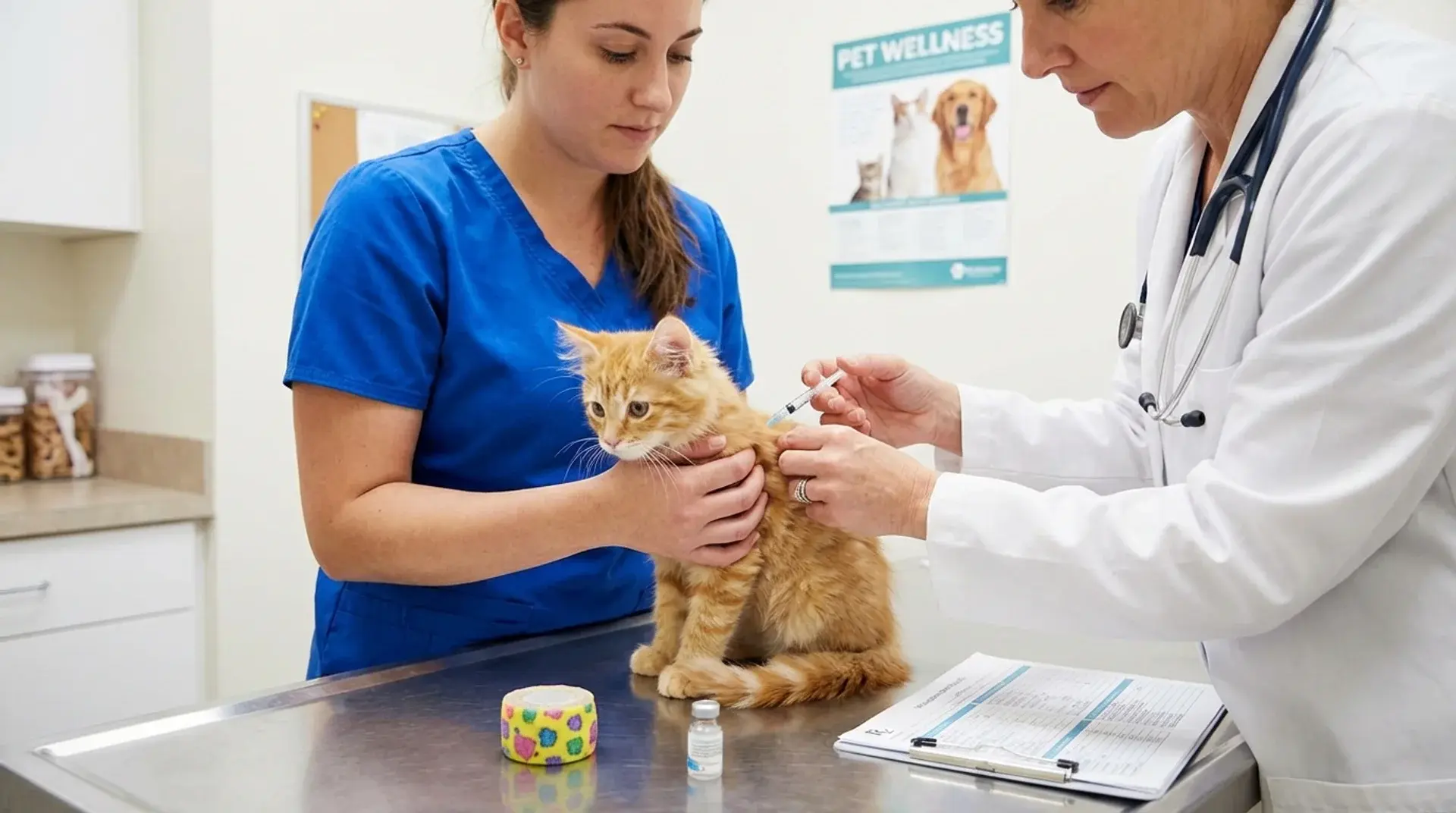
Booster administration is a critical component of a complete kitten vaccine schedule. The first annual booster is typically given one year after completion of the primary FVRCP and rabies series.
This dose reinforces immunologic memory and maintains protective antibody titers following the initial juvenile vaccination phase.
After the first annual booster, FVRCP is generally administered every three years in healthy adult cats, although protocols may vary based on risk assessment and vaccine type.
Rabies vaccination frequency depends on state law and product labeling, with one-year or three-year formulations commonly used.
Delaying boosters can reduce immune protection and increase susceptibility to preventable infectious diseases.
Adhering to recommended intervals ensures sustained immunity and compliance with legal requirements.
Titer testing measures existing antibody levels and can help guide booster decisions in adult cats, particularly for owners who prefer a more individualized approach.
It is not a replacement for the primary kitten series, but can be a useful tool in adult maintenance planning.
What to Expect at Each Vaccine Visit?
Each visit includes a thorough physical examination before vaccination.
The veterinarian assesses body weight, temperature, heart and respiratory rate, hydration, lymph nodes, and overall body condition.
Auscultation of the heart and lungs ensures the kitten is clinically stable for immunization. Vaccines are administered only if the kitten appears healthy.
Mild reactions, such as temporary lethargy, low-grade fever, or slight injection-site swelling, may occur within 24 to 48 hours.
Seek veterinary care immediately if facial swelling, vomiting, breathing difficulty, or collapse develops. Use a secure carrier and maintain a calm environment to reduce appointment-related stress.
Vaccines are given low on a limb in standardized locations so vets can track injection sites and monitor them over time.
In rare cases, a vaccine-associated feline sarcoma can develop at the site, so owners should regularly check for lumps after each visit.
Contact your vet if a lump persists, grows, or hasn’t resolved within four weeks, as early detection significantly improves outcomes.
Complete Wellness Guidelines for the First Year
Consistent first-year wellness care supports healthy growth, immune strength, and long-term disease prevention.
- Nutrition for Growth: Provide an AAFCO-approved kitten-specific diet formulated for growth and reproduction. Maintain consistent feeding portions and fresh water access. Setting a consistent kitten feeding routine early supports both healthy weight and digestive stability.
- Parasite Prevention and Screening: Implement monthly broad-spectrum endoparasite control and flea prevention. Perform routine fecal examinations and FeLV testing when risk factors are present.
- Socialization and Environmental Stimulation: Introduce controlled exposure to people, household sounds, and safe spaces to promote stable behavioral development.
- Weight and Dental Monitoring: Track body weight and body condition score regularly. Conduct oral examinations to identify early periodontal changes and prevent future dental disease.
Indoor vs Outdoor Kitten Vaccination Considerations
Vaccination needs vary by lifestyle, but core protection is essential for both indoor and outdoor kittens.
| Factor | Indoor | Outdoor |
|---|---|---|
| Exposure Risk | Indirect pathogen exposure is possible | High exposure to cats, wildlife, environment |
| Core Vaccines | FVRCP and rabies required | FVRCP and rabies required |
| FeLV Vaccine | Recommended for all kittens under 1 year per AAHA/AAFP guidelines | Strongly recommended |
| FIV Vaccine | Generally not recommended | Consider if high-risk; discuss with vet |
| Parasite Control | Routine prevention advised | Strict ongoing prevention is needed |
| Bordetella Vaccine | Consider if boarding or a multi-cat household | Consider if boarding or high-contact environment |
| Monitoring | Annual wellness exams | Closer health surveillance is recommended |
Conclusion
Sticking to a proper kitten vaccination schedule is one of the most important responsibilities during the first year of life.
Timely vaccinations protect against serious infectious diseases, strengthen the immune response, and ensure compliance with legal rabies requirements.
Beyond immunization, proactive health planning includes routine exams, parasite prevention, balanced nutrition, spay or neuter timing, and close monitoring of weight and dental health.
Together, these steps build a strong foundation for lifelong wellness.
Every kitten’s needs may vary slightly based on lifestyle, health history, and risk factors, so regular veterinary guidance remains essential throughout the first year and beyond.
A well-followed kitten vaccine schedule covers far more than individual shots; it is the starting point of a long-term commitment to your cat’s health.
Have questions about your kitten’s timeline or personal experience to share? Drop a comment below and join the conversation.
Frequently Asked Questions
How Long Does Immunity Last?
After the primary kitten vaccine series and one-year booster, FVRCP protection generally lasts up to three years in healthy adult cats, and rabies protection varies depending on whether a one-year or three-year vaccine is given.
When are Kittens Fully Protected?
Kittens are not fully protected until 7 to 10 days after completing the entire vaccine series, typically around 16 to 20 weeks of age. Until then, limiting outdoor access and contact with unvaccinated cats is strongly advised.
What Happens if A Dose Is Missed?
Delays can reduce immune protection. If a dose is missed by more than a few weeks, the series may need to be resumed or restarted, depending on the length of the gap and the kitten’s age
What Does the First Year Cost?
The first year vaccination series, exams, and FeLV testing generally range from $150 to $300, depending on location and clinic fees.