You pick up a bag of grain-free dog food, feeling like you are making a smarter, healthier choice for your dog.
Then later, you see a headline linking grain-free diets to heart disease. Now you are stuck thinking: is grain free bad for dogs, or just another overblown scare?
You are not alone. Most pet parents I speak with turn to grain-free dog food for the same reasons: better health, fewer allergies, and a longer life for their pet.
In over years of advising on canine nutrition, I have seen this conversation play out hundreds of times. The intentions are always good. But the reality is not that straightforward.
So let me give you a straight answer before we go any deeper: grain-free dog food is not automatically dangerous, but it is not automatically better either.
The risk is real for some dogs, and it depends heavily on what the food uses to replace those grains. Here is what the science actually says, and what you should do about it.
What is Grain-Free Dog Food?
Grain-free dog food simply means the formula does not include common grains like wheat, corn, rice, or barley.
Instead, these foods replace grains with other carbohydrate sources to maintain energy and texture.
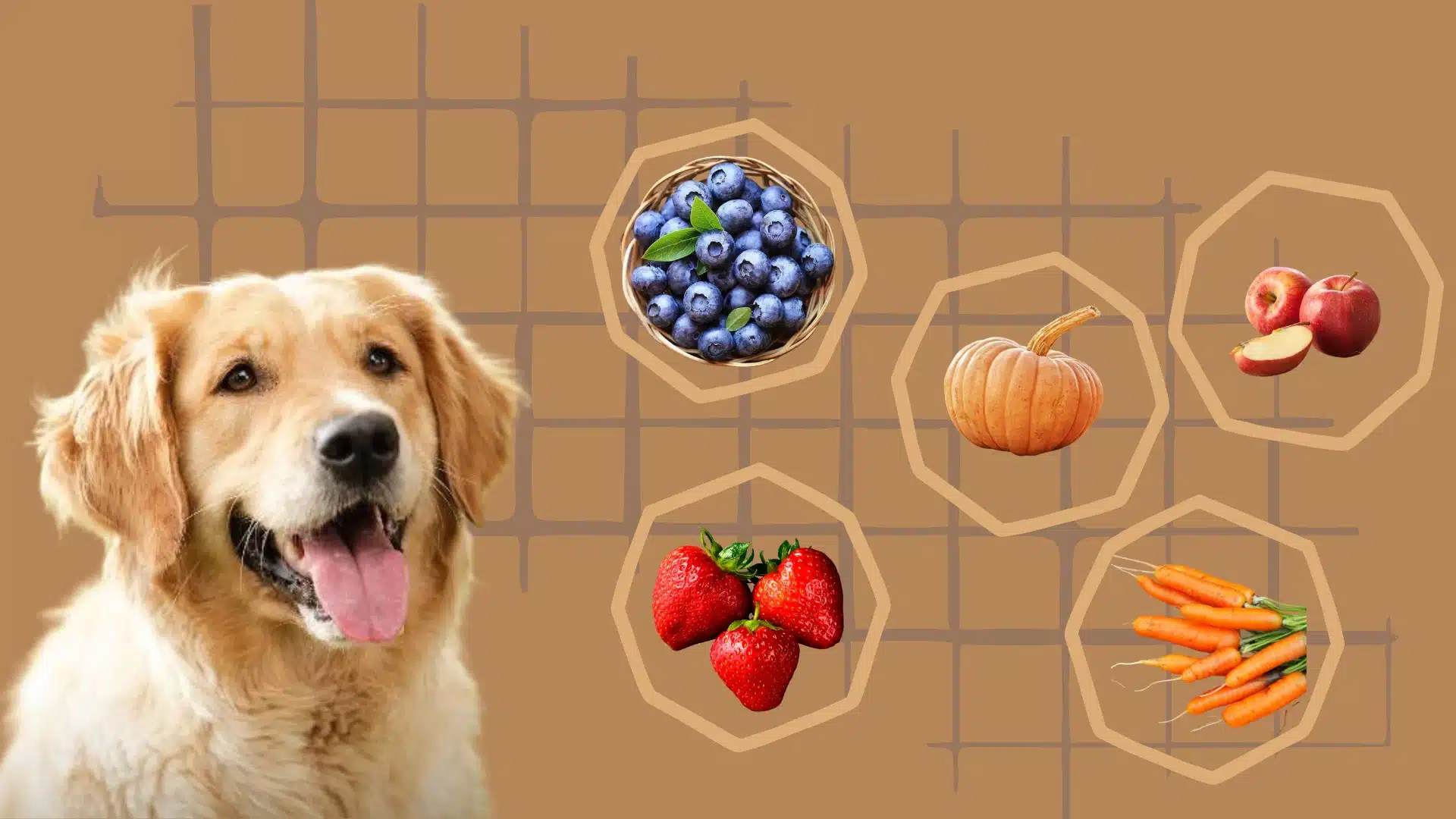
Most grain-free recipes rely on ingredients like peas, lentils, chickpeas, and potatoes. These are often used to bind the food and provide similar calories without using traditional grains.
One thing many owners don’t realise: grain-free does not mean low-carb. Many grain-free kibbles actually contain equal or higher levels of carbohydrates than grain-inclusive formulas, because starch is still needed for the food to hold its shape during manufacturing.
The label says “grain-free,” it does not say “low starch.”
Brands began pushing grain-free options, marketing them as more “natural” or closer to what dogs would eat in the wild.
This idea quickly caught the attention of owners looking for cleaner, healthier diets for their pets.
Why Did Grain-Free Dog Food Become Popular?
Grain-free dog food gained momentum through two forces: smart marketing and human diet trends that spilled over into pet food choices.
This idea sounded convincing, even though most modern dogs have adapted well to digesting grains.
Dogs are omnivores, metabolically and nutritionally equipped to draw nutrients from both plant and animal sources. Wild canids routinely consumed plant material from the digestive tracts of their prey.
Another big driver was the belief that grains cause allergies. In reality, true grain allergies in dogs are quite rare.
The most sensitive foods for dogs are chicken or beef, not grains. True gluten intolerance in dogs is almost exclusively documented in specific lines of Irish Setters and some Border Terriers with epileptoid cramping syndrome; it is not a widespread canine condition.
Most food sensitivities come from proteins, not grains. On top of that, human food trends played a huge role.
As grain-free and low-carb diets became popular among people, many dog owners applied the same logic to their pets without solid evidence.
Is Grain-Free Bad for Dogs?

No, grain-free dog food is not automatically bad for every dog. Some dogs can do just fine on it, especially if the formula is well-balanced and suited to their individual needs.
That said, there are real concerns you should not ignore. Certain grain-free diets have been linked to a serious heart condition called dilated cardiomyopathy (DCM), which weakens the heart muscle and reduces its ability to pump blood effectively.
This has raised significant questions about how some of these foods are formulated. So while grain-free is not outright dangerous in every case, it is not risk-free either.
The critical factor is not the “grain-free” label itself; it is what replaces the grains and whether the overall formula is nutritionally complete.
The Link Between Grain-Free Diets and Heart Disease

Dilated cardiomyopathy (DCM) is a condition that weakens the heart muscle and reduces its ability to pump blood effectively. Over time, this can progress to congestive heart failure, which can be fatal.
The FDA began investigating this in 2018 after veterinary cardiologists noticed a rise in DCM cases, particularly in breeds not genetically predisposed to the condition, including Golden Retrievers, Labrador Retrievers, Bulldogs, and Whippets.
Between 2014 and 2019, the FDA documented 515 DCM cases in dogs, with 90% of those animals eating grain-free diets, and 93% eating diets containing peas and/or lentils.
The FDA’s investigation focused on what researchers now call “BEG diets,” a term coined by veterinary nutritionist Dr. Lisa Freeman of Tufts University, standing for Boutique brands, Exotic ingredients, and Grain-free formulas.
How Taurine Fits Into the DCM Picture?
One leading theory is that legume-heavy diets interfere with a dog’s ability to absorb or synthesise taurine, an amino acid critical to normal heart muscle function.
Unlike cats, dogs can manufacture taurine from other amino acids (methionine and cysteine), but some dogs, particularly Golden Retrievers, appear to have a genetic predisposition to taurine deficiency that a legume-heavy diet may worsen.
Importantly, not all DCM cases in dogs on BEG diets showed measurable taurine deficiency.
This suggests the mechanism is more complex and may involve interference with nutrient bioavailability, gut microbiome function, or the overall quality of the protein source, not taurine alone.
Important: the ASPCA notes that multiple dogs diagnosed with diet-related DCM showed significant improvement or full recovery after being removed from BEG diets and started on taurine supplementation. That means if you catch it early, the damage is often reversible.
Grain-Free vs Grain-Inclusive: A Quick Comparison
This comparison highlights key differences between grain-free and grain-inclusive dog foods, covering nutrition, health risks, and suitability to help guide safer feeding decisions for owners.
| Factor | Grain-Free | Grain-Inclusive |
|---|---|---|
| Carbohydrate level | Often equal to or higher than grain-inclusive | Varies; typically moderate |
| DCM association | Yes, especially with high legume content | No reported cases in WSAVA-compliant formulas |
| Grain allergy benefit | Yes, for confirmed grain allergies (rare) | Not applicable |
| Feeding trial data | Often absent in boutique brands | Common in major, established brands |
| Taurine risk | Possible interference with taurine synthesis | Generally lower risk |
| Best suited for | Dogs with confirmed grain sensitivities, under vet supervision | Most healthy adult dogs |
Benefits of Grain-Free Dog Food
Grain-free diets are not universally better, but in specific situations, they can offer targeted benefits when carefully chosen and tailored to a dog’s actual health needs.
- Confirmed grain allergy relief: Helps dogs with a veterinarian-diagnosed grain allergy avoid reactions like itching, inflammation, ear infections, and digestive discomfort. This is a genuine use case, just far rarer than marketing suggests.
- Digestive support in sensitive dogs: May improve digestion in dogs that react poorly to specific grains, reducing bloating, loose stools, and discomfort. A vet-supervised elimination diet is the right way to confirm this.
- Alternative carbohydrate sources: Ingredients like sweet potatoes may suit dogs who tolerate starchy tubers better than cereal grains, though the overall formula still needs to be balanced.
- Elimination diet tool: Can be used under veterinary guidance to identify specific food intolerances and pinpoint dietary triggers.
One pattern I have noticed in my practice: owners often report improvements in coat quality or digestion after switching to a grain-free diet.
What I always ask is if they also changed the protein source or the brand at the same time, because in most cases, they did.
The improvement may have had little to do with removing grains and everything to do with the overall diet change.
This matters because it shapes whether the next step is to stay grain-free or to find a better-formulated grain-inclusive food.
What are Dog Owners Actually Looking For?

Most dog owners choosing grain-free food are not chasing trends. They are trying to fix something: a shinier coat, better digestion, fewer allergy symptoms.
Many also believe that grain-free automatically means higher-quality ingredients. But grain-free does not always equal better nutrition.
A food can be grain-free and still be poorly balanced or heavily processed. On the flip side, grain-inclusive diets from reputable brands can be perfectly healthy and nutritionally complete.
The real goal is healthier dogs. The challenge is separating smart choices from marketing claims that sound convincing but are not always backed by evidence.
Signs Your Dog’s Diet Might Be a Problem
Your dog’s body often shows early signs when something in their diet is not working properly, and these signals should never be ignored.
- Low energy: Your dog seems unusually tired, less playful, or unwilling to engage in daily activities, which may point to poor nutrition or an imbalanced diet
- Breathing issues: Rapid breathing, coughing, or reduced stamina during walks can indicate deeper problems, including potential heart-related concerns linked to diet
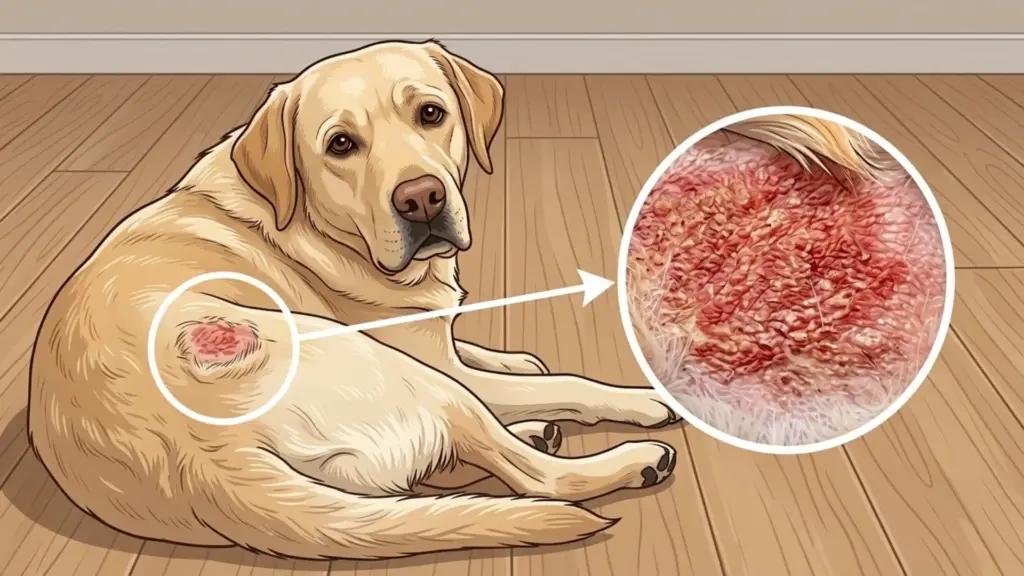
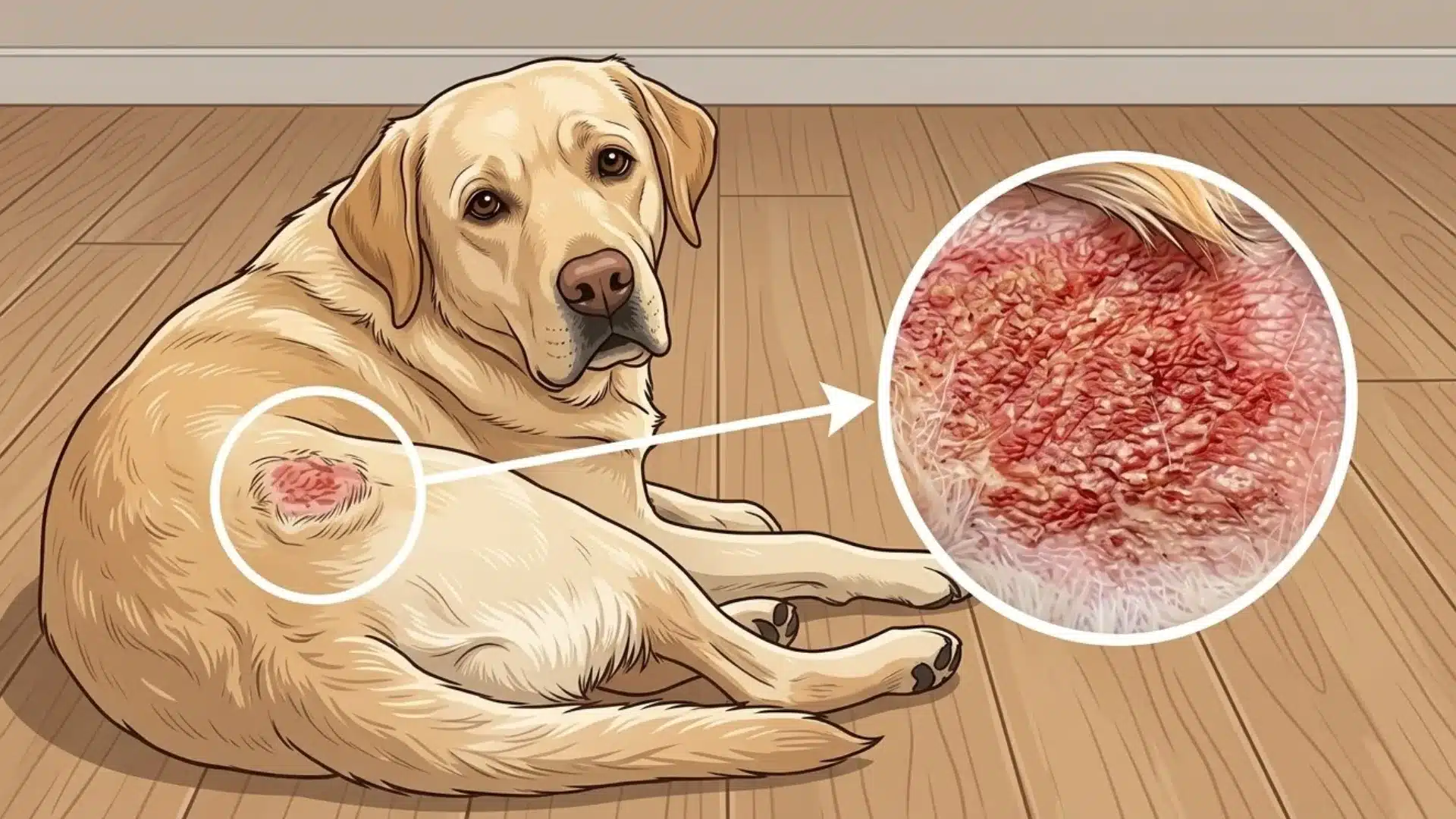
- Poor coat condition: A dull coat, excessive shedding, or dry skin often signals nutritional deficiencies or that the current food is not meeting your dog’s needs
- Digestive problems: Frequent diarrhea, vomiting, gas, or inconsistent stools may suggest food intolerance, poor ingredient quality, or difficulty processing certain components in the diet.
- Fainting or collapse: Sudden fainting, weakness, or collapse can be signs of cardiac dysfunction. If any of these occur, contact a veterinarian immediately; do not wait to see if it resolves on its own.
If any of these symptoms persist, worsen, or appear suddenly, consult your veterinarian promptly to rule out serious health issues, including cardiac problems, before adjusting the diet.
Puppies and senior dogs need extra care when choosing their diets. Puppies require precise nutrition for healthy growth, so a poorly formulated grain-free food can cause problems early.
Senior dogs, especially large-breed dogs with preexisting heart conditions, may face an increased risk from legume-heavy diets. If your dog is in either group, speak with your vet before choosing a grain-free diet.
Should You Switch Away from Grain-Free?
Switching away from grain-free dog food should not be a rushed or panic-driven decision. Not every dog on a grain-free diet is at risk, and abrupt changes can cause digestive upset.
If you are considering a switch, do it gradually, mix the new food with the current one over 7 to 10 days to allow your dog’s digestive system to adjust.
Most importantly, involve your vet. They can assess your dog’s health, diet history, breed-specific risk, and any early warning signs before recommending a change.
A tailored approach always works better than reacting to general headlines.
If your dog is a Golden Retriever, Labrador Retriever, or another breed flagged in the FDA reports, asking your vet about a baseline echocardiogram or taurine blood test is a reasonable precaution, particularly if they have been on a legume-heavy grain-free diet for more than a year.
What to Look for in a Safe Dog Food?
Choosing the right dog food starts with proven nutrition, not marketing trends or appealing packaging.
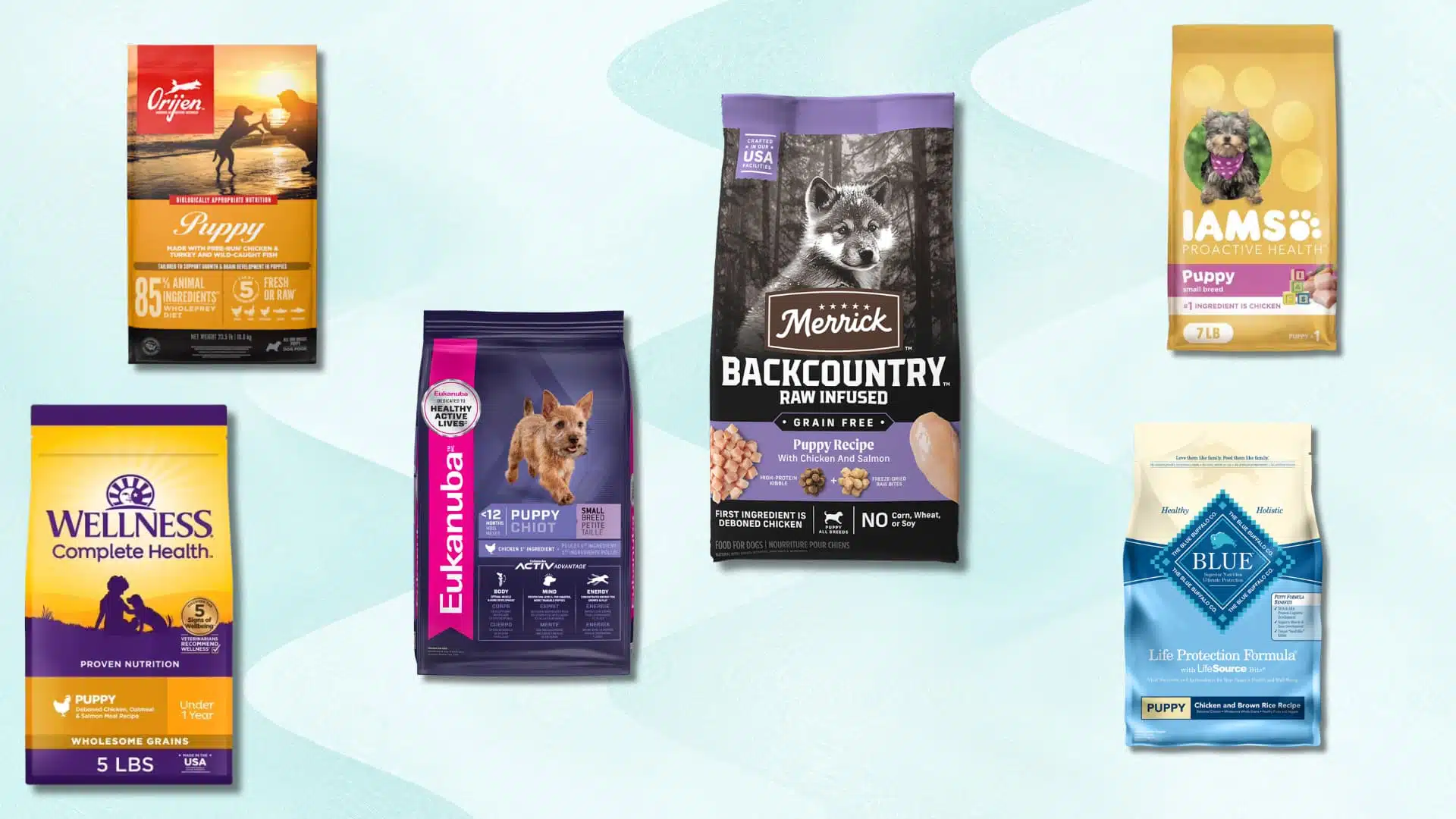
- WSAVA-compliant brands: Choose brands that follow World Small Animal Veterinary Association guidelines. These are the same brands veterinary nutritionists most commonly recommend, typically the major manufacturers with dedicated research teams and published feeding trial data. No cases of nutritionally-mediated DCM have been reported in dogs eating WSAVA-compliant foods.
- AAFCO compliance: Always check the label for AAFCO statements to confirm the food meets the minimum nutritional requirements for your dog’s life stage.
- Balanced macronutrients: Ensure the food provides proper ratios of proteins, fats, vitamins, and minerals, including adequate taurine and the amino acids needed to synthesise it.
- Transparent ingredient sourcing: Look for specific, named ingredients. Avoid vague terms like “meat meal” or formulas that list peas, lentils, or chickpeas as the first three to five ingredients.
- Established manufacturers with feeding trials: Prioritise brands that back their formulas with actual feeding trials, not just laboratory nutrient analysis alone.
- Named animal protein as the first ingredient: A named protein source (chicken, beef, salmon) listed first signals that animal-based nutrition is prioritised over plant-based fillers.
One habit I developed while working with clinics: I started keeping a short mental checklist when reviewing food labels with owners.
If peas, lentils, or chickpeas appear in the first three ingredients, or if the brand has no published research and no veterinary nutritionist on staff, those are immediate flags.
It does not mean the food is dangerous, but it does mean we should look more carefully before recommending it.
Conclusion
So, is grain-free bad for dogs? The honest answer is: not always, but it is not automatically better, either.
The real issue comes down to formulation, ingredient quality, and your dog’s specific needs, age, and breed risk profile.
The grain-free trend was built on good intentions and clever marketing, but the FDA data and emerging cardiology research have made one thing clear: what replaces the grain matters enormously.
A legume-heavy formula from a brand with no feeding trial data is a different proposition from a carefully formulated, WSAVA-compliant food that happens to be grain-free.
If your dog is healthy and doing well on their current diet, there is no need to panic. Focus on balanced nutrition and informed choices.
If you have concerns, especially if your dog is a large breed, a Golden Retriever, a puppy, or a senior, talk to your vet before making any changes.
What has your experience been with grain-free diets? Have you noticed any changes, positive or negative, after switching? Drop your thoughts in the comments below.