



Many dog owners today are paying closer attention to what goes into their dog’s bowl.
Store-bought kibble is convenient, but it often leaves people wondering if their pets are getting the best nutrition possible.
This is where natural foods like organ meats are starting to get attention. One ingredient that comes up again and again in dog nutrition discussions is liver.
But the real question many owners ask is simple: Is beef liver good for dogs? Beef liver is known for being packed with nutrients, and many pet owners consider it a powerful addition to a dog’s diet.
At the same time, feeding organ meats without understanding the proper amounts and preparation can cause problems.
In this guide, you will learn whether beef liver is safe for dogs, how much to feed, the risks to watch for, and simple ways to include it in homemade dog food.
What Makes Liver Meat Different from Regular Meat?
Organ meats are very different from the regular meat cuts people usually think about when feeding dogs.
Muscle meat, such as chicken breast or beef steak, mainly provides protein and some basic nutrients. Organ meats, on the other hand, are far more nutrient-dense.
Parts like liver, kidney, and heart contain higher levels of vitamins, minerals, and essential compounds that support a dog’s overall health.
In a natural feeding pattern, dogs would eat an entire prey animal, which includes both muscle meat and organs.
Organ meats are valuable in a dog’s diet, but they must be fed in controlled portions to avoid excess nutrients.
Is Beef Liver Actually Good for Dogs?
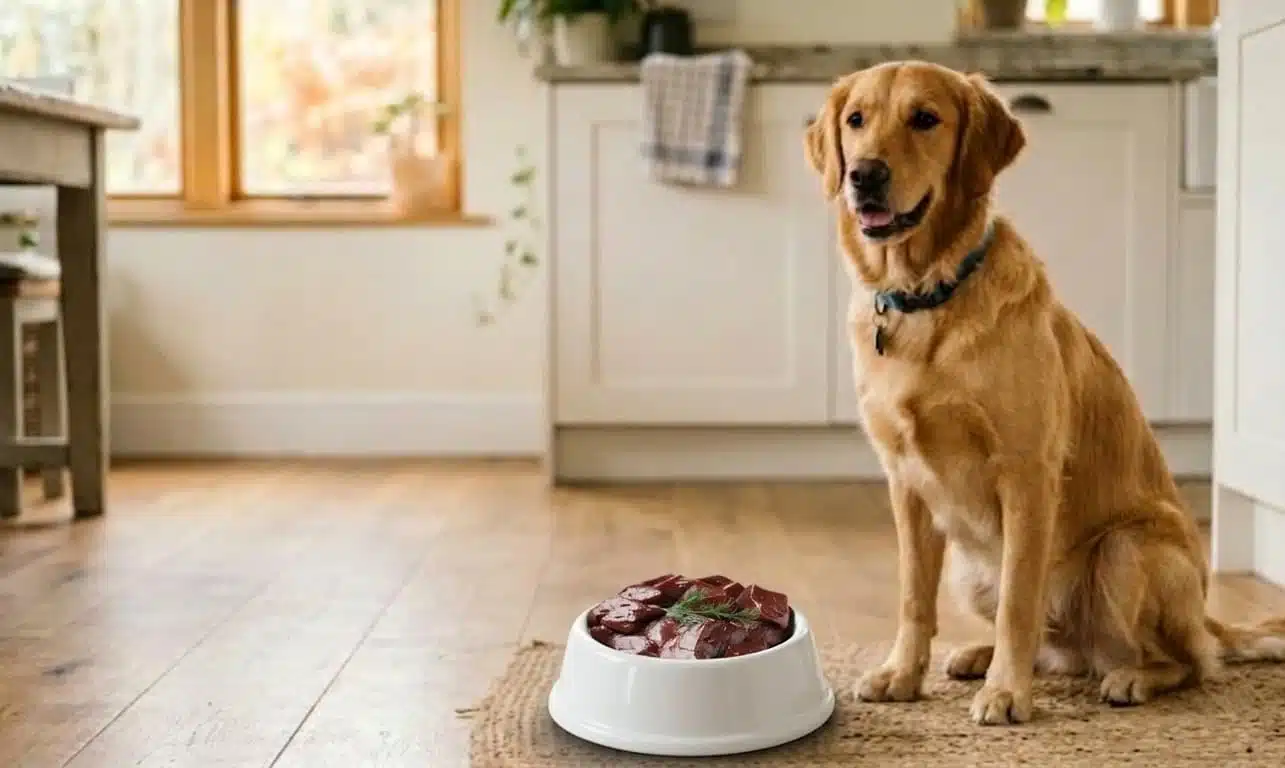
Yes, beef liver is good for dogs, and it is often considered one of the most nutrient-dense foods they can eat.
Beef liver is an organ meat, which means it comes from the internal organs of an animal rather than the muscle cuts people normally eat.
This distinction matters because organ meats contain far higher levels of vitamins and minerals compared to regular meat.
Dogs are naturally drawn to organ meats because, in the wild, they would consume whole prey that includes organs along with muscle meat.
These organs provide essential nutrients that support energy, immune health, and overall vitality.
However, even though beef liver is highly beneficial, it should be fed in moderation rather than treated as something to add in large quantities.
Nutritional Benefits of Beef Liver for Dogs
Beef liver earns its reputation because it delivers an exceptional concentration of essential nutrients that support energy, immunity, and overall health in dogs.
- Protein: High-quality amino acids that support muscle development, healthy skin, coat strength, and sustained daily energy.
- Vitamin A: Extremely rich source that supports vision, immune system strength, and proper skin health in dogs.
- B Vitamins, including B12: It helps in nerve function, support brain health, and play a major role in energy metabolism.>
- Iron and Copper: Important minerals that help produce healthy red blood cells and support oxygen circulation.
- Zinc and Phosphorus: Supports immune defense, bone strength, and proper cellular function in growing and adult dogs.
Potential Risks of Feeding Beef Liver to Dogs
While beef liver offers impressive nutritional benefits, feeding it incorrectly or too frequently can cause health issues.
- Vitamin A Toxicity: Excess vitamin A can lead to vitamin A overload, which may cause joint pain, bone problems, and long-term health complications.
- Digestive Upset: Large portions may trigger diarrhea, vomiting, or stomach discomfort, especially when a dog is not used to organ meats.
- Unbalanced Diet: Feeding too much liver can disturb the balance of nutrients in a dog’s diet.
- Low-Quality Meat: Poor-quality liver may contain residues, contaminants, or lower nutritional value.
- Sudden Diet Changes: Introducing liver too quickly can stress a dog’s digestive system and cause temporary stomach issues.
How Much Beef Liver Can Dogs Have?
Beef liver is extremely nutritious, but the key is portion control. The common guideline many vets and pet nutritionists follow is the 5 percent rule.
Liver should make up no more than about 5 percent of your dog’s total diet. This keeps the benefits without overloading your dog with certain vitamins.
- Small dogs under 20 pounds can have about 1 ounce per week.
- Medium dogs weighing 20 to 50 pounds can have about 2 to 3 ounces per week.
- Large dogs over 50 pounds can safely eat about 4 to 5 ounces per week.
More is not better because the liver contains very high levels of vitamin A. Feeding it once or twice weekly as a treat or meal topper works best.
Puppies and senior dogs should get smaller amounts, and checking with a veterinarian is always a safe approach.
How to Safely Prepare Beef Liver for Dogs?

Preparing beef liver the right way ensures your dog gets the nutritional benefits without unnecessary health risks. You have 3 ways to cook the same, which I have listed below.
1. Raw Preparation
Raw beef liver can be served to dogs that already follow a raw or BARF diet. Start by washing the liver thoroughly under cold running water to remove surface residue.
Slice it into portions based on your dog’s size so serving remains controlled. Raw liver should be served fresh or divided into weekly portions and frozen.
This method works best for owners experienced with raw feeding and proper food safety handling.
2. Boiled or Poached Preparation
Boiling or poaching beef liver is one of the safest and simplest preparation methods for beginners.
Place the liver in a pot and cover it with plain water without adding salt, seasoning, or oils. Simmer gently for about 15 to 20 minutes until the liver is fully cooked.
Allow it to cool completely before slicing it into small pieces. Cooked liver can be refrigerated for 3 to 4 days or frozen for up to 3 months.
3. Dehydrated or Baked Treats
Dehydrated or baked beef liver makes excellent high-value training treats. Begin by slicing the liver into thin strips about one-quarter inch thick.
Arrange the slices on a baking tray and bake at about 250 degrees Fahrenheit (120 degrees Celsius) for about 1.5 to 2 hours.
The pieces should become dry and jerky-like. Let them cool fully before storing in an airtight container for a longer shelf life.
Serve plain beef liver with no salt, garlic, onion, or spices and let it cool before feeding.
Best Ways to Serve Beef Liver to Dogs
Beef liver is versatile and easy to include in a dog’s diet. Small portions can be added in several simple ways that make meals more nutritious.
- Training treats: Cut cooked or dehydrated liver into small pieces. Dogs respond well to the strong smell, making it ideal for reward-based training.
- Meal toppers: Sprinkle small chopped liver pieces over regular dog food to increase flavor and nutritional value.
- Mixed with regular dog food: Combine small portions of liver with kibble or wet food to improve taste and nutrient density.
- Frozen snack cubes: Blend cooked liver with dog-safe ingredients and freeze in small cubes for occasional treats.
- Homemade treat base: Use liver as a base ingredient when making homemade dog treats.
Conclusion
Beef liver can be a powerful addition to a balanced canine diet when served correctly.
If you have ever thought that beef liver is good for dogs, the answer is yes when it is fed in moderation and prepared safely.
This nutrient-rich organ meat provides vitamins, minerals, and protein that support energy, immune health, and overall well-being.
The key is portion control, proper preparation, and using it as a supplement rather than a full meal.
Small servings once or twice a week are usually enough to deliver benefits without risks.
If you have tried feeding beef liver to your dog or have questions about it, drop your comments below and share your experience.