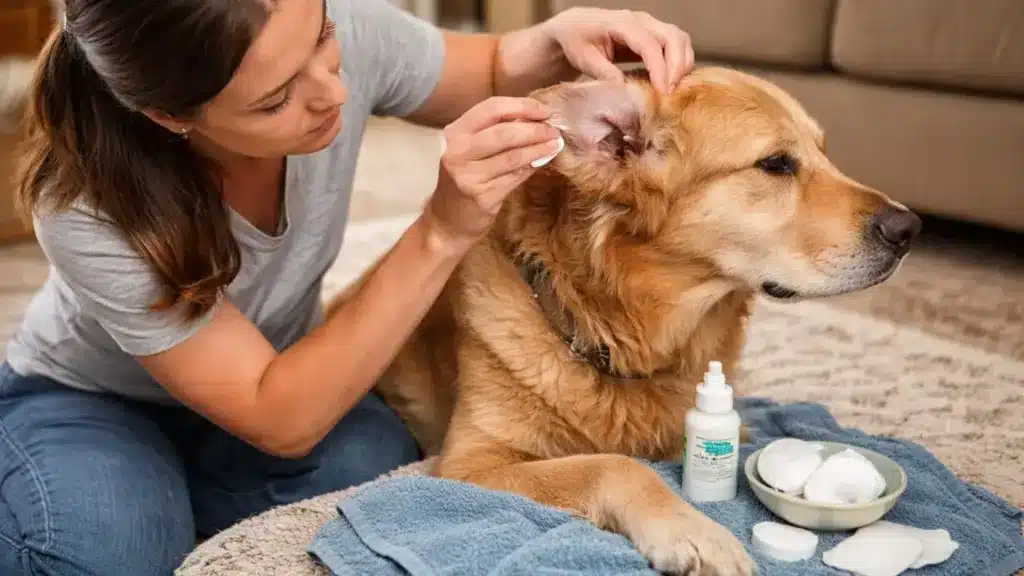
Your dog’s ears are twitching, and they’re scratching away like it’s their new favorite hobby.
If that sounds familiar, you might be dealing with an ear infection that’s making your pup uncomfortable.
Many pet owners turn to home options first, especially for milder cases, to save time and a trip to the clinic. But tackling it right means knowing what you’re up against, without risking your pet’s health.
In this blog, I will cover the common signs of a dog ear infection, the most common causes, and practical steps for gentle home care.
You’ll find easy remedies to treat a dog’s ear infection without a vet visit. You will also learn when to call an emergency vet and when to consult a vet.
What Exactly is a Dog Ear Infection?
A dog ear infection, medically known as otitis, is an inflammation or infection in the ear canal that can make your dog’s life pretty miserable if left unchecked.
It often starts in the outer ear but can spread deeper if left untreated, leading to discomfort, pain, and hearing issues over time.
The Veterinary Partner(VIN) explains that dogs’ ears have a J-shaped canal, which is great for hearing but traps moisture, debris, and allergens more easily than in humans.
Not all ear infections are the same, and understanding which type you’re dealing with is critical because not all dog ear infections can be managed at home.
- Otitis Externa: The most common type, affecting the outer ear canal (the part you can see). This is what home remedies can reasonably address.
- Otitis Media: An infection of the middle ear, often a progression of untreated otitis externa. Requires veterinary care.
- Otitis Interna: The deepest and most serious type, affecting the inner ear and sometimes causing neurological symptoms like balance loss. Always a vet emergency.
If the infection has progressed beyond the outer canal, home remedies are not appropriate.
One critical safety point before trying any liquid-based remedy: if your dog’s eardrum is ruptured, putting anything into the ear canal can cause severe pain, permanent hearing damage, and nerve injury.
A ruptured eardrum can only be confirmed by a vet using an otoscope. If you have any doubt about your dog’s eardrum integrity, skip home treatment and see a vet first.
This is something I stress to every owner who comes in asking about home care. I have seen well-meaning owners pour diluted vinegar into an ear with a perforated drum. The dog was in serious pain within seconds. Confirming the eardrum is intact is not optional before starting any home remedy program.
Signs and Symptoms of a Dog Ear Infection
Early detection of ear issues lets you act fast and ease your dog’s discomfort before it escalates.
- Head Shaking or Tilting: Your dog might shake vigorously or tilt their head to relieve pressure or itchiness caused by built-up debris in the canal.
- Scratching or Rubbing Ears: Constant pawing or rubbing against furniture signals irritation.
- Redness, Swelling, or Odor: Look for flushed skin, puffed-up ears, or a foul, yeasty smell.
- Discharge: Excess dark and crumbly wax or pus-like fluid indicates an infection.
- Pain when Touched: Whining, pulling away, or aggression during handling shows sensitivity.
- Pain When Opening the Mouth: If your dog resists eating, drops food, or flinches when yawning, middle-ear involvement may be causing referred jaw pain.
- Balance Issues or Hearing Loss: In more severe cases, wobbling, circling, or ignoring sounds may indicate deeper involvement affecting the inner ear.
The Smell Test: Before you even look inside the ear, sniff it. A healthy dog’s ear has a neutral or very faint odor. A yeasty, corn-chip smell usually points to yeast overgrowth with a foul, sour, or putrid odor often signals a bacterial infection.
Common Causes of Dog Ear Infections
Understanding the underlying cause of a dog ear infection is essential because treatment depends on what triggered the inflammation in the first place.
Treating the symptoms without addressing the root cause is one of the most common reasons infections keep coming back.
- Allergies: Food sensitivities or environmental allergens cause inflammation in the ear. Allergic skin disease (atopic dermatitis) is one of the most frequently overlooked causes of recurring ear infections. Dogs that keep getting ear infections despite treatment often have an underlying allergy that has never been addressed.
- Moisture Buildup: Swimming or bathing without proper drying creates a breeding ground for yeast and bacteria.
- Excess Ear Hair: Traps debris and reduces airflow inside the canal.
- Ear Mites: Tiny parasites that irritate and inflame the ear lining.
- Wax Overproduction: Leads to blockage and bacterial growth.
- Foreign Objects: Grass seeds or dirt lodged inside the canal can trigger infection.
- Endocrine Disorders: Conditions like hypothyroidism and Cushing’s disease can weaken the immune system, making dogs more prone to recurring ear infections.
- Immune-Mediated Skin Disease: When the immune system attacks the skin, it weakens the skin’s natural barrier, allowing yeast and bacteria to grow and cause infections.
Ways to Treat Dog Ear Infection without A Vet
Mild outer ear infections can often be cured with gentle cleaning and natural support if handled properly.
1. Cleaning Your Dog’s Ears at Home
Cleaning your dog’s ears removes debris and reduces the risk of infection, a simple first step in home treatment.
Use pet-safe supplies to avoid harm, and never force anything deep into the canal, as that can push gunk further or scratch sensitive skin. This helps maintain the ear’s natural pH balance.
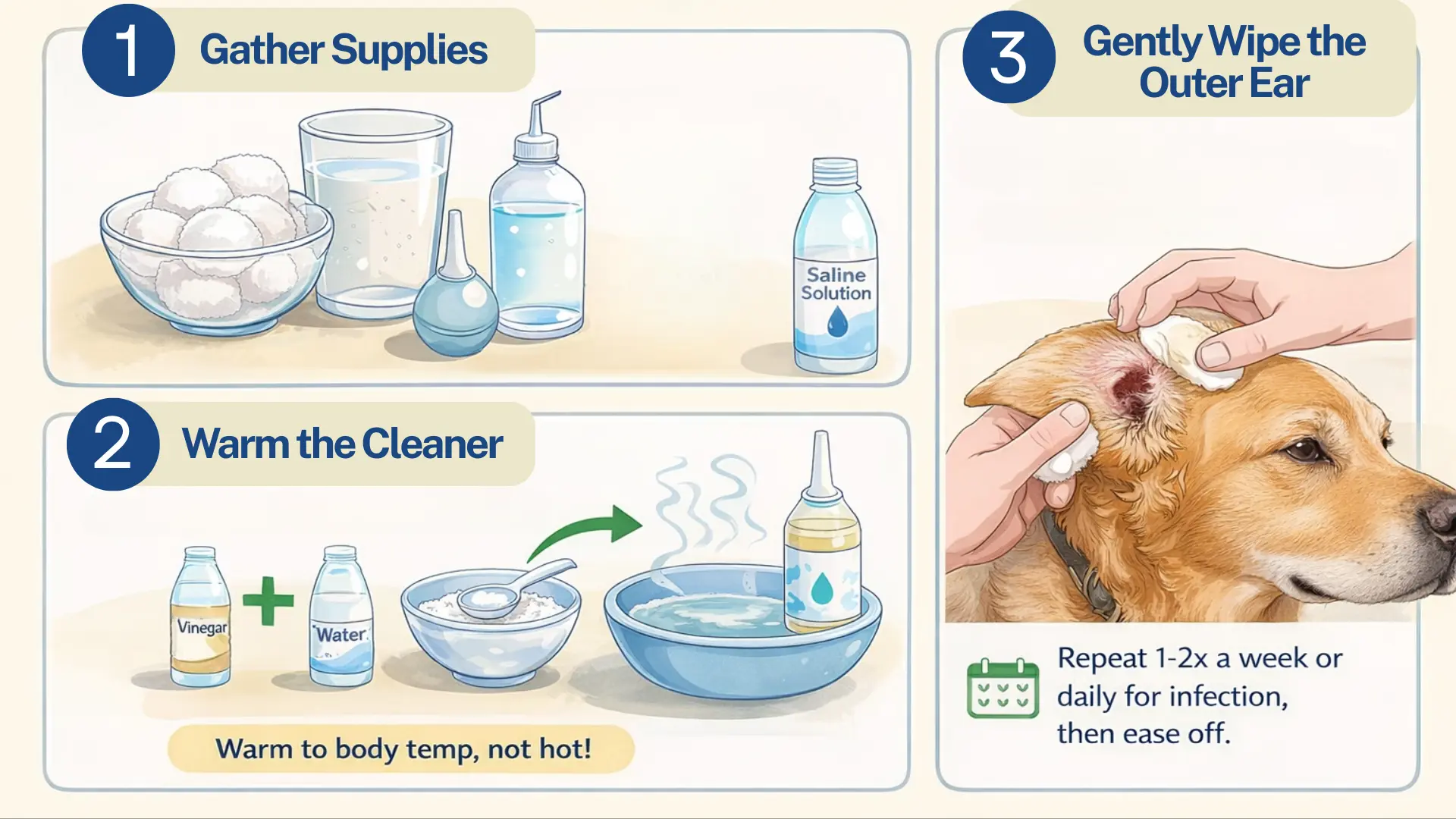
- Gather Supplies: Stock up on soft cotton balls or gauze, a saline solution (store-bought or homemade by adding 1 teaspoon of salt to 1 cup of warm water), and, optionally, a bulb syringe for gentle flushing.
- Warm the Cleaner: Mix a 1:1 apple cider vinegar and water solution for its mild antibacterial boost. Warm it slightly to body temperature to soothe, not sting. Only use diluted apple cider vinegar on intact, unbroken skin. Never apply it if the ear looks raw, cracked, or is actively bleeding.
- Gently Wipe the Outer Ear: Lift the ear flap, soak a cotton ball in the solution, and wipe visible areas in circular motions; let excess drip out naturally.
Do this 1 to 2 times a week, or daily for active infections, but ease off as symptoms improve.
If your dog yelps or seems more bothered, stop immediately and reassess. This method often clears mild buildup within a few days, but combining it with other aids can improve results.
A tip I share with owners: warm the cleaning solution in your hand for about 30 seconds before applying it. Cold liquid going into an already-irritated ear adds unnecessary discomfort and makes dogs more resistant to the next cleaning session.
A little warmth goes a long way toward keeping the process calm.
2. Natural Oils for Soothing Ear Infections
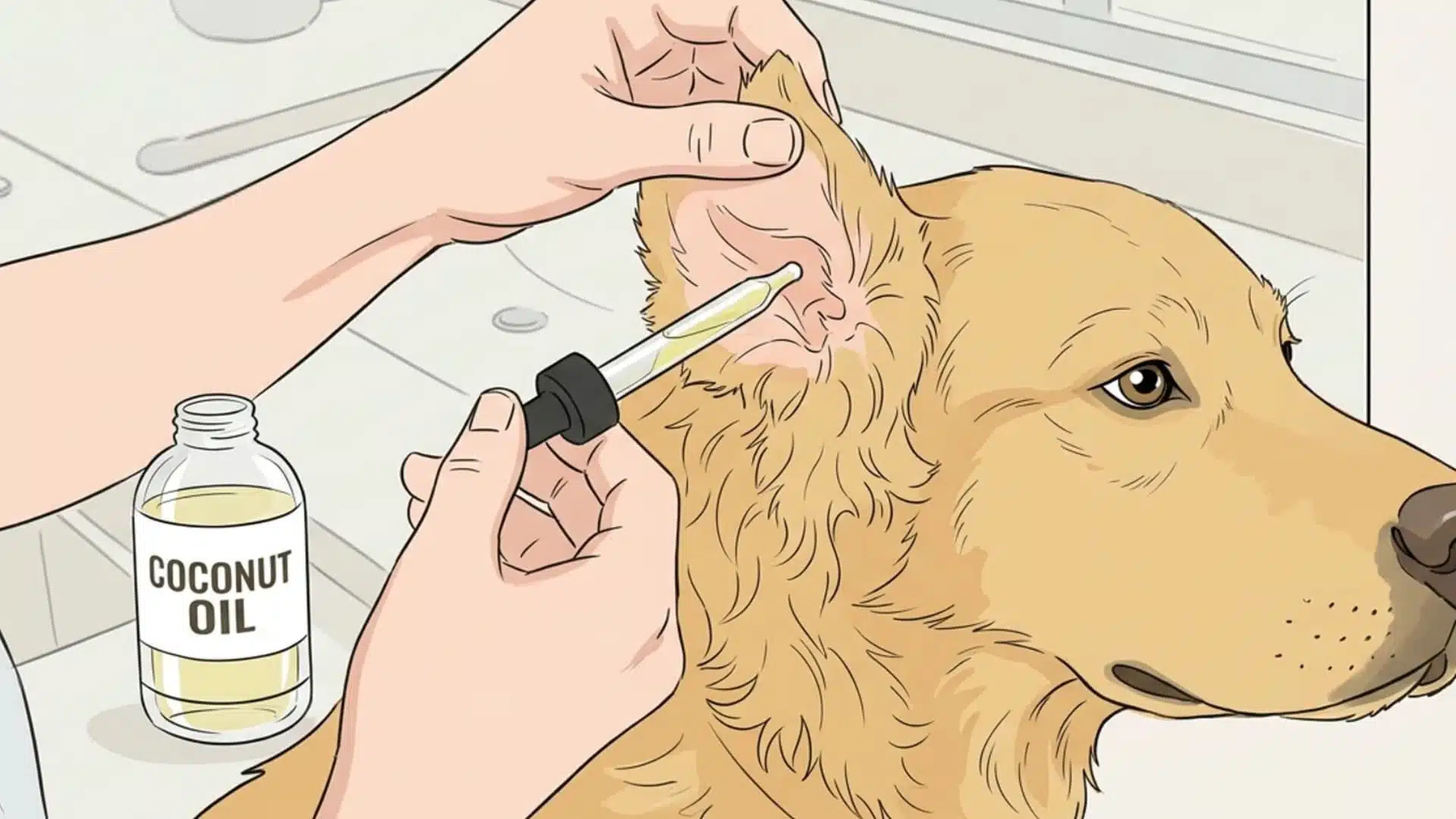
Oils with natural properties help calm inflammation and fight mild bacterial or yeast growth, making them a go-to for treating a dog’s ear infection without a vet visit.
Research from the National Center for Biotechnology Information highlights how these natural antimicrobials can support ear health in pets.
Apply sparingly to avoid greasiness, and always dilute essentials to prevent burns. Coconut oil, warmed to liquid, is one of the most commonly used options. Its antifungal and antimicrobial properties make it a reasonable choice for mild yeast-related irritation.
A few drops massaged gently at the base of the outer ear canal is sufficient.
3. Green Tea Rinse
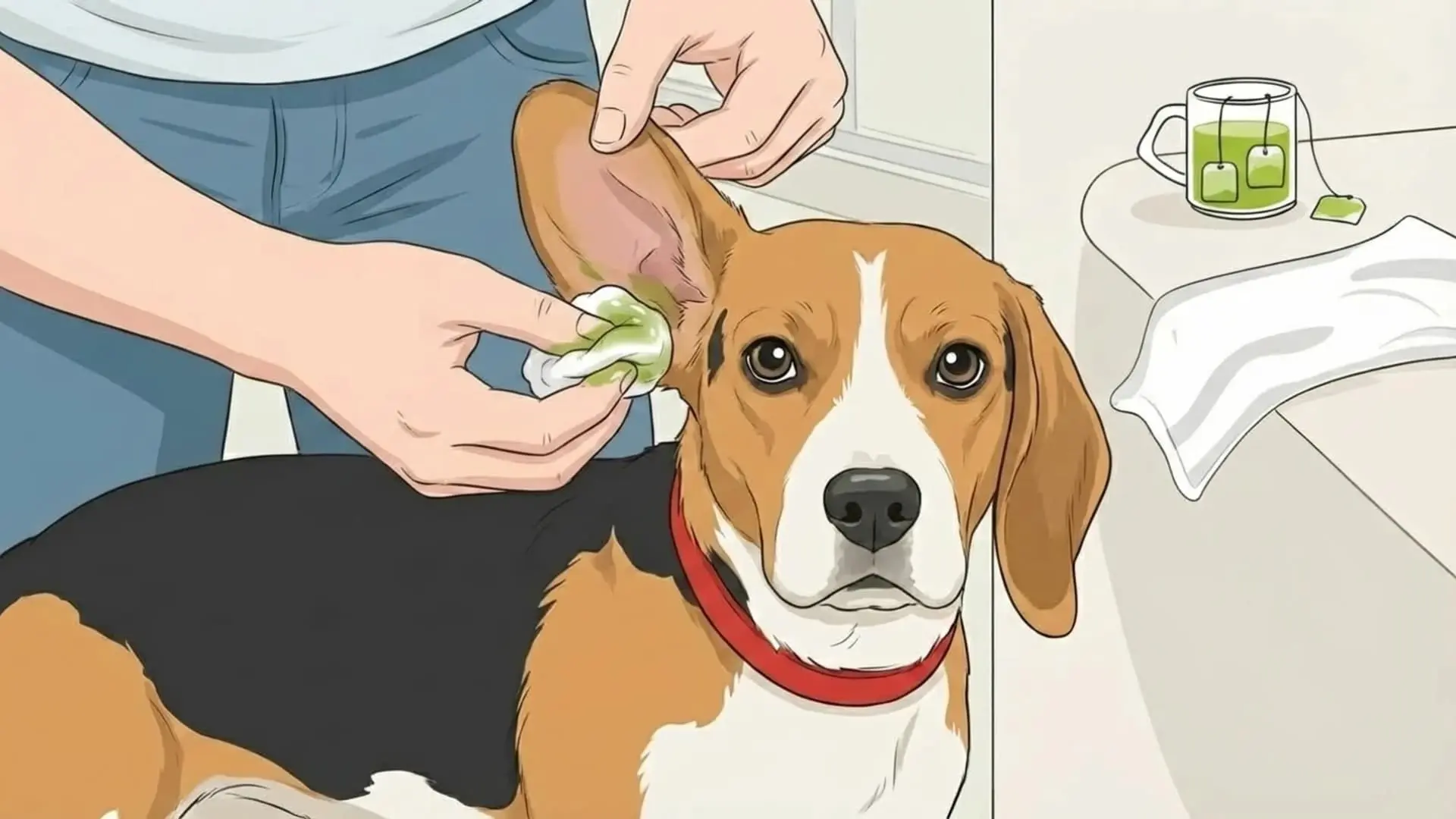
Brew two green tea bags in 8 oz of boiling water. Allow it to cool completely to lukewarm temperature. Using a dropper or sponge, apply a small amount into the ear canal.
Green tea’s natural tannins have mild antibacterial and anti-inflammatory properties, making it a gentle, safe option for soothing early-stage irritation.
Unlike vinegar, it does not alter ear pH dramatically, so it is suitable for dogs with more sensitive ears.
4. Calendula Tincture
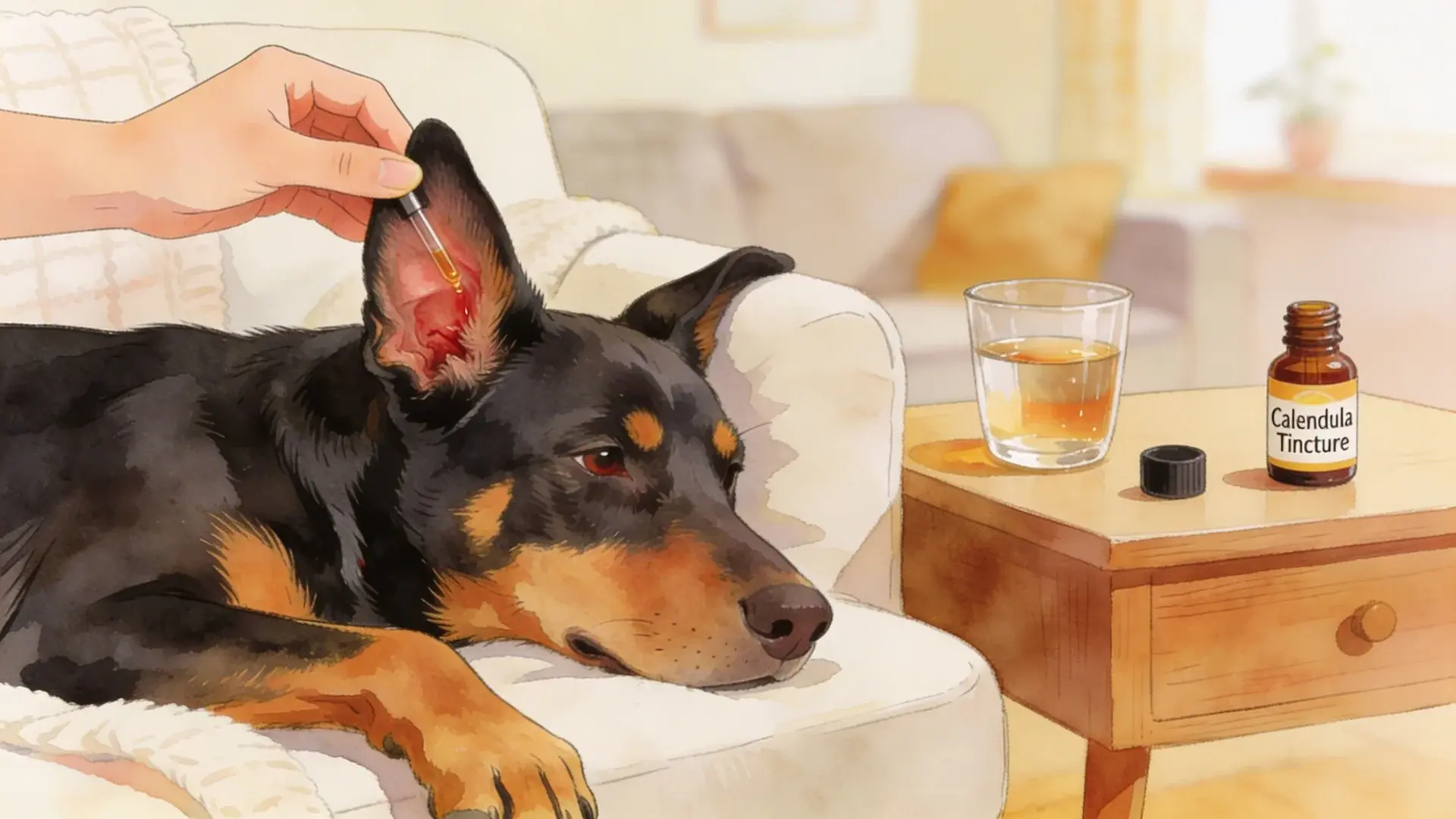
Calendula is well-established in herbal veterinary practice for its ability to reduce inflammation and support tissue healing.
Add 5-10 drops of herbal calendula tincture to 1 cup of lukewarm filtered water. Apply with a dropper or a cotton ball soaked in the solution to the outer ear canal.
Its antimicrobial properties help deter infection while reducing redness and discomfort. This is a particularly good option for dogs whose skin is irritated but not broken.
5. Herbal and Dietary Aids for Recovery
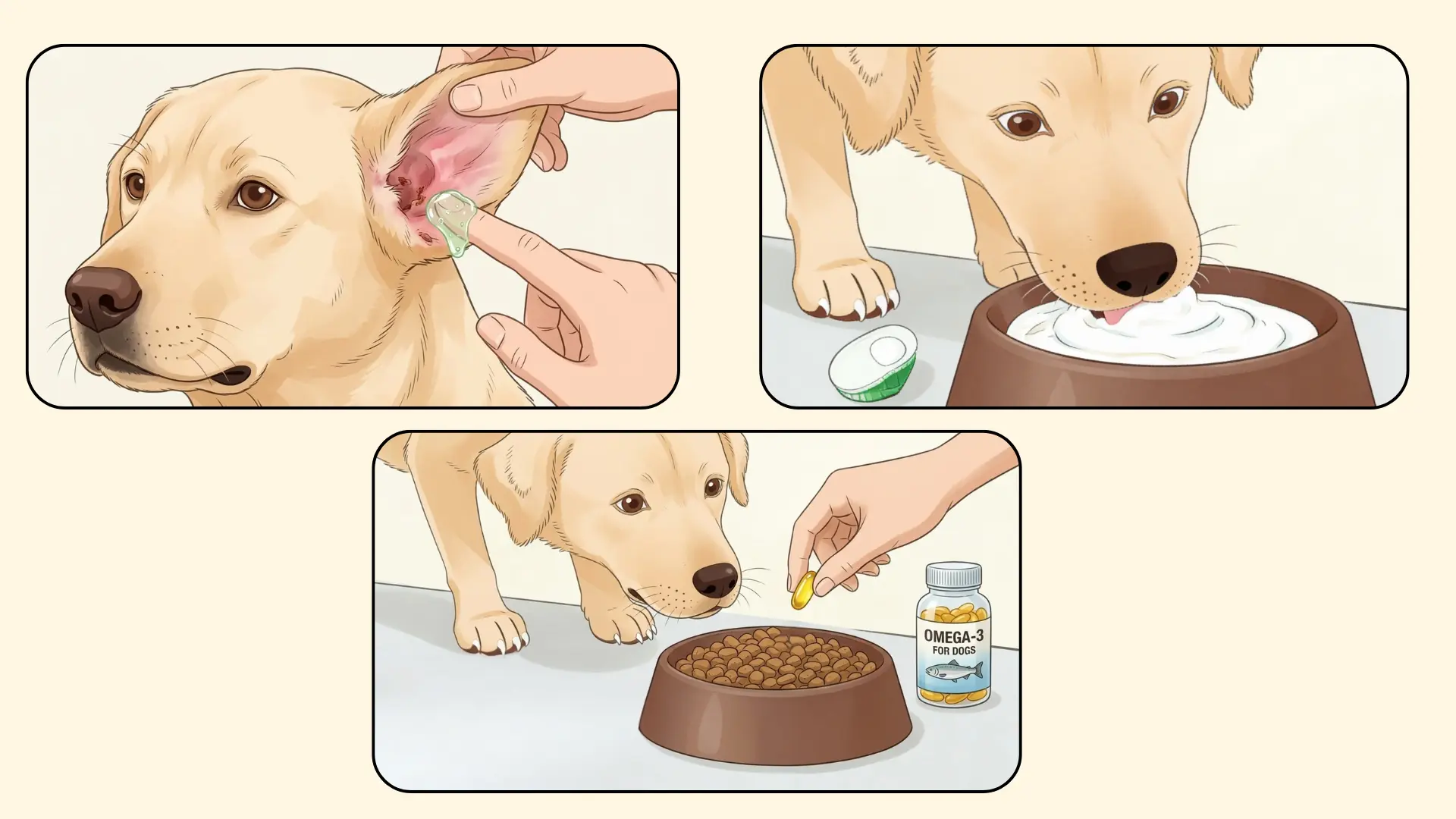
Support healing from the inside out with herbs and diet changes that address root causes, such as allergies, to help prevent a dog ear infection from becoming a recurring issue.
- Probiotics or Yogurt: Boosts gut health to ease allergy-related ear flare-ups. Add a teaspoon of plain, unsweetened yogurt to meals daily, or use pet probiotics.
- Aloe Vera Gel: It calms redness and swelling. Use pure, organic gel and apply a thin layer to the outer ear flap twice daily; its anti-inflammatory qualities help soothe fast.
- Omega-3 Fatty Acid Supplementation: Fish oil (EPA and DHA) has well-documented anti-inflammatory effects. Adding an appropriate dose to your dog’s food can reduce the systemic inflammation.
6. Over-the-Counter Dog Ear Drops
Over-the-counter ear cleaners and antifungal solutions can help manage mild dog ear infections, especially those caused by yeast or debris buildup.
Look for products containing chlorhexidine and tris-EDTA, which are among the safest and most effective water-based ear cleaners for home use.
These ingredients are gentle enough for regular use and help break down the biofilm that bacteria and yeast use to anchor themselves in the ear canal.
Choose drops with antifungal or antibacterial ingredients for safe relief, and always check labels for vet-approved formulas.
What Not to Put in Your Dog’s Ears?
Several commonly recommended home remedies can actively harm your dog’s ear canal, especially if the eardrum is compromised. These should be avoided regardless of what you may have read online.
- Hydrogen Peroxide: While it feels cleansing, hydrogen peroxide can damage delicate ear canal tissue and disrupt the natural microbial balance. It should never go in a dog’s ear.
- Rubbing Alcohol: Causes intense pain and burning, particularly in inflamed or broken skin. Using it makes future treatment harder because your dog will resist any ear handling.
- Undiluted Apple Cider Vinegar: The concentrated acidity can sting and cause chemical irritation. Always dilute at a minimum 1:1 ratio with water, and never apply to raw, cracked, or bleeding skin.
- Cotton Swabs (Q-tips) Deep in the Canal: The outer ear is safe to wipe. Pushing a swab deeper compacts debris, can rupture the eardrum, and causes more harm than good.
- Undiluted Essential Oils: Tea tree oil and other essential oils are toxic to dogs if ingested during grooming and can chemically burn the ear canal if not heavily diluted.
When is It Safe to Treat a Dog’s Ear Infection at Home?
Treating your dog’s ear infection at home can be a safe option for mild cases, helping ease discomfort without a vet visit right away
Knowing the difference between mild and severe cases where a doctor’s intervention is needed will help you keep your dog protected.
Stick to home remedies if you notice just slight redness around the ear flap, a light yeasty odor without strong discharge, or occasional scratching that doesn’t disrupt their day.
These often stem from minor buildup and respond well to gentle cleaning within a few days.
However, head to the vet immediately if you see severe swelling that puffs up the ear, any bleeding or pus, or a persistent head tilt suggesting balance trouble.
Signs of fever-like lethargy or hot ears that do not improve even after 3 days of home care require immediate veterinary attention.
Trust your instincts as a dog parent. Early vet care prevents bigger issues and helps your furry friend recover fully.
Real Story of Ear Infection Treatment without a Vet

From Reddit discussions, many dog owners shared success stories of treating mild ear infections at home, emphasizing gentle, natural approaches while awaiting professional care.
A common remedy was to dilute apple cider vinegar (1:1 with water) to clean ears.
Its acidity helps combat yeast and bacteria. Dog owners reported reduced itching after twice-daily applications using cotton balls.
Coconut oil was praised for its antifungal properties; applying a small amount warmed and massaged into the ear canal soothed inflammation and loosened debris.
Witch hazel wipes were another favorite for drying out excess moisture without irritation. Warm compresses applied for 5 to 10 minutes eased pain and promoted drainage.
Owners noted that keeping ears dry after treatment and monitoring for worsening symptoms prevented recurrence, with improvements seen within 3 to 5 days in minor cases.
Tips to Prevent Dog Ear Infections
By building easy habits into your dog’s daily life, you support their ear health and catch issues early.
- Regular Cleaning Routine: Wipe outer ears weekly with a damp cloth to remove wax.
- Dry Ears After Water: Towel-dry thoroughly post-bath to avoid trapped moisture and bacteria
- Balanced Diet for Allergies: Feed hypoallergenic food to minimize itchiness.
- Breed-Specific Grooming: Trim hair on floppy-eared breeds like Spaniels to improve airflow. A consistent breed-specific care routine makes a measurable difference in how often these dogs develop ear problems.
- Monitor for Early Signs: Check ears monthly for redness or odor to address minor issues.
- Avoid Irritants: Use pet-safe products to prevent chemical reactions in sensitive ears.
- Probiotic Supplements: Add supplements to meals if allergies persist to support gut health, which is linked to ear wellness.
Conclusion
Treating your dog’s ear infection at home can be a gentle, effective way to provide quick relief for mild cases.
These at-home treatments empower you, as a pet parent, to support your pet’s comfort with natural remedies like apple cider vinegar rinses or coconut oil applications.
Remember, home remedies are appropriate only for mild otitis externa. Knowing the three types of ear infections and which one you’re dealing with is the foundation of treating this right.
Colored discharge, balance issues, or persistent worsening are your signal to stop treating at home and get professional eyes on the situation.
These approaches work best when paired with keen observation, like spotting early signs and addressing root causes, like allergies, that prevent recurring issues.
By incorporating preventive habits, you’re not just fixing a problem but building a foundation for your pup’s long-term wellness.
Always prioritize safety, and if symptoms persist, professional vet care ensures nothing is overlooked.
Share your own home remedy successes in the comments below.
I’d love to hear how these tips helped your furry friend!
Frequently Asked Questions
Are Some Dog Breeds More Prone to Ear Infections Than Others?
Yes, floppy-eared breeds like Cocker Spaniels or Basset Hounds trap moisture easily, increasing risk; regular checks help.
How Long until Home Remedies Show Results for Ear Infections?
Mild cases often improve in 3 to 5 days with consistent application, but monitor closely for any lack of progress.
Are Dog Ear Infections Contagious to Other Pets or Humans?
Most ear infections are not contagious. However, ear mites spread easily between pets, so all animals should be treated. Human infection is rare but possible with close contact.
What’s the Difference Between a Yeast and a Bacterial Ear Infection in Dogs?
Yeast infections cause dark, musty discharge and itching, while bacterial infections produce yellow or green pus and pain. Proper diagnosis matters since treatments differ.