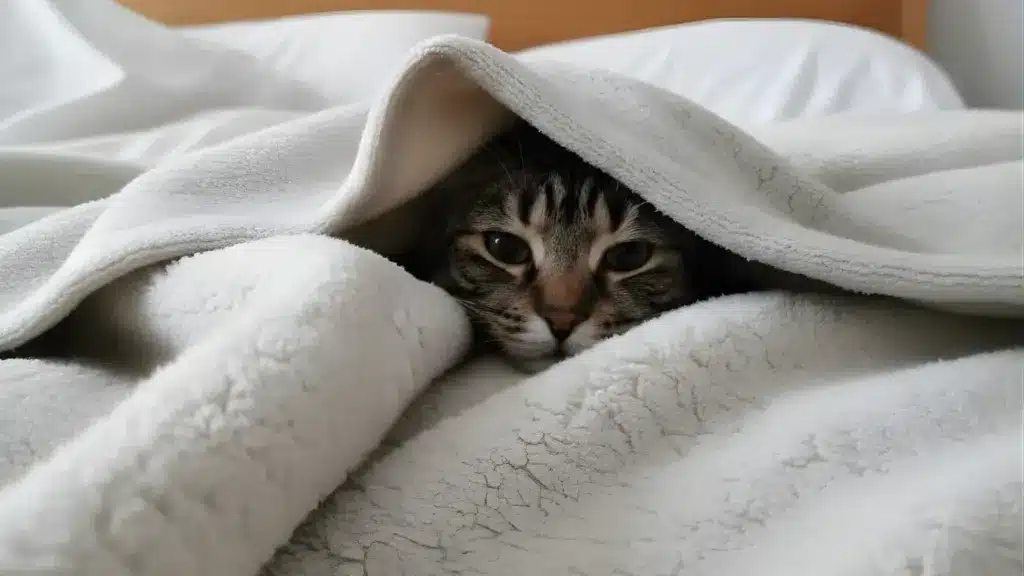
A playful, relaxed cat may suddenly start hiding under the bed or licking the same area of fur until the fur thins, leaving owners unsure about what caused the change.
At first, these behaviors may seem minor or temporary, but repeated patterns often signal something deeper.
When stress builds around departures or long hours alone, cat separation anxiety can begin to shape daily behavior in noticeable ways.
Repetitive habits such as pacing or excessive grooming may also suggest cat OCD, especially when they become difficult to interrupt.
Recognizing these patterns early creates an opportunity to address the issue before stress begins.
Read through the the blog to learn about the cat anxiety symptoms, what causes it, and how cat owners may treat or prevent it from further health issues.
What Causes Anxiety in Cats?
Anxiety in cats often develops when something disrupts a cat’s sense of safety, routine, or control.
Cats are sensitive to changes in their environment, so moving to a new home, rearranging furniture, loud noises, new pets, or unfamiliar people can all trigger stress.
Separation from an owner, especially after long periods together, is another common cause.
Past trauma, lack of early socialization, or being rehomed may also make some cats more prone to anxiety.
Medical issues such as pain, thyroid imbalance, or urinary problems can sometimes appear as cat anxiety symptoms, which is why a vet check is important.
Even boredom and lack of mental stimulation can build frustration over time. Identifying the root cause is the first step toward helping a cat feel secure and calm again.
Common Cat Anxiety Symptoms
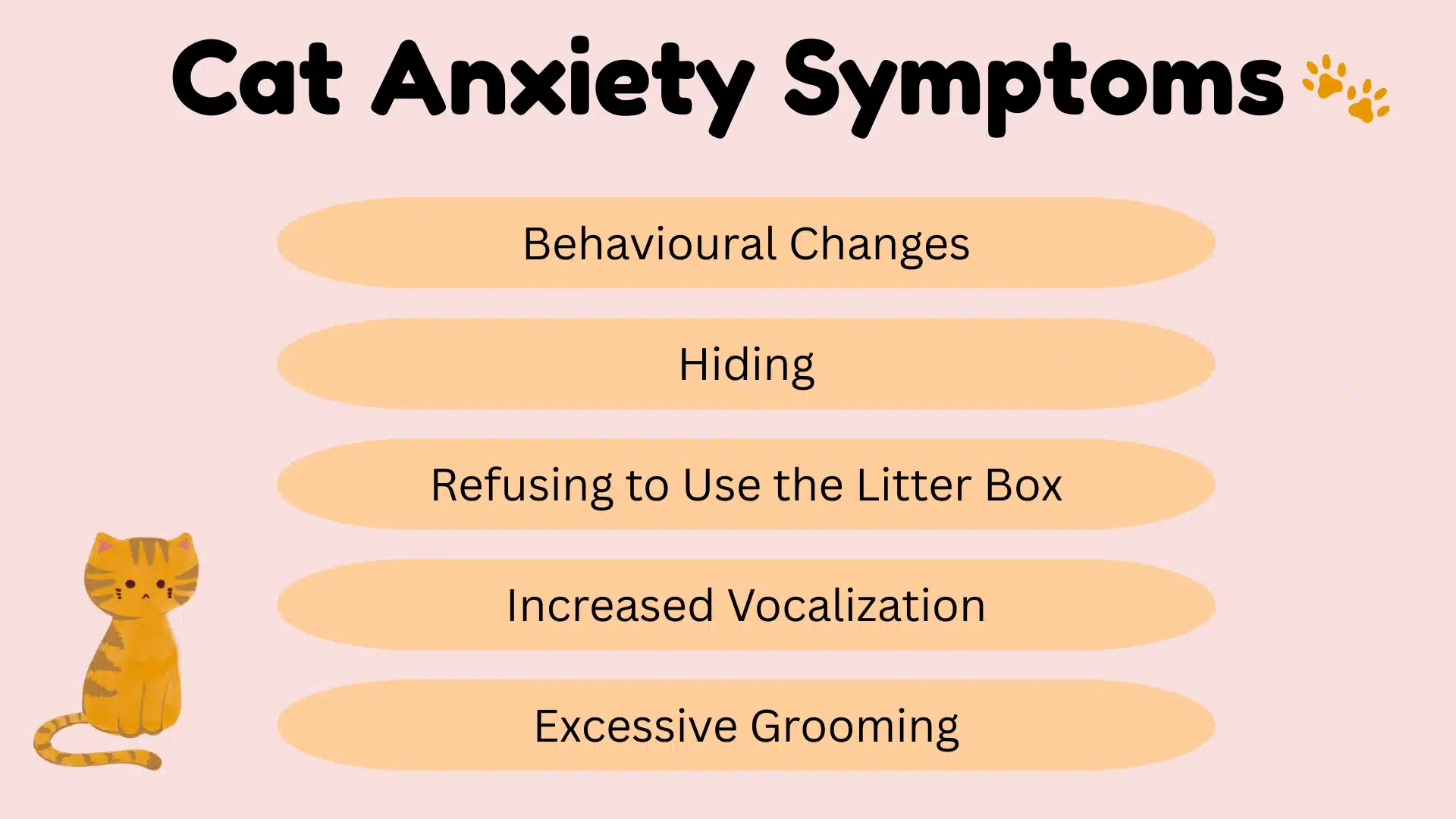
Many owners overlook this because cats often mask discomfort, yet consistent changes in behavior usually signal something deeper that could be prevented by spotting behavioral shifts.
1. Behavioural Changes
Sudden mood swings without a clear trigger often rank among the most noticeable cat anxiety symptoms.
A normally calm cat may begin swatting, hissing, or biting in response to everyday interactions or react defensively. Irritability may increase during petting, feeding, or routine handling.
Aggression linked to anxiety usually stems from fear, overstimulation, or feeling threatened rather than dominance.
Body language such as flattened ears, a puffed tail, or tense posture often accompanies these reactions.
2. Hiding
A cat may retreat under beds, inside closets, or behind furniture for extended periods, especially during loud events or unfamiliar activity.
Occasional hiding is normal behavior, but long stretches of isolation combined with reduced interaction often indicate emotional distress.
Appetite changes and decreased play may also appear alongside this behavior.
Anxiety-related withdrawal usually increases after environmental disruptions such as moving or introducing new pets.
3. Refusing to Use the Litter Box
Inappropriate urination or defecation often reflects stress tied to territory, routine shifts, or conflict with other pets.
A previously consistent bathroom habit that suddenly changes should raise concern.
Anxiety may cause marking behavior, especially near doors or personal items.
However, urinary tract infections or digestive issues can mimic these cat anxiety symptoms, so medical evaluation remains essential before assuming a behavioral cause.
4. Increased Vocalization
Vocalization may become louder, more persistent, or unusually urgent compared to normal communication.
Anxiety-driven meowing often occurs near doors, windows, or areas associated with departure routines. Restlessness and pacing may accompany this behavior.
While some breeds are naturally more vocal, sudden increases typically reflect discomfort or emotional stress.
Changes in the environment, loneliness, or confusion can intensify these cat anxiety symptoms.
5. Excessive Grooming
Repetitive licking often targets the belly, legs, or sides and may serve as a coping response to stress. Over time, skin irritation can develop, worsening discomfort.
Vomiting may also occur when anxiety disrupts digestion or increases nervous behaviors such as rapid eating.
Frequent vomiting paired with grooming changes should not be dismissed.
Medical conditions can resemble these anxiety symptoms, making veterinary assessment important before concluding anxiety as the sole cause.
Cat Separation Anxiety: How It Differs from General Anxiety?
Cat separation anxiety is a distinct type of emotional distress that develops when a cat struggles with being left alone or apart from a primary caregiver.
This condition centers specifically around the absence of their human companions.
In contrast, general anxiety may be triggered by loud noises, unfamiliar guests, new pets, or sudden environmental changes within the home.
Common cat anxiety symptoms connected to separation include persistent meowing before or after someone leaves, scratching near doors, and loss of appetite while alone.
Some cats remain near entryways for long periods, while others display clingy behavior once the caregiver returns.
Sudden schedule shifts, relocation, loss of a companion, or intense bonding followed by abrupt absence frequently increase emotional dependence and stress levels.
Cat OCD and Compulsive Behaviors
Compulsive behaviors in cats refer to repetitive actions that seem excessive, hard to interrupt, and unrelated to normal daily needs.
These behaviors often develop as a response to long-term stress or anxiety.
Common examples include constant pacing, tail chasing, fabric sucking, and repeated grooming.
One well-known condition linked to anxiety is psychogenic alopecia, where excessive licking leads to noticeable hair loss, usually on the belly, legs, or sides.
While these actions may look unusual or alarming, many are connected to ongoing cat anxiety symptoms rather than a primary medical disease.
However, medical problems such as skin infections or allergies can appear similar, so proper evaluation is important before assuming behavioral causes.
Treatment and Management Strategies for Cat Anxiety
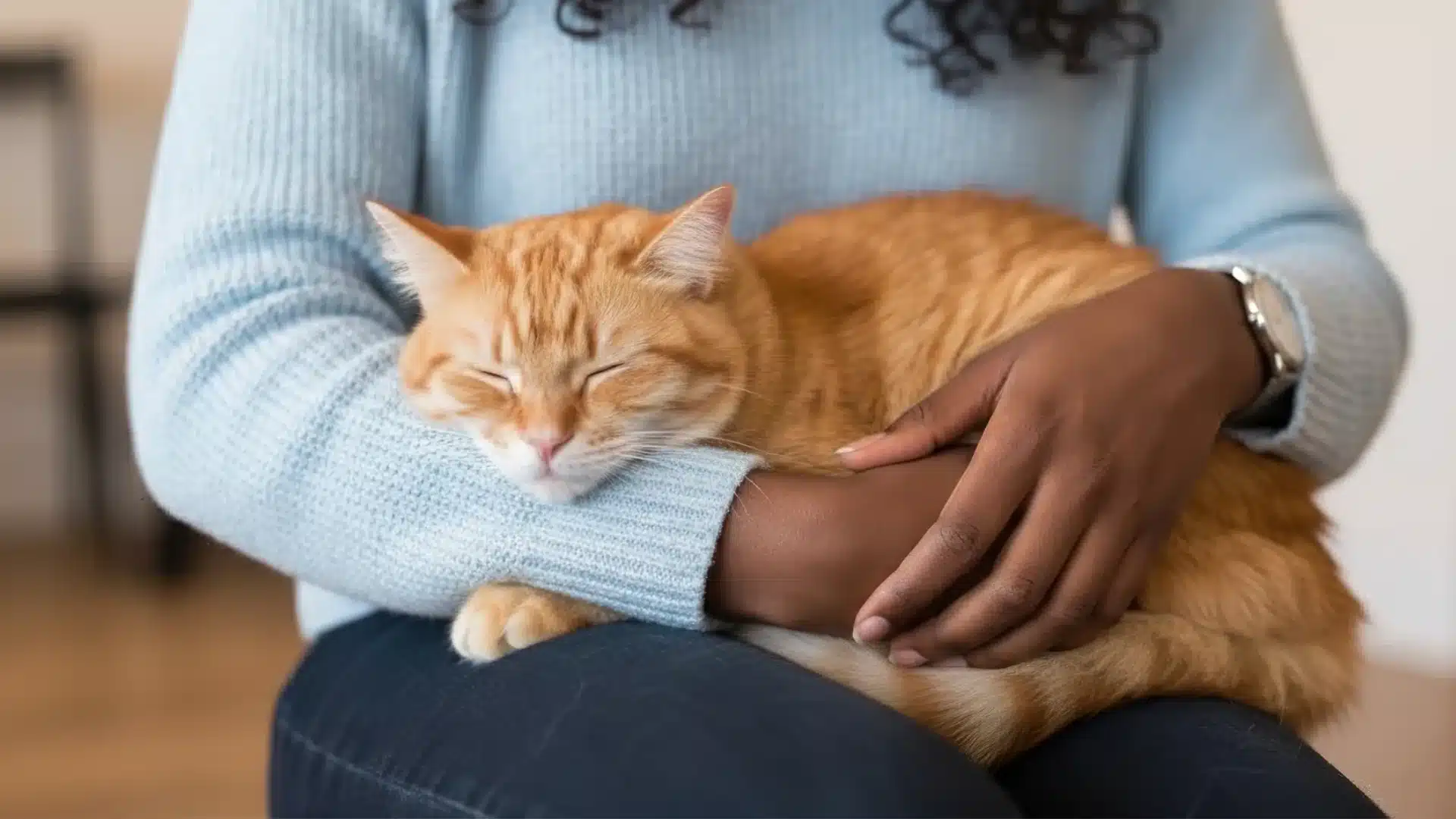
The goal is to build a stable, predictable environment that helps a cat feel secure. Combining natural methods, behavior techniques, and professional guidance often leads to better outcomes.
1. Natural Remedies
Simple home adjustments like using pheromone diffusers or sprays can ease cat anxiety symptoms when stress is linked to boredom or insecurity.
Mental stimulation matters, so puzzle feeders, interactive toys, climbing trees, and window perches help release energy.
Safe hiding spots, such as covered beds or quiet corners, and soft background music or radio noise, offer comfort during overwhelming moments.
2. Behavioral Techniques
Graduated desensitization uses short departures that slowly increase in length, teaching that absence is temporary.
Counter-conditioning pairs departure cues, such as picking up keys, with positive rewards like treats or toys. This helps change fear-based reactions into calmer expectations.
Active play sessions before leaving encourage physical tiredness, which supports rest instead of anxious pacing.
3. Supplements and Over-the-Counter Aids
Certain supplements may support mild cat anxiety symptoms when used carefully.
Calming treats containing L-theanine or other cat-safe amino acids are designed to promote relaxation without heavy sedation.
These products work best alongside environmental improvements rather than alone. Veterinary approval is recommended before starting any supplement to avoid health risks or interactions.
4. Medications and Advanced Options
Medication may be considered when cat anxiety symptoms are severe, persistent, or disruptive.
Veterinary-prescribed options such as selective serotonin reuptake inhibitors or other anti-anxiety drugs can help stabilize mood and reduce compulsive behaviors.
Medication is typically combined with behavior modification and environmental support. Follow-up visits allow dosage adjustments and monitoring for side effects.
When to Talk to the Vet for Diagnosing Cat Anxiety?
A veterinary visit becomes important when behavioral changes are sudden, intense, or ongoing.
Medical problems like pain, thyroid imbalance, digestive issues, or urinary infections can look similar to anxiety, so a proper exam helps rule out physical causes.
Professional evaluation is also necessary when stress behaviors begin to interfere with eating, sleeping, or normal daily activity.
Early diagnosis prevents worsening patterns and supports faster recovery.
A veterinarian may recommend behavior adjustments, environmental changes, supplements, or medication depending on severity.
Seeking guidance ensures that treatment remains safe, accurate, and tailored to the specific needs of the cat.
Tips for Preventing Anxiety in Cats
Preventing anxiety is often easier than managing long-term stress behaviors. Healthy habits and a stable environment can reduce the risk of ongoing cat anxiety symptoms.
- Early Socialization: Gradual exposure to people, sounds, and environments during kittenhood builds confidence and reduces fear later in life.
- Consistent Daily Routine: Steady feeding, playtime, and sleep schedules create predictability and security.
- Independent Play Training: Encouraging solo play with safe toys builds comfort during alone time and reduces reliance on constant attention.
- Safe Personal Spaces: Quiet resting areas or covered beds provide a retreat during overwhelming moments and support emotional balance.
- Gradual Change Exposure: Introducing new pets, furniture, or schedule changes slowly helps prevent overstimulation and lowers stress-related behaviors.
Conclusion
Subtle behavior shifts can speak loudly when a cat feels unsettled.
Cat anxiety symptoms often signal emotional distress rather than simple attitude changes.
Cat separation anxiety typically appears around departure routines or long absences, while cat OCD may show through repetitive grooming, pacing, or other compulsive habits.
Early attention makes a real difference because ongoing stress can slowly affect physical health and daily comfort.
With the right mix of environmental support, behavior techniques, and veterinary care, improvement is absolutely possible.
Persistent symptoms deserve professional evaluation to build a safe treatment plan.
Have similar experiences at home? Share thoughts in the comments or pass this guide along to help another cat owner support a calmer, healthier companion.