

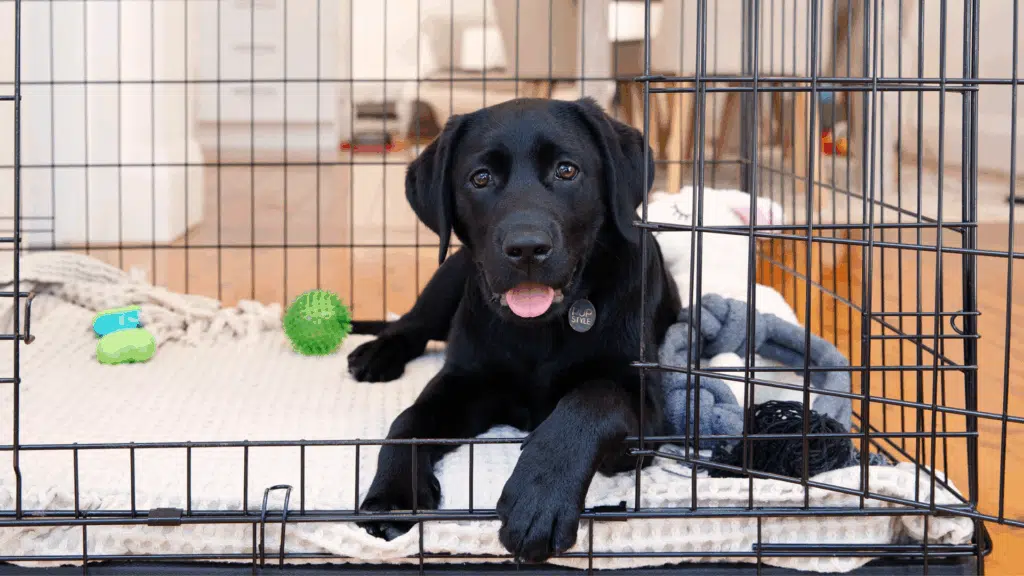
How long does it really take to potty train a puppy? The truth is, every puppy learns at a different pace. Some pick it up in just a few weeks, while others need a few months to get the hang of it.
That’s perfectly normal. Patience, routine, and consistency are what make the biggest difference.
In this blog, you’ll learn:
- How long does potty training usually take
- What factors can speed it up or slow it down
- Simple steps to help your puppy succeed
Potty training isn’t about perfection; it’s about progress. With the right schedule, plenty of praise, and a calm attitude, your puppy will start connecting the dots.
My guide covers what to expect, how to handle accidents, and simple ways to help your pup get fully house-trained.
Why Potty Training Matters Early?
Starting potty training early helps your puppy build good habits that last a lifetime.
When you begin as soon as your puppy comes home, they quickly learn what’s expected and feel more secure in their new environment.
Early training also helps prevent bad habits, like going inside the house or holding it too long.
I’ve learned that starting right away makes everything easier later on. Puppies are most open to learning in their first few months, so this is the best time to teach them the right routine.
It’s not just about keeping your home clean; it’s about building trust and structure between you and your puppy.
A clear, early routine reduces confusion, boosts confidence, and sets the foundation for a happy, well-behaved dog.
How Long Does It Take to House Train a Puppy?
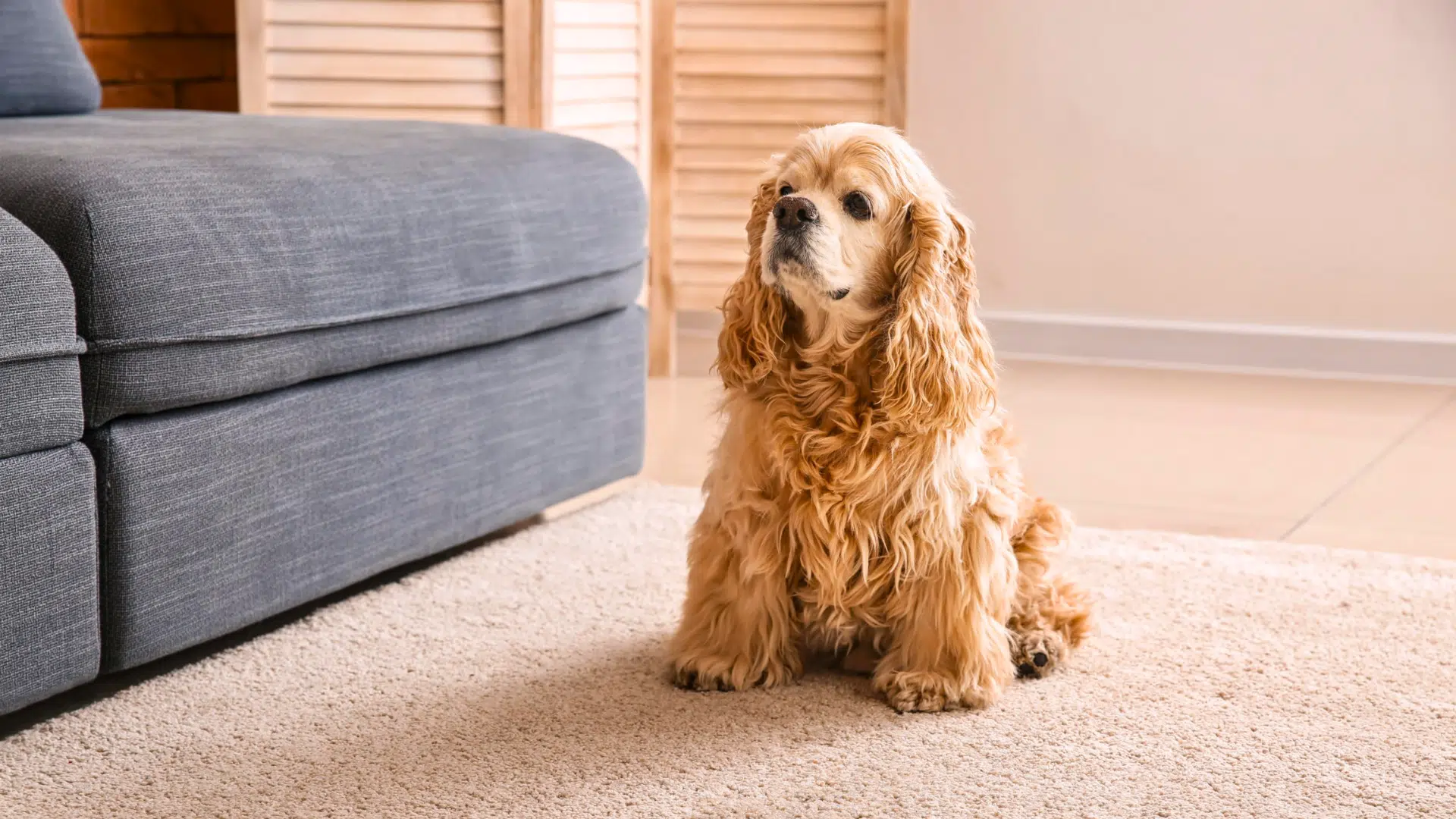
From what I’ve seen, it usually takes about 4 to 6 months to house train a puppy. Some learn faster, while others need extra time, and that’s okay.
The exact timeline depends on your puppy’s age, breed, and how consistent you are with training.
Smaller breeds often take longer because they have tiny bladders and need to go more often. Young puppies also can’t hold it for very long, so early progress can feel slow.
What matters most is sticking to a steady routine and being patient. Even well-trained puppies can have setbacks or accidents during the process.
That doesn’t mean you’re doing anything wrong; it’s just part of learning.
With time, consistency, and positive reinforcement, your puppy will understand where and when to go.
What You’ll Need to Potty Train Your Puppy?
Having the right supplies makes potty training smoother for both you and your puppy. These are the basics I always keep on hand when starting out.
- Crate: Helps your puppy learn to hold it between breaks and gives them a safe, cozy spot to rest.
- Puppy Pads: Useful for apartments or overnight training when outdoor trips aren’t possible.
- Enzyme Cleaner: Removes odors and stains completely, so your puppy doesn’t return to the same spot.
- Training Treats: Small, soft treats make rewarding good behavior quick and easy.
- Leash and Collar: Needed for regular outdoor trips and to guide your puppy to the right potty spot.
- Feeding and Walk Schedule Chart: Keeps you consistent, helping your puppy learn a predictable routine faster.
How to Potty Train a Puppy?
Potty training works best when you keep things simple and repeat the same steps every day. A steady routine teaches clear habits and helps your puppy succeed.
1. Set a Routine for Meals and Potty Breaks
Feed your puppy at the same times each day and plan potty breaks around those meals, naps, and play sessions.
Young pups usually need a trip outside first thing in the morning, after eating, after playing, after naps, and before bed.
Predictable timing makes bathroom needs easier to anticipate.
Use a simple daily chart to track meals, water, and outings. When timing is consistent, your puppy learns faster and accidents become less frequent.
2. Take Your Puppy to the Same Spot Each Time
Choose one outdoor spot and go there every time. The familiar scent cues your puppy to go quickly.
Walk them on a leash to the spot, stand still, and keep the moment calm.
Use a short cue like “go potty.” Give them a few quiet minutes to focus. If nothing happens, go back inside and try again soon.
Repeating the same location, cue, and routine builds a strong habit your puppy can follow every day.
3. Praise and Reward Right After They Go
Timing matters. The reward should happen immediately after your puppy finishes, not later. Use a happy voice, gentle praise, and a small treat.
Keep the praise short so they connect the reward with the act of going to the right place.
This positive link motivates your puppy to repeat the behavior next time. Skip punishment; it confuses puppies and slows learning.
Consistent, quick rewards are the simplest way to teach what you want and build confidence.
4. Supervise Closely Indoors
Watch your puppy whenever they’re out of the crate or playpen. Look for early signs: sniffing, circling, heading to a corner, or suddenly getting quiet.
If you see a sign, take it outside right away. Use gates or a leash indoors to keep them near you and reduce hidden accidents.
Short, supervised play periods followed by a potty break work well.
The more you prevent indoor accidents now, the faster reliable habits form later.
5. Gradually Extend Time Between Breaks
Start with frequent trips, often every 60–90 minutes, for young puppies. As your puppy stays dry between breaks, slowly add 15–30 minutes to the gap.
Keep a log of dry periods to guide your pace. If an accident happens, shorten the interval again for a few days.
This step-by-step approach matches your puppy’s growing bladder control. Over time, you’ll move from many short outings to a manageable schedule that fits your day and your puppy’s needs.
6. Expect and Handle Mistakes Calmly
Mistakes will happen. If you catch your puppy in the act, interrupt gently and take them outside to finish. Do not scold.
Afterward, clean the area with an enzyme cleaner to remove the smell and prevent repeat spots.
Review your schedule: Were you late on a break? Was the play too long without a pause?
Adjust your timing, supervise more closely, and keep rewards flowing for outdoor success. Steady, calm responses turn setbacks into quick learning moments.
What Other Puppy Owners Say About Potty Training Time?
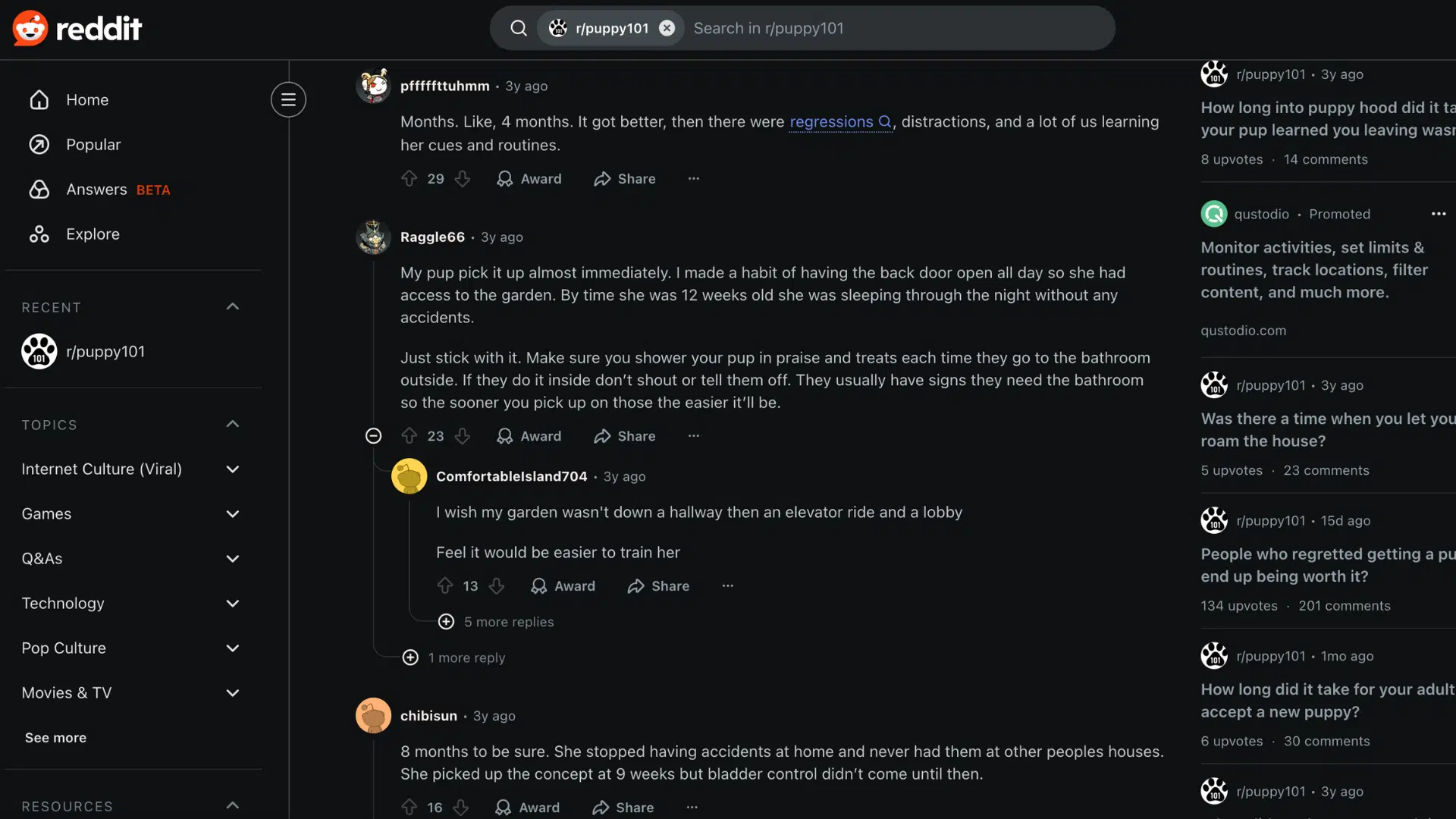
If you’ve ever felt like your puppy isn’t making progress fast enough, you’re definitely not alone.
Many dog owners on Reddit shared their real experiences, and the timelines vary widely. Some saw success in just weeks, while others took several months before things fully clicked.
One owner said their puppy understood the idea quickly, but didn’t have full control until six to seven months old.
Another mentioned it took around four months, with some progress followed by setbacks, something most owners agreed was completely normal.
A few lucky ones said their pups were consistent by 12 weeks, especially when they had easy outdoor access.
Others, like apartment owners, found it tougher with limited outdoor space.
Many agreed that patience, routine, and positive reinforcement were the real game changers. In short, every puppy’s timeline is different, but the effort always pays off.
Tips to Speed up House-Training a Puppy
House training doesn’t have to drag on for months. A few simple habits can help your puppy learn faster and make the process smoother for both of you.
- Stick to a Consistent Schedule: Take your puppy out at the same times every day, after meals, naps, and playtime.
- Use Crate Training Wisely: A crate teaches control and gives your puppy a safe, clean place to rest.
- Reward Quickly After Success: Praise or treat your puppy right after they go outside to reinforce good behavior.
- Keep Feeding Times Regular: Predictable meal times help you anticipate potty breaks more easily.
- Be Patient and Positive: Stay calm during setbacks. Encouragement and consistency always work better than punishment.
Factors that Affect Potty Training Time
Every puppy learns differently, and several things can change how fast potty training goes. Some are about the puppy itself, while others depend on how you train and stay consistent.
1. Age
Younger puppies usually take longer to train because their bladder control is still developing. At eight weeks, they may only hold it for an hour or two.
As they grow, that time increases, and they start to understand your routine better.
I’ve noticed that by six months, most puppies can last several hours between breaks. The key is to stay patient and keep taking them out on time.
Skipping breaks or waiting too long can cause accidents, which only slow progress.
2. Breed Size
Breed size makes a big difference in potty training time. Smaller breeds like Chihuahuas and Yorkies often need more frequent trips outside since their bladders are tiny.
Larger breeds like Labs or Shepherds can usually hold it longer, making training easier.
You may need to take small dogs out every 1–2 hours, while big dogs might need a break every 3–4 hours.
Understanding your puppy’s physical limits helps you set a routine that works instead of expecting the same from every breed.
3. Previous Environment
Where your puppy came from affects how they adjust to your home.
Puppies raised in clean, structured spaces tend to learn faster because they already understand that there’s a right place to go.
Puppies from shelters or crowded kennels might take longer, as they may have learned to go wherever they could.
I always remind new owners not to get frustrated; this is a fresh start for your pup. Give them time, keep showing them the correct spot, and reward them when they get it right.
4. Feeding Schedule
A steady feeding schedule is one of the easiest ways to make training smoother. Puppies usually need to go about 10–20 minutes after eating.
If you feed at the same times each day, you’ll start to notice a pattern.
I’ve found that random feeding causes random accidents, so routine meals really help both of you.
It also helps you plan outdoor breaks instead of reacting to accidents inside. The more predictable your day is, the faster your puppy learns.
5. Outdoor Frequency
How often you take your puppy outside has a huge impact. The more chances they have to go in the right place, the faster they’ll understand what’s expected.
I take new puppies out after meals, naps, and playtime, and at least once every two hours.
It sounds like a lot, but it pays off quickly. Missing a few breaks can lead to confusion, while regular trips outside help your puppy form good habits and trust your routine.
6. Owner Consistency
No factor matters more than your consistency. Even if your puppy is smart and healthy, skipping walks or changing routines can undo progress.
I’ve learned that training isn’t just about teaching the puppy, it’s about training yourself to stay steady.
When you stick to a schedule, use the same commands, and reward good behavior, your puppy learns faster and trusts you more.
Patience, repetition, and calm reactions always work better than frustration.
Potty Training by Age: What to Expect
Potty training takes time, and every puppy learns at their own speed. At 8–10 weeks, expect to take your puppy outside every one to two hours since they can’t hold it for long.
By 3–4 months, you’ll start noticing progress as your puppy learns to wait between breaks and begins understanding your routine.
Around 6 months and older, most puppies are mostly reliable when kept on a steady feeding and potty schedule.
Still, accidents may happen, especially during changes in the environment or routine. It’s important to stay calm and patient because progress isn’t always a straight line.
Some days will be smooth, while others may include small setbacks.
With consistency, positive rewards, and time, your puppy will gain full control and confidence in their potty habits.
How to Tell when Your Puppy Needs to Go to the Toilet?
Every puppy has its own way of showing it needs a bathroom break. Watching for these signs helps you act fast and prevent accidents.
- Sniffing the Floor: Often, the first clue that your puppy is searching for a spot to go.
- Circling or Pacing: A common behavior right before they relieve themselves.
- Whining or barking: A way to get your attention when they feel the urge.
- Heading to the Door: Many puppies quickly learn to go near the exit when they need out.
- Sudden Restlessness: If your puppy stops playing or seems uneasy, it may be time to go.
- Returning to a Previous Spot: They may go back to where they last went if not taken out in time.
How to Deal with Accidents During Puppy Toilet Training?
Accidents are part of the process, and handling them calmly helps your puppy learn faster. If you catch your puppy in the act, interrupt gently with a soft “no” or clap, then take them outside to finish.
Never punish or yell; it only causes fear and confusion, not understanding.
Once the area is soiled, clean it right away using an enzyme cleaner to remove all odors so your puppy doesn’t return to the same spot.
Avoid using regular cleaners since they often leave behind a scent that dogs can still detect.
After cleaning, review your schedule to see if the accident happened because of missed timing or too much excitement. Each accident is a reminder to stay consistent, patient, and positive while your puppy continues to learn.
What to Do if Potty Training Isn’t Working?
If potty training isn’t going as planned, don’t panic; it happens to almost every puppy owner. The first thing I do is look at the routine.
Make sure feeding and potty breaks happen at consistent times each day. Puppies thrive on structure. If the schedule keeps changing, they get confused. Next, review your approach.
Are you rewarding right after your puppy goes outside? Delayed praise can weaken the connection between the action and reward.
If accidents keep happening, supervise more closely or shorten the time between breaks.
Sometimes, the problem isn’t training, it’s health. Frequent accidents, even with a solid routine, could mean a urinary tract infection or digestive issue, so check with your vet.
Most importantly, stay calm and patient. Puppies sense frustration, and a gentle approach always works best.
Conclusion
House training takes time, but it’s worth it. Progress comes with patience, not pressure.
Stay calm, stick to a routine, and keep rewarding good behavior. Each successful trip outside is a small win that brings your puppy closer to being fully trained.
Some days will feel easy, while others might test your patience, but that’s all part of learning.
Remember, every puppy reaches this milestone at their own pace. The key is consistency, kindness, and trust between you and your dog.
Keep showing your puppy where to go, praise them when they get it right, and don’t worry too much about the rest. With time, your efforts will lead to lasting results.