If you crate train your dog, you’ve probably wondered how long they can safely stay in there.
Crates can be great for training, travel, or giving your dog a quiet place to rest, but they shouldn’t be used for long hours or as punishment. In this guide, we’ll go over:
- How long can dogs of different ages stay in a crate
- The risks of leaving a dog crated for too long
- Tips for keeping your dog comfortable and happy
You’ll learn what’s safe for puppies versus adult dogs, how to tell if your dog’s crate time is too much, and how to build a healthy routine.
By the end, you’ll know exactly how to balance crate time with your dog’s need for exercise, attention, and rest.
Understanding Crating a Dog
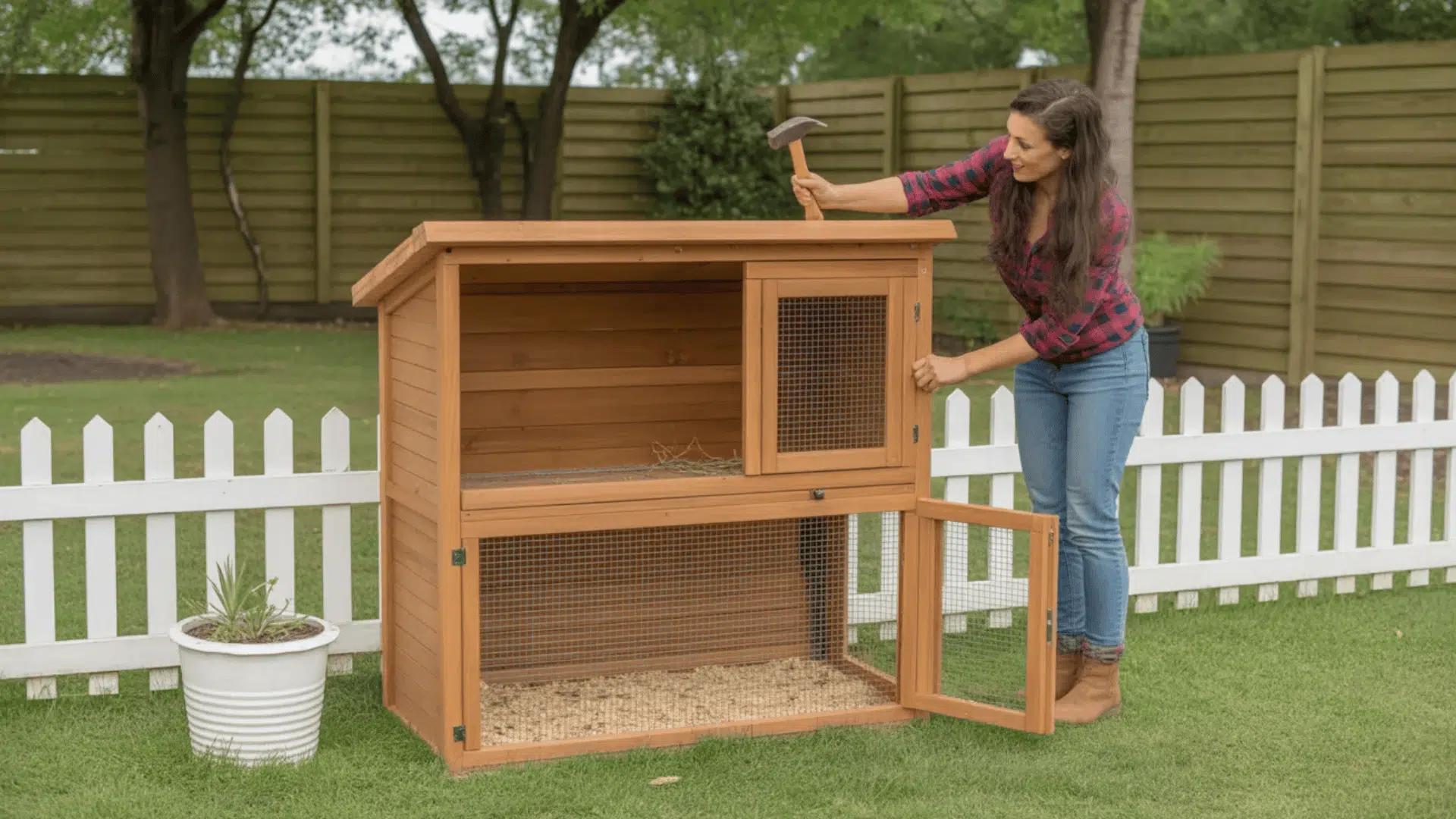
Crate training helps dogs see a crate as a safe and cozy space where they can rest without fear or stress. It is often compared to a den, giving dogs a sense of security and calmness when introduced correctly.
Owners use crates to help with house training, control unwanted chewing, and teach good behavior inside the home.
The process should always include positive rewards so that dogs associate the crate with comfort instead of punishment.
A good crate allows the dog to stand, turn, and lie down comfortably without feeling trapped. When crate training is done with care and patience, it strengthens trust between owner and dog.
Over time, the crate becomes a familiar, peaceful space where the dog feels relaxed and happy to rest safely.
How Long Can a Dog Stay in a Crate?

How long a dog can stay in a crate depends on age, comfort, and health.
Puppies under six months should only be crated for two to three hours at a time since they need frequent potty breaks.
Adult dogs can handle about four to six hours, depending on their energy and daily routine. Older dogs may need shorter crate times because of bladder control or health issues.
A good rule of thumb is to add one to your dog’s age in months to estimate safe crate time.
For instance, a five-month-old puppy shouldn’t stay crated longer than six hours. Always allow breaks for bathroom trips, stretching, and play.
Crates should feel like a cozy den, not a cage. When used correctly, they provide comfort and security, helping your dog rest peacefully while you’re away or during quiet time at home.
Factors to Consider While Crating a Dog
Several factors decide how long a dog can safely stay in a crate. Each dog is unique, so these points help owners plan better.
- Age: Puppies need more breaks because their bladders are small. Adult dogs can handle longer times, while seniors need more frequent outings.
- Breed: High-energy breeds may struggle with long crate hours. Calm breeds often rest better and adjust faster to crate routines.
- Training Experience: Dogs used to crating manage confinement more easily than those still learning new habits.
- Health: Medical issues or incontinence can reduce safe crate durations.
- Temperament: Nervous or hyper dogs may need shorter times to avoid anxiety or frustration.
- Owner’s Schedule: The ability to provide timely breaks affects comfort and overall crate success.
Understanding these factors helps owners keep crate training safe, flexible, and positive for every dog.
What People Say About Dog Crating?

Many dog owners share their real experiences with crate training on Reddit, offering honest stories and practical advice from daily life.
Each story highlights how crate routines change as dogs grow and adjust.
Alex said, “he crate-trained his German Shepherd, Luna, for 3 hours as a puppy, then longer once she felt secure. He kept her dog free & let her only in crates when he went to buy groceries.
Jamie mentioned his Labrador, Max, started with short sessions, but later used his crate for relaxation.
Taylor shared that his German Shepherd mix stayed crated for about 6 hours on workdays, always with playtime before and after.
Morgan also followed the simple formula I shared above, adding 1 to the puppy’s age in months to calculate maximum hours, and saw great results.
These owners agree that balanced crate time, breaks, and care keep dogs happy and comfortable.
Signs Your Dog Needs a Break from the Crate
Dogs show many signs when they have stayed in the crate too long, and noticing these early helps prevent stress or discomfort. Watch for these signals.
- Excessive Barking or Whining: This indicates that your dog feels bored, anxious, or uncomfortable inside the crate for too long.
- Restlessness or Pacing: Means your dog needs to move, stretch, or go outside for a potty break.
- Chewing or Scratching the Crate: Can be a sign of frustration, stress, or too much energy.
- Heavy Panting or Drooling: Suggests your dog feels nervous or overheated and needs relief.
- Avoiding the Crate: If your dog suddenly resists entering, it may feel anxious or unhappy inside.
Paying attention to these signs helps owners give breaks, comfort, and safe crate experiences every time.
Dangers of Keeping a Dog in a Crate Too Long
Leaving your dog in a crate for too long can cause more harm than good. I’ve learned that even with the best intentions, long crate hours can affect both your dog’s body and mind.
- Physical discomfort: Staying still for hours can lead to stiff muscles, joint pain, and pressure sores.
- Bladder issues: Holding it in too long can cause accidents or urinary infections.
- Stress and anxiety: Too much crate time can make your dog restless, frustrated, or even fearful.
- Behavior changes: You may notice whining, barking, or destructive habits when they’re finally out.
- Lack of exercise: Without regular breaks, your dog misses chances to stretch, move, and play.
Keeping crate time balanced keeps your dog healthy and happy.
Alternatives to Crate Training
Some dogs do not adjust well to crate training, and safe alternatives can help them feel calmer and more comfortable.
Many owners use playpens, gated rooms, or dog-proofed areas to give their pets extra space.
These options let dogs move freely, stretch, and rest without feeling trapped.
They are great for active or anxious dogs that dislike being confined in small spaces. Yet, owners must still watch their pets to avoid chewing or other damage.
These areas can also be used alongside crate training to help dogs learn independence and trust.
Choosing the right method depends on your dog’s energy, comfort, and behavior.
When used wisely, these alternatives keep your dog safe, relaxed, and happy while offering freedom to explore and rest comfortably inside the home.
How to Care for Your Dog when You’re Away?

When you’re away from home, planning your dog’s care helps them stay safe, calm, and content. Dogs should never be crated for more than 10 hours, no matter their age or training.
If you’ll be gone for long, ask a friend, neighbor, or pet sitter to stop by for feeding, walks, and bathroom breaks.
For longer trips, consider trusted boarding or daycare services. Set up a cozy space with clean bedding, fresh water, and safe toys to keep your dog busy.
Leave clear written instructions about their meal times, walking schedule, and any medications or routines.
Calming aids like a soft blanket, your worn T-shirt, or gentle background music can ease anxiety.
These thoughtful steps ensure your dog feels secure and cared for even while you’re away, helping them stay happy and well-adjusted until you return.
Conclusion
I’ve learned that crate training gives dogs a safe space to call their own.
Understanding how long a dog can be in a crate depends on age, health, and comfort, and I always follow the simple formula to guide me.
I make sure my dog gets breaks, playtime, and affection after each crate session so it stays happy and calm.
Crate training works best when done with love and patience instead of strict rules. Every dog deserves care, freedom, and balance in daily life.
I hope these ideas help you make better choices for your pet.
How long do you usually crate your dog? Share your thoughts in the comments below.