You are at the butcher’s picking up chicken for dinner. Right next to the usual cuts, you spot a small tray of chicken hearts.
Your dog is at home, waiting for a treat, and a quick thought pops up: can dogs eat chicken hearts, or is that something better left off their bowl?
The short answer is yes, dogs can eat chicken hearts. In fact, many owners add chicken hearts for dogs as part of a balanced diet.
But like most foods, there are details that matter. Portion size, preparation method, and how often you serve them all play a role.
Chicken hearts are a whole food. Many raw feeders and home diet supporters include them in their dogs’ meals.
In this blog, I will break down safety, nutrition, raw vs cooked feeding, and the right way to prepare chicken hearts for dogs.
If you are wondering if chicken hearts are good for dogs beyond just being safe, the answer is yes. They offer real nutritional value when served correctly and sourced from quality suppliers.
What Are Chicken Hearts: Muscle Meat or Organ Meat?
Chicken hearts often confuse dog owners. Even though they are inside the body, they are classified as muscles rather than a secreting organ.
According to the American Kennel Club, the heart is made of cardiac muscle that continuously pumps blood, which is why it falls under the muscle meat category.
This distinction matters for raw feeding. Under the 80:10:10 rule, chicken hearts are usually counted as muscle, not organs.
That makes them different from the liver or the kidney, which are secretory organs and must be limited. Because of this, many raw feeders use chicken hearts more freely in their dogs’ meals without strict portion restrictions.
Can Dogs Eat Chicken Hearts?
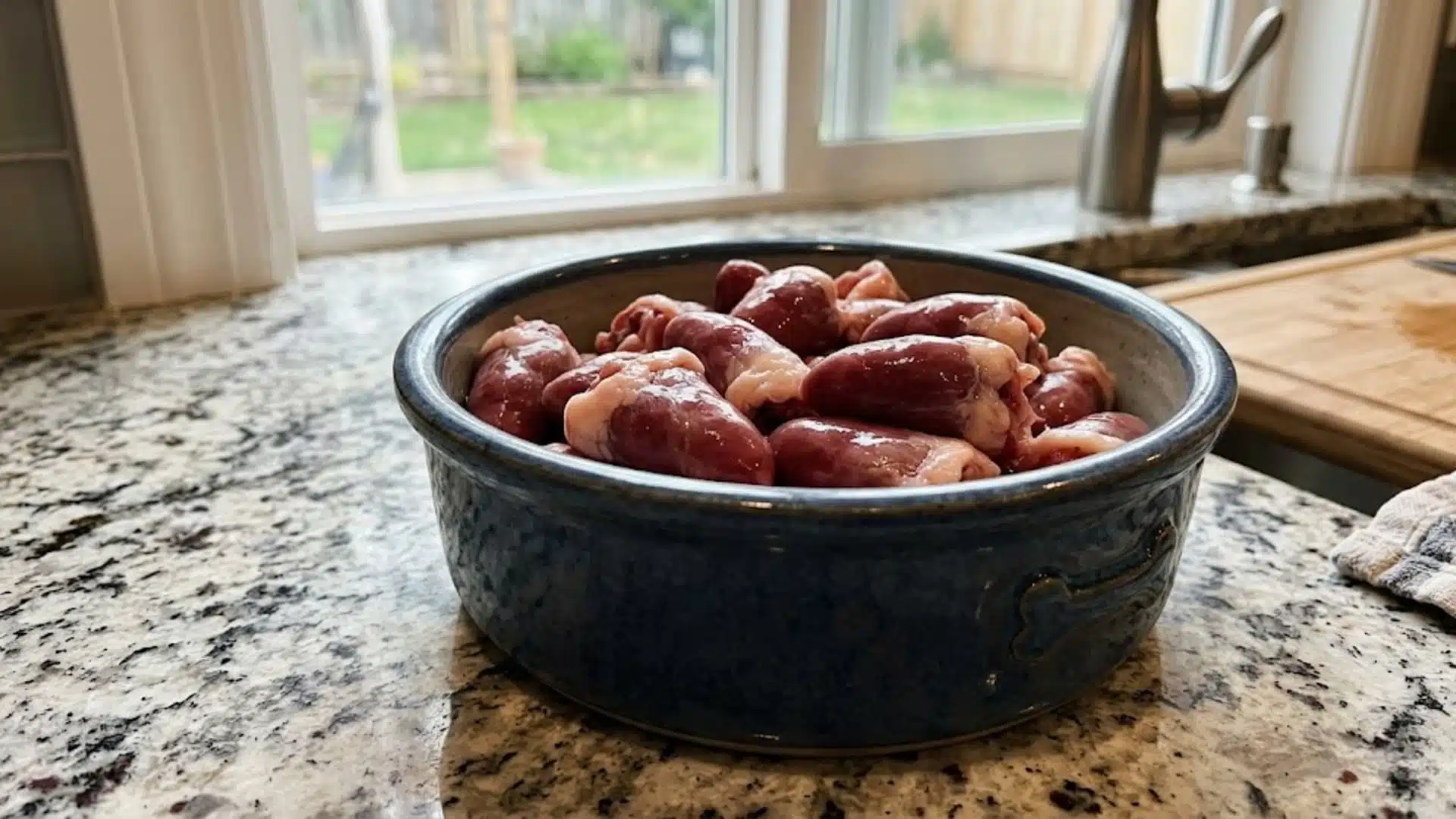
Yes, dogs can eat chicken hearts. They are generally safe for dogs and can even be a nutritious addition to their diet when served in the right amount.
Chicken hearts are safe for most healthy dogs when they are fresh, properly prepared, and fed in moderation.
Many owners add them as occasional treats, mix them into regular meals, or include them in balanced raw diets.
They provide protein and nutrients that support muscle health and energy levels. However, owners should be careful not to overfeed them. Too many chicken hearts can upset a dog’s stomach or throw off a balanced diet.
Dogs with certain health issues, food sensitivities, or special dietary needs should only eat them after checking with a veterinarian.
Note: Dogs with a known chicken allergy should not eat chicken hearts. Chicken hearts contain the same proteins found in chicken meat and can trigger the same allergic response. If your dog has shown sensitivity to chicken before, consult your vet before introducing chicken hearts.
Nutritional Benefits of Chicken Hearts for Dogs
Chicken hearts pack a lot of nutrition into a small portion, making them a nutrient-rich addition to many dog diets.
- Protein: Chicken hearts provide high-quality animal protein that supports muscle development, tissue repair, and overall strength in active and growing dogs.
- Taurine: A key amino acid that supports heart function, eye health, and healthy metabolism in dogs.
- Iron: Helps support red blood cell production and oxygen circulation throughout a dog’s body.
- Vitamin B Complex: B vitamins help convert food into energy and support brain function and nervous system health.
- Zinc and Phosphorus: Essential minerals that help maintain immune strength, bone health, and proper cell function.
- Omega-3 Fatty Acids: Chicken hearts contain essential fatty acids that support skin health, coat shine, and help reduce inflammation in dogs.
- Potassium: Supports healthy muscle contractions, nerve function, and fluid balance in dogs.
Chicken hearts contain approximately 47 calories per 100 grams, making them a relatively low-calorie addition to your dog’s diet when served in controlled portions.
Raw Chicken Hearts for Dogs: Is It Safe?
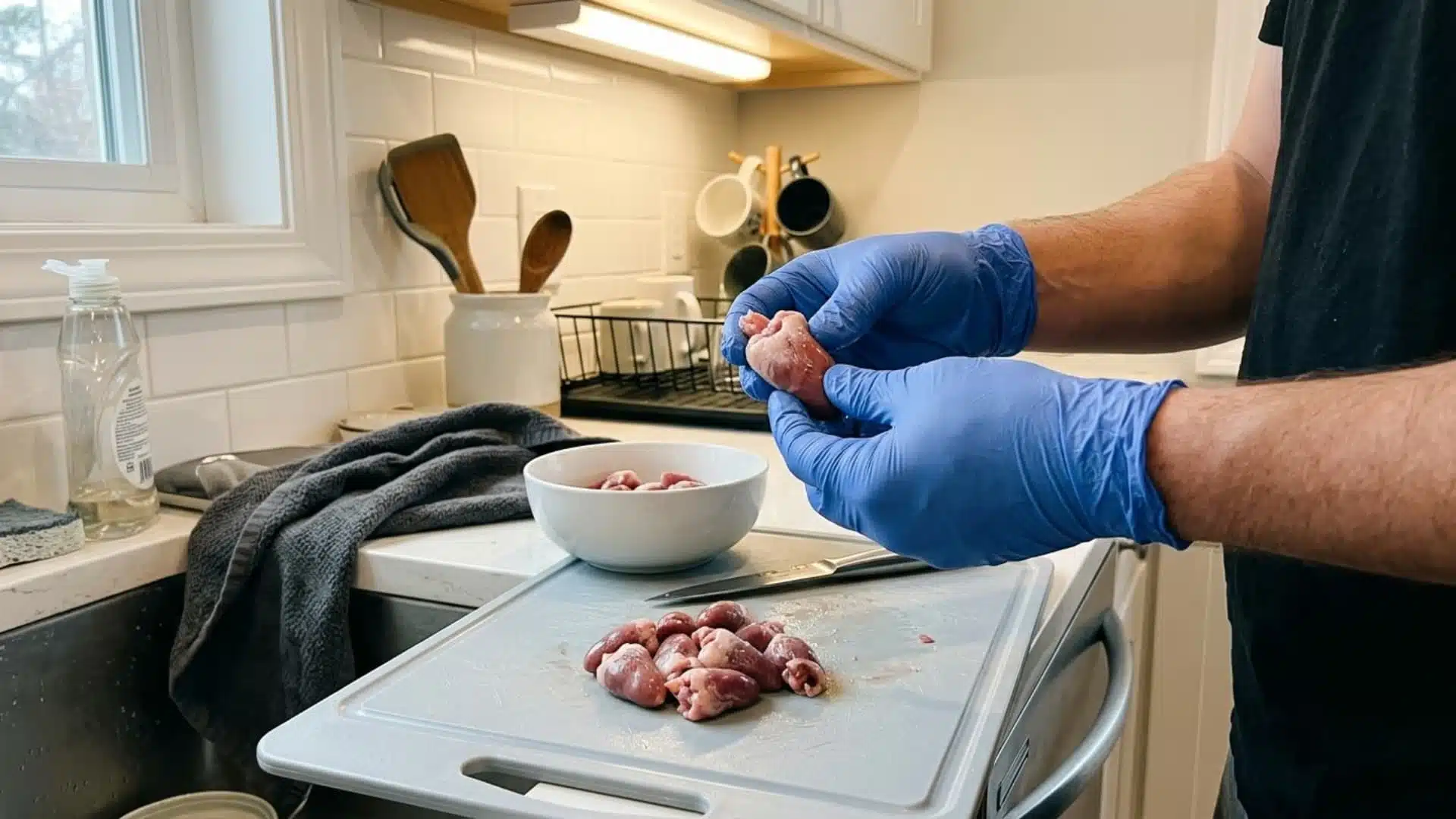
Raw chicken hearts for dogs are often discussed in the raw feeding community. When sourced fresh and handled properly, many dogs tolerate raw chicken hearts without problems.
Some owners include them in raw diets because they are natural muscle meat and contain nutrients such as protein and taurine.
However, raw feeding does come with concerns. Raw poultry can carry bacteria such as Salmonella or Campylobacter.
While many dogs handle these bacteria better than humans, improper storage or contaminated meat can still pose risks.
Raw feeding may work for owners who follow strict food safety practices and balanced diet plans.
Still, it is important to introduce raw chicken hearts slowly and monitor your dog for any digestive issues.
For owners who want a middle ground between raw and cooked, freeze-dried chicken hearts are worth considering.
The freeze-drying process preserves most of the raw nutrients while reducing the risk of bacterial contamination, making them a convenient and safer alternative to fully raw hearts.
Unlike dehydrated treats, which are exposed to heat that can break down taurine and B-vitamins, freeze-dried hearts retain more of their original nutritional profile.
Possible Risks of Feeding Chicken Hearts to Dogs
Chicken hearts are nutritious, but feeding them incorrectly or too often can create a few health concerns for dogs.
- Overfeeding: Too many chicken hearts can unbalance a dog’s diet and lead to excess fat or protein intake.
- Digestive Upset: Sudden introduction or large portions may cause diarrhea, vomiting, or stomach discomfort in sensitive dogs.
- High Cholesterol: Chicken hearts contain cholesterol, which may not be ideal for dogs with certain heart or metabolic conditions.
- Unbalanced Diet: Relying heavily on chicken hearts without other foods can prevent dogs from getting a complete range of nutrients.
- Bacterial Risk: Raw chicken hearts may harbor bacteria if not handled or stored properly before feeding.
- Chicken Allergy: Dogs allergic to chicken protein may react to chicken hearts the same way they would to other chicken products. Watch for signs like itching, skin redness, or digestive upset after the first few servings.
- Choking Hazard: Whole chicken hearts can pose a choking hazard for small dogs or fast eaters. Always cut them into smaller pieces before serving to smaller breeds.
- Pancreatitis Risk: Dogs with a history of pancreatitis should not eat chicken hearts without veterinary guidance, as the fat content may aggravate the condition.
How Much Chicken Heart Can Dogs Eat?
Feeding chicken hearts to your dog is not just about whether they are safe, but also about how much you give and how often you include them.
Even though they are packed with nutrients, they should not take over your dog’s regular meals. Getting the portion right helps maintain balance in your dog’s diet while still giving them the benefits.
This is where most owners either get it right or unintentionally overdo it. As a general guideline based on dog size:
- Small dogs (under 20 lbs): 1 to 2 chicken hearts per serving, up to 3 to 4 times per week
- Medium dogs (20 to 50 lbs): 3 to 4 chicken hearts per serving, up to 4 to 5 times per week
- Large dogs (over 50 lbs): 5 to 6 chicken hearts per serving, up to 5 times per week
In simple terms, chicken hearts should not exceed 10% of your dog’s total daily calorie intake.
Active breeds like Labradors or working dogs may handle slightly higher portions due to higher energy needs.
Smaller or low-energy breeds like Shih Tzus or Pugs should stay on the lower side.
For very active dogs, this percentage can go slightly higher, while overweight or less active dogs should stay at the lower end.
Always introduce slowly and watch for any changes in digestion or energy levels.
Chicken hearts work best when used sparingly rather than as a staple. Keeping portions controlled and spacing out servings ensures your dog gets the nutritional benefits without digestive issues.
A consistent approach to feeding helps maintain overall health, making chicken hearts a useful but limited part of your dog’s diet instead of a daily habit.
How to Prepare Chicken Hearts for Dogs?

Proper preparation ensures chicken hearts are safe, digestible, and beneficial for your dog’s overall health and daily nutrition.
1. Cleaning and Trimming
Start by rinsing the chicken hearts thoroughly under clean running water to remove any leftover blood or residue.
Take a moment to inspect each piece and trim off excess fat, connective tissue, or any visible vessels if present.
While chicken hearts are usually clean, this step improves safety and quality. Always choose fresh hearts and avoid any that have a strong or unusual smell.
2. Boiling or Lightly Cooking
Boiling chicken hearts is one of the safest and simplest methods for dog owners. Do not add salt, oil, or spices, as these can harm your dog.
Place them in plain water and cook until they are fully done, with no pink remaining inside.
Light cooking helps reduce harmful bacteria while preserving most nutrients, making it a safer, more balanced option than raw feeding.
3. Air-Frying
Air-frying is another safe preparation method that works well for dog owners who want a quicker alternative to boiling.
Set the air fryer to a moderate temperature and cook without any oil, salt, or seasoning. Air-fried hearts come out firmer in texture, which many dogs enjoy, and the method takes only a few minutes.
Avoid very high temperatures, as these can dry them out and reduce their nutritional value.
4. Portion Sizing
The right portion depends on your dog’s size, age, activity level, and overall diet. Chicken hearts should be treated as a supplement, not a full meal replacement.
For small dogs, one or two hearts per serving is enough, while larger dogs can have more in moderation.
Always introduce slowly into their diet to avoid stomach upset and observe how your dog reacts over time.
Can Puppies Eat Chicken Hearts Safely?
Chicken hearts can be a healthy addition to a puppy’s diet, but only when introduced carefully and in the right amounts.
Puppies are still growing, so their nutritional needs are more sensitive than those of adult dogs. When feeding puppies, start with very small portions and observe their response.
While chicken hearts provide protein and essential nutrients, they should never replace a balanced puppy diet.
Their digestive systems are still developing, so sudden changes can cause stomach upset. Finely chopping or lightly cooking the hearts can make them easier to digest.
As your puppy grows, portions can be adjusted slightly, but chicken hearts should always remain an occasional addition rather than a regular staple in their meals.
Best Ways to Serve Chicken Hearts to Dogs
Serving chicken hearts the right way improves safety, digestion, and how well your dog accepts them.
- Raw Serving: Feed fresh, properly sourced raw chicken hearts as part of a balanced raw diet, following strict hygiene and storage practices.
- Boiled Plain: Boil chicken hearts without salt, oil, or spices to make them safer and easier to digest for most dogs.
- Mixed with Meals: Chop and mix chicken hearts into regular dog food to add nutrition without overwhelming the diet.
- As Training Treats: Use small, cooked pieces as high-value treats during training sessions due to their strong smell and taste.
- Frozen Treat Option: Freeze small portions for a cooling treat, especially useful in warm weather and for teething puppies.
- Freeze-Dried: Choose high-quality freeze-dried chicken hearts as a shelf-stable treat that retains more nutrients than dehydrated versions and is convenient for travel or on-the-go training. Look for single-ingredient options from trusted suppliers.
- Alternatives for Chicken-Sensitive Dogs: If your dog reacts to chicken protein, beef, turkey, or lamb hearts are excellent alternatives. They offer similar levels of taurine, protein, and iron, with a different protein source that your dog may tolerate better.
Conclusion
Chicken hearts can be a simple and nutritious addition to your dog’s diet when used the right way.
If you have been thinking, can dogs eat chicken hearts? The answer is yes, but always with balance and proper preparation.
Many owners include chicken hearts for dogs as part of a varied diet to support protein intake and overall health.
The key is moderation, safe handling, and understanding your dog’s specific needs. Whether you choose raw or cooked, keeping portions controlled makes all the difference. Every dog reacts differently, so observing their response is important.
Have you tried feeding your dog chicken hearts? Drop your thoughts, experiences, or questions in the comments below.
Frequently Asked Questions
Are Chicken Hearts Better than Liver for Dogs?
Chicken hearts are muscle meat and can be fed more freely, while liver is a secreting organ and should be limited.
Can Chicken Hearts Help Picky Eaters?
Yes, chicken hearts have a strong smell and taste that many dogs find appealing. Mixing small pieces of food into regular food can encourage picky dogs to eat more.
Are Chicken Hearts Suitable for Senior Dogs?
Yes, but in smaller portions. Older dogs may have slower digestion, so lightly cooked and finely chopped hearts are usually easier for them.
What Can I Give Instead of Chicken Hearts?
Beef, turkey, and lamb hearts are solid alternatives. They provide comparable protein, taurine, and iron with a different protein source, which is useful for dogs with chicken sensitivities or those simply needing dietary variety